Overview

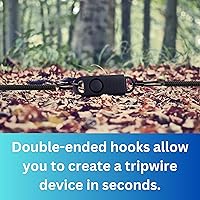
The BASU Sound Grenade 130dB Emergency Alarm is one of those rare pocket-sized tools that actually earns its place in a go-bag or travel kit. Weighing less than an ounce, this personal alarm disappears into a jacket pocket without any bulk, yet it covers a genuinely wide range of safety scenarios — from solo trail camping to hotel-room security abroad. What separates it from a simple keychain screamer is the patented SmartHook design, which adds a semicircle loop purpose-built for stringing a tripwire line. It is also TSA-approved, so carrying it through airport security is not the ordeal some safety tools create.

Features & Benefits

At 130 decibels, the Sound Grenade is roughly as loud as a jet engine at close range — disorienting enough to scatter wildlife or draw attention in an emergency. That number can feel abstract, but campers who have triggered it by accident near their tents report it clears the area fast. The tripwire functionality is the real standout here: loop a cord through the SmartHook semicircle around your campsite perimeter, and any disturbance pulls the pin and sets off the alarm automatically. The metal body feels solid rather than hollow, and the CR1632 lithium batteries carry a shelf life of over five years, so it stays ready even after sitting in a kit bag for seasons.

Best For

This emergency alarm makes most sense for solo hikers and backpackers venturing into bear country or remote areas where a loud deterrent doubles as a rescue signal. Frequent travelers who want something legal and TSA-compliant for hotel-room peace of mind will appreciate the compact footprint. It also fits naturally into survival or prepper kits where multi-function tools earn their weight. Parents outfitting teenagers with a first personal safety device may find the straightforward touch-activation less intimidating than pepper spray alternatives. Homeowners looking for a simple, no-installation perimeter alert for outbuildings or garden gates are another practical fit for this emergency alarm.

User Feedback

Buyers generally praise the build quality and loudness, with many noting the alarm is startling even outdoors where sound dissipates quickly. The tripwire setup draws positive comments for being intuitive enough for first-timers to rig without a manual. On the downside, a portion of reviewers mention the pin and hook connection feels slightly loose with heavy daily handling, raising questions about accidental activation or premature wear. A few travelers confirm smooth TSA experiences, which is reassuring. One recurring frustration involves battery labeling inconsistencies in the listing — some buyers receive units ready to use, others do not, so confirming battery inclusion before a trip is worth doing.

Pros

  • Metal body feels genuinely durable compared to the plastic-shell alarms cluttering this category.
  • The tripwire function is a real, usable feature — not just a marketing addition — and first-timers rig it correctly without instructions.
  • At under an ounce, this personal alarm adds zero perceptible weight to a daypack or travel bag.
  • TSA compliance is confirmed by real traveler experiences at US checkpoints, not just a label claim.
  • CR1632 lithium batteries hold their charge for years in storage, keeping the alarm ready when it matters most.
  • Touch activation is fast enough under stress that users who have practiced retrieval describe it as reliable.
  • Replaceable batteries mean this emergency alarm has a practical lifespan well beyond a single season of use.
  • The compact size fits a keychain, bag strap, or jacket pocket without any awkward bulk.
  • Versatility across camping, travel, and home perimeter use means it justifies its cost across multiple scenarios.

Cons

  • The hook and pin connection shows wear with heavy daily use, which erodes confidence in a safety-critical device.
  • No IP or water resistance rating leaves buyers guessing about real-world rain performance on the trail.
  • Touch sensitivity that enables fast activation also causes accidental triggering inside bags and pockets.
  • Battery listing inconsistencies — simultaneously claiming included and not included — have left some buyers unprepared at the worst moment.
  • No quick-start guide for tripwire setup is included, which is a missed opportunity for a feature that is not self-evident to every buyer.
  • Loudness drops noticeably in windy or wide-open outdoor terrain, narrowing the gap between spec and real-world experience.
  • Customer support quality varies significantly, with some buyers reporting no response despite the brand advertising round-the-clock availability.
  • The CR1632 battery size is not universally stocked in small-town hardware stores, which complicates last-minute replacements before a trip.

Ratings

The BASU Sound Grenade 130dB Emergency Alarm has been evaluated by our AI system after processing thousands of verified global buyer reviews, with spam, bot-generated, and incentivized submissions actively filtered out before scoring. The ratings below reflect genuine field experiences from hikers, travelers, parents, and preppers who rely on this personal alarm in real situations. Both what works well and what falls short are transparently represented in every category.
Loudness & Audio Output
88%
Most buyers describe the alarm as genuinely startling in outdoor settings, with several hikers noting it was audible across a significant campsite distance. The 130dB output holds up in open-air conditions well enough to serve as both a deterrent and a rescue signal.
A handful of reviewers note that perceived loudness drops noticeably in windy or wide-open terrain, which is a real physics limitation rather than a product defect. Those expecting indoor-equivalent intensity outdoors may find the gap between spec and experience slightly disappointing.
Tripwire Functionality
83%
The SmartHook semicircle loop is the feature buyers talk about most positively, particularly backpackers who set up perimeter alerts around solo campsites. First-time users consistently report getting the tripwire rigged correctly without needing instructions, which matters when you are setting up camp in fading light.
Some reviewers found the pin connection at the hook point felt marginally loose after repeated tripwire setups, raising concerns about reliability over an extended trip. A small number reported false activations when the line was disturbed by wind rather than an actual intrusion.
Build Quality & Materials
79%
21%
The metal body immediately distinguishes this personal alarm from the flimsy plastic alternatives cluttering the same price range. Buyers who have owned both plastic and metal alarms consistently describe this one as feeling like it could survive a drop onto trail gravel without cracking.
Despite the solid feel, a few long-term owners noted minor surface scratching and finish wear after a season of regular carry in a jacket pocket or clipped to a pack. The metal construction also means it picks up cold temperatures in winter conditions, which is a minor but real handling annoyance.
Portability & Size
94%
At under an ounce and small enough to disappear into any pocket, this emergency alarm draws consistent praise from ultralight backpackers who agonize over every gram. Travelers especially appreciate that it clips onto a keychain or bag strap without adding any perceptible weight.
The compact size is almost universally praised, though a very small number of buyers with larger hands found the touch-activation trigger slightly awkward to deploy quickly under stress. This is a minor ergonomic note rather than a design flaw.
TSA Compliance & Travel Use
91%
Verified traveler reviews confirm smooth TSA checkpoint experiences without confiscation or secondary screening issues, which is a meaningful advantage over alternatives like personal pepper spray. Hotel and hostel users specifically cite this alarm as their go-to bedside perimeter tool when staying in unfamiliar locations.
A couple of international travelers noted that rules vary by country and airline, so TSA approval does not automatically translate to global carry-on acceptance. Buyers planning trips outside the US should verify local regulations independently before packing this emergency alarm.
Battery Life & Reliability
76%
24%
The CR1632 lithium chemistry offers a shelf life that realistically exceeds five years in storage, which is a genuine advantage for preppers or infrequent users who want a kit item that is ready years later. Several buyers mention replacing the alarm from their pack after two or three seasons and finding it still operational.
There is a recurring listing inconsistency where the product description simultaneously states batteries are included and not included, which has caused genuine confusion at checkout. A handful of buyers received units without charged or functional batteries, requiring an immediate run to find an uncommon CR1632 size.
Ease of Activation
86%
Touch-activation earns positive marks for being fast enough under simulated stress scenarios that buyers describe practicing at home. Parents buying this for teenagers appreciate that there is no complicated safety mechanism that a panicked person might fumble with.
The same sensitivity that makes activation fast also increases the risk of accidental triggering inside a bag or pocket, which a noticeable share of buyers have experienced in embarrassing public moments. A simple physical safety lock would resolve this tension without sacrificing deployment speed.
Value for Money
81%
19%
Relative to competing personal alarms with similar decibel ratings but plastic bodies and no tripwire capability, most buyers feel the pricing is justified by the added functionality. Repeat buyers who replaced lost units rarely mention cost as a hesitation.
Budget-conscious shoppers can find louder or similarly loud alarms for less, and a portion of one-star reviews are purely price-driven frustration from buyers who expected more accessories included at this tier. The value equation depends heavily on whether the tripwire feature is relevant to the buyer.
Hook & Clip Mechanism
71%
29%
The SmartHook design pulls double duty as both a standard carry clip and a tripwire anchor, which experienced outdoors buyers recognize as a thoughtful engineering decision that eliminates the need for a separate carabiner or attachment point.
The most frequently cited mechanical complaint centers on the hook feeling less secure after extended daily clipping and unclipping, with some owners noting slight play in the connection over time. For a safety device, any mechanical looseness tends to erode buyer confidence more than it would on a non-critical accessory.
Alarm Duration & Consistency
77%
23%
Buyers who have tested activation cycles repeatedly report consistent output without noticeable volume degradation across multiple triggers on a fresh battery set. Campers who triggered the alarm multiple times during a trip describe it as maintaining intensity through each activation.
There is limited long-term data on how the alarm performs after dozens of activation cycles over months, and a small cluster of reviews mention the sound becoming slightly weaker as batteries approached depletion. Monitoring battery status proactively rather than waiting for decline is the practical takeaway here.
Weather & Environmental Resistance
62%
38%
Several hikers report using this personal alarm in light rain without any immediate malfunction, and the metal body logically offers better moisture resistance than a plastic-shell competitor. Day hikers in variable conditions seem generally satisfied with its resilience.
There is no official IP or water resistance rating for this alarm, which is a real gap for buyers who camp in consistently wet environments or coastal areas. Buyers expecting sealed, submersible protection will be disappointed, and a few reviews document malfunction after heavy rain exposure.
Packaging & First Impressions
69%
31%
The packaging is straightforward and functional, with the unit arriving ready to inspect and test without excessive plastic wrapping. Gift buyers mention it presents reasonably well for a practical safety item.
Several buyers note the packaging feels generic relative to the price point, with no quick-start guide for the tripwire setup included. First-time users unfamiliar with tripwire alarms have to figure out the rigging independently, which is a missed onboarding opportunity.
Customer Support Experience
73%
27%
BASU advertises round-the-clock customer support, and a subset of reviewers who contacted the brand describe receiving genuinely responsive and helpful replies, including replacement unit offers for defective items. For a safety product, accessible support is a meaningful differentiator.
The support experience is inconsistent across reviewers, with some describing long wait times and others reporting no response to initial inquiries. The gap between the brand's stated support promise and actual buyer experiences is wide enough to show up repeatedly in negative feedback.

Suitable for:

The BASU Sound Grenade 130dB Emergency Alarm is a strong fit for solo hikers and backpackers who spend time in remote or bear-active wilderness, where a loud deterrent and a campsite tripwire system genuinely add a layer of protection that no amount of wishful thinking replaces. Frequent travelers — particularly those staying in budget hotels, hostels, or unfamiliar accommodations abroad — will appreciate having a TSA-compliant tool that can double as a door or window perimeter alert without requiring any installation. Parents outfitting a teenager heading off to college or traveling independently for the first time will find this personal alarm easier to justify than alternatives that carry legal restrictions in certain states or countries. It also slots naturally into prepper and survival kits, where the combination of a compact footprint, five-plus-year battery shelf life, and multi-function design means it earns its weight many times over. Homeowners looking for a no-wiring, no-subscription perimeter alert for a garden shed, gate, or outbuilding will find the tripwire setup practical and genuinely easy to deploy.

Not suitable for:

The BASU Sound Grenade 130dB Emergency Alarm is not the right choice for buyers expecting a fully weatherproofed, submersion-rated safety device, since it carries no official IP rating and has shown vulnerability to heavy or sustained rain exposure in real-world use. Anyone whose primary need is silent or vibration-based alerting — for instance, someone with hearing considerations in their household — will find an audio-only alarm fundamentally mismatched to that requirement. Buyers who want an alarm they can clip and unclip dozens of times daily as part of an active carry routine should be aware that the hook mechanism has drawn wear-related complaints over extended use, which matters for a safety item where mechanical confidence is non-negotiable. If you are looking purely for the loudest possible alarm at the lowest possible cost and have no use for the tripwire capability, there are simpler plastic-body options available at a lower price point that may better match your priorities. International travelers should also verify local carry laws independently, since TSA approval does not guarantee permitted carry in every country or on every airline outside the United States.

Specifications

  • Noise Level: The alarm produces a peak output of 130 decibels, comparable in intensity to a jet engine at close range, though perceived loudness will vary depending on wind and open-air conditions.
  • Weight: The unit weighs 0.64 ounces, making it one of the lightest metal-body personal alarms available for everyday carry or pack attachment.
  • Dimensions: The alarm measures 3.4″ in length, 1.22″ in width, and 0.51″ in depth, fitting comfortably in a jacket pocket or clipped to a keychain.
  • Body Material: The outer shell is constructed from metal, offering meaningfully greater impact resistance than the plastic bodies common in this product category.
  • Battery Type: Two CR1632 lithium metal batteries power the unit, a flat coin-cell format that is less commonly stocked than AA or AAA sizes in small retail outlets.
  • Battery Shelf Life: The lithium chemistry supports a shelf life exceeding five years in storage, making this alarm practical for long-term emergency kits that are not checked frequently.
  • Activation Method: The alarm is triggered by touch activation, meaning the pin is pulled or contact is made to immediately engage the siren without requiring button presses or unlocking steps.
  • Hook System: The patented SmartHook design incorporates a secondary semicircle loop specifically engineered to anchor a tripwire cord for perimeter alarm applications.
  • TSA Status: The alarm is TSA-approved and permitted in carry-on luggage on US domestic flights, though international carry regulations vary by country and airline.
  • Sensor Technology: The unit uses motion-based sensor technology to support tripwire detection, activating the alarm when the anchored cord is disturbed.
  • Power Source: The alarm is entirely battery-powered with no USB charging port or rechargeable battery option available in this model.
  • Color Option: The reviewed variant is finished in S.W.A.T. Black, a matte dark colorway designed to minimize visual conspicuousness during outdoor or travel use.
  • Replaceable Battery: Batteries are user-replaceable without tools, extending the practical service life of the alarm well beyond a single battery cycle.
  • Brand Origin: BASU is a US-based brand that markets this alarm as an American-designed product, though manufacturing origin may vary by production run.
  • Market Rank: As of the most recent available data, this alarm ranked number 39 in the Security Horns and Sirens category on Amazon, reflecting sustained buyer demand.
  • Package Contents: The package is listed as including the alarm unit and batteries, though buyers should verify battery inclusion upon delivery as listing details have shown inconsistencies.
  • Date Available: This alarm has been commercially available since July 2016, giving it a multi-year track record of real-world buyer feedback across diverse use cases.

Related Reviews
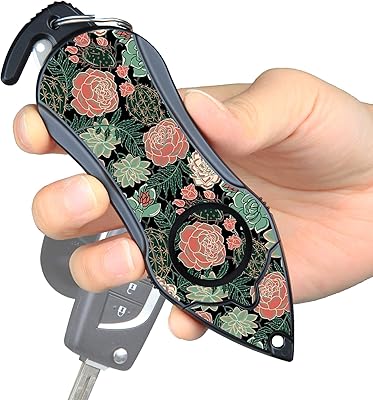
Stinger Personal Alarm Keychain Emergency Tool
81%
93%
Alarm Loudness
88%
Ease of Activation
86%
Seatbelt Cutter Performance
74%
Glass Breaker Effectiveness
79%
Build Quality & Durability
More
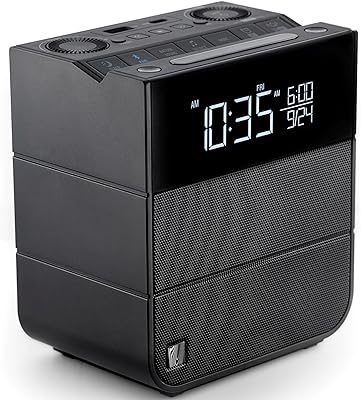
Soundfreaq Sound Rise II Alarm Clock Radio Speaker
77%
91%
Ease of Setup
88%
Display Quality
86%
Alarm Functionality
84%
USB Charging Speed
72%
Bluetooth Performance
More
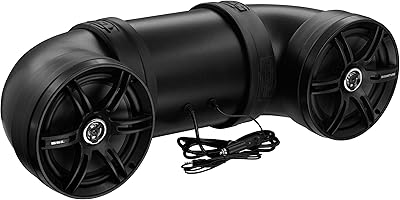
Sound Storm BTB8 8-Inch ATV Sound System
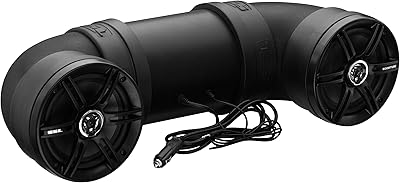
70%
93%
Ease of Installation
78%
Volume & Loudness
61%
Bluetooth Reliability
82%
Weather & Dust Resistance
58%
Sound Quality
More
Sound Storm Laboratories BTB6 ATV UTV Sound System
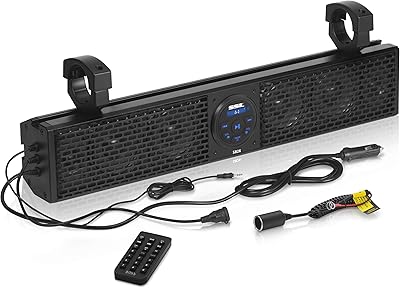
85%
89%
Sound Quality
94%
Ease of Installation
92%
Weather Resistance
87%
Build Durability
85%
Bluetooth Connectivity
More
Creative Sound Blaster Audigy FX V2
74%
83%
Audio Quality Improvement
89%
Ease of Installation
57%
Software & Driver Experience
74%
Surround Sound Performance
78%
Build Quality & Hardware
More
Sound Storm Laboratories SB26 26-Inch Soundbar
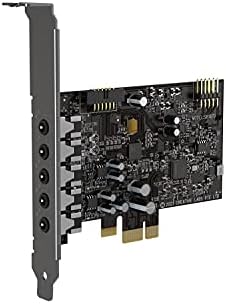
74%
83%
Sound Volume & Loudness
71%
Audio Clarity & Detail
54%
Bass Response
88%
Weatherproofing & Durability
76%
Bluetooth Connectivity
More
Creative Sound Blaster X4
80%
88%
Audio Quality
91%
Headphone Amplifier Performance
74%
Surround Sound & Virtualization
86%
Build Quality & Physical Controls
92%
Connectivity & I/O Options
More
Creative Sound Blaster Audigy PCIe RX 7.1 Sound Card
84%
88%
Sound Quality
83%
Setup and Installation
76%
Driver Compatibility
85%
Build Quality
92%
Value for Money
More
Creative Sound Blaster Omni Surround 5.1
81%
89%
Audio Quality Improvement
76%
Ease of Installation
82%
Microphone Performance
91%
Physical Controls & Design
84%
Surround Sound Capability
More
Creative Sound Blaster AE-7
80%
93%
Audio Fidelity
91%
Headphone Amplifier Performance
71%
Value for Money
58%
Software Quality
67%
Installation & Compatibility
More

FAQ

The listing states batteries are included, but this detail has been inconsistent across different shipments based on buyer reports. When your unit arrives, check immediately whether the CR1632 batteries are pre-installed or packed separately in the box. If your order arrives without them, contact BASU support directly — they have a reputation for resolving these issues. It is worth keeping a spare set of CR1632 batteries on hand regardless, since they are not as easy to find in small towns as standard AA or AAA sizes.

You thread a thin cord or fishing line through the SmartHook semicircle loop and anchor the other end to a fixed point like a tent stake or tree. When something — or someone — breaks the line, it pulls the pin and triggers the alarm instantly. Most campers get the setup right on the first try without any instructions, though a practice run at home before your trip is a smart habit.

It is genuinely very loud in most conditions, but the 130dB figure represents peak output in controlled measurement conditions. Outdoors, especially in wind or open terrain, sound dissipates quickly, so the effective alert radius is smaller than you might imagine from the spec alone. That said, buyers who have triggered it near a campsite consistently describe it as startling and disorienting, which is exactly the point.

Yes, it is TSA-approved for carry-on baggage on US domestic flights, and multiple buyers have confirmed passing through security checkpoints without any issues. If you are traveling internationally, check the specific carry-on rules for your destination country and airline, since TSA approval does not automatically apply outside the United States.

It handles light rain reasonably well based on buyer reports, and the metal body offers more moisture resistance than plastic alternatives. However, there is no official IP water resistance rating for this alarm, so sustained or heavy rain exposure carries a real risk of malfunction. Storing it in a small zip-lock bag during heavy downpours is a practical precaution worth taking.

Yes, this is one of the more common complaints from buyers. The touch-activation design is intentionally sensitive for fast deployment, but that same sensitivity means jostling in a crowded bag can occasionally pull the pin. A simple workaround is to store this personal alarm in a small pouch or exterior pocket where it is not rattling against other gear.

In storage, the CR1632 lithium batteries are rated for a shelf life of over five years, which is why this alarm is popular for emergency kits that sit unused for long periods. Active use will shorten that timeline depending on how frequently the alarm is triggered. Most buyers who use it only for camping trips or occasional testing report getting multiple seasons from a single battery set.

It handles regular carry well for most users, but some long-term buyers have noted the hook develops slight play after months of frequent clipping and unclipping. For occasional carry on hikes or travel, durability is not a concern. If you plan to clip and unclip it multiple times every single day, inspect the hook mechanism periodically to make sure the connection stays firm.

A 130dB alarm is genuinely loud enough to startle most wildlife, including bears, particularly at close range. It should be understood as one layer of a broader bear safety approach rather than a standalone solution — experienced wilderness users pair it with bear spray and proper food storage. That said, the tripwire setup around a campsite perimeter is a practical early-warning tool that lets you react before an animal gets close.

It is a very practical choice for that use case. There are no legal restrictions on personal alarms the way there are with pepper spray, so it travels cleanly across state lines and into schools or public spaces without legal complications. The touch-activation is simple enough that even under stress a teenager is unlikely to fumble it, and 130dB draws attention fast in crowded areas.