
Overview

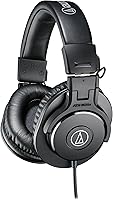
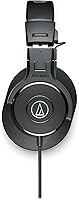
The Audio-Technica ATH-M30x sits at the entry point of Audio-Technica's respected M-series lineup, designed for tracking, mixing, and critical listening without requiring a serious financial commitment. It occupies a clear position in the range — a step above the more basic M20x, but leaving room for the M40x if you need wider frequency coverage and more refined tuning. The wired, circumaural over-ear design is built with studio work in mind, and the collapsible folding frame makes it surprisingly practical to carry. For students, hobbyists, and first-time home studio builders, this represents a genuine entry into professional-grade monitoring that consumer headphones simply cannot replicate.

Features & Benefits

The 40mm dynamic drivers inside the M30x do a commendable job rendering mid-range detail — vocals, guitars, and synth layers sit clearly in a mix without masking each other. The circumaural ear cups wrap snugly around the ears, providing enough passive isolation to concentrate in a home environment with background noise present. At 38 ohms, this over-ear monitor works perfectly with a laptop headphone jack or a basic audio interface, no external amplifier needed. The detachable single-sided cable is a small but genuinely practical touch — fewer tangles, and a worn cable is cheap to replace. A carrying case and adapter are both included, which feels like solid value at this price tier.

Best For

These studio headphones are a natural fit for home studio beginners who want accurate monitoring without stretching their setup budget. Music students will particularly appreciate the honest mid-range representation when learning how to place instruments in a mix. Podcasters and voiceover artists benefit from the solid passive isolation — bleed into the microphone stays minimal during live recording sessions. That said, the M30x is not the right call for everyone. If you are already working professionally or you rely on deep, punchy bass as part of your monitoring workflow, the step up to the M40x is worth considering. For portable studio use, though, it is hard to fault.

User Feedback

Buyers consistently highlight mid-range clarity and the way instruments separate in busy mixes — a theme that runs through hundreds of verified reviews. Long-session comfort draws more mixed responses: most find the ear pads adequate for an hour or two, though some note that clamping force becomes noticeable with extended wear. The most common criticism centers on the low end — bass is present but lacks the weight you would get from higher-tier monitors, which is fair to know upfront. Build confidence is generally high, though a handful of users flagged the hinge and cable connector as the first areas to show wear over time. Overall, value perception among buyers remains strong.

Pros

  • Mid-range clarity and instrument separation punch well above the price point for mixing and tracking work.
  • The detachable single-sided cable keeps your workspace tidy and is easy to replace if it wears out.
  • At 38 ohms, the M30x works directly with laptops, phones, and basic audio interfaces — no amp required.
  • Passive isolation is strong enough to block household distractions and minimize microphone bleed during recording.
  • The collapsible folding design and included carrying case make transport genuinely practical for students on the move.
  • Comes complete out of the box with a screw-on 6.3mm adapter — no extra purchases needed to get started.
  • These studio headphones feel solid and well-assembled for their price tier, with no hollow or flimsy parts.
  • Honest, relatively flat mid-range tuning trains your ears to make better mixing decisions over time.
  • Strong value perception among verified buyers who are upgrading from consumer-grade headphones for the first time.

Cons

  • Bass response is noticeably thin for bass-heavy genres, making low-end mix decisions unreliable on these alone.
  • Clamping force becomes uncomfortable during extended sessions lasting more than two hours for many users.
  • Ear pads retain heat, which adds to discomfort in warmer rooms or during longer tracking sessions.
  • Soundstage is narrow even by closed-back standards, limiting usefulness for spatial or immersive audio work.
  • The hinge points and cable connector port are the first components to show wear with regular long-term use.
  • Replacement cables use a proprietary connector, making sourcing a spare slightly more inconvenient than a standard jack.
  • The carrying case is bulkier than necessary and adds noticeable volume to an already full studio bag.
  • Buyers focused on professional or commercial work will likely feel the need to upgrade sooner than expected.

Ratings

The Audio-Technica ATH-M30x has been put through its paces by thousands of verified buyers worldwide — from bedroom producers to audio students — and our AI-driven scoring system has analyzed that feedback in depth, actively filtering out incentivized reviews and bot patterns to surface what real users actually experience. Scores reflect both where these studio headphones genuinely deliver and where they fall short, so you can make an informed decision without the marketing spin.

Sound Accuracy
83%
The mid-range reproduction is where the M30x earns its keep. Vocals, acoustic instruments, and synth leads come through with a clarity that lets you make real mixing decisions — not just enjoy music. For critical listening at this price point, that honesty is genuinely useful.
The low-end response is polite rather than powerful. Bass frequencies are present but lack the depth and definition that more advanced monitors offer, which can lead to mixes that translate poorly to systems with stronger subwoofer presence.
Mid-Range Clarity
88%
Instrument separation in the mids is consistently praised across buyer feedback. Guitars, keyboards, and voices each occupy their own space in a mix, making it easier to identify problem frequencies during editing sessions without second-guessing what you are hearing.
While the mids are a clear strength, some users note they can feel slightly forward or hyped compared to a truly flat reference — useful for tracking, but worth knowing if you are aiming for purely neutral studio monitoring.
Bass Response
61%
39%
Low-end is controlled and clean rather than exaggerated, which actually benefits users mixing for radio or podcast work where tightness matters more than boom. It avoids the muddy bass coloration that plagues many consumer headphones at this price.
For electronic music producers or anyone working with bass-heavy genres, the M30x will leave you wanting. The sub-bass rolloff is noticeable, and relying on these alone for low-end decisions in a mix is a genuine limitation that multiple buyers flag directly.
Comfort & Fit
72%
28%
The circumaural design creates a comfortable seal for short to medium sessions. Most users report that the ear cups accommodate a wide range of head sizes without immediate discomfort, and the overall weight of around 220g keeps fatigue manageable for an hour or two.
Clamping force is the most recurring comfort complaint. After extended wear — think two-plus hours of tracking or editing — the pressure on the sides of the head becomes noticeable. The ear pad material also retains heat, which some users find uncomfortable in warmer environments.
Build Quality
74%
26%
The overall structure feels solid for its price tier. The headband adjusts smoothly, the collapsible hinges click into position with confidence, and the plastic used throughout does not feel hollow or cheap when handled. It is clearly built to survive a student or home studio environment.
Long-term durability raises some flags in buyer feedback. The hinge points and the cable connector port are the areas most commonly cited as first to show signs of wear after a year or more of regular use. It is not fragile, but it is not built to last a decade either.
Passive Noise Isolation
81%
19%
The circumaural seal does a solid job of blocking out background noise — enough to focus in a home environment with household sounds, a nearby TV, or street noise filtering in through a window. For recording sessions, bleed into an open microphone is kept to a minimum.
It is passive isolation only, so in genuinely loud environments like a busy cafe or shared office, some external noise will still creep in. Users expecting the level of isolation from active noise-cancelling headphones will need to recalibrate expectations.
Cable Design
79%
21%
The detachable single-sided cable is a practical upgrade over fixed dual-sided designs. It routes cleanly without looping across your chest during a session, and the ability to swap it out if the cable wears or frays means you are not forced to replace the entire headphone.
The proprietary locking connector, while secure, means you cannot simply grab any standard replacement cable. A handful of users have found sourcing a compatible replacement slightly inconvenient, particularly outside major markets.
Value for Money
86%
Across verified reviews, the sentiment on value is consistently positive. Buyers who come from consumer-grade headphones frequently express surprise at the level of detail and the overall build they receive for the asking price. As a first studio monitor purchase, it justifies the spend clearly.
As buyers gain experience and compare it against the M40x or competing monitors in a similar bracket, the M30x starts to feel like a stepping stone rather than a long-term tool. Some users feel they outgrew it faster than expected.
Portability
82%
18%
The collapsible folding design is genuinely useful — it reduces the footprint significantly and fits comfortably into the included carrying case. For producers who work across locations or students who commute with their setup, this is a practical feature that earns real appreciation.
The included case is protective but on the bulkier side for a bag already carrying a laptop and audio gear. A slimmer profile pouch would better serve the on-the-go use case that the folding design implies.
Soundstage
63%
37%
For a closed-back design, the M30x presents a reasonably coherent stereo image. Panning decisions and basic spatial placement come through clearly enough for tracking work and initial mix passes without everything collapsing into the center of your head.
Soundstage width is a dividing point in user feedback. Buyers coming from open-back headphones or higher-tier closed-backs find the imaging noticeably narrow. It works for mixing fundamentals but is not immersive enough for critical spatial audio or advanced post-production work.
Ease of Use
91%
Plug-and-play simplicity is a genuine strength. The 38-ohm impedance means these studio headphones work directly out of a phone, laptop, or basic audio interface without any additional gear. Setup takes seconds, which beginners in particular consistently appreciate.
There is very little to criticize here operationally, though the lack of any in-line remote or volume control means you are fully reliant on your connected device for playback management — a minor inconvenience in mobile use scenarios.
Driver Performance
80%
20%
The 40mm dynamic drivers with rare-earth magnets hold up well under a variety of source material. Transient response feels snappy on percussive elements, and the drivers handle dynamic range without audible distortion at moderate to moderately high listening volumes.
Pushed to high volumes, some users report a slight compression in the upper frequencies. It is not severe, but for extended loud monitoring sessions the drivers do not maintain the same composure as the more refined units found in the next tier up.
Accessory Bundle
77%
23%
Including a protective carrying case, a screw-on 6.3mm adapter, and a user manual in the box is a genuinely thoughtful starting package. New users in particular appreciate not having to source a studio adapter separately just to plug into an audio interface.
The carrying case, while functional, is rigid and larger than it needs to be. The cable included in the box is serviceable but nothing special — a slightly longer default cable length would have been a welcome addition for desktop studio setups.
Aesthetic & Design
69%
31%
The all-black matte finish is understated and professional-looking without trying too hard. It reads as a legitimate studio tool rather than a consumer lifestyle product, which matters to buyers who care about how their workspace looks on camera or in shared studio spaces.
There is only one color option, and the overall visual design has not changed much since launch. For buyers who care about aesthetics alongside performance, the M30x offers nothing distinctive — it is functional but anonymous in appearance.

Suitable for:

The Audio-Technica ATH-M30x is a strong match for anyone taking their first serious steps into audio production without a large budget to work with. Music students who need to train their ears on accurate mid-range reproduction will find these studio headphones genuinely educational — the honest sound presentation forces you to listen critically rather than just enjoy the music. Home studio producers working on vocals, podcasts, or singer-songwriter recordings will appreciate the passive isolation and clean monitoring during tracking sessions. Podcasters and voiceover artists benefit particularly from the low bleed design, which keeps recorded takes clean even when monitoring at moderate volumes. The collapsible build and included case also make the M30x a practical choice for anyone splitting time between a home setup and a mobile or classroom environment.

Not suitable for:

The Audio-Technica ATH-M30x is not the right tool for producers who work primarily with bass-heavy genres like hip-hop, electronic, or trap, where low-end decision-making is central to the mix — the rolled-off sub-bass will leave you guessing on the bottom end. Professionals already working in commercial or post-production environments will outgrow this over-ear monitor quickly and would be better served by a higher-tier reference headphone from the start. Anyone who needs to wear headphones for four-plus hours in a single session should also weigh the clamping force carefully, as extended wear comfort is a documented weak point in real user feedback. If open soundstage and spatial imaging matter to your workflow — for film scoring or immersive audio work, for instance — the closed-back design and relatively narrow stereo image will feel limiting. Finally, buyers expecting active noise cancellation or wireless convenience will find nothing here to satisfy those needs.

Specifications

  • Driver Size: 40mm dynamic drivers with rare-earth magnets and copper-clad aluminum wire voice coils deliver detailed, accurate sound reproduction.
  • Impedance: Rated at 38 ohms, making the headphones compatible with standard laptops, smartphones, and entry-level audio interfaces without a dedicated amplifier.
  • Sensitivity: Sensitivity is rated at 100 dB, meaning the drivers produce a strong output level relative to the input signal for efficient monitoring.
  • Frequency Response: The stated frequency response spans 15 Hz to 22,000 Hz, covering the full audible range with particular strength in the mid-frequency bands.
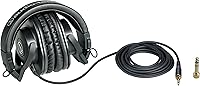
  • Connector: Terminates in a 3.5mm stereo jack with a screw-on 6.3mm adapter included for use with standard studio interfaces and mixing equipment.
  • Cable Type: Detachable single-sided cable exits from the left ear cup, reducing tangling and allowing straightforward replacement if the cable wears over time.
  • Ear Design: Circumaural over-ear design with padded ear cups that fully enclose the ears for passive sound isolation during recording and monitoring sessions.
  • Noise Control: Passive sound isolation is achieved through the circumaural seal, with no active noise-cancellation components present in the design.
  • Weight: The headphones weigh approximately 7.7 ounces (around 220g), keeping fatigue manageable during short to medium-length listening or tracking sessions.
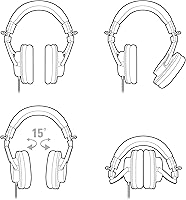
  • Foldable: The headband and ear cups fold inward via collapsible hinges, reducing the overall footprint for storage in the included carrying case.
  • Carrying Case: A rigid black protective carrying case is included in the box, designed to accommodate the folded headphones during transport or storage.
  • Compatibility: Designed for use with desktops, laptops, smartphones, and music production equipment including audio interfaces and DAW-based home studio setups.
  • Generation: The ATH-M30x represents the second generation of Audio-Technica's entry-level M-series studio monitor, succeeding the original ATH-M30.
  • Color Option: Available exclusively in black with a matte finish across the headband, ear cups, and cable for a clean, understated studio aesthetic.
  • In-Box Contents: The package includes the headphones, a detachable cable, a screw-on 6.3mm adapter, a protective carrying case, and a printed user manual.
  • Material: Primary structural components are constructed from aluminum and hard plastic, contributing to the balance between lightweight portability and session-ready durability.
  • Series Position: The M30x sits between the entry-level M20x and the more advanced M40x in Audio-Technica's professional M-series monitoring lineup.
  • Wireless: The M30x is a fully wired headphone with no Bluetooth or wireless connectivity of any kind.
  • Water Resistance: No water or moisture resistance rating is assigned to this product — it is not designed for use in wet or high-humidity conditions.
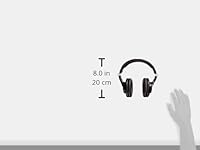
  • Product Dimensions: When unfolded, the headphones measure approximately 11.4 x 10 x 4.1 inches, fitting standard studio desk storage and the bundled hard case.

Related Reviews
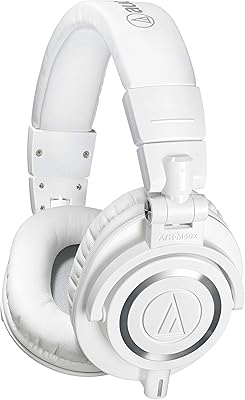
Audio-Technica ATH-M50xWH
87%
94%
Sound Quality
89%
Build Quality
82%
Comfort for Extended Use
91%
Noise Isolation
88%
Durability of Detachable Cable
More
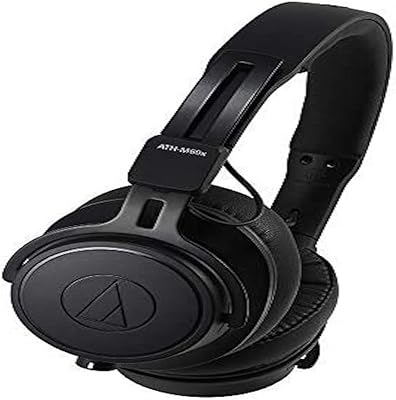
Audio-Technica ATH-M60x
87%
93%
Audio Clarity
94%
Build Durability
88%
Portability
67%
Initial Comfort
79%
Passive Noise Isolation
More
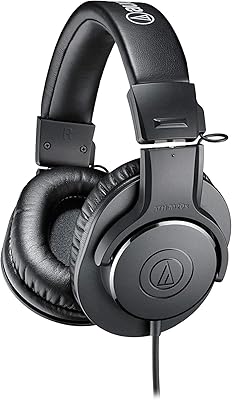
Audio-Technica ATH-M20x
82%
88%
Audio Accuracy
84%
Passive Sound Isolation
94%
Value for Money
81%
Long-Session Comfort
87%
Studio Build Durability
More
Audio-Technica ATH-AVC200
74%
88%
Value for Money
84%
Comfort & Fit
76%
Sound Quality
61%
Build Quality
73%
Passive Noise Isolation
More
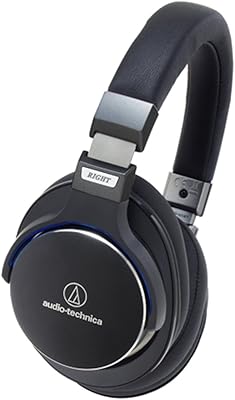
Audio-Technica ATH-MSR7bGM Over-Ear Headphones
87%
91%
Sound Quality
88%
Comfort for Extended Use
85%
Build Quality & Durability
89%
Noise Isolation
87%
Value for Money
More
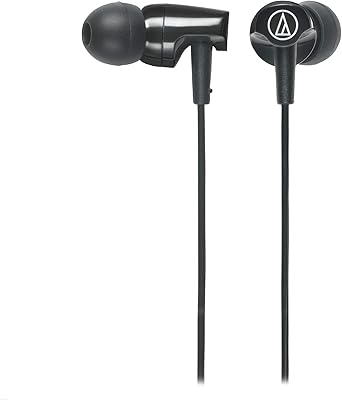
Audio-Technica ATH-CLR100iS In-Ear Headphones
81%
78%
Sound Quality
85%
Comfort and Fit
65%
Microphone Quality
80%
Build Quality
77%
Noise Isolation
More
Audio-Technica ATH-M50xSTS
77%
91%
Microphone Clarity
89%
Headphone Sound Quality
84%
Build Quality
67%
Comfort & Wearability
58%
Setup & Ease of Use
More
Audio-Technica ATH-TWX9
75%
93%
Sound Quality
78%
Noise Cancellation
89%
Hear-Through Mode
71%
Fit & Comfort
86%
Battery Life
More
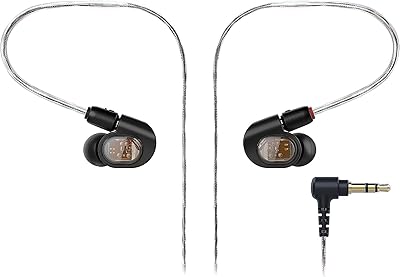
Audio-Technica ATH-E70 In-Ear Monitors
89%
94%
Sound Quality
89%
Comfort & Fit
91%
Durability
93%
Noise Isolation
88%
Cable Quality
More
Audio-Technica ATH-MSR7 Over-Ear Headphones
86%
94%
Sound Quality
88%
Comfort
91%
Build Quality
87%
Value for Money
89%
Bass Response
More

FAQ

No, you do not. The M30x sits at 38 ohms impedance, which is low enough to be driven comfortably directly from a laptop headphone jack, a smartphone, or a basic USB audio interface. A dedicated amp is not required for everyday use, though one can improve dynamics at high volumes.

Yes, the cable is detachable, which is one of the more practical features on these studio headphones. It uses a proprietary locking 3.5mm connector at the ear cup end, so you will need to source a compatible replacement cable rather than a generic one — but they are widely available from Audio-Technica and third-party sellers.

It depends on what you need. The M30x handles mid-range monitoring well and is a solid starting point for beginners. The M40x offers a wider, more refined soundstage and better low-end representation, which matters more as your mixing skills develop. If budget is tight, the M30x is a genuine starting point — but if you can stretch, the M40x will serve you longer.

For sessions up to around two hours, most users find them perfectly workable. Beyond that, the clamping force starts to become noticeable, and the ear pads can retain heat. They are not the most comfortable closed-back headphones for marathon sessions, but for normal tracking and editing windows they hold up reasonably well.

Most modern audio interfaces have a 6.3mm headphone output, so you will need the included screw-on adapter to connect the 3.5mm cable. The adapter is included in the box, so no separate purchase is needed — just thread it onto the cable end before plugging in.

The passive isolation is solid enough to block out typical household background noise — a TV in another room, street traffic, or general ambient sound. It is not going to completely silence a loud environment the way active noise cancellation might, but for home recording purposes it does the job and keeps microphone bleed to a minimum.

Honestly, not really. The low-end on this over-ear monitor is controlled and clean, but sub-bass frequencies are noticeably rolled off. If bass-heavy genres are your primary focus, you will likely make mix decisions that do not translate well to other playback systems. For those genres, stepping up to a higher-tier monitor headphone or supplementing with studio monitors is a smarter approach.

The build feels confident out of the box, and the folding mechanism clicks into place securely. Long-term, the hinge points and the cable connector port are the areas most commonly reported as showing wear after a year or more of daily use. They are not fragile, but treating them with reasonable care — using the case for transport, not forcing the fold — will extend their lifespan meaningfully.

You can absolutely use them for everyday listening. The sound is more honest and less bass-boosted than typical consumer headphones, which some people prefer and others find less exciting for casual music. If you enjoy a relatively accurate, detailed presentation without heavy coloration, they work well as a daily driver too.

The rigid hard case provides decent protection against bumps and compression in a bag. It is a bit bulkier than a soft pouch would be, which some users find inconvenient when packing light, but for genuine protection of the folded headphones during commutes or travel it does the job reliably.