Overview

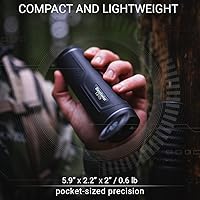
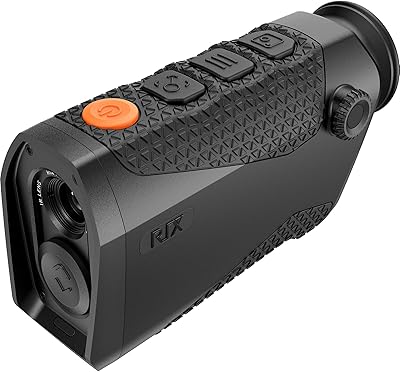
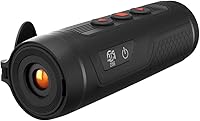
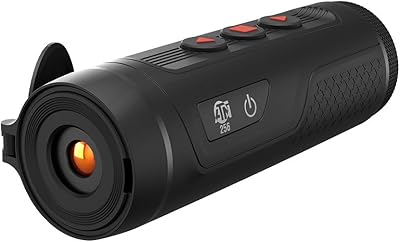
The ATN BlazeSeeker-210 Thermal Monocular entered the market in mid-2024 as a genuinely capable mid-range option for hunters, wildlife observers, and anyone who needs reliable thermal detection after dark. ATN has been building night vision and thermal gear long enough to know what field users actually care about, and this thermal monocular reflects that experience. At under 10 ounces and roughly the size of a thick TV remote, compact portability is a real strength here. It competes in a crowded bracket where sensor sensitivity and app connectivity increasingly separate the good from the forgettable — and the BlazeSeeker-210 has a credible answer for both.
Features & Benefits

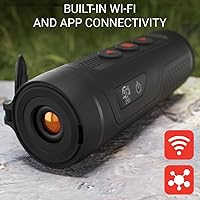
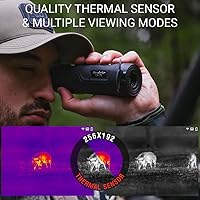
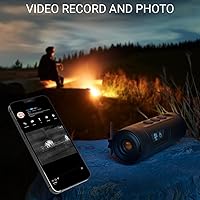
The sensor inside this thermal monocular runs a 256x192 resolution with a 12-micron pixel pitch and a sub-35mK NETD rating — which in practical terms means it can pick up the faint heat signature of a deer tucked behind brush at distances most entry-level units would miss entirely. The 1.5x to 12x zoom range is genuinely useful: wide end for scanning open fields, high end for confirming what you spotted. Six color palettes give real flexibility depending on conditions — Iron Red tends to work well in heavy foliage, while White Hot suits open terrain. Built-in Wi-Fi connects to a companion app for live viewing and remote control, and onboard recording to MicroSD means you never need a separate capture device.

Best For

This thermal monocular is a natural pick for dawn and dusk hunters who need to detect heat signatures at range without carrying something bulky. Wildlife researchers and photographers will appreciate how quietly it lets you observe without disturbing animals — no light, no noise. It also makes a lot of sense for property owners covering large outdoor areas at night who want something more dependable than a fixed camera system. Search-and-rescue volunteers will find the weight and size practical for pack carry. If you are stepping up from a basic thermal and want app connectivity, video recording, and a more capable sensor without crossing into professional-tier pricing, the BlazeSeeker-210 is worth a serious look.

User Feedback

Buyers who have spent time with ATN's thermal optic tend to highlight two things most: image clarity in low-contrast conditions and how quickly the Wi-Fi app pairs. On the critical side, a recurring theme is battery performance in cold weather — users in sub-freezing temperatures report noticeably shorter run times, worth planning around if you hunt in northern climates. The button layout gets mixed reactions; switching palettes takes a moment to learn, though most say it becomes intuitive after a few outings. Build quality is generally described as solid without feeling premium — the grip works, nothing feels loose. Compared to similarly priced competitors, most buyers feel the sensor sensitivity and app integration tip the balance in this unit's favor.

Pros

  • The sub-35mK NETD sensor detects subtle heat differences that cheaper thermals would miss entirely.
  • At under 10 ounces, the BlazeSeeker-210 is light enough to carry all day without fatigue.
  • Six color palettes give real flexibility for different terrain types and personal preferences.
  • The 1.5x to 12x zoom range handles both wide scanning and close target identification in one unit.
  • Built-in Wi-Fi and app control let you adjust settings and capture footage without touching the device.
  • Onboard video and photo recording to MicroSD means no extra recorder is needed in the field.
  • The 50 Hz refresh rate produces smooth, responsive movement tracking with minimal lag.
  • Detection range up to 460 meters is competitive for this sensor class and price bracket.
  • Rechargeable lithium-ion battery is included, so it is ready to use out of the box.
  • Released in mid-2024, the firmware is current and reflects modern feature expectations for the category.

Cons

  • Battery life drops noticeably in cold weather, which is a real concern for winter hunters.
  • The 256x192 resolution, while solid for casual use, falls short of what serious professionals need.
  • Palette switching has a learning curve that can slow you down in the field before it becomes instinctive.
  • Button layout takes time to learn, and fumbling controls in the dark is a genuine frustration.
  • Build quality feels functional but not premium — the lens cap and grip are adequate, not confidence-inspiring.
  • The companion app, while useful, has reported occasional pairing delays that disrupt workflow.
  • No explicit waterproofing or drop-resistance rating is provided, which limits use in harsh conditions.
  • The MicroSD card is not included, so storage needs to be purchased separately before recording.
  • At this resolution, identifying fine detail on distant targets requires ideal atmospheric conditions.
  • Users upgrading from higher-resolution units may find the image quality a noticeable step down.

Ratings

Our AI scoring system analyzed verified global buyer reviews for the ATN BlazeSeeker-210 Thermal Monocular, actively filtering out incentivized, bot-generated, and low-quality submissions to surface genuine field experience. The scores below reflect a balanced synthesis of what real users praised and where they ran into frustrations — nothing is glossed over. From sensor sensitivity to cold-weather battery behavior, every category tells the honest story of how this thermal optic performs when it actually matters.

Thermal Sensor Performance
83%
The sub-35mK NETD rating translates into real detection ability that users notice immediately — spotting a deer bedded in tall grass at 250 meters, or catching a heat trail that a cheaper unit would have missed entirely. Hunters consistently report that the sensor picks up temperature differences that surprised them for this price tier.
At 256x192, the resolution is capable but not exceptional, and users upgrading from higher-resolution units notice the step down when trying to identify fine detail at ranges beyond 300 meters. In scenes with low thermal contrast — like a warm night where ambient and subject temperatures are close — the image can look softer than expected.
Image Clarity
78%
22%
For mid-range scouting and general wildlife observation, users describe the image as sharp and readable, particularly in the 50–200 meter range where most practical field use happens. The 50 Hz refresh rate keeps motion smooth, which makes scanning across a field feel fluid rather than choppy.
Fine edge detail on distant subjects can appear somewhat blurred, especially when digital zoom is pushed past the 6x range. A few users noted that in humid or foggy conditions, the image loses some of its crispness compared to units with larger pixel pitch sensors.
Color Palette Usability
76%
24%
Having six palettes available — including Iron Red and the standard White Hot and Black Hot — gives users genuine versatility across different terrain types. Experienced buyers appreciated being able to switch to Green Hot in dense woodland, where the contrast helped them pick out animals faster.
The palette switching interface has a learning curve that several users found frustrating in the field, particularly when gloved hands made button navigation fiddly. Until the control layout becomes second nature, cycling through options in low light or cold conditions is slower than it should be.
Magnification Range
86%
The 1.5x to 12x zoom range is one of the more praised practical features — users value being able to start wide at 1.5x for situational awareness and then zoom in to confirm what they are looking at without switching units. Property owners monitoring large acreage found this range particularly useful for a single-device workflow.
At the high end of the zoom range, the image quality softens noticeably due to digital magnification, which limits how useful the full 12x really is for identification. Users expecting optical-quality sharpness at maximum zoom will be disappointed, as the pixel structure becomes more apparent.
Wi-Fi and App Integration
81%
19%
The companion app connection works reliably for most users — pairing is quick, the live feed on the phone screen is genuinely useful for discreet observation, and being able to trigger recording without touching the unit is a practical advantage during wildlife watching. Several users specifically praised the remote shutter as their favorite feature.
A portion of users reported occasional disconnection drops mid-session that required re-pairing, which is disruptive when you are actively tracking something. The app interface itself has been described as functional but not particularly polished, with some settings buried deeper in menus than they need to be.
Video and Photo Recording
79%
21%
Having onboard recording without needing an external capture device is something buyers consistently flag as a meaningful convenience — hunters documenting a scouting session or researchers logging wildlife activity appreciate that everything is self-contained. MicroSD support up to 256GB means storage is rarely a limiting factor.
The MicroSD card is not included in the box, which catches some buyers off guard on first use. Recorded video quality directly mirrors the sensor resolution, so footage looks impressive for sharing within the thermal imaging community but would not satisfy anyone expecting cinema-grade output.
Battery Life
61%
39%
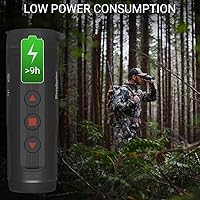
Under mild temperature conditions, the included lithium-ion battery delivers enough run time for a standard evening scouting session or a few hours of property monitoring, and the convenience of a built-in rechargeable cell means no disposable batteries to carry.
Cold weather is where this unit's battery story gets genuinely problematic — users hunting in sub-freezing temperatures report run times dropping significantly, sometimes by half or more compared to mild conditions. For serious winter hunters, carrying a USB power bank is essentially mandatory rather than optional.
Build Quality and Ergonomics
72%
28%
The overall form factor is well-received — at under 10 ounces and sized close to a compact flashlight, the BlazeSeeker-210 sits comfortably in one hand and fits in most jacket pockets. The grip texture provides enough friction to feel secure even in damp conditions.
Several buyers described the build as feeling functional rather than premium, with specific criticism directed at the lens cap design, which feels lightweight and easy to misplace in the field. The button feedback is described as mushy by some users, making it harder to confirm presses without looking at the unit.
Portability and Size
91%
This is one of the most consistently praised aspects across all buyer segments — the compact dimensions and light weight make it genuinely easy to carry all day without noticing it. Search-and-rescue volunteers and backcountry hikers specifically mentioned it as the reason they chose it over bulkier alternatives.
The compact body does mean the eye relief and eyepiece diameter are on the smaller side, which some glasses wearers found required extra adjustment to get a full, clear field of view. There is also less room for ergonomic shaping, so extended eyepiece sessions can feel less cushioned than larger units.
Detection Range
77%
23%
The rated 460-meter detection range holds up in real-world use under clear, cool conditions — hunters report picking up animal heat signatures well beyond 300 meters, which covers the practical needs of most field scenarios at this tier. For property monitoring, the effective range comfortably covers most rural lot sizes.
Detection range is notably affected by ambient temperature, humidity, and vegetation — on warm nights when background and subject temperatures converge, effective detection drops considerably shorter than the rated figure. Users should treat 460 meters as an ideal-condition ceiling rather than a guaranteed everyday performance number.
Setup and Ease of Use
74%
26%
First-time thermal users report getting up and running within a few minutes — the unit powers on quickly, the display is immediately legible, and the Wi-Fi pairing process is straightforward enough that most buyers connect the app without consulting the manual.
The multi-function button layout for navigating menus, switching palettes, and adjusting zoom takes meaningful field time to internalize. New users working with gloves on, or in low light without looking at the device, frequently report accidental mode changes until the muscle memory is built.
Value for Money
82%
18%
Buyers who compare this thermal monocular against similarly priced competitors consistently rate it as strong value, particularly given the combination of a sensitive sensor, built-in recording, and app connectivity in one package. For buyers stepping up from entry-level thermal gear, the jump in capability feels proportionate to the investment.
A small but vocal group of reviewers feel the sensor resolution leaves room for improvement at this price point, noting that a modest spend increase opens up 320x240 options from other brands. If image resolution is the top priority, the value calculation shifts slightly depending on what comparisons are made.
Weather Resistance
58%
42%
Field users report that the unit handles light drizzle and morning dew without issue in typical hunting and observation scenarios, and the compact sealed body feels reasonably robust for incidental moisture exposure during normal outdoor use.
The absence of a published IP rating leaves buyers guessing about the unit's actual protection level, which is a meaningful gap for a product sold to outdoor users. Anyone planning to use it in sustained rain, near water, or in muddy field conditions has no manufacturer benchmark to rely on.
Refresh Rate and Motion Smoothness
88%
The 50 Hz refresh rate is a genuine step above many competing units that run at 25 Hz, and users who have experience with both immediately notice the difference when tracking moving animals or scanning quickly across a field. Fast-moving subjects like running deer stay readable without smearing.
The benefit of 50 Hz is most apparent during active tracking, but in static monitoring use cases — like watching a fixed entry point on a property — the advantage over 25 Hz is largely imperceptible. Buyers purchasing primarily for stationary surveillance may not fully extract the value of the higher refresh rate.

Suitable for:

The ATN BlazeSeeker-210 Thermal Monocular is a strong fit for hunters who spend time in the field at low light — specifically those scouting game across open fields or wooded terrain where detecting a heat signature at 300-plus meters makes a real difference. Wildlife researchers and nature photographers will find it particularly useful since thermal imaging lets you observe animals without torches or flash, keeping subjects undisturbed. Property owners with large yards, rural land, or outbuildings will get genuine value from the night-detection range and the ability to monitor remotely via the companion app. Search-and-rescue volunteers and backcountry hikers who want a lightweight thermal option that fits in a jacket pocket will appreciate how little it weighs and how self-contained it is. It also makes a sensible step-up purchase for buyers who have outgrown a basic entry-level thermal and want recording capability, app integration, and a meaningfully more sensitive sensor without committing to a professional-grade price point.
Not suitable for:

The ATN BlazeSeeker-210 Thermal Monocular is not the right tool for buyers who need the sharpest possible thermal image at distance — a 256x192 sensor is capable, but professionals in law enforcement, military contracting, or advanced surveillance work will find the resolution limiting compared to higher-tier units. Cold-climate users, particularly those hunting in consistently sub-freezing conditions, should know that battery performance degrades noticeably in the cold, which could cut a session short at the worst moment. Anyone who needs a completely weatherproofed, drop-rated optic for extreme field conditions should verify the durability specs carefully before committing. If app connectivity is irrelevant to your workflow and you simply want the best image quality for the money, there may be competing units at a similar price point with slightly higher sensor resolution worth comparing. Buyers expecting a premium tactile build with metal housing and a robust lens cap mechanism may also find the feel of this unit a step below their expectations.
Specifications

  • Sensor Resolution: The thermal sensor captures at 256x192 pixels, providing a clear heat map suitable for mid-range detection and identification tasks.
  • Pixel Size: Each pixel measures 12 microns, a size that balances compact optic design with solid thermal sensitivity at this price tier.
  • NETD Rating: The noise equivalent temperature difference rating is under 35mK, meaning the sensor can distinguish very small temperature variations in the scene.
  • Magnification: Optical and digital zoom ranges from 1.5x at the wide end to 12x at the high end, covering both broad situational scanning and focused target inspection.
  • Detection Range: The unit is rated to detect a human-sized heat source at distances up to 460 meters under typical conditions.
  • Refresh Rate: The display refreshes at 50 Hz, producing smooth, low-latency motion rendering when tracking moving subjects.
  • Lens Options: The unit is available with either a 7mm or 10mm objective lens, which affects field of view and detection range depending on configuration chosen.
  • Color Palettes: Six selectable palettes are included: White Hot, Black Hot, Iron Red, Alarm, Sepia, and Green Hot, each suited to different terrain and contrast conditions.
  • Connectivity: Built-in Wi-Fi allows wireless pairing with a companion smartphone app for live viewing, remote image capture, and settings adjustments.
  • Recording: The device records both video and still images internally, saving files to a MicroSD card with support for cards up to 256GB in capacity.
  • Dimensions: The body measures 5.9 x 2 x 2.2 inches, keeping the footprint close to a compact flashlight for easy one-hand carry.
  • Weight: Total unit weight is 9.6 ounces, light enough to wear on a neck lanyard or slip into a jacket pocket without noticeable burden.
  • Battery: Power comes from a rechargeable lithium-ion battery that ships included with the unit, so no separate purchase is required before first use.
  • Storage Media: Recording relies on a user-supplied MicroSD card; the unit supports cards up to 256GB, though no card is included in the box.
  • Manufacturer: The BlazeSeeker-210 is designed and sold by ATN, a US-based manufacturer specializing in night vision and thermal optics since 1995.
  • Release Date: This model became available in June 2024, making it one of the more recently introduced units in ATN's thermal lineup.
  • Product Type: This is a handheld thermal imaging monocular intended for single-eye observation, field scouting, security monitoring, and wildlife detection.
  • Model Number: The official model designation is TIMNBLS210, which can be used when searching for compatible accessories or contacting ATN support.

Related Reviews
ATN BlazeSeeker-207 Thermal Imaging Monocular
74%
78%
Image Clarity
74%
Detection Range
83%
Thermal Sensitivity
62%
Build Quality
57%
Battery Life
More
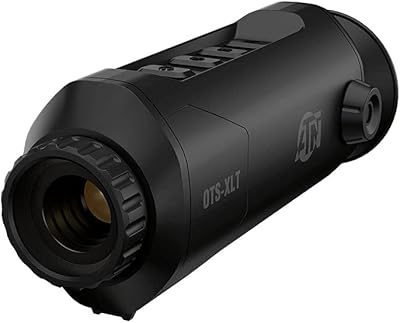
ATN OTS XLT Thermal Monocular 2-8x
85%
89%
Image Clarity
94%
Battery Life
91%
Portability/Weight
86%
Ease of Use
77%
Magnification Range
More
RIX Pocket K2 Thermal Monocular
76%
93%
Portability & Form Factor
78%
Thermal Image Quality
71%
Detection Range
82%
Display & Viewing Experience
74%
Electronic Image Stabilization
More
InfiRay T2 Pro Thermal Monocular
84%
91%
Thermal Imaging Quality
87%
Zoom Functionality
89%
Battery Life
92%
Portability/Size
76%
Android App Connectivity
More
Starscope 10x42 Monocular
85%
88%
Optical Quality
91%
Ease of Use
94%
Portability & Weight
85%
Build Durability
70%
Smartphone Compatibility
More
URBANCOAST 15x54 Monocular
77%
83%
Optical Clarity
81%
Build Quality
74%
Waterproofing & Weather Resistance
79%
Comfort & Ergonomics
77%
Magnification Performance
More
Astromania 8x42 BAK4 Monocular
77%
83%
Optical Clarity
79%
Build Quality
77%
Waterproofing & Weather Resistance
91%
Portability & Size
68%
Ease of Focus
More
PhysioPhyx 80x100 Monocular
65%
63%
Optical Clarity
58%
Magnification Performance
61%
Build Quality & Durability
78%
Smartphone Compatibility
86%
Portability & Size
More
Brunton Echo 7x18 Monocular
73%
94%
Portability
76%
Optical Clarity (Daytime)
47%
Low-Light Performance
82%
Build Quality & Durability
78%
Magnification Usability
More
OLIMT 8x25 Monocular Telescope
87%
91%
Optical Clarity
88%
Build Quality & Durability
93%
Portability & Weight
89%
Waterproof Performance
84%
Ease of Use
More

FAQ

Yes, completely. Thermal imaging does not rely on visible light — it reads heat emitted by objects and living things. Whether you are in a pitch-black field or a dense forest at midnight, the BlazeSeeker-210 will produce a clear image based purely on temperature differences in the scene.

No card is included, so you will need to pick one up separately. The unit supports MicroSD cards up to 256GB; a Class 10 or UHS-I rated card is recommended to handle the write speeds required for smooth video recording without dropped frames.

The unit broadcasts its own Wi-Fi signal, and you connect your phone to it directly through the ATN app, which is available for both iOS and Android. Once paired, you can see a live feed on your phone screen, trigger photo and video capture remotely, and adjust settings like color palette or zoom without touching the monocular itself.

Under moderate conditions, expect a few hours of continuous use on a full charge. Cold weather is a known factor — lithium-ion cells lose capacity below freezing, so on a sub-zero hunt you may see noticeably shorter run times. Carrying a portable USB power bank as a backup is a practical solution for extended cold-weather sessions.

The eyepiece is designed with a standard eye relief distance, and most eyeglass wearers find it usable, though the experience is more comfortable without glasses. If you wear corrective lenses, try adjusting your viewing distance slightly from the eyepiece — the diopter adjustment, if present, may also help you get a sharp image.

ATN has not published an official IP waterproofing rating for this model, so it should not be treated as fully weatherproof. Light moisture and brief exposure to drizzle are generally tolerated by units in this category, but submerging it or using it in sustained heavy rain without protection is not advisable.

Not as a direct stream-to-storage function — video is saved to the MicroSD card installed in the unit. However, you can use a screen recording app on your phone while viewing the live Wi-Fi feed from the companion app, which is a practical workaround if you want footage on your device directly.

Each palette makes temperature contrast appear differently against the background. White Hot is a reliable all-rounder and easy to read quickly. Black Hot inverts that contrast, which some users find better for spotting animals in dense brush. Iron Red adds color gradation that makes it easier to judge relative temperature levels across a wide scene. Most users settle on one or two favorites after a bit of experimentation.

For hunting, wildlife observation, and property monitoring at typical field ranges, 256x192 is genuinely capable — you will identify animals, people, and vehicles without trouble out to a few hundred meters. Where it shows limits is in fine detail at long range or in professional applications like building inspection or military reconnaissance. If your use is recreational or semi-professional, the resolution is unlikely to be a bottleneck.

Thermal sensors benefit from a flat-field correction, which most units in this class perform automatically or with a button press — this recalibrates the sensor against a uniform temperature reference and takes only a second. Keep the lens clean with a soft microfiber cloth, avoid touching the lens surface with fingers, and store the unit in its case when not in use to protect the objective lens from dust and impact.

Where to Buy