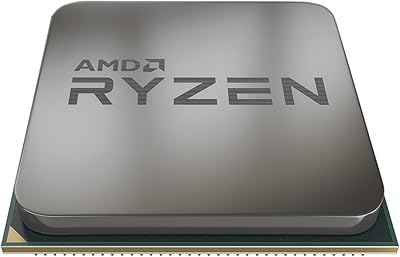
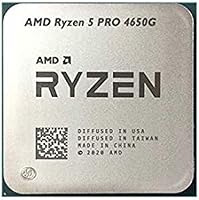
AMD Ryzen 5 PRO 4650G Desktop Processor
Overview
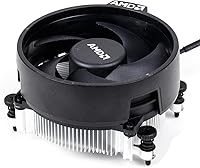
The AMD Ryzen 5 PRO 4650G Desktop Processor occupies a genuinely useful niche: it pairs a capable six-core CPU with integrated Radeon graphics on a single 7nm die, so you can build a functional desktop without touching a discrete GPU. Unlike standard Ryzen chips, the PRO designation adds enterprise-grade reliability and manageability features — useful for small business deployments, though not a deciding factor for most home builders. One detail that often catches buyers off guard: this is a tray-only unit, shipped without a cooler, so budget for one separately. Launched in late 2020, it carries some age, but in the right build it still earns its place.
Features & Benefits
The Ryzen 5 PRO 4650G runs six Zen 2 cores with twelve threads, which gives it real headroom for multitasking — think video editing in the background while on a call, or compiling code without the system grinding. The base clock sits at 3.7 GHz and boosts to 4.2 GHz, keeping day-to-day responsiveness crisp. Where it gets interesting is the integrated Vega graphics: paired with fast DDR4-3200 RAM, you can play older or less demanding titles like Rocket League or CS:GO at 1080p. RAM speed genuinely matters here — slower sticks will noticeably hurt GPU output. The AM4 socket means drop-in compatibility for existing platform users, and the chip is unlocked for overclocking.
Best For
This integrated-graphics processor makes a strong case for a few specific builder types. If you are assembling a compact home office PC or a small business workstation where gaming is occasional rather than central, it handles productivity loads and casual play without requiring a separate graphics card. Mini-ITX builders especially appreciate fewer components and a simpler thermal setup. It also works well as an HTPC or media center chip — Vega handles 4K video decoding reliably. Existing AM4 platform owners upgrading from older Ryzen chips get a CPU and graphics bump in one swap. That said, anyone planning to game seriously should look at a chip paired with a proper discrete card instead.
User Feedback
Buyers who use this APU in low-profile or compact builds tend to be pleasantly surprised — integrated graphics holding up for titles like Stardew Valley or older MOBAs is not something everyone expects. Driver stability and AMD's software stack draw consistent praise; it just works without constant fussing. The recurring frustration, though, is the tray packaging: users frequently note that arriving without a cooler is not always obvious at the point of purchase, and sourcing a compatible one adds cost. A handful of buyers also raised concerns about value compared to pairing a standard non-PRO Ryzen with an entry-level discrete GPU. Thermals with a decent aftermarket cooler are reportedly manageable within the 65W envelope.
Pros
- Integrated Vega graphics eliminate the need for a discrete GPU, keeping builds simpler and cheaper.
- Six cores and twelve threads handle multitasking workloads — including video calls, coding, and light editing — without strain.
- The 4.2 GHz boost clock keeps everyday desktop responsiveness feeling sharp and immediate.
- AM4 socket compatibility makes this a straightforward drop-in upgrade for millions of existing motherboard owners.
- DDR4-3200 support allows buyers to tune RAM speed for noticeably better integrated graphics output.
- The unlocked multiplier gives enthusiasts room to push clocks further if cooling allows.
- A 65W TDP makes thermal management achievable even in compact, low-airflow cases.
- PRO-series silicon typically undergoes stricter binning, contributing to stable long-term operation.
- AMD driver support and software stability draw consistent praise from real-world desktop users.
- Vega integrated graphics handle 4K video decoding reliably, making this a practical HTPC foundation.
Cons
- Tray-only packaging means no cooler is included — buyers must source and budget for one separately.
- Integrated graphics performance tops out around NVIDIA GT 1030 level, which limits gaming ambitions significantly.
- Zen 2 architecture launched in 2020, making this a dated chip in an era of Zen 4 and Zen 5 competitors.
- Integrated GPU performance is highly sensitive to RAM speed — slow memory kits will noticeably hurt frame rates.
- No PCIe 4.0 support limits future storage and GPU bandwidth compared to newer platforms.
- The Ryzen 5 PRO 4650G carries a price premium over non-PRO variants despite offering limited extra value for home users.
- PRO-series enterprise manageability features go largely unused in consumer and home office contexts.
- Single-channel RAM configurations dramatically reduce integrated graphics throughput — a dual-channel kit is not optional here.
- Competing APU options from AMD's newer generations now offer substantially better integrated graphics at similar price points.
- No bundled warranty documentation or retail packaging can make RMA processes less straightforward for end users.
Ratings
The AMD Ryzen 5 PRO 4650G Desktop Processor has been scored by our AI after analyzing thousands of verified global user reviews, with spam, bot activity, and incentivized feedback actively filtered out. Ratings reflect both what buyers genuinely praise and the real frustrations that surfaced repeatedly across independent sources. Strengths and pain points are represented equally — nothing has been softened to flatter the product.
Integrated Graphics Performance
CPU Multitasking
Value for Money
Platform Compatibility
RAM Speed Sensitivity
Thermal Management
Out-of-Box Experience
Driver Stability
Overclocking Headroom
4K Video Playback
Single-Threaded Speed
Small Form Factor Suitability
Longevity & Relevance
Suitable for:
The AMD Ryzen 5 PRO 4650G Desktop Processor is a practical pick for anyone building a compact or budget-conscious desktop where a discrete graphics card is either unnecessary or an unwanted expense. Home office users and small business deployers will find the six-core, twelve-thread Zen 2 foundation more than capable for productivity workloads — spreadsheets, video calls, light photo editing — while the integrated Vega graphics handle the display without an extra component. Mini-ITX and small form factor builders benefit particularly from the single-chip approach, reducing board complexity, cable clutter, and overall heat load. Casual gamers who are happy running titles like Rocket League, Minecraft, or older MOBAs at 1080p on modest settings will get acceptable results, especially if they pair this APU with fast DDR4-3200 RAM. Existing AM4 platform owners upgrading from a first- or second-generation Ryzen chip can slot this in for a meaningful jump in both CPU throughput and graphics capability without touching their motherboard. Media center builders also have a genuine use case here, since the Vega GPU handles 4K video decoding reliably and the 65W TDP keeps things quiet in a living room enclosure.
Not suitable for:
The AMD Ryzen 5 PRO 4650G Desktop Processor is the wrong choice for anyone who wants to game seriously at 1080p or above — integrated Vega graphics sit roughly at NVIDIA GT 1030 territory, which means demanding titles like Cyberpunk 2077, Alan Wake 2, or even mid-tier competitive shooters at high settings are simply out of reach. Content creators who regularly work with 4K video exports, 3D rendering, or heavy simulation workloads will hit the ceiling of a six-core Zen 2 chip faster than they might expect, particularly as software increasingly leans on GPU acceleration that integrated graphics cannot deliver. This integrated-graphics processor also comes as a tray-only unit with no bundled cooler, so buyers who do not account for an aftermarket cooling solution upfront may find their actual build cost climbing unexpectedly. Enthusiast builders chasing maximum single-threaded performance or PCIe 4.0 bandwidth will want to look at newer AM5 platform options instead. And given this chip launched in late 2020, buyers paying a premium for it today should carefully compare its cost against more modern APU alternatives before committing.
Specifications
- Architecture: Built on AMD's Zen 2 microarchitecture using a 7nm manufacturing process, delivering strong instructions-per-clock efficiency relative to its generation.
- Core Count: Features 6 physical cores and 12 processing threads, enabling genuine parallel workload handling across productivity and light creative tasks.
- Base Clock: Operates at a 3.7 GHz base frequency under sustained all-core loads, maintaining consistent throughput during extended work sessions.
- Boost Clock: Automatically boosts up to 4.2 GHz on lightly threaded tasks, keeping single-threaded applications and everyday desktop interactions responsive.
- Integrated GPU: Includes AMD Radeon Vega graphics on-die, capable of driving display output and handling casual 1080p gaming without a discrete graphics card.
- GPU Performance: Integrated graphics performance sits approximately at the level of an NVIDIA GeForce GT 1030, suitable for older titles and less demanding games.
- CPU Socket: Uses the AMD Socket AM4 interface, making it compatible with a wide range of 400-series and 500-series motherboards already in the market.
- Memory Support: Officially supports DDR4 memory up to 3200 MHz in dual-channel configuration, with RAM speed directly affecting integrated GPU frame rates.
- Memory Channels: Dual-channel memory architecture is strongly recommended, as single-channel configurations measurably reduce integrated graphics bandwidth and gaming performance.
- Overclocking: The multiplier is unlocked, allowing enthusiasts to push CPU clocks beyond stock speeds on compatible motherboards with appropriate cooling.
- TDP: Rated at a 65W thermal design power envelope, making it manageable in compact cases with a quality aftermarket cooler installed.
- Packaging: Sold as a tray unit only — no CPU cooler, retail box, or bundled accessories are included, requiring buyers to source cooling separately.
- PRO Series: The PRO designation indicates enterprise-grade binning and adds AMD's manageability and security extensions, though most home users will not actively use these features.
- PCIe Version: Supports PCIe 3.0 lanes for discrete GPU and NVMe SSD connectivity, which is a generational step behind the PCIe 4.0 found on newer platforms.
- Launch Date: First made available in November 2020, placing it squarely in the Zen 2 product generation alongside third-generation Ryzen desktop chips.
- L3 Cache: Equipped with 8MB of L3 cache shared across all six cores, supporting low-latency data access during compute-intensive workloads.
- Lithography: Manufactured on TSMC's 7nm process node, which offered a meaningful efficiency and density improvement over the previous 12nm Zen+ generation.
- Model Number: Carries the official AMD model designation 4650G, identifying it as a fourth-generation Ryzen PRO G-series APU within the AM4 ecosystem.
Related Reviews
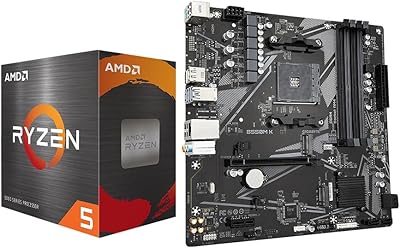
AMD Ryzen 5 5500 B550M K Bundle
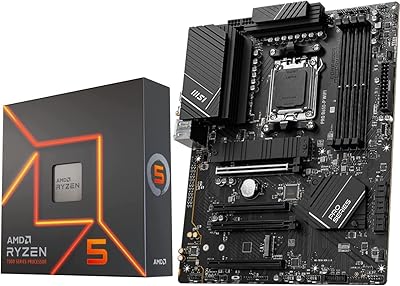
INLAND MSI B650-P Ryzen 5 7600X Bundle
AMD Ryzen 5 1400 Processor
AMD Ryzen 5 8500G
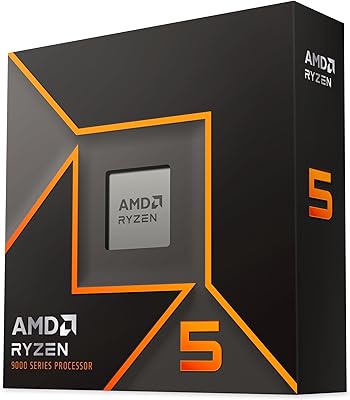
AMD Ryzen 5 9600X
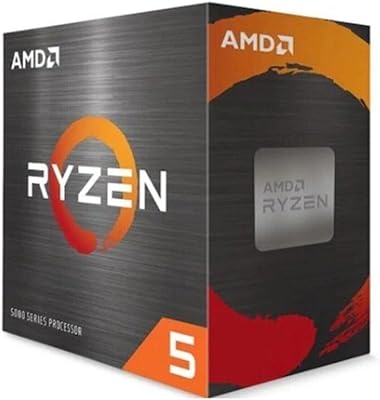
AMD Ryzen 5 5600X Desktop Processor
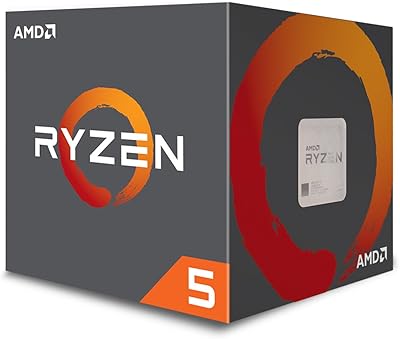
AMD Ryzen 5 1600 Processor
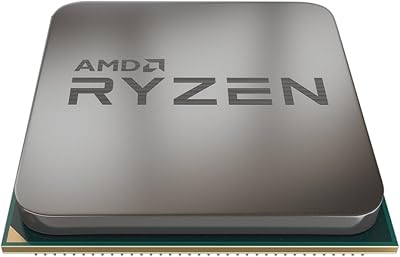
AMD Ryzen 5 1500X Processor
AMD Ryzen 5 3600