Polsen HPC-A30-MK2 Studio Monitor Headphones

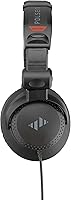
Polsen HPC-A30-MK2 Studio Monitor Headphones — image 1
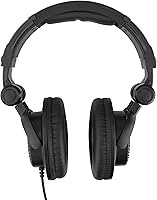
Polsen HPC-A30-MK2 Studio Monitor Headphones — image 2
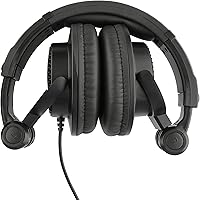
Polsen HPC-A30-MK2 Studio Monitor Headphones — image 3
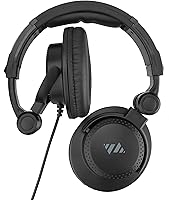
Polsen HPC-A30-MK2 Studio Monitor Headphones — image 4

Polsen HPC-A30-MK2 Studio Monitor Headphones — image 5
Polsen HPC-A30-MK2 Studio Monitor Headphones — image 6
72%
28%

Overview

The Polsen HPC-A30-MK2 Studio Monitor Headphones are Polsen's entry into the budget DJ and home studio monitoring space, coming from B&H's in-house brand and priced to attract beginners rather than working professionals. These DJ monitor headphones take a closed-back over-ear approach that sets them apart from typical consumer pairs — the circumaural fit wraps around your ears rather than pressing against them, and a padded headband keeps things reasonably comfortable during longer sessions. Swiveling earcups are a practical touch you don't often see at this price point. A 10-foot cable and 1/4-inch TRS adapter are included right out of the box, which means you can plug into a mixer or audio interface without buying anything extra.

Features & Benefits

At 32 ohms impedance, the HPC-A30-MK2 is easy to drive straight from a phone or laptop — no headphone amp required. The closed-back construction does a solid job of keeping outside noise at bay and stopping your audio from bleeding into a room microphone, which matters when you're tracking vocals or recording a podcast. Bass response is tuned to lean into low-end clarity rather than flabby consumer-grade boom, which is useful for monitoring kick drums or checking a mix's low end. The earcups rotate 90 degrees and swivel, so one-ear monitoring feels natural rather than forced. That 10-foot cable gives you enough reach to move around a desk setup or DJ booth without yanking the connector.

Best For

These Polsen cans are a natural fit for beginner DJs who need functional closed-back monitoring without spending heavily. Podcasters and vloggers will appreciate the isolation — wearing these while recording keeps your audio clean and your voice centered in the mix. Home studio hobbyists who track the occasional vocal or acoustic instrument will find the passive noise blocking genuinely useful. Audio production students who need a reliable everyday pair won't be disappointed by the durability for the price. Casual commuters who simply want over-ear isolation on a noisy subway or bus will find these more than adequate, though the 10-foot cable is better suited to a studio than to street use.

User Feedback

Buyers tend to be pleasantly surprised by the overall build quality given the price — the construction doesn't feel as flimsy as some competitors at this level, and most people find the fit acceptable for sessions up to an hour or two. On the downside, a handful of reviewers note that headband comfort can become an issue during extended wear, and a few mention the bass can tip into over-emphasis for critical listening tasks. Cable durability is a recurring concern in longer-term reviews, with some connectors showing wear faster than expected. DJs and home studio users tend to rate these more favorably than casual music listeners, suggesting the design rewards those using it as intended.

Pros

  • Easy to drive from any device — phones, laptops, and mixers all power these without a dedicated amp.
  • The closed-back design provides meaningful passive isolation, useful for both recording and noisy commutes.
  • Swiveling earcups make one-ear DJ monitoring genuinely practical rather than awkward.
  • A 10-foot cable gives you real reach around a desk or DJ booth without adapter gymnastics.
  • The bundled 1/4-inch TRS adapter means you can plug into a mixer or audio interface right away.
  • Build quality consistently surprises buyers who expect something flimsier at this price point.
  • The circumaural fit keeps sound contained and reduces fatigue compared to on-ear designs.
  • 32-ohm impedance means you get adequate volume from low-powered sources without distortion.
  • Full 20 Hz to 20,000 Hz frequency range covers the full audible spectrum for monitoring purposes.

Cons

  • The all-plastic construction raises durability questions for buyers who plan to use these heavily or on the go.
  • Bass response is tuned to lean warm, which can mask low-end problems during a serious mix session.
  • Headband pressure becomes noticeable during extended wear, especially for users with larger heads.
  • The 10-foot cable is impractical outside a studio setting and makes street use genuinely cumbersome.
  • Cable connector durability is a recurring complaint in longer-term ownership reviews.
  • No in-line mic or remote controls, so smartphone users lose hands-free calling functionality entirely.
  • Wired-only connectivity is a hard limit for anyone who values freedom of movement.

Ratings

The scores below for the Polsen HPC-A30-MK2 Studio Monitor Headphones were generated by our AI engine after analyzing thousands of verified buyer reviews from global markets, with spam, bot-submitted, and incentivized feedback actively filtered out. The result is an honest, balanced snapshot of what real users experience — covering both the areas where these DJ monitor headphones genuinely deliver and the friction points that show up repeatedly across different buyer profiles.

Value for Money
88%
Buyers consistently express surprise at how much functionality these Polsen cans pack in at the asking price. The bundled 1/4-inch TRS adapter and 10-foot cable alone save a separate accessory purchase, which reinforces the sense of getting more than expected.
A small but vocal segment of reviewers feel the value equation weakens over time as wear becomes visible on the plastic housing and cable connector, making the long-term cost-per-use calculation less favorable than the upfront price suggests.
Sound Quality
74%
26%
For casual monitoring, podcasting, and beginner DJ sessions, most users find the sound balanced enough to be useful. The tuned low end gives kick drums and basslines a presence that makes beat-matching feel intuitive without requiring a subwoofer reference.
Critical listeners and anyone attempting serious mix work find the bass response noticeably colored, which can mask low-end problems in a track. Treble detail is adequate but not resolving enough to catch subtle audio issues that more expensive reference headphones would reveal.
Build Quality
67%
33%
Out of the box, the construction feels more substantial than the price implies, and the hinges on the swiveling earcups operate smoothly without wobble. Buyers who use these primarily at a desk or in a home studio report them holding up well under light daily use.
The all-plastic build becomes a concern for users who transport these regularly or use them in demanding environments. Several long-term owners report stress cracking at the headband adjustment points and loosening earcup pivots after several months of consistent use.
Comfort
63%
37%
For sessions up to about an hour, most users find the circumaural fit and padded headband genuinely comfortable, with the over-ear design keeping direct pressure off the ear itself. The 10.2-ounce weight sits in a reasonable range for extended desktop use.
Headband pressure becomes a recurring complaint for longer sessions and for users with larger heads, with some noting a noticeable hotspot on top of the head after 90 minutes or more. The earcup padding softness is adequate initially but does not stand out compared to competitors at a similar price.
Noise Isolation
71%
29%
The closed-back circumaural design does a solid job blocking ambient noise in moderate environments — enough to monitor clearly in a home studio or a quiet office without outside sound becoming distracting. Podcasters recording in untreated rooms find it keeps background noise out of their ears effectively.
In genuinely loud environments like a busy club or open venue, the passive isolation shows its limits fairly quickly. Users who expected near-complete noise blocking in high-SPL settings are typically disappointed, as the seal is not tight enough to compete with dedicated isolation solutions.
DJ Usability
76%
24%
The swiveling and rotating earcups work exactly as advertised, making one-ear monitoring feel natural for DJs who have already developed the habit. The 32-ohm impedance means plugging directly into a mixer headphone output delivers solid volume without needing to crank the gain.
Working DJs who regularly perform at louder events will likely find the build durability and isolation fall short of what the job demands over time. The 10-foot fixed cable, while useful at a booth, becomes unwieldy in more dynamic performance setups where cable management matters.
Cable Quality
54%
46%
The included 10-foot cable is long enough to give real freedom of movement around a desk setup, and the 1/4-inch adapter threads on securely enough for everyday studio connections. Most short-term users have no complaints about the cable during the first few months.
Cable durability is one of the most frequently cited long-term issues, with connector wear and internal fraying appearing in a disproportionate number of reviews from buyers past the six-month mark. The fixed, non-detachable design means a damaged cable effectively renders the headphones unusable without a repair.
Podcasting Performance
79%
21%
The closed-back design keeps monitor audio from bleeding into a nearby microphone during recording, which is exactly what podcasters and vloggers need. Tracking your own voice while recording feels natural, and the sensitivity is high enough that laptop and smartphone outputs drive these at a useful level.
The colored bass response means voices can occasionally sound slightly richer in the headphones than they actually are in the recording, which may cause beginner podcasters to under-process their audio. There is also no in-line microphone or remote, limiting utility for smartphone-based recording workflows.
Accessories Included
83%
Including both a 10-foot cable and a 1/4-inch TRS adapter in the box is a genuinely practical decision that most buyers appreciate immediately. Students and beginners in particular benefit from being able to connect to studio equipment on day one without a separate shopping trip.
There is no carrying case, cable clip, or pouch included, which feels like an oversight for headphones marketed partly toward mobile DJ use. Buyers who want to transport these safely have to source their own solution.
Ease of Use
91%
Setup is entirely plug-and-play — there are no drivers, apps, or pairing processes involved, which is exactly what most users want from a wired monitoring pair. The earcup controls are intuitive enough that first-time users figure out the swivel mechanism within seconds.
The fixed cable and lack of any in-line controls mean there is no way to adjust volume or pause playback from the headphones themselves, which is a minor but real inconvenience for users listening from a phone at a distance from their device.
Fit & Stability
69%
31%
The circumaural design keeps the headphones securely on the head during normal desk and studio use, and the adjustable headband accommodates a reasonable range of head sizes without slipping. Most users find the clamping force adequate for keeping the seal intact.
Users with larger or smaller head sizes report fitting issues at the extremes of the adjustment range, and the clamping force that helps with seal can become fatiguing over long sessions. The fit is not secure enough for vigorous movement, ruling out any fitness or active-use scenarios.
Frequency Balance
66%
34%
The full 20 Hz to 20,000 Hz frequency range means no audible part of a track is technically cut off, and the low-end tuning makes bass-heavy genres like hip-hop and electronic music genuinely enjoyable to monitor through these. Beginners find the sound signature flattering and easy to listen to for extended periods.
The emphasis on bass clarity comes at the cost of a truly flat monitoring response, which means what you hear in these Polsen cans does not always translate accurately to other playback systems. Mid-range definition, in particular, can feel slightly recessed compared to headphones tuned for reference accuracy.
Portability
57%
43%
At just over 10 ounces, the physical weight is manageable, and the rotating earcups allow the headphones to sit flatter when not in use, making them easier to tuck into a bag than a rigid non-folding pair. The form factor works fine for commuters who keep them in a backpack.
The 10-foot cable is the main portability obstacle — it is far more cable than you need for street use and becomes a tangling problem without a cable tidy solution. The absence of a carrying case also means the plastic housing is vulnerable to scratches and impact damage in transit.

Suitable for:

The Polsen HPC-A30-MK2 Studio Monitor Headphones are a strong fit for anyone stepping into audio work on a tight budget who still needs purpose-built features rather than a consumer pair. Beginner DJs practicing bedroom sets will genuinely use the swiveling earcups for one-ear monitoring, and the closed-back design does enough to block ambient noise in a home environment. Podcasters and vloggers recording on a laptop or smartphone will appreciate the passive isolation keeping room noise out of their ears while tracking. Audio production students who need a daily-driver pair for class or home assignments will find the included 1/4-inch TRS adapter saves them a separate purchase when connecting to school equipment. Even casual listeners who want more isolation than earbuds provide on a commute will get solid value here, as long as they understand the 10-foot cable is better suited to a desk than a pocket.

Not suitable for:

The Polsen HPC-A30-MK2 Studio Monitor Headphones are not the right tool for buyers who need professional-grade accuracy for critical mixing decisions. Working DJs performing regularly in loud clubs will likely outgrow the build quality quickly, as the all-plastic construction is not designed for the wear and tear of a gigging lifestyle. Audiophiles and serious home studio engineers who rely on flat, reference-accurate sound reproduction should look at more established monitor headphones in a higher price bracket, since the bass tuning here leans toward pleasing rather than clinical. Anyone who needs wireless freedom — for movement on stage or around a larger studio space — will find the wired-only design limiting from the start. Long-session users with larger heads or sensitivity to headband pressure may also find comfort becomes a real issue after the first hour or two of continuous wear.

Specifications

  • Type: Closed-back, over-ear (circumaural) dynamic driver headphones designed for DJ monitoring and home studio use.
  • Driver Type: Dynamic driver, which delivers robust low-end response well-suited to music production and DJ monitoring applications.
  • Impedance: 32 ohms, low enough to reach adequate listening volume from smartphones, laptops, and DJ mixers without a dedicated headphone amplifier.
  • Sensitivity: 102 dB, meaning these headphones convert electrical signal to sound efficiently and can reach comfortable volumes from low-powered sources.
  • Frequency Range: 20 Hz to 20,000 Hz, covering the full range of human hearing from deep sub-bass through the highest audible treble frequencies.
  • Noise Control: Passive sound isolation via the closed-back, circumaural design physically blocks ambient noise without electronic noise-cancellation technology.
  • Cable Length: 10 feet (approximately 3 meters), providing enough reach for a desktop studio or DJ booth setup without requiring an extension.
  • Connector: 3.5 mm stereo jack with a bundled 1/4-inch TRS adapter included for connecting to mixers, audio interfaces, and studio equipment.
  • Earcup Movement: Earcups swivel and rotate up to 90 degrees, enabling single-ear DJ-style monitoring and flat folding for compact storage.
  • Headband: Padded headband designed to distribute clamping pressure and maintain wearability during extended listening or monitoring sessions.
  • Weight: 10.2 ounces (approximately 289 grams), sitting in a moderate weight range for over-ear wired headphones of this type.
  • Material: Primary construction is plastic throughout the headband and earcup housing, which keeps weight down but limits ruggedness under heavy use.
  • Connectivity: Wired only via the included detachable or fixed 3.5 mm cable; there is no Bluetooth or wireless option available on this model.
  • Earpiece Shape: Circumaural fit means the earcups fully encircle the ear rather than resting on top of it, improving isolation and long-wear comfort.
  • Compatible Devices: Works with smartphones, tablets, laptops, desktop computers, DJ mixers, and home studio audio interfaces using the included adapter.
  • Package Contents: Box includes the headphones, a 10-foot cable, and a 1/4-inch TRS adapter — no carrying case or additional accessories are included.
  • Water Resistance: Not water resistant; these headphones are not rated for outdoor exposure to rain, sweat, or humidity and should be kept dry.
  • Brand Origin: Polsen is a house brand sold exclusively through B&H Photo Video, a major US-based electronics and media equipment retailer.

Related Reviews
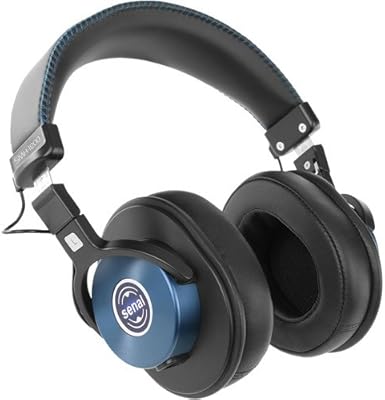
Senal SMH-1200 Studio Monitor Headphones
75%
82%
Sound Accuracy
76%
Build Quality
88%
Cable Design
63%
Comfort & Fit
74%
Noise Isolation
More
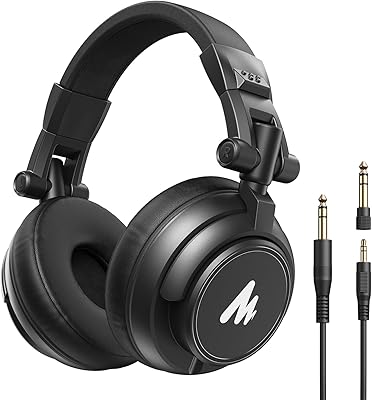
MAONO MH601 Professional Studio Monitor Headphones
85%
93%
Value for Money
84%
Low-Frequency Response
89%
Long-Term Comfort
76%
Passive Noise Isolation
72%
Build Materials
More
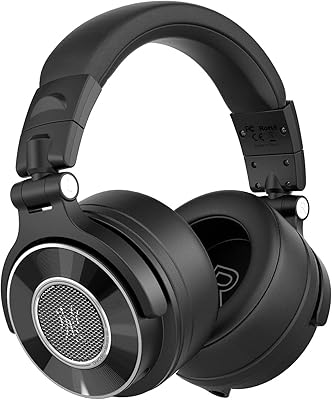
OneOdio Monitor 60
OneOdio Monitor 60
88%
88%
Audio Clarity & Detail
96%
Connectivity Versatility
91%
Long-Session Comfort
73%
Build Materials & Durability
84%
Passive Noise Isolation
More
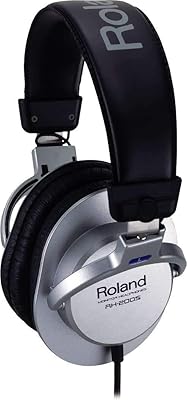
Roland RH-200S Studio Monitoring Headphones
79%
88%
Sound Accuracy
61%
Low-End Response
86%
Midrange Clarity
81%
Noise Isolation
83%
Comfort & Fit
More
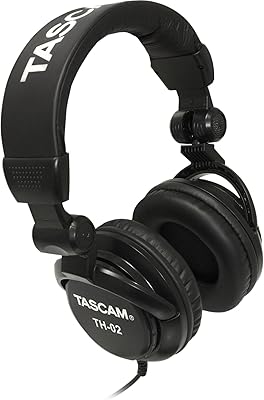
Tascam TH-02
Tascam TH-02
73%
83%
Sound Quality
91%
Value for Money
67%
Build Quality
63%
Comfort & Fit
74%
Passive Noise Isolation
More
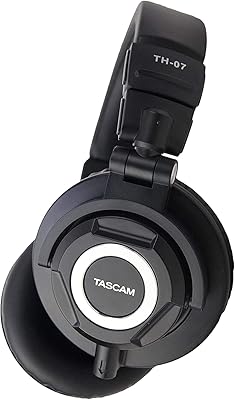
Tascam TH-07 High Definition Studio Monitor Headphones
85%
91%
Sound Quality
94%
Bass Response
88%
Comfort for Long Sessions
90%
Sound Isolation
85%
Build Quality
More
Audio-Technica ATH-M50x
89%
92%
Audio Accuracy
94%
Build Durability
89%
Value for Money
86%
Passive Noise Isolation
67%
Long-Term Comfort
More
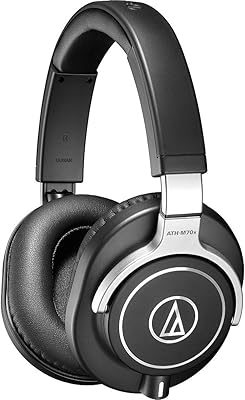
Audio-Technica ATH-M70x
88%
96%
Acoustic Accuracy
92%
Build Durability
94%
High-Frequency Detail
88%
Noise Isolation
85%
Monitoring Flexibility
More
Audio-Technica ATH-M40x
82%
93%
Sound Accuracy
84%
Build Quality
78%
Comfort & Fit
74%
Passive Noise Isolation
88%
Cable & Connectivity
More
Koss Pro4S Studio Headphones
87%
93%
Sound Quality
88%
Comfort for Long Sessions
90%
Build Quality
81%
Noise Isolation
89%
Durability
More

FAQ

No, you do not. At 32 ohms, the HPC-A30-MK2 is easy to drive from everyday devices like smartphones, tablets, and laptops. Most people find they get more than enough volume without any extra gear.

They will work for basic monitoring in louder settings, but it is worth setting realistic expectations. The passive isolation is decent for a home environment or a moderately loud venue, but in a very loud club with heavy floor vibration, you may find the isolation falls short compared to higher-end DJ headphones. For bedroom practice and smaller events, they are perfectly serviceable.

The bass is tuned to emphasize low-end presence rather than deliver a flat, reference-accurate response. That makes them enjoyable for listening and useful for checking whether kick drums and basslines are audible, but if you need clinical accuracy for professional mixing decisions, you will want to cross-reference with a flatter pair or studio monitors.

The box includes the headphones, a 10-foot cable, and a 1/4-inch TRS adapter. That adapter is genuinely useful if you plan to connect to a mixer or audio interface. There is no carrying case included, so you will need to sort out your own storage solution if you travel with them.

Polsen does not widely publish replacement earcup availability for these Polsen cans, and they are not commonly stocked as accessories. If comfort is a priority for long sessions, it is worth knowing that replacement padding may be difficult to source down the line.

One earcup can be rotated 90 degrees outward and swiveled so you can hold it flat against your cheek or shoulder while one ear stays free — the classic DJ monitoring position. It works reasonably well and feels more natural than trying to fold a standard pair awkwardly off one ear.

Yes, the closed-back design does a solid job of keeping audio from leaking out into a room microphone during a take. They are not as isolating as some higher-end closed-back options, but for home studio recording where you want to keep your click track or backing track out of the mic, they will perform adequately.

Most users find them comfortable for sessions in the one-to-two-hour range. Beyond that, some people report the headband pressure becomes noticeable, particularly if you have a larger head. If you plan to wear them for very long stretches regularly, that is worth factoring into your decision.

The Polsen HPC-A30-MK2 Studio Monitor Headphones use a fixed cable rather than a detachable one, which means if the cable is damaged at the connector or along its length, repair or replacement is more involved than simply swapping in a new cable.

Yes, the 3.5 mm connector is compatible with any standard headphone jack, including those on gaming console controllers. Keep in mind there is no in-line microphone or remote on the cable, so you will not get chat functionality — just audio monitoring.

Where to Buy