Overview

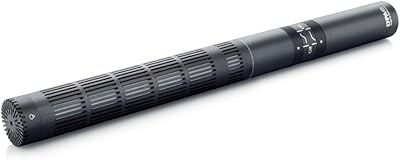
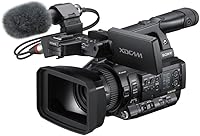
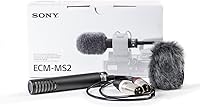
The Sony ECM-MS2 Stereo Shotgun Condenser Microphone is a purpose-built tool for videographers who take their audio seriously. Part of Sony's long-running ECM series, it carries the kind of pedigree that signals real engineering intent rather than consumer compromise. The decision to go XLR-only is telling — Sony isn't courting casual creators with laptop setups here. This is a mic designed for people with proper field gear: professional camcorders, portable mixers, dedicated field recorders. The lightweight metal alloy body weighs just 160 grams and keeps its footprint tight at under six inches long, which means it sits comfortably on a camera without upsetting the rig's balance. Just be clear-eyed going in: this is a specialist field tool, not a do-everything studio solution.
Features & Benefits

What sets the ECM-MS2 apart technically is its Mid-Side stereo configuration. Rather than a fixed stereo spread, MS recording captures a mono center signal and a bidirectional side signal simultaneously, meaning you can adjust stereo width in post without re-recording anything. That alone is a meaningful advantage for documentary and narrative work. The 69 dB signal-to-noise ratio keeps background hiss firmly in check, even when recording quieter ambient sounds in the field. A full 20 Hz to 20 kHz frequency response means nothing audible gets clipped at either end. At 30 ohms over a 3-pin XLR connection, it pairs cleanly with most professional camcorders and field recorders. Phantom or plugin power is required, so confirm your device supports it before buying.

Best For

This Sony shotgun mic is most at home in the hands of documentary filmmakers and ENG crews who already work with XLR-equipped camcorders or portable recorders. Event videographers covering weddings, conferences, or live performances will appreciate having reliable stereo ambient capture in a package that doesn't require a second operator or a bag full of extra cables. It also suits semi-pro creators ready to step past consumer-grade audio adapters and commit to a proper signal chain. For run-and-gun travel shooters, the 160-gram weight is a genuine practical advantage. Anyone planning to work with the MS decoding workflow in post will find the stereo flexibility well worth the modest learning curve involved.

User Feedback

Across its 52 ratings, this stereo condenser mic holds a steady 4.5 out of 5 stars — respectable for a specialist piece of gear with a clearly defined use case. Buyers consistently praise audio clarity and build quality, noting that the metal housing feels appropriately solid for real field conditions. The compact form factor gets frequent mentions from on-camera users who value a low-profile setup. Where criticism appears, it clusters around two points: the XLR-only connection excludes anyone without compatible gear, and the MS decoding process carries a steeper learning curve than a standard stereo mic. A handful of buyers note that included accessories are minimal. Encouragingly, no recurring complaints about long-term durability or connector reliability surface in the reviews.

Pros

  • The Mid-Side stereo configuration lets you adjust stereo width in post, giving editors meaningful creative control after the shoot.
  • A 69 dB signal-to-noise ratio keeps recordings clean and low-hiss even in moderately noisy field environments.
  • At 160 grams, this Sony shotgun mic adds almost no perceptible weight to a camera rig during long shooting days.
  • Full 20 Hz to 20 kHz frequency response captures the complete audible spectrum with nothing rolled off at either end.
  • The metal alloy housing feels field-ready and durable — buyers consistently note it does not feel fragile or plasticky.
  • XLR connectivity integrates cleanly into professional camcorders and portable mixers without signal degradation or ground noise.
  • The compact 5.39-inch body mounts discreetly on-camera and keeps the overall rig footprint small for documentary and event work.
  • Sony's ECM series lineage means proven engineering behind the design rather than a budget rebranding exercise.
  • No significant durability or connector reliability complaints have surfaced from verified buyers, suggesting solid long-term build integrity.

Cons

  • XLR-only connectivity is a hard dealbreaker for any camera or recorder without a balanced XLR input.
  • Phantom or plugin power is required, and confirming compatibility with your specific device falls entirely on the buyer.
  • The Mid-Side decoding workflow requires post-production knowledge that beginners may find steep and time-consuming to learn.
  • Included accessories are minimal — a shock mount, windscreen, and carrying pouch are all sold separately at additional cost.
  • The ECM-MS2 is not suited for close-up dialogue capture on narrative film sets where a longer mono boom mic is the standard choice.
  • With only 52 ratings, the user feedback pool is narrower than many competing mics, making it harder to assess edge-case reliability.
  • The unidirectional pattern excels at rejecting off-axis noise but offers no polar pattern switching for versatility in different acoustic settings.
  • At its price point, buyers expecting a comprehensive out-of-box kit may feel the value proposition relies heavily on already owning compatible professional gear.

Ratings

Our AI-generated scores for the Sony ECM-MS2 Stereo Shotgun Condenser Microphone were produced by analyzing verified buyer reviews from global markets, with spam, incentivized, and bot-flagged submissions actively filtered out before scoring. Each category reflects a genuine synthesis of what real users praised and what genuinely frustrated them — nothing is softened or inflated. Where this stereo condenser mic earns high marks, the data is consistent; where it falls short, those gaps are reflected honestly in the scores below.
Audio Clarity
91%
Buyers who use this Sony shotgun mic for documentary work and event coverage consistently describe the output as clean, natural, and noticeably quieter than consumer-grade alternatives. The 69 dB signal-to-noise ratio translates directly to recordings where ambient hiss stays out of the way even in moderately loud environments.
In particularly loud or reverberant spaces — large event halls or outdoor festivals — some users note the unidirectional pattern picks up more room noise than a tighter supercardioid alternative would. It handles clean environments well but is not the strongest choice when acoustic control is limited.
Stereo Performance
88%
The Mid-Side stereo configuration is a genuine advantage for users who do any post-production work, giving editors the ability to widen or narrow the stereo image after the shoot without returning to the location. Event and travel shooters particularly value having a natural, spacious stereo field in a single compact unit.
Getting the most out of MS stereo requires familiarity with decoding workflows in editing software, and buyers who skip that step end up with a mono-sounding track or an oddly phased stereo file. The learning curve is real, and newer users occasionally report frustration before they understand the process.
Build Quality
86%
The lightweight metal alloy body feels purposefully solid without being heavy, and buyers who use this stereo condenser mic across multiple seasons of event and documentary work report no structural deterioration. The finish holds up to the everyday knocks of field production, including bag carry and on-camera mounting.
While no widespread connector failure reports appear in the review pool, a small number of users mention the XLR connector fitting could feel more firmly seated on certain camcorder inputs. The metal body, while durable, shows surface scratches over time with regular use in rough field conditions.
Ease of Use
67%
33%
For videographers already comfortable with XLR signal chains, plugging in the ECM-MS2 and getting a clean signal is straightforward. Mounting is simple, the body is manageable, and once your device is configured correctly for phantom or plugin power, the mic just works without fuss.
The XLR-only connection and the MS decoding requirement create a non-trivial barrier for anyone new to professional audio. Buyers who purchase this mic expecting a simple plug-and-record experience — especially those upgrading from 3.5mm consumer mics — frequently report a frustrating initial setup period.
Compatibility
62%
38%
For videographers shooting with professional XLR-equipped camcorders or portable field recorders like those from Sony, Zoom, or Sound Devices, the ECM-MS2 integrates without any adapters or workarounds. Within its intended ecosystem, compatibility is genuinely seamless.
The XLR-only design hard-excludes a large segment of potential buyers — DSLR shooters, mirrorless users, and anyone working with a smartphone or laptop-based setup cannot use this mic without purchasing additional hardware. This is the most commonly cited pain point in lower-star reviews and represents a real purchasing risk if not checked in advance.
Value for Money
71%
29%
Users who specifically needed a compact stereo shotgun mic with professional XLR output consistently feel the price reflects the engineering and Sony's brand reliability. For documentary filmmakers and ENG crews who use it regularly, the per-use cost justifies the investment over time.
At its price point, buyers reasonably expect a more complete accessory kit — a shock mount, foam windscreen, and carry pouch are standard inclusions from competitors in the same tier, and their absence here is a recurring complaint. Buyers end up spending additionally before the mic is truly field-ready.
Weight & Portability
93%
At 160 grams, this Sony shotgun mic is light enough to remain on a camera for an entire day of event shooting without creating noticeable fatigue or balance issues. Travel videographers specifically mention that it barely registers in a camera bag alongside other gear.
The compact size, while ideal for portability, does mean the capsule is physically smaller than dedicated large-format stereo mics, which can be a limiting factor in terms of low-frequency sensitivity in very large spaces. There is a real trade-off between portability and capsule surface area.
On-Camera Mounting
84%
The narrow 0.94-inch diameter and short overall length mean the ECM-MS2 sits cleanly on a standard camera hot shoe or cold shoe bracket without blocking the viewfinder or overhanging the lens. Users report it keeps the rig looking tidy and professional on both larger camcorders and compact field cameras.
The mic ships without a dedicated shock mount, so handling noise and vibration from the camera body can transfer to the recording when the mic is mounted directly. Buyers who do not purchase a compatible shock mount separately often notice subtle rumble or thump artifacts during active shooting.
Wind Noise Rejection
58%
42%
In calm indoor environments and light-breeze outdoor conditions, the bare capsule handles wind reasonably well by the standards of an unprotected condenser element. For studio-adjacent or controlled indoor shooting, this is rarely an issue buyers flag.
In any real outdoor field scenario — wedding receptions on open lawns, run-and-gun documentary work, or event coverage near HVAC systems — wind noise becomes a noticeable problem without aftermarket protection. No windscreen is included, and this is a consistent complaint from buyers who assumed basic outdoor usability out of the box.
Frequency Response
89%
Covering the full 20 Hz to 20 kHz audible range means the ECM-MS2 captures both the warmth of low-end ambient sounds and the fine detail of high-frequency speech and instrumentation without perceptible roll-off at either extreme. Buyers recording music performances alongside video note that the mic handles tonal complexity well.
While the frequency response range is technically complete, some professional users note that the response curve is not perfectly flat across all frequencies, with certain mid-range vocal frequencies occasionally sounding slightly forward compared to reference recordings. This is a nuanced criticism but relevant for demanding audio work.
Noise Handling
82%
18%
The 69 dB signal-to-noise ratio means that even when recording quieter subject matter — a speaker at a conference podium or ambient crowd murmur — the noise floor stays low enough to avoid problematic hiss in the final mix. Users recording in hotel ballrooms and conference halls specifically mention this as a strength.
In environments with strong electromagnetic interference — near stage lighting rigs or broadcast transmission equipment — a small number of users report faint interference pickup, though this is not common. The unbalanced nature of certain camcorder XLR implementations can occasionally compound this issue.
Post-Production Flexibility
83%
The MS recording format is genuinely useful in the editing suite, and buyers who invest time in learning the decoding workflow consistently praise the control it gives them over the final stereo image. The ability to mono-sum the recording without phase issues is a specific advantage that fixed-stereo mics cannot offer.
That flexibility comes with the cost of additional post-production steps that fixed-stereo or mono mics do not require. For turnaround-heavy work like news gathering or same-day event edits, the extra decoding step can create workflow friction that more straightforward mics avoid entirely.
Long-Term Durability
79%
21%
Across the available review pool, no pattern of premature failure, capsule degradation, or connector breakdown has emerged. Buyers who have used the ECM-MS2 across multiple years of professional event and documentary production report it holding up well under regular field use.
The review pool of 52 ratings is relatively small for drawing strong long-term conclusions, and the mic has not been on the market long enough to generate the kind of decade-long durability data that more established shotgun mics have. Longer-term reliability remains an open question for now.
Included Accessories
34%
66%
The microphone itself arrives in good condition and is well-packaged, and buyers who already own compatible shock mounts, windscreens, and XLR cables from previous mic purchases are not significantly inconvenienced by the sparse kit.
For buyers purchasing their first professional shotgun mic, the lack of a windscreen, shock mount, or even a basic carrying pouch is a real frustration at this price point. Multiple reviewers flag this as the most tangible disappointment relative to what competing mics at a similar price tier typically include.

Suitable for:

The Sony ECM-MS2 Stereo Shotgun Condenser Microphone was built for a specific kind of shooter, and if you fit that profile, it delivers convincingly. Documentary filmmakers and ENG videographers who already own XLR-equipped camcorders or field recorders will find it slots naturally into a professional audio chain without compromise. Event videographers — covering weddings, corporate productions, or live performances — benefit from its stereo ambient capture, picking up a realistic sense of space without needing a separate room mic or a complex multi-mic setup. Run-and-gun travel shooters will appreciate that 160 grams barely registers on a rig, and the compact dimensions keep the camera balanced and maneuverable. Semi-pro creators who are ready to move past 3.5mm consumer adapters and invest in a proper signal chain will find the ECM-MS2 a credible, durable step up. Anyone willing to learn the Mid-Side decoding workflow in post-production will gain genuine stereo flexibility that fixed-stereo mics simply cannot offer.
Not suitable for:

The Sony ECM-MS2 Stereo Shotgun Condenser Microphone is not the right tool for a wide range of buyers, and it is worth being direct about that. If your camera, interface, or recorder lacks a 3-pin XLR input, this mic is a non-starter — there is no 3.5mm option, no USB fallback, and no adapter included. Podcasters, streamers, and home studio vocalists looking for a plug-and-play desktop condenser will find this mic poorly suited to their workflow and their environment. Beginners who are unfamiliar with phantom power requirements, gain staging, or MS decoding may find the learning curve frustrating enough to undercut the audio quality gains. Filmmakers who need a dedicated boom mic for capturing close-up dialogue on a narrative set will likely want a longer, more specialized mono shotgun instead. Finally, buyers expecting a broad accessory kit out of the box — shock mount, windscreen, carrying case — should know that the included components are minimal, and those extras add cost.

Specifications

  • Brand: Manufactured by Sony under the long-established ECM microphone series, known for professional audio equipment.
  • Model: The model designation is ECM-MS2, part of Sony's professional condenser microphone lineup.
  • Type: Stereo shotgun condenser microphone using a Mid-Side (MS) polar configuration for flexible stereo capture.
  • Polar Pattern: Unidirectional MS configuration, combining a cardioid mid capsule with a bidirectional side capsule for adjustable stereo width in post-production.
  • Connector: Equipped with a 3-pin XLR connector, compatible with professional camcorders, field recorders, and audio mixers.
  • Signal-to-Noise Ratio: Rated at 69 dB, which delivers low background noise and clean audio capture in real-world field recording conditions.
  • Impedance: Output impedance is 30 Ohm, ensuring low signal loss and clean transmission over standard XLR cable runs.
  • Frequency Response: Covers the full audible spectrum from 20 Hz to 20 kHz, capturing both low-end presence and high-frequency detail without roll-off.
  • Channels: Operates as a 2-channel stereo microphone, outputting left and right audio signals through the XLR connection.
  • Dimensions: Body measures 5.39 x 0.94 x 0.94 inches, making it compact enough for on-camera mounting without significantly affecting rig balance.
  • Weight: Weighs 160 grams (5.6 oz), light enough for extended handheld or on-camera use without causing noticeable fatigue or imbalance.
  • Body Material: Constructed from lightweight metal alloy, providing a solid, field-durable feel without adding unnecessary mass to the rig.
  • Power Source: Requires corded electric power via either phantom power or plugin power supplied through the connected XLR device.
  • Compatible Devices: Designed for use with XLR-equipped camcorders and professional field recorders; not compatible with devices lacking balanced XLR inputs.
  • Color: Available in black only, with a matte finish suited to professional on-camera and field use.
  • Availability: Currently active and not discontinued by the manufacturer, meaning parts and support remain accessible through Sony's official channels.

Related Reviews

Sony ECM-680S MS Stereo Shotgun Microphone
77%
93%
Audio Quality
91%
Stereo Imaging
88%
Build Quality
86%
Self-Noise
54%
Connectivity
More
Sony ECM-VG1 Shotgun Microphone
79%
88%
Audio Clarity
86%
Directional Rejection
81%
Wind Noise Handling
91%
Build Quality
78%
Low-Cut Filter Utility
More
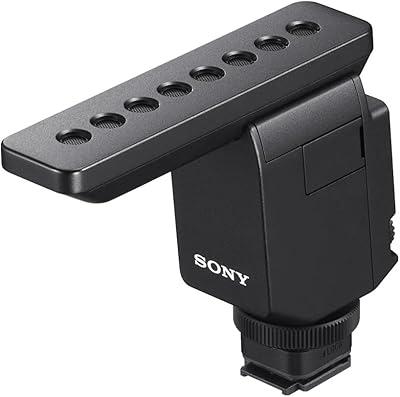
Sony ECM-CG50 Shotgun Microphone
71%
83%
Audio Clarity
79%
Noise Rejection
44%
Wind Noise Handling
51%
Compatibility
62%
Build Quality
More
Sony ECM-B1M
Sony ECM-B1M
86%
93%
Sound Quality & Voice Isolation
96%
Form Factor & Portability
64%
Camera Compatibility
98%
Battery Independence
89%
Recording Versatility
More
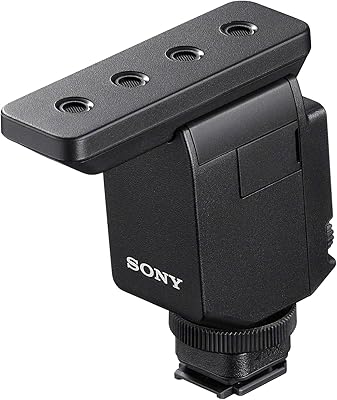
Sony ECM-M1 Digital Shotgun Microphone
78%
91%
Audio Clarity
88%
Noise Floor Performance
84%
Recording Mode Versatility
47%
Ecosystem Compatibility
61%
Build Quality
More
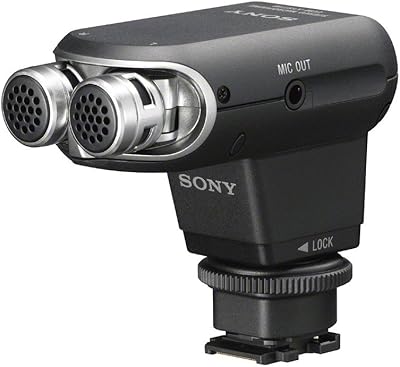
Sony ECM-B10 Shotgun Microphone
80%
91%
Audio Clarity
83%
Beamforming Performance
88%
Polar Pattern Versatility
79%
Noise Filtering
67%
Wind Noise Handling
More
Sony ECM-XYST1M
Sony ECM-XYST1M
84%
94%
Ease of Use
88%
Audio Quality & Stereo Imaging
68%
Build Quality
97%
Battery & Power Management
84%
Value for Money
More
Sony ECM-CS3 Clip-on Microphone
72%
83%
Voice Call Clarity
91%
Ease of Setup
78%
Clip & Wearability
67%
Background Noise Rejection
74%
Build Quality
More
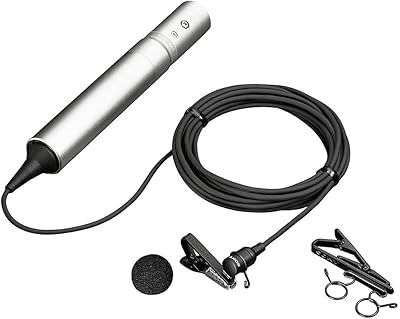
DPA 4017B Shotgun Condenser Microphone
83%
93%
Sound Quality
91%
Off-Axis Rejection
88%
Build Quality
63%
Value for Money
89%
Transient Response
More
Sony ECM-44 Lavalier Microphone
85%
88%
Sound Quality
92%
Portability
85%
Build Quality
89%
Ease of Setup
80%
Battery Life
More

FAQ

Only if your camera has a 3-pin XLR input, which most DSLRs and mirrorless cameras do not. To use the ECM-MS2 with those bodies, you would need an XLR adapter like the Sony XLR-K series or a small field recorder with XLR inputs placed between the mic and the camera.

Mid-Side is a stereo recording technique that captures a forward-facing mono signal and a side-facing bidirectional signal simultaneously. In post-production, you decode these two signals into a standard left-right stereo track. The advantage is that you can control how wide or narrow the stereo image sounds after the fact. Most professional audio software including Adobe Audition, DaVinci Resolve, and Logic Pro supports MS decoding natively or through free plugins.

Yes, it requires either phantom power (typically 48V supplied by a mixer, recorder, or camcorder) or plugin power, depending on what your device provides. Before buying, check your camcorder or recorder's manual to confirm it supplies one of these power types through its XLR input. Using it with a device that provides neither will result in no output.

It can capture usable dialogue in documentary-style or run-and-gun situations, but for narrative film sets where boom operation and close-up dialogue isolation are priorities, a dedicated mono hypercardioid or supercardioid shotgun would typically be the better choice. The MS design is more optimized for stereo ambience and natural room sound than tight dialogue pickup.

Bare metal condenser capsules are sensitive to wind, and this mic is no exception. For light breeze conditions, a foam windscreen helps considerably. For anything stronger — outdoor events, run-and-gun shooting in open spaces — a proper blimp or furry windshield is worth investing in, as neither is included in the box.

Technically possible, but it is not what the ECM-MS2 was designed for. Its strengths are field portability and on-camera stereo capture, not the precise acoustic control and proximity handling that studio recording typically demands. Dedicated large-diaphragm condensers or purpose-built stereo room mics will generally serve studio music applications better.

The package is minimal — you get the microphone itself and not much else. A shock mount, windscreen, and carry case are not included and will need to be sourced separately. Budget for those accessories if you plan to use this mic in the field regularly.

No cable is included, so you will need to supply your own. For on-camera use, a short 12- to 24-inch right-angle XLR cable keeps things tidy. For runs to a separate recorder, a standard 10- to 15-foot balanced XLR cable is fine. Because XLR is a balanced connection, cable runs of reasonable length do not introduce meaningful signal degradation or noise.

Yes, this is one of the more practical applications for it. The stereo ambient capture picks up a natural sense of the room and crowd without requiring a complex multi-mic setup, and the compact body mounts cleanly on a camcorder. As long as your camera has XLR inputs, it works well in those environments.

Based on available user feedback, no recurring complaints about connector failure or body damage have surfaced, which is a reasonable indicator of solid construction for a mic in this category. The metal alloy housing feels durable in everyday field use, and buyers generally report confidence in the build even after extended use.