Overview

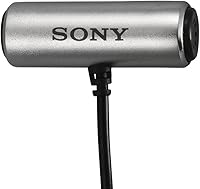
The Sony ECM-CS3 Clip-on Microphone is a compact, bus-powered lapel mic originally designed for the Japanese market but widely sold as an import for PC and laptop users worldwide. If you're considering it, know upfront that documentation may arrive in Japanese, and official warranty support outside Japan can be limited, so buying from a reputable seller matters. Technically, it runs on a unidirectional polar pattern over a straightforward corded USB connection — nothing exotic. This is firmly an entry-level business tool, not something you'd bring into a recording studio. Still, the fact that it launched in 2012 and remains in active production says something about its quiet, consistent appeal.
Features & Benefits

At just 0.422 oz, this clip-on mic barely registers on your collar or lapel — which is exactly the point. The unidirectional pickup pattern does a reasonable job of focusing on your voice while pushing back against room noise, a genuine advantage if your home office isn't acoustically treated. The 76 dB signal-to-noise ratio keeps background hiss at bay for voice calls and light dictation work. USB connectivity means no drivers, no fuss — plug it into any laptop port and you're ready. The compact build also makes it easy to toss in a bag for travel, and since it draws power directly from USB, no batteries are ever needed.

Best For

The ECM-CS3 hits a clear sweet spot for remote workers and students who want noticeably cleaner audio than their laptop's built-in mic can provide but don't need anything approaching professional equipment. If you're regularly on Zoom or Teams calls, the clip-on format is genuinely practical — no desktop stand, no arm, just clip it and talk. Travelers will appreciate that it weighs almost nothing and takes up minimal bag space. The singing use case listed in the product specs is technically possible for casual voice memos, but if music recording is your actual goal, this Sony lapel mic is simply not the right tool for that job.

User Feedback

Buyers consistently highlight how much easier setup and daily use are compared to wrestling with a desktop mic stand or dealing with finicky Bluetooth pairing. On Zoom and Teams calls, the voice clarity improvement over a built-in laptop mic is real and noticeable to other participants. That said, two concerns come up regularly. First, as a Japanese import, included documentation is typically not in English, which can be disorienting. Second, some users find the cable length limiting depending on their desk configuration. On durability, the picture is largely positive — multiple buyers report using this clip-on mic for several years without issues, which aligns well with its long production history.

Pros

  • Clips securely to a collar or lapel for completely hands-free use during calls.
  • Noticeably clearer voice audio compared to any standard built-in laptop microphone.
  • USB plug-and-play setup requires zero driver installation or software configuration.
  • The unidirectional pickup pattern does a real job of reducing ambient room noise.
  • At under half an ounce, this clip-on mic is light enough to forget you are wearing it.
  • No batteries ever needed — it draws power directly from the USB port.
  • Sony build quality gives it a durability edge over generic budget alternatives.
  • Compact enough to pack into a laptop bag without adding any noticeable bulk.
  • A 76 dB signal-to-noise ratio keeps background hiss acceptably low for voice work.
  • Still in production after more than a decade, which reflects consistent real-world reliability.

Cons

  • Sold as a Japanese import, so included documentation is typically not in English.
  • Warranty support outside Japan can be difficult or effectively unavailable.
  • Mono-only output rules it out for any use case requiring stereo audio capture.
  • Cable length may be too short for some desk configurations without an extension.
  • Not suited for music recording despite the singing use case mentioned in product specs.
  • No volume control or mute button on the mic itself — you rely entirely on software.
  • The ECM-CS3 offers no compatibility with XLR interfaces or professional audio gear.
  • Import listings vary in seller quality, so vetting the source before purchasing is essential.

Ratings

The scores below reflect our AI-driven analysis of verified global user reviews for the Sony ECM-CS3 Clip-on Microphone, with spam, bot-generated, and incentivized submissions actively filtered out before scoring. Every category captures what real buyers praised and where they ran into frustration — nothing is smoothed over or inflated. The result is an honest, data-grounded picture of where this clip-on mic delivers and where it falls short.

Voice Call Clarity
83%
Remote workers and students consistently report that call participants comment on how much cleaner and more present their voice sounds compared to a built-in laptop mic. On Zoom and Teams in particular, the improvement is immediate and noticeable even in modestly noisy home environments.
In louder rooms or open-plan spaces, background sounds still bleed through more than users expect. The unidirectional pattern helps, but it is not a substitute for acoustic treatment, and some buyers feel the clarity gains diminish quickly once ambient noise picks up.
Ease of Setup
91%
Plug-and-play USB operation is genuinely effortless — the ECM-CS3 is recognized instantly by both Windows and macOS without any driver installation. Users who have never configured an external microphone before report being fully up and running within under a minute.
A small but recurring frustration is that some users do not realize they need to manually select the mic as the default audio input in system settings, leading to initial confusion. The lack of any indicator light or on-device feedback makes it hard to confirm at a glance that the mic is active.
Clip & Wearability
78%
22%
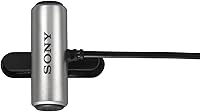
At 0.422 oz, the mic is light enough to clip onto a shirt or jacket collar and forget it is there through a full day of calls. The clip mechanism is straightforward, and users appreciate that it stays put without tugging or shifting during movement.
The clip works best on medium-weight fabric and struggles with very thin or very thick materials. On delicate clothing, a handful of users have reported light pressure marks after extended wear, so it pays to place a small protective layer between the clip and the garment.
Background Noise Rejection
67%
33%
The unidirectional pickup pattern gives this Sony lapel mic a meaningful advantage over omnidirectional built-in laptop mics in typical home-office settings. Keyboard clicks, HVAC hum, and distant room noise are noticeably reduced when the mic is properly positioned close to the speaker.
This is not an isolation-level microphone, and buyers in genuinely noisy environments — open offices, households with children, or near street traffic — find the noise rejection insufficient without software noise suppression running in parallel. Expectations need to be set accordingly.
Build Quality
74%
26%
For its market tier, the ECM-CS3 feels more solidly constructed than most no-name competitors at a similar price point. Multiple buyers reference using the same unit daily for two or more years without any hardware degradation, which is a credible durability signal.
The cable, while functional, feels lightweight and is the most likely point of long-term failure if the mic is plugged and unplugged frequently. A few users note that the junction between the cable and the mic housing shows wear faster than the rest of the unit.
Cable Length & Flexibility
54%
46%
For laptop users who position their machine directly in front of them on a desk, the cable length is generally adequate for everyday use. The corded design at least avoids the latency and pairing issues that come with wireless alternatives.
This is one of the most frequently cited frustrations in user feedback. Buyers with desktop towers, docking stations positioned to one side, or any non-standard desk layout often find the cable too short without an extension. There is no adjustable or coiled design to compensate.
Signal-to-Noise Ratio
71%
29%
The 76 dB SNR rating translates to a clean, hiss-free signal in practice for voice calls and spoken-word dictation. Most users do not notice any audible background noise floor during normal use, which is the baseline expectation met well here.
At 76 dB, the spec is adequate but not impressive by any modern microphone standard. Users recording in very quiet environments and listening back critically may detect a low-level noise floor that would be unacceptable in professional or content creation contexts.
Portability
88%
Travelers and commuters consistently highlight how little space and weight the ECM-CS3 adds to any bag. It fits into a small pouch or even a jacket pocket, making it one of the most genuinely portable USB microphone options available at this tier.
The attached cable, while not long, does require some care when packing to prevent tangling or kinking over time. There is no included pouch or cable management solution in the box, which is a minor but real omission for a mic positioned at travelers.
Compatibility
79%
21%
USB-A connectivity means this clip-on mic works across an enormous range of laptops and desktop PCs running Windows or macOS without any setup friction. Buyers who need it working on day one without troubleshooting find this reliability reassuring.
The USB-A connector is increasingly dated as more devices ship exclusively with USB-C ports, requiring an adapter that is not included. Mobile and tablet compatibility is inconsistent and essentially unsupported by Sony, making those use cases a gamble.
Import & Documentation
48%
52%
The product hardware itself functions identically regardless of import origin, and the USB plug concern is a non-issue since no wall adapter is needed. Buyers who do their research before purchasing generally navigate the import status without difficulty.
Japanese-language documentation is a genuine stumbling block for buyers who expected English materials, and it is the single most common source of one-star reviews in international markets. Official Sony warranty support outside Japan is effectively unavailable, which is a real risk buyers should consciously accept before purchasing.
Value for Money
77%
23%
Compared to no-name clip-on mics at similar price points, the Sony branding delivers a tangible step up in audio consistency and build reliability. For buyers who simply need a dependable voice call upgrade over their laptop mic, the value proposition is straightforward and fair.
Buyers who later discover the import limitations around warranty and documentation sometimes feel the premium over generic alternatives is harder to justify in retrospect. At this price tier, several competing mics now offer USB-C connectivity and English support, which chips away at the ECM-CS3's value case.
Audio for Singing & Creative Use
41%
59%
For casual humming of melodies into a voice memo app or capturing a quick reference take, the mic technically does the job in a pinch. Its position close to the mouth does give it a more intimate sound than a far-field laptop mic.
Mono-only output, an entry-level capsule, and no support for professional audio interfaces make this a poor choice for anyone serious about singing or music recording. Users who purchase expecting a music-capable microphone are consistently disappointed, and this is reflected clearly in negative reviews.
Longevity & Reliability
81%
19%
A mic that has been on the market since 2012 and remains in production has had its reliability verified across years of real-world use. Buyers across multiple review platforms report consistent daily use over two-plus years without failure, which is reassuring for a lightweight peripheral.
Longevity reports are generally positive but skew toward lighter use patterns. Heavy users who plug and unplug multiple times daily report cable-related issues emerging sooner, and the absence of any warranty path outside Japan means a hardware failure requires a full repurchase.

Suitable for:

The Sony ECM-CS3 Clip-on Microphone is a practical pick for anyone who spends a meaningful chunk of their day on video calls and is tired of sounding like they're speaking from the other end of a hallway. Remote workers, hybrid employees, and freelancers who attend frequent Zoom or Teams meetings will notice an immediate, worthwhile improvement over their laptop's built-in mic. Students in online classes benefit from the clip-on format too — it stays put during long sessions without requiring a dedicated desk setup or mic arm. Travelers and commuters will appreciate that this Sony lapel mic weighs almost nothing and slips into any bag without fuss. If you simply want a reliable, low-maintenance audio upgrade backed by a recognizable brand rather than gambling on an unproven budget alternative, the ECM-CS3 makes a sensible, no-drama choice.
Not suitable for:

The Sony ECM-CS3 Clip-on Microphone is the wrong tool if your expectations extend beyond clean voice capture for calls and basic dictation. Content creators, podcasters, or anyone recording music should look elsewhere — the mono output, entry-level capsule, and form factor simply are not built for that kind of work. The Japanese import status is also a genuine practical concern: if you need English-language documentation out of the box or straightforward access to manufacturer warranty support, this clip-on mic may frustrate you. Buyers working at desks where the USB cable length proves insufficient will find no easy workaround without an extension cable. And if your workflow demands stereo capture, multi-channel recording, or compatibility with XLR-based audio interfaces, the ECM-CS3 is not in the right category at all.

Specifications

  • Brand: Manufactured by Sony, a globally recognized consumer electronics company with decades of audio hardware experience.
  • Model Number: The exact model designation is ECM-CS3, a clip-on boundary microphone in Sony's business audio lineup.
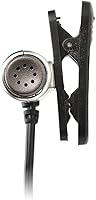
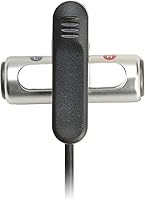
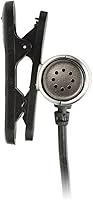
  • Form Factor: Clip-on lapel style designed to attach directly to a collar, shirt, or jacket for stable, hands-free positioning.
  • Polar Pattern: Unidirectional pickup pattern focuses audio capture toward the speaker while reducing off-axis ambient sound.
  • Connectivity: Connects via USB, providing a universal plug-and-play interface compatible with most modern laptops and desktop PCs.
  • Power Source: Bus-powered via USB connection, meaning no batteries or external power adapter are ever required during use.
  • Signal-to-Noise Ratio: Rated at 76 dB, which is adequate for voice calls, dictation, and basic spoken-word recordings with minimal audible hiss.
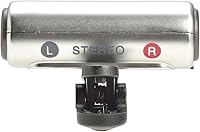
  • Audio Channels: Single-channel mono output, which is appropriate for voice-focused applications such as calls and spoken recordings.
  • Weight: Weighs approximately 0.422 oz (about 0.01 kg), making it one of the lightest clip-on USB microphones available.
  • Dimensions: Physical dimensions measure 6.3 x 3.82 x 1.69 inches, keeping the overall footprint compact and travel-friendly.
  • Color: Available in a black and silver two-tone finish that blends discreetly with most professional attire.
  • Compatible Devices: Designed for use with laptops and personal computers via standard USB port, with no specialized hardware required.
  • Origin: Originally produced for the Japanese domestic market and sold internationally as an import, which may affect documentation language and warranty scope.
  • Production Status: As of the date of this listing, the ECM-CS3 has not been discontinued by Sony and remains in active production.
  • Date Introduced: First made available on the market in May 2012, giving this model a well-established, multi-year track record.

Related Reviews
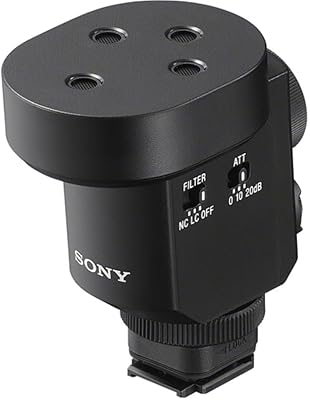
Sony ECM-CG50 Shotgun Microphone
71%
83%
Audio Clarity
79%
Noise Rejection
44%
Wind Noise Handling
51%
Compatibility
62%
Build Quality
More
Sony ECM-44 Lavalier Microphone
85%
88%
Sound Quality
92%
Portability
85%
Build Quality
89%
Ease of Setup
80%
Battery Life
More
Sony ECM-680S MS Stereo Shotgun Microphone
77%
93%
Audio Quality
91%
Stereo Imaging
88%
Build Quality
86%
Self-Noise
54%
Connectivity
More
Sony ECM-B1M
Sony ECM-B1M
86%
93%
Sound Quality & Voice Isolation
96%
Form Factor & Portability
64%
Camera Compatibility
98%
Battery Independence
89%
Recording Versatility
More
Sony ECM-MS2 Stereo Shotgun Condenser Microphone
76%
91%
Audio Clarity
88%
Stereo Performance
86%
Build Quality
67%
Ease of Use
62%
Compatibility
More
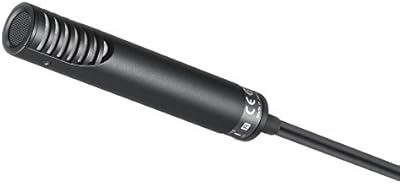
Sony ECM-M1 Digital Shotgun Microphone
78%
91%
Audio Clarity
88%
Noise Floor Performance
84%
Recording Mode Versatility
47%
Ecosystem Compatibility
61%
Build Quality
More
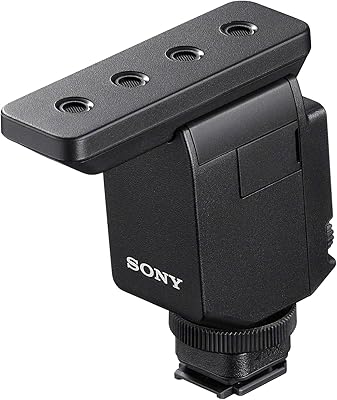
Sony ECM-VG1 Shotgun Microphone
79%
88%
Audio Clarity
86%
Directional Rejection
81%
Wind Noise Handling
91%
Build Quality
78%
Low-Cut Filter Utility
More
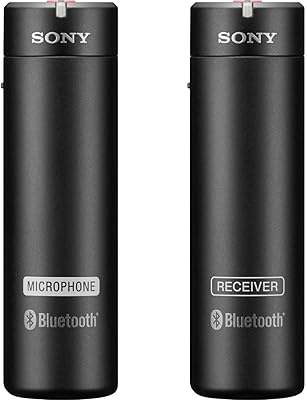
Sony ECM-B10 Shotgun Microphone
80%
91%
Audio Clarity
83%
Beamforming Performance
88%
Polar Pattern Versatility
79%
Noise Filtering
67%
Wind Noise Handling
More
Sony ECM77B Lavalier Condenser Microphone
78%
91%
Audio Clarity
83%
Build Quality
58%
Cable Quality
88%
Discreetness
74%
Versatility
More
Sony ECM-XYST1M
Sony ECM-XYST1M
84%
94%
Ease of Use
88%
Audio Quality & Stereo Imaging
68%
Build Quality
97%
Battery & Power Management
84%
Value for Money
More

FAQ

No driver installation is needed. The ECM-CS3 is recognized as a standard USB audio device by Windows and macOS, so plugging it in is genuinely all you have to do. Just make sure to set it as your default microphone input in your system sound settings, and you are ready to go.

Yes, it works with all of those platforms and any other app that lets you choose your audio input device. Once it is plugged in and selected as the active microphone in your system or within the app settings, call participants will hear a clear improvement over a typical built-in laptop mic.

The microphone itself connects via USB and draws power from your computer, so there is no separate power plug to worry about — any USB port works regardless of your country. The included documentation, however, is likely to be in Japanese, so if you need setup guidance, you will probably find it faster to search for third-party walkthroughs online rather than relying on the printed manual.

Not really, and it is worth being honest about that. It can capture your voice for a casual voice memo, but the mono output, unidirectional capsule, and entry-level signal chain are not designed for musical performance or music production. If recording music is your primary goal, you would be better served by a condenser mic paired with a proper audio interface.

The clip is a standard spring-loaded lapel design that grips collar edges, shirt plackets, or jacket lapels. It is not designed to grip unusually thick fabric, and on very delicate or thin materials you may want to slide a small piece of cloth between the clip and the fabric as a precaution. Under normal use, it should not leave marks or damage.

This is one of the more common practical complaints. The cable length can feel limiting if your USB port is on the far side of a large desktop tower or if you sit more than a few feet from your laptop. If you find yourself stretching the cable, a short USB extension cord solves the problem cheaply.

Technically it is possible if your device supports USB audio input and you have the right adapter, such as a USB-C to USB-A adapter. That said, the mic is listed as compatible with laptops and PCs, and real-world results on mobile devices can vary. Testing it with your specific device and adapter before committing to that use case is advisable.

The unidirectional polar pattern does give it some directional focus, so it is noticeably better than an omnidirectional built-in laptop mic in noisy environments. That said, this is not a professional broadcast microphone, and in a loud room it will still pick up some ambient sound. For quiet to moderately noisy home offices, it performs well.

For daily voice call use, this Sony lapel mic has a solid reliability track record. Multiple users report using the same unit for several years without any hardware issues, which is reassuring for a clip-on mic that gets plugged and unplugged regularly. The cable connection point is the most common wear area on any corded mic, so handling it with reasonable care there will extend its life.

Built-in laptop mics are omnidirectional and positioned to capture everything in a room, which is why voices on calls often sound hollow or echoey. This clip-on mic sits much closer to your mouth, uses a focused unidirectional pickup pattern, and has a cleaner signal path, which together make your voice sound more present and easier to hear clearly. The difference is usually obvious to the people you are speaking with, even if it is subtle to your own ear on playback.

Where to Buy