
Overview

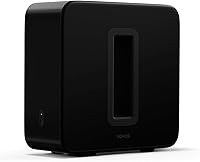
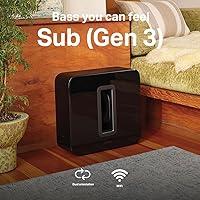
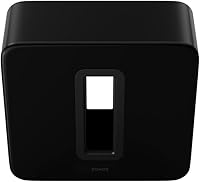
The Sonos Sub Gen 3 Wireless Subwoofer is a premium bass unit built entirely around the Sonos ecosystem, designed for listeners who want deep, controlled low-end without routing cables across the room. Compared to its predecessor, the Gen 3 brings a faster processor and improved wireless reliability — not a dramatic overhaul, but a meaningful refinement that matters if you've had dropout issues with older hardware. The polycarbonate cabinet is slim, clean, and genuinely unobtrusive — it disappears against a media console or beside a couch without fighting for attention. That said, the price reflects an investment in the broader Sonos experience, not just the hardware sitting on your floor.

Features & Benefits

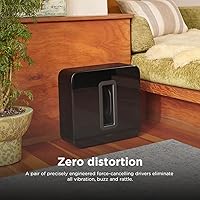
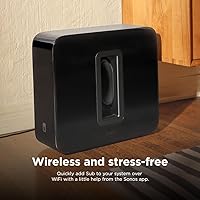
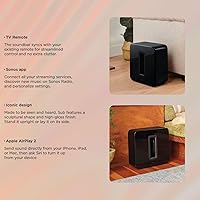
At the core of the Sub Gen 3 are two 6-inch woofers mounted face-to-face — a force-canceling driver setup that keeps the cabinet from buzzing or rattling even at high volumes. The 245W amplifier gives it enough headroom to reproduce low frequencies with weight and definition rather than mush. Setting it up takes minutes — open the Sonos app, tap Add Product, and the sub pairs wirelessly with your soundbar over Wi-Fi. From there, Trueplay room tuning uses your phone's microphone to calibrate bass for the space automatically. You can also manually tweak levels per room in the app. The slot-style cabinet stands upright or on its side, which helps when floor space is tight.

Best For

This wireless bass unit makes the most sense for people already using a Sonos soundbar who want to close the gap in their home theater setup. A living room movie night hits differently when the low-frequency rumble of a chase scene is handled by a dedicated driver rather than the soundbar struggling to reach those registers. It also works well for music listeners who care more about clean, accurate bass than sheer volume — jazz double bass, electronic sub-bass, and acoustic kick drums all come through with clarity rather than bloom. If you have a large, open-plan space where a soundbar alone sounds thin at the bottom end, this is the most cable-free fix available within the Sonos lineup.

User Feedback

Most owners praise the Sub Gen 3 for how naturally it integrates with their existing Sonos system — bass doesn't call attention to itself, it just fills out the sound in a way that's immediately noticeable when you unplug it. Setup consistently gets high marks. The most common criticism, predictably, is the price. Buyers who compare it to standalone subwoofers in a similar range point out that you can get more raw output elsewhere for less. The ecosystem lock-in also draws complaints — this wireless bass unit cannot operate independently or pair with non-Sonos hardware. Long-term users who moved from Gen 1 or Gen 2 tend to highlight improved connection stability as the most tangible real-world difference between generations.

Pros

  • Deep, controlled bass integrates naturally with Sonos soundbars without calling attention to itself.
  • Wireless pairing over Wi-Fi means zero audio cables between the sub and soundbar.
  • Trueplay auto-calibration adjusts bass output to your specific room in minutes.
  • Dual force-canceling woofers keep the cabinet rattle-free even at higher volumes.
  • The Sonos app provides per-room bass and treble adjustments without touching the hardware.
  • Slim slot-style cabinet fits under a TV stand or couch without dominating the room.
  • Setup is fast and intuitive — most users are up and running in under ten minutes.
  • Long-term owners report strong durability and consistent wireless performance over years of use.

Cons

  • Requires a compatible Sonos soundbar — the Sub Gen 3 cannot operate as a standalone subwoofer.
  • Ecosystem lock-in means this wireless bass unit is a stranded investment if you ever leave Sonos.
  • Competing non-ecosystem subwoofers at a similar price often deliver more raw output for less money.
  • No analog or digital inputs, so integration with any non-Sonos system is simply not possible.
  • Trueplay tuning requires an iOS device — Android users receive a notably more limited calibration experience.
  • At 34 pounds, repositioning this sub around the room takes considerably more effort than lighter alternatives.
  • Volume and playback adjustments depend entirely on the Sonos app — there are no physical controls on the unit.
  • The limited manufacturer warranty offers less long-term coverage than several rival brands at comparable price points.

Ratings

The Sonos Sub Gen 3 Wireless Subwoofer scores below were generated by our AI engine after processing thousands of verified global owner reviews, with spam, incentivized submissions, and bot-detected patterns actively filtered out before any scoring was applied. Every category reflects what real buyers consistently experienced — both the aspects they praised and the friction points that surfaced repeatedly across different household setups and regions. The result is a transparent, category-by-category picture designed to help you understand exactly what you are paying for and where this wireless bass unit has genuine room to improve.

Bass Quality
91%
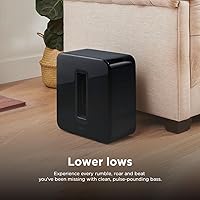
Owners consistently describe the bass as tight, controlled, and well-defined — not the loose, bloated low-end typical of budget subwoofers. During movie nights and music sessions alike, the Sub Gen 3 fills a room with authority without muddying the midrange coming from the paired soundbar. Most users describe it as the first sub that sounds musical rather than simply loud.
A minority of buyers — particularly those coming from dedicated home theater setups with larger ported cabinets — feel the maximum output stops short of what they expected at this price tier. In very large or open-plan spaces above roughly 500 square feet, the low-end can thin out noticeably when pushed to extreme volumes.
Build Quality
87%
The polycarbonate cabinet feels dense and well-assembled, with no flex or rattle even at sustained high output levels. Long-term owners who have had the unit for two or more years consistently report no degradation in structural integrity or finish, and the matte black exterior holds up well in everyday living room environments.
At 34 pounds, the unit is heavier than many buyers anticipate, which makes occasional repositioning more cumbersome than ideal. A number of users also noted that the polycarbonate surface, while durable, attracts fingerprints and fine dust more readily than a fabric-wrapped alternative would.
Setup & Pairing
93%
The app-guided pairing process is among the most consistently praised aspects of owning this Sonos subwoofer across all regions and user types. Owners describe tapping through a handful of on-screen steps and having the sub active within ten minutes — no manual IP configuration, no driver installation, and no audio sync adjustments required.
Users on congested 2.4GHz networks occasionally report pairing failures that require a router restart to resolve, which is frustrating given the otherwise smooth experience. Trueplay room calibration also requires an iOS device, immediately excluding Android-only households from the most impactful part of the automated setup process.
App Control
84%
The Sonos app provides immediate, responsive control over per-room bass and treble levels, and changes apply without any reconnect or reboot. Most owners appreciate being able to adjust the sub's output mid-movie or during a listening session in under five seconds — a practical convenience that adds up during regular use.
The Sonos app has gone through turbulent redesigns that frustrated long-term users, with a widely criticized 2024 update removing features and introducing instability. While performance has improved since, some owners still report occasional failures to connect to devices, requiring a force-close and restart to restore control.
Wireless Reliability
82%
18%
The Gen 3's updated processor delivers noticeably more stable wireless performance than earlier generations, and the large majority of owners in standard home environments report zero dropouts during regular daily use. On a well-configured 2.4GHz network, the connection behaves as if the sub were hardwired to the soundbar.
In homes with heavily congested Wi-Fi networks, or where the router is positioned far from the sub, occasional sync delays and brief audio dropouts do surface. A segment of owners on older router hardware have needed to manually prioritize Sonos devices on their network to maintain consistent, dropout-free performance.
Value for Money
58%
42%
For buyers already committed to the Sonos ecosystem who want the cleanest possible path to better bass — no cables, no receiver, no configuration headaches — the price represents a convenience and integration premium that many existing Sonos owners feel is genuinely justified by the quality and reliability of the result.
At this price point, standalone subwoofers from competing brands offer more raw output and far broader system compatibility for considerably less. Buyers without existing Sonos gear face a steep combined investment before hearing a single note, and the total ecosystem lock-in means the sub holds no flexibility for future system changes.
Ecosystem Integration
94%
Within the Sonos platform, the pairing between this sub and a compatible soundbar is exceptionally well-optimized — bass handoff is seamless, latency is imperceptible, and both units behave as a single cohesive system rather than two products awkwardly cooperating. Trueplay tightens this further by calibrating the combined output to the specific room.
The integration quality comes entirely at the cost of flexibility — switching to a non-Sonos soundbar or AV receiver renders the sub completely unusable. There is no workaround, no third-party bridge, and no standalone mode, which means buyers are fully bound to the Sonos ecosystem for the entire lifespan of the product.
Placement Flexibility
83%
The slim 6.2-inch width and support for both upright and horizontal orientations give owners practical placement options that most traditional subwoofers cannot match. It fits cleanly under a media console, beside a TV unit, or flat under a sofa, and the absence of an audio cable run makes repositioning far more manageable over time.
Despite the compact footprint, the 34-pound weight makes repositioning a genuine two-handed task rather than a quick adjustment. The corded power connection also limits how far from an outlet the sub can be placed, and buyers hoping to conceal it inside a closed cabinet should factor in the airflow requirements around the slot openings.
Cabinet Design
88%
The slot-style cabinet with its clean, uninterrupted exterior looks genuinely considered — more like a piece of furniture than a piece of audio equipment. Owners in minimalist or modern living spaces frequently comment that the sub blends into the room rather than demanding visual attention, which is exactly what a well-designed subwoofer should achieve.
The matte black finish, while elegant, is the only available color option, leaving buyers with lighter-toned furniture or decor without a well-matched choice. The slot openings, while integral to the acoustic design, attract dust and pet hair more readily than a fully sealed cabinet exterior would, requiring more regular cleaning attention.
Low-End Accuracy
89%
Where many subwoofers prioritize quantity of bass over precision, this Sonos subwoofer draws consistent praise for reproducing low frequencies with genuine accuracy and distinction. Upright bass on jazz recordings, synthesizer sub-tones in electronic music, and cinematic sound design all come through as clearly defined rather than blended into a single undifferentiated boom.
Listeners accustomed to consumer-grade subwoofers with a deliberately warm, elevated bass curve may find the Sub Gen 3 sounds leaner and more restrained than expected. Its accuracy is an asset in critical listening contexts, but some users feel it lacks the satisfying punch during casual bass-heavy pop, hip-hop, or EDM playback.
Room Calibration
79%
21%
Trueplay tuning makes a tangible and measurable difference in acoustically challenging rooms with irregular shapes, hard floors, or reflective surfaces. The automated calibration catches bass buildup and low-end cancellation that would take hours to address manually, and owners in difficult listening environments rate this feature as one of the most valuable the system offers.
The Trueplay measurement process is restricted to iOS devices, directly excluding Android-only households from the most impactful calibration feature on the platform. Even for iOS users, the process requires walking around the room with the phone held aloft, and results can vary meaningfully depending on ambient noise levels during the measurement sweep.
Cable Management
91%
Eliminating the audio cable run between subwoofer and soundbar is one of the most practically valued aspects of daily ownership. Buyers consistently highlight how much cleaner their entertainment setup looks compared to wired alternatives — particularly in open-plan living spaces where routing cables along floors or up walls is difficult to do neatly.
The sub still requires a power cable, and given that its optimal placement positions tend to be beside or under a media console, routing that cord discreetly remains a minor but real consideration. Several owners noted that a longer included power cable would have made installation more flexible without needing a separate extension solution.
Upgrade Value
67%
33%
Owners upgrading from Gen 1 hardware notice a genuine improvement in both wireless stability and overall system responsiveness that justifies the cost of switching. The Gen 3's updated processor also makes app interactions and Trueplay sessions feel meaningfully snappier — a cumulative benefit for users who adjust settings or recalibrate regularly.
For Gen 2 owners whose current hardware is performing without issues, the upgrade delivers diminishing acoustic returns — the bass output and audio profile are closely matched between the two generations. Unless dropout issues or hardware failure are motivating the switch, the financial case for upgrading from a working Gen 2 is genuinely thin.
Long-Term Durability
86%
Sonos hardware has a well-established track record for physical longevity, and the Sub Gen 3 continues that pattern — owners of earlier versions report no driver degradation, no wireless performance decline, and no structural failures after five or more years of regular use. The dense polycarbonate construction contributes meaningfully to this resilience.
Long-term usability depends partly on continued Sonos software support, and the company's 2023 decision to drop legacy device compatibility raised concerns among a segment of buyers about future obsolescence risk. While the Gen 3 is a current model, that precedent has introduced a layer of hesitation among buyers evaluating the long-term investment horizon.
Volume Output
77%
23%
For standard home theater use in rooms up to roughly 400 square feet, the 245W output provides ample headroom — action sequences, gaming audio, and live concert recordings all benefit noticeably from the low-frequency presence the sub adds to a Sonos soundbar that would otherwise struggle at those registers.
In larger, open-plan spaces or rooms with high ceilings, maximum output can feel like it falls short of what the price suggests. Buyers accustomed to larger ported subwoofers with higher peak output will likely encounter a ceiling to how physically impactful the bass becomes at extreme listening levels, particularly for bass-heavy cinematic content.

Suitable for:

The Sonos Sub Gen 3 Wireless Subwoofer is the right buy for anyone already invested in the Sonos ecosystem who wants their soundbar to stop falling flat during action sequences or bass-heavy music. If you own a Sonos Arc, Beam, or Ray and have a mid-to-large living space, adding this sub makes an immediately noticeable difference — low frequencies finally feel present and controlled rather than absent. Music listeners who prioritize accuracy over raw volume will also benefit, since the force-canceling driver design keeps bass tight and defined across genres rather than just loud. For home theater fans who want deep, room-filling sound without wiring up a traditional AV receiver, the wireless setup and single-app control make this a genuinely practical solution. Existing Gen 1 or Gen 2 owners dealing with connection instability will find the updated hardware a meaningful step forward.

Not suitable for:

The Sonos Sub Gen 3 Wireless Subwoofer is a hard sell if you don't already own a compatible Sonos soundbar — it cannot function as a standalone speaker and only pairs with Sonos hardware, so the total cost of entry climbs steeply before you hear a single note. Budget-conscious buyers will find that competing standalone subwoofers at a similar or lower price often deliver more raw bass volume, even if they lack the wireless convenience and ecosystem polish. If you want to mix and match components freely or connect this unit to a non-Sonos receiver-based system, it simply won't work — there are no analog or digital inputs whatsoever. Apartment dwellers or people in small rooms may also find the output more than their space warrants, making the price harder to justify. Anyone hoping for portability or outdoor use should look elsewhere, as this sub requires a constant power connection and offers no weather resistance.

Specifications

  • Speaker Type: Wireless subwoofer designed exclusively for integration within the Sonos home audio ecosystem.
  • Driver Config: Dual 6-inch force-canceling woofers mounted face-to-face inside a closed cabinet to eliminate resonance and distortion.
  • Amplifier Output: 245W Class D amplifier delivering controlled, precise low-frequency reproduction with minimal thermal inefficiency.
  • Connectivity: Wireless audio transmission via Wi-Fi (802.11 b/g/n) with no audio cables required between the subwoofer and soundbar.
  • NFC Support: NFC is included to assist with initial device discovery and network pairing during the setup process.
  • Dimensions: The cabinet measures 15.3″ deep, 6.2″ wide, and 15.8″ tall when positioned in its upright orientation.
  • Weight: Unit weighs 34.1 pounds, making it a substantial but manageable floor-standing installation for most adults.
  • Cabinet Material: Constructed from polycarbonate (PC), providing a durable, smooth exterior that resists minor surface impacts and scuffs.
  • Placement: Supports both upright floor-standing and horizontal side-lying orientations, allowing placement under TV stands or sofas.
  • Control Method: All settings, including per-room bass and treble levels, are managed exclusively through the Sonos app on iOS or Android.
  • Compatibility: Pairs only with compatible Sonos soundbars, including the Arc, Beam, and Ray; cannot connect to any third-party audio hardware.
  • Power Source: Requires a constant corded electrical connection via the included power cable; the unit has no battery or portable operating mode.
  • Generation: Third-generation model featuring an updated internal processor and improved wireless stability over previous versions.
  • Finish: Available in matte black with a grille-free slot-style exterior intended to blend unobtrusively into modern living room furniture.
  • Warranty: Covered by a limited manufacturer warranty from Sonos, with specific terms and duration defined at the time of purchase.

Related Reviews
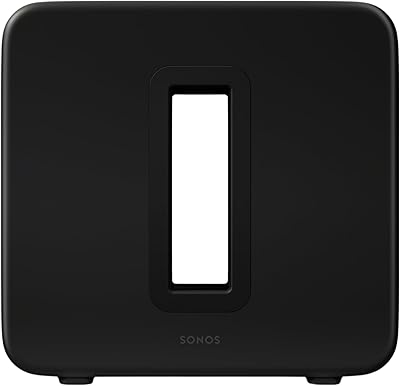
Sonos Sub 4
Sonos Sub 4
82%
93%
Bass Performance
91%
Setup & Installation
74%
Wireless Connectivity Reliability
62%
Value for Money
88%
Build Quality & Design
More
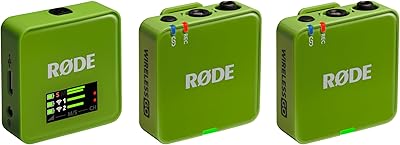
RØDE Wireless GO Gen 3
83%
91%
Audio Quality
88%
Wireless Range & Stability
93%
On-Board Recording
89%
Ease of Setup
78%
GainAssist Performance
More
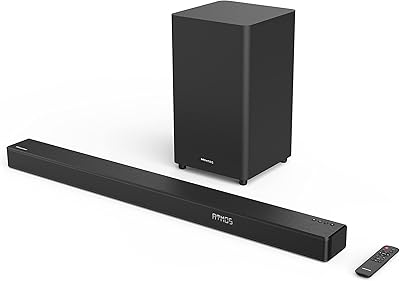
Klipsch Cinema 600 3.1 Soundbar System
75%
91%
Bass Performance
78%
Dialogue Clarity
61%
Wireless Subwoofer Reliability
88%
Setup & Installation
54%
App & Software Experience
More
Hisense HS312 3.1ch Soundbar
74%
82%
Value for Money
84%
Bass Performance
88%
Setup & Installation
61%
Dolby Atmos Experience
71%
Dialogue Clarity
More
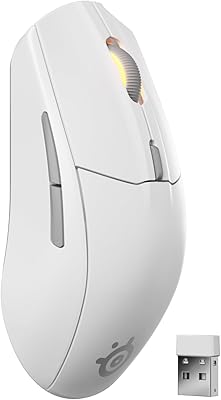
Hisense AX3100Q 3.1Ch Soundbar with Subwoofer
78%
86%
Value for Money
78%
Sound Quality
83%
Subwoofer Performance
91%
Setup & Installation
88%
Roku TV Integration
More
SteelSeries Rival 3 Wireless Gen 2 Gaming Mouse

79%
93%
Battery Life
88%
Wireless Performance
86%
Sensor Accuracy
84%
Click Feel & Durability
79%
Build Quality
More
JLab JBuds Air Sport Gen 3 Earbuds
78%
91%
Battery Life
88%
Workout Fit & Stability
86%
Water & Sweat Resistance
89%
Value for Money
81%
Bluetooth Connectivity
More
Turtle Beach Stealth 600 Gen 3 Headset
78%
93%
Battery Life
88%
Wireless Connectivity
84%
Comfort & Fit
76%
Audio Quality
71%
Microphone Quality
More
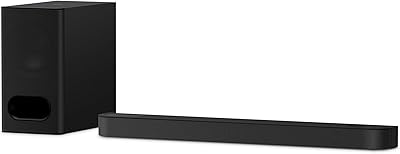
Sony BRAVIA Theater Bar HT-B600 3.1.2ch Soundbar with Wireless Subwoofer
87%
90%
Sound Quality
89%
Bass Performance
85%
Dialogue Clarity
91%
Ease of Setup
88%
Build Quality
More
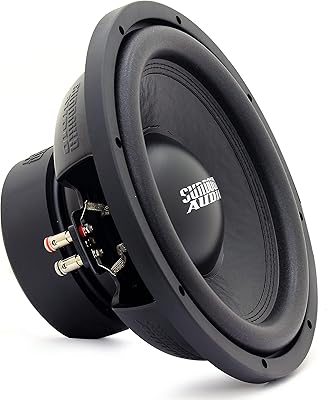
Sundown Audio E-12 V.3 D4 12″ Subwoofer
78%
91%
Build Quality
86%
Sound Quality
88%
Thermal Durability
83%
Amplifier Compatibility
58%
Sensitivity
More

FAQ

It only pairs with compatible Sonos soundbars — specifically the Arc, Beam, and Ray. There are no analog or digital inputs on the unit, so connecting it to a non-Sonos system is not possible. If you are not already using a Sonos soundbar, you will need one before this sub is of any use to you.

No cable is required between the two units. The sub communicates with your soundbar entirely over your home Wi-Fi network, so the only connection it needs is a power outlet. The result is a clean installation with no audio wires running across your floor.

Setup is straightforward. You open the Sonos app, tap the option to add a new product, and follow the step-by-step on-screen instructions. Most users report completing the process in under ten minutes. Once paired, the sub works automatically alongside your soundbar every time you play audio — no further configuration is needed.

No — it has no standalone playback capability whatsoever. The sub is designed purely to extend the low-frequency output of a paired Sonos soundbar, and the Sonos app will not allow the pairing process to complete unless a compatible soundbar is already present on the same network.

The Gen 3 introduced a faster internal processor and meaningfully improved wireless connection stability, which addressed the intermittent dropout issues that affected some Gen 2 owners. The core acoustic performance is comparable between the two generations. If your Gen 2 is working reliably, the upgrade is not urgent; but for anyone buying new or coming from Gen 1, the Gen 3 is the right starting point.

The full Trueplay tuning process — where the app uses your phone's microphone to measure and calibrate bass for your room — currently requires an iOS device. Android users can still use the sub and manually adjust bass and treble levels in the app, but the automated room measurement step is not available to them.

Yes, the slot-style cabinet is specifically engineered to function correctly in either orientation — upright or on its side. The internal force-canceling driver configuration is symmetric, so audio performance is not affected by the change in position. Just ensure the slot openings are not obstructed by carpet or furniture, as airflow around the cabinet matters for long-term performance.

Bass and treble adjustments are available inside the Sonos app under the room settings for your paired soundbar. You can raise or lower the sub's output level independently to suit your preference or the type of content you are listening to. Changes apply immediately, making it easy to tune by ear during a movie or music session.

It depends heavily on your budget and room size. This wireless bass unit performs very well, but you must own a compatible Sonos soundbar first, which means the combined investment is significant before you hear a note. For smaller rooms, a standalone soundbar may already provide sufficient low-end. For larger, open-plan spaces where bass tends to disappear, pairing a soundbar with this sub from the start makes a genuine difference.

Long-term owners — particularly those who upgraded from Gen 1 or Gen 2 units — consistently report that Sonos hardware remains durable and sonically consistent well past the warranty period. The polycarbonate cabinet resists everyday wear effectively. Longevity also depends on Sonos continuing software support for the product, which the company has historically maintained for multiple years per hardware generation.

Where to Buy

Hawthorne Stereo
In stock $489.00
Wichita Furniture & Mattress
In stock $599.00
Pixel Connection
In stock $640.00
123SecurityProducts.com
In stock $749.00
Bear Security Shop
In stock $799.00
Abt Electronics & Appliances
In stock $799.00