Overview

The Shure SRH440 Professional Studio Headphones have earned a quiet, steady reputation among home recording enthusiasts and semi-pro producers who want accurate monitoring without overspending. Shure has been a trusted name in professional audio for decades, and these studio headphones sit comfortably in the middle of their headphone lineup — more capable than entry-level pairs, less specialized than their flagship models. The closed-back circumaural design wraps fully around the ear to create passive isolation, which matters when tracking vocals or mixing and you need to hear what is actually there rather than what sounds good. Unlike consumer headphones tuned to flatter with extra bass, the SRH440 targets a flatter honest response — an adjustment worth making if reliable mixes are the goal.

Features & Benefits

At 44 ohms impedance, the SRH440 is straightforward to drive — plug it into a laptop, phone, or interface and it performs without needing a dedicated headphone amplifier. The frequency response stretches from 10 Hz to 22,000 Hz, meaning high-frequency detail is resolved well enough to catch sibilance issues and subtle artifacts a narrower range might miss. What really sets these studio headphones apart at this price point is the detachable coiled cable: most competitors are hardwired, so if the cable fails, the headphones are done. Here, you just replace the cable. A gold-plated 1/4-inch adapter is included for mixer and interface connections, and the collapsible build with carrying bag makes transport genuinely practical.

Best For

These studio headphones make the most sense for people who need honest sound rather than an exciting one. Home studio recordists benefit from accurate uncolored monitoring when tracking instruments or vocals — you catch problems before they become habits. Podcasters and voiceover artists appreciate the closed-back isolation for clean recordings in untreated rooms. DJ practice and beat-making work well here too, since the isolation keeps outside noise from competing with the mix details you are focused on. Audio production students will find the SRH440 a durable, reliable daily option that works across every device they own — no amp required, no special cables. It handles laptops, interfaces, gaming consoles, and smartphones without issue.

User Feedback

With over 1,600 reviews averaging 4.3 out of 5 stars, the community response is solidly positive. The most consistent praise centers on the neutral sound signature — people using them for mixing or recording regularly note that what they hear is what is actually in the track, which is exactly the point. Build durability also gets frequent mentions, with many users citing years of daily use without issues. Where feedback turns more critical is comfort: the ear pads are firm and can feel warm during long sessions, a real concern for anyone spending hours tracking. The plastic headband draws mild criticism for feeling utilitarian. These are not unique flaws, but they are worth considering if extended wear comfort ranks high on your list.

Pros

  • Neutral, accurate sound signature makes mixing and tracking decisions genuinely trustworthy.
  • At 44 ohms, the SRH440 drives easily from any laptop, phone, or interface without a headphone amp.
  • The detachable coiled cable is a rare and practical feature at this price — replace it if it fails, rather than the whole headphone.
  • Closed-back design provides solid passive isolation, useful for recording in noisy or untreated environments.
  • Extended frequency response captures high-frequency detail that helps identify sibilance and mix artifacts early.
  • Collapsible build and included carrying bag make these studio headphones genuinely portable between sessions.
  • Gold-plated 1/4-inch adapter is included, so you can connect to studio mixers and interfaces right out of the box.
  • Build durability is well-documented — many users report consistent daily performance over several years.
  • Works across a wide range of devices including gaming consoles, tablets, and smartphones with no adapter hunting.
  • Strong community reputation backed by nearly 1,700 reviews averaging 4.3 out of 5 stars.

Cons

  • Ear pads are firm and can become noticeably warm during extended sessions lasting more than two hours.
  • The plastic headband construction feels utilitarian and does not hold up well against premium-feeling competitors.
  • Wired-only connectivity is a hard limitation for anyone working in a setup where cable management is already a challenge.
  • The flat sound signature requires an adjustment period for listeners accustomed to bass-heavy consumer headphones.
  • Clamping force may be uncomfortable for users with larger heads during long studio sessions.
  • Stock ear pads may need replacement sooner than expected with heavy daily use.
  • The coiled cable, while detachable, adds noticeable weight pull when standing or moving around a studio space.
  • No in-line microphone or remote control, limiting usefulness for calls or mobile voice recording on the go.

Ratings

Our AI rating system analyzed thousands of verified global user reviews for the Shure SRH440 Professional Studio Headphones, actively filtering out incentivized, bot-generated, and duplicate submissions to surface what real buyers actually experience. Each score below reflects an honest synthesis of both the strengths users consistently praised and the pain points that came up repeatedly across different usage contexts. Nothing has been smoothed over — where the SRH440 earns high marks, it genuinely earns them, and where it falls short, that is reflected too.

Sound Accuracy
88%
Users mixing vocals, guitars, and electronic productions consistently praised the neutral, uncolored response that lets mixing decisions translate reliably to other playback systems. The extended high-frequency reach helps catch subtle artifacts — breath noise, sibilance peaks — that a consumer-tuned headphone would simply hide.
Listeners coming from bass-emphasized headphones often describe the low end as thin or underwhelming during the adjustment period. The SRH440 is not tuned to impress on first listen; it is tuned to be useful, and that distinction trips up buyers who expected both qualities simultaneously.
Build Durability
83%
A surprisingly large number of users report using these studio headphones daily for three or more years without structural failure, which is a strong signal for this price tier. The hinges and swivel joints hold up well under repeated folding, and the headband retains its shape consistently.
The all-plastic construction feels utilitarian in hand and does not inspire confidence on first unboxing, especially for buyers used to metal-reinforced alternatives. A few users noted stress cracking around the ear cup joints after extended daily use, particularly in environments with temperature swings.
Comfort & Fit
66%
34%
For shorter sessions — under 90 minutes — most users find the fit stable and the clamping force adequate without being painful. The circumaural ear cups fully enclose the ear rather than pressing against it, which reduces hotspot pressure compared to supra-aural designs.
Extended sessions beyond two hours draw consistent complaints: the ear pads are firm rather than plush, and heat buildup inside the closed cups becomes noticeable. Users with larger heads specifically flag that the clamping force feels fatiguing over time, and the pads do not breathe well in warm recording environments.
Cable Design
91%
The detachable coiled cable is a genuinely rare feature at this price point — most comparable studio headphones are hardwired, meaning a damaged cable equals a discarded pair. Users who have already replaced the cable once consider this a long-term money saver and a major reason they would buy the SRH440 again.
The coiled format adds some weight pull when standing or moving around a studio, which is mildly distracting during active sessions. A few users also noted the cable connection at the headphone end can loosen subtly over months of repeated plugging and unplugging, occasionally causing intermittent channel dropout.
Passive Isolation
78%
22%
The closed-back design blocks enough ambient noise to make home studio recording practical in real-world environments — central air conditioning, suburban street noise, and apartment building sounds are attenuated to a workable level. Podcasters and voiceover artists in particular find the isolation sufficient to record clean takes without a treated booth.
The isolation does not compete with purpose-built isolation headphones, and users in genuinely loud environments — open office floors, shared apartments with hard floors — report that ambient noise bleeds through enough to be distracting during quiet passages. At higher listening volumes, low-frequency bleed-out can also be audible to people seated nearby.
Value for Money
84%
When users factor in the detachable cable, included 1/4-inch adapter, carrying bag, and the SRH440s multi-year track record of reliability, the overall cost-of-ownership argument is strong compared to cheaper headphones that need replacement after 18 months. The performance-to-price ratio for monitoring-focused buyers is consistently rated positively.
Buyers who prioritize comfort features or premium materials feel the price does not fully justify the plastic build when competing options offer metal frames or memory foam pads at a similar cost. If your use case is casual listening rather than monitoring, the value proposition weakens noticeably.
Device Compatibility
92%
At 44 ohms, the SRH440 works reliably across every common source device without needing additional gear — from a MacBook headphone jack to a Focusrite Scarlett interface to a Nintendo Switch. The included adapter covers professional studio connections out of the box, making multi-device workflows genuinely friction-free.
The wired-only constraint is a hard limitation that some buyers only realize after purchase, particularly those expecting to use these studio headphones with smart TVs or Bluetooth-only setups. There is no workaround other than purchasing a separate Bluetooth transmitter adapter.
Portability
74%
26%
The collapsible design and included soft carrying bag make the SRH440 genuinely packable for trips between home, classroom, or studio sessions. The folded footprint is compact enough to slip into a standard backpack side pocket without awkward bulging.
The soft bag offers dust and scratch protection but nothing more — there is no rigid structure to guard against impact during transit. Users who commute regularly with their headphones note the bag feels like an afterthought compared to the zippered hard cases some competitors include.
Ear Pad Quality
61%
39%
The ear pads are adequate for short to medium sessions and the circumaural shape does prevent direct ear contact, which reduces the pressure points that on-ear designs create. Replacement pads are commercially available, extending the usable life of the headphones significantly.
The stock pads are a recurring complaint — firm, non-breathable material that retains heat quickly and shows wear within 12 to 18 months of daily use. Users with glasses report that the firm cushioning creates noticeable pressure along the temple arm after about an hour, compounding the discomfort issue.
Setup & Usability
93%
There is essentially no setup required — unbox, connect, and use. The detachable cable locks securely, the adapter threads on cleanly, and the collapsible mechanism is intuitive. First-time studio headphone buyers specifically appreciate the zero-configuration experience.
The coiled cable takes up more desk space than a straight cable when laid out between sessions, and the threading mechanism on the adapter requires a bit of care to avoid cross-threading. Minor complaints, but worth noting for users who value a tidy workspace.
Headband Design
67%
33%
The headband provides smooth, continuous size adjustment that holds its position reliably without slipping mid-session. Users with average head sizes report that once set, the fit stays consistent across multiple wearings without needing readjustment.
The plastic construction of the headband is the most visually and tactilely underwhelming element of these studio headphones, and users comparing it side-by-side with similarly priced competitors note the difference immediately. There is no padding under the headband arch, which some users feel during long sessions.
Low-Frequency Response
72%
28%
Bass is present and accurate enough for monitoring purposes — kick drums, bass guitars, and sub-bass synths reproduce with reasonable definition without being exaggerated. Users mixing hip-hop and electronic music report that the low end translates reliably to speaker playback, which is the core purpose.
Anyone accustomed to consumer headphones tuned for bass emphasis will find the low end of the SRH440 comparatively restrained, even thin. This is a deliberate tuning choice for monitoring accuracy, but it is a genuine mismatch for buyers who primarily want an enjoyable recreational listening experience.
High-Frequency Detail
86%
The extended high-frequency response is where this Shure monitor set earns its monitoring credentials — users editing vocal recordings note that sibilance, consonant harshness, and presence-range buildup are easy to identify and address. For audio production students learning to critically listen, this clarity is directly educational.
On some program material, particularly poorly mastered tracks or low-bitrate streams, the high-frequency honesty can make listening fatiguing — every flaw in the source material is surfaced rather than softened. This is expected behavior for a monitoring headphone, but it is an experience worth understanding before buying.
Brand Reliability
89%
Shure has a long-documented history of manufacturing professional audio equipment with consistent quality control, and buyers of the SRH440 frequently cite brand trust as a key part of their purchase decision. Replacement parts and service support are more accessible than with lesser-known brands in the same price range.
Shure's warranty and customer service experience varies by region, and some international buyers report difficulty obtaining local support or replacement parts through official channels. The brand name carries real value, but it does not fully insulate every buyer from post-purchase service friction.

Suitable for:

The Shure SRH440 Professional Studio Headphones are a strong fit for anyone who needs an honest, reliable monitoring tool without committing to a high-end budget. Home studio recordists benefit most — the flat, accurate response helps catch problems during tracking and mixing that consumer-tuned headphones would simply mask. Podcasters and voiceover artists working in untreated rooms will appreciate the closed-back passive isolation, which reduces ambient noise pickup without requiring acoustic treatment. Audio production students get a durable, versatile pair that works plugged directly into a laptop, audio interface, or mixer with no extra gear required. DJs practicing at home or sharpening their ear for mix detail will also find the isolation practical. If you move between multiple devices regularly, the 44-ohm impedance means you never have to worry about whether your source can drive them adequately.

Not suitable for:

Buyers expecting a rich, punchy listening experience for casual music enjoyment will likely find the Shure SRH440 Professional Studio Headphones underwhelming — the neutral tuning that makes them useful for critical listening is exactly what makes them feel dry for recreational use. Anyone who spends four or more hours continuously wearing headphones should try these on first if possible, since the firm ear pads and clamping force draw consistent complaints from long-session users. People with larger heads may find the fit less comfortable than average over time. Those expecting a premium tactile feel will be disappointed by the plastic construction, which is functional but does not inspire confidence the way metal-reinforced competitors can. Wireless users should look elsewhere entirely — the SRH440 is wired only, with no Bluetooth option. Finally, if you are after immersive gaming audio with spatial effects or cinematic bass, this monitor-focused pair will feel clinical by comparison.

Specifications

  • Headphone Type: Closed-back, circumaural over-ear design that fully encloses the ear for passive sound isolation.
  • Driver Type: Dynamic driver with a 40mm diaphragm for consistent, low-distortion audio reproduction.
  • Frequency Response: Rated from 10 Hz to 22,000 Hz, covering the full audible range with extended high-frequency resolution.
  • Impedance: 44 ohms, allowing the headphones to be driven directly from laptops, smartphones, and audio interfaces without amplification.
  • Sensitivity: 105 dB/mW, meaning these headphones produce adequate volume at modest output levels from standard consumer devices.
  • Cable: Detachable coiled oxygen-free copper cable with a 3.5mm termination, designed to reduce tangling and allow easy replacement.
  • Connector: 3.5mm stereo jack with a threaded gold-plated 1/4-inch adapter included for connection to professional studio equipment.
  • Noise Control: Passive sound isolation via closed-back ear cup construction; no active noise cancellation technology is present.
  • Weight: Approximately 1.55 pounds, which is moderate for a full-size over-ear studio headphone.
  • Build Material: Primary construction uses plastic housing for the headband and ear cups, keeping weight manageable at the cost of a premium tactile feel.
  • Foldability: Collapsible design allows the ear cups to fold inward for compact storage and easier transport between locations.
  • Included Accessories: Package includes the headphones, a threaded gold-plated 1/4-inch adapter, a soft carrying bag, and a printed user guide.
  • Connectivity: Wired only; there is no Bluetooth, wireless, or active electronic component in the signal path.
  • Compatible Devices: Works with laptops, desktop computers, tablets, smartphones, gaming consoles, audio interfaces, and studio mixers.
  • Ear Cushion Style: Circumaural cushions that surround the ear rather than pressing against it, intended to reduce listener fatigue during monitoring sessions.
  • Cable Feature: The cable is user-detachable, which means it can be swapped out independently if damaged without replacing the entire headphone unit.
  • Generation: Listed as Generation 1 in current packaging, referred to as the SRH440 or SRH440-E depending on regional market variant.
  • Manufacturer: Made by Shure Incorporated, a company with a long history in professional audio equipment including microphones, earphones, and monitoring gear.

Related Reviews
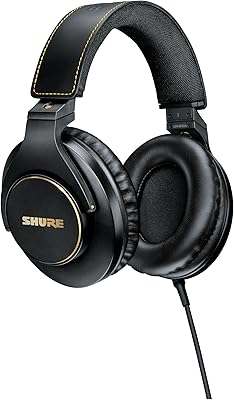
Shure SRH840A
Shure SRH840A
86%
94%
Sound Accuracy & Neutrality
88%
Passive Noise Isolation
89%
Ease of Drive (Impedance)
83%
Long-Session Comfort
92%
Value for Money
More
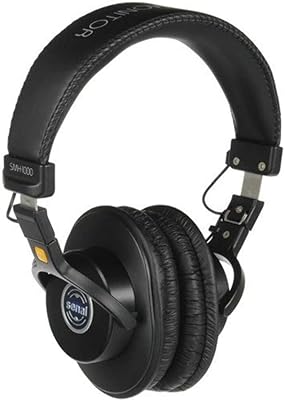
Senal SMH-1000 Monitor Headphones
78%
81%
Sound Accuracy
68%
Build Quality
63%
Comfort & Fit
88%
Cable System
76%
Passive Isolation
More
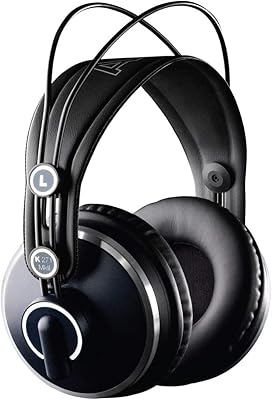
AKG K271 MKII Closed-Back Studio Headphones
79%
88%
Sound Accuracy
83%
Noise Isolation
86%
Wearing Comfort
81%
Build Quality
74%
Cable System
More
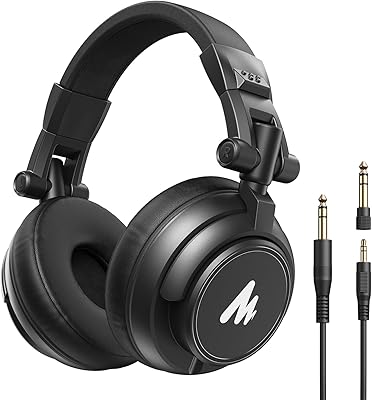
MAONO MH601 Professional Studio Monitor Headphones
85%
93%
Value for Money
84%
Low-Frequency Response
89%
Long-Term Comfort
76%
Passive Noise Isolation
72%
Build Materials
More
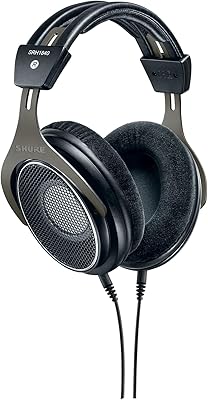
Shure SRH1840 Open-Back Over-Ear Headphones
67%
93%
Soundstage & Imaging
88%
Frequency Accuracy
61%
Amplification Dependency
84%
Build Quality
81%
Long-Session Comfort
More
FiiO JT1 Over-Ear Studio Headphones
75%
88%
Sound Quality
83%
Comfort & Fit
61%
Build Quality
58%
Microphone Quality
84%
Value for Money
More
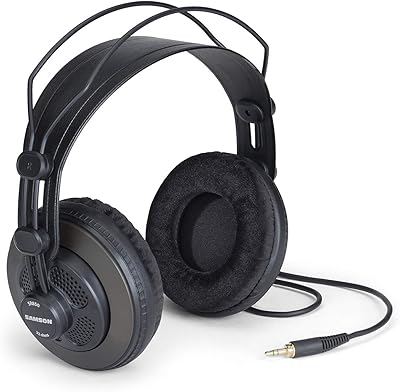
Samson SR850 Professional Studio Reference Headphones
84%
89%
Sound Clarity & Performance
92%
Comfort for Extended Use
83%
Build Quality & Durability
91%
Value for Money
68%
Noise Isolation
More
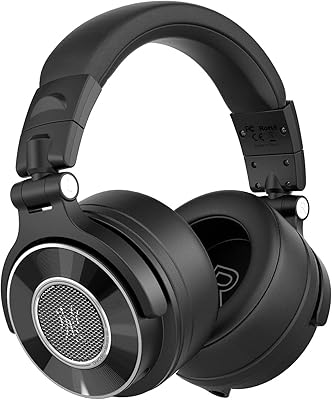
OneOdio Monitor 60
OneOdio Monitor 60
88%
88%
Audio Clarity & Detail
96%
Connectivity Versatility
91%
Long-Session Comfort
73%
Build Materials & Durability
84%
Passive Noise Isolation
More
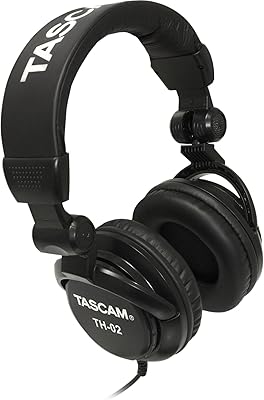
Tascam TH-02
Tascam TH-02
73%
83%
Sound Quality
91%
Value for Money
67%
Build Quality
63%
Comfort & Fit
74%
Passive Noise Isolation
More
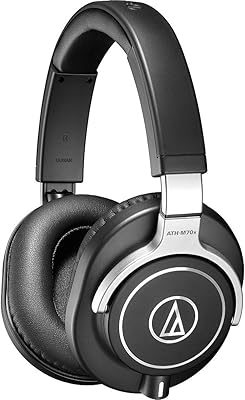
Audio-Technica ATH-M70x
88%
96%
Acoustic Accuracy
92%
Build Durability
94%
High-Frequency Detail
88%
Noise Isolation
85%
Monitoring Flexibility
More

FAQ

No, you do not. At 44 ohms impedance and 105 dB/mW sensitivity, the SRH440 is efficient enough to reach comfortable listening levels straight from a laptop headphone jack, a USB audio interface, or a smartphone. A dedicated amp can improve dynamics slightly, but it is not a requirement for everyday use.

They are genuinely oriented toward mixing and critical listening rather than casual enjoyment. The relatively flat frequency response means you hear the recording as it is, not as a consumer headphone would color it. If you are used to bass-heavy headphones, these may feel dry at first, but that neutrality is exactly what makes them useful when making mix decisions.

The closed-back ear cup design provides a reasonable level of passive isolation — enough to work in a home environment with typical ambient noise like HVAC or street traffic. They are not rated for high-noise industrial environments, but for home studios, podcast recording booths, or practice sessions, the isolation is solid.

Yes, replacement ear pads for the Shure SRH440 Professional Studio Headphones are available through Shure and third-party suppliers. The pads do tend to compress and wear over time with heavy use, so having a replacement pair on hand is a sensible long-term investment, especially if you use them daily.

No, that is one of the practical advantages of this Shure monitor set. The cable is fully detachable at the headphone end, so if it frays, develops a short, or gets stepped on, you simply buy a compatible replacement cable rather than replacing the headphones. Many competing models at this price point use fixed cables, which makes this a meaningful difference in long-term ownership.

This is where honest feedback matters. The ear pads are firm rather than plush, and some users report warmth and pressure buildup after two or more hours of continuous wear. If you have a larger head or are particularly sensitive to clamping force, it is worth factoring this in. Many users do adapt over time, and the pads soften slightly with extended use, but comfort over marathon sessions is a genuine limitation compared to headphones with memory foam cushioning.

They work fine in terms of hardware compatibility — plug them into a console, PC, or gaming headset adapter and audio will come through cleanly. The sound profile is neutral rather than spatially enhanced, so they will not deliver the exaggerated bass or virtual surround effects that gaming-specific headsets prioritize. For competitive gaming where audio positioning matters, the honest sound reproduction can actually be useful, but for cinematic immersion, most gamers will prefer something tuned differently.

No, there is no in-line microphone on the cable, and no remote control either. These studio headphones are purely for listening and monitoring. If you need a mic for calls or recording, you would need a separate microphone or a headset designed for that purpose.

Among wired closed-back headphones designed for home and studio monitoring, the SRH440 holds up well. The detachable cable, solid frequency extension, and Shure brand reliability put it ahead of several fixed-cable competitors. The main trade-off is the all-plastic build and firm ear pads, which some alternatives handle better. If build quality or long-session comfort is your top priority, it is worth auditioning alternatives before committing — but for pure monitoring accuracy and cable longevity, the SRH440 is a well-regarded choice.

The carrying bag is a soft pouch rather than a hard case, so it protects against dust and light scratches rather than impact. Combined with the collapsible design, it is practical for throwing in a backpack between sessions or transporting between a home studio and a classroom. If you need robust protection during commuting or travel, a third-party hard shell case sized for standard over-ear headphones would be a worthwhile addition.

Where to Buy