
Overview

The Senal SMH-1000 Monitor Headphones are built squarely for broadcast field crews and studio engineers who need a reliable, no-nonsense wired monitoring tool — not a flashy consumer pair. Senal targets professionals who prioritize accuracy and durability over hyped-up bass response. The collapsible headband and dual-cable bundle (one coiled, one straight) reflect that working-context focus. Sound-wise, expect a midrange-focused EQ curve that serves critical listening and dialogue monitoring well. If you are coming from bass-heavy consumer headphones, the sound signature will feel leaner and more clinical — and that is entirely by design.

Features & Benefits

The closed-back circumaural design wraps fully around the ear for passive isolation — useful when monitoring audio on a busy set or in a less-than-quiet home studio. The twist-lock detachable cable is a genuinely practical feature; the 10-foot coiled option works well at a mixing desk, while the 3-foot straight cable suits more mobile use. Inside, 40mm dynamic drivers cover the full 10 Hz to 20 kHz range. The replaceable ear cushions mean you won't need to retire these headphones after a year of heavy use, and a gold-plated 1/4-inch adapter rounds out a well-considered accessory bundle.

Best For

These monitor headphones are a natural fit for broadcast journalists and ENG crews who need dependable isolation in unpredictable environments — think a live news shoot where ambient noise is constant. Home studio producers on a budget will find the SMH-1000 a credible monitoring option, particularly for vocal and dialogue-heavy projects. Podcasters and voiceover artists benefit from the over-ear comfort during long takes. And if you have a habit of yanking cables free at the end of a session, the twist-lock system means replacements won't send you hunting for a proprietary part.

User Feedback

With around 120 ratings averaging 4.2 stars, Senal's field headphones have earned a cautiously positive reception — not a runaway hit, but a steady performer. Users frequently praise the cable system and comfort during long monitoring sessions. On the downside, some reviewers find the clamping force a bit firm out of the box, and a few mention the all-plastic build feels functional rather than premium. Buyers expecting a consumer-style sound were occasionally caught off guard by the flat, mid-forward tuning. The 3-year warranty comes up positively in several reviews, which at this working-tool tier is a meaningful reassurance.

Pros

  • Twist-lock detachable cable system means a damaged cable is a quick fix, not a reason to replace the whole headphone.
  • Both a 10-foot coiled and a 3-foot straight cable are included, covering desk and mobile monitoring needs out of the box.
  • Closed-back design provides solid passive isolation without requiring batteries or active electronics.
  • Collapsible headband keeps these monitor headphones compact enough to fit in a standard camera or production bag.
  • Replaceable ear cushions extend the product lifespan noticeably compared to headphones with fixed padding.
  • Midrange-focused tuning reduces ear fatigue during long monitoring sessions — a real advantage on multi-hour shoots.
  • Gold-plated 1/4-inch adapter is included, so you can plug straight into professional mixing equipment without a separate purchase.
  • A 3-year limited warranty at this price tier is genuinely reassuring and better than most competitors offer.
  • 40mm dynamic drivers cover a wide 10 Hz to 20 kHz frequency range for broad monitoring capability.

Cons

  • Clamping force is firm out of the box and can become uncomfortable during very long wear sessions for some users.
  • All-plastic construction feels functional but not confidence-inspiring — durability over time depends on careful handling.
  • The mid-forward sound signature will disappoint buyers who expect a rich, full-bodied listening experience.
  • At 1.4 pounds, the SMH-1000 is on the heavier side for extended wear compared to lighter competitors in the same tier.
  • No inline microphone or remote control on either cable, limiting utility for casual calls or mobile device use.
  • The review pool of roughly 120 ratings is relatively small, making it harder to draw firm conclusions about long-term reliability.
  • Strictly wired-only connectivity is a hard limitation for users who need even occasional wireless freedom.
  • Senal is a niche brand with limited retail presence, which can make warranty claims or direct support harder to navigate.

Ratings

Our AI-generated scores for the Senal SMH-1000 Monitor Headphones were produced by analyzing verified global buyer reviews, actively filtering out incentivized, duplicate, and bot-generated feedback to surface authentic user sentiment. The ratings reflect both the genuine strengths that working professionals praise and the recurring pain points that have caused frustration — nothing is glossed over. Whether you are close to buying or still comparing options, these scores are designed to give you an honest, complete picture of what real-world ownership looks like.

Sound Accuracy
81%
19%
Broadcast engineers and voiceover artists consistently praise the midrange clarity, noting it makes dialogue monitoring and vocal editing noticeably more precise. The flat-ish EQ curve earns respect from users who need to hear a mix truthfully rather than have it colored by boosted bass or hyped highs.
Buyers coming from consumer headphones frequently describe the sound as thin or harsh during initial use, and a handful of home studio users felt the low-end extension fell short for music production tasks that require solid sub-bass monitoring.
Build Quality
68%
32%
For a working-field headphone at this price tier, most ENG users report that the SMH-1000 handles daily kit-bag abuse without cracking or rattling loose. The collapsible hinge in particular has held up well in user reports covering over a year of regular use.
The all-plastic construction is the single most cited criticism across reviews — several buyers described it as feeling noticeably cheaper than competing options at a similar price. A few users reported minor flex in the headband under sustained clamping pressure, which raises questions about long-term fatigue resistance.
Comfort & Fit
63%
37%
Users with average head sizes generally report a secure, stable fit that holds well during active field shooting without slipping. The soft ear cushions received consistent praise for feeling gentle even after two to three hours of continuous wear in a studio session.
Clamping force is the most frequently flagged comfort issue — users with larger heads or those sensitive to pressure around the ears describe noticeable discomfort within an hour. The 1.4-pound weight also adds up during extended monitoring shifts in ways that lighter competitors do not.
Cable System
88%
The twist-lock detachable design is widely praised as one of the smartest practical features on the SMH-1000 — field crews especially appreciate that a damaged cable is a five-second fix rather than a reason to shelve the whole headphone. Having both coiled and straight cables in the box is a genuine convenience that reviewers repeatedly call out.
A small number of users noted that the twist-lock connection can feel stiff when new, requiring some force to seat and release cleanly. There were also occasional complaints that the locking mechanism on one cable became slightly loose after extended repeated swapping.
Passive Isolation
76%
24%
The closed-back circumaural design does a solid job of keeping ambient noise at bay in moderately loud environments — news crews on location and podcasters in untreated home offices both report meaningful sound blocking that lets them focus on what is being monitored. No batteries or active electronics are needed, which means isolation is always on.
In genuinely loud environments — a busy stadium, a live concert stage, or near loud machinery — the passive isolation alone is not sufficient for critical listening, and some reviewers in those contexts felt let down by the bleed-through. It performs like a standard closed-back, not like a purpose-built isolation headphone.
Ear Cushion Quality
74%
26%
The replaceable cushion design is a practical win that users notice after six to twelve months of ownership, when most sealed headphones in this price range start to show serious pad wear. Several reviewers specifically highlighted being able to order fresh pads and extend the usable life of the headphone without a full replacement.
The stock cushions wear faster than expected under heavy daily use, with surface peeling reported by some users within the first year. Sourcing exact Senal replacement pads can also be less straightforward than finding pads for more widely distributed brands.
Value for Money
79%
21%
For professional field use on a tighter budget, most buyers feel they are getting a genuinely capable monitoring tool with thoughtful accessories included — the dual cable bundle and adapter alone represent real saved cost. The 3-year warranty is frequently mentioned as a factor that tips the value calculation in Senal's favor.
When buyers stack the SMH-1000 directly against the Sony MDR-7506 — which is often available at a comparable price — some feel the Sony offers a more refined build and a more trusted reputation for the same or less spend. The value case weakens slightly for buyers who do not need the field-specific features like the twist-lock cables.
Portability & Storage
82%
18%
The collapsible headband is well-regarded by location-based crews who need to pack gear quickly between shoots — these fold down reliably and fit into a standard camera bag accessory pocket without drama. Multiple users mentioned the compact fold as a deciding factor when choosing between the SMH-1000 and non-folding competitors.
No carrying case or pouch is included in the box, which means the headphones are unprotected during storage and transit unless you source a case separately. For a headphone marketed toward field professionals, that omission is a recurring complaint.
Compatibility
86%
The 58-ohm impedance makes these easy to drive from virtually any professional or prosumer device without a separate headphone amplifier — field recorders, DSLR cameras, laptops, and audio interfaces all power them adequately. The bundled 1/4-inch gold-plated adapter handles mixing desk and studio monitor controller connections cleanly.
Wired-only connectivity is a hard constraint that some users found limiting when they wanted occasional casual use away from their workstation. There is no in-line microphone or remote on either cable, which restricts utility for anyone who wants to use these with a smartphone for calls or mobile recording.
Ear Fatigue Over Time
77%
23%
The midrange-tuned EQ curve was specifically designed to reduce listening fatigue, and audio engineers doing long editing or monitoring sessions report that the sound holds up across extended periods without becoming grating or tiring. Voiceover artists monitoring their own recordings for several hours at a stretch tend to rate this aspect positively.
The clamping force undermines the ear-fatigue benefit for longer sessions — even users who like the sound signature report that physical discomfort from the clamp becomes the limiting factor before any auditory fatigue sets in. This is most acute for users with larger head sizes.
Warranty & Support
83%
A 3-year limited warranty is a concrete differentiator that buyers notice and appreciate — at this working-professional tier, most comparable headphones offer only one year of coverage, making the extended warranty a meaningful purchase confidence boost. Several reviewers reported positive direct experiences with Senal's customer support for warranty claims.
Senal is a niche brand with limited retail and service center presence, which can make the warranty process slower or less convenient than dealing with a larger manufacturer. A small number of users reported difficulty getting timely responses through standard support channels.
Frequency Range Coverage
72%
28%
The 10 Hz to 20 kHz range covers the full audible spectrum, and broadcast engineers monitoring voice, ambient sound, and room tone find that the headphones resolve fine detail in the critical midrange frequencies where dialogue and vocal content lives.
The sub-bass region below 50 Hz is present on paper but does not translate into a physically impactful low-end — music producers mixing bass-heavy material or sound designers working with sub frequencies report that the low end feels thin and lacks the tactile punch of headphones with more bass-oriented tuning.
Accessories & Bundled Contents
84%
The dual-cable bundle with both coiled and straight options, plus the gold-plated 1/4-inch adapter, represents a genuinely complete out-of-box experience that saves the buyer from immediate additional purchases. Field crews especially appreciate not having to track down a separate coiled monitoring cable on a shoot day.
The absence of a hard or soft carrying case is a notable gap given the field-use marketing — a basic pouch would meaningfully improve the bundle. The adapter, while useful, is a simple screw-on design rather than a locking type, so it can loosen during active use on a mixing desk.

Suitable for:

The Senal SMH-1000 Monitor Headphones were designed with working professionals in mind, and that focus shows in every practical detail. Broadcast journalists, ENG videographers, and on-location sound operators will appreciate the passive isolation and rugged collapsible build that survives being tossed into a kit bag daily. Podcasters and voiceover artists who spend hours in front of a mic will find the midrange-tuned sound and replaceable cushions well-suited to long, fatigue-free sessions. Home studio producers on a tighter budget who need an honest monitoring tool — rather than a consumer headphone that flatters mixes with boosted bass — will get genuine utility here. The twist-lock detachable cable system is a real practical bonus for anyone who has burned through headphones by snagging cables repeatedly.

Not suitable for:

Buyers who primarily listen to music for pleasure and expect a full, bass-forward sound will likely find the SMH-1000 disappointing — the flat, mid-centric tuning is a professional tool choice, not an enjoyable listening signature for casual use. Audiophiles or serious studio engineers who need the accuracy and build confidence of flagship monitor headphones like the Sony MDR-7506 or Beyerdynamic DT 770 Pro may find the all-plastic construction underwhelming at extended use. The clamping force has been flagged by multiple users, so people with larger heads or sensitivity to headphone pressure should factor that in before buying. Wireless users need not apply — the SMH-1000 is strictly wired, with no Bluetooth or active noise cancellation of any kind. If portability beyond basic folding matters — say, commuting or gym use — these are not the right tool for that job.

Specifications

  • Design: Closed-back, over-ear circumaural design provides full ear coverage for passive sound isolation in field and studio environments.
  • Driver Type: 40mm dynamic drivers deliver a midrange-focused frequency response tuned for professional monitoring rather than consumer listening.
  • Frequency Response: The drivers cover a range of 10 Hz to 20 kHz, spanning the full spectrum relevant to broadcast and studio monitoring work.
  • Impedance: At 58 ohms, the SMH-1000 is compatible with professional field recorders, mixers, and standard audio interfaces without requiring a dedicated headphone amplifier.
  • Noise Control: Passive sound isolation is achieved through the closed-back circumaural design — no active noise cancellation electronics are involved.
  • Cable System: Both a 10-foot (3 m) coiled cable and a 3-foot (0.9 m) straight cable are included, each using a detachable twist-lock connector.
  • Connector: A 3.5mm stereo jack is used on both cables, with a gold-plated 1/4-inch adapter included for compatibility with professional studio and mixing equipment.
  • Connectivity: Wired only — no Bluetooth, wireless functionality, or active electronics of any kind are present in this headphone.
  • Ear Cushions: Soft over-ear cushions are user-replaceable, allowing the headphones to be serviced and maintained without returning the full unit.
  • Build Material: The headband and housing are constructed from plastic, keeping weight low while providing functional durability for regular field use.
  • Headband: The headband is collapsible, allowing the headphones to fold down for compact storage in a camera bag, production kit, or carry case.
  • Weight: The headphones weigh 1.4 pounds (approximately 635 g), which is moderate for a professional over-ear monitoring headphone.
  • Package Dimensions: The retail package measures 10.71 x 9.8 x 4.02 inches, accommodating the headphones and both included cables.
  • Included Accessories: In the box: one 10-foot coiled cable, one 3-foot straight cable, one gold-plated 1/4-inch adapter, and warranty documentation.
  • Warranty: A 3-year limited warranty is included, which is notably longer than many competing headphones at a similar working-professional price tier.
  • Water Resistance: These headphones carry no water resistance rating and are not designed for use in wet or high-humidity outdoor conditions.
  • Earpiece Shape: Over-ear (circumaural) earpiece design fully encloses the ear rather than resting on it, contributing to both comfort and isolation.
  • Intended Use: Designed specifically for broadcast field recording, ENG production, and home or professional studio monitoring applications.

Related Reviews
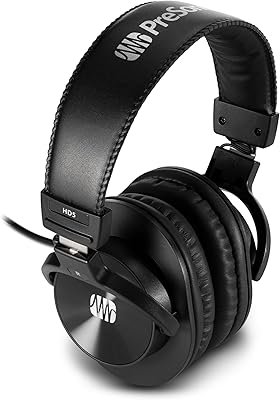
Senal SMH-1200 Studio Monitor Headphones
75%
82%
Sound Accuracy
76%
Build Quality
88%
Cable Design
63%
Comfort & Fit
74%
Noise Isolation
More
BASN Bunique123 In-Ear Monitor Headphones
87%
91%
Sound Quality
88%
Noise Isolation
85%
Comfort for Long Sessions
89%
Build Quality
94%
Customization Options (Fit & Cables)
More
BASN BC100 In-Ear Monitor Headphones
83%
88%
Sound Quality
91%
Comfort & Fit
85%
Noise Isolation
80%
Build Quality
87%
Durability
More
KZ AS24 In-Ear Monitor
72%
88%
Sound Detail & Clarity
61%
Bass Performance
84%
Midrange Quality
79%
Treble & Soundstage
72%
Tuning Switch Utility
More
Panasonic RP-HT225 Over-Ear Wired Headphones
74%
82%
Value for Money
61%
Sound Quality
78%
Comfort
54%
Build Quality
84%
Cable Design
More
PreSonus HD5
PreSonus HD5
79%
83%
Sound Accuracy
87%
Comfort & Wearability
61%
Build Quality
91%
Value for Money
74%
Isolation & Bleed Control
More
Yamaha HPH-MT8 Monitor Headphones
86%
91%
Sound Accuracy
85%
Comfort for Long Sessions
89%
Build Quality
94%
Noise Isolation
87%
Value for Money
More
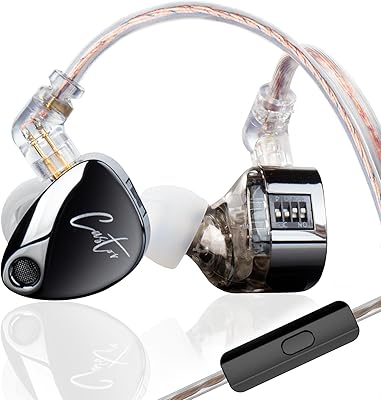
KZ Castor Dual-Driver In-Ear Monitor Earphones
74%
86%
Sound Quality
83%
Bass Performance
91%
Build Quality
72%
Comfort & Fit
78%
Tuning Filter System
More
CCA C10 In-Ear Monitor Headphones

87%
92%
Sound Quality
85%
Comfort and Fit
89%
Noise Isolation
80%
Build Quality
88%
Design and Aesthetics
More
Roland RH-300 Monitor Headphones
87%
91%
Sound Quality
83%
Comfort for Long Sessions
90%
Noise Isolation
89%
Build Quality
85%
Ease of Use
More

FAQ

Honestly, the Senal SMH-1000 Monitor Headphones were tuned for professional monitoring, not casual music enjoyment. The EQ curve is midrange-focused and relatively flat, which means you won't get the warm bass boost most people associate with a satisfying listening experience. If accurate sound reproduction for work is your goal, they deliver — but if you want to kick back and enjoy music, you'd probably be happier with a consumer-oriented pair.

Yes, and this is one of the more practical features on the SMH-1000. Both cables use a twist-lock detachable connector, so if a cable wears out or gets damaged, you can swap it independently without replacing the entire headphone. Senal sells replacement cables separately, and the locking mechanism is a standard design, so third-party compatible cables are also an option.

Yes. The included 3.5mm cable plugs directly into the headphone jack on most DSLR cameras, mirrorless bodies, and portable field recorders like the Zoom H-series or Tascam DR units. The 58-ohm impedance is well within the range those devices can drive without issue. The 10-foot coiled cable is especially practical for camera-rig setups where you need some slack.

A number of users have flagged the clamping force as firm, particularly out of the box. For people with larger heads or sensitivity to headphone pressure, this is worth factoring in seriously. Some reviewers noted that the clamp loosens a little over time with regular use, but if you find pressure headaches common with other headphones, these may require a break-in period or a DIY stretch on a box overnight before they feel comfortable.

The collapsible headband lets them fold down to a fairly compact form, and most standard camera or production bags with a dedicated accessory pocket should accommodate them. They won't compress as flat as an ultra-portable consumer pair, but for a professional over-ear headphone they pack away reasonably well.

The 10-foot coiled cable is best at a mixing desk, editing workstation, or any fixed monitoring position where the extra length and coil keep things tidy without tripping you up. The 3-foot straight cable is the better choice for handheld field use, run-and-gun shooting, or any situation where a long trailing cable would be a nuisance. Having both included out of the box means you don't have to think twice about it.

The construction is predominantly plastic, which is worth being realistic about — these are not built with the same material confidence as metal-reinforced competitors. That said, many ENG users report them holding up well to regular daily use when handled with basic care. The replaceable cushions and swappable cables mean the parts most likely to wear out can actually be serviced, which extends the practical life of the headphone considerably.

No. At 58 ohms, these are easy to drive from standard consumer and prosumer audio sources — phones, laptops, field recorders, and audio interfaces will all power them to adequate volume without a dedicated amp. High-impedance headphones (250 ohms and above) typically need amplification; the SMH-1000 does not fall into that category.

The ear cushions are designed to be user-replaceable, which is a genuine long-term value feature. Senal offers replacement pads directly, and because the attachment mechanism is fairly standard, compatible third-party pads with similar dimensions may also work. It's a straightforward swap that doesn't require tools.

Senal's limited 3-year warranty covers manufacturing defects under normal use conditions. It typically does not cover accidental physical damage, liquid damage, or wear from heavy daily use such as torn cushions or bent headbands. That said, a 3-year coverage window is meaningfully longer than the 1-year standard you see from many headphone brands at a comparable price, which gives you a reasonable safety net for defect-related issues.