Overview

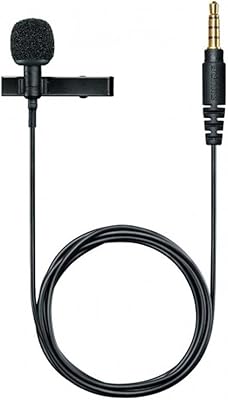
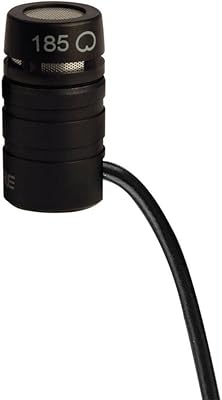
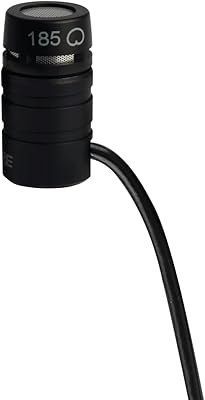
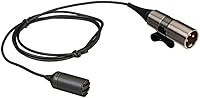
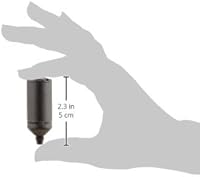
The Shure SM11 Dynamic Lavalier Microphone has been a fixture in broadcast and television audio since 2004 — a run that speaks to genuine staying power in a market that constantly churns out alternatives. Built around an XLR connection, it makes no pretense of appealing to casual users; this is a mic engineered for professionals who already have a preamp, mixer, or field recorder in their signal chain. The housing is compact aluminum, solid in hand without being precious about it. Clip it to a lapel and it essentially disappears on camera. For a wired lav with serious broadcast credentials, the SM11 arrives with a clear sense of who it is made for.

Features & Benefits

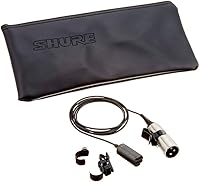
The omnidirectional pickup pattern is a practical choice for lavalier work — it captures voice naturally regardless of whether the mic drifts slightly off-center, which happens constantly in real production situations. The frequency response is voiced for speech intelligibility rather than full-range musical capture, so dialogue sits clearly in a mix without needing heavy EQ. Clothing noise is a legitimate concern with any lav, and the recessed grille and smooth casing do measurably reduce rustle compared to more exposed designs. At 80 dB signal-to-noise, it performs cleanly in quiet or controlled environments. The included kit — tie clasp, tack mount, belt clip, and carry bag — covers the essentials without requiring a separate accessories purchase.

Best For

This wired lavalier mic belongs in professional environments where reliability is non-negotiable — broadcast news, television production, documentary work, and sound reinforcement settings like lectures or houses of worship. If you are already running an XLR-based setup with a proper recorder or mixer, the SM11 slots in without friction. It also suits videographers who have grown tired of wireless dropouts and interference and simply want audio that shows up on cue every time. Where it does not fit is the solo content creator shooting on a mirrorless camera or smartphone — without an XLR interface, this Shure lav requires additional hardware that changes both the cost and complexity calculation significantly.

User Feedback

Across roughly 56 user ratings, the SM11 holds a 4.0 out of 5 — respectable for a niche professional tool, though the pool is small enough that a few outlier experiences carry real weight. Users working in broadcast or live sound consistently praise its long-term durability and the way voice comes through naturally without sounding processed. The complaints that surface most often center on the XLR-only connection: buyers who did not realize a preamp or audio interface was required have left frustrated reviews. A handful of users also report that cable stiffness can introduce handling noise in active situations. That said, long-term owners regularly note it holds up well after years of steady professional use.

Pros

  • Omnidirectional pattern picks up natural voice cleanly even when mic placement shifts slightly during a shoot.
  • Dynamic capsule design handles loud environments without distortion, useful for live sound reinforcement.
  • Rugged aluminum housing holds up well under daily professional use and travel.
  • Speech-optimized frequency response means voice sits clearly in a mix with minimal post-production EQ.
  • Low-profile build clips discreetly to clothing and stays virtually invisible on camera.
  • Recessed grille genuinely reduces clothing rustle compared to more exposed lav designs.
  • Complete accessory kit included — tie clasp, tack mount, belt clip, and carry bag — right out of the box.
  • Wired connection eliminates wireless interference and removes the need for transmitter batteries on set.
  • Shure's long production history with this model means replacement parts and support are still accessible.
  • Proven track record in broadcast and television since 2004 gives it real-world credibility beyond spec sheets.

Cons

  • XLR-only connector requires a preamp or mixer — incompatible with most cameras and smartphones without extra gear.
  • The dynamic capsule has a higher noise floor than condenser lavs, which can be noticeable in very quiet studio recordings.
  • Physical cable limits talent movement, making it impractical for active presenters or performance applications.
  • With only around 56 ratings, there is limited user data to draw strong conclusions about long-term failure rates.
  • Cable stiffness has caused handling noise complaints in situations involving significant body movement.
  • No built-in low-cut filter means wind noise or low-frequency rumble may need to be addressed in post.
  • Not suited for music recording — the speech-tuned response rolls off detail that musicians and podcasters often want.
  • Requires additional investment in XLR infrastructure, which raises the real total cost for buyers new to professional audio.

Ratings

The scores below reflect our AI-driven analysis of verified buyer reviews for the Shure SM11 Dynamic Lavalier Microphone, sourced globally and filtered to remove spam, bot activity, and incentivized submissions. Both the strengths that keep professionals coming back and the friction points that frustrate certain buyers are represented transparently in every category.

Audio Clarity
84%
Broadcast and documentary users consistently note that voice comes through with natural intelligibility — no harsh sibilance, no muddy low-end pileup. In controlled interview settings, the speech-optimized tuning means less corrective EQ work in post, which saves real time on tight production schedules.
The dynamic capsule character introduces a slightly higher noise floor than comparable condenser lavs, which becomes audible in very quiet studio environments. Users capturing subtle vocal nuance for podcasting or narration work often find themselves reaching for more gain, which amplifies background hiss.
Build Quality
89%
The aluminum housing has earned genuine loyalty from long-term owners who have run this Shure lav through years of daily broadcast use without mechanical failure. Several reviewers specifically call out the cable's durability as a standout — it survives repeated coiling, bag packing, and field handling better than plastic-bodied competitors.
A small number of users report that the cable can develop stiffness over time, particularly in cold outdoor conditions, which makes routing it under clothing more cumbersome. The connector joint where cable meets mic body is occasionally flagged as a vulnerability point after heavy extended use.
Clothing Noise Rejection
76%
24%
The recessed grille and smooth cylindrical body do a noticeably better job of reducing fabric rustle than open-face lav designs, which matters when talent is moving or gesturing during a live shoot. Using the included tie tack to anchor the mic firmly against the fabric improves performance further in real field conditions.
In situations where the subject is physically active — walking on stage, turning their head repeatedly — clothing noise does creep through even with careful placement. The SM11 is not uniquely bad here, but buyers expecting complete isolation from fabric contact in dynamic shooting scenarios should manage expectations.
Compatibility
49%
51%
Within a professional XLR-based signal chain — field recorders, broadcast mixers, professional cameras with proper inputs — the SM11 integrates without friction. It has been a reliable workhorse in television and radio production environments precisely because those setups already have the infrastructure it needs.
The XLR-only connection is the single most frequently cited frustration across all user feedback. Solo creators, run-and-gun videographers, and anyone shooting on a mirrorless camera or smartphone cannot use this wired lavalier mic without purchasing additional adapter hardware, which adds cost and complexity that many buyers did not anticipate.
Value for Money
71%
29%
For broadcast professionals who already own XLR-compatible gear, the SM11 represents solid value — a durable, reliable lav from a trusted brand that does not require frequent replacement or expensive maintenance. Long-term owners often note that the price-to-longevity ratio is favorable compared to cheaper alternatives that fail within a year.
For buyers who need to purchase an XLR interface or preamp just to use it, the effective total cost climbs significantly, which undercuts the value proposition for newer or budget-focused users. At its price point, some competing condenser lavs offer greater sensitivity and lower noise floor, making the comparison trickier for studio-focused buyers.
Ease of Setup
62%
38%
Once you have the right signal chain in place, getting audio from this Shure lav into a recorder is genuinely straightforward — plug in and go, no drivers, no pairing, no phantom power required. The included mounting accessories mean you can have it clipped and ready on talent in under a minute.
For anyone without an established XLR workflow, initial setup involves research, additional purchases, and troubleshooting that feels disproportionate to the simplicity of the mic itself. New users coming from consumer-grade plug-and-play audio gear often underestimate the infrastructure this mic assumes you already have.
Discreetness On Camera
87%
The compact form factor and black finish allow this wired lavalier mic to disappear against dark clothing on camera, which is exactly what on-camera talent and directors want from a lav. Multiple TV production users specifically note that it reads as nearly invisible even in close-up shots.
On lighter-colored clothing or in high-definition shoots with tight framing, the mic is more visible than a flesh-toned or clothing-matched alternative would be. Shure does not offer color variants of the SM11, so wardrobe matching is not an option without aftermarket covers.
Polar Pattern Performance
83%
The omnidirectional pattern proves its worth in real production scenarios where talent cannot be expected to stay perfectly on-axis — a presenter who turns to address different sides of a room still gets captured cleanly without the off-axis coloration that cardioid lavs introduce. Sound reinforcement users in lecture halls particularly appreciate this characteristic.
The same omnidirectional characteristic that aids natural capture also means the mic cannot reject ambient room noise the way a cardioid pattern would. In noisier environments — trade show floors, outdoor events, busy newsrooms — background sound bleeds in more than some users would like.
Included Accessories
78%
22%
The kit covers the practical essentials without requiring immediate after-purchase shopping: tie clasp, tack mount, belt clip, and a proper zippered carry bag that protects the mic between shoots. Reviewers who travel frequently for production work appreciate having a dedicated storage solution included from day one.
No windscreen is included despite outdoor use being a realistic scenario for a broadcast lav, which feels like an oversight at this price tier. Users shooting in any kind of wind quickly discover they need to source a foam cover separately before the mic is truly field-ready.
Long-Term Reliability
86%
The SM11 has been in continuous production since 2004, and the community of long-term owners who report years of trouble-free daily use is a meaningful signal of genuine durability. Broadcast engineers who maintain equipment fleets consistently rank Shure lavs among the least-problematic items in their inventory.
With only around 56 ratings available, the sample size for reliability conclusions is smaller than ideal — a handful of failure reports carries more statistical weight than it would with thousands of reviews. Cable wear at stress points remains the most cited failure mode for units that see heavy regular use.
Cable Management
63%
37%
The fixed cable length suits standard broadcast routing — from lapel to belt pack or mixer — without excess slack creating management issues on a tidy production set. The cable itself is rated well for flexibility and resists kinking under normal conditions.
Some users find the cable develops stiffness with age, making under-clothing routing feel awkward, particularly during quick talent changes between shoots. Unlike modular lav systems that allow cable replacement without retiring the capsule, a damaged cable on the SM11 affects the entire unit.
Brand Trust
91%
Shure's decades-long presence in professional audio gives buyers confidence that support documentation, replacement accessories, and technical resources will actually be available when needed. For institutional buyers — broadcasters, AV integrators, houses of worship — the brand name alone carries meaningful procurement credibility.
Brand reputation does not insulate against product-specific limitations, and some buyers purchase the SM11 based on Shure's broader reputation without fully researching the XLR dependency — leading to disappointed reviews that reflect expectation mismatch more than product failure.

Suitable for:

The Shure SM11 Dynamic Lavalier Microphone was built for working professionals who need dependable, clean voice capture in structured production environments. Broadcast journalists, TV presenters, and documentary filmmakers will find it fits naturally into any XLR-based audio chain — a field recorder, a mixer, a professional camera with a proper input stage. It excels in settings where audio conditions are at least partially controlled: a studio interview, a lecture hall, a house-of-worship sound system, or a scripted news segment. If you regularly deal with wireless dropouts, frequency interference, or the ongoing cost of battery replacement, switching to this wired lavalier mic is a genuinely practical move. Long-form production work where consistent, repeatable audio quality is expected every single day is exactly the environment this mic was designed to serve.

Not suitable for:

The Shure SM11 Dynamic Lavalier Microphone is a poor match for solo content creators, vloggers, or anyone shooting run-and-gun video without a dedicated audio interface. The XLR-only connection is a hard requirement, not a minor inconvenience — without a preamp or mixer in the signal chain, this Shure lav simply will not work with a mirrorless camera headphone jack, a smartphone, or a basic consumer recorder. Buyers hoping for wireless freedom will also be disappointed; the cable is a physical tether that limits movement in ways that matter for active on-camera talent. Musicians or podcasters looking for a lav with extended frequency range and sensitivity will find the dynamic capsule character — optimized for speech rather than music — does not suit their needs. If your setup is not already built around professional XLR gear, the additional hardware cost required to use this mic changes the value equation considerably.

Specifications

  • Microphone Type: Dynamic lavalier capsule, optimized for close-range speech capture rather than wide-range musical reproduction.
  • Polar Pattern: Omnidirectional, picking up sound evenly from all directions without requiring precise on-axis mic placement.
  • Connector: XLR output, requiring a compatible preamp, mixer, or professional audio interface for operation.
  • Signal-to-Noise: 80 dB signal-to-noise ratio, delivering clean, low-noise audio in controlled or quiet recording environments.
  • Channels: Single-channel mono output, standard for lavalier microphones used in broadcast and speech applications.
  • Housing Material: Rugged aluminum construction provides durability for daily professional use and protection against physical wear.
  • Color: Black finish allows the microphone to blend discreetly against dark clothing in on-camera applications.
  • Power Source: Corded electric — draws power passively through the XLR signal chain; no batteries required in the microphone itself.
  • Package Weight: 11.2 ounces total packaged weight, reflecting the mic, cable assembly, and included accessories.
  • Package Dimensions: Packaged dimensions measure 11.9 x 5.3 x 2.8 inches, compact enough for easy kit-bag storage.
  • Included Accessories: Ships with a tie clasp assembly, tie tack assembly, connector belt clip, and a zippered carrying and storage bag.
  • Recommended Uses: Designed primarily for video recording, broadcast speech, and live sound reinforcement environments such as lectures or presentations.
  • Compatible Devices: Rated for use with radio broadcast equipment and television production hardware via standard XLR connections.
  • Model Number: Official model designation is SM11-CN, which identifies this specific wired lavalier variant within the Shure lineup.
  • Availability: First made available in July 2004, with the product remaining active and not discontinued by the manufacturer.
  • Manufacturer: Manufactured by Shure Incorporated, a US-based professional audio company with over a century of industry presence.
  • UPC: Universal Product Code is 042406051347, used for retail identification and inventory tracking purposes.

Related Reviews
Shure PGA58
Shure PGA58
86%
93%
Build Quality
86%
Vocal Clarity
89%
Feedback Rejection
96%
Value for Money
84%
Switch Design
More
Shure MVL Lavalier Microphone
80%
83%
Audio Clarity
88%
Build Quality
91%
Plug-and-Play Simplicity
79%
RF & Interference Rejection
71%
Omnidirectional Performance
More
Shure PGA48-XLR
Shure PGA48-XLR
83%
93%
Build Quality
86%
Vocal Clarity
91%
Value for Money
82%
Feedback Rejection
74%
Handling Noise
More
Shure WL185 Cardioid Condenser Lavalier Microphone
80%
91%
Audio Clarity
88%
Feedback Rejection
86%
Wearability & Comfort
61%
Compatibility & Setup
85%
Clip & Attachment
More
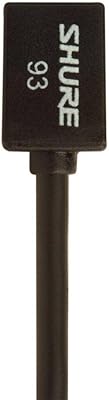
Shure WL93 (4-Foot Cable)
88%
92%
Vocal Clarity
96%
Concealability
84%
Cable Durability
78%
Background Noise Rejection
89%
Mounting Versatility
More
Shure SM63LB Omnidirectional Dynamic Microphone
85%
93%
Build Quality
88%
Audio Clarity for Speech
84%
Omnidirectional Performance
94%
Durability in Field Use
81%
Handling Noise Rejection
More
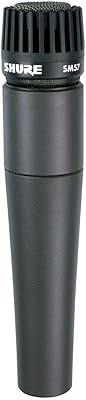
Shure SM57
Shure SM57
87%
98%
Build Durability
96%
High SPL Handling
91%
Signal Isolation
88%
Presence and Clarity
62%
Gain Requirement
More
Shure MX185 Cardioid Lavalier Microphone
83%
93%
Audio Clarity
91%
Build Quality
58%
Ecosystem Compatibility
88%
Placement Flexibility
82%
Windscreen Performance
More
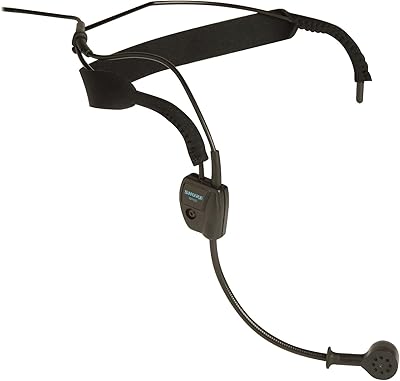
Shure WH20TQG Dynamic Headset Microphone

78%
88%
Build Quality
83%
Sound Quality
81%
Fit & Comfort
61%
Connector Compatibility
77%
Value for Money
More
Shure 545SD-LC
Shure 545SD-LC
87%
96%
Build Durability
93%
Instrument Recording
89%
Switch Reliability
88%
Feedback Rejection
97%
Vintage Aesthetic
More

FAQ

Yes, almost certainly. The SM11 uses an XLR connector, so unless your camera has a built-in XLR input — which most mirrorless and DSLR cameras do not — you will need an XLR preamp or audio interface between the mic and your recording device. A portable field recorder like the Zoom H-series or a dedicated XLR-to-camera adapter would both work.

Not directly. Smartphones do not accept XLR connections, so you would need an XLR-to-USB or XLR-to-TRRS adapter plus a compatible app to record. That said, if you are shooting smartphone video professionally, a dedicated mobile lav solution would be a more practical fit than this mic.

Better than most at this form factor. The smooth exterior casing and recessed grille are specifically designed to reduce fabric rustle when the mic rubs against clothing. That said, no lav is entirely immune to clothing noise — using the tie tack or clasp mount to keep the mic firmly anchored helps considerably.

It is a dynamic microphone. Condenser lavs are more sensitive and capture a wider frequency range, but they can also pick up more background noise. The SM11 dynamic capsule has a slightly higher noise floor than top condenser lavs, but it is more forgiving in noisier or less controlled environments and does not require phantom power.

No. Unlike condenser microphones that need 48V phantom power to operate, the dynamic capsule in this Shure lav is entirely passive. It will work through a standard XLR connection without enabling phantom power on your mixer or recorder.

The SM11 ships with a fixed cable terminated in an XLR connector. The cable length on the standard CN variant is designed for typical lav-to-belt-pack or mixer routing in broadcast use. If the cable is damaged, Shure does offer replacement accessories, but the cable is not field-swappable in the way that some modular lav systems allow.

Probably not the best choice. The frequency response is deliberately tuned for speech clarity rather than full-range audio reproduction, so it will not capture the presence and detail that musicians or podcast hosts typically want from a microphone. A large-diaphragm condenser or a broadcast-style dynamic would serve those use cases better.

It can, but with caveats. The mic has no built-in windscreen, so wind noise will be a real issue outside without additional protection. A foam windscreen slip-on cover — available from Shure and third-party suppliers — is essentially mandatory for any outdoor use. In controlled outdoor environments with minimal wind, it performs reasonably well for speech capture.

The core trade-off is reliability versus mobility. This Shure lav will never drop out, never suffer radio frequency interference, and never run out of battery mid-shoot — advantages that matter enormously in live broadcast or high-stakes recording. Wireless systems give talent more freedom to move, but they add cost, complexity, and a dependency on battery management. If your subject is relatively stationary and you have cable management sorted, wired is often the more dependable choice.

The package includes a tie clasp assembly, a tie tack assembly, and a connector belt clip. Between those three options, you can mount the mic on a tie, pinned directly to fabric, or routed from a belt — enough variety for most standard broadcast and presentation setups without needing to buy additional mounting hardware separately.

Where to Buy