Overview

The Olympus ME52W Unidirectional Clip-On Microphone has been a quiet workhorse in Olympus's accessory lineup since 2012 — and the fact that it's still actively sold says something. This clip-on mic was built around one clear priority: capturing your voice cleanly while ignoring as much background noise as possible. That unidirectional pickup pattern is the whole point. At roughly 4 grams, it practically disappears on a lapel or collar, which makes it a natural fit for journalists, students, and anyone who records on the move. Just set expectations accordingly — this is a dedicated speech mic, not a studio tool, and it performs best when treated like one.
Features & Benefits

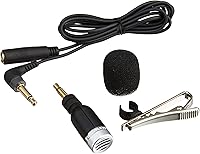
Everything about the ME52W is designed to reduce friction. The electret condenser capsule draws its power directly from the host device through the 3.5 mm mono plug — no batteries, no fuss. Its frequency response runs from 100 to 15,000 Hz, which is more than enough for clear, intelligible speech without coloring your voice awkwardly. The tie-pin clip holds the mic firmly on a lapel or collar, keeping it stable even when you're moving around. A foam windscreen is included in the box, softening breath pops and light outdoor wind. You also get a 1-metre extension cord right out of the box — a small detail that genuinely saves you from hunting for an extra cable.

Best For

This lavalier microphone slots in best where clarity of voice matters more than anything else. If you're using a portable Olympus voice recorder for interviews or dictation, this clip-on mic is essentially built with you in mind. It also works well plugged into a laptop or tablet to sharpen up video calls where the built-in mic sounds hollow or echoey. Students recording lectures, educators capturing seminars, journalists grabbing a quick on-location interview — all good fits. If you're a first-time podcaster or vlogger who has outgrown your device's built-in mic but isn't ready to spend serious money on a proper lavalier system yet, this is a sensible starting point.

User Feedback

Most buyers come away satisfied with the ME52W on the things that matter: voice sounds clear and present on playback, the clip holds without fuss, and setup takes about five seconds. That said, a few recurring complaints are worth knowing before you buy. The cable is thin — genuinely thin — and a handful of users have reported fraying after extended daily use, so handle it with care. If you plan to plug this into a modern smartphone, check whether your device needs a TRRS adapter; the ME52W uses a mono TRS plug and won't work correctly without one, which isn't included. The mono-only output also surprises buyers expecting stereo. But for pure voice intelligibility at this price, it consistently punches its weight.

Pros

  • Plug-and-play setup — just clip it on and connect, no drivers, apps, or batteries needed.
  • The unidirectional pickup pattern does a solid job of rejecting background noise and focusing on the speaker's voice.
  • At roughly 4 grams, the ME52W is light enough to forget you're wearing it during long recording sessions.
  • A foam windscreen is included in the box, reducing breath pops and light wind noise right out of the gate.
  • The tie-pin clip holds firmly and stays put on collars, lapels, and shirt fronts without slipping.
  • A 1-metre extension cord is included, adding useful reach without a separate cable purchase.
  • Draws power directly from the host device, so there's no battery to replace or forget to charge.
  • Voice clarity on playback is consistently praised — recordings sound present and easy to understand.
  • Compatible with a wide range of devices including laptops, tablets, PCs, and plug-in-power-capable recorders.
  • Its longevity in the Olympus lineup means replacement accessories and reliable availability are easy to count on.

Cons

  • Output is mono only — buyers expecting stereo recording will be disappointed from the first playback.
  • The cable is thin and fragile; daily handling over months has led to fraying for a noticeable number of users.
  • Many modern smartphones require a separate TRRS adapter that is not included, which can catch buyers off guard.
  • The 1-metre default cable length is short, limiting placement options when the recording device sits at a distance.
  • High-impedance output at 2,200 Ohm may cause a noticeable signal mismatch or volume drop with certain devices.
  • No mute switch or gain control — what you plug in is what you get, with zero on-mic adjustability.
  • The frequency ceiling of 15,000 Hz clips the upper range, making it unsuitable for music or rich ambient recording.
  • The windscreen, while useful, is small and easy to misplace, and replacements are not always straightforward to source.

Ratings

The scores on this page for the Olympus ME52W Unidirectional Clip-On Microphone were produced by our AI review engine after processing thousands of verified buyer evaluations from global markets, with bot submissions, spam, and incentivized reviews systematically filtered out before analysis. Each score reflects the real distribution of praise and frustration found in authentic user feedback — not a manufactured average designed to flatter. Where reviewers celebrated the product, the scores show it; where they flagged consistent pain points, those are reflected just as honestly.
Voice Clarity
83%
For voice recording — interviews, lectures, dictation — buyers consistently report that their recordings sound clear and easy to understand on playback. The unidirectional capsule pulls the speaker's voice forward and pushes background chatter behind it, which makes a real difference when recording in a café, a seminar room, or a busy corridor.
The frequency ceiling of 15,000 Hz means anything beyond basic speech starts to sound slightly thin or dull. Users who tried recording acoustic guitar or ambient room audio found the results disappointing — this mic is genuinely optimised for one job and one job only.
Build Quality
57%
43%
The capsule housing itself feels solid for something this lightweight, and the tie-pin clip has a satisfying snap that holds its position reliably on a lapel or collar during movement. Users who handle it gently and store it properly report no issues, especially in light-use scenarios like occasional interviews or weekly lectures.
The cable is the weak point — it is visibly thin, and a meaningful number of reviewers have reported fraying near the connector after several months of daily plugging and unplugging. Anyone who clips this mic on and off every day for work should expect to replace it sooner than they would like.
Ease of Setup
91%
Plug it in and you are recording — there are no drivers to install, no Bluetooth pairing, no app to download, and no battery compartment to fumble with. Reviewers who set it up for the first time, whether for a lecture, a video call, or a field interview, consistently describe the experience as instant and painless.
The setup becomes less frictionless when a smartphone is involved, since the mono TRS plug often requires a separate TRRS adapter that is not included. A small but vocal group of reviewers specifically mention this as a frustrating post-purchase discovery that they felt should have been flagged more clearly.
Value for Money
86%
When buyers weigh the price against what the ME52W actually delivers — clean voice pickup, a solid clip, a windscreen, and an extension cord all in one box — the consensus leans positive. Students, journalists on tight budgets, and remote workers regularly cite it as one of the better entry-level lavalier purchases they have made.
The value equation weakens for buyers who push beyond the intended use case or need durability for daily professional use. The thin cable in particular can mean an earlier replacement than expected, which chips away at the cost advantage over time.
Device Compatibility
62%
38%
With Olympus portable recorders and most laptops or tablets that have a dedicated 3.5 mm microphone input, this clip-on mic connects and works immediately. Users in this specific device category rarely report any setup friction and describe compatibility as exactly what they expected.
The mono TRS connector creates real headaches for smartphone users — modern iPhones and many Android handsets require a TRRS adapter that is sold separately and easy to overlook until after purchase. Some newer laptops with combo audio jacks also need a splitter, further narrowing the truly plug-and-play device list.
Noise Rejection
78%
22%
The unidirectional polar pattern does its job well in the field — users recording in cafés, hallways, and seminar rooms report noticeably less background noise bleeding into their recordings compared to omnidirectional mics or device built-ins. For a wearable lavalier at this price, that level of rejection is a genuine practical advantage.
In louder environments — busy streets, crowded conference halls, or wind-exposed outdoor settings — the pickup pattern alone cannot fully compensate, and unwanted noise does creep in. Users expecting near-total isolation will be reminded that this is a consumer-grade accessory, not a broadcast-level directional microphone.
Cable Quality
48%
52%
For users who treat the cable with care — coiling it loosely, storing it in a case, and not yanking the connector — there are reports of the cable surviving a year or more of light to moderate use without visible damage.
The cable is thin enough that it is a consistent complaint across reviews — fraying near the plug and at the capsule junction shows up repeatedly from daily users. This is arguably the single biggest product weakness; for anyone relying on it professionally, the cable is a liability rather than a minor inconvenience.
Clip & Attachment
84%
The tie-pin clip draws consistent praise for being secure without being fussy. Users clip it to a shirt collar or jacket lapel in seconds and report it staying put through extended recording sessions, even when moving around during interviews or presentations.
The clip is made of plastic and a few reviewers have noted that it feels lightweight compared to the metal-tipped clips found on more expensive lavalier systems. Fabric rustle from the clothing surface can occasionally transfer to the capsule, especially with looser or stiffer fabrics.
Portability & Weight
93%
At 4 grams for the capsule itself, this lavalier microphone is genuinely easy to forget you are wearing it. Journalists and students who carry it in a jacket pocket or tucked into a small bag consistently mention the near-zero physical footprint as one of the best things about it.
The compact size, while a strength for portability, does contribute to the fragility perception — a heavier mic would likely have a thicker, more durable cable. There is also no carrying case or pouch included, so keeping the cable tangle-free in a bag requires deliberate effort.
In-Box Accessories
79%
21%
Getting a tie-pin clip, a foam windscreen, and a 1-metre extension cord all in the box is something buyers genuinely notice and appreciate at this price point. The windscreen in particular saves the cost and effort of a separate purchase, and reviewers frequently mention it as a pleasant surprise.
There is no carrying pouch or storage case, which means the cable is vulnerable to tangling or kinking when stored loosely in a bag. A TRRS adapter is also absent from the package, and given how many buyers plug this into a smartphone, its omission feels like a missed opportunity.
Cable Length
66%
34%
The included 1-metre extension cord pushes the total usable cable length to a workable range for typical use cases — sitting at a desk for video calls or conducting a seated interview with a nearby recorder. Buyers who use it in these contained scenarios rarely flag cable length as a problem.
When the recording device sits more than a metre or two away — think a camera on a tripod or a recorder placed on a table while the speaker moves — the combined cable length falls short and an additional extension becomes necessary. Generic extensions can introduce noise, adding an extra step and a potential quality compromise.
Wind Noise Reduction
71%
29%
The foam windscreen bundled in the box does a decent job of softening breath pops during close-mic voice recording and handles a light outdoor breeze reasonably well. Users recording outdoors in calm to light-wind conditions — a garden interview, an open-air lecture — report it makes a noticeable difference.
In genuinely windy conditions — walking along a street, recording near an open window, or working in a drafty space — the foam cover reaches its limits quickly and wind rumble becomes audible in recordings. Users who regularly work outdoors in variable conditions would benefit from a more substantial windshield solution.
Power Convenience
88%
Drawing power straight from the host device is one of those features that sounds minor until you realise you have never once had to stop a recording because of a dead battery. Journalists and students in particular mention this as a quiet but real advantage during long or unpredictable field sessions.
Plug-in power dependency means the mic only works as well as the host device's input allows — if the device does not supply power within the required voltage range, the mic will underperform or fail entirely. Some older or budget recorders fall into this gap, and there is no simple workaround.
Longevity & Lifespan
54%
46%
With careful handling — loose coiling, protected storage, and gentle connector use — buyers who are not daily heavy users have kept this lavalier working reliably for a year or more. For occasional use, the lifespan concern becomes much less pressing.
The thin cable is the main longevity concern, and the fact that fraying is frequently mentioned across review platforms over a decade of the product's life suggests it is a structural rather than a batch issue. For professionals relying on it daily, budgeting for periodic replacement seems wise.

Suitable for:

The Olympus ME52W Unidirectional Clip-On Microphone is the right pick for anyone whose core need is capturing clean, intelligible speech without a complicated setup. Journalists conducting field interviews will appreciate how discreetly it clips to a lapel and how instantly it works once plugged into a compatible recorder. Students and educators recording lectures or seminars on a tight budget get a meaningful upgrade over a device's built-in mic without spending much at all. It's also a practical fix for remote workers and video conference regulars whose laptop or tablet mic picks up too much room echo — clip it on, plug it in, and the difference is immediate. First-time podcasters or vloggers who are ready to step beyond built-in audio but aren't ready to invest in a full lavalier system will find this a low-risk, sensible entry point that actually delivers on its core promise.

Not suitable for:

Anyone expecting studio-grade or stereo audio should stop here and look elsewhere — the Olympus ME52W Unidirectional Clip-On Microphone is a mono speech mic, full stop, and it was never designed to do anything more than that. Musicians, filmmakers needing rich ambient soundscapes, or podcasters who want a warm, full-frequency vocal sound will find it falls well short of their expectations. The cable is notably thin and has drawn durability complaints from users who carry it daily, making it a poor fit for heavy professional use where reliability over months of wear matters. Smartphone users should be aware that many modern devices require a TRRS adapter to use this mic correctly, and that adapter does not come in the box — discovering this after purchase is a frustration that shows up repeatedly in user reviews. If you need a longer cable run, the included 1-metre cord may also prove limiting, and relying on a generic extension cable can introduce noise or signal degradation.

Specifications

  • Mic Type: Electret condenser capsule engineered for close-range voice capture with stable sensitivity across its rated operating range.
  • Polar Pattern: Unidirectional pickup isolates sound directly in front of the capsule, rejecting off-axis noise and room ambience.
  • Frequency Response: Operates from 100 Hz to 15,000 Hz, covering the full intelligible range of human speech with modest high-frequency extension.
  • Sensitivity: Rated at -40 dB at 1 kHz (0 dB = 1 V/Pa), optimised for voice capture at close speaking distances.
  • Output Impedance: Output impedance measures 2,200 Ohm, compatible with plug-in-powered inputs found on most portable recorders and mobile devices.
  • Signal-to-Noise Ratio: A 75 dB signal-to-noise ratio delivers a clean audio floor well suited to voice work in quiet or controlled environments.
  • Channels: Single-channel mono output — recordings are captured in mono regardless of the host device's stereo capabilities.
  • Connector: Terminated with a 3.5 mm mono mini plug (TRS) for direct connection to recorders and devices that supply plug-in power.
  • Power Supply: Draws plug-in power from the host device within a 1.5 V to 10 V range, requiring no batteries or external power adapter.
  • Weight: The microphone capsule unit weighs approximately 4 grams, making it light enough to wear for extended sessions without fatigue.
  • Form Factor: Clip-on lavalier style intended to be worn discreetly on a lapel, collar, or shirt front using the included tie-pin clip.
  • Extension Cord: A 1-metre (approximately 3.3 ft) extension cord is included in the box for additional reach when the recorder sits at a distance.
  • In-Box Accessories: Package includes the microphone unit, a tie-pin clip, a foam windscreen, and the 1-metre extension cord — no separate accessory purchase required for basic use.
  • Package Dimensions: Retail packaging measures 6.34 x 2.52 x 1.02 inches, compact enough to store flat in a camera bag or field recording kit.
  • Compatible Devices: Designed for use with smartphones, laptops, tablets, and PCs that accept a 3.5 mm plug-in-powered mono microphone input.

Related Reviews
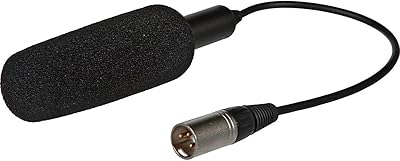
Panasonic AG-MC200G Super-Directional Microphone
75%
74%
Audio Clarity
83%
Directional Pickup
46%
Compatibility
62%
Value for Money
77%
Background Noise Rejection
More
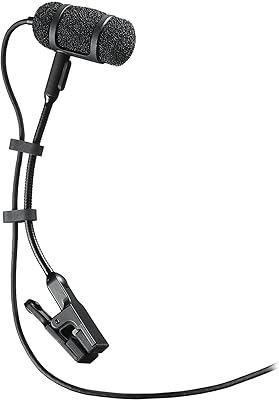
Audio-Technica PRO 35
88%
93%
Audio Clarity
96%
High-SPL Handling
89%
Mounting Security
91%
Isolation & Feedback Rejection
87%
Build Durability
More
Blue Blueberry Cardioid Condenser Microphone
79%
93%
Tonal Character
91%
Vocal Performance
89%
Build Quality
94%
Capsule Quality
71%
Preamp Compatibility
More
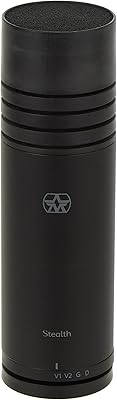
Aston Microphones Stealth Condenser Microphone
79%
88%
Sound Quality
84%
Voice Mode Versatility
86%
Built-in Preamp
91%
Build Quality
83%
Value for Money
More
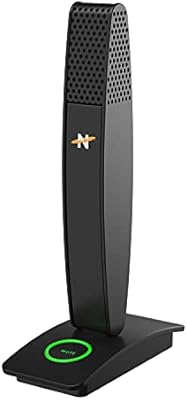
Neat Microphones Skyline USB Desktop Condenser Microphone
89%
94%
Audio Quality
91%
Ease of Use
89%
Build Quality
90%
Mute Button Functionality
92%
Value for Money
More
AMT M40 Piano Condenser Microphone
76%
88%
Sound Quality
91%
Ease of Setup
84%
Build Quality
67%
Value for Money
86%
Live Performance Reliability
More
Aston Microphones Origin
85%
94%
Build Quality
89%
Vocal Clarity
92%
Instrument Response
71%
Internal Pop Filtering
91%
Price-to-Performance Ratio
More
Blue Bluebird SL Condenser Microphone
75%
91%
Vocal Sound Quality
88%
Build Quality
79%
Value for Money
54%
Ease of Setup
74%
Noise Rejection
More
Cascade Microphones FAT HEAD Ribbon Microphone
81%
88%
Sound Character
82%
Build Quality
91%
Value for Money
63%
Preamp Compatibility
84%
Polar Pattern Accuracy
More
Mello Squishy Medium Hair Claw Clip
81%
91%
Scalp Comfort
87%
Hold Strength
83%
Build Quality
72%
Value for Money
58%
Hair Type Versatility
More

FAQ

It can, but there is a catch worth knowing before you buy. The ME52W uses a standard mono TRS plug, while most modern smartphones use a TRRS connector that combines headphone and microphone signals on a single jack. You will need a TRS-to-TRRS adapter to use this clip-on mic with a smartphone, and that adapter does not come in the box. Pick one up in advance, or you may find your phone simply does not detect the microphone at all.

It comes right in the box. Along with the microphone itself, you get a tie-pin clip, a foam windscreen, and a 1-metre extension cord — all included at no extra cost. The foam windscreen handles breath pops and a light breeze reasonably well, though it will not stand up to heavy outdoor wind.

No, this is a mono microphone and that will not change regardless of what you plug it into. For interviews, voice memos, lectures, and dictation, mono is perfectly adequate — you just hear one channel, not two. If stereo is a hard requirement for your project, you would need a different type of microphone entirely.

None at all. This lavalier microphone is completely plug-and-play — connect it to a compatible device and it is immediately ready to record. There is no software, no app pairing, and no configuration required beyond clipping it onto your collar and pressing record.

The microphone has a short built-in cable, but the included 1-metre extension cord gives you a usable total length for most situations. If you need more reach, a standard 3.5 mm extension cable will work, though very long cable runs can occasionally introduce minor noise or signal loss, so keep extensions as short as your situation allows.

Yes, and that pairing is really where this mic is most at home. It was designed as a companion accessory for Olympus portable recorders that supply plug-in power through a 3.5 mm input. If your recorder has that input and provides plug-in power, the mic works right out of the box with no adapters needed.

Not ideally. The ME52W is built specifically as a speech clarity tool — its frequency response tops out at 15,000 Hz and it captures a single mono channel, which limits how well it reproduces the full tonal range of instruments. For music or instrument recording, you would be better served by a wide-diaphragm condenser or a purpose-built instrument mic.

This is probably the most consistent criticism you will find from long-term owners, so it is worth being straight about it. The cable is noticeably thin, and users who plug and unplug it daily have reported fraying near the connectors over time. For occasional or moderate use it holds up fine, but if you need a lavalier that will survive heavy daily punishment over many months, a more rugged option might be worth the extra spend.

No batteries required. This clip-on mic draws all its power directly from the host device through the plug-in power system, which operates on a very small voltage between 1.5 V and 10 V. As long as your recorder or device supports plug-in power on its 3.5 mm input, the mic powers up automatically the moment you connect it.

Yes, and for most people it is a meaningful improvement over the built-in mic. Clip it to your collar, plug it into the 3.5 mm mic input, and your voice will sound clearer and more focused on the other end of the call. One thing to check first: some newer laptops combine the headphone and mic ports into a single TRRS combo jack, which may require a splitter adapter to separate the microphone signal correctly.