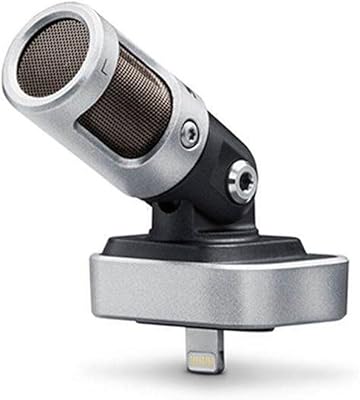
Neumann KM 184 Stereo Set Microphone Pair
Overview
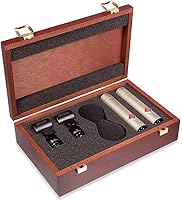
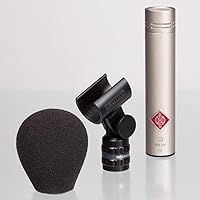
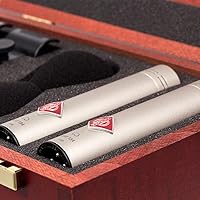
The Neumann KM 184 Stereo Set Microphone Pair has earned a firm place in professional recording circles for good reason. Neumann's reputation for precision manufacturing goes back decades, and this matched mic pair carries that legacy forward with quiet confidence. What makes buying a stereo set meaningful is the matched capsule process — both mics are measured and paired to exhibit near-identical frequency responses, so when you position them in an X-Y or A-B stereo configuration, what you capture is accurate and stable. These are XLR condenser microphones requiring phantom power, so make sure your interface or preamp is up to the task before committing.
Features & Benefits
The cardioid polar pattern is one of the most practical aspects of the KM 184 stereo set — it picks up sound from directly in front while rejecting noise and bleed from the sides and rear. That tight off-axis rejection makes a real difference when recording in less-than-ideal acoustic environments. The 81 dB signal-to-noise ratio keeps the noise floor impressively low, which matters most on quieter instruments like fingerpicked guitar or solo violin. With a 22mm brass capsule and a frequency response reaching all the way down to 20 Hz, these Neumann condensers handle full-range sources — piano, choir, orchestral strings — with the kind of accuracy that reveals rather than flatters.
Best For
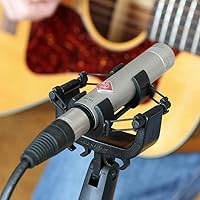
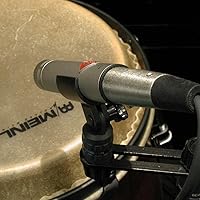
If you record acoustic guitar regularly, this matched mic pair is hard to overlook. Positioning two cardioid condensers in an X-Y configuration over the body and neck of an acoustic instrument captures a wide, natural stereo spread that a single microphone simply cannot replicate. Classical and orchestral engineers will appreciate how well-suited the KM 184 stereo set is for A-B stereo recording — the matched capsules mean the left and right channels stay tonally balanced without post-processing corrections. Home studio owners who have outgrown budget condensers and want a genuine step up to a professional reference standard will find these Neumann condensers a worthy long-term investment, as will live engineers handling piano or drum overhead duties.
User Feedback
Buyers who have reviewed the KM 184 stereo set consistently point to two things: the natural, transparent tone and the reliability of the matched pair straight out of the box. Reviewers describe recordings made with these condensers as honest — neither hyped in the highs nor artificially warm — which is exactly what professional engineers want from a reference-grade tool. Build quality draws frequent praise too; the brass bodies feel solid and purposeful. On the flip side, some buyers note that the significant cost makes this a considered purchase rather than an impulse buy, and a few mention that the mics shine brightest in acoustically treated spaces. For those with the right setup, the verdict is consistently strong.
Pros
- Matched capsules deliver near-identical frequency responses between both mics, making stereo imaging accurate and stable.
- The 81 dB signal-to-noise ratio keeps the noise floor low enough for delicate acoustic sources like fingerpicked guitar or solo violin.
- Cardioid polar pattern rejects off-axis noise effectively, useful in both studio and controlled live environments.
- Brass body construction feels genuinely durable and built to withstand years of professional use.
- Full-range frequency response starting at 20 Hz means these Neumann condensers handle piano and orchestral sources without thinning out the low end.
- The stereo set configuration saves significant time in post — no need to manually match or correct tonal differences between two separately purchased mics.
- 22mm capsule size strikes a good balance between sensitivity and transient accuracy on fast-attack instruments.
- Verified buyers consistently describe the tonal character as transparent and honest, with no artificial coloration.
- Long-standing professional reputation means these mics hold their resale value well over time.
Cons
- Requires a capable preamp and phantom power source — a budget audio interface will limit what these mics can actually do.
- Sensitive enough to expose room acoustic problems, so untreated recording spaces will yield disappointing results.
- The investment level is significant, making it a harder case to justify for hobbyists or occasional recorders.
- Sold as a stereo pair only, so buyers who need just one small-diaphragm condenser are paying for more than they require.
- No built-in pad or high-pass filter switch on the base model, which can be limiting when recording loud sources at close range.
- The silver nickel finish, while professional-looking, can show handling marks and wear more visibly than darker-bodied alternatives.
- Accessories like stereo bars and specialized mounts are sold separately, adding to the total setup cost.
- Not well-suited for dynamic or ribbon microphone workflows — engineers unfamiliar with small-diaphragm condensers may need an adjustment period.
Ratings
The scores below reflect our AI-driven analysis of verified global buyer reviews for the Neumann KM 184 Stereo Set Microphone Pair, with spam, bot-generated, and incentivized feedback actively filtered out before scoring. Each category captures both the genuine praise and the real frustrations that surface across thousands of independent user experiences worldwide. Nothing has been softened — where buyers found limitations, those are reflected just as clearly as the strengths.
Sound Transparency
Stereo Imaging Accuracy
Noise Floor Performance
Build Quality
Transient Response
Matched Pair Consistency
Frequency Range Coverage
Ease of Setup
Versatility Across Sources
Durability Over Time
Polar Pattern Consistency
Compatibility
Value for Investment
Included Accessories
Suitable for:
The Neumann KM 184 Stereo Set Microphone Pair is a strong fit for anyone who records acoustic instruments professionally or semi-professionally and needs stereo captures they can trust without spending hours correcting tonal imbalances in post. Acoustic guitarists, in particular, will notice the difference immediately — positioning this matched mic pair in an X-Y configuration above the soundhole and neck produces a wide, natural stereo image that holds up under close scrutiny. Classical and orchestral recording engineers will appreciate the consistent polar behavior and low noise floor when working with dynamic sources like string quartets or choral ensembles in larger spaces. Home studio owners who have hit the ceiling of what budget condensers can offer and want a long-term professional reference tool will find these Neumann condensers a genuinely worthwhile upgrade. Live sound engineers handling piano overheads, choir reinforcement, or drum overheads in stereo will also benefit from the reliability and predictability these mics deliver night after night.
Not suitable for:
The Neumann KM 184 Stereo Set Microphone Pair is not the right call for buyers who are just getting started in recording or who primarily need a single microphone for vocals, podcasting, or simple voice-over work. These are specialized stereo-pair condensers designed for acoustic instrument capture and critical stereo recording — using them for casual spoken-word content would be a significant mismatch between tool and task. The requirement for phantom power and quality XLR preamps means your total investment does not stop at the microphones themselves; a budget audio interface will bottleneck what these mics can actually deliver. Buyers recording in untreated rooms should also reconsider — the sensitivity and accuracy of the KM 184 stereo set will reveal room problems rather than hide them, and the results can be disappointing without at least basic acoustic treatment in place. If your budget is tight or your recording needs are general-purpose, there are more practical options at a lower price point that will serve you better day to day.
Specifications
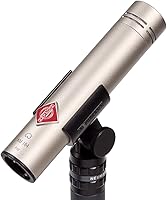
- Microphone Type: Both units are small-diaphragm condenser microphones, a form factor known for precise transient response and consistent polar behavior.
- Configuration: Sold as a factory-matched stereo pair, with both capsules measured and selected to exhibit near-identical frequency and sensitivity characteristics.
- Polar Pattern: Cardioid (unidirectional) pattern on each microphone, providing focused front pickup and strong rejection of sound arriving from the sides and rear.
- Capsule Diameter: Each microphone features a 22mm brass capsule, balancing sensitivity with accurate transient reproduction on fast-attack acoustic sources.
- Frequency Response: Rated from 20 Hz upward, enabling full-range capture of sources including piano, orchestral strings, and low-frequency acoustic instruments.
- Signal-to-Noise Ratio: 81 dB signal-to-noise ratio ensures a very low self-noise floor, making these mics suitable for capturing quiet or delicate acoustic performances.
- Output Impedance: Each microphone has an output impedance of 50 Ohm, compatible with standard professional XLR preamp inputs.
- Connectivity: Both microphones use standard 3-pin XLR connectors, compatible with any professional audio interface, mixer, or standalone preamp.
- Power Requirement: Phantom power is required for operation; both mics are rated for phantom power supply, typically 48V via XLR from a compatible preamp or interface.
- Body Material: Housings are constructed from brass with a nickel finish, contributing to long-term durability and acoustic consistency under repeated use.
- Color & Finish: Both microphones feature a silver nickel finish, consistent with Neumann's classic professional studio aesthetic.
- Weight: The combined weight of the stereo pair is approximately 1.84 pounds, making them lightweight enough for standard boom arm and overhead configurations.
- Channels: The set provides two independent mono channels, one per microphone, which are routed to separate tracks for stereo recording.
- Manufacturer: Designed and manufactured by Neumann, a German audio engineering company with a decades-long track record in professional studio microphone production.
- Model Number: The official model identifier for this stereo set is SKM-184 NI, differentiating it from single-unit KM 184 purchases.
Related Reviews
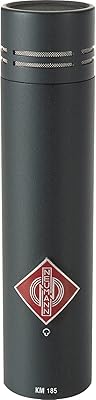
Neumann KM 185 Hypercardioid Microphone
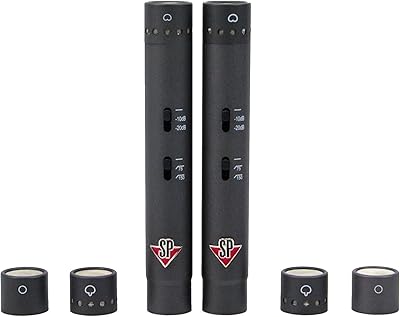
Studio Projects C4 Small-diaphragm Condenser Microphone Pair
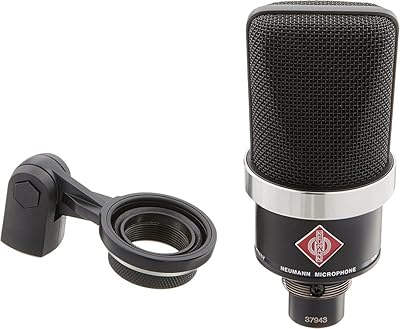
Neumann TLM 102
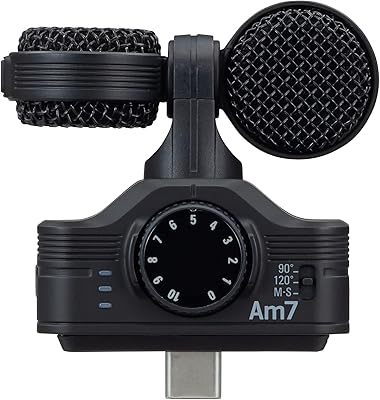
Zoom Am7
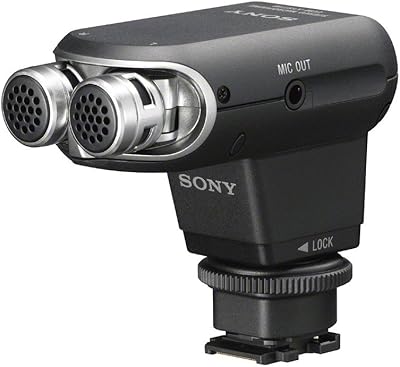
Sony ECM-XYST1M
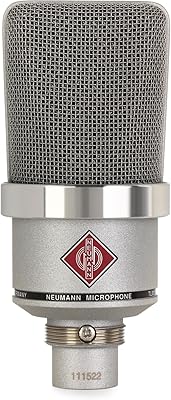
Neumann TLM 102
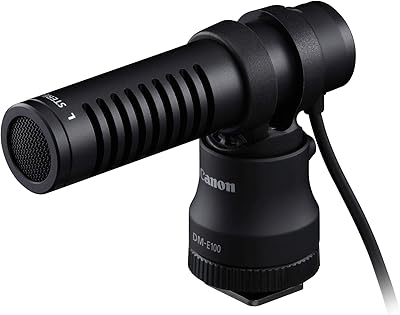

Neumann KMR 81 i Shotgun Microphone
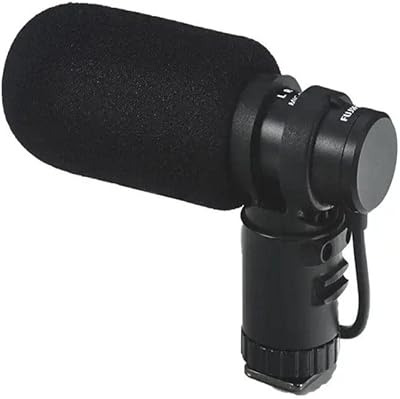
Fujifilm MIC-ST1 Stereo Shotgun Microphone