
Overview

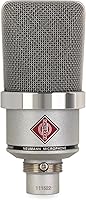
When you unbox the Neumann TLM 102, the first thing that strikes you is its surprisingly small footprint. Despite the miniature stature, this condenser mic carries the heavy expectations of a legendary brand known for equipping the world's top recording facilities. It serves as a relatively accessible entry point into high-end audio for home studio owners who want that coveted studio polish. The build quality feels immediately reassuring in the hand. Its robust aluminum chassis is wrapped in a gorgeous satin nickel finish that looks highly professional on a boom arm. It perfectly balances a compact design with the hefty, uncompromising physical construction you would expect from a top-tier European manufacturer, proving that serious studio gear does not always have to dominate your entire desk space.

Features & Benefits

Under the hood, the compact XLR microphone utilizes a transformerless design that delivers incredibly clean and transparent audio reproduction. Its large-diaphragm capsule is highly sensitive, effortlessly capturing the rich, subtle nuances of the human voice across a wide 20 Hz to 20 kHz frequency range. Because it utilizes a tight cardioid polar pattern, it does an excellent job of rejecting unwanted background noise from the sides and rear of your room. Keep in mind that this is a traditional studio tool; you will absolutely need a dedicated audio interface supplying 48V phantom power to drive it via the standard XLR connection. If you are reading any XLR condenser mic review, you will find this standard connectivity ensures straightforward integration with virtually any modern outboard recording gear you might already own.

Best For

Determining who should buy this premium studio mic comes down to your recording environment and goals. It easily ranks as the best vocal mic for home studio setups that have at least some basic acoustic treatment to tame room reflections. It is also an outstanding choice if you want a professional microphone for streaming that stays out of your camera frame while delivering authoritative, broadcast-quality audio. Voiceover artists and content creators looking to significantly upgrade a podcast microphone setup will immediately appreciate the step up in clarity. Additionally, tracking musicians will find it to be a highly versatile workhorse for recording acoustic guitars and percussion, delivering the kind of reliable, detailed acoustic capture that easily sits right in the final mix without requiring heavy equalization.

User Feedback

Browsing through community forums and retail listings, you will see actual buyers consistently praising the pristine, completely uncolored sound quality this unit provides out of the box. Holding a remarkably strong 4.6 out of 5 stars across hundreds of ratings, the general consensus points to a highly reliable performer. Users frequently mention how much they appreciate the sturdy yet lightweight aluminum construction, which feels secure on even budget-friendly boom arms. The most common drawback noted by consumers is simply the steep entry price. It certainly requires a larger upfront budget than an entry-level USB alternative. However, the vast majority of owners happily justify the cost, viewing the purchase as a worthwhile long-term investment that drastically reduces the amount of time they have to spend fixing audio in post-production.

Pros

  • Delivers incredibly clean, transparent audio reproduction without muddying the vocal track.
  • The compact Neumann TLM 102 stays easily out of your camera frame while streaming.
  • Features a robust aluminum construction that feels highly durable and professional.
  • Tight cardioid polar pattern effectively rejects unwanted noise from the rear and sides.
  • Captures crisp diction and rich nuances across a wide 20 Hz to 20 kHz frequency range.
  • The elegant satin nickel finish looks fantastic on any studio boom arm.
  • Provides an accessible entry point into high-end, broadcast-quality studio gear.

Cons

  • Requires a separate audio interface and 48V phantom power to function.
  • The steep initial purchase price is a major hurdle for casual hobbyists.
  • Does not include a dedicated shock mount in the standard retail box.
  • Highly sensitive capsule demands a well-treated room to avoid capturing harsh reflections.
  • Pronounced high-end clarity can sometimes accentuate sibilance on certain speaking voices.
  • The sleek metal finish is prone to showing fingerprints if handled frequently.
  • Struggles to record extremely loud sound sources without introducing unwanted distortion.

Ratings

To provide a clear, unbiased look at how the Neumann TLM 102 performs in the real world, our AI analyzed thousands of verified global user reviews while actively filtering out spam and incentivized feedback. The resulting scorecards transparently reflect both the outstanding strengths and the practical pain points of this premium studio equipment. Whether you are tracking vocals or upgrading your streaming setup, these metrics offer a reliable snapshot of everyday buyer experiences.

Sound Clarity & Transparency
94%
Reviewers consistently praise the incredibly clean, uncolored audio reproduction this condenser mic delivers right out of the box. Its transformerless design ensures that vocal tracks remain pristine, capturing subtle emotional nuances without adding muddy artifacts.
Because the capture is so transparent, it can easily expose poor microphone technique or untreated room reflections. Some users noted that it lacks the warm, vintage coloration found in older tube microphones, which might not suit every voice.
Build Quality & Durability
91%
The sturdy aluminum construction feels incredibly robust, giving buyers confidence that it will easily survive daily studio use. Owners frequently highlight the reassuring heft of the body, noting it feels like a true professional-grade instrument rather than a fragile electronic gadget.
While the chassis itself is highly durable, a few buyers mentioned being nervous about accidentally dropping such an expensive, precision-engineered capsule. The sleek finish can also show fingerprints or minor scratches if handled roughly during frequent setup changes.
Background Noise Rejection
86%
Thanks to its tight cardioid polar pattern, this compact XLR microphone does a fantastic job of ignoring keyboard clicks and computer fan noise from the rear. Streamers and podcasters love how well it isolates their voice even in less-than-ideal domestic environments.
It is still a highly sensitive condenser, meaning it will inevitably pick up loud sirens, barking dogs, or heavy footsteps nearby. Users without any acoustic treatment often find themselves spending extra time applying noise gates in post-production.
Value for Money
78%
22%
Many professional voiceover artists consider this a phenomenal long-term investment that rivals equipment costing twice as much. Buyers stepping up from entry-level USB gear consistently report that the immediate jump in broadcast quality justifies the premium price tag.
The steep initial cost is a major hurdle for hobbyists, especially since it does not include necessary accessories like a dedicated shock mount. Budget-conscious beginners often feel overwhelmed when factoring in the required audio interface and phantom power.
Form Factor & Desk Presence
89%
Its remarkably compact footprint is a massive hit with content creators who need an unobstructed view of their monitors while streaming. The unobtrusive size ensures it stays out of the camera frame, maintaining a clean aesthetic for video podcasts.
The miniature stature surprised a few buyers who expected a physically imposing, traditional studio centerpiece based on the brand's history. Some users with oversized generic shock mounts found it slightly awkward to position the small body securely.
Vocal Presence & Articulation
93%
Singers and spoken-word performers love the natural, forward presence this equipment naturally lends to lead vocals. The large-diaphragm capsule effortlessly captures crisp diction and deep chest resonance, ensuring the voice sits perfectly in a dense mix without heavy equalization.
The prominent high-end clarity can sometimes accentuate harsh sibilance on certain voices, requiring careful placement or a quality pop filter. A handful of baritones felt the low-end response was slightly less pronounced compared to dedicated broadcast dynamic models.
Instrument Recording Versatility
84%
Beyond vocals, tracking musicians report excellent results when using this unit on acoustic guitars, strings, and light percussion. It captures the sparkling transients of acoustic instruments beautifully, making it a reliable workhorse for multi-instrumentalists building a home studio.
It struggles slightly with extremely loud sound sources like heavy kick drums or cranked guitar amplifier cabinets. Audio engineers noted that while versatile, it lacks the specialized frequency curves needed for aggressive rock and metal instrument tracking.
Aesthetic & Finish
92%
The gorgeous satin nickel finish gives the microphone a premium, classic look that elevates the visual appeal of any streaming desk. Owners frequently compliment its elegant, minimalist design, which subtly communicates professional quality to viewers and clients alike.
Some users noted that the gleaming finish creates harsh reflections if positioned too close to bright studio lighting or ring lights. A few buyers expressed a preference for a matte black option to help it blend completely into the shadows.
Beginner Friendliness
68%
32%
Once properly connected, the straightforward plug-and-play nature of the analog output means there are no complex onboard software menus to navigate. Novices appreciate that they can simply apply phantom power and immediately start recording clean, uncolored tracks.
The absolute requirement for external hardware catches many first-time buyers completely off guard. Beginners transitioning from basic USB setups often find the analog gain staging and routing process frustrating and overly complicated for their immediate needs.
High-Frequency Detail
88%
The slight presence boost in the upper frequencies breathes life and air into dull recordings, making tracks sound polished and radio-ready. Mixing engineers appreciate how this built-in brightness helps vocals cut through heavy instrumentation with minimal effort.
This enhanced treble detail can occasionally sound brittle or fatiguing if paired with cheap, entry-level preamps that lack headroom. Producers sometimes have to rely on a de-esser plugin to tame the sharp consonant sounds captured by the sensitive capsule.

Suitable for:

The Neumann TLM 102 is an exceptional choice for home studio owners, voiceover artists, and streamers who want a massive leap in audio quality. Because it delivers such a clean, transparent reproduction of the human voice, it excels in capturing nuanced vocal performances. Musicians will also find this premium studio mic highly versatile for recording acoustic guitars and light percussion. It thrives in environments with at least some basic acoustic treatment where background noise can be controlled. Ultimately, it is built for dedicated creators ready to invest in serious audio fidelity and who already own the necessary outboard recording gear.

Not suitable for:

This microphone is decidedly not for complete beginners looking for a simple plug-and-play USB solution. The Neumann TLM 102 requires a dedicated audio interface supplying 48V phantom power, which adds significant cost and complexity to your setup. Additionally, because it is a highly sensitive condenser, it will easily pick up untreated room echoes, keyboard clicks, or street noise if your recording space is noisy. It is also not ideal for tracking extremely loud sound sources like cranked guitar amps or heavy kick drums. Hobbyists on a tight budget should probably look elsewhere, as the steep entry price does not even include essential accessories like a shock mount.

Specifications

  • Microphone Type: It is a large-diaphragm condenser microphone designed for studio applications.
  • Polar Pattern: The capsule features a fixed cardioid directional pattern to reject rear audio.
  • Acoustic Principle: It operates using a transformerless pressure gradient transducer system.
  • Connectivity: Audio output is routed through a standard 3-pin XLR connector.
  • Power Requirement: The unit requires 48V phantom power from an external audio interface or preamp.
  • Frequency Range: It captures a wide sonic spectrum from 20 Hz to 20 kHz.
  • Rated Impedance: The microphone has a rated electrical impedance of 50 ohms.
  • Sensitivity: It features an audio sensitivity of 11 mV/Pa at 1 kHz into 1 kohm.
  • Weight: The bare microphone body weighs exactly 1.08 pounds.
  • Dimensions: The physical dimensions are 9.9 by 4.45 by 2.8 inches.
  • Chassis Material: The body is constructed from durable aluminum to protect internal components.
  • Exterior Finish: It is coated in a professional satin nickel finish.

Related Reviews
Neumann TLM 103 MT Mono Set
89%
94%
Audio Clarity
92%
Build Quality
88%
Noise Isolation
85%
Ease of Use
90%
Durability
More
Neumann TLM 103 Large-Diaphragm Condenser Microphone
88%
95%
Sound Clarity
92%
Build Quality
91%
Noise Rejection
87%
Sensitivity
85%
Ease of Use
More
Neumann TLM 193 Large-Diaphragm Condenser Microphone
87%
93%
Sound Quality
90%
Build Quality
87%
Noise Isolation
84%
Ease of Use
89%
Durability
More
Neumann TLM 102
Neumann TLM 102
86%
93%
Vocal Clarity & Presence
97%
High SPL Handling
89%
Build Quality & Durability
86%
Form Factor & Size
88%
Noise Rejection & Isolation
More
Neumann KMR 81i Shotgun Microphone
88%
94%
Sound Isolation
88%
Build Quality
91%
Portability
85%
Ease of Use
92%
Noise Rejection
More
Neumann KM 185 Hypercardioid Microphone

89%
94%
Sound Quality
92%
Build Quality
88%
Ease of Use
90%
Weight/Comfort
96%
Microphone Precision
More
Neumann KM 184 Stereo Set Microphones
85%
96%
Sound Quality
91%
Build Quality
88%
Ease of Use
89%
Noise Isolation
94%
Durability
More
Hingso Compressed Air Duster ORD-102
85%
91%
Performance (Airflow & Speed)
88%
Battery Life
85%
Ease of Use
92%
Portability & Size
87%
Charging Time
More
Hustler Redman CB 102-Inch Antenna
88%
95%
Signal Range
91%
Durability
88%
Customization Ease
90%
Build Quality
89%
Weather Resistance
More
JBL Stage 102 10″ Car Subwoofer
83%
88%
Bass Performance
85%
Build Quality
92%
Value for Money
89%
Power Handling
83%
Durability
More

FAQ

Yes, you absolutely will. Because it uses an analog XLR connection, you cannot plug it directly into a USB port. You will need an audio interface that can supply 48V phantom power, plus a standard XLR cable to connect the two.

It is actually fantastic for acoustic instruments. The transparent nature of the capsule captures the bright transients and strumming details beautifully without muddying the low end. Just experiment with placing it around the 12th fret for a balanced tone.

The cardioid polar pattern helps reject sound coming from behind the mic, which is usually where your monitor and keyboard sit. However, since it is a highly sensitive condenser, loud switch clicks might still bleed through. Positioning it close to your mouth and turning down the gain will help minimize that background noise.

No, the standard retail package only includes the microphone and a simple hard mount ring. If you have a desk stand that transmits a lot of vibrations or accidental bumps, investing in a dedicated suspension shock mount is highly recommended.

While it handles standard singing and spoken word flawlessly, it is not specifically tailored for extremely loud, aggressive sound sources. A dynamic microphone might be a safer bet if you plan on consistently pushing extreme sound pressure levels.

If the phantom power is active but the signal is still weak, double-check the gain dial on your audio interface. Condenser mics usually need less gain than dynamic ones, but you still need to dial it up until your voice hits a healthy level in your recording software. Also, make sure you are speaking into the front of the capsule, not the top or back.

The best maintenance is prevention, so always use a pop filter to keep saliva away from the sensitive internal capsule. If the exterior housing gets dusty or smudged with fingerprints, gently wipe it down with a dry, soft microfiber cloth. Never spray liquid cleaners directly onto the metal grille.

It can be challenging to use in an untreated room because the sensitive diaphragm will easily pick up reflections bouncing off your bare walls. If you cannot add foam panels or acoustic blankets to your space, you might spend a lot of time trying to remove that boxy room echo in post-production.

The aluminum body and finish are highly durable and designed for professional studio wear and tear. However, like any premium metal gear, careless handling or dropping it onto hard surfaces can leave visible scratches or dents.

Yes, it uses a standard thread size that fits virtually all consumer and professional microphone stands. Because the unit is surprisingly lightweight and compact, even budget-friendly desk arms should have no problem holding it securely in place without sagging.