Nady DKW-DUO-HT-PR Dual Wireless Microphone System
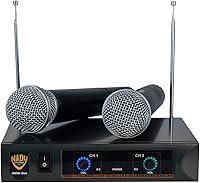
Nady DKW-DUO-HT-PR Dual Wireless Microphone System — image 1
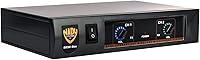
Nady DKW-DUO-HT-PR Dual Wireless Microphone System — image 2
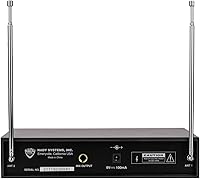
Nady DKW-DUO-HT-PR Dual Wireless Microphone System — image 3
Nady DKW-DUO-HT-PR Dual Wireless Microphone System — image 4
Nady DKW-DUO-HT-PR Dual Wireless Microphone System — image 5
Nady DKW-DUO-HT-PR Dual Wireless Microphone System — image 6
Nady DKW-DUO-HT-PR Dual Wireless Microphone System — image 7
Nady DKW-DUO-HT-PR Dual Wireless Microphone System — image 8
77%
23%

Overview

The Nady DKW-DUO-HT-PR Dual Wireless Microphone System has been quietly holding its ground in the entry-level wireless audio space since 2004 — a run that says something about its staying power. This is not studio-grade gear, and it doesn't pretend to be. What it offers is simple: two handheld mics, a single receiver, and a setup that doesn't require an audio engineering degree. Plug it into your speaker or home theater, drop a 9V battery in each mic, and you're ready. It fits naturally into home karaoke nights, small community events, classroom presentations, and church functions where wireless convenience matters more than audiophile performance.

Features & Benefits

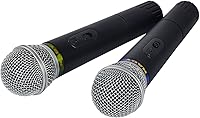
The dual-channel VHF setup lets both mics run simultaneously on separate frequencies, which keeps things clean during a duet or a two-speaker presentation. Each mic runs on a single 9V battery and is rated for up to 15 hours of use — realistic for a long event or a few back-to-back sessions. The range is a genuine strength: 150-plus feet under typical conditions, and over 300 feet in open line-of-sight situations. The Nady DM-20 unidirectional dynamic cartridge does a decent job rejecting feedback and handling noise, while the audio processing circuitry smooths out loud spikes and quiet background hiss. A low-battery LED indicator and pop-suppression circuitry round out the practical live-use features.

Best For

This VHF microphone kit hits a specific sweet spot: buyers who want wireless audio for casual, informal settings without complicated setup or steep costs. It's a natural fit for home karaoke where two people want to sing at the same time, or for a parent putting together a fun setup for a birthday party or family gathering. Small community events — a church service, a school presentation, a neighborhood meet — are where the Nady duo setup genuinely earns its keep. The all-in-one package means nothing extra to source. If you need professional-grade fidelity or plan to use it in an RF-heavy urban space, this isn't the right tool.

User Feedback

Buyers generally respond well to this dual wireless mic system for what it is: an easy, no-fuss kit for home fun and small gatherings. Setup simplicity and wireless range consistently earn praise, and many users confirm the 15-hour battery claim holds up in real-world use. The criticism is equally consistent — audio clarity doesn't compare favorably to UHF or higher-end systems, and VHF signals can attract interference in apartments or event spaces with dense wireless traffic. The plastic construction divides opinion: some find it perfectly adequate for occasional use, while others notice switches and joints showing wear after regular handling. Worth factoring in before buying.

Pros

  • Genuinely plug-and-play setup — no audio background needed to get both mics running.
  • Both microphones operate simultaneously on separate channels without stepping on each other.
  • Wireless range exceeds 150 feet in typical conditions, enough for most home and small-hall scenarios.
  • Battery life consistently lives up to the 15-hour rating, confirmed by many real-world users.
  • The complete bundle includes mics, receiver, audio cable, and AC adapter — nothing extra to buy.
  • Low-battery LED indicator gives advance warning before signal loss during a live moment.
  • Pop-suppression circuitry prevents the jarring noise when switching mics on or off.
  • Unidirectional cartridge design reduces feedback and minimizes unwanted handling noise.
  • Lightweight system is easy to move, store, and set up for occasional use events.
  • Has maintained consistent buyer demand since 2004, suggesting dependable everyday performance.

Cons

  • Audio quality falls noticeably short of UHF or mid-range systems when compared side by side.
  • VHF frequency band is more vulnerable to interference in signal-dense environments like apartments or packed venues.
  • Plastic construction feels lightweight in a way that raises durability concerns over extended regular use.
  • Switches and hinges on the mic body show wear patterns after prolonged or frequent handling.
  • Not suitable for multi-channel expansion — two mics is the ceiling with this setup.
  • No rechargeable battery option; ongoing 9V alkaline costs add up for heavy users over time.
  • The Nady duo setup lacks the frequency agility features found on newer digital or UHF systems.
  • Sound performance in reverberant spaces like tiled halls or gymnasiums can become muddy quickly.
  • No carrying case included, making storage and transport slightly awkward for event use.

Ratings

The scores below reflect an AI-driven analysis of verified global user reviews for the Nady DKW-DUO-HT-PR Dual Wireless Microphone System, with spam, bot activity, and incentivized feedback actively filtered out to ensure the results reflect genuine buyer experiences. Ratings span both the aspects users consistently praised and the friction points that led to frustration, giving you a transparent, unvarnished picture of real-world performance across a wide range of use cases.

Ease of Setup
91%
This is the category where the Nady duo setup earns its strongest marks, and it's not particularly close. Users across skill levels — from teenagers setting up a karaoke night to retirees running a church presentation — consistently report being up and running within minutes of opening the box. No pairing menus, no frequency scanning, no driver installation.
A small number of users reported initial confusion about which audio cable output to use with their specific speaker setup, and the included documentation could do a better job of illustrating connector compatibility. For most people this is a non-issue, but those with older or less common audio equipment may need to troubleshoot.
Wireless Range
83%
For home environments and small halls, the coverage footprint is genuinely impressive at this price tier. Users running this VHF microphone kit in living rooms, small auditoriums, classrooms, and community centers report reliable, uninterrupted signal well beyond what most buyers actually need for these settings. The 150-plus foot typical range is not just marketing copy — it holds up.
Signal consistency drops meaningfully when walls, large furniture, or other obstructions enter the path between mic and receiver. A handful of users in older buildings or densely furnished spaces noted occasional dropout even at moderate distances, which suggests the line-of-sight specification should be taken as exactly that — line-of-sight only.
Audio Clarity
66%
34%
For casual karaoke use and spoken-word presentations in small rooms, the audio output is clean enough to get the job done without embarrassing anyone. The unidirectional cartridge does a reasonable job rejecting ambient noise and feedback when the gain is set sensibly, and the audio processing circuitry keeps background hiss from becoming a constant annoyance during quiet moments.
Users upgrading from or comparing against UHF systems notice a clear step down in overall fidelity, particularly in the high-frequency detail that makes voices sound crisp and present. In reverberant spaces like gymnasiums or tiled halls, the sound tends to get muddy quickly, and more discerning listeners will find the output acceptable rather than impressive.
Battery Life
88%
The 15-hour per-microphone rating is one of the few spec claims on this dual wireless mic system that users broadly confirm in practice. Buyers using it for multi-hour karaoke sessions, school events, and community functions consistently report not worrying about mid-event battery failure, especially with the low-battery LED providing advance warning before things go silent.
The system requires 9V alkaline batteries, which are less universally on hand than AA or AAA cells and add a recurring cost that some buyers underestimated. A few users also noted that cheaper generic 9V batteries delivered noticeably shorter runtimes, suggesting battery brand actually matters here more than on some other devices.
Build Quality
58%
42%
The overall form factor is functional and reasonably comfortable to hold for extended use. Most casual users — families setting this up for a party, teachers using it a few times a semester — find the construction perfectly adequate for the frequency of use they have in mind, and the lightweight design makes the mics easy to pass around a room.
The all-plastic housing draws consistent criticism from users who expected more solidity given the price point, and long-term durability is a real concern. Owners who use this VHF microphone kit regularly — weekly or more — report that on/off switches and mic body joints start showing wear within months, which limits the system's practical lifespan under anything beyond occasional use.
Dual-Mic Performance
79%
21%
Running both microphones simultaneously is the core value proposition of this system, and it delivers reliably for casual two-person use. Karaoke duets, two-speaker presentations, and parent-child performance setups all benefit from the independent-channel design, which keeps both signals clean without requiring any manual frequency coordination.
There is no independent volume control per microphone on the receiver, which means if one singer is significantly louder than the other, balancing requires physical distance adjustment rather than a simple knob turn. Users expecting the kind of per-channel mixing control found on even entry-level mixers will be disappointed.
Interference Resistance
54%
46%
In low-density wireless environments — a suburban home, a rural community hall, a school without heavy WiFi infrastructure — the high-band VHF operation is stable enough for the occasional-use scenarios this system targets. Users in these settings rarely mention dropout or interference as a meaningful concern.
VHF is an older frequency architecture that lacks the interference rejection and frequency agility of modern UHF systems, and this shows up in reviews from urban users. Apartment dwellers and anyone operating in a space with dense WiFi networks, multiple wireless audio systems, or high Bluetooth traffic report noticeably inconsistent signal quality that undermines confidence in a live setting.
Value for Money
82%
18%
Measured against its actual use case — a no-fuss dual wireless kit for home entertainment and light community use — most buyers feel the all-in-one bundle represents fair value. Getting two operational wireless mics, a receiver, cables, and an AC adapter in a single package without needing to source components separately is a genuine convenience that resonates with the target buyer.
Users who push the system beyond casual use — regular events, semi-public performances, outdoor gatherings — often feel the performance ceiling is reached quickly and find themselves shopping for an upgrade sooner than expected. The cost per year of real utility drops if the build quality leads to a shorter lifespan than anticipated.
Feedback Rejection
74%
26%
The unidirectional pickup pattern helps considerably when users are performing in smaller rooms with a speaker placed at a reasonable distance. Most karaoke and presentation users report not dealing with chronic feedback squeal during normal use, which is the baseline expectation for any microphone in these environments.
Placing the receiver's output speaker too close to the microphones, or cranking the gain on an amplifier to compensate for volume shortfalls, quickly exposes the cartridge's limitations. Users running this in larger rooms with higher-output speakers noted that feedback management becomes a trial-and-error process rather than a non-issue.
Low-Battery Indicator
86%
This small feature earns disproportionately positive mentions in user feedback, particularly from buyers who have experienced the frustration of a microphone cutting out mid-song or mid-presentation with no warning. The steady LED alert gives enough advance notice to swap batteries between songs or during a break, which matters at live events.
The indicator is a simple LED with no granular battery level display, so users can't gauge whether they have five minutes or thirty minutes left once the warning light activates. A more informative multi-stage indicator would be a meaningful upgrade for users who rely on this system for longer structured events.
Pop & Noise Suppression
77%
23%
The transmitter pop-suppression circuitry works as advertised in most cases, eliminating the abrupt thump that plagues cheaper wireless systems when mics are switched on mid-performance. Users who run back-to-back songs or pass mics between participants appreciate not having to manage that jarring noise in a casual live setting.
A minority of users report inconsistent pop suppression behavior, particularly on older units or when batteries are running low, suggesting the circuitry's effectiveness may degrade slightly over the product's lifespan. It is not a universal complaint, but it is a recurring enough pattern to note.
Compatibility
81%
19%
The standard plug-in output connector keeps this VHF microphone kit broadly compatible with the most common home and small-venue audio setups — powered speakers, home theater receivers, PA systems with line inputs, and karaoke machines. Most buyers find it connects without issue to whatever they already own.
Users with more modern audio setups that rely primarily on HDMI, optical, or Bluetooth connections may need an adapter or an older-style auxiliary input to make things work. The manual provides minimal guidance on connector compatibility, which leads to occasional confusion among less audio-savvy buyers.
Portability
78%
22%
At just under 2.4 pounds for the full system, this dual wireless mic system is light enough to carry to an event, set up, and pack away without any meaningful effort. Teachers and community organizers who move it between rooms or venues mention the compact receiver footprint as a practical advantage.
No carrying case or storage bag is included, which makes organized transport slightly awkward — particularly for keeping the two mics, receiver, cables, and adapter together without them rattling loose in a bag. For buyers who plan to move this kit regularly, sourcing a small gear bag is a recommended addition.

Suitable for:

The Nady DKW-DUO-HT-PR Dual Wireless Microphone System is a practical pick for anyone who needs two wireless mics up and running without a complicated setup or a significant investment. It's particularly well-matched to home karaoke enthusiasts who want both singers cutting loose at the same time, free from tangled cables. Parents organizing family entertainment systems or kids' talent shows will find the all-in-one bundle refreshingly straightforward — no extra components to source or compatibility headaches to sort out. Small community organizations, church groups, and classroom teachers who need occasional wireless audio in a low-interference environment will also get solid value here. If your goal is casual, recreational, or light-duty use in a standard home or small-hall setting, this VHF microphone kit delivers exactly what it promises.

Not suitable for:

The Nady DKW-DUO-HT-PR Dual Wireless Microphone System is not the right call for anyone expecting professional-grade audio fidelity or performing in environments with dense wireless traffic. VHF systems operate in a frequency band that is more susceptible to interference than modern UHF alternatives, so apartment dwellers in signal-heavy urban areas or event organizers working alongside other wireless gear may encounter dropout issues. The plastic build is functional for occasional home use but won't hold up well under the physical demands of frequent gigging, touring, or regular event production. Audio engineers, working musicians, or AV professionals will find the sound output too limited for anything beyond informal settings. If you need broadcast-quality clarity, multi-channel scalability, or rugged hardware that can take daily punishment, this dual wireless mic system is not the tool for the job.

Specifications

  • System Type: Dual-channel VHF wireless handheld microphone system with one receiver unit and two transmitter microphones.
  • Frequency Band: Operates in the high-band VHF range, with each microphone assigned to its own dedicated channel to reduce cross-signal interference.
  • Microphone Count: Includes two handheld wireless microphones, both capable of operating simultaneously through the single receiver.
  • Operating Range: Typical operating range is 150+ feet under standard indoor conditions, extending to 300+ feet in open line-of-sight environments.
  • Battery Life: Each microphone delivers up to 15 hours of continuous wireless operation on a single 9V alkaline battery.
  • Battery Type: Each handheld transmitter requires one 9V alkaline battery; batteries are not included with the system.
  • Cartridge Type: Both microphones use the Nady DM-20 unidirectional dynamic cartridge, designed to minimize feedback and reduce handling noise.
  • Audio Processing: Built-in advanced audio processing circuitry manages wide dynamic range, preventing distortion on loud inputs and suppressing background hiss during quiet use.
  • Pop Suppression: Special circuitry is included in each transmitter to eliminate the audible pop noise that occurs when powering the microphone on or off.
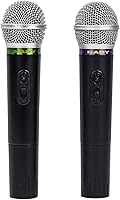
  • Low-Battery Alert: An LED indicator on each microphone flashes once to confirm the unit is powered on, and lights steady to signal a low-battery condition.
  • Connector Type: The receiver outputs audio via a standard plug-in connector, compatible with amplifiers, speakers, and home theater systems.
  • Power Source: The receiver unit is powered by the included AC adapter, while each handheld microphone is independently battery powered.
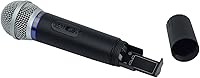
  • Included Contents: The package includes two handheld wireless microphones, one receiver, one AC power adapter, and one audio cable.
  • Dimensions: The receiver unit measures 7 x 13.5 x 4.5 inches, making it compact enough for shelf or tabletop placement.
  • Weight: The total system weight is 2.38 pounds, keeping the overall kit lightweight and easy to transport or reposition.
  • Compatible Devices: Designed for use with amplifiers, passive and powered speakers, and home theater receiver systems with an available auxiliary input.
  • On/Off Control: Each handheld microphone features an individual on/off switch for independent control during single or dual-mic use.
  • Color: The receiver and both handheld microphones are finished in black.

Related Reviews

Nady U-2100 Dual UHF Wireless Microphone System
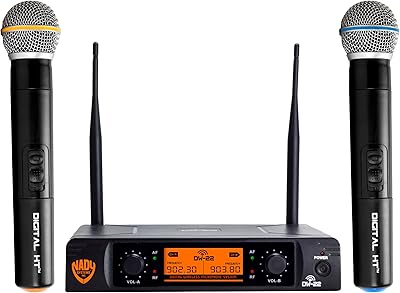
71%
78%
Value for Money
61%
Audio Quality
74%
Wireless Range
54%
Build Quality
76%
Setup & Ease of Use
More
Nady DW-22-HT
Nady DW-22-HT
80%
88%
Audio Clarity
82%
Wireless Range
94%
Ease of Setup
91%
Value for Money
78%
Signal Stability
More
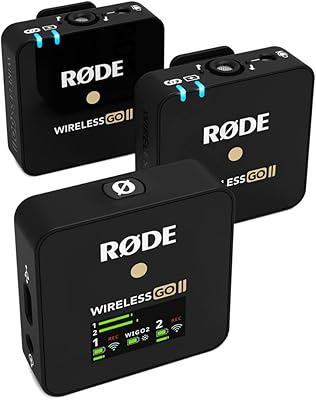
RØDE Wireless GO II
RØDE Wireless GO II
84%
92%
Audio Clarity
86%
Signal Reliability
97%
Internal Backup Recording
94%
Portability & Weight
91%
Setup Speed & Ease of Use
More
Nady U-1100HT 100-Channel UHF Wireless Microphone System
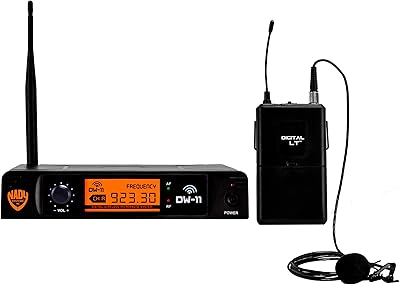
68%
81%
Ease of Setup
61%
Audio Clarity
57%
Operating Range
48%
Build Quality
67%
Value for Money
More
Nady DW-11 Digital Wireless Lavalier System
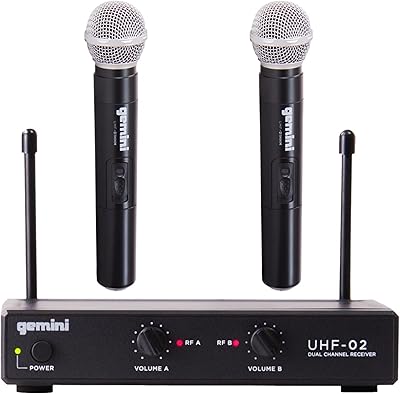
72%
83%
Audio Clarity
91%
Ease of Setup
63%
Wireless Range
58%
Interference Resistance
54%
Build Quality
More
Gemini UHF-02M S12 Dual Wireless Handheld Microphone System
74%
93%
Ease of Setup
71%
Wireless Range
74%
Audio Clarity
62%
Build Quality
88%
Value for Money
More
BOYA BY-XM6-S2
BOYA BY-XM6-S2
87%
93%
Ease of Setup
91%
Visual Interface Quality
86%
Battery Endurance
82%
Wireless Range Stability
94%
Portability & Weight
More
Behringer ULM302MIC Dual-Channel Wireless Microphone System
72%
78%
Value for Money
91%
Ease of Setup
63%
Audio Quality
59%
Wireless Stability
62%
Wireless Range
More
Shure BLX288/B58 Dual-Channel Wireless Microphone System
81%
91%
RF Performance
84%
Audio Quality
88%
Build Quality
82%
Battery Life
86%
Ease of Setup
More
Shure BLX24R/SM58-H11
87%
93%
Vocal Clarity
88%
Signal Stability
94%
Battery Efficiency
91%
Setup Simplicity
89%
Receiver Build Quality
More

FAQ

Both mics can run simultaneously without issue. Each one operates on its own dedicated VHF channel, so they don't step on each other's signal. That's the whole point of the dual-channel setup — two singers, two mics, one receiver, no problem.

Anything with a standard auxiliary or line input will work — a powered speaker, a home theater receiver, a karaoke machine, or even a PA system with the right input. The receiver outputs via a standard plug-in connector, so as long as your speaker has a matching input jack, you're set. No special equipment required.

It's genuinely straightforward. Plug the receiver into your speaker or amplifier using the included audio cable, connect the AC adapter to power the receiver, drop a 9V battery into each microphone, switch them on, and you're live. There's no frequency scanning, pairing sequence, or menu to navigate — it just works.

Based on consistent user reports, yes — the 15-hour rating is fairly accurate under normal use. Using quality alkaline 9V batteries helps, and the low-battery LED will give you a heads-up before things cut out, which is genuinely useful mid-performance.

This is worth thinking about honestly. VHF systems are more exposed to interference than UHF alternatives, and dense wireless environments — like apartment buildings, busy event venues, or areas with lots of WiFi and wireless equipment — can cause occasional dropout. For quiet suburban homes or low-traffic spaces, it's usually fine. In a signal-heavy urban setting, results can be less predictable.

No — the receiver outputs via a wired plug-in connector, so it needs a speaker or amp with a physical audio input jack. Bluetooth speakers typically don't have auxiliary inputs, so they won't work with this system directly. A standard powered speaker or home theater unit with a line-in port is the right match.

They're built from plastic, which keeps the weight down but does mean they're not indestructible. For occasional supervised use at a family gathering or birthday party, they'll hold up fine. If you're expecting them to take regular drops or heavy-handed use from young children, the switches and joints may show wear over time. They're casual-use gear, not rugged performance tools.

No — this system is fixed at two channels and two microphones. The receiver isn't designed to accept additional transmitters, and there's no upgrade path built in. If you think you'll need three or more mics down the line, you'd be better served looking at a UHF system with expandable channel capacity from the start.

No, the 9V batteries are not included in the box. The package comes with the two handheld mics, the receiver, an AC adapter for the receiver, and an audio cable. You'll want to pick up two 9V alkaline batteries before your first use.

For a small room — a chapel, a classroom, a community hall — this VHF microphone kit is a reasonable fit. The 150-foot range covers most small venues comfortably, and the unidirectional cartridge helps keep feedback under control when used with a modest speaker setup. Just keep expectations in check on audio clarity; it's clean enough for speech and casual singing, but it's not going to sound like a professional AV installation.