Overview

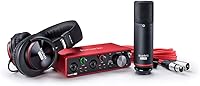
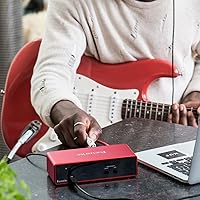
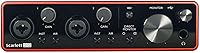
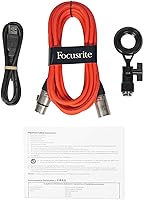
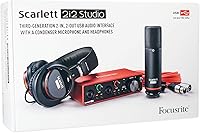
The Focusrite Scarlett 2i2 Studio 3rd Gen Bundle is one of the most straightforward ways to build a capable home recording setup without hunting down compatible components. Focusrite has spent years earning trust in the prosumer audio world, and this third-generation update reflects that experience with real, hardware-level improvements rather than cosmetic tweaks. The interface runs entirely off USB bus power, so there's no wall adapter cluttering your desk — a genuine convenience for laptop-based sessions. The standout addition is Air mode, a preamp circuit that adds a subtle top-end shimmer inspired by Focusrite's vintage ISA console transformers. That said, this recording bundle is designed for songwriters and podcasters, not as a substitute for dedicated studio outboard gear.

Features & Benefits

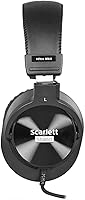
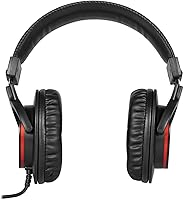
Where the Scarlett 2i2 Studio kit earns its keep is in the details. Flipping on Air mode — available on both preamps — brings a noticeable brightness to vocals that would otherwise require reaching for a plugin. The converters support 24-bit/192kHz resolution, which matters in practice when you need clean headroom for editing and mixing later. Both inputs detect hi-Z signals automatically, so plugging in a guitar directly sounds natural without any tone-sucking conversion. The included CM25 MkIII condenser handles cardioid vocal recordings competently, and the HP60 MkIII headphones block enough external noise to make tracking practical. Independent level controls for headphone and monitor outputs mean you can adjust monitoring on the fly without touching your DAW.

Best For

This songwriter starter setup makes the most sense for a specific type of buyer. Solo songwriters who want to track a vocal and an instrument at once without buying outboard gear will find this hits the right balance of capability and simplicity. Podcasters and voice-over artists benefit from the low-noise preamps and the cardioid mic included in the box. If you're upgrading from a direct USB microphone, the learning curve here is shallow — and the two inputs give you room to grow as your setup expands. For those who'd rather not piece together a compatible mic, interface, and headphones separately, buying as a bundle saves time and usually money compared to sourcing equivalent components individually.

User Feedback

Across tens of thousands of ratings, the pattern in buyer feedback is fairly consistent. Most first-time interface users praise the driver stability and the guided setup experience, which removes most of the confusion that typically comes with audio hardware. Air mode gets called out frequently as adding real character to vocal recordings without needing extra processing. Where opinions diverge is on the bundled accessories: the CM25 microphone generally earns respect, but the HP60 headphones are considered functional rather than impressive — high-impedance headphone users in particular find the output volume ceiling limiting. A handful of buyers mention connectivity issues through certain USB-C hubs, though plugging directly into a computer port resolves it. Long-term owners consistently mention the build quality as a reason they'd buy again.

Pros

  • Air mode adds genuine top-end presence to vocal recordings without reaching for an EQ plugin.
  • Driver stability is reliably consistent across Mac and Windows, with minimal setup friction for first-time users.
  • USB bus power means you can record anywhere a laptop goes — no power brick required.
  • Hi-Z instrument detection on both inputs preserves guitar tone without needing a separate direct injection box.
  • The Scarlett 2i2 Studio kit bundles a compatible mic, interface, and headphones, cutting out the guesswork of sourcing components separately.
  • Converters deliver resolution well beyond podcast or streaming needs, giving post-production genuine headroom to work with.
  • The aluminum chassis earns consistent long-term praise from owners who use it daily over many years.
  • 48V phantom power supports a wide range of condenser microphones, including better models purchased as future upgrades.
  • Independent headphone and monitor level controls allow real-time monitoring adjustments without pausing or touching your DAW.
  • The CM25 MkIII condenser performs competently for its tier, especially on close-range vocal and acoustic instrument recordings.

Cons

  • The HP60 headphones feel entry-level compared to standalone monitoring headphones available at a similar standalone price.
  • Two inputs is a hard ceiling — sessions requiring three or more simultaneous sources will need a different interface entirely.
  • Certain USB-C hubs cause intermittent connection instability; a direct laptop port connection is almost always the safer choice.
  • The headphone output volume ceiling is lower than expected, particularly when used with high-impedance professional headphones.
  • The bundled microphone and headphones are starter-grade — plan to budget for upgrades if audio quality becomes a growing priority.
  • No MIDI I/O means hardware synthesizers and drum machines require a separate adapter to connect to this setup.
  • There is no hardware mute button or talkback function, which podcasters managing remote interviews may find genuinely limiting.
  • Latency can increase on older or underpowered computers if buffer settings are not manually adjusted in your DAW.

Ratings

The Focusrite Scarlett 2i2 Studio 3rd Gen Bundle has been scored across fourteen performance categories by our AI system, which analyzed tens of thousands of verified buyer reviews worldwide — actively filtering out spam, incentivized responses, and bot-generated content. Scores reflect the complete range of real user experience, from the aspects this recording bundle consistently earns strong praise for, to the genuine pain points that surface across long-term ownership. Both the strengths and the trade-offs are represented transparently so you can make a fully informed buying decision.

Build Quality
91%
The aluminum chassis feels noticeably solid for a product at this price tier — nothing flexes, creaks, or rattles during daily desk use. Long-term owners regularly mention construction quality in reviews even after several years of regular sessions, which is a strong signal that the hardware holds up in real-world conditions.
The gain knobs, while smooth to turn, have a slightly loose feel that some users find inconsistent with the otherwise premium chassis. The included headphones and microphone use lighter plastics that contrast noticeably with the metal interface body, which can affect the overall perceived quality of the bundle.
Preamp Quality
88%
Both preamps are genuinely clean and low-noise for the price range, and the Air mode toggle adds a tangible high-frequency presence that helps vocals cut through without reaching for an equalizer plugin. For acoustic guitar tracking and close-range voice recording, the results are consistently well above what most buyers expect from an entry-level interface.
Experienced engineers coming from higher-end preamp stages will notice the headroom limits faster, especially on quieter dynamic microphones that require significant gain. Air mode, while useful, is a single switched preset rather than a continuously variable tone control, which limits how precisely you can tailor its character to a specific source.
Ease of Setup
93%
The Easy Start onboarding tool is one of the most consistently praised aspects across verified reviews — it walks first-time interface users through driver installation, DAW selection, and basic routing without requiring any prior audio engineering knowledge. Most buyers report being fully set up and recording within fifteen to twenty minutes of opening the box.
Windows users occasionally need to manually adjust ASIO buffer settings to achieve consistently low latency, which adds a small but real learning curve for those who have never worked with audio drivers before. A minority of users on older Windows versions also report needing to update their operating system before the drivers install without errors.
Driver Stability
86%
Across a large pool of verified reviews, driver stability stands out as one of the most reliably positive aspects of the Scarlett 2i2 Studio kit — crashes, drop-outs, and recognition failures are rare compared to competing interfaces in the same price bracket. Both Mac and Windows users report consistent performance across extended recording and streaming sessions.
A small but recurring pattern in reviews involves instability when the interface is routed through USB-C hubs or multi-port docks rather than a direct computer port connection. Updating to the latest Focusrite Control software resolves most edge-case conflicts, but it adds a minor maintenance expectation that casual users might not anticipate.
Value for Money
83%
Compared to sourcing a compatible condenser microphone, audio interface, and monitoring headphones separately, the recording bundle typically represents meaningful overall savings — especially for buyers who have no existing studio gear and would need to research component compatibility on their own. The included software bundle adds further practical value for anyone who does not yet own a DAW.
Buyers who already own a condenser mic or decent monitoring headphones will find the bundle pricing less compelling, since they are effectively paying for accessories they do not need. The HP60 headphones feel underwhelming relative to the overall bundle cost, and experienced users may prefer to invest separately in a higher-quality monitoring pair.
Audio Conversion Quality
87%
Recording at 24-bit/192kHz gives genuine post-production headroom that makes editing, mixing, and mastering noticeably more forgiving — artifacts from aggressive EQ or compression adjustments are significantly reduced compared to lower-resolution capture. For a vocalist tracking demos or a podcaster producing broadcast-quality content, the converters handle the task with clear margin to spare.
At the highest sample rates, some users on older machines report that CPU load increases to a point where real-time plugin monitoring becomes unreliable, requiring them to record at lower settings instead. The converter quality, while genuinely strong for the price tier, still falls short of what dedicated higher-end interfaces provide for critical mastering or professional post-production applications.
Bundled Microphone
74%
26%
The CM25 MkIII performs well above what most buyers expect from a bundled microphone — cardioid vocal recordings come through with a natural, balanced character that holds up across podcasts, demo sessions, and voice-over work. It accepts 48V phantom power reliably and handles close-range sources without obvious proximity harshness or sibilance problems.
Compared to dedicated studio condensers purchased individually at a similar price point, the CM25 MkIII lacks the clarity and fine detail resolution that more demanding recording applications require. Users who move beyond demo-quality work often report outgrowing it within a year and budgeting for a dedicated replacement condenser microphone.
Bundled Headphones
61%
39%
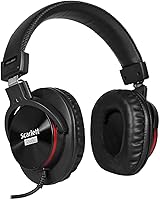
The HP60 MkIII closed-back design does what it needs to do for basic tracking — it blocks enough ambient noise to prevent microphone bleed during a vocal take and covers the frequency range needed to evaluate a rough mix. For complete beginners, having headphones included at all removes one significant line item from the initial setup cost.
The HP60 headphones are the weakest component in the bundle by a considerable margin; multiple verified reviews describe them as feeling flimsy and sounding thin compared to even modestly priced standalone monitoring headphones. The headphone output also has a limited maximum volume ceiling, which compounds the problem for anyone accustomed to fuller monitoring levels.
Headphone Output Power
58%
42%
For most users running standard consumer or prosumer headphones in the 32 to 80 ohm impedance range, the headphone output delivers adequate volume for comfortable tracking reference and playback monitoring without distortion. The dedicated independent level knob allows fast, precise adjustments during a live session without touching the computer or DAW.
The output ceiling becomes a genuine issue with high-impedance headphones above 150 ohms, where the maximum output consistently falls short of what users need for accurate and comfortable monitoring at reasonable listening levels. This is the single most-cited hardware limitation across verified buyer feedback, suggesting it affects a meaningful portion of the intended audience.
Portability
89%
USB bus power is a practical advantage that simplifies mobile recording significantly — there is no power adapter to forget or misplace, and the compact aluminum body fits comfortably alongside a laptop in a standard carrying bag. Songwriters who move between home setups, rehearsal rooms, and studio sessions particularly appreciate the reduction in logistical friction.
The interface itself travels well, but the included condenser microphone and closed-back headphones add meaningful bulk when bringing the full bundle on location. The USB-C cable supplied with the unit is also relatively short, which can be inconvenient when desk or table layouts place the computer further from the interface than expected.
Direct Monitoring
84%
Hardware direct monitoring works exactly as intended — routing the input signal back through headphones with effectively no perceptible delay makes singing or playing in time with a backing track genuinely comfortable. Vocalists and guitarists who have previously struggled with latency-related timing drift find this a meaningful practical improvement over software-only monitoring.
The monitoring blend does not offer separate pan controls for individual inputs, which means tracking two sources simultaneously results in a mono-summed monitor signal that some users find disorienting during stereo sessions. There is also no dedicated hardware blend knob for adjusting the ratio between direct input and DAW playback at the physical unit level.
Input Flexibility
79%
21%
Two combo inputs with automatic hi-Z detection cover the most common solo recording scenarios without any additional gear — a vocalist can connect a condenser mic on one channel and a guitar directly on the other, tracking both simultaneously without adjusting a single software setting. This configuration handles the majority of real use-cases for the intended buyer profile.
Two inputs is a hard ceiling, and anyone needing to record more than two sources simultaneously — a stereo microphone pair alongside a direct instrument feed, for example — will immediately run into limitations. There is also no MIDI connectivity onboard, meaning hardware synthesizers and drum machines require a separate MIDI-to-USB adapter to integrate into a session.
Air Mode Feature
82%
18%
Air mode is the kind of hardware feature that consistently generates genuine enthusiasm in user reviews — switching it on during vocal takes adds a clarity and presence that previously required dedicated outboard gear or significant plugin processing after the fact. For acoustic guitar and spoken-word recording, it can make a clean-sounding source feel noticeably more open and alive.
Air mode is a binary on-off switch rather than a variable control, so there is no way to apply it partially or blend it with the dry signal at the hardware level. On already bright or harsh-sounding sources, it can push vocals toward sibilance or add an unnatural edge, so it is not a universally applicable setting for every recording situation.
Long-Term Reliability
92%
Long-term ownership reviews paint a consistently positive picture of the Scarlett 2i2 Studio kit's durability — buyers who purchased earlier generations report hardware still functioning correctly after three to five years of regular desk use. The aluminum body resists the denting and warping that plastic audio interfaces commonly show within the first year of regular handling.
Some long-term users note that gain potentiometers can develop a faint crackle after several years of daily use, typically requiring cleaning with contact spray rather than a full hardware replacement. Focusrite driver updates have occasionally dropped support for older operating system versions, creating unexpected compatibility friction for users who do not update their OS regularly.

Suitable for:

The Focusrite Scarlett 2i2 Studio 3rd Gen Bundle is purpose-built for the solo creator who wants to start recording without spending weeks researching compatible gear. Songwriters who need to capture a vocal and an acoustic guitar in a single session — without buying a separate DI box or hunting for a compatible condenser mic — will find everything they need in one box. Podcasters and voice-over artists land squarely in the sweet spot: the preamps are clean and quiet enough for speech-focused content, and the included microphone handles close-range vocal recording without fuss. Beginners upgrading from a plug-and-play USB microphone will appreciate the guided onboarding and stable, low-latency drivers that work reliably across Mac and Windows. If your goal is to lay down demos, produce a podcast, or stream with noticeably better audio than a headset mic delivers, this recording bundle covers the essentials without demanding technical expertise upfront.

Not suitable for:

The Focusrite Scarlett 2i2 Studio 3rd Gen Bundle is not the right call for buyers whose needs have already outgrown a two-input setup. Producers who regularly track a full band, record multiple instruments simultaneously, or need more than two preamp channels will hit the ceiling of this interface quickly and should look at four- or eight-channel alternatives instead. Audiophiles running high-impedance, studio-grade headphones will also find the headphone output lacking in drive — the volume ceiling falls short of what demanding cans typically require. The bundled HP60 headphones, while functional, are unlikely to satisfy anyone with experience using professional-grade closed-backs, and the CM25 microphone faces the same tempered expectations when compared against dedicated studio condensers at a higher price tier. Anyone relying on a USB-C dock or hub for connectivity should also be aware that direct port connection is strongly recommended, as certain hubs introduce intermittent stability issues.

Specifications

  • Connectivity: Connects to computers and mobile devices via USB-C using the USB 2.0 protocol, with no external power adapter required.
  • Audio Resolution: AD/DA converters support up to 24-bit/192kHz recording and playback, providing resolution well beyond the requirements of podcasting or standard streaming.
  • Inputs: Features two combo XLR/TRS inputs with automatic hi-Z instrument detection on both channels, allowing microphones and instruments to connect directly without a DI box.
  • Preamps: Two onboard mic preamps each include a switchable Air mode circuit inspired by the high-frequency character of classic ISA transformer-based console designs.
  • Phantom Power: Supplies 48V phantom power to support condenser microphones, including the bundled CM25 MkIII and compatible third-party condensers.
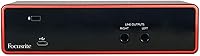
  • Line Outputs: Equipped with two balanced 1/4-inch TRS line outputs for connecting studio monitors or other downstream audio equipment.
  • Headphone Output: Includes one 1/4-inch TRS headphone output with an independent level control, physically separate from the monitor output knob.
  • Direct Monitoring: Hardware direct monitoring routes input signals to the headphone output with near-zero latency, bypassing the DAW processing chain entirely.
  • Simultaneous I/O: Supports 2-in/2-out simultaneous recording and playback, accommodating solo tracking sessions and stereo monitoring setups.
  • Included Mic: Bundled CM25 MkIII is a large-diaphragm condenser microphone with a cardioid polar pattern, designed for vocal and acoustic instrument recording.
  • Included Headphones: Bundled HP60 MkIII are closed-back headphones offering passive noise isolation to minimize audio bleed during live tracking sessions.
  • Power Source: Fully bus-powered over the USB connection, eliminating the need for a wall adapter or external power supply in any recording location.
  • Chassis Material: Interface body is constructed from aluminum alloy, contributing to its durability and compact desktop form factor.
  • Dimensions: The interface unit measures 1.87 x 6.89 x 3.89 inches, compact enough to sit alongside a laptop without occupying significant desk space.
  • Weight: The interface unit weighs 15.9 ounces, light enough to travel comfortably in a laptop bag between recording locations.
  • OS Compatibility: Compatible with Mac OS, Windows, and iOS, and officially supports all major digital audio workstations out of the box.
  • User Rating: Holds a 4.6 out of 5-star average across more than 53,000 ratings on Amazon and ranks first in the Computer Recording Audio Interfaces category.

Related Reviews
Focusrite Scarlett Solo 3rd Gen
87%
92%
Build Quality
89%
Ease of Setup
91%
Vocal Clarity (Air Mode)
94%
Portability
93%
Value for Money
More
Focusrite Scarlett 8i6 3rd Gen USB Audio Interface

80%
88%
Preamp Quality
79%
Air Mode Effectiveness
91%
I/O Flexibility
83%
Driver Stability
81%
Headphone Output Quality
More
Focusrite Scarlett 18i8 3rd Gen USB Audio Interface
81%
83%
Preamp Quality
88%
Build Quality
91%
Audio Fidelity
86%
Driver Stability
79%
Value for Money
More
Focusrite Scarlett 4i4 3rd Gen Audio Interface
79%
91%
Preamp Quality
88%
Air Mode
86%
Build Quality
83%
I/O Versatility
82%
Value for Money
More
Focusrite Scarlett 18i20 3rd Gen Audio Interface
78%
89%
Preamp Quality
93%
I/O Versatility
67%
Driver Stability
74%
Value for Money
84%
Latency Performance
More
Focusrite Scarlett 2i4 2nd Gen Audio Interface
77%
88%
Preamp Quality
83%
Build Quality
86%
Value for Money
91%
Ease of Setup
79%
RCA Output Utility
More
Yoto Player 3rd Gen Kids Audio Player

81%
94%
Ease of Use
97%
Child Safety & Privacy
91%
Battery Life
78%
Content Library & Ecosystem
82%
Audio Quality
More
RØDE VideoMic GO II Helix
86%
91%
Audio Quality
94%
Ease of Use
93%
Versatility & Compatibility
63%
Build Quality & Materials
88%
HELIX Isolation Mount
More
Arccos Golf Caddie Smart Sensors 3rd Gen
87%
94%
Performance Tracking Accuracy
90%
AI-powered Rangefinder
85%
Ease of Use
92%
App Integration
70%
Setup Process
More
Dprofy V3-M 3rd Gen Magnetic Golf Speaker
82%
93%
Magnetic Mounting System
78%
Battery Life
74%
Sound Quality
89%
Waterproofing & Weather Resistance
86%
Bluetooth Connectivity
More

FAQ

On Mac, the interface works plug-and-play without any driver installation at all. On Windows, downloading the official Focusrite drivers gives you the best low-latency performance, and the Easy Start tool walks you through the whole process step by step. Either way, most first-time users are up and recording within about fifteen minutes of opening the box.

Yes, both inputs automatically detect hi-Z instrument signals, so a standard quarter-inch guitar cable plugs straight in without any adapters or extra gear. The circuit adjusts itself to match the impedance of passive pickups, which keeps your tone intact rather than loading it down the way a mic-level input would.

Air mode adds a subtle lift to the high frequencies of your signal, loosely referencing the character of older ISA transformer preamps that many engineers associate with a certain warmth and openness on vocals. It tends to work well on voices and acoustic instruments that can sound slightly flat through a clean, transparent preamp. Whether to use it comes down to taste and source material — try it on a few vocal takes and trust your ears.

It handles vocal and acoustic recording competently, and plenty of podcasters, songwriters, and content creators have used it for finished work. That said, it is genuinely a starter-grade condenser, and if your needs grow toward more critical vocal production, upgrading to a dedicated studio condenser will make a noticeable difference. Think of it as a capable microphone to get you started rather than a long-term permanent fixture.

It does support iOS, but you will need a compatible adapter — USB-C to Lightning for older iPhones, or USB-C to USB-C for newer models. Not every iOS recording app supports external audio interfaces, so confirm that your chosen app uses the Core Audio framework before buying. GarageBand for iOS handles it without issues, as do most dedicated mobile DAWs.

For most consumer and prosumer headphones in the 32 to 80 ohm range, the output level is more than adequate. Where it can fall short is with high-impedance headphones — anything above roughly 150 ohms — where some users find the maximum volume ceiling noticeably lower than ideal. If you plan to use demanding professional cans, it is worth factoring in that limitation before committing to the purchase.

Both inputs work simultaneously, so you can connect two separate microphones and record each person on their own track at the same time. Keep in mind that only one CM25 microphone comes in the box, so you would need a second microphone for the second person. It is a practical setup for interview-style podcasts or co-writing sessions once you have the extra mic.

Connecting directly to a USB port on your computer is strongly recommended. A small but consistent subset of users report intermittent drop-outs or instability when routing through USB-C hubs or docks, and going directly to the machine resolves the issue in nearly every reported case. If your laptop lacks a USB-C port, a simple USB-C to USB-A adapter works reliably — that is a very different situation from passing through a powered hub.

If you are starting completely from scratch, the bundle is generally good value. Sourcing a compatible large-diaphragm condenser microphone, a pair of closed-back monitoring headphones, and the necessary XLR cables individually can easily exceed the bundle price when you add it all up. The main caveat is that the bundled accessories are starter-grade — if you already own a decent condenser and a pair of monitoring headphones, buying the standalone interface instead makes more financial sense.

The Scarlett 2i2 Studio kit is compatible with all major DAWs, including Pro Tools, Ableton Live, Logic Pro, GarageBand, Reaper, FL Studio, and Cubase. Focusrite also bundles a software package with the purchase that typically includes Ableton Live Lite and a selection of plugin licenses, which is a practical starting point for anyone who does not yet own a DAW. Check the Focusrite website for the current software bundle contents, as the included titles are occasionally updated.

Where to Buy