Overview

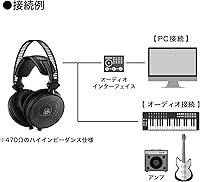
The Audio-Technica ATH-R70x Open-Back Reference Headphones arrived in 2015 as the brand's first dedicated professional open-back design, aimed squarely at mixing engineers and serious listeners who demand accuracy over flattery. These open-back reference headphones sit in a crowded field alongside the Sennheiser HD 600 and Beyerdynamic DT 880, but the featherlight 210-gram build is a genuine differentiator — few studio cans feel this effortless to wear. One critical caveat worth stating early: with a 470-ohm impedance, a dedicated headphone amplifier or audio interface is non-negotiable. Plugging directly into a laptop or phone will leave you with a thin, quiet sound that does the headphones no justice at all.
Features & Benefits

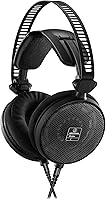
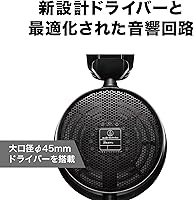
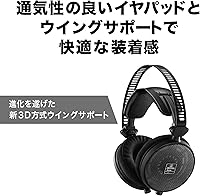
The ATH-R70x runs 45mm dynamic drivers built around high-efficiency magnets and a pure alloy magnetic circuit — a design that keeps distortion low and preserves high-frequency detail without the harshness you sometimes get from cheaper transducers. The aluminum honeycomb-mesh housings are acoustically transparent, which is what gives the ATH-R70x that open, room-like soundstage rather than the closed-in feel of sealed cans. Carbon composite resin reinforces the structure just enough to reduce resonance without adding weight. The dual-sided locking cable is a genuinely clever touch: it is signal-independent on each side, so you can never accidentally plug it in reversed. Pair that with the wing support system and breathable earpads, and you have a headphone built to stay on your head for hours without complaint.

Best For

Audio-Technica's studio headphones are an obvious fit for mixing and mastering engineers who need a neutral, uncolored sound — one that exposes problems in a mix rather than flattering them. Audiophiles who use a dedicated amp setup at home and want to hear recordings as they were intended will find a lot to like here too. Broadcast and podcast professionals working in treated rooms can also benefit from the accurate monitoring. That said, these open-back reference headphones are firmly a stay-at-home tool. There is no noise isolation, so public use is out of the question. If you already own a capable headphone amp, this is a rewarding purchase; if you do not, budget for one alongside it.

User Feedback

Across nearly 900 ratings, the feedback on these open-back reference headphones is mostly positive, with buyers consistently praising the wide, natural soundstage and the tonal honesty that makes them reliable for critical work. Comfort is another recurring highlight — people regularly mention wearing them for three, four, even six hours without fatigue, which says a lot. Criticisms are real but focused: the plastic elements feel out of step with the price compared to the all-metal chassis of some rivals. A few users have noted that the locking cable mechanism can be stiff at first. And predictably, some buyers were caught off guard by the amplifier requirement. Those who came prepared, though, often note that the sound rivals headphones costing considerably more.

Pros

  • Exceptionally neutral sound signature makes these a reliable reference for mixing, mastering, and critical listening.
  • At roughly 210 grams without the cable, the ATH-R70x is among the lightest professional studio headphones available.
  • The open-back aluminum honeycomb housings produce a wide, natural soundstage that closed-back designs rarely match.
  • Breathable fabric earpads and the wing support system allow genuinely comfortable wear over multi-hour sessions.
  • The dual-sided locking cable is signal-independent on each side, so accidental reversed stereo is never a concern.
  • Detachable cable design means a single worn cable does not render the whole headphone unusable.
  • Many owners report a sound signature that competes favorably with open-back headphones at significantly higher price points.
  • Carbon composite resin construction keeps resonance low without adding noticeable weight to the frame.
  • Carrying bag included makes storage and transport between studio sessions practical.
  • A strong ownership track record — nearly 900 ratings averaging 4.4 out of 5 reflects sustained real-world satisfaction.

Cons

  • A dedicated headphone amplifier is required; these will sound thin and quiet driven directly from a phone or laptop.
  • Plastic elements on the chassis feel inconsistent with the price when compared to all-metal competitors like the Beyerdynamic DT 880.
  • Open-back design means zero noise isolation — completely unsuitable for shared offices, commutes, or any noisy environment.
  • The locking cable mechanism can be stiff and require noticeable effort to connect or disconnect, especially when new.
  • 470-ohm impedance adds an unavoidable extra cost to the setup for buyers who do not already own a capable amp.
  • No in-line microphone or remote control, so these are purely a listening tool with no communication functionality.
  • Sound signature may feel dry or clinical to listeners accustomed to consumer headphones with boosted bass or treble.
  • The open design causes significant sound leakage outward, which can disturb others in quiet shared spaces.

Ratings

The Audio-Technica ATH-R70x Open-Back Reference Headphones have been scored by our AI system after analyzing verified buyer reviews from global markets, with spam, bot-generated, and incentivized submissions actively filtered out before any score was calculated. The ratings below reflect the honest consensus of real-world owners — engineers, audiophiles, and working professionals — and do not shy away from the genuine trade-offs these open-back reference headphones carry alongside their strengths.

Sound Accuracy
93%
Owners consistently describe the sound as honest and uncolored, which is exactly what mixing and mastering engineers need when making critical decisions. The wide, open soundstage allows individual instruments and frequencies to sit clearly in their own space, and reviewers frequently note that flaws in a mix that were masked by other headphones become immediately audible here.
The same neutrality that makes the ATH-R70x so valuable in a studio context can feel dry or underwhelming to listeners raised on consumer headphones with boosted bass or presence peaks. There is essentially no tonal warmth to fall back on, which takes some adjustment if reference-grade monitoring is new to you.
Comfort & Wearability
91%
The wing support system earns genuine praise across hundreds of reviews, with many users reporting that they wore these for five or six hours in a single session without noticeable fatigue or pressure points. The breathable fabric earpads also contribute meaningfully — there is far less heat buildup compared to pleather alternatives, which makes a real difference during long recording or editing days.
A small number of users with narrower heads found the wing fit slightly loose rather than naturally snug, requiring minor adjustments during active movement. The fabric earpads, while breathable, can show wear faster than synthetic leather alternatives and may need eventual replacement.
Build Quality
67%
33%
The aluminum honeycomb-mesh housings feel genuinely solid and serve a real acoustic purpose, and the overall frame has held up well for most long-term owners who use them in a professional studio context day to day. The carbon composite resin sections contribute to structural rigidity without adding meaningful weight.
The plastic used in parts of the headband and adjustment mechanism is the most consistent source of criticism at this price point — it simply does not inspire the same confidence as all-metal competitors like the Beyerdynamic DT 880 when you first pick them up. A handful of reviewers noted creaking in the headband area after extended ownership, which reinforces the perception gap between sonic performance and physical construction.
Value for Money
82%
18%
For buyers who already own a capable amplifier, the ATH-R70x delivers a sound quality that many reviewers directly compare to headphones costing significantly more — an observation that appears repeatedly from both audiophiles and working engineers. The detachable cable system also adds long-term value, since a damaged cable is a cheap fix rather than a reason to replace the entire unit.
The effective entry cost is higher than the headphone price alone, since a quality headphone amplifier is a genuine requirement and not an optional upgrade. For buyers starting from scratch, the total investment to hear these at their best can feel steep relative to competitors that are easier to drive.
Amplifier Dependency
58%
42%
Buyers who arrived prepared with a proper amp or audio interface report a fully satisfying experience with no caveats. The 470-ohm design is a deliberate professional-grade choice that rewards the right setup with clean, low-noise amplification.
This is the single most common source of buyer frustration in the review pool — many purchasers did not realize a dedicated amplifier was non-negotiable until after the purchase, and the resulting sound from an unamplified source is thin and quiet enough to feel like a defective product. It is a legitimate barrier that catches a meaningful portion of buyers off guard.
Soundstage
92%
The acoustically transparent open-back design creates one of the more convincing three-dimensional listening fields in this price range, giving instruments and vocals a sense of space and air that closed-back headphones simply cannot replicate. Studio professionals frequently cite this quality as the primary reason they chose these over sealed alternatives.
The open design that enables this soundstage also means the headphones are completely ineffective for any environment with ambient noise, since external sound bleeds in freely and competes with the audio. This is an inherent trade-off of the format rather than a flaw, but it does hard-limit where and how the headphones can be used.
Cable System
78%
22%
The dual-sided locking cable design is consistently praised for reliability once properly connected, and the L/R signal independence is a practical professional touch that eliminates a surprisingly common source of error when plugging in during a busy session. Cable replacements are also readily available, which owners appreciate.
The locking mechanism requires noticeable force to engage and disengage — especially when the cable is new — and a few reviewers described it as fiddly in practice during fast workflow situations. It is a minor but recurring complaint that suggests the mechanism could benefit from a smoother tolerance.
Weight & Portability
86%
At roughly 210 grams without the cable, the ATH-R70x sits among the lightest professional studio headphones on the market, and this genuinely matters during all-day use in a recording or editing environment. Owners who have switched from heavier studio cans mention the weight difference as immediately noticeable.
Portability beyond studio use is limited not by the weight itself but by the combination of open-back design and high impedance — neither suits casual on-the-go use, so the lightweight build mostly benefits stationary studio or home listening contexts rather than commuting or travel.
Frequency Response Accuracy
89%
High-frequency response is frequently highlighted as a particular strength, with engineers noting that cymbal detail, air in vocal recordings, and upper-range mix elements come through with precision and without the brittle edge that cheaper drivers introduce. Low-end extension is present and accurate rather than exaggerated, which mixing engineers find more reliable.
Bass response is intentionally lean by consumer headphone standards, which occasionally draws criticism from buyers who expected more physical impact from a headphone at this price. This is a reference tuning decision, not a deficiency, but it does not suit listeners who prefer bass-emphasized sound.
Noise Isolation
12%
88%
The open-back design is transparent in both directions by intention, which is the correct choice for professional monitoring in treated studio environments where accurate, uncolored listening is the priority.
There is effectively no passive noise isolation in either direction — external sounds enter freely, and your audio leaks out at moderate volumes, which makes these entirely unsuitable for open offices, commutes, libraries, or any environment where ambient noise is present or audio leakage would disturb others.
Driver Performance
91%
The 45mm dynamic drivers with high-efficiency magnets handle transient response particularly well, which translates to crisp attack on percussion and clean leading edges on plucked string instruments. Reviewers who compared these directly against planar magnetic headphones in a similar price range noted that the dynamic drivers held their own on precision and detail retrieval.
Dynamic drivers at this impedance level do occasionally show limitations compared to higher-end planar magnetic designs when resolving very fine micro-detail in dense, complex mixes — a point raised by a smaller but technically informed segment of the reviewer base. For most professional applications, this is not a meaningful limitation.
Long-Term Durability
74%
26%
The majority of long-term owners — including those who purchased near the 2015 launch — report the drivers and acoustic components remaining stable and consistent after years of regular studio use. The detachable cable design has extended practical lifespan considerably for many owners.
The plastic headband sections have drawn durability concerns from a subset of owners, particularly around the adjustment sliders showing wear over time. Earpad replacement is eventually necessary, and while replacements are available, sourcing official pads can require some effort depending on region.
Ease of Setup
55%
45%
For buyers who already have an audio interface or dedicated headphone amplifier in their setup, getting started is straightforward — connect the locking cable and you are ready. The clear L/R labeling removes any ambiguity during setup.
For buyers coming from consumer headphones with no existing amplification, the setup curve is steep and adds cost. The 470-ohm impedance means this is not a headphone you can test out of the box with typical household devices, which creates a frustrating first impression for unprepared buyers.

Suitable for:

The Audio-Technica ATH-R70x Open-Back Reference Headphones are best suited to anyone whose primary goal is hearing audio with honesty rather than flattery. Studio mixing and mastering engineers will immediately appreciate the neutral, uncolored sound signature that exposes mix problems instead of hiding them — a quality that pays off in professional results. Dedicated audiophiles who listen critically at home, particularly those who already own a headphone amplifier or audio interface, will find the wide, natural soundstage genuinely rewarding over long sessions. Broadcast professionals and podcast producers working in acoustically treated spaces can also use these confidently for reference monitoring. Perhaps most importantly, the extraordinary lightweight build makes them a practical all-day tool, which is not something you can say about most headphones in this performance tier.
Not suitable for:

The Audio-Technica ATH-R70x Open-Back Reference Headphones are a poor match for buyers who expect a plug-and-play experience straight from a phone or laptop — the 470-ohm impedance simply demands a proper amplifier, and skipping that step means you will never hear what these are actually capable of. Commuters and anyone needing passive noise isolation should look elsewhere entirely; the open-back design lets in ambient sound by design, making noisy environments a frustrating experience for both the listener and everyone nearby. Buyers who weigh build quality by the feel of materials in hand may be disappointed, since portions of the chassis use plastic that feels less premium than all-metal rivals at comparable prices. Those chasing bass-heavy or V-shaped sound signatures — common in consumer-oriented headphones — will find the flat, reference tuning underwhelming if they are not used to monitoring-style audio. This is a specialist tool, not a general-purpose everyday headphone.
Specifications

  • Driver Size: Each ear cup houses a 45mm dynamic driver designed for accurate, full-range audio reproduction.
  • Impedance: The headphones operate at 470 ohms, which requires a dedicated headphone amplifier or audio interface to reach adequate listening volumes.
  • Weight: The headphone chassis weighs approximately 210g without the cable attached, making it one of the lightest options in the professional studio segment.
  • Ear Placement: Over-ear design with earcups that fully encircle the ear rather than resting on it.
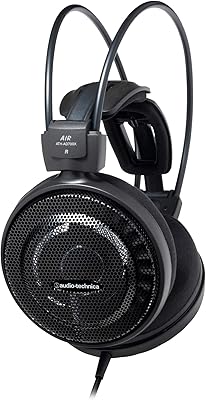
  • Design Type: Open-back configuration using acoustically transparent aluminum honeycomb-mesh housings that allow air and sound to pass freely.
  • Cable Type: Dual-sided detachable locking cable that is L/R signal independent on each side, eliminating the risk of reversed stereo orientation.
  • Housing Material: Earcup housings are constructed from acoustically transparent aluminum honeycomb mesh for minimal sound coloration.
  • Body Material: The headband and structural frame combine carbon composite resin and plastic components to balance rigidity with low overall weight.
  • Earpad Material: Breathable fabric earpads are used in place of leather or pleather to reduce heat buildup during extended wear.
  • Connectivity: Wired connection only; no Bluetooth, wireless, or NFC audio transmission is supported.
  • Jack Type: Standard wired connection via the included dual-sided locking cable, compatible with headphone amplifiers and audio interfaces.
  • Dimensions: The packaged unit measures approximately 4.9 x 10.2 x 12.8 inches, suitable for standard studio shelving or carry bag storage.
  • Item Weight: Total shipping weight including cable and carrying bag is approximately 7.4 oz (0.21 kg).
  • Included Accessories: A soft carrying bag is included in the box for basic storage and transport protection.
  • Color: Available in a single colorway: matte black across the headband, earcups, and cable.
  • Compatibility: Designed for use with headphone amplifiers, audio interfaces, and professional studio equipment; not optimized for direct connection to smartphones or laptops.
  • First Available: The ATH-R70x was first made available for purchase in January 2015 as Audio-Technica's inaugural professional open-back reference headphone.
  • Water Resistance: These headphones carry no water resistance rating and should be kept away from moisture and liquids at all times.
  • Manufacturer: Designed and manufactured by Audio-Technica U.S., a brand with a long-standing presence in professional audio and studio monitoring equipment.
  • Sales Rank: Currently ranked #1,398 in Over-Ear Headphones on Amazon, reflecting consistent long-term demand since its 2015 launch.

Related Reviews
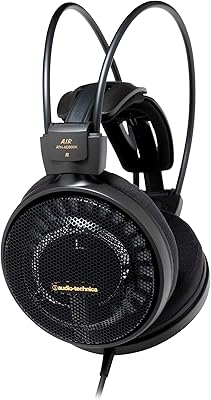
Audio-Technica ATH-AD900X Open-Back Headphones
76%
93%
Soundstage Width
91%
Midrange Clarity
92%
Wearing Comfort
61%
Bass Response
88%
High Frequency Detail
More
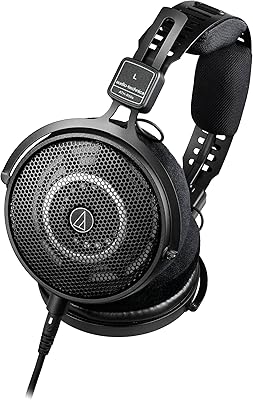
Audio-Technica ATH-R50X
76%
91%
Sound Quality
88%
Soundstage & Imaging
86%
Comfort & Wearability
67%
Build Quality
83%
Cable & Connectivity
More
Audio-Technica ATH-AD700X
73%
93%
Soundstage & Imaging
89%
Treble & Midrange Clarity
61%
Bass Response
84%
Comfort Over Long Sessions
78%
Build Quality & Durability
More
Audio-Technica ATH-AD500X Open-Air Headphones
72%
91%
Soundstage & Imaging
88%
Vocal Clarity
61%
Bass Response
93%
Wearing Comfort
74%
Build Quality
More
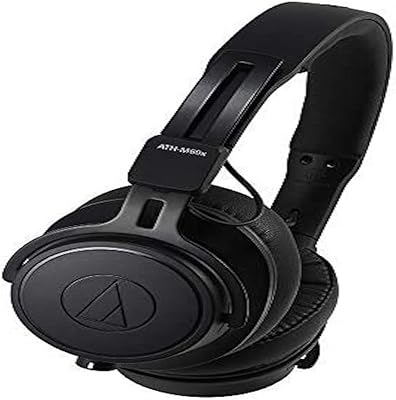
Audio-Technica ATH-M60x
87%
93%
Audio Clarity
94%
Build Durability
88%
Portability
67%
Initial Comfort
79%
Passive Noise Isolation
More
Audio-Technica ATH-M20x
82%
88%
Audio Accuracy
84%
Passive Sound Isolation
94%
Value for Money
81%
Long-Session Comfort
87%
Studio Build Durability
More
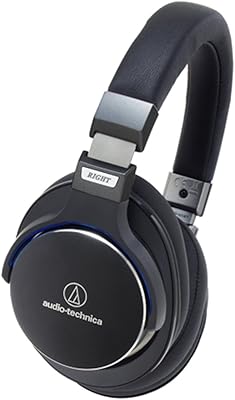
Audio-Technica ATH-MSR7b Over-Ear Headphones
80%
89%
Sound Quality
64%
Bass Response
93%
Midrange Clarity
87%
Treble & Detail
86%
Soundstage & Imaging
More
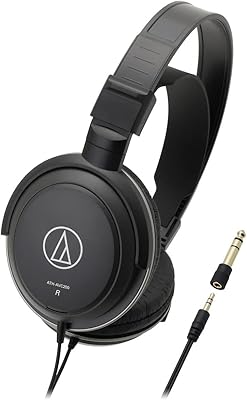
Audio-Technica ATH-AVC200
74%
88%
Value for Money
84%
Comfort & Fit
76%
Sound Quality
61%
Build Quality
73%
Passive Noise Isolation
More
Audio-Technica ATH-CLR100iS In-Ear Headphones
74%
83%
Sound Quality
91%
Value for Money
77%
Comfort & Fit
61%
Build Quality
68%
Microphone Quality
More
Audio-Technica ATH-MSR7BK Over-Ear Headphones
79%
88%
Sound Quality
91%
Build Quality
74%
Comfort & Fit
93%
Cable System
67%
Passive Isolation
More

FAQ

It is genuinely necessary, not a marketing exaggeration. At 470 ohms, the ATH-R70x draws far more power than a phone or laptop headphone jack can cleanly deliver. Without a proper amp, you will get low volume and a thin, lifeless sound that does not reflect what these headphones are actually capable of. A quality audio interface or dedicated headphone amplifier is a real prerequisite for this purchase.

Both are well-regarded neutral reference headphones in a similar price range, and the comparison is common for good reason. The HD 600 is slightly easier to drive at 300 ohms, while the ATH-R70x at 470 ohms needs a more capable amp. Soundstage character differs too — many listeners find the ATH-R70x slightly wider and airier, while the HD 600 is often described as slightly warmer. Neither is objectively better; it largely comes down to personal preference and your existing gear.

You absolutely can use them for casual listening, and many audiophiles do exactly that at home. The honest sound signature means music sounds accurate rather than exciting in a hyped way, which some people love and others find too clinical. If you are accustomed to consumer headphones with boosted bass, the flat tuning will take some adjustment. With a good amp and the right music, they can be genuinely pleasurable for everyday listening.

Comfort is one of the most consistently praised aspects of the ATH-R70x, and the 210-gram weight is a big reason for that. The wing support system distributes the load across the top of the head rather than clamping down on the sides, and the breathable fabric earpads avoid the heat buildup you often get with leather or pleather. Most users report being able to wear them for several hours without significant fatigue.

Yes, and this is a genuinely useful design feature. The dual-sided locking cable connects securely to both earcups, and if the cable wears out or gets damaged, you can replace just the cable rather than the entire headphone. Replacement cables are available from Audio-Technica and third-party suppliers, which keeps long-term ownership costs reasonable.

Yes, significantly. Open-back headphones are designed to let air and sound pass through the housings, and that works in both directions. At moderate to high volumes, people sitting nearby will hear your audio clearly. This makes them a poor choice for offices, libraries, or any shared space where you need to be considerate of others.

This is a fair observation and a real trade-off worth acknowledging. The ATH-R70x does use plastic in parts of the headband and frame, and it does not feel as premium in the hand as all-metal competitors. That said, the plastic construction contributes directly to the remarkably low weight, which is arguably a better engineering choice for long-session professional use. The build feels durable enough for studio conditions, just not particularly luxurious.

They can work for gaming if you value accurate positional audio over booming bass and dramatic sound effects. The open-back design creates a natural spatial quality that some gamers prefer for competitive play. However, the requirement for a separate amplifier adds complexity and cost compared to gaming headsets with built-in USB DACs. If you already have the amp setup, they are worth trying; if you are starting from scratch just for gaming, a dedicated gaming headset is probably a more practical choice.

The specifics depend on your budget and use case, but the general advice is to look for a headphone amplifier capable of comfortably driving 470-ohm loads with clean output power. Audio interfaces like those from Focusrite or Universal Audio work well for studio use and double as recording tools. For home listening, a dedicated DAC-amp from brands like Schiit, iFi, or JDS Labs in the appropriate tier pairs well. Avoid anything marketed purely as a portable or low-power device.

This is a debated topic in the audio community, and Audio-Technica does not officially specify a burn-in requirement. Some owners report that the sound feels slightly more open and settled after extended use in the first week or two, while others notice no difference at all. It is unlikely to cause any harm to play them regularly from the start, so there is no need to run a special burn-in process — just use them normally and they will perform as designed.

Where to Buy