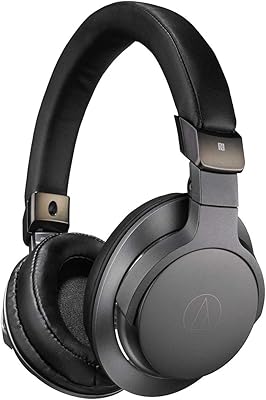
Audio-Technica ATH-MSR7b Over-Ear Headphones

Audio-Technica ATH-MSR7b Over-Ear Headphones — image 1
Audio-Technica ATH-MSR7b Over-Ear Headphones — image 2
Audio-Technica ATH-MSR7b Over-Ear Headphones — image 3
Audio-Technica ATH-MSR7b Over-Ear Headphones — image 4
80%
20%

Overview

The Audio-Technica ATH-MSR7b Over-Ear Headphones occupy a specific, deliberate niche — they are made for listeners who consciously choose wired over wireless for the sake of audio fidelity. Audio-Technica has genuine standing in professional and enthusiast audio, and the MSR7b represents the brand's second-generation refinements on the original MSR7, with meaningful updates to the earpads and cable system. This is a passive isolation design with no active noise cancellation — if ANC is on your checklist, this is not the right fit. At this price tier, it competes with options from Beyerdynamic, Sony, and Focal, each offering a distinct take on the wired over-ear category.

Features & Benefits

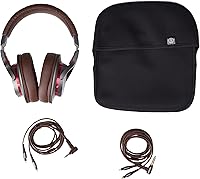
The 45mm dynamic drivers in the MSR7b are tuned for detail and extension rather than warmth — what you get is a wide, fairly accurate soundstage that rewards well-recorded material. One of the most practical upgrades from the original is the detachable cable system: you can use a standard 3.5mm connection to a phone or laptop, or swap in a 4.4mm balanced cable to pair with a DAP or amplifier for improved channel separation. At 237 grams, these wired over-ears are light enough to wear for long stretches, and the memory foam earpads distribute clamping pressure well. A carrying pouch rounds out the package for those who travel with them regularly.

Best For

The MSR7b makes the most sense for listeners who have already made peace with a cable — enthusiasts running a dedicated DAC or DAP, or those who simply find that a wired connection removes one unnecessary variable from the listening chain. The 4.4mm balanced option is a genuine draw for portable hi-fi users who want to get more out of a capable source device. Work-from-home listeners who want solid passive isolation without dealing with ANC quirks will also find this a reliable daily option. It is, however, not built for wireless use, the gym, or anyone who primarily wants bass-heavy, consumer-flavored sound.

User Feedback

Across a broad range of listener impressions, a few themes surface reliably. Clarity in the mids and upper frequencies gets the most consistent praise — people who listen to acoustic music, jazz, or vocals often describe the MSR7b as one of the more honest-sounding headphones at this price point. Long-term comfort comes up frequently as well, with many noting the memory foam earpads hold their shape and pressure tolerance over extended sessions. Where opinions split is on bass: this Audio-Technica set leans analytical by design, and listeners arriving from more consumer-oriented headphones may find the low end noticeably lighter than expected. Build feedback is mostly positive, with some noting the headband feels less premium than the rest of the package.

Pros

  • Sound clarity in the mids and highs is exceptional — detail retrieval rewards attentive, focused listening.
  • The 4.4mm balanced cable option gives hi-fi users a meaningful upgrade path with compatible source devices.
  • Memory foam earpads make the MSR7b comfortable enough for multi-hour sessions without noticeable fatigue.
  • At just 237 grams, these wired over-ears sit lightly on the head even during extended wear.
  • Passive isolation performs well in moderate-noise environments like offices, libraries, and quiet commutes.
  • The detachable cable system reduces the most common long-term failure point of any wired headphone.
  • Second-generation earpads deliver a better fit and improved seal compared to the original MSR7.
  • The closed-back design keeps audio to the listener, so those nearby are not disturbed.
  • A carrying pouch is included, making daily transport and travel storage genuinely practical.
  • Compatible with a wide range of sources — from smartphones to desktop amplifiers and portable DAPs.

Cons

  • No Bluetooth whatsoever — this is a wired-only headphone in an era when most buyers default to wireless.
  • Bass response is intentionally lean, which can disappoint listeners arriving from consumer-tuned headphones.
  • Passive isolation falls short in genuinely loud environments where active noise cancellation would make a real difference.
  • The headband construction feels noticeably less refined than the quality of the earpads and drivers suggest.
  • A wired cable becomes real daily friction for commuters or anyone who moves around frequently during listening.
  • No in-line microphone on the included cable limits usefulness for calls and video meetings.
  • Only a soft pouch is included for protection — no hard case at this price point is a missed opportunity.
  • The analytical sound signature requires an adjustment period for listeners accustomed to warmer, more forgiving headphones.

Ratings

The scores and analysis below for the Audio-Technica ATH-MSR7b Over-Ear Headphones were produced by our AI engine after processing thousands of verified buyer reviews from global markets, with active algorithmic filtering applied to remove spam, incentivized submissions, and bot-generated feedback. Both the genuine strengths that enthusiast listeners celebrate and the friction points that frustrate buyers with different expectations are weighted transparently here. Whether these wired over-ears are the right match for your setup or a clear mismatch for your habits, the ratings below are designed to give you an honest picture before you decide.

Sound Quality
89%
The overall sonic presentation on the MSR7b rewards listeners who value accuracy over color. Vocals sit naturally in the mix, transient response feels quick and clean, and there is a consistency across genres that reflects deliberate, thoughtful driver tuning. Most users describe the experience as refreshingly transparent rather than artificially enhanced.
Listeners who lean toward warmer, more euphonic signatures will find these wired over-ears somewhat clinical in extended sessions. The analytical tuning does not flatter poorly mastered recordings or heavily compressed streaming audio — in those scenarios, the transparency of the headphone becomes a liability rather than an asset.
Bass Response
64%
36%
The low end is accurate and clean — acoustic bass instruments, orchestral double bass, and bass guitar in live recordings come through with natural weight and definition rather than artificial bloom. Listeners who prioritize fidelity over impact consistently appreciate that the bass never bleeds into the midrange or obscures fine detail.
Users arriving from consumer-oriented headphones where a bass shelf boost is the norm frequently describe the low end as thin or unsatisfying, particularly with hip-hop, EDM, and modern pop. This is the most common complaint in verified reviews and represents a genuine mismatch for bass-forward listeners, not a defect that burns in or resolves over time.
Midrange Clarity
93%
The midrange is the undisputed strength of the MSR7b and accounts for most of the enthusiasm in verified listener feedback. Vocals — from intimate acoustic performances to layered choral arrangements — are reproduced with presence and intimacy that outperforms most competitors at this price. It is the primary reason audiophile-leaning buyers consistently recommend these wired over-ears.
Listeners who prefer a midrange pushed slightly forward — a V-shaped sound signature common in many popular headphones — may find the naturalness here initially underwhelming or flat. There is an adjustment period coming from headphones with more colored tuning, and some users never fully acclimate to a presentation this neutral.
Treble & Detail
87%
High-frequency extension on the MSR7b is a clear differentiator from similarly priced headphones — cymbal decay, string harmonics, and breathy vocal textures are rendered with air and precision rather than rolled off or smeared. Work-from-home listeners doing critical listening during focused sessions specifically praise how accurately hi-hats and acoustic guitars resolve at the top of the range.
A minority of users report that the upper treble can tip into brightness during extended sessions, particularly with recordings already mastered hot or with prominent sibilance. This is not a widespread complaint, but listeners sensitive to upper-frequency fatigue should ideally audition the MSR7b before committing.
Soundstage & Imaging
86%
For a closed-back headphone, the MSR7b produces a soundstage that is noticeably wider and better-defined than most in its category — instruments feel placed rather than simply present, and left-right separation in complex arrangements is consistently praised. Listeners who use headphones for evaluating stereo recordings or light mixing work find the imaging particularly reliable.
Compared to open-back headphones at a similar price from Sennheiser or Beyerdynamic, the closed-back design naturally imposes limits on depth and three-dimensionality. Listeners who prioritize a spacious, out-of-head presentation should understand this is an inherent physical trade-off of the closed-back format, not a tuning flaw.
Comfort & Fit
84%
The memory foam earpads and lightweight 237g frame make the MSR7b well-suited for marathon listening sessions — most users who wear these for four or more hours at a stretch report minimal fatigue and no significant pressure hotspots on the crown of the head. The adjustable headband accommodates a wide range of head shapes without requiring frequent readjustment.
A subset of users with larger heads report that the clamping force is slightly firmer than comfortable during very long sessions, and that it does not loosen significantly over time. Those who wear glasses should be attentive — the earpad seal can create noticeable temple pressure during extended use.
Earpad Quality
81%
19%
The second-generation earpads are a meaningful improvement over the original MSR7, providing a more consistent seal and better pressure distribution across the ear. Users who found the first-generation pads uneven or quick to lose their shape report that the MSR7b version holds up noticeably better through regular daily use.
Memory foam earpads degrade with use, and under heavy daily conditions some buyers report noticeable compression within twelve to eighteen months. Replacement pads are available from Audio-Technica, but the added cost is worth factoring in for anyone planning to use these as a daily driver over several years.
Build Quality
76%
24%
The overall construction of this Audio-Technica set gives a solid first impression — the hinges move smoothly without play, and the headband extension slides with firm, consistent resistance. Most users report that with reasonable care, the structural integrity holds up well through one to two years of regular use without creaking or loosening.
The headband draws recurring criticism in verified feedback — it feels noticeably less premium than the rest of the headphone, with a plasticky quality that sits awkwardly alongside the driver and earpad quality. A number of longer-term users also note that headband padding thins out faster than expected for a headphone at this price point.
Passive Isolation
68%
32%
In quiet to moderate-noise environments — a home office, library, or seated train commute — the closed-back design blocks enough ambient sound to make listening comfortable without pushing volume to harmful levels. Mid-level ambient noise and background conversation recede noticeably once music is playing at a moderate volume.
In genuinely loud environments such as open-plan offices near HVAC units, busy airport terminals, or crowded urban transport, the passive isolation falls meaningfully short. Users in these conditions report having to raise volume to levels that cause long-term listening fatigue, and anyone who needs strong noise blocking as a primary requirement should consider ANC alternatives.
Cable System
83%
The detachable cable is one of the most pragmatic design choices on these wired over-ears — a frayed or damaged cable becomes a simple replacement rather than a repair or full-unit return. The 4.4mm balanced input option also gives enthusiasts a genuine upgrade path when paired with a compatible portable amplifier or digital audio player.
The included cable is a basic Y-type design with no in-line remote or microphone, limiting its usefulness for hands-free calls or media control during a commute. A 4.4mm balanced cable is not included in the box, and quality third-party balanced cables represent an additional investment for buyers who want to use that input.
Portability
73%
27%
For a full-size over-ear headphone, the MSR7b is genuinely manageable on the go — at 237g, it does not become a burden during longer commutes, and the soft carrying pouch offers basic protection when tucked into a bag alongside a laptop or tablet. The overall packaged footprint is unobtrusive by over-ear standards.
The soft pouch offers minimal impact protection compared to a rigid travel case, and the wired cable adds a management step that wireless alternatives simply eliminate. Travelers who frequently pack and unpack under time pressure may find the combination of cable management and soft-pouch-only protection feels under-engineered relative to the price.
Source Compatibility
88%
The 36 Ohm impedance and efficient sensitivity rating mean the MSR7b can be driven satisfyingly from virtually any source with a headphone output — phone, laptop, tablet, or desktop — without requiring external amplification. The dual-jack input covering both 3.5mm and 4.4mm spans an unusually wide range of sources, from basic smartphones to high-end portable amplifiers.
Wired-only operation means compatibility depends entirely on the device having a physical headphone jack, and a growing number of modern phones and ultrabooks have dropped the 3.5mm port. Buyers using a dongle DAC as a workaround add another device to manage and another potential point of failure in their daily listening chain.
Value for Money
71%
29%
For listeners already committed to the wired audiophile path, the MSR7b delivers midrange transparency and driver quality that holds its own against considerably pricier competition. Buyers who pair these over-ears with a capable balanced source often report that the listening experience punches above the asking price for their preferred genres and recording styles.
At this price tier, wireless competitors offer ANC, built-in microphones, multi-device pairing, and feature sets that the wired MSR7b simply cannot match on a feature-per-dollar basis. Buyers who are not already invested in the wired audiophile ecosystem will find the value proposition difficult to justify against what wireless alternatives deliver at a comparable cost.

Suitable for:

The Audio-Technica ATH-MSR7b Over-Ear Headphones are a strong choice for anyone who has actively decided to prioritize sound quality over wireless freedom, and who has a source device worthy of that commitment — a dedicated DAC, a digital audio player, or at minimum a decent amplified output. Enthusiast listeners who spend long hours with their music and care deeply about detail and texture in the midrange will find these particularly rewarding, especially across acoustic, jazz, vocal, or classical recordings. Work-from-home professionals who want consistent, low-maintenance passive isolation throughout the day will also appreciate the simplicity here — plug in, and you are done. The 4.4mm balanced connection is a genuine draw for those with compatible portable players, offering a noticeable step up in dynamics and stereo separation. Commuters who are comfortable managing a wired setup and want a compact, well-protected headphone for transit will find the included pouch and lightweight build practical for daily use.

Not suitable for:

If wireless connectivity is a baseline expectation at this price point, the Audio-Technica ATH-MSR7b Over-Ear Headphones are simply not the right match — there is no Bluetooth and no workaround for that, so this is a deliberate choice that needs to be made upfront. Listeners who favor bass-forward genres like hip-hop, EDM, or heavily produced pop may find the analytical tuning dry and unsatisfying compared to more consumer-oriented alternatives in a similar range. Active noise cancellation is absent entirely, which means anyone working in genuinely loud environments — open-plan offices, planes, busy cafes — will find that passive isolation only goes so far. Gym-goers and active users who move around significantly during listening will find a wired cable a persistent inconvenience rather than an acceptable trade-off. Buyers expecting a premium, all-inclusive package with a hard case, built-in microphone, and wireless flexibility should look elsewhere, because these wired over-ears are purpose-built for stationary, focused listening.

Specifications

  • Driver Type: The MSR7b uses a 45mm dynamic driver engineered for extended frequency reproduction across the full audible range and beyond.
  • Impedance: Rated at 36 Ohm, these headphones are efficient enough to be driven by smartphones and portable players without a dedicated amplifier, though an amp improves performance.
  • Frequency Response: Audio-Technica specifies a frequency response of 5 Hz to 40,000 Hz, covering the full range required for hi-res audio playback compliance.
  • Sensitivity: Driver sensitivity is rated at 100 dB/mW, providing adequate volume from standard portable sources without requiring high output power.
  • Connectivity: These headphones are wired only and require a physical cable connection at all times; no wireless or Bluetooth mode exists.
  • Cable Design: The included straight Y-type cable is fully detachable at the headphone end, reducing long-term wear at the connection point and allowing for third-party cable upgrades.
  • Jack Options: The headphone accepts both a standard 3.5mm plug and a 4.4mm Pentaconn balanced plug, enabling use with balanced output sources for improved channel separation.
  • Ear Style: The closed-back, over-ear (circumaural) design fully surrounds the ear, creating a physical seal that contributes to passive sound isolation.
  • Isolation Type: Noise reduction is achieved passively through the closed-back housing and sealed earpads; there is no active noise cancellation circuitry of any kind.
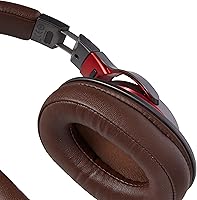
  • Earpad Material: Earpads are constructed from memory foam with an optimized surface finish, shaped to distribute lateral clamping pressure evenly and minimize fatigue during extended wear.
  • Weight: The headphone weighs 237 g (8.4 oz), placing it among the lighter options in the over-ear audiophile category.
  • Dimensions: Listed product dimensions are 9 x 9 x 3 inches, reflecting the packaged size; the headphone itself stores compactly inside the included soft pouch.
  • Generation: The ATH-MSR7b is the second-generation version of the original MSR7, featuring revised earpads and an updated cable attachment system over its predecessor.
  • Bluetooth: Bluetooth is not supported; the MSR7b is a strictly wired headphone with no wireless pairing capability.
  • Accessories: Each unit ships with one straight Y-type detachable cable and a soft protective carrying pouch; no hard case or additional cables are included.
  • Compatibility: Compatible with any device that includes a 3.5mm or 4.4mm headphone output, including smartphones, laptops, digital audio players, and desktop audio interfaces.

Related Reviews
Audio-Technica ATH-CLR100iS In-Ear Headphones
74%
83%
Sound Quality
91%
Value for Money
77%
Comfort & Fit
61%
Build Quality
68%
Microphone Quality
More
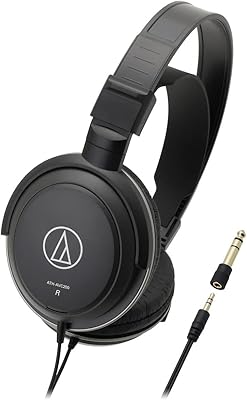
Audio-Technica ATH-AVC200
74%
88%
Value for Money
84%
Comfort & Fit
76%
Sound Quality
61%
Build Quality
73%
Passive Noise Isolation
More
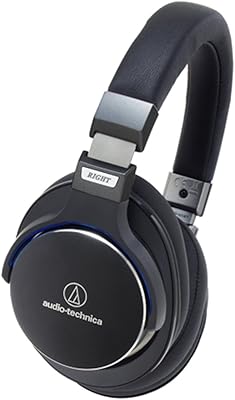
Audio-Technica ATH-MSR7BK Over-Ear Headphones
79%
88%
Sound Quality
91%
Build Quality
74%
Comfort & Fit
93%
Cable System
67%
Passive Isolation
More
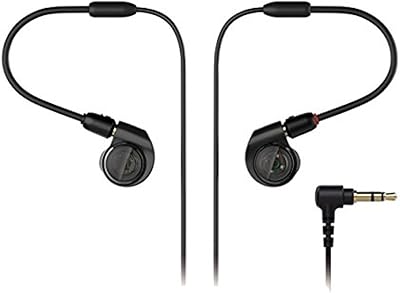
Audio-Technica ATH-E40 In-Ear Monitor
81%
88%
Sound Accuracy
74%
Comfort & Fit
81%
Passive Isolation
79%
Cable Quality
84%
Value for Money
More
Audio-Technica ATH-EQ300M Ear-Fit Headphones
71%
91%
Wearing Comfort
74%
Sound Clarity
31%
Noise Isolation
63%
Build Quality
78%
Value for Money
More
Audio-Technica ATH-M20xBT Wireless Over-Ear Headphones
75%
94%
Battery Life
78%
Sound Quality
86%
Value for Money
47%
Wireless Range
68%
Noise Isolation
More
Audio-Technica ATH-SR30BTBK Wireless Over-Ear Headphones
79%
86%
Sound Quality
94%
Battery Life
71%
Comfort & Fit
67%
Noise Isolation
62%
Touch Controls
More
Audio-Technica ATH-S200BT Bluetooth On-Ear Headphones
73%
93%
Battery Life
88%
Value for Money
67%
Sound Quality
61%
Comfort
58%
Build Quality
More
Audio-Technica ATH-AVC400 Over-Ear Headphones
75%
74%
Sound Quality
81%
Comfort & Fit
62%
Build Quality
83%
Value for Money
69%
Passive Noise Isolation
More
Audio-Technica ATH-CK200BT Wireless In-Ear Headphones
72%
73%
Sound Quality
84%
Bluetooth Stability
77%
Battery Life
81%
Comfort & Fit
62%
Design & Build
More

FAQ

They work fine with most smartphones — the 36 Ohm impedance is low enough that a phone can drive them to a comfortable listening volume without any additional hardware. That said, pairing the MSR7b with even a modest DAC or headphone amplifier makes a noticeable difference in dynamics and clarity, especially if you use the 4.4mm balanced output. For casual listening on the go, your phone is sufficient; for serious desk listening, a dedicated source rewards the investment.

Technically, you can plug a third-party Bluetooth receiver into the 3.5mm input, but that approach undercuts exactly what these wired over-ears are built to deliver — any Bluetooth adapter introduces compression and latency that defeats the purpose of a high-resolution wired headphone. If wireless convenience is genuinely important to you, a headphone designed around Bluetooth will serve you better. These are built around a wired signal path, and that is where they perform as intended.

Passive isolation from the closed-back design handles moderate ambient noise reasonably well — office conversation, HVAC hum, and keyboard clatter fade into the background once music is playing at a comfortable volume. In a genuinely loud open-plan office or near heavy machinery, you will still hear a fair amount of what is happening around you. If your workspace is loud enough that ANC headphones are on your shortlist, passive isolation alone will probably not satisfy you in that environment.

A balanced connection separates the ground path for each audio channel, which reduces crosstalk between left and right and can produce a slightly wider, more precise stereo image. Whether you hear a meaningful improvement depends almost entirely on your source device — on a phone or standard laptop, the benefit is marginal at best. On a digital audio player or amplifier with a proper 4.4mm balanced output, many listeners report a cleaner, more controlled sound. It is a useful option, but only worth chasing if your gear actually supports it.

Yes, Audio-Technica produces replacement earpads for the MSR7 line that are available directly through Audio-Technica and authorized retailers. Memory foam does compress and degrade over time with regular use, so knowing replacements are accessible is genuinely reassuring. Just confirm you are purchasing pads specifically designed for the MSR7 or MSR7b, as the attachment mechanism differs across Audio-Technica's headphone range.

The changes are real but incremental rather than transformational. The main improvements are updated memory foam earpads that seal more consistently and hold up better over time, plus a revised cable termination that is more reliable with regular plug-and-unplug use. The core sound signature is very similar to the original — if you already own an MSR7 in good condition, the MSR7b is not a must-upgrade. If you are buying new, it is simply the better version to get.

The Audio-Technica ATH-MSR7b Over-Ear Headphones are tuned analytically, which means they genuinely excel with music that rewards transparency — acoustic instruments, jazz, classical, and vocal-forward recordings all come through with impressive detail and realism. For bass-heavy genres like hip-hop, EDM, or modern pop, the low end can feel leaner and less impactful than what most consumer headphones deliver, and that will take some adjustment for listeners coming from warmer-sounding alternatives. The bass is accurate rather than absent, but it is restrained by design, so genre preferences matter here.

The straight Y-type cable is reasonably manageable — it is not coiled or unusually stiff, and it coils down neatly when stored in the pouch. For a seated commute on a train or bus where you are not moving much, it is workable. For an active commute that involves walking briskly, cycling, or frequently taking the headphone on and off, the cable will require some attention and can catch on straps or clothing. If that kind of friction sounds like it would bother you daily, your instinct is probably right.

The memory foam earpads can be wiped down gently with a lightly dampened microfiber cloth — avoid soaking them or using alcohol-based cleaners, as these can dry out and degrade the foam faster. With moderate daily use, expect the pads to maintain their shape comfortably for one to two years before they noticeably compress or lose their seal. When that point arrives, replacement pads are available from Audio-Technica, so the headphone itself does not need to be retired just because the pads have worn.

It comes down to what you are actually optimizing for. If day-to-day convenience, hands-free use, and feature breadth are your priorities, then wireless alternatives at this price point will likely serve you better. But if what you care most about is how music sounds — and you are comfortable accepting a cable in exchange for a cleaner, more accurate audio signal — these wired over-ears deliver a level of transparency that most wireless options at the same price cannot fully match. They are not trying to compete on convenience; they are for the listener who has already decided that the cable is worth it.

Where to Buy