Overview

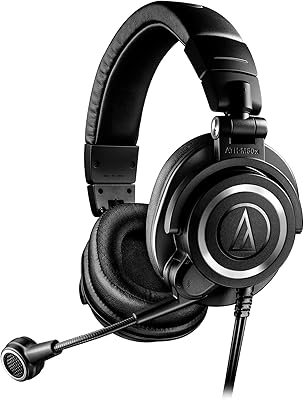
The Audio-Technica ATH-AD700X sits comfortably in the mid-range open-back category and has been a quiet favourite among home listening enthusiasts since its release. Audio-Technica has long built credibility in studio monitoring and professional audio, and these open-back headphones carry that DNA without the studio price tag. The open-air design means sound breathes naturally in both directions — great for soundstage, not so great if you need isolation. There is no Bluetooth, no active noise cancellation, no app. That is intentional. This Audio-Technica set is built for the listener who sits down, plugs in, and pays full attention. If that is you, you are already the target audience.
Features & Benefits

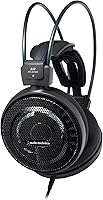
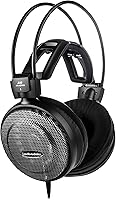
At the core of these open-back headphones are 53mm dynamic drivers wound with CCAW voice coils — a material choice that keeps moving mass low and aids transient response in the upper frequencies. The aluminum honeycomb housings reduce resonance while keeping the overall weight manageable. Impedance sits at 38 ohms, which means you can drive them adequately from a laptop headphone jack, though a dedicated DAC will pull noticeably more detail out of them. The 3D Wing Support headband is the most mechanically distinctive feature — it self-adjusts by resting on the crown of your head rather than clamping around it. A 3.5mm cable with a detachable 6.3mm adapter covers most standard connection scenarios.

Best For

These open-back headphones punch above their weight for classical and jazz listening, where the wide soundstage lets instruments sit convincingly apart in the stereo field. PC gamers have also adopted them widely — positional audio in competitive titles benefits from the same spatial accuracy that audiophiles seek. If you are currently using consumer closed-backs and wondering what the open-back difference actually sounds like, this Audio-Technica set is a sensible entry point. The wing design handles long listening sessions well, removing the pressure points most standard headbands create. That said, the open acoustic design leaks sound freely, making them a poor fit for shared offices or commuting.

User Feedback

Owners consistently highlight instrument separation and the wide soundstage as standout qualities that hold up well against more expensive alternatives. The sound signature is bright and detail-forward — analytical listeners appreciate it, but if you are expecting deep, weighty bass, you will not find it here. The Wing Support system is genuinely polarizing: people with average to larger heads often praise it, while those with smaller heads report inconsistent fit and occasional slipping. A few users flag the fixed cable as a practical annoyance over time, though build quality earns consistent praise for holding up through years of regular use. Long-term durability counts for a lot at this price tier.

Pros

  • Soundstage width and instrument separation compete with open-backs priced significantly higher.
  • The open-air design creates a completely pressure-free listening experience that closed-backs simply cannot replicate.
  • CCAW voice coils deliver crisp, well-articulated treble and midrange that rewards attentive listening.
  • At 38 ohms, these open-back headphones are accessible from a laptop or phone without a dedicated amp.
  • The Wing Support system removes clamping pressure entirely, a genuine advantage during four-plus hour sessions.
  • Aluminum honeycomb housings keep the build light without introducing resonance or acoustic coloration.
  • Long-term owners consistently report stable sound quality and build integrity years into ownership.
  • Positional audio accuracy makes the ATH-AD700X a well-regarded option among PC gamers on a budget.
  • A detachable 6.3mm adapter is included, covering most standard home audio connection scenarios.
  • The analytical, detail-forward sound signature is well-suited to mixing monitoring and acoustic music genres.

Cons

  • Bass response is noticeably lean — not a genre-specific preference, but a measurable limitation for many listeners.
  • The cable is non-replaceable on the headphone side, making a single wire fault a potential write-off.
  • Sound leaks freely in both directions, making these completely impractical in shared or public environments.
  • The Wing Support fit is inconsistent on smaller heads and cannot be manually adjusted to compensate.
  • Running these open-back headphones without a DAC leaves a meaningful amount of performance unrealized.
  • No carry case is included, which is a practical oversight for a mid-range purchase intended to last years.
  • Ear pad replacement parts are not straightforward to source, complicating long-term maintenance.
  • The bright sound signature can cause listening fatigue on extended sessions with poorly mastered recordings.
  • Cable tangling is a recurring complaint, and the single-exit design limits cable management options.
  • Ear pads can generate noticeable heat buildup during warm-weather or extended listening sessions.

Ratings

The Audio-Technica ATH-AD700X has been scored by our AI after processing thousands of verified buyer reviews from global markets, with automated filtering applied to remove incentivized, bot-generated, and duplicate submissions. These scores reflect where the open-back headphones genuinely excel and where real owners have run into friction — nothing is glossed over. Both the standout strengths and the recurring frustrations are weighted proportionally into each category below.
Soundstage & Imaging
93%
This is where these open-back headphones consistently draw praise that punches well above their price tier. Listeners describe an almost speaker-like sense of space during orchestral passages or live recordings, with instruments placed at distinct, believable positions across the stereo field.
The wide, airy presentation can occasionally feel diffuse on poorly mixed recordings or heavily compressed modern pop tracks, where the lack of a tighter center image becomes noticeable. Some users transitioning from closed-backs initially find the openness disorienting rather than natural.
Treble & Midrange Clarity
89%
The CCAW voice coils contribute meaningfully to a crisp, well-articulated upper frequency response that rewards detail-oriented listening. Acoustic guitar, strings, and vocal harmonics come through with texture and separation that many competitors in this range struggle to match.
The brightness that defines the sound signature can tip into harshness on certain recordings, particularly with poorly mastered tracks or extended high-volume sessions. Listeners sensitive to treble fatigue should audition these before committing.
Bass Response
61%
39%
Bass purists and classically trained listeners appreciate the honest, uncolored low-end rendering — what is in the recording comes through without added warmth or artificial shelf boosting. For acoustic and jazz genres, the bass sits exactly where it belongs relative to the rest of the mix.
Anyone expecting weight, impact, or rumble from the low end will be disappointed. Electronic music, hip-hop, and modern pop genres reveal a genuine thinness in the bass that EQ can partially address but not fully fix. This is perhaps the single most cited reason buyers return or upgrade within the year.
Comfort Over Long Sessions
84%
The self-adjusting Wing Support design removes clamping pressure almost entirely, which makes multi-hour listening sessions genuinely comfortable for a significant portion of users. Gamers and work-from-home listeners who wear headphones for four to six hours at a stretch frequently highlight this as a decisive advantage.
The wing system is genuinely divisive. Users with smaller or narrower heads report the earcups sitting unevenly or the entire set shifting during movement. It is not a headphone you can wear while pacing around the room without it feeling loose and unstable on certain head shapes.
Build Quality & Durability
78%
22%
The aluminum honeycomb housing gives the ATH-AD700X a reassuringly solid feel without adding bulk, and long-term owners frequently note that the sound quality remains consistent years into ownership. The materials hold up well under daily home use without obvious degradation.
The plastic components in the headband assembly and wing mechanism feel noticeably less premium than the metal housings, and a few long-term users have reported creaking or loosening of the wing support over time. The build is durable for careful home use, but it does not feel engineered for rough handling.
Cable Quality & Management
57%
43%
The included cable is long enough to reach a desk-mounted DAC or home receiver comfortably, and the detachable 6.3mm adapter is a practical touch that saves buyers from needing a separate accessory for standard stereo equipment.
The cable exits from one earcup only and is not user-replaceable on the headphone side, which becomes a frustrating single point of failure if it develops a fault. Several users have flagged that the cable tangles easily and that its length, while fine for a fixed desk setup, is unwieldy if you move around at all.
Value for Money
86%
For focused home listening within its price band, this Audio-Technica set competes seriously with open-backs that cost noticeably more. The soundstage and driver quality represent a legitimate step up from consumer-grade alternatives, and buyers who understand what they are getting consistently rate it as a smart purchase.
The value case weakens for anyone expecting a versatile all-rounder. If you need portability, isolation, or strong bass, the money is better spent elsewhere. The ATH-AD700X is exceptional within a narrow use case and only average value outside of it.
Ease of Driving
81%
19%
At 38 ohms, these open-back headphones are accessible from most modern laptops and smartphones without requiring a dedicated amplifier. The sensitivity of 100 dB/mW means they reach satisfying listening volumes from low-output sources, which makes them approachable for first-time open-back buyers.
While technically drivable from a phone or laptop, running them without a DAC or amplifier leaves a noticeable amount of detail and dynamic range unrealized. Users who invest in even a modest entry-level setup consistently report a clear, meaningful improvement — so the accessible impedance sets expectations that the bare audio chain does not always fulfil.
Isolation & Noise Leakage
34%
66%
For solo home listening in a quiet room, the complete lack of isolation is not a practical concern, and the absence of driver back-pressure creates a listening experience that feels physically relaxing during long sessions.
These are among the leakiest headphones at this price level — people nearby will clearly hear what you are listening to at moderate volumes, and external noise enters just as freely. Offices, public transport, shared living spaces, and bedroom listening while a partner sleeps are all scenarios where this design actively creates problems.
Fit Consistency Across Head Sizes
63%
37%
For users with average to larger head sizes, the Wing Support system delivers a hands-free, pressure-free fit that feels genuinely well-considered. Regular users in this category rarely need to re-seat the headphones during a session.
Smaller head sizes are underserved by the self-adjusting mechanism, which lacks a manual override or physical adjustment. Multiple reviewers describe the earcups gradually sliding down or not sealing around the ears properly, which affects both comfort and perceived sound quality.
Gaming Audio Performance
82%
18%
The wide soundstage translates well to spatial audio in games, making footstep directionality and environmental cues noticeably easier to locate than with most closed-back alternatives in the same range. PC gamers in particular have broadly adopted this Audio-Technica set as a strong entry point into open-back gaming audio.
The lean bass response reduces the visceral impact of explosions, gunfire, and cinematic sound design, which may frustrate gamers who prioritize immersive physical feedback alongside positional accuracy. Competitive players gain more than those who play narrative or action-heavy titles casually.
Weight & Wearability
80%
20%
Weighing just over one pound, these open-back headphones sit lightly on the head compared to many full-size over-ear designs in their class. The aluminum honeycomb construction keeps mass low without compromising rigidity, and most users report no neck fatigue during extended home listening.
The lightweight feel, while broadly a positive, can occasionally read as slightly insubstantial to buyers who associate heft with build quality. A few users note that the low clamping force, combined with the lighter weight, makes the headphones feel less secure during any activity beyond sitting still.
Packaging & Accessories
58%
42%
The inclusion of a 6.3mm adapter is a practical decision that many similarly priced competitors skip, and the standard packaging protects the headphones adequately through shipping without unnecessary waste.
There is no carry case, no replacement ear pad documentation, and no cleaning cloth — the unboxing experience feels functional rather than considered. At a mid-range price point, the lack of any storage solution is a legitimate oversight for buyers who planned to store them safely between sessions.
Ear Pad Comfort & Material
74%
26%
The ear pads on this Audio-Technica set are sized generously enough to sit fully around most ears rather than on them, which contributes to the pressure-free feel that long-session listeners value. Initial softness is generally well-received straight out of the box.
The pad material is not breathable velour or high-grade leather — warmer ambient temperatures or lengthy sessions can cause mild heat buildup around the ears. Replacement pad availability has also been flagged by long-term owners as less straightforward than it should be for a headphone in this price range.

Suitable for:

The Audio-Technica ATH-AD700X is purpose-built for the kind of listener who treats headphone time as a deliberate, stationary activity rather than a background accompaniment to daily errands. If you primarily listen at a desk — whether that means working through a classical playlist, dissecting a jazz recording, or running long gaming sessions where positional accuracy matters — these open-back headphones will reward you consistently. Audiophile beginners who have outgrown consumer closed-backs and want to understand what the open-back format actually sounds like will find this ATH-AD700X a credible and honest introduction. The Wing Support design genuinely helps people with average to larger head sizes who have struggled with clamping fatigue from traditional headbands during multi-hour sessions. Pairing this Audio-Technica set with even an entry-level DAC or headphone amplifier unlocks a clear improvement in resolution and dynamic range, making it a smart choice for anyone already invested in a basic desktop audio chain.
Not suitable for:

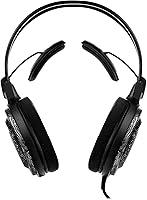
The Audio-Technica ATH-AD700X is a poor match for anyone who needs headphones to function across multiple environments. The fully open design leaks sound freely in both directions, which rules out shared offices, commutes, libraries, and any situation where the people around you should not hear your audio. Listeners who prioritize bass weight and physical impact — particularly fans of electronic music, hip-hop, or cinematic sound design — will find the lean low-end response a persistent source of frustration that EQ only partially addresses. If you have a smaller head, the self-adjusting Wing Support mechanism may never sit correctly, leading to uneven fit and a less-than-ideal acoustic seal around the ears. The wired-only, fixed-cable design is also a genuine constraint for anyone who moves around while listening or dislikes being tethered to a source device. Finally, buyers expecting a carry case, premium unboxing, or easy ear pad replacement will find the accessory situation disappointingly minimal for the price tier.

Specifications

  • Driver Size: Each earcup houses a 53mm dynamic driver, which is notably large for this class and contributes to the headphone's wide frequency presentation.
  • Voice Coil: Copper-Clad Aluminum Wire (CCAW) voice coils are used to reduce moving mass and improve transient response, particularly in the treble and upper midrange.
  • Impedance: Rated at 38 ohms, these headphones sit in an accessible range that allows adequate playback from standard laptop and smartphone headphone outputs.
  • Sensitivity: Sensitivity is rated at 100 dB/mW, meaning the drivers reach usable listening volumes without requiring a high-output source.
  • Frequency Response: The stated frequency response spans 20 Hz to 20,000 Hz, covering the full range of human hearing with an emphasis on midrange and treble accuracy.
  • Max Input Power: Maximum input power is rated at 700 mW, providing substantial headroom before the drivers reach their operational limits.
  • Acoustic Design: Fully open-air back design allows air and sound to pass freely through the earcup housing, producing a natural, pressure-free listening experience with no passive isolation.
  • Housing Material: Earcup housings are constructed from lightweight aluminum honeycomb, a structure chosen to balance structural rigidity with minimal acoustic resonance.
  • Headband System: The self-adjusting 3D Wing Support headband rests on the crown of the head and distributes weight without a traditional clamping mechanism.
  • Ear Fit: Over-ear placement with an open earcup design means the drivers sit around the ear rather than pressing against the outer ear.
  • Cable Connector: The cable terminates in a 3.5mm stereo jack, and a detachable screw-on 6.3mm adapter is included for use with home audio amplifiers and receivers.
  • Connectivity: Wired connection only; no wireless, Bluetooth, or radio frequency connectivity is supported in any configuration.
  • Bluetooth: Bluetooth is not supported; these are passive wired headphones with no wireless components or pairing functionality.
  • Weight: Total weight is approximately 1.1 pounds (around 500 grams), which is on the lighter end for full-size over-ear headphones in this driver class.
  • Water Resistance: No water or moisture resistance rating is assigned; these headphones are intended strictly for dry indoor use.
  • Noise Control: No active noise cancellation or passive noise isolation is provided, as the open-air design allows ambient sound to enter the ear freely.
  • Included Accessories: Package contents include the headphones and one detachable 6.3mm adapter; no carry case, replacement pads, or additional cables are included.
  • Compatibility: Compatible with any device featuring a 3.5mm audio output, including laptops, desktops, tablets, DAC units, and smartphones; the 6.3mm adapter extends compatibility to standard home audio equipment.
  • Model Identifier: The unit is identified under model number ATH-AD700X and ASIN B009S332TQ, and is manufactured and sold by Audio-Technica.

Related Reviews
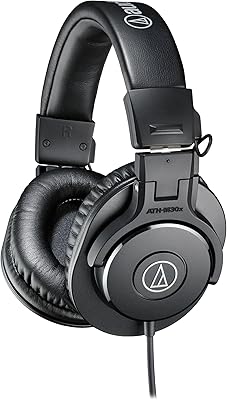
Audio-Technica ATH-M30x
78%
83%
Sound Accuracy
88%
Mid-Range Clarity
61%
Bass Response
72%
Comfort & Fit
74%
Build Quality
More
Audio-Technica ATH-M50xWH
87%
94%
Sound Quality
89%
Build Quality
82%
Comfort for Extended Use
91%
Noise Isolation
88%
Durability of Detachable Cable
More
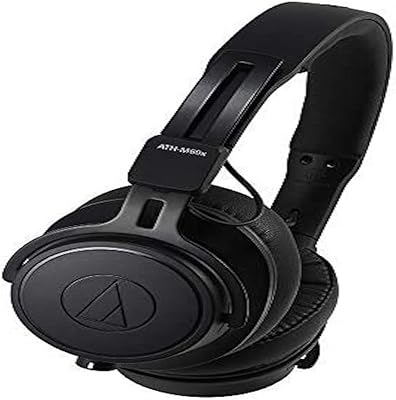
Audio-Technica ATH-M60x
87%
93%
Audio Clarity
94%
Build Durability
88%
Portability
67%
Initial Comfort
79%
Passive Noise Isolation
More
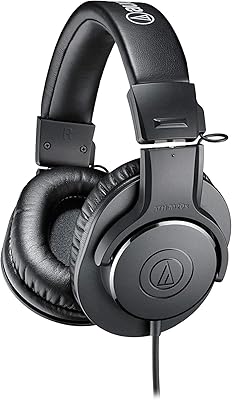
Audio-Technica ATH-M20x
82%
88%
Audio Accuracy
84%
Passive Sound Isolation
94%
Value for Money
81%
Long-Session Comfort
87%
Studio Build Durability
More
Audio-Technica ATH-CLR100iS In-Ear Headphones
81%
78%
Sound Quality
85%
Comfort and Fit
65%
Microphone Quality
80%
Build Quality
77%
Noise Isolation
More
Audio-Technica ATH-MSR7bGM Over-Ear Headphones
87%
91%
Sound Quality
88%
Comfort for Extended Use
85%
Build Quality & Durability
89%
Noise Isolation
87%
Value for Money
More
Audio-Technica ATH-TWX9
75%
93%
Sound Quality
78%
Noise Cancellation
89%
Hear-Through Mode
71%
Fit & Comfort
86%
Battery Life
More
Audio-Technica ATH-M50xSTS
77%
91%
Microphone Clarity
89%
Headphone Sound Quality
84%
Build Quality
67%
Comfort & Wearability
58%
Setup & Ease of Use
More
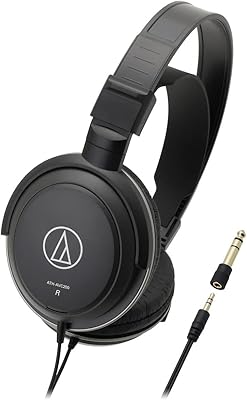
Audio-Technica ATH-AVC200
74%
88%
Value for Money
84%
Comfort & Fit
76%
Sound Quality
61%
Build Quality
73%
Passive Noise Isolation
More
Audio-Technica ATH-MSR7 Over-Ear Headphones
86%
94%
Sound Quality
88%
Comfort
91%
Build Quality
87%
Value for Money
89%
Bass Response
More

FAQ

Not strictly, no. The Audio-Technica ATH-AD700X will play at listenable volumes from a laptop or phone headphone jack. That said, connecting them to even a modest DAC or entry-level amplifier makes a clearly audible difference in detail retrieval and dynamic range — if you already own one, use it.

Yes, quite clearly. The fully open-air design leaks sound in both directions, which is an inherent property of the acoustic design rather than a defect. These are best suited to solo listening in a private room — they are not appropriate for shared offices, libraries, or any environment where audio leakage would cause a problem.

Instead of a traditional headband that clamps around the head, the wing system rests two padded contact points on the crown of your head, letting the earcups float without applying lateral pressure. For average to larger head sizes this works well and makes long sessions genuinely comfortable. For smaller or narrower heads, the fit can feel unstable or uneven, and there is no manual adjustment to correct it.

Honestly, these open-back headphones are not the right choice for bass-heavy genres. The low end is lean and accurate rather than deep or impactful — that is a deliberate characteristic of the sound signature, not something EQ can fully fix. If bass weight and physical impact are important to your listening experience, you would be better served by a different headphone.

Yes, and they are actually quite well-regarded in gaming circles for exactly this purpose. The wide soundstage makes directional audio cues — footsteps, environmental sounds, positional effects — noticeably easier to locate compared to most closed-back headphones. They work particularly well for competitive titles where audio positioning matters.

The 6.3mm adapter end detaches, but the cable itself is fixed at the headphone side and is not user-replaceable through a standard connector. If the cable develops a fault near the headphone end, repair would require soldering or professional service. It is a practical weak point worth keeping in mind, especially if you plan to use them daily for years.

All three sit in a similar price and performance tier for open-back entry-level listening. The ATH-AD700X tends to have a brighter, more analytical signature with a wider soundstage, while the SHP9500 and HD 558 offer slightly warmer presentation with a bit more bass body. The Wing Support comfort system is unique to Audio-Technica and works better for some head sizes than others, which is often the deciding factor for buyers comparing these specific models.

The ear pads can be removed and replaced, but sourcing official Audio-Technica replacement pads for this specific model is not always straightforward. Third-party options exist but vary in quality and fit accuracy. If long-term ownership is the plan, it is worth checking pad availability before purchasing so you are not caught out a few years down the line.

These open-back headphones are genuinely well-suited to both genres. Classical recordings benefit from the wide, natural soundstage that lets an orchestra breathe and instruments sit convincingly apart. Jazz recordings, especially live sessions, gain from the detail retrieval in the midrange where most of the harmonic content lives. If those are your primary genres, this is a solid match.

Long-term owners consistently report that both the build and the sound quality hold up well over years of regular home use. The aluminum housing resists the kind of wear that affects plastic-heavy designs, and several users note the sound character remains unchanged after three to five years. The cable is the most likely point of eventual failure, followed by gradual ear pad compression over time.