Overview

The Audio-Technica AT8022 X/Y Stereo Microphone has been a reliable fixture in the field recording world since its debut in 2005 — a lifespan that speaks to how well the design holds up against newer competition. Built around an X/Y capsule arrangement, it captures a focused stereo image in a housing compact enough to sit comfortably on a camera shoe mount. The all-metal body feels solid without adding meaningful weight to a rig. Audio-Technica's reputation in pro audio is well-earned, and this stereo mic reflects that heritage — not through flashy specs, but through thoughtful engineering choices that actually matter out in the field.

Features & Benefits

The X/Y stereo configuration is the AT8022's defining characteristic, and it matters more than it might first appear. Unlike mid-side or spaced-pair setups, X/Y keeps the two capsules closely aligned, dramatically reducing phase inconsistencies and delivering a focused, natural stereo spread. The switchable low-cut filter is a genuinely useful field tool — flip it on and you noticeably tame low-frequency rumble from handling, wind, or passing traffic. Running on either battery or phantom power means you can pair this camera-mount microphone with everything from a basic consumer camcorder to a professional audio interface without adapting your workflow. The XLR output reinforces that professional compatibility across a wide range of gear.

Best For

This stereo mic punches well above its weight for videographers who want honest, spatial audio directly from their DSLR or camcorder without hauling a separate recorder. Nature recordists appreciate how the X/Y pattern captures ambient sound with a realistic sense of width and depth — think forest ambience or crowd noise at a live event. Documentary shooters and journalists benefit from the focused pickup that keeps dialogue centered while still registering the surrounding environment. Home studio users recording acoustic instruments or podcasters wanting richer audio than their built-in camera mic delivers will also find the AT8022 a smart upgrade. The compact form simply makes sense for anyone working on location without a full audio crew.

User Feedback

Owners of the AT8022 consistently praise its stereo imaging accuracy, with many noting that recordings feel genuinely three-dimensional rather than artificially widened. Build quality gets positive marks too — the metal housing reassures users who put it through regular field use. That said, wind sensitivity is a recurring gripe. Without an additional deadcat or foam windscreen, outdoor recordings in anything above a light breeze can pick up distracting noise, which is worth budgeting for upfront. A smaller number of users flag compatibility quirks with certain camera preamps that struggle to drive the mic cleanly. Overall, the consensus across a long sales history is strongly positive for those who understand what a stereo mic is designed to do.

Pros

  • The X/Y stereo configuration delivers a focused, phase-coherent image that mono camera mics simply cannot replicate.
  • Dual power options — battery or phantom — mean you can pair this stereo mic with almost any recorder or camera you already own.
  • The all-metal housing feels genuinely rugged and holds up well to the bumps and knocks of regular field use.
  • A switchable low-cut filter actively reduces rumble and handling noise, which saves time in post-production.
  • XLR output ensures clean, professional-grade signal transfer compatible with a wide range of mixers and audio interfaces.
  • The compact form factor keeps camera rigs balanced and light, which matters on long shooting days.
  • Audio-Technica's long track record with this model means firmware-style quirks and early-production issues are essentially nonexistent at this point.
  • Recordings consistently capture natural-sounding ambience with realistic stereo width, according to long-term owners.
  • Works cleanly with portable digital recorders, making it a versatile companion beyond just camera-mounted use.

Cons

  • Wind sensitivity is a real issue outdoors — a quality windscreen is effectively a required accessory, not optional.
  • No included windscreen in the box means an additional purchase right out of the gate for field users.
  • The XLR-only connection rules out direct use with smartphones, tablets without adapters, or cameras lacking a mic input.
  • Some camera preamps struggle to drive the AT8022 cleanly at lower gain settings, introducing noise on budget bodies.
  • At 1.8 pounds, the weight is manageable but noticeable on lighter mirrorless camera setups over extended handheld shoots.
  • The 80 Hz frequency response floor means very low-frequency content is already rolled off before you even touch the filter switch.
  • Users accustomed to on-axis shotgun rejection may be caught off guard by how much ambient sound this stereo mic picks up.
  • No carrying case or protective pouch is included, which is a minor but genuine omission for a field-oriented microphone.

Ratings

The scores below for the Audio-Technica AT8022 X/Y Stereo Microphone were generated by AI after analyzing verified buyer reviews from multiple global markets, with spam, bot-submitted, and incentivized feedback actively filtered out. Each category reflects real patterns from hands-on users — videographers, field recordists, journalists, and home studio owners — not marketing copy. Both the genuine strengths and the recurring frustrations are represented transparently so you can make an honest buying decision.

Stereo Imaging Accuracy
91%
Users consistently describe recordings made with this stereo mic as sounding genuinely three-dimensional, with a natural sense of width that holds up even when listening back on headphones or studio monitors. Field recordists in particular note that ambient soundscapes — forest ambience, crowd noise, live music — feel spatially honest rather than artificially processed.
A small number of users found the stereo spread narrower than expected when recording in very close-proximity situations, such as desktop instrument recording, where the X/Y angle can compress the perceived image slightly compared to wider-spaced stereo configurations.
Build Quality
86%
The all-metal housing earns repeated praise from users who put the AT8022 through demanding field conditions — bumpy vehicle rides, outdoor shoots, and frequent packing and unpacking from camera bags. Most long-term owners report no meaningful degradation in either cosmetic condition or audio performance after years of regular use.
A handful of users noted that the mounting hardware and attachment points show wear more quickly than the main body does, particularly after heavy rotational use on camera shoe mounts. Nothing catastrophic, but worth monitoring if the mic is frequently repositioned.
Wind Sensitivity
54%
46%
When conditions are calm or the recording environment is controlled, the condenser capsules capture clean, detailed audio with very little self-noise coloring the signal. Indoors or in sheltered outdoor locations, wind noise is a non-issue and the mic performs at its best.
In anything above a light breeze, wind handling becomes a real problem. No windscreen is included in the box, and users regularly flag that an aftermarket deadcat or foam cover is essentially mandatory for outdoor use — an additional cost and inconvenience that catches some buyers off guard.
Compatibility & Flexibility
88%
The dual power design — battery or 48V phantom — means this camera-mount microphone slots into an impressively wide range of workflows without adaptation headaches. Users pair it successfully with everything from portable Zoom and Tascam recorders to professional audio interfaces and broadcast-grade camera rigs.
The XLR-only output is a hard wall for anyone hoping to connect directly to a smartphone, a laptop, or a mirrorless camera with only a 3.5mm input. Adapters or a field mixer solve the problem but add cost and signal chain complexity that some buyers do not anticipate upfront.
Value for Money
77%
23%
For users who understand what a stereo field mic is designed to do, the AT8022 represents solid value given its build quality, brand pedigree, and the consistency of its audio output across varied recording environments. It compares favourably against rivals at a similar price tier on most objective criteria.
Buyers who later realize they needed a directional shotgun mic for dialogue isolation often feel the purchase was misaligned with their actual use case, which skews value perception negatively in reviews. The absence of a windscreen in the box also nudges the effective cost higher than the sticker price suggests.
Ease of Use
83%
Mounting the mic, connecting XLR, flipping the low-cut filter switch — the workflow is straightforward enough that even users new to external microphones get usable results quickly. The physical controls are minimal and clearly labeled, which reduces setup time in fast-moving field scenarios.
Users unfamiliar with phantom power requirements occasionally run into silence or weak signal on first use, particularly when paired with cameras that do not supply phantom automatically. The learning curve is short but not entirely absent for first-time users coming from plug-and-play USB mics.
Low-Cut Filter Effectiveness
79%
21%
Shooters who regularly record in environments with low-frequency interference — traffic rumble, HVAC hum, or footstep vibration — find the onboard filter makes a tangible, audible difference without dulling the upper frequency detail of the recording. It saves meaningful post-production time.
The roll-off point is fixed rather than adjustable, which frustrates users who would prefer finer control over exactly where the bass attenuation begins. In some indoor acoustic environments the fixed filter cuts a touch more low-end warmth than desired, leaving recordings sounding slightly thin.
Self-Noise Level
74%
26%
In quiet studio or controlled field environments, the background noise floor from the capsules themselves is low enough to stay out of the way for most recording applications. Nature recordists capturing soft ambient detail in quiet locations generally report clean, usable results.
Compared to higher-tier stereo condenser mics, the self-noise becomes more apparent when recording very quiet sound sources or when gain is pushed hard on a camera or recorder with a noisier preamp. It is not a dealbreaker, but it does place a ceiling on the mic for the most demanding quiet-environment applications.
Camera Mount Integration
81%
19%
The compact housing fits standard cold shoe mounts cleanly, and users report a secure, wobble-free fit on most DSLR and camcorder bodies. The overall dimensions keep the camera profile manageable without extending uncomfortably in front of or above the lens.
On smaller mirrorless camera bodies the weight distribution tilts noticeably forward, which becomes tiring during extended handheld shooting. A few users also note that the XLR cable exit angle can interfere with certain camera strap configurations depending on rig setup.
Frequency Response
76%
24%
For voice, acoustic instruments, and environmental ambience, the usable frequency range is well-suited to the applications the mic is designed for. Speech and natural soundscapes reproduce with good tonal balance and without obvious colorations across the midrange.
The 80 Hz lower limit means sub-bass content is already rolled off by design, which is fine for most use cases but limits the mic for anyone hoping to capture deep room resonance or low-frequency musical instruments with full-range accuracy.
Durability Over Time
84%
Long-term owners — some of whom have used the AT8022 for five or more years — consistently report that the mic continues to perform to spec without capsule degradation or connector issues, which is a meaningful endorsement for a tool used in the field.
A small subset of users report intermittent channel imbalance appearing after extended use, which points to potential capsule aging or internal connection loosening over many years. This is not a widespread complaint but is worth noting for buyers expecting a decade-plus lifespan.
Portability
85%
Relative to other stereo mic options that require two separate capsule mounts or a stereo bar setup, the self-contained form factor of this stereo mic makes it genuinely fast to pack and deploy. Travel-focused videographers and run-and-gun documentary crews appreciate not managing multiple components.
At 1.8 pounds the mic is heavier than ultralight alternatives, and while the metal body contributes to durability it does add real pack weight. Users who prioritize minimal kit weight — backpacking sound recordists, for instance — may find the mass a consideration.
Preamp Pairing
68%
32%
When paired with a quality preamp or recorder that provides clean phantom power and sufficient gain, the AT8022 performs with clarity and headroom that satisfies most field recording applications. The 200-ohm impedance is well-matched to professional-grade inputs.
Budget camera bodies and entry-level recorder preamps can introduce audible noise when pushing gain to compensate for the mic's output level requirements. Users relying on weaker onboard preamps sometimes find they need a cleaner signal chain to fully realize the mic's potential.

Suitable for:

The Audio-Technica AT8022 X/Y Stereo Microphone is a strong choice for anyone who needs accurate, spatial audio captured in the field without a complicated setup. Videographers and documentary filmmakers benefit most — mount it directly on a DSLR or camcorder and you immediately get a genuine stereo image rather than the flat, mono-adjacent sound most built-in camera mics produce. Field recordists chasing natural ambience, whether that means forest soundscapes, street atmosphere, or live event audio, will appreciate how the X/Y pattern captures a coherent sense of space without phase artifacts muddying the recording. Journalists and interview crews working across varied locations also fit squarely in the sweet spot, since the mic handles acoustic environments with enough flexibility to stay useful whether you are indoors or outside. Home studio musicians recording acoustic instruments in stereo, as well as content creators who want a meaningful audio upgrade without committing to an elaborate recording chain, round out the ideal audience for this camera-mount microphone.

Not suitable for:

The Audio-Technica AT8022 X/Y Stereo Microphone is not the right tool if your primary need is isolating a single voice or subject from background noise. That is the job of a directional shotgun mic, and buyers who conflate stereo field recording with on-axis voice capture will be disappointed. Outdoor shooters working in windy environments should also think carefully — the AT8022 is genuinely wind-sensitive, and while a good windscreen helps, it adds cost and bulk that some buyers do not anticipate. The XLR-only output means this stereo mic is not plug-and-play with smartphones, laptops, or cameras lacking a proper audio input, so anyone hoping for a simple USB or TRRS connection will need to look elsewhere. Budget-focused buyers who already own a capable mono shotgun may find the stereo upgrade hard to justify for primarily dialogue-driven work. And if you regularly record in loud, uncontrolled acoustic environments, the condenser capsules will pick up far more ambient noise than a dynamic or hypercardioid alternative would.

Specifications

  • Polar Pattern: The mic uses an X/Y stereo configuration, with two cardioid condenser capsules angled to capture a phase-coherent stereo image.
  • Connector: Output is via a standard XLR connector, compatible with professional audio interfaces, mixers, and camera inputs.
  • Power Source: Operates on either standard battery power or 48V phantom power, making it usable with both consumer and professional equipment.
  • Impedance: Output impedance is rated at 200 ohms, which pairs cleanly with most professional-grade mic preamps and camera inputs.
  • Signal-to-Noise: The signal-to-noise ratio is 72 dB, delivering clean audio reproduction with low self-noise for a mic in this class.
  • Frequency Response: The microphone captures frequencies from 80 Hz upward, covering the full range needed for voice, instruments, and ambient field recording.
  • Low-Cut Filter: A switchable low-frequency roll-off filter is built in, allowing the user to reduce rumble, wind noise, or handling vibration at source.
  • Body Material: The housing is constructed from metal, providing durability and resistance to the physical demands of regular on-location use.
  • Weight: The microphone weighs 1.8 pounds, which is compact enough for camera mounting without significantly unbalancing a typical DSLR rig.
  • Dimensions: Physical dimensions are 5.9″ x 3.5″ x 10.3″, a compact footprint suited to camera shoe mounts and portable recorder setups.
  • Capsule Type: Internal capsules are condenser type, chosen for their sensitivity and accurate transient response in stereo field recording applications.
  • Form Factor: The housing is specifically designed for camera mounting, fitting standard cold shoe and camera accessory mounts used on DSLR and camcorder bodies.
  • Compatible Devices: Compatible with cameras, tablets with appropriate adapters, portable digital recorders, and any device accepting a professional XLR microphone input.
  • Manufacturer: Designed and manufactured by Audio-Technica, a Japanese audio equipment company with a long history in professional and consumer microphone development.
  • Model Number: The official model identifier is AT8022, which corresponds to the single variant of this stereo microphone currently available.
  • Availability: This model has been commercially available since December 2005 and remains in active production, with no discontinuation announced by the manufacturer.

Related Reviews
Audio-Technica AT2022 X/Y Stereo Condenser Microphone
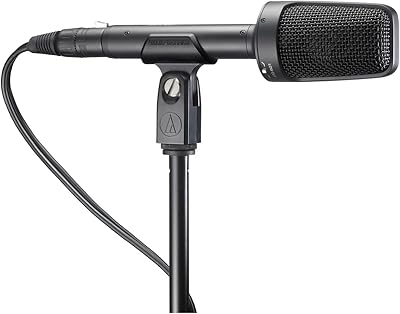
68%
78%
Stereo Imaging Quality
86%
Portability & Setup Speed
54%
Build Quality
51%
Output Level & Preamp Compatibility
73%
Low-Frequency Roll-off Usefulness
More
Audio-Technica BP4025 X/Y Stereo Field Recording Microphone
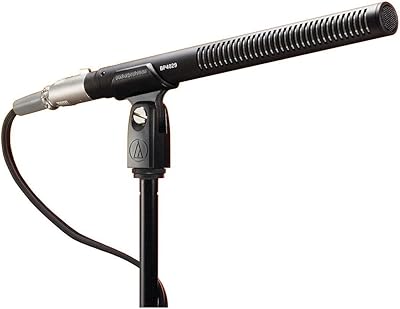
77%
91%
Stereo Image Accuracy
88%
Build Quality
84%
Self-Noise Floor
89%
SPL & Headroom
54%
Setup Complexity
More
Audio-Technica BP4029 Stereo Shotgun Microphone
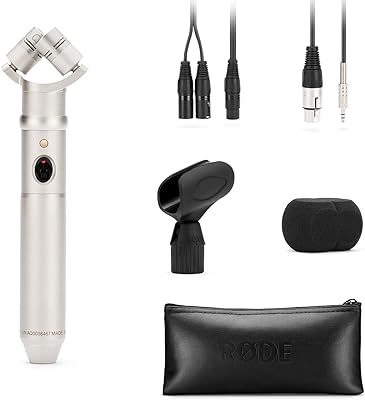
79%
91%
Audio Quality
93%
Stereo Flexibility
88%
Build Quality
54%
Wind Noise Rejection
62%
Value for Money
More
Rode NT4 Stereo Condenser Microphone
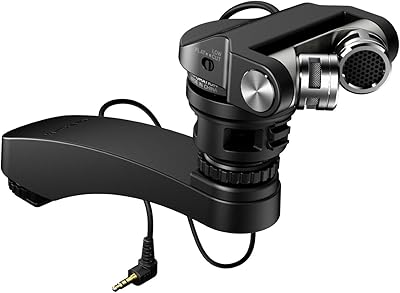
81%
91%
Sound Quality
89%
Stereo Imaging
87%
Build Quality
74%
Value for Money
88%
Ease of Use
More
Tascam TM-2X
Tascam TM-2X
86%
92%
Stereo Image Width
88%
Audio Clarity
74%
Handling Noise Isolation
94%
Portability and Weight
86%
Loud Environment Performance
More
Audio-Technica AT8024
84%
93%
Versatility of Modes
88%
Setup & Ease of Use
76%
Audio Clarity & Detail
82%
Build Quality & Durability
79%
Shock Mount Performance
More
Audio-Technica AT875R
83%
93%
Sound Rejection
94%
Form Factor & Compactness
88%
Vocal Clarity
82%
Handling Noise Reduction
86%
Build Quality & Durability
More
Audio-Technica AT831B Cardioid Lavalier Microphone
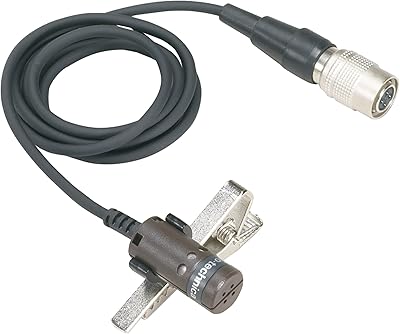
70%
91%
Audio Clarity
83%
Noise Rejection
78%
Build Quality
54%
Ease of Setup
72%
Value for Money
More
Audio-Technica AT829CW Lavalier Microphone
80%
88%
Sound Quality
89%
Voice Intelligibility
84%
Noise Rejection
93%
Discreetness
91%
Wearability
More
Audio-Technica AT4021 Cardioid Condenser Microphone
81%
93%
Tonal Accuracy
88%
Noise Floor Performance
87%
Build & Durability
84%
Value for Money
92%
Transient Response
More

FAQ

It will work with any camera that has a standard XLR microphone input, which most professional video-capable DSLRs and mirrorless cameras offer. If your camera only has a 3.5mm mini-jack, you will need an XLR-to-TRS adapter or a small field mixer in between. Some entry-level cameras may also have weaker preamps that introduce a little noise at higher gain settings, so it is worth checking your specific body.

A shotgun mic is designed to reject sound from the sides and focus tightly on whatever is directly in front of it, which is great for isolating dialogue. An X/Y stereo mic like this one captures the full acoustic environment around the subject, giving your recordings a genuine sense of space and dimension. If you are shooting nature footage, live events, or any content where the ambient soundscape matters, stereo wins hands down.

No windscreen is included in the box, which is an honest omission worth knowing upfront. For outdoor use in anything beyond very calm conditions, an aftermarket foam windscreen or a deadcat-style cover is strongly recommended. Budget a small additional amount for that accessory if you plan to shoot outdoors regularly.

Yes, the AT8022 pairs very well with portable recorders that provide phantom power over XLR inputs, which devices like the Zoom H5 and Tascam DR-series do. Just make sure phantom power is switched on in your recorder settings, or install the required battery if your recorder does not supply phantom. It is one of the more popular combos among field recordists for exactly this reason.

When you are recording outdoors or handheld, low-frequency rumble from wind, footsteps, or handling vibration can wash over your recording and make it feel muddy. Switching on the low-cut filter rolls off those frequencies below a certain point before the signal even hits your recorder, which saves you from having to fix it in post. It is a small feature that makes a noticeable difference in real field conditions.

It is actually a solid option for that use case. Positioning the mic a foot or so in front of the guitar body captures both the warmth of the soundhole and the brightness of the fretboard in a single stereo image, which tends to sound more natural than a single mono mic. The condenser capsules respond well to the transients of fingerpicking and strumming alike.

At 1.8 pounds it is on the heavier side compared to plastic-bodied alternatives, but most shooters find it manageable on a full-size DSLR or camcorder for extended use. On smaller mirrorless bodies it can feel front-heavy, so a shoulder rig or camera support helps if you are shooting handheld for hours at a time. The weight trade-off is generally considered worthwhile given the added durability.

That depends on your environment. Because it is a stereo condenser mic rather than a tight shotgun, it is more sensitive to the surrounding acoustic space. In a quiet room or controlled setting it sounds excellent for interviews. In a noisy cafe or a busy street, the ambient pickup can compete with your subject, which is when a directional shotgun or a dedicated lavalier mic becomes a better tool.

The AT8022 runs on a standard AA or similar small battery depending on the specific version, and battery life is generally sufficient for extended field sessions. If you have access to phantom power from your recorder or preamp, using that instead is a good way to avoid unexpected battery drain mid-shoot. Always carry a spare if you are relying solely on battery power for a critical recording day.

The AT8022 sits in a competitive tier alongside mics from Rode and Sony, and most experienced users consider it to trade blows favourably on stereo imaging accuracy and build quality. Where it tends to stand out is in the flexibility of its power options and the confidence that comes from a design that has been refined and proven over many years. Its main trade-off compared to some rivals is wind sensitivity, so factor in accessory costs when comparing total price.

Where to Buy