







Overview
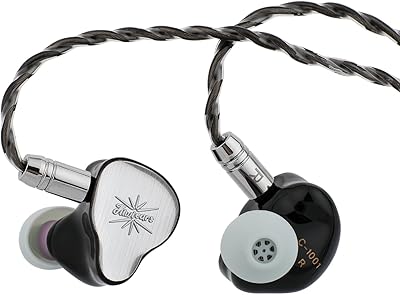
The Xenns Mangird Tea Pro In-Ear Monitor is the third iteration of a lineup that earned Xenns genuine credibility in the audiophile community — not through marketing, but through consistent performance at honest price points. The original Tea and Tea MKII built a loyal following, and the Tea Pro arrives as a meaningful step forward rather than a token refresh. Out of the box, the packaging feels appropriately premium, and you get both a 4.4mm balanced cable and a 3.5mm single-ended option right away. The shells are cast from medical-grade UV resin and each unit is hand-assembled, giving them a solid, slightly bespoke feel that mass-produced earphones rarely match.
Features & Benefits
At the heart of this hybrid IEM sits a 6BA + 2DD driver array where the dynamic drivers handle the low end and six balanced armatures take care of the mids and highs. The dual 8mm bio-composite diaphragm drivers have been reinforced since the last generation, and it shows — sub-bass hits clean and with real weight, without turning muddy on busy tracks. The Knowles balanced armature drivers bring a natural texture to vocals and strings that cheaper BAs often miss. Tuning has shifted toward more body in the midrange and crisper treble definition, rewarding both pop and acoustic recordings. The detachable 0.78mm cable adds long-term flexibility, and the 13 Ohm impedance means most phones and DAPs can drive it without a separate amp.
Best For
The Tea Pro is a strong choice for dedicated music listeners who want a balanced, full-bodied sound without sacrificing detail up top. Musicians using IEMs for studio reference or stage monitoring will appreciate the instrument separation and the way guitar bass notes and vocals come through with real body. If you are coming up from a mid-range hybrid in the $100–$200 range, the jump in timbre and textural resolution here is noticeable. Competing options like the Moondrop Variations or 64 Audio U4s are worth comparing at this price tier. The detachable cable system suits anyone who already has a preferred 4.4mm balanced setup or wants to experiment with cable rolling.
User Feedback
Buyers who have spent time with the Mangird Tea Pro consistently mention the wider soundstage and improved sub-bass punch as stand-out improvements over the Tea MKII, while vocal presence and overall fullness earn praise across multiple genres. On the critical side, fit is a recurring topic — the shell shape suits most ears but buyers with smaller ear canals find extended wear uncomfortable, which matters at this price. The stock cable does its job, though a notable share of users swap it for a third-party upgrade fairly quickly. Real-world use ranges from daily commuting to focused home listening and studio reference. The 4.4 out of 5 rating feels earned — there are no glaring weaknesses, but fit variability and stiff competition keep it from being a truly universal pick.
Pros
- Sub-bass hits harder and cleaner than the Tea MKII, with real impact on bass-heavy and electronic tracks.
- Genuine Knowles balanced armature drivers bring a natural midrange texture that cheaper hybrids rarely achieve.
- Both a 4.4mm balanced and a 3.5mm cable are included out of the box, covering most listening setups.
- At 13 Ohm impedance, this hybrid IEM pairs cleanly with phones, DAPs, and portable dongles without extra amplification.
- Soundstage width is a consistent highlight in buyer feedback across multiple genres.
- Handcrafted UV resin shells feel genuinely premium and every unit is hand-checked for stereo balance.
- Vocal presence and instrument separation stand out, especially on acoustic, jazz, and live recordings.
- The detachable 0.78mm 2-pin cable system makes future upgrades or replacements easy and affordable.
Cons
- Universal fit can be problematic for smaller ear canals, making long listening sessions uncomfortable for some buyers.
- The stock cable is functional but a notable share of users replace it with a third-party option fairly quickly.
- No water or sweat resistance makes this a poor choice for workouts, outdoor use, or humid environments.
- Wired-only connectivity is a hard limit for anyone who relies on Bluetooth or wireless audio day-to-day.
- Handcrafted small-batch assembly, while a strength in principle, introduces a realistic if infrequent risk of unit-to-unit variation.
- The competitive landscape at this price tier is strong — buyers skipping a proper comparison may end up with a mismatch for their sound preferences.
- Shell dimensions lean toward mid-to-large, which can affect long-term comfort for listeners with shallower ear anatomy.
Ratings
Our AI rating system analyzed verified buyer reviews for the Xenns Mangird Tea Pro In-Ear Monitor from global markets, actively filtering out spam, bot submissions, and incentivized feedback to ensure every score reflects genuine user experience. The results capture what this hybrid IEM does exceptionally well — soundstage width, sub-bass punch, and build consistency — alongside the real pain points buyers encountered, particularly around fit and stock cable quality. Each category score is calibrated to reflect honest trade-offs, giving you a transparent picture before you commit.
Sound Quality
Bass Performance
Soundstage & Imaging
Fit & Comfort
Value for Money
Midrange Clarity
Treble Performance
Build Quality
Cable Quality
Driver Coherence
Timbre & Naturalness
Noise Isolation
Ease of Driving
Packaging & Accessories
Suitable for:
The Xenns Mangird Tea Pro In-Ear Monitor is built for listeners who take their audio seriously and want a hybrid IEM that covers all the bases — deep sub-bass, full-bodied mids, and articulate highs — without skewing too far in any direction. Audiophiles upgrading from the $100–$200 tier will notice a real difference in tonal richness and texture, especially on acoustic music, jazz, and well-recorded vocals. Musicians who use IEMs for studio reference or on-stage monitoring will appreciate how cleanly individual instruments sit in the mix. The detachable cable system and dual termination options make this a practical choice for anyone who already owns a DAC or portable amp setup and wants a versatile wired earphone. If you value knowing your gear was assembled by hand and tuned with intention rather than produced on a mass-market assembly line, the Tea Pro delivers that sense of care in ways that show up in both build quality and sound consistency.
Not suitable for:
The Xenns Mangird Tea Pro In-Ear Monitor is not the right call for everyone, and being honest about that matters at this price point. Buyers with smaller ear canals or those sensitive to fit should approach with caution — the universal shell suits most ears, but complaints about long-session comfort surface regularly, and there is no custom-fit option available. If you are primarily a casual listener who streams music passively in the background, the performance here far exceeds what that use case demands and the value equation simply does not work in your favor. The Tea Pro is wired-only with zero water resistance, so gym sessions, outdoor workouts, or wet-weather commutes are firmly outside its comfort zone. Lastly, if you are weighing alternatives like the Moondrop Variations, 64 Audio U4s, or Symphonium Helios, this IEM deserves a direct side-by-side comparison before you commit — the $300-plus market is competitive enough that personal sound preferences should drive the final decision.
Specifications
- Driver Config: Each earpiece uses a hybrid configuration of 6 balanced armature drivers and 2 dynamic drivers, totaling 8 drivers per side.
- Dynamic Drivers: The two dynamic drivers use custom 8mm bio-composite diaphragms with a reinforced membrane structure engineered for lower distortion and stronger sub-bass response.
- BA Drivers: Balanced armature duties are handled by genuine Knowles components: two RAD 33518 units, two RAF 32873 units, and one RDB 34834 composite driver per earpiece.
- Impedance: Impedance is rated at 13 Ohm, making the Tea Pro easy to drive from most smartphones, DAPs, and portable USB dongles without a dedicated headphone amplifier.
- Sensitivity: Sensitivity is rated at 104 dB, meaning the earphones reach comfortable listening volumes at low output levels from portable sources.
- Frequency Range: The stated frequency response spans 20 Hz to 22,000 Hz, covering the full range of human hearing with particular emphasis on sub-bass extension at the low end.
- Cable Connector: The earphones use a 0.78mm 2-pin detachable connector interface, a widely supported standard in the aftermarket IEM cable ecosystem.
- Cable Options: Two cables are included in the package: one terminating in a 4.4mm balanced plug and one terminating in a 3.5mm single-ended plug.
- Shell Material: The earphone housings are precision-cast using medical-grade UV resin, chosen for its biocompatibility, durability, and ability to hold tight acoustic tolerances.
- Assembly: Every unit is hand-assembled in small batches, with drivers wired by hand and each finished pair checked and matched to ensure consistent stereo channel balance.
- Noise Isolation: Noise isolation is passive, achieved through the physical seal of the earphone shell and ear tips rather than any active noise-cancelling circuitry.
- Connectivity: The Tea Pro is a wired-only earphone with no Bluetooth or wireless capability of any kind.
- Water Resistance: There is no water or sweat resistance rating on this earphone, so it should be kept away from moisture, rain, and high-perspiration environments.
- Ear Placement: The earphones are designed for in-ear use with an over-ear cable routing style, which improves cable stability during seated and light everyday use.
- Package Weight: The total package weight is 13 ounces, reflecting the included accessories, cables, and protective carrying case.
Related Reviews
KZ ZSN Pro Hybrid IEM Earphones
BASN Bsinger PRO
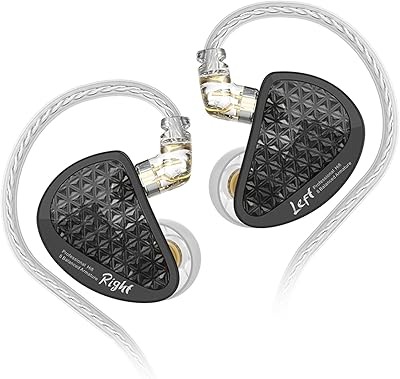
CCA KZ AS16 PRO IEM Earphones
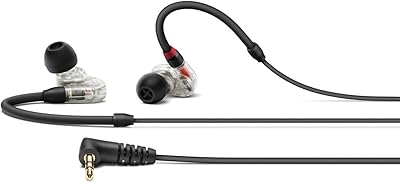
Sennheiser IE 100 PRO
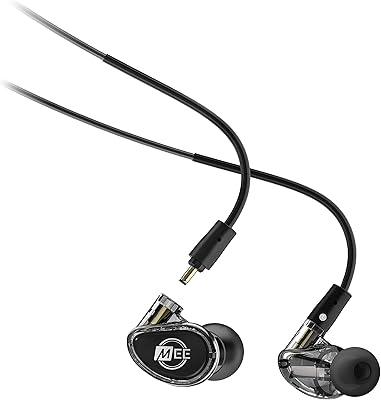
MEE audio MX3 PRO In-Ear Monitor
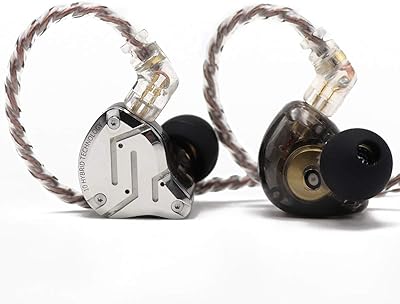
KZ ZS10 Pro Hybrid IEM Earphones
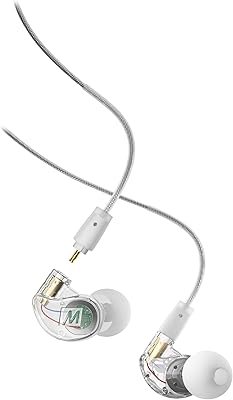
MEE Audio M6 PRO Gen 2
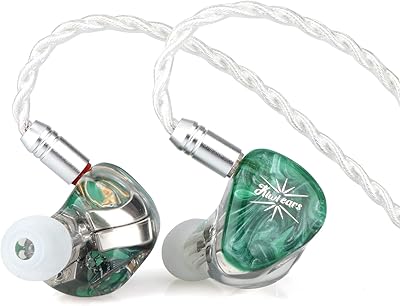
Kiwi Ears Orchestra Lite
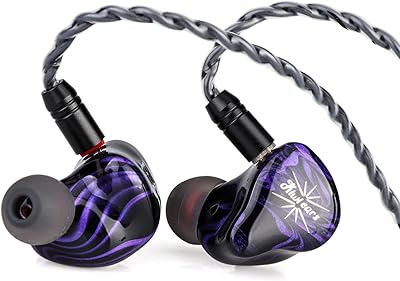
Linsoul Kiwi Ears Quartet 2DD+2BA Hybrid In-Ear Monitor