
Overview

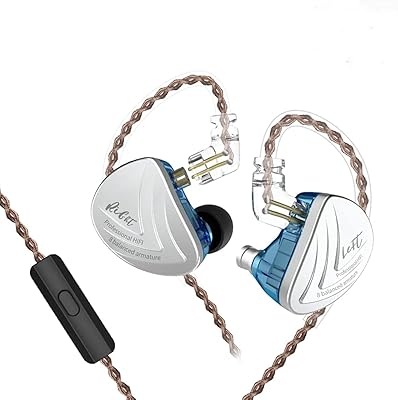
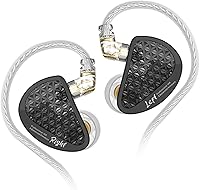
The CCA KZ AS16 PRO IEM Earphones occupy a well-defined niche: serious listeners and working musicians who want multi-driver performance without spending flagship money. Sixteen balanced armature drivers — tiny, precision-tuned sound generators — are divided by frequency range so each group handles only its assigned slice of the audio spectrum. This 16-driver IEM refines what its predecessor started, with notably improved midrange texture and smoother treble extension. Be aware, though: all-BA tuning has a distinct character — analytical and detailed, but leaner in the low end than most dynamic-driver earphones. The wired 3.5mm connection is a deliberate choice, prioritizing zero-latency audio over wireless convenience.

Features & Benefits

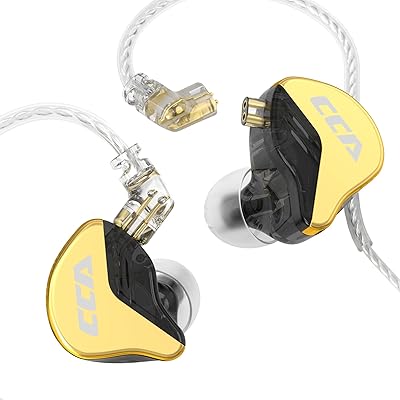
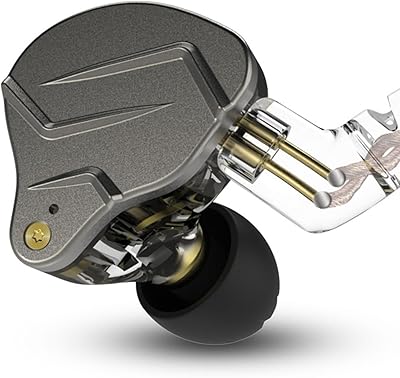
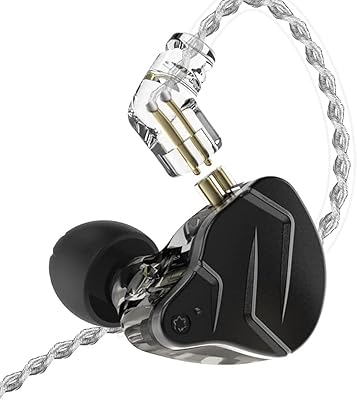
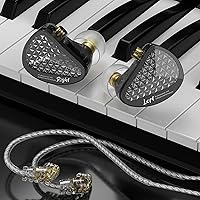
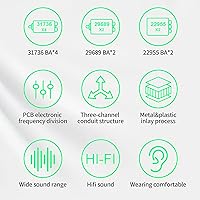
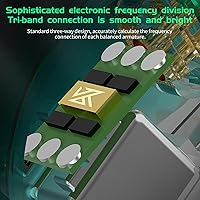
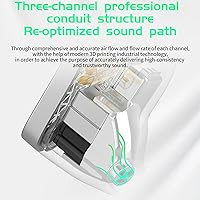
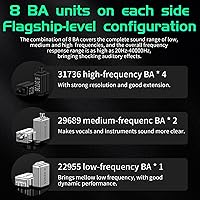
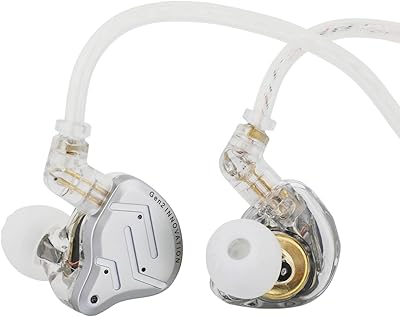
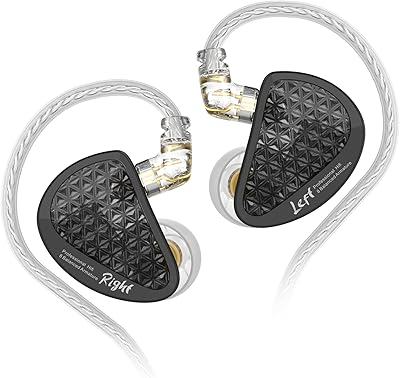
Eight drivers per ear sounds impressive on paper, but what matters is how they're organized. The AS16 PRO assigns dedicated balanced armature units to highs, mids, and lows, then uses an electronic crossover — rather than a simpler passive filter — to direct frequencies cleanly, keeping phase coherence tighter and transient response sharper. The acoustic pathway runs through a 3D-printed three-channel conduit, a structural choice that keeps sound delivery consistent from one unit to the next. The shell itself is a metal-plastic hybrid with a diamond-cut finish that feels solid for the price tier. A detachable 2-pin cable means you can swap in an aftermarket wire or a Bluetooth module without replacing the earphones entirely — a genuinely useful feature at this price.

Best For

These KZ earphones are a natural fit for stage musicians — drummers especially — who need reliable passive isolation and crystal-clear monitoring without the latency risk that wireless earphones introduce. DJs and producers will appreciate the high-frequency detail and strong instrument separation, which makes mix-checking on these a genuinely useful exercise. If you're stepping up from a budget single-driver IEM and want to understand what a multi-BA setup actually sounds like, this is a reasonable entry point. The 2-pin connector is also a smart choice for anyone who already owns quality aftermarket cables or a 2-pin Bluetooth receiver — you're not starting from scratch, just swapping components in a system you already have.

User Feedback

Owners consistently call out detail retrieval and a wider-than-expected soundstage as standout strengths — for an IEM at this price, the ability to pick apart individual instruments is genuinely surprising to many first-time buyers. The main gripe is equally consistent: bass weight. Pure balanced armature setups don't move air the way dynamic drivers do, and listeners accustomed to boosted low ends will find the AS16 PRO a noticeably leaner listen. Fit is generally positive, though a few buyers note that the stock silicone tips don't create the best seal for every ear shape — switching to foam tips or a wider bore option makes a real difference in both isolation and perceived bass presence. The included cable is functional but rarely praised; most treat it as temporary.

Pros

  • Exceptional detail retrieval puts instrument separation well above what most similarly priced IEMs deliver.
  • The soundstage feels noticeably wider than expected for a closed in-ear monitor at this price point.
  • Passive isolation is effective enough for live stage use without relying on electronic noise cancellation.
  • The detachable 2-pin cable makes upgrades straightforward — swap in a premium wire or a Bluetooth module without buying new earphones.
  • Electronic crossover design keeps frequency handoffs clean, which translates to more coherent mids and crisper highs.
  • Build quality feels solid; the metal-plastic shell with diamond-cut accents holds up well to regular handling.
  • The ergonomic shell fits a wide range of ear shapes comfortably during long monitoring sessions.
  • Low impedance means these KZ earphones drive easily from phones and DAPs without needing a dedicated amplifier.
  • Broad frequency extension gives the AS16 PRO a sense of airiness in the upper registers that cheaper IEMs rarely achieve.

Cons

  • Bass quantity is noticeably lean — listeners used to dynamic driver earphones will find the low end underwhelming out of the box.
  • The stock silicone ear tips do not create an optimal seal for every ear shape, directly affecting both isolation and perceived bass response.
  • Included cable is functional but feels like a placeholder; most buyers will want to replace it relatively quickly.
  • No water or sweat resistance makes these a risky choice for gym use or outdoor monitoring in humid environments.
  • The analytical tuning can become fatiguing during long casual listening sessions, especially at higher volumes.
  • The cardboard carrying case offers minimal protection — not practical for regular transport in a bag or gear kit.
  • Wired-only connectivity will feel limiting for anyone accustomed to the freedom of true wireless earbuds.
  • Treble energy, while detailed, may come across as slightly sharp to listeners who prefer a warmer, more relaxed sound signature.

Ratings

The scores below reflect an AI-driven analysis of verified global buyer reviews for the CCA KZ AS16 PRO IEM Earphones, with spam, bot activity, and incentivized feedback actively filtered out before any score was calculated. Ratings span both the product's genuine strengths and its real limitations, giving you an honest picture of what to expect before you buy.

Sound Detail & Clarity
91%
Across hundreds of reviews, instrument separation and fine detail retrieval are the most consistently praised qualities of the AS16 PRO. Listeners describe the ability to pick out individual elements in a dense mix — guitar overtones, breath in vocal tracks, rim hits on a drum kit — with a precision that genuinely surprises at this price tier.
A small but vocal group of buyers find the clarity almost excessive, noting that poorly recorded or heavily compressed audio sounds harsh and unforgiving. These KZ earphones do not flatter mediocre source material the way a warmer-tuned IEM might.
Bass Performance
54%
46%
Buyers who understand the all-balanced-armature format going in tend to appreciate the bass for what it is: tight, fast, and well-controlled. For acoustic jazz, orchestral recordings, and studio monitoring work, the low end stays composed and avoids the bloat that plagues cheaper dynamic-driver earphones.
This is the single most polarizing aspect of the AS16 PRO in user feedback. Listeners coming from consumer earbuds or bass-boosted headphones frequently describe the low end as thin or hollow, and no amount of EQ fully replicates the physical weight a dynamic driver produces. Bass-heavy genre fans are regularly disappointed.
Midrange Reproduction
86%
Vocal clarity and midrange texture are standout qualities that users highlight repeatedly, particularly singers and musicians who use these for stage monitoring. The dedicated mid-frequency drivers handle the 500Hz–4kHz range with a level of definition that makes voices and lead instruments feel upfront and natural.
A portion of buyers note that the midrange can occasionally feel slightly forward or even edgy on certain tracks, particularly with female vocals or high-register string instruments. This is more a tuning characteristic than a defect, but it may not suit listeners who prefer a more relaxed, recessed mid presentation.
Treble Extension
83%
The high-frequency drivers give the AS16 PRO a sense of airiness and extension that few multi-BA earphones at this price level match. Cymbals decay naturally, acoustic guitar harmonics ring out clearly, and high-resolution audio files reveal layers of detail that compressed streaming cannot fully exploit.
Treble sensitivity is a real concern for a subset of users, particularly during long sessions at moderate-to-high volumes. Some describe the upper frequencies as slightly sharp or sibilant, especially on recordings that already emphasize the presence region. Tip selection and source EQ can mitigate this, but it takes some dialing in.
Soundstage & Imaging
79%
21%
For a closed in-ear monitor, the width and spatial placement reported by users are genuinely impressive. Gamers and producers both call out the accurate stereo imaging as a practical advantage — locating audio cues in a mix or a competitive game feels noticeably more precise than with most IEMs at a similar price.
The soundstage, while wide for its format, still has the natural ceiling that all sealed in-ear monitors face — it will not replicate the open, expansive feel of over-ear headphones or open-back designs. Some users expecting a truly holographic presentation come away mildly underwhelmed by the depth dimension specifically.
Passive Noise Isolation
81%
19%
Stage musicians and drummers repeatedly highlight the isolation as one of the primary reasons they chose this 16-driver IEM over wireless alternatives. The ergonomic shell creates a consistent seal that blocks out enough ambient sound to make rehearsals and live performance monitoring genuinely workable without relying on any electronics.
Isolation quality is heavily dependent on achieving a proper seal, which in turn depends on ear tip fit. Users with smaller or larger ear canals who struggle with the included silicone tips report noticeably weaker isolation, which directly affects both sound quality and their ability to use these in loud environments.
Comfort & Fit
76%
24%
Most buyers report comfortable long-session wear, with the over-ear cable routing helping distribute weight and reduce fatigue during extended studio or stage use. The shell shape fits a wide range of ear geometries, and users who find the right tip size describe the fit as secure without creating pressure-point discomfort.
Fit is not universal, and a meaningful number of buyers with unusually small or irregular ear canal shapes report that the stock ear tips never quite seal correctly, no matter how much they adjust. A few users also find the shell slightly bulky compared to more compact IEM designs.
Build Quality
77%
23%
The metal-plastic hybrid construction feels noticeably more substantial than what you typically encounter in this price range. The diamond-cut faceplate adds a premium aesthetic that owners appreciate, and the overall rigidity of the shell gives the impression of an earphone that can handle regular professional use without becoming fragile.
Despite the solid feel of the shell itself, the carrying case is a recurring source of frustration — it is essentially a cardboard box that offers almost no protection during transport. A handful of buyers also note minor inconsistencies in how cleanly the cable connector seats, which can feel slightly loose over time with repeated cable swaps.
Cable Quality
61%
39%
The silver-plated detachable cable is functional and does its job cleanly in the short term. Users who planned from the start to swap it for an aftermarket wire appreciate the 2-pin standard, which gives access to a wide range of quality replacement cables at various price points.
The stock cable is the most consistently criticized accessory in buyer feedback. Common complaints include tangling, microphonics when the cable rubs against clothing, and a plasticky feel that seems mismatched with the rest of the build. The consensus is clear: it is a placeholder, not a finished accessory.
Upgradability & Modularity
88%
The 2-pin detachable cable system is genuinely one of the smartest aspects of the AS16 PRO from a long-term value perspective. Users who own aftermarket cables or compatible Bluetooth receiver modules report that the system integrates cleanly, effectively letting them customize the earphones without any additional hardware investment.
Buyers unfamiliar with the IEM aftermarket may find the upgrade path confusing at first — not all 2-pin cables are dimensionally identical, and poorly fitting third-party connectors can cause signal issues or wear the socket faster. The learning curve is low but real.
Value for Money
82%
18%
For buyers who understand what they are purchasing — an analytical, detail-first IEM with a multi-BA architecture — the price-to-performance ratio is strong. Users who come from significantly more expensive all-BA monitors frequently express surprise at how much sonic competence the AS16 PRO delivers relative to its positioning.
For casual listeners or those expecting a well-rounded consumer sound signature, the value proposition weakens considerably. Buyers who purchased hoping for powerful bass or effortless out-of-the-box enjoyment often feel the money would have been better spent on a hybrid-driver or dynamic-driver IEM in the same budget range.
Ease of Use & Setup
74%
26%
Connecting these KZ earphones is straightforward for anyone with a 3.5mm port on their device — no apps, no pairing, no firmware updates required. Audiophile beginners appreciate that the learning curve is limited to tip selection and cable management rather than any software configuration.
The wired-only nature means cable discipline is a constant consideration, and users who are accustomed to wireless earbuds frequently find the transition to managed cables more disruptive than expected. Getting the cable routing right around the ear also requires a short adjustment period before it feels second nature.
Compatibility
85%
The 15 Ohm impedance means the AS16 PRO runs easily from virtually any source — smartphones, laptops, portable music players, and audio interfaces all drive it without effort. Users who test them across multiple devices consistently report that output volume and control feel consistent regardless of the source.
The 3.5mm wired connection is a limitation for anyone whose primary device has dropped the headphone jack. While a USB-C or Lightning adapter resolves this in most cases, it adds a dongle to the chain that some buyers find inconvenient, and adapter quality can subtly affect audio performance.

Suitable for:

The CCA KZ AS16 PRO IEM Earphones are a strong match for working musicians who monitor live on stage — drummers, bassists, and vocalists who need reliable passive isolation and a clear, detailed sound without introducing wireless latency into their setup. DJs and studio producers will find the high-frequency resolution and instrument separation useful for critical listening sessions, where picking apart a mix requires earphones that don't smear fine detail. Audiophiles curious about the multi-balanced-armature sound signature but not ready to commit to flagship pricing will get a meaningful taste of what the format does well. If you already own 2-pin aftermarket cables or a compatible Bluetooth receiver module, these KZ earphones slot neatly into an existing ecosystem without requiring additional investment upfront. Anyone stepping up from a budget single-driver IEM and wanting a genuinely more technical listen will find the upgrade meaningful and immediately noticeable.

Not suitable for:

The CCA KZ AS16 PRO IEM Earphones are not the right tool for listeners who prioritize deep, physical bass impact — the all-balanced-armature architecture simply does not reproduce low frequencies the way a dynamic driver does, and no amount of EQ fully closes that gap for bass-heavy genres like EDM, hip-hop, or trap. Casual listeners who primarily use wireless earbuds will find the wired-only 3.5mm connection inconvenient, and the lack of any water or sweat resistance makes these a poor choice for workouts or outdoor use in variable weather. If you tend to listen at high volumes for extended periods, the analytical tuning of the AS16 PRO can become fatiguing — this is an earphone that rewards focused, attentive listening rather than background music consumption. Buyers expecting a rich, warm, or lush sound profile will likely be disappointed; the tuning leans precise and neutral rather than forgiving or flattering.

Specifications

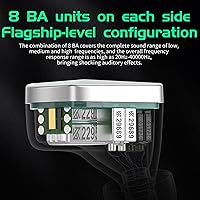
  • Driver Count: Each earpiece houses 8 balanced armature drivers, totaling 16 across both sides.
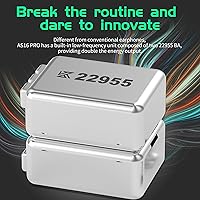
  • Driver Layout: Drivers are divided by frequency role: 4 high-frequency, 2 mid-frequency, and 1 low-frequency balanced armature unit per side.
  • Frequency Range: The rated frequency response spans from 20Hz at the low end up to 40,000Hz at the top of the audible and extended range.
  • Impedance: At 15 Ohm, these earphones are easy to drive and do not require a dedicated headphone amplifier for everyday use.
  • Noise Isolation: The sealed ergonomic shell provides passive noise isolation of up to 26dB, suitable for stage monitoring and studio environments.
  • Cable Type: The included cable is a detachable silver-plated wire terminating in a standard 2-pin connector at the earphone end.
  • Connector: A 3.5mm single-ended audio jack connects the cable to the source device, compatible with most audio players and adapters.
  • Shell Material: The earphone housing is constructed from a metal-plastic hybrid with a diamond-cut decorative finish on the faceplate.
  • Acoustic Structure: Internal sound routing uses a 3D-printed three-channel conduit design intended to control airflow and maintain consistent audio delivery.
  • Crossover Type: Frequency division between driver groups is handled electronically rather than through a passive resistor-capacitor network, aiming for tighter phase coherence.
  • Connectivity: These are wired-only earphones with no onboard wireless capability, though 2-pin Bluetooth modules from third-party brands can be attached.
  • Water Resistance: The AS16 PRO carries no official water or sweat resistance rating and is not recommended for use during physical activity or in wet conditions.
  • Weight: The earphones themselves weigh approximately 67g combined; the included carrying case adds around 100g when packed.
  • Carrying Case: A basic cardboard box is included for storage and transport, offering minimal structural protection compared to a hard-shell case.
  • Ear Tip Shape: The included tips are rounded silicone ear tips designed for canal insertion; aftermarket foam or wide-bore tips can also be fitted.
  • Compatible Devices: The earphones work with any audio source that has a 3.5mm headphone output or a digital-to-analog adapter providing one.

Related Reviews
Kinboofi KZ AS16 In-Ear Monitor Earphones
84%
94%
Sound Quality
89%
Build Quality
78%
Comfort & Fit
85%
Cable Durability
91%
Frequency Range
More
Linsoul KZ AS16 Pro Wired Earbuds
86%
91%
Sound Quality
88%
Comfort for Long Sessions
89%
Build Quality & Durability
84%
Noise Isolation
75%
Bass Performance
More
Linsoul KZ ZSN PRO 2 IEM
87%
91%
Sound Quality
88%
Comfort & Fit
84%
Bass Response
89%
Build Quality
92%
Value for Money
More
Westone Audio Pro X30 IEM Earphones
84%
92%
Sound Quality
88%
Comfort and Fit
90%
Sound Isolation
85%
Build Quality
80%
Ease of Use
More
KZ ZS12 Pro X Hybrid IEM Earphones
75%
83%
Sound Quality
78%
Bass Performance
81%
Treble Clarity
89%
Build Quality
62%
Cable Quality
More
NICEHCK DB2 IEM Earphones
86%
89%
Sound Quality
91%
Bass Response
87%
Comfort & Fit
83%
Durability
85%
Build Quality
More
KZ ZSN Pro in Ear Monitors
85%
91%
Sound Quality
85%
Comfort & Fit
88%
Build Quality
89%
Noise Isolation
82%
Durability
More
DEWALT Jobsite Pro DXMA1902091
85%
93%
Chassis Durability
91%
Battery Longevity
88%
Gloved Operation
86%
Water & Dust Resistance
74%
Passive Sound Isolation
More
CCA CRA+ In-Ear Monitor Earphones
86%
88%
Sound Quality
85%
Comfort for Extended Use
86%
Bass Response
83%
Build Quality
90%
Ease of Use
More
KZ ZSN Pro X Hybrid In-Ear Monitors
77%
87%
Sound Quality
93%
Value for Money
84%
Build Quality
63%
Comfort & Fit
72%
Treble & Detail
More

FAQ

They will work just fine from a phone or laptop without any additional amplifier. At 15 Ohm impedance, the AS16 PRO is easy to drive, and most modern devices will bring it to comfortable listening volume without straining. That said, pairing it with a small USB DAC-amp will add a noticeable improvement in clarity and control if you want to get the most out of the drivers.

Honestly, it depends on your reference point. These KZ earphones use only balanced armature drivers, which are inherently less capable of producing the deep, physical bass thump that a dynamic driver delivers. If you listen to a lot of hip-hop, EDM, or any genre where bass weight is central, you will likely find the low end underwhelming. For acoustic music, jazz, classical, or studio monitoring work, the bass is tight and well-defined — just not abundant.

Yes, the 2-pin detachable cable system means you can replace the stock cable with a compatible 2-pin Bluetooth receiver module — several affordable options from KZ, CCA, and third-party brands are available. Keep in mind that Bluetooth modules introduce a small amount of latency, which is worth considering if you are using these for live stage monitoring where sync matters.

Make sure the tips are fully seated in your ear canal and that you are getting a firm seal — any air gap will bleed out the bass and reduce isolation noticeably. If the stock silicone tips feel loose or shallow, try switching to a wider bore tip or a foam tip; both tend to create a better seal for a wider range of ear shapes and make a real difference in how balanced the sound feels.

They can work for commuting, but there are some practical limitations to consider. There is no water or sweat resistance, so rain or a humid commute is a genuine risk. The wired connection also means cable management becomes a daily consideration. If you regularly commute by train or bus in noisy environments, the passive isolation is actually quite effective and does a good job of reducing ambient sound without electronics.

The 2-pin connector is a well-established standard in the IEM world and holds up reasonably well with normal daily use. That said, no detachable connector is immune to wear, especially if you frequently plug and unplug it. Handling the connection point gently and not tugging on the cable itself will extend its lifespan considerably.

Absolutely, and it is one of the more worthwhile upgrades you can make without spending much. Foam tips from brands like Comply or Spinfit wide-bore silicone tips are popular choices with this 16-driver IEM. A better seal changes the entire character of the sound — bass tightens up, isolation improves, and the overall tonal balance feels more composed. It is genuinely worth experimenting before concluding the earphones do not suit your preferences.

Not really — it is a basic cardboard box that is fine for storage at home but offers very little physical protection if the earphones are rattling around in a backpack or gear bag. If you plan to travel with them regularly, picking up a small hard-shell earphone case separately is a smart move and usually costs only a few dollars.

They can work for gaming, particularly for players who prioritize positional audio cues and fine detail — footsteps, environmental sounds, and spatial separation are all rendered with impressive precision by the AS16 PRO. However, you will need a separate adapter or an inline microphone cable if you want to use a mic, since the stock cable has no built-in microphone. For competitive gaming where sound positioning matters, these KZ earphones are actually a solid choice.

Use a dry or very slightly damp cloth to wipe down the shells after use — never let liquid get near the driver vents or nozzle openings. For the ear tips, remove them and rinse with warm water, letting them dry completely before reattaching. A soft-bristled brush, like a clean toothbrush, works well for clearing any debris from the nozzle mesh without applying pressure that could damage the internal components.