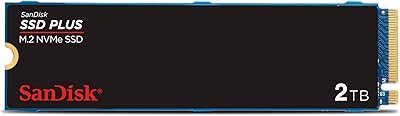
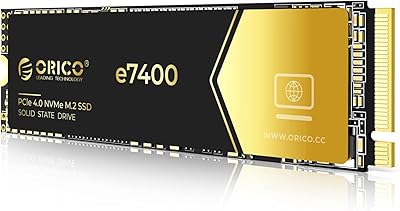
Overview

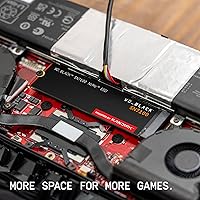
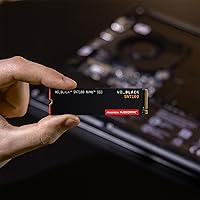
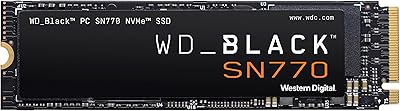
The WD_BLACK SN7100 2TB NVMe SSD arrived in late 2024 as a direct successor to the SN770, and it comes in with notably higher ambitions. Built around a PCIe Gen4 interface and packed into the standard M.2 2280 form factor, it fits desktops, modern laptops, and handheld gaming consoles without any fuss. At 2TB, it hits a practical sweet spot — enough room for a serious game library or a growing archive of creative work. It is worth noting upfront, though, that this is a consumer-grade drive, not a prosumer or enterprise solution, so expectations should be calibrated accordingly.
Features & Benefits

The numbers on this WD_BLACK NVMe drive are hard to ignore: 7,250 MB/s sequential read and 6,900 MB/s write put it among the quicker options available at this capacity. That said, raw benchmark figures rarely translate directly to gaming — what actually matters is how fast assets load and how consistently the drive sustains performance under pressure. On that front, the SanDisk TLC 3D NAND underpinning this drive holds up well. The power efficiency gains over the previous generation are meaningful for laptop and handheld users, where battery draw from storage can quietly chip away at playtime. The M.2 form factor means installation takes minutes.

Best For

The SN7100 2TB is a strong fit for PC gamers moving up from older Gen3 drives who want noticeably snappier load screens without paying flagship prices. It is also a genuinely good choice for Steam Deck or ROG Ally owners — the improved power efficiency matters here more than in any desktop build. Content creators juggling large video projects or RAW photo batches will appreciate the sustained transfer speeds. Laptop users with AMD Ryzen 7000 or Intel 12th Gen platforms and beyond will get full Gen4 throughput. Basically, if you need one fast, spacious drive to anchor your entire setup, this fits the brief.

User Feedback

With a 4.7-star rating across close to 3,000 verified purchases, the reception for this Gen4 SSD has been genuinely strong. Most buyers report real improvements in boot times and in-game loading, which is ultimately what people care about after the benchmark curiosity fades. Thermal behavior has drawn particular praise — users note the drive runs cooler than expected during sustained transfers, which is always a good sign for longevity. The sticking points are minor but worth knowing: the WD_BLACK Dashboard is Windows only, leaving macOS and Linux users without a native health-monitoring tool. A few desktop users would also appreciate a heatsink bundle option, but for most scenarios the drive runs fine without one.

Pros

  • Real-world boot and game load times drop noticeably compared to Gen3 drives on compatible platforms.
  • The 2TB capacity comfortably holds a large game library without constant juggling or deletion.
  • Runs cooler than expected during sustained workloads, reducing throttling risk in laptops and handhelds.
  • Improved power draw over the previous generation makes a genuine difference for Steam Deck and ROG Ally battery life.
  • Standard M.2 2280 form factor means installation is straightforward across desktops, laptops, and most handheld consoles.
  • Strong brand reliability with a well-established warranty and RMA process behind it.
  • The SN7100 2TB earns its price tag with competitive Gen4 performance that outpaces most drives in the same tier.
  • TLC 3D NAND offers a practical balance of endurance and cost for typical gaming and creative use.
  • Windows users get a clean dashboard for health checks and firmware management without needing third-party tools.
  • PCIe Gen4 compatibility keeps this drive relevant as newer platforms continue to standardize around Gen4 and Gen5.

Cons

  • The WD_BLACK Dashboard is Windows-only, leaving macOS and Linux users without any official health or firmware tooling.
  • Peak sequential speeds require a thermally stable, Gen4-capable system — real-world throughput on constrained setups falls short of spec.
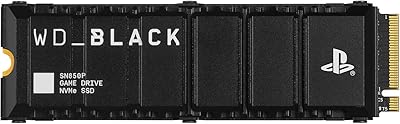
  • No heatsink is included in the box, which is an extra purchase for desktop users in warm or high-load environments.
  • TLC NAND can see write speeds dip after the SLC cache fills during very large, single-session write operations.
  • Buyers on Gen3-only motherboards get none of the performance headroom they are effectively paying for.
  • Gaming improvements in older or CPU-bound game engines are modest — the drive cannot compensate for titles that do not stream assets aggressively.
  • Customer support response times are inconsistent, which matters when a drive holds years of irreplaceable saves and project files.
  • No heatsink or thermal pad bundle option is offered, even as an add-on SKU, which feels like a gap in the product lineup.
  • Light or casual users — documents, streaming, basic apps — will never stress this drive enough to justify the Gen4 price premium.
  • High-volume creative professionals writing terabytes weekly should verify rated TBW figures against their actual workload before committing.

Ratings

The WD_BLACK SN7100 2TB NVMe SSD earns its place near the top of the consumer Gen4 storage market, and these scores reflect exactly that — no inflation, no spin. Our AI analyzed thousands of verified global purchases, actively filtering out incentivized and bot-generated reviews, to surface what real buyers actually experience day-to-day. The result is an honest breakdown of where this Gen4 SSD genuinely delivers and where it leaves a few things to be desired.

Read & Write Performance
93%
Users upgrading from Gen3 drives consistently report a noticeable jump in how quickly large files move and how fast Windows boots from a cold start. The 7,250 MB/s sequential read ceiling holds up well in real-world transfers, particularly when moving large game installs or video project folders.
A small number of technically inclined users note that peak speeds require the right motherboard and thermal headroom to sustain — on older or thermally limited systems, real throughput can fall short of advertised figures. The gap between benchmark and everyday performance is narrower than some rivals but still present.
Gaming Load Times
88%
For most users, switching to the SN7100 2TB from a Gen3 drive produced measurable reductions in in-game load screens, especially in open-world titles with large asset streaming demands. Several buyers specifically called out faster fast-travel times and reduced stuttering in asset-heavy zones.
The improvements are real but not always dramatic in titles that are already CPU-bound or that do not leverage DirectStorage. Buyers expecting a transformational change in older game engines may find the gains more modest than anticipated.
Power Efficiency
86%
Handheld gaming console users — particularly those running the SN7100 2TB in a Steam Deck or ROG Ally — report that the drive runs noticeably cooler and draws less power than previous-generation alternatives, which translates to slightly longer play sessions away from a charger.
The efficiency gains are most tangible in handheld and thin-and-light laptop scenarios. Desktop users are unlikely to notice any difference in system behavior or power draw, making this a selling point that applies to a specific subset of buyers rather than the whole audience.
Thermal Management
84%
Buyers are consistently surprised by how cool this Gen4 SSD runs during sustained transfers and extended gaming sessions. Unlike some competing drives that throttle aggressively under heat, the SN7100 appears to manage temperatures well without a heatsink in most laptop and handheld installations.
In high-airflow desktop builds without a dedicated M.2 heatsink, temperatures can creep up during prolonged sequential writes. A handful of desktop enthusiasts noted they would have appreciated a heatsink variant or bundle in the product lineup to address this use case directly.
Value for Money
91%
At its price point, the SN7100 2TB consistently earns praise as one of the better-value Gen4 options available at this capacity. Buyers frequently compare it favorably against pricier flagship drives, noting that real-world performance differences are hard to justify for the premium those competitors command.
It sits above budget Gen4 entries, which means price-sensitive buyers have cheaper options that still offer respectable performance. Those who do not regularly move large files or play load-intensive titles may not extract enough value to justify choosing it over a more affordable alternative.
Compatibility & Ease of Installation
94%
The standard M.2 2280 form factor means this drive slots into virtually every modern desktop, laptop, and handheld gaming console without any adapters or special configuration. Users report a genuinely plug-and-play experience — install it, clone or fresh-install, and it is ready to go.
PCIe Gen4 bandwidth is only available on platforms that support it; users on older Gen3 systems will not lose compatibility but will not unlock the drive's full potential either. This is a platform limitation rather than a drive flaw, but buyers should verify their system specs before purchasing.
Endurance & Longevity
81%
19%
TLC 3D NAND from SanDisk has a solid track record in consumer drives, and early adopters report no issues with reliability in the months since launch. For typical gaming and general-use workloads, the rated endurance figures are more than adequate for several years of daily use.
TLC NAND, while cost-efficient, does not match the write endurance of MLC-based drives. Heavy creative professionals writing terabytes of data weekly may want to weigh rated TBW figures against their actual workloads before committing.
Software & Dashboard Experience
62%
38%
Windows users who do take advantage of the WD_BLACK Dashboard find it reasonably useful for checking drive health, monitoring temperatures, and keeping firmware current. The interface is clean and accessible for non-technical users who want basic peace-of-mind visibility.
The Windows-only restriction is a genuine limitation that shuts out macOS and Linux users entirely — no health monitoring, no firmware updates, no performance tools. Given how many creative professionals and developers use non-Windows systems, this feels like an oversight that narrows the drive's appeal.
Build Quality & Form Factor
89%
At under 0.2 ounces, the physical build feels sturdy despite its minimal footprint. The bare M.2 board design is exactly what most users need — lightweight, compact, and reliable without unnecessary bulk that could complicate installations in tight chassis.
There is no included heatsink or thermal pad in the box, which some desktop builders feel should be standard for a drive in this performance tier. It is a minor omission that does not affect most installations but does add a small extra cost for those who want optimal thermal protection.
Sustained Write Performance
76%
24%
For typical gaming and everyday file operations, sustained write speeds are more than capable. Users transferring large game installations or moderate video files report consistently fast completion times without obvious slowdowns mid-transfer.
Like most TLC-based consumer SSDs, write speed can dip after the SLC cache is saturated during very large, continuous write operations. Users moving multi-hundred-gigabyte archives in a single session may see speeds taper off toward the end, which is a known characteristic of this NAND architecture.
Noise & Vibration
97%
As a solid-state drive with no moving parts, it operates in complete silence under all conditions. Users migrating from older mechanical or hybrid drives immediately notice the absence of any read or seek noise, which contributes to a quieter overall system.
There is nothing meaningful to criticize here — silence is inherent to NVMe SSD technology. The near-perfect score reflects the absence of any negative user reports on this dimension, not an area of genuine product distinction.
Handheld Console Optimization
83%
The combination of the M.2 2280 footprint, reduced power draw, and manageable heat output makes the SN7100 2TB a natural fit for devices like the Steam Deck. Buyers who upgraded their handheld storage specifically cite improved battery behavior and cooler device temperatures during extended sessions.
The drive is not specifically tuned or certified for any particular handheld platform, so results can vary slightly depending on the device's thermal design and power management implementation. Most users have positive experiences, but it is not a guaranteed outcome across all handheld hardware.
Brand Reliability & Support
82%
18%
WD_BLACK and its parent SanDisk have decades of storage credibility behind them, and buyers largely trust the brand for long-term reliability. Warranty support and RMA processes are generally reported as straightforward, which matters when you are trusting a drive with years of game saves and project files.
A small number of users report slow response times from customer support channels when issues do arise. The brand reputation is strong, but the actual support experience is inconsistent enough that it keeps the score from reaching the high eighties.

Suitable for:

The WD_BLACK SN7100 2TB NVMe SSD is a strong match for anyone whose storage needs sit at the intersection of speed and capacity — and who is running hardware that can actually leverage a Gen4 drive. PC gamers with modern AMD or Intel platforms will feel the difference most directly: faster boot times, quicker game loads, and smoother asset streaming in open-world titles all become tangible benefits when you move from a Gen3 drive. Handheld gaming console owners running a Steam Deck or ROG Ally are another genuinely compelling use case — the improved power efficiency over the previous generation helps extend battery life in a way that slower, less optimized drives simply do not. Laptop users on Ryzen 7000 or 12th Gen Intel and newer will similarly get the full benefit of the PCIe Gen4 bandwidth without thermal penalty. Content creators who regularly transfer large video files or work with RAW photo archives will also find the sustained transfer speeds reduce the friction of day-to-day file management. At 2TB, there is enough room to keep a full game library plus active creative projects on a single primary drive, which eliminates the juggling act that smaller-capacity options force on heavy users.

Not suitable for:

The WD_BLACK SN7100 2TB NVMe SSD is a harder sell for buyers whose systems or habits do not align with what it does well. If your motherboard only supports PCIe Gen3, you will get a functional drive but none of the headline performance — you would be paying a Gen4 premium for Gen3 speeds, which is a poor trade. macOS and Linux users should also think carefully before committing: the WD_BLACK Dashboard, which handles health monitoring and firmware updates, is Windows-only, leaving non-Windows users with no native management tooling. Budget-focused shoppers who primarily use their drive for document storage, web browsing, or light productivity will find the performance ceiling irrelevant to their daily experience — a more affordable Gen3 or entry-level Gen4 option would serve them equally well at lower cost. Enterprise or prosumer buyers with heavy daily write workloads should also look elsewhere, as TLC NAND has endurance ceilings that make it less suited to sustained, high-volume write environments compared to MLC or purpose-built workstation drives. Finally, desktop builders who want a thermally protected out-of-the-box solution should note there is no heatsink included, which means an additional purchase for those running the drive in warm chassis.

Specifications

  • Capacity: Available in a 2TB configuration, offering ample space for large game libraries, video projects, and operating system installations.
  • Interface: Uses a PCIe Gen4 NVMe interface, delivering significantly higher bandwidth than Gen3 and maintaining forward compatibility with current platforms.
  • Form Factor: Standard M.2 2280 form factor (3.14 x 0.86 x 0.04 inches), compatible with the vast majority of modern desktops, laptops, and handheld gaming consoles.
  • Sequential Read: Rated for sequential read speeds up to 7,250 MB/s under optimal conditions on a Gen4-capable host system.
  • Sequential Write: Rated for sequential write speeds up to 6,900 MB/s, making it one of the faster consumer 2TB Gen4 drives available at launch.
  • NAND Type: Built on SanDisk next-generation TLC 3D NAND, balancing write endurance and cost efficiency for consumer-grade workloads.
  • Weight: Weighs just 0.192 ounces, making it one of the lightest storage upgrades available for any compatible system.
  • Compatible Devices: Officially compatible with desktops, laptops, and handheld gaming consoles including the Steam Deck and ROG Ally.
  • Installation Type: Internal drive requiring physical installation into an M.2 slot; no external enclosure or driver installation is needed for basic operation.
  • Software: Supported by the WD_BLACK Dashboard application for health monitoring, temperature tracking, and firmware updates on Windows systems only.
  • OS Support: Functions across Windows, macOS, and Linux as a storage device, though the companion Dashboard software is restricted to Windows environments.
  • Manufacturer: Manufactured by SanDisk Technologies, Inc. and distributed under license from Western Digital Corporation.
  • Model Number: Official model identifier is WDS200T4X0E, which can be used to verify compatibility with specific system QVLs and warranty registration.
  • Release Date: First made available in December 2024, positioning it as a late-2024 entry in the Gen4 consumer NVMe segment.
  • Color & Finish: Ships in a matte black finish consistent with the WD_BLACK product family aesthetic.
  • Power Efficiency: Claimed to deliver up to 100% better power efficiency compared to the previous SN770 generation, with the most practical impact seen in battery-powered devices.
  • Hardware Platform: Designed for x86_64 architecture systems; fully compatible with AMD Ryzen 7000 series, Intel 12th Gen, and newer platforms that expose PCIe Gen4 M.2 lanes.

Related Reviews
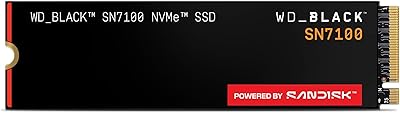
WD_BLACK 4TB SN7100 NVMe SSD
87%
94%
Performance (Speed)
92%
Storage Capacity
85%
Power Efficiency
89%
Installation & Setup
91%
Durability & Reliability
More
WD_BLACK SN770 2TB NVMe SSD
85%
91%
Read & Write Performance
93%
Value for Money
94%
Installation & Compatibility
88%
Long-Term Reliability
92%
Gaming Load Times
More
WD_BLACK 1TB SN7100 NVMe SSD
89%
94%
Read Speed Performance
89%
Write Speed Performance
92%
Power Efficiency
91%
Endurance and Longevity
87%
Value for Money
More
WD_BLACK SN7100 500GB NVMe SSD
84%
91%
Performance
93%
Read/Write Speed
88%
Ease of Installation
90%
Compatibility
87%
Energy Efficiency
More
WD_BLACK SN850 2TB NVMe Internal Gaming SSD
88%
95%
Speed and Performance
90%
Ease of Installation
92%
Capacity for Large Files
88%
Build Quality and Durability
89%
Compatibility with Consoles
More
WD_BLACK SN850P 2TB NVMe SSD
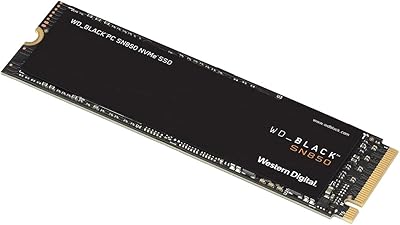
86%
93%
Read Speed Performance
96%
PS5 Compatibility & Licensing
94%
Installation Experience
88%
Heatsink Quality & Thermal Management
71%
Value for Money
More
SanDisk 2TB SSD Plus M.2 NVMe SSD
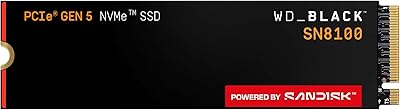
86%
89%
Performance
92%
Ease of Installation
88%
Reliability
91%
Value for Money
90%
Capacity
More
WD_BLACK SN850X 4TB NVMe SSD
89%
93%
Performance
88%
Thermal Management
87%
Software & Firmware
91%
Ease of Installation
90%
Build Quality
More
PHIXERO P5000 2TB NVMe SSD
88%
93%
Performance (Speed)
88%
Build Quality
90%
Heat Management
85%
Ease of Installation
92%
Compatibility
More
WD_BLACK SN8100 4TB NVMe SSD
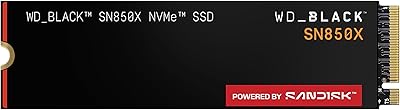
82%
97%
Sequential Throughput
93%
Random I/O Performance
61%
Thermal Management
67%
Value for Money
82%
Installation & Compatibility
More

FAQ

Yes, both devices use a standard M.2 2280 slot, which is exactly what this drive fits. Beyond just being compatible, the SN7100 2TB is a particularly good match for handhelds because its improved power efficiency compared to older Gen4 drives helps preserve battery life during extended play sessions.

You can, but it will operate at Gen3 speeds rather than the Gen4 speeds it is rated for. The drive is backward compatible, so it will work fine, but you would be paying a Gen4 premium without getting the full performance benefit. If your board is Gen3-only, a well-priced Gen3 drive would be a smarter value choice.

It does not come with one included, and in most laptop and handheld installations it runs comfortably without one. In a desktop build without good M.2 slot airflow, or during prolonged heavy write workloads, temperatures can climb enough that a heatsink is worth adding. Most motherboards include one these days, so check your board before buying a separate solution.

The jump from a SATA SSD to this Gen4 drive is genuinely meaningful — expect noticeably faster boot times and reduced load screens in asset-heavy titles. That said, the improvement varies by game engine; older titles that are not designed to stream data aggressively may show more modest gains than newer open-world games.

Unfortunately, the WD_BLACK Dashboard is Windows-only, so there is no official health or firmware tool available for macOS. The drive itself works fine on a Mac as storage, but you would need a third-party utility like DriveDx to keep an eye on S.M.A.R.T. data and overall health. It is a real limitation worth knowing before you buy.

The SN850X is WD_BLACK's flagship, with slightly higher peak speeds and a few platform-specific optimizations like PlayStation 5 compatibility. For most PC gaming scenarios, the real-world difference in load times between the two is very small. The SN7100 tends to be priced more accessibly and offers excellent value for buyers who do not need the absolute top-of-the-line option.

For most users, yes — 2TB comfortably holds 20 to 30 modern AAA titles alongside the operating system and everyday applications. If you actively play a rotating library of 40-plus games simultaneously and resist uninstalling anything, you might eventually feel the pinch, but for the majority of gamers it is a genuinely practical primary drive size.

Not really — it is plug-and-play in the physical sense. If it is your primary boot drive, you will need to either clone your existing drive or do a fresh OS install before removing the old one. For a secondary storage drive, Windows and most other operating systems will detect it automatically once installed, and you just need to initialize and format it through Disk Management or your OS equivalent.

TLC NAND is the industry standard for consumer SSDs and holds up well under typical gaming and everyday workloads over several years. Where it can show limitations is in environments with extremely heavy sustained write demands — think professionals ingesting hundreds of gigabytes of video footage daily over years. For gaming and general use, the rated TBW endurance is more than adequate for most people's real-world habits.

Technically yes — if you place it in a compatible M.2 NVMe enclosure, it will function as an external drive over USB. However, the Gen4 speeds will be bottlenecked significantly by the USB connection, so you would not come close to its rated performance in that setup. It is designed and optimized for internal use, and that is where it makes the most sense.

Where to Buy

Newegg.com
In stock $599.99
Microless.com
In stock $388.77
SHI International
In stock $618.00
Central Computers
In stock $349.99
Uber Eats
In stock $349.99