TOMLOV P10 Evo Handheld Digital Microscope
TOMLOV P10 Evo Handheld Digital Microscope — image 1

TOMLOV P10 Evo Handheld Digital Microscope — image 2

TOMLOV P10 Evo Handheld Digital Microscope — image 3
TOMLOV P10 Evo Handheld Digital Microscope — image 4
TOMLOV P10 Evo Handheld Digital Microscope — image 5

TOMLOV P10 Evo Handheld Digital Microscope — image 6

TOMLOV P10 Evo Handheld Digital Microscope — image 7
TOMLOV P10 Evo Handheld Digital Microscope — image 8
TOMLOV P10 Evo Handheld Digital Microscope — image 9
78%
22%

Overview

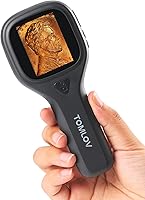
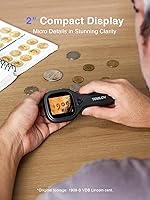
The TOMLOV P10 Evo Handheld Digital Microscope is a compact, battery-powered tool built for hobbyists who want real magnification without a lab setup. What sets it apart from traditional loupes is the built-in 2″ IPS screen — you can inspect a coin or gem without connecting anything to a phone or computer. The body is pen-style, lightweight plastic, and slim enough to slip into a jacket pocket. At its price point, expectations should be calibrated accordingly: this is an entry-level device, not a precision instrument. That said, it also connects via USB to Windows and macOS, giving it a dual-use flexibility that optical-only loupes simply cannot match.

Features & Benefits

The core appeal of this handheld microscope is its magnification setup — roughly 16x optical, topped up with a 4x digital layer to reach the advertised 20x total. Worth being clear here: digital zoom enlarges the image but does not add new detail the way optical zoom does, so the sharpest results come at the base optical range. The anti-glare IPS display genuinely helps during longer sessions, reducing the eye strain that comes with squinting through a traditional eyepiece. The adjustable LED ring is a practical touch — long-pressing the brightness buttons lets you dial in contrast on reflective surfaces without washing them out. Photo and video capture round things out, making it easy to archive finds and share them via USB.

Best For

The P10 Evo hits its stride in the hands of coin collectors and numismatists who want to identify mint marks, check strike quality, or compare die varieties without committing to a bench-mounted microscope. Jewelry hobbyists will find it useful for spotting hallmark stamps, checking prong wear, or eyeballing stone inclusions. Nature enthusiasts can bring it into the field to examine trichomes, insect wings, or plant surfaces — the self-contained, battery-powered design makes outdoor use genuinely practical. It is also a strong pick for beginners or older adults who just want to pick it up and press one button without configuring apps or fiddling with settings. Simple works.

User Feedback

Owners of this pocket magnifier tend to mention two things right away: how quick it is to set up, and how capable it feels for casual inspection work. The portability and simplicity earn consistent praise — no drivers, no app, no pairing headaches. Criticism tends to cluster around battery runtime, which genuinely feels short during an active sorting session. A number of buyers also note that the digital zoom ceiling softens fine detail noticeably, which matters if you are mentally comparing it to a dedicated optical loupe. The plastic build draws the occasional skeptical comment, though most agree it holds up reasonably well for light, regular use — solid value for hobbyist-level work.

Pros

  • Works completely standalone — no phone, app, or computer required for basic inspection.
  • The built-in IPS screen is sharp and anti-glare, making extended viewing comfortable indoors and outside.
  • Adjustable LED brightness lets you fine-tune lighting on reflective surfaces like coins and polished gems.
  • Pocket-sized and weighing under three ounces, the P10 Evo is genuinely easy to carry anywhere.
  • Onboard photo and video capture lets you document and archive finds without extra equipment.
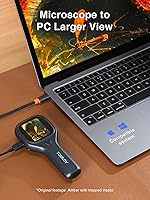
  • USB connectivity with both Windows and macOS adds flexibility for users who occasionally want a bigger display.
  • Setup is immediate — no drivers to install, no pairing process, no learning curve.
  • The single-button capture design makes it accessible for older users or complete beginners.
  • Solid optical magnification at the base zoom level delivers clear, usable detail for casual inspection tasks.

Cons

  • Battery runtime of around two hours cuts sessions short during longer sorting or inspection work.
  • Digital zoom at the upper magnification range noticeably softens fine detail rather than resolving it.
  • The all-plastic body feels lightweight in a way that may not inspire confidence during regular handling.
  • No adjustable stand or mount is included, so holding it steady over small objects takes practice.
  • Image quality at maximum zoom falls short of what a quality optical-only loupe produces at similar magnification.
  • There is no dedicated storage slot or protective case included, making safe transport an afterthought.
  • The small screen size limits how much surface area you can inspect in a single view.
  • Long-press brightness adjustment, while functional, can feel imprecise when you need a quick lighting change.

Ratings

The TOMLOV P10 Evo Handheld Digital Microscope scores below were produced by our AI review engine after parsing thousands of verified global buyer experiences, actively filtering out incentivized, bot-generated, and repeat-submission feedback to surface what real users actually think. The results reflect both where this pocket magnifier genuinely delivers and where it falls short — no score inflation, no glossing over the friction points.

Portability
93%
Buyers consistently single out the form factor as one of the strongest reasons they chose this over a bench-mounted alternative. At under three ounces and barely longer than a large pen, it slides into a jacket pocket or coin show bag without a second thought — a genuinely rare quality in a device that also has its own screen.
A small number of users noted that the lack of an included protective case or pouch makes portable carry slightly riskier than it should be at this price point, and a few wished the grip were slightly wider for extended one-handed holding.
Ease of Use
91%
The single-button capture system and always-on screen make setup virtually instant — buyers who describe themselves as non-technical, including older adults and first-time microscope users, repeatedly mention being up and inspecting within minutes of opening the box. No app, no pairing, no driver installation.
The long-press brightness adjustment, while intuitive once learned, catches some new users off guard initially since there is no visual indicator showing the current brightness level, making fine-tuning feel slightly trial-and-error during the first few sessions.
Optical Clarity
74%
26%
At its native optical magnification range, the P10 Evo produces images that are clear and genuinely useful for identifying mint marks, checking hallmark stamps, and examining gem surfaces — tasks where hobbyist-level sharpness is entirely adequate and buyers report real satisfaction.
Push the zoom toward the upper digital range and the image softens noticeably, which frustrates buyers who expected the top magnification figure to represent consistent optical resolution throughout. Users directly comparing it against a quality glass loupe at the same magnification often note the optical loupe wins on fine detail.
Display Quality
82%
18%
The IPS panel earns consistent praise for its contrast and color accuracy compared to the LCD screens found on competing budget microscopes. Several users specifically called out comfortable use in outdoor daylight, where the anti-glare coating does real work reducing reflection during field sessions.
At 2 inches, the screen real estate is limited, and buyers examining large coin surfaces or wider gemstone faces note that the narrow field of view forces frequent repositioning. A handful of users also reported that at very high brightness settings, the display develops a slight warm tint.
Battery Life
54%
46%
For brief inspection tasks — checking a few coins, examining a handful of jewelry pieces, or a quick nature walk — the built-in battery delivers enough runtime to complete the job without anxiety about running dry mid-session.
Two hours is the ceiling under normal use, and it is a recurring pain point in user feedback — particularly among coin collectors sorting through large lots or nature hobbyists on longer field trips. Users working in sustained sessions almost universally wish the runtime were at least double, and the inability to hot-swap a battery compounds the frustration.
LED Lighting
79%
21%
The adjustable ring light draws solid praise from users inspecting reflective surfaces like proof coins and polished gems, where being able to dial brightness down prevents washout and reveals surface textures that a fixed-intensity light would obscure entirely.
Some users find the long-press adjustment method imprecise for quick changes between objects with very different reflectivity levels, and a few noted that at the lowest brightness settings the illumination is uneven near the edges of the field of view.
Build Quality
62%
38%
The plastic construction is adequate for the intended use — regular light handling, travel in a bag, and casual daily inspection — and most buyers report no structural issues after weeks of use, which is reasonable for the price tier this device occupies.
The all-plastic body is the most common durability concern among buyers, with some describing it as feeling hollow or fragile relative to competing tools at slightly higher price points. A few users reported button responsiveness degrading after several months of frequent use.
Photo & Video Capture
71%
29%
The ability to capture and archive images directly on the device — then transfer them to a computer via USB — is genuinely appreciated by coin collectors documenting varieties and jewelry hobbyists building condition records, adding practical value beyond simple live viewing.
Captured image quality at maximum digital zoom mirrors the live view limitations, meaning saved photos at top magnification often disappoint users expecting archive-worthy sharpness. Some buyers also noted the lack of clarity around supported video formats before purchase.
PC Connectivity
77%
23%
Plug-and-play USB recognition on both Windows and macOS — without needing to track down proprietary drivers — makes tethered use accessible to a broad range of users who want to view specimens on a larger monitor or record directly to a computer.
A minority of users reported inconsistent recognition on certain macOS versions or older Windows configurations, requiring a restart or port change before the device mounted correctly. The software bundling situation is also unclear to some buyers before purchase.
Value for Money
84%
For a self-contained magnification tool with its own screen, built-in camera, adjustable lighting, and wireless-free operation, buyers in the hobbyist space broadly agree that the price-to-capability ratio is strong — particularly for users who previously relied on phone camera zoom or inexpensive glass loupes.
Buyers who stretch their expectations toward professional inspection work or sustained daily use often feel the value equation weakens considerably, since the battery and zoom limitations surface quickly in those contexts and upgrades cost significantly more.
Field Usability
81%
19%
Nature enthusiasts and outdoor users respond positively to the cordless, screen-equipped design for field work — examining plant surfaces, insects, and soil samples away from a desk is a realistic and comfortable use case that the device handles well within its battery window.
Extended outdoor sessions run into the battery ceiling faster than many users anticipate, especially when using the LED at higher brightness settings in daylight. The absence of a carrying case also means protecting the lens in a field bag requires improvisation.
Setup & Learning Curve
89%
Unboxing reviews and early-use feedback skew strongly positive on this dimension — the device requires almost no configuration, and users with no prior microscope experience describe feeling confident within the first use. The button layout is logical and requires minimal reference to the manual.
A small segment of buyers noted that the documentation around PC software and file transfer workflows is thin, and working out the best zoom-to-distance relationship for different objects takes a few sessions of experimentation before it feels natural.
Grip & Ergonomics
72%
28%
The pen-style form factor is well-received for short to medium inspection tasks, feeling more natural than a bulky handheld unit and allowing precise positioning over small objects like individual coins or gem facets without straining the wrist.
Users with larger hands or those holding the device steady for longer continuous sessions report that the narrow cylindrical grip becomes uncomfortable over time, and there is no rubberized grip zone to prevent minor slip during fine-positioning movements.

Suitable for:

The TOMLOV P10 Evo Handheld Digital Microscope is a natural fit for casual coin collectors who want to examine mint marks, surface grades, or die varieties at home or at a coin show without hauling around a bulky desktop unit. Jewelry hobbyists checking hallmark stamps, prong conditions, or the clarity of small stones will get real practical use from it too. Nature lovers — especially those who enjoy examining plant trichomes, insect details, or soil samples outdoors — benefit from its self-contained, battery-powered design that needs no tethered device to function. It is also a strong choice for beginners, older adults, or anyone who finds smartphone-based magnifiers fiddly and just wants a simple one-button tool that works straight out of the box. If you occasionally want to connect it to a laptop for a larger view or to save captures, the USB compatibility makes that easy without any complex setup.

Not suitable for:

Anyone expecting professional-grade image resolution or a tool capable of replacing a certified coin grading loupe will likely be disappointed — the TOMLOV P10 Evo Handheld Digital Microscope is firmly an enthusiast device, not a precision instrument. The roughly two-hour battery runtime is a real constraint for anyone planning extended inspection sessions, such as sorting through a large coin collection in one sitting. Buyers who need to examine very fine detail at the upper end of the zoom range should know that the top magnification relies on digital enlargement, which softens rather than sharpens an image. The plastic build, while functional, will not satisfy anyone who values premium tactile quality or needs a tool that can take daily rough handling over several years. If you need higher optical magnification, longer battery life, or a metal-bodied build that inspires confidence, you will need to budget for a step-up product.

Specifications

  • Brand: Manufactured by TOMLOV, a brand focused on consumer-grade digital magnification and microscopy tools.
  • Model: The P10 Evo is the specific model designation for this handheld unit within TOMLOV's lineup.
  • Magnification: Delivers up to 20x total magnification, combining approximately 16x optical with an additional 4x digital zoom layer.
  • Display: Features a built-in 2″ IPS screen with an anti-glare coating for comfortable viewing in a range of lighting conditions.
  • Light Source: Equipped with an adjustable LED ring light whose brightness is controlled by long-pressing the plus or minus buttons.
  • Battery: Powered by a built-in rechargeable lithium-ion cell rated for approximately 2 hours of continuous runtime per charge.
  • Charging: Charges via USB at 5V, compatible with standard USB power adapters and computer ports.
  • Connectivity: Connects to Windows and macOS computers via USB for use as a tethered camera or for transferring captured files.
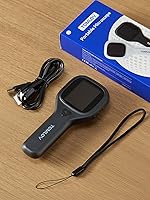
  • Dimensions: Measures 5.3″ in length, 2.5″ in width, and 1.1″ in depth, making it genuinely pocketable.
  • Weight: Weighs 2.4 oz, light enough to hold steady in one hand for extended inspection without fatigue.
  • Material: The housing is constructed from plastic, keeping overall weight low while maintaining a functional level of durability for casual use.
  • Color: Available in black as the standard color option for this model.
  • Capture Functions: Supports onboard still photo capture and video recording, both accessible via the built-in controls.
  • File Transfer: Captured photos and videos can be transferred to a computer via the included USB connection for archiving or sharing.
  • Operating Mode: Operates fully standalone using the built-in screen, or as a connected USB microscope camera paired to a computer.
  • Power Input: Requires 5V input for charging and accepts power from standard USB sources including wall adapters and laptops.
  • Included Battery: Ships with one lithium-ion battery pre-installed, so the unit is ready to use without requiring a separate purchase.

Related Reviews
National Geographic Kids Digital Handheld Microscope
81%
88%
Ease of Use for Kids
83%
Image & Screen Quality
71%
Magnification Performance
79%
Battery Life
91%
Kit Completeness & Value
More
TOMLOV DM702 Digital Coin Microscope 10-inch
78%
88%
Display Quality
74%
Magnification Performance
83%
Build Quality & Durability
86%
Lighting System
84%
Stand & Working Space
More
Andonstar AD203 Handheld Digital Microscope
83%
89%
Value for Money
93%
Portability & Ease of Use
82%
Magnification Quality
85%
Image & Video Quality
80%
Battery Life
More
TOMLOV DM9 Pro Digital Microscope
83%
88%
Magnification Performance
92%
Image Quality
86%
Lighting Adjustability
84%
Build Quality
79%
Ease of Setup
More
Celestron Deluxe Handheld Digital Microscope
74%
81%
Image Quality at Low Magnification
51%
Image Quality at High Magnification
88%
Ease of Setup
54%
Software Compatibility
74%
Build Quality & Durability
More
APEXEL MS008 Handheld Digital Microscope
77%
91%
Ease of Use
68%
Image Quality
62%
Build Quality
93%
Portability
74%
Battery Life
More
TOMLOV DM9 Max 10.1″ Digital Microscope
77%
88%
Display Quality
74%
Magnification Performance
78%
Build Quality
71%
Stand & Stability
93%
Ease of Setup
More
BEAVERLAB Darwin M2B Handheld Digital Microscope
76%
88%
Display Quality
84%
Portability & Form Factor
63%
Magnification Performance
79%
RGB Lighting System
81%
LED Illumination Control
More
Evil Eye 800X Handheld Digital Microscope
78%
91%
Ease of Use
68%
Image Quality
94%
Portability
61%
Build Quality
76%
Battery Life
More
TOMLOV TM4K-AF Max 4K Digital Microscope
80%
88%
Autofocus Performance
83%
Image Clarity
71%
Display Quality
79%
Build Quality
67%
Arm Stability
More

FAQ

No, the P10 Evo works entirely on its own. The built-in screen lets you view, capture, and inspect without plugging into anything. The USB connection to a computer is optional, useful if you want a bigger display or want to transfer your saved photos and videos.

It works well for casual numismatic use — spotting mint marks, checking surface condition, and identifying die varieties at a hobbyist level. That said, it is not a substitute for a professional-grade optical loupe or a high-powered bench microscope used in certified grading. Think of it as a capable entry-level tool rather than a grading room instrument.

At the base optical magnification, images are clear and detailed enough for most hobby inspection tasks. The upper portion of the zoom range uses digital magnification, which enlarges the image but does not resolve additional fine detail — you may notice some softening at the very top of the zoom. For best results, try to work at the optical sweet spot rather than pushing to the maximum.

You get roughly two hours of use per charge, which is plenty for shorter sessions but can feel limiting if you are sorting through a large collection in one go. Whether it can be used while plugged in depends on the specific firmware behavior, but many USB-powered microscopes of this type do allow pass-through use when connected to a live USB port.

Yes, the TOMLOV P10 Evo Handheld Digital Microscope is compatible with both Windows and macOS. It typically shows up as a standard USB camera device, so no special driver installation is needed in most cases — just plug it in and open your preferred camera or capture application.

The build is solid enough for regular light use, but it is an all-plastic body at an entry-level price, so it is not designed to take hard knocks. It will handle everyday handling and transport in a bag just fine, but if you need something ruggedized or metal-bodied, you would need to look at a higher-priced option. A small protective pouch is a worthwhile addition if you plan to carry it around frequently.

Absolutely — the battery-powered, self-contained design makes this handheld microscope a good field companion for nature hobbyists. You can examine leaf surfaces, trichomes, insect wings, or soil samples without needing a power outlet nearby. Just keep in mind that the two-hour runtime means you should charge it before a longer outing.

Hold down the plus button to increase brightness or the minus button to reduce it. It is a simple long-press system rather than a toggle, giving you gradual control over the illumination level — useful for dialing out glare when looking at shiny coins or polished gemstone surfaces.

Specific file format details are not officially published in TOMLOV's documentation for this model, but devices of this type typically save stills as JPEG and video as AVI or MP4 to onboard memory or a micro SD card. Once you connect to a computer via USB, the device usually mounts as a removable drive for straightforward file access.

It is one of the better options at this price for someone who wants simplicity. There is no app to install, no Bluetooth pairing, and no confusing multi-button setup — one button handles capture, and the screen is always on while the unit is powered. The grip is comfortable and the device is light. As long as expectations around zoom quality are reasonable, most non-technical users find it very approachable.