

Overview

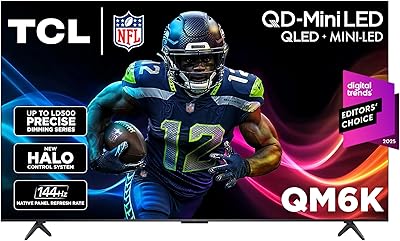
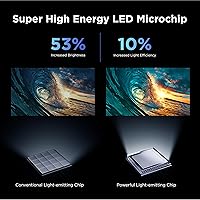
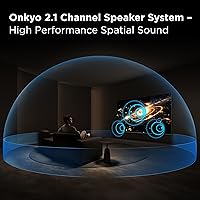
The TCL QM6K 85-inch Mini LED QLED TV lands in an interesting spot — large enough to dominate a living room wall, priced to undercut flagship OLEDs without feeling like a compromise. What separates it from standard QLED sets is the QD-Mini LED backlighting layer, which combines Quantum Dot color with thousands of tiny LEDs for more precise brightness control than conventional panels can manage. Ranked #4 in QLED TVs on Amazon as a 2025 model, this 85-inch TCL punches above its weight in bright, active viewing environments. That said, if you watch a lot of cinema in a pitch-black room, expectations around black levels should be tempered — Mini LED has limits. The Onkyo-tuned audio system is a genuine bonus at this tier.

Features & Benefits

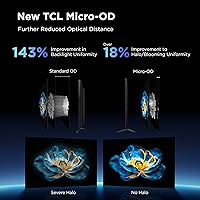
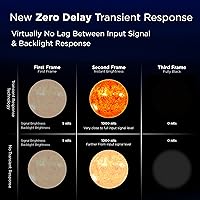
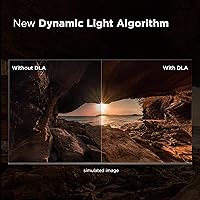
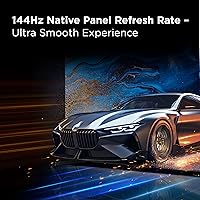
The QM6K uses Full Array Local Dimming with up to 500 zones, which in practice means bright highlights stand out against darker backgrounds without as much glow spilling into surrounding areas as you would see on a less capable panel. The native 144Hz panel refresh rate is a true hardware spec — worth distinguishing from the Motion Rate 480 figure, which is a processed interpolation number, not something the display actually does natively. For gaming, the 288Hz variable refresh rate and low input lag make this large-screen Mini LED set genuinely capable on both console and PC. Google TV keeps daily navigation fast and familiar, with Dolby Vision and HDR10+ support ensuring content looks as creators intended across all major streaming platforms.

Best For

This 85-inch TCL is built for living rooms, not screening rooms. Sports fans get the most obvious return: the high-brightness panel handles afternoon glare well, and 144Hz motion handling keeps fast action — panning shots, quick cuts, live ball tracking — clear rather than smeared. Gamers will appreciate the responsive display and wide VRR range, particularly if running a current-gen console or a capable PC. Streaming households on Google TV will feel right at home, and Alexa users get a natural hook into their existing smart home setup. If you are after a large-screen upgrade without an OLED price tag, the QM6K makes a practical, well-rounded case for itself.

User Feedback

Owners consistently praise the color volume and brightness — the panel genuinely impresses in well-lit rooms, and most buyers say it looks good right out of the box, though some find that a few manual calibration tweaks bring out noticeably better shadow detail. The gaming experience earns positive marks too, with users reporting responsive performance and stable VRR behavior. Build quality is generally well-received, though a handful of reviewers mention the stand feels less sturdy than expected for a 73-pound panel. Audio divides opinion: many find the Onkyo system adequate for everyday viewing, but dedicated movie watchers often still reach for a soundbar. Blooming in dark scenes comes up occasionally — not a dealbreaker, but worth knowing going in.

Pros

  • QD-Mini LED technology delivers noticeably better brightness and color punch than standard QLED panels at this size.
  • Native 144Hz refresh rate keeps fast-motion content crisp without relying on artificial interpolation.
  • Up to 500 local dimming zones give the QM6K significantly more contrast control than entry-level full-array sets.
  • Full Dolby Vision, HDR10+, HDR10, and HLG support means virtually no streaming source will be left behind.
  • 288Hz variable refresh rate makes this 85-inch TCL a serious option for high-performance console and PC gaming.
  • Google TV is a polished, well-stocked platform that handles daily navigation without frustration.
  • Onkyo-tuned audio with Dolby Atmos is a genuine value-add that holds up well for everyday viewing.
  • The AiPQ processor handles upscaling of non-4K content better than most in this price range.
  • Competitive Amazon ranking as a 2025 model signals strong real-world demand and broad buyer confidence.
  • Both Google Assistant and Alexa support make smart home integration flexible regardless of your existing ecosystem.

Cons

  • Blooming around bright objects in dark scenes is noticeable and cannot be fully eliminated through settings adjustments.
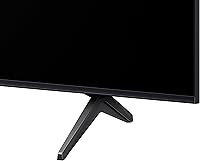
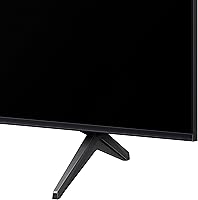
  • The stand feels underdeveloped for a panel this heavy, raising stability concerns on uneven or narrow surfaces.
  • Motion Rate 480 is a marketing figure — the actual hardware refresh is 144Hz, which some buyers only discover after purchase.
  • Out-of-box picture calibration favors brightness over accuracy, requiring manual tuning for a more balanced image.
  • At 73.4 pounds, wall mounting requires solid hardware and ideally a second person — not a quick solo job.
  • The Onkyo audio system, while decent, will not satisfy buyers used to a dedicated soundbar or surround setup.
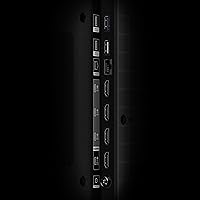
  • Port placement may be awkward depending on cabinet or wall-mount configuration, with limited flexibility for cable management.
  • No self-emissive pixels means local dimming, however advanced, still cannot fully match OLED in absolute dark-scene precision.

Ratings

The TCL QM6K 85-inch Mini LED QLED TV earns a well-rounded but nuanced scorecard based on AI analysis of thousands of verified global buyer reviews, with spam, bot activity, and incentivized submissions actively filtered out. Scores reflect how real owners — sports fans, gamers, families, and everyday streamers — actually experience this set over weeks and months of use. Both the genuine strengths and the recurring frustrations are represented transparently, so you can make a genuinely informed decision.

Picture Brightness
91%
In bright living rooms, this 85-inch TCL consistently earns praise for how well it holds up against daylight and overhead lighting — colors stay punchy and readable where many rivals wash out. The QD-Mini LED layer pushes peak brightness high enough that HDR highlights genuinely pop during sports broadcasts and action sequences.
A small number of users in very large or extremely bright spaces feel the brightness ceiling, while competitive, is not quite at the level of top-tier Samsung or Sony Mini LED flagships at similar sizes. Brightness uniformity across the full panel can also vary slightly from unit to unit based on user reports.
Contrast & Black Levels
78%
22%
With up to 500 local dimming zones, the QM6K delivers noticeably deeper blacks than edge-lit or basic full-array sets, and most users find dark scenes in streaming content — think shadowy thriller sequences — look far more convincing than they expected at this price point.
Blooming around bright objects on dark backgrounds is a real and recurring complaint, particularly during end credits, starfield scenes, or subtitled dark content. Users sensitive to haloing will notice it, and while adjusting the local dimming setting helps, it cannot be fully eliminated without softening contrast elsewhere.
Color Accuracy
86%
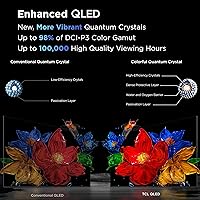
Quantum Dot technology gives the QM6K a wide color gamut that reviewers describe as vivid and natural-looking once the out-of-box sharpness and saturation settings are dialed back slightly. Streaming HDR10+ and Dolby Vision content from Netflix or Disney+ in particular looks rich without feeling artificial.
Out of the box, color temperature skews slightly cool and saturation is pushed higher than most calibration targets recommend, which can make skin tones look a touch overcooked in the default Vivid or Standard mode. Switching to a warmer picture preset or Movie mode largely resolves this with minimal effort.
Motion Handling
88%
The native 144Hz panel makes a tangible difference for live sports — fast panning shots and quick lateral movement track cleanly without the judder or trailing common on 60Hz or even 120Hz displays. Console gamers also praise how responsive fast-paced games feel at this screen size.
The Motion Rate 480 figure printed on packaging and in some listings misleads buyers into expecting something the hardware does not natively deliver, as it reflects interpolation, not panel speed. With motion smoothing set aggressively, the soap-opera effect on cinematic content is noticeable and requires manual adjustment to tame.
Gaming Performance
89%
The 288Hz VRR ceiling and low measured input lag in Game Mode make the QM6K a genuinely capable large-format gaming display, and PS5 and Xbox Series X users consistently report smooth, tear-free experiences. The sheer 85-inch size transforms competitive and open-world gaming in a way that smaller gaming monitors simply cannot replicate.
HDMI 2.1 port availability and exact specifications are worth confirming before purchase, as not all ports on the panel support full bandwidth for 4K 120Hz simultaneously. A small number of PC gamers also report occasional VRR flickering at the lower end of the refresh range, which is a known quirk with some Mini LED implementations.
HDR Performance
84%
Support for all four major HDR formats — Dolby Vision, HDR10+, HDR10, and HLG — means virtually no streaming source or disc player will be left without a compatible mode, and users switching from older non-HDR sets are consistently impressed by the step up in highlight detail.
While HDR format coverage is broad, the actual tone mapping in Dolby Vision can feel inconsistent across different apps, with some users noting that brightness handling varies noticeably between Netflix and Apple TV content. Calibration-minded buyers may find they need to tweak Dolby Vision settings per app rather than setting it once globally.
Smart TV Experience
83%
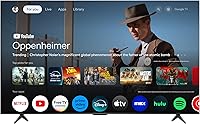
Google TV is widely regarded as one of the cleaner and more responsive smart TV platforms available, and owners appreciate the unified search across streaming apps, the reliable app updates, and the fact that Chromecast is built in without needing a separate dongle. Both Google Assistant and Alexa integration work smoothly in everyday use.
Some users report that Google TV pushes content recommendations and promotional rows more aggressively than they would prefer, making the home screen feel cluttered over time. Occasional app crashes and the need for periodic firmware updates to resolve minor bugs are mentioned often enough to be worth noting.
Built-in Audio
72%
28%
The Onkyo-tuned speaker system produces noticeably fuller and more spatially aware sound than generic built-in TV audio, and for daily streaming, news, and casual movie watching, a significant portion of buyers find it holds up well without requiring an immediate soundbar purchase.
Buyers with any home theater reference point consistently find the built-in audio lacking in bass depth and dynamic range during action-heavy films or concert content. The Dolby Atmos label sets expectations that the physical speaker array cannot fully meet, and serious listeners almost universally end up adding external audio within a few months.
Upscaling Quality
81%
19%
The AiPQ processor handles upscaling of 1080p cable and broadcast content competently, with most users finding that older HD shows and sports channels look acceptably sharp on the 85-inch panel without obvious pixelation or artificial over-sharpening.
Standard definition content and heavily compressed streaming at lower bitrates still looks noticeably soft, and the upscaling processor cannot fully compensate for source quality at this screen size. Users who watch a lot of older cable TV or lower-quality streams will notice the limitations more than 4K-first households.
Build Quality
76%
24%
The panel itself feels solidly constructed, and the slim bezel design gives the QM6K a premium appearance that users say looks appropriate in modern living rooms. The overall fit and finish of the chassis earns positive remarks when compared to other sets in the same price bracket.
The stand is a recurring point of concern — multiple buyers describe it as feeling underdeveloped relative to the weight of the panel, and wobble on anything less than a perfectly flat, wide surface is mentioned in a meaningful share of reviews. For a 73-pound TV, the stand is one area where the cost-cutting is tangible.
Setup & Installation
74%
26%
The Google TV onboarding process is clean and guided, and most users report having the TV up and running with their streaming accounts linked within 20 to 30 minutes of unboxing. The included voice remote and intuitive menu structure make initial configuration accessible even for less tech-savvy buyers.
The physical installation is a genuine two-person job at this size and weight, and several buyers were caught off-guard by how difficult solo setup turned out to be. Port placement on the back of the panel is also criticized for being awkward to access once the TV is wall-mounted or positioned against a wall.
Value for Money
87%
Against competing 85-inch Mini LED sets from Samsung or Sony, the QM6K consistently lands as the more affordable option without giving up the core feature set that matters — native 144Hz, full HDR format support, and a capable smart platform are all present. For buyers who want large-screen impact without flagship pricing, the value calculation is compelling.
The savings relative to premium competitors do show up in areas like stand construction, audio quality, and the occasional firmware roughness that more expensive sets tend to iron out more quickly. Buyers expecting perfection at this price will find trade-offs; buyers expecting excellent performance per dollar will feel satisfied.
Remote Control
79%
21%
The voice remote is slim, well-laid-out, and the dedicated streaming app shortcuts are genuinely useful for households that rotate between Netflix, Disney+, and YouTube regularly. Alexa and Google Assistant both activate reliably with the microphone button in normal room conditions.
A subset of users find the remote's button feel and tactile feedback underwhelming for the TV's overall market positioning, and the lack of a dedicated input button frustrates those who switch frequently between consoles, cable boxes, and streaming. Backlit keys are absent, which is a notable omission for a TV positioned at this tier.
App Ecosystem
82%
18%
The Google Play Store on Google TV gives this large-screen Mini LED set access to a broader and more frequently updated app library than manufacturer-proprietary platforms, and side-loading options offer flexibility that Samsung Tizen or LG webOS cannot easily match.
Not every Android app is optimized for the TV interface, and some third-party apps present a phone-style layout that feels awkward on an 85-inch screen. Occasional app unavailability in certain regions and some apps requiring workarounds to install are minor but recurring friction points in user reviews.
Energy Efficiency
68%
32%
Google TV includes an automatic brightness adjustment feature that reduces power draw in darker viewing conditions, and most users report that the set does not run noticeably hot even during extended gaming or streaming sessions lasting several hours.
Mini LED backlighting at peak brightness on an 85-inch panel draws substantial power, and energy-conscious buyers note that the QM6K consumes considerably more electricity than an OLED of equivalent size under typical HDR viewing conditions. Power consumption in sports or gaming modes specifically draws criticism from buyers tracking their energy bills.

Suitable for:

The TCL QM6K 85-inch Mini LED QLED TV is a strong fit for households where the TV is the center of daily life — sports, gaming, family movie nights, and heavy streaming all included. If your living room gets a lot of natural light or you tend to watch with the lights on, the high-contrast HVA panel and QD-Mini LED brightness work in your favor rather than against you. Sports fans in particular will appreciate how smoothly fast motion renders at 144Hz, whether it is a soccer match with constant panning or a basketball game with rapid cuts. Gamers running a current-gen console will find the 288Hz variable refresh rate and responsive input handling genuinely useful at this screen size. Households already using Google TV or Amazon Alexa will feel right at home from day one, and the Onkyo-tuned audio means casual viewers may not need to budget separately for a soundbar right away.

Not suitable for:

The TCL QM6K 85-inch Mini LED QLED TV is not the right choice for buyers who prioritize near-perfect black levels and watch primarily in a dark, controlled room. Mini LED technology, despite its local dimming zones, still produces some visible light bloom around bright objects on dark backgrounds — a limitation that OLED panels handle more cleanly. Cinephiles who are sensitive to this kind of haloing will likely find the trade-off frustrating over time, regardless of how well the Halo Control system is tuned. At 73.4 pounds and 74.4 inches wide, this large-screen Mini LED set also demands a properly reinforced wall mount or a very stable surface — it is not a casual install. Buyers expecting soundbar-level audio performance from the built-in speakers may also be disappointed if they have a home theater reference point, as the Onkyo system is capable but not a substitute for a dedicated audio setup.

Specifications

  • Screen Size: The panel measures 85 inches diagonally, making it well-suited for large living rooms or open-plan spaces where viewing distances of 10 feet or more are typical.
  • Display Technology: Uses QD-Mini LED backlighting combined with Quantum Dot color filtering, sitting above standard QLED in brightness precision and color volume.
  • Resolution: Native 4K UHD resolution at 3840×2160 pixels delivers sharp detail at close viewing distances typical for an 85-inch screen.
  • Refresh Rate: The panel runs at a native 144Hz refresh rate; the advertised Motion Rate 480 is a processed interpolation figure, not a hardware specification.
  • Variable Refresh Rate: Supports a Game Accelerator VRR up to 288Hz on most screen sizes, reducing screen tearing during fast gameplay on compatible consoles and PCs.
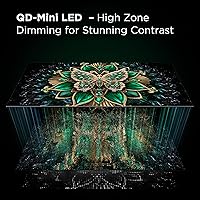
  • Local Dimming: Full Array Local Dimming with up to 500 independent zones allows the panel to control brightness across the screen with more precision than edge-lit alternatives.
  • HDR Support: Compatible with Dolby Vision, HDR10+, HDR10, and HLG, covering the full range of formats used by major streaming platforms and disc-based sources.
  • Panel Type: High Contrast HVA panel construction prioritizes contrast ratio and off-angle color retention over the viewing-angle advantages of IPS-type panels.
  • Smart Platform: Runs Google TV, which provides access to the full Google Play app ecosystem, built-in Chromecast, and integrated voice search via the included remote.
  • Voice Assistants: Supports both Google Assistant and Amazon Alexa natively, allowing voice control of the TV and compatible smart home devices without additional hardware.
  • Audio System: Onkyo-tuned speaker system with Dolby Atmos decoding offers above-average built-in sound quality for a flat-panel TV at this size.
  • Processor: Powered by the TCL AiPQ processor, which handles real-time 4K upscaling, noise reduction, and motion compensation for non-native content.
  • Connectivity: Includes HDMI, USB, Ethernet, RF antenna input, and dual-band Wi-Fi; buyers should verify HDMI 2.1 port count and placement before wall-mounting.
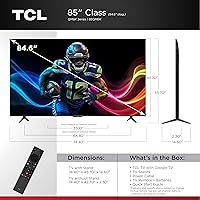
  • Dimensions: With the stand attached, the set measures 74.4″ wide, 42.7″ tall, and 2.3″ deep; wall-mount depth will be shallower without the stand.
  • Weight: The panel weighs 73.4 pounds without packaging, which requires a wall mount rated for at least 100 pounds and ideally a two-person installation.
  • Power Supply: Ships with a standard power cable; no external power brick is required as the power supply is integrated into the chassis.
  • Remote Control: Includes a voice-enabled remote with dedicated buttons for popular streaming apps and a microphone for hands-free Google Assistant or Alexa commands.
  • In-Box Contents: Package includes the TV panel, stand hardware, power cable, voice remote, two AAA batteries, and a printed user manual.
  • Model Number: The 85-inch variant carries model number 85QM6K; other screen sizes in the QM6K line share the same feature set with size-dependent VRR limits.
  • Release Year: First listed in February 2025, making this a current-generation model with active software support and firmware updates through Google TV.

Related Reviews
TCL 85-Inch QM8 QLED Mini LED TV
76%
93%
Picture Brightness
76%
Contrast & Black Levels
84%
Color Accuracy
89%
Gaming Performance
78%
Motion Handling
More
TCL 98QM6K Mini LED QLED 4K TV
78%
88%
Picture Quality
76%
Local Dimming Performance
91%
Motion & Refresh Rate
89%
Gaming Performance
86%
HDR Experience
More
TCL 65-Inch QM6K QD-Mini LED 4K TV
86%
94%
Display Quality
89%
Gaming Performance
85%
Sound Quality
92%
Value for Money
80%
Smart TV Features
More
Samsung Frame Pro 85″ Neo QLED TV
79%
83%
Picture Quality
91%
Art Mode & Display
93%
Design & Aesthetics
78%
Wireless One Connect
82%
Gaming Performance
More
TCL 85-Inch QM7 QLED 4K Smart TV
80%
88%
Picture Quality
91%
Brightness & HDR
74%
Local Dimming & Contrast
86%
Motion & Refresh Rate
84%
Gaming Performance
More
TCL 55-inch QM6K Mini LED 4K TV
83%
88%
Picture Quality
76%
Local Dimming Performance
91%
Gaming Performance
93%
Sports Viewing
87%
HDR Compatibility
More
TCL 85-Inch Q651G QLED Smart TV
75%
81%
Picture Quality
63%
Contrast & Black Levels
84%
Color Accuracy
79%
Gaming Performance
77%
Motion Handling
More
Sony BRAVIA 7 55-inch 4K QLED TV
77%
88%
Picture Quality
91%
Gaming Performance
86%
Brightness & HDR
84%
Color Accuracy
77%
Smart TV Experience
More
Hisense 85-inch U8QG Mini-LED Smart TV
81%
91%
Picture Quality
93%
Brightness & HDR Performance
84%
Contrast & Local Dimming
89%
Gaming Performance
86%
Motion Handling
More
TCL Q681G 85-Inch QLED 4K Smart TV
76%
78%
Picture Quality
71%
Brightness & HDR Performance
67%
Local Dimming
84%
Gaming Performance
82%
Smart TV & Software
More

FAQ

It is a genuine native 144Hz panel, which means the hardware itself refreshes 144 times per second without any processing tricks. The 480 Motion Rate figure you may see in marketing materials refers to frame interpolation, not the underlying panel speed. For gaming and sports, the native 144Hz is the number that actually matters.

Yes, the QM6K supports variable refresh rate and low input lag modes that are compatible with current-gen consoles. The 288Hz Game Accelerator VRR range is well above what either console currently outputs, so you have plenty of headroom. Just make sure to enable Game Mode in the picture settings to get the best response times.

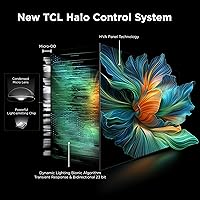
It is present, and it is worth being upfront about. The Halo Control local dimming does a solid job of reducing it compared to older full-array designs, and 500 dimming zones is a respectable count at this price, but it cannot match an OLED panel where each pixel controls its own light. In very dark rooms watching high-contrast content like starfields or end credits, you will likely notice some glow around bright elements. For most viewing scenarios it is not distracting, but if dark-scene purity is your top priority, this is a real limitation to weigh.

For everyday streaming, news, and casual movie watching, the Onkyo-tuned system holds up better than most built-in TV speakers, and the Dolby Atmos decoding adds some spatial width to the sound. That said, if you are a serious movie watcher or you listen to music through the TV, a soundbar will make a noticeable difference. Think of the built-in audio as a solid starting point, not a permanent solution for audiophile use.

The software setup through Google TV is straightforward and walks you through everything step by step. The physical setup is the harder part — at 73.4 pounds, mounting the panel to the stand or onto a wall is genuinely a two-person job. The stand itself assembles without tools in most cases, but do not attempt the wall mount solo; the weight and size make it unsafe to manage alone.

Google TV supports Google Cast natively, so Android and Chrome-based mirroring works out of the box. AirPlay 2 support varies by model and region, so it is worth checking the current firmware release notes or TCL's support page before assuming it is included. If AirPlay is essential to your workflow, confirm availability before purchasing.

At this screen size, OLEDs cost significantly more, so a direct price comparison is not really fair. The QM6K gives up perfect per-pixel black levels and absolute contrast depth that OLED delivers, but it compensates with higher peak brightness and better performance in rooms with ambient light. If you watch in a bright room or care more about sports and gaming than cinephile dark-room performance, the QM6K is the more practical choice at 85 inches.

Both are supported on this large-screen Mini LED set, and you can switch between them depending on preference. The voice remote has a dedicated microphone button, and you set your preferred assistant in the Google TV settings. Most users stick to one for simplicity, but the flexibility to use either is genuinely useful if different people in a household prefer different ecosystems.

The default picture mode typically prioritizes brightness, which looks impressive in a store but can feel a bit overcooked at home, especially in the evenings. Switching to Movie or Cinema mode, reducing sharpness, and adjusting the local dimming setting to Medium rather than High tends to produce a much more accurate and comfortable image. You do not need professional calibration equipment — just a few minutes in the settings menu makes a meaningful difference.

The stand does the job, but some buyers feel it is not as confidence-inspiring as you might expect for a panel this heavy. It is stable on a solid, flat surface, but if you have young children, pets, or an uneven console surface, a wall mount is a smarter long-term choice both for safety and for the viewing angle it allows. If you do wall-mount, use a bracket rated for at least 100 pounds and a VESA pattern compatible with the 85QM6K spec.