Overview

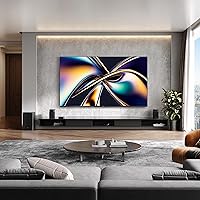
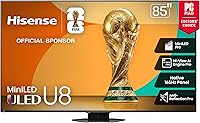
The Hisense 85-inch U8QG Mini-LED Smart TV represents Hisense's most ambitious step yet in the premium LCD space, packing meaningfully more local dimming zones and raw brightness than its predecessors into a size that genuinely commands a room. This isn't a modest refresh — the jump in backlight precision is noticeable from the first time you sit down with high-contrast content. Running on Google TV rather than a proprietary platform means you get a familiar, well-stocked app ecosystem without learning a new interface. This 85-inch Hisense is built for people with the space to use it: large living rooms, dedicated home theater setups, and anyone who wants their display to match their ambitions.
Features & Benefits

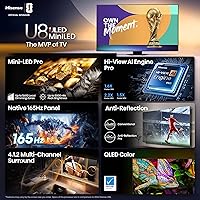
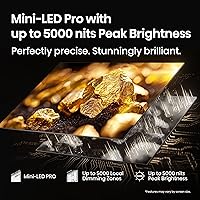
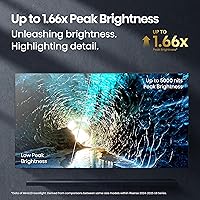
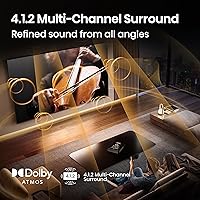
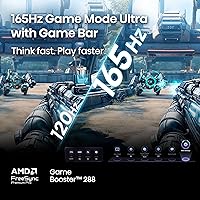
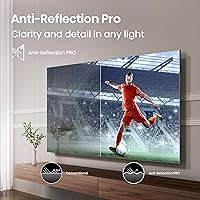
The backlight engineering is the headline act. With thousands of independently controlled LED zones, the U8QG can hold a bright title card on screen while keeping surrounding black bars genuinely dark — a real-world contrast that cheaper TVs simply cannot replicate. The peak brightness ceiling is high enough that HDR highlights pop convincingly even in a sunlit room, and SDR content looks better than it has any right to. For gaming, the native 165Hz panel with AMD FreeSync Premium Pro makes fast-paced shooters and racing titles feel noticeably sharper and more responsive. The onboard 4.1.2 audio system handles everyday watching well — just don't retire your soundbar yet. The Anti-Reflection Pro coating is genuinely useful, not a spec footnote.

Best For

This Mini-LED set makes the most sense for buyers who want OLED-level contrast ambitions without OLED burn-in concerns — long gaming sessions, sports marathons, or back-to-back streaming nights. The high refresh rate and tight input lag make it a strong pick for console and PC gamers playing competitive shooters or open-world RPGs on a large screen. Sports fans benefit from the motion handling and glare-resistant panel, which holds up better in bright rooms than most TVs at this size. Households mixing streaming, cable, and gaming inputs will appreciate how the AI picture engine keeps things looking consistent. Upgrading from a 65-inch set, the size jump alone is transformative.

User Feedback

Most owners praise the out-of-box picture quality — brightness in lit rooms gets consistent positive attention and first impressions tend to be strong. That said, the recurring criticism worth taking seriously is blooming around bright objects on dark backgrounds; it's an inherent Mini-LED limitation and this set doesn't fully escape it. The Google TV interface draws mixed reactions: app selection is solid, but some users find the ad-heavy home screen annoying. A few buyers mention the stand feels less substantial than expected at this size, and wall-mounting a 104-pound panel takes real planning. Compared to Samsung's equivalent, reviewers generally credit this 85-inch Hisense with better brightness headroom, though Samsung edges ahead on blooming control.

Pros

  • Exceptional brightness output makes HDR content look convincing even in sunny, well-lit rooms.
  • Up to 5,600 local dimming zones deliver contrast performance well above typical LCD TVs at this size.
  • Native 165Hz refresh rate with AMD FreeSync Premium Pro is a genuine advantage for competitive and fast-paced gaming.
  • Google TV offers a familiar, well-stocked app ecosystem that most smart TV platforms can't match.
  • Anti-Reflection Pro coating meaningfully reduces glare — useful in living rooms without blackout curtains.
  • The 4.1.2-channel speaker system handles everyday TV audio well, reducing the urgency of adding a soundbar immediately.
  • Dolby Vision IQ and HDR10+ support means it handles premium streaming content from every major platform.
  • Out-of-box picture calibration is strong enough that most buyers won't need to touch the settings.
  • AI-driven scene optimization keeps image quality consistent across very different content types without manual switching.
  • At 85 inches, the sheer presence of this Mini-LED set delivers a step-change upgrade over mid-size screens.

Cons

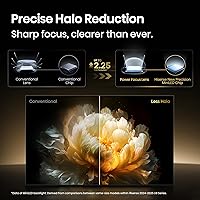
  • Blooming around bright objects on dark backgrounds is noticeable in a darkened room — an inherent Mini-LED limitation.
  • At over 100 pounds, installation requires planning and ideally a second person or professional mount service.
  • The Google TV home screen pushes promoted content and ads, which some users find intrusive and hard to avoid.
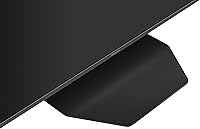
  • The stand design feels less premium than expected for a TV of this size and price tier.
  • Power draw can reach 400W under peak load, which adds up meaningfully on an electricity bill over time.
  • Built-in audio, while decent for a TV, won't satisfy anyone used to a real surround sound system.
  • Cable management behind an 85-inch panel mounted on a wall requires extra effort and accessories not included in the box.
  • Blooming performance trails the best Samsung Mini-LED competitors in very high-contrast dark scenes.

Ratings

The Hisense 85-inch U8QG Mini-LED Smart TV earns its ratings from AI-driven analysis of verified global buyer reviews, with spam, bot-generated entries, and incentivized feedback actively filtered out before scoring. The result reflects what real owners consistently experience — both the standout strengths that make this one of 2025's most talked-about large-screen TVs and the genuine frustrations that informed buyers should weigh before purchasing. Every score below captures the full picture, not just the highlights.

Picture Quality
91%
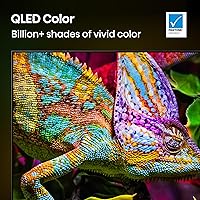
Owners repeatedly describe the out-of-box image as striking — vivid without looking artificial, with HDR highlights that genuinely pop on bright content like sports and nature documentaries. The quantum dot layer adds a richness to colors that reviewers coming from standard LED TVs find immediately noticeable, especially on 4K streaming sources.
A small but consistent group of reviewers note that the default picture mode leans slightly oversaturated for film purists, requiring a manual calibration session to dial in a more neutral look. SDR content from cable or older streaming sources can look uneven compared to native 4K material.
Brightness & HDR Performance
93%
This is where the U8QG genuinely pulls away from most competitors — owners in bright living rooms report that HDR content remains vivid and contrasty even with sunlight hitting the screen directly. The brightness ceiling is high enough that specular highlights in nature films and sports replays feel distinctly different from standard LCD output.
Sustaining absolute peak brightness requires the TV to be in a demanding picture mode that some users find draws more power and generates more heat during extended sessions. Brightness uniformity across the full panel is very good but not flawless, with a handful of users noting slight variations toward the edges during static bright scenes.
Contrast & Local Dimming
84%
The high zone count makes a meaningful difference during mixed-content scenes — a bright news ticker on a dark studio background, or stadium floodlights against a night sky, holds up better than most Mini-LED panels buyers have previously owned. Reviewers upgrading from older full-array sets consistently call the contrast improvement substantial.
Blooming is real and noticeable for anyone watching dark thriller series or horror films in a fully darkened room — bright subtitles and isolated light sources produce a visible glow into surrounding shadow areas. This is an inherent Mini-LED limitation rather than a manufacturing flaw, but it is the single most cited disappointment in critical reviews.
Gaming Performance
89%
Console gamers playing fast shooters and racing titles on PS5 or Xbox Series X consistently praise the responsiveness in game mode — screen tearing is absent, controller input feels immediate, and the Game Bar gives useful at-a-glance feedback without leaving the game. At 85 inches, the immersive scale adds something that no gaming monitor can replicate.
Some PC gamers report a slightly finicky setup experience getting the full 165Hz output stable over HDMI, requiring specific cable and settings combinations to unlock. A small number of users playing very dark games — survival horror in particular — find the blooming behavior distracting enough to affect immersion.
Motion Handling
86%
Sports viewers are among the most enthusiastic owners — fast-moving content like basketball, soccer, and tennis tracks cleanly without the motion blur that plagued older sets in this price range. The AI motion processing does a solid job of keeping the action readable without introducing the artificial soap-opera effect that higher interpolation settings often cause.
At the most aggressive motion settings, some users notice minor processing artifacts around fast-moving edges, particularly in high-contrast sports scenes. Those who prefer a filmlike, unprocessed look will need to manually reduce the motion enhancement settings, which takes some trial and error.
Smart TV & Interface
72%
28%
Google TV is broadly praised for its app completeness — every major streaming platform is available, and the search function that pulls results across services is genuinely useful for households that subscribe to multiple platforms. Voice control through Google Assistant works reliably and is faster than navigating manually for those who use it regularly.
The home screen is the U8QG's most polarizing software feature: promoted content and advertisements appear prominently above personal app rows, and there is no straightforward way to remove them. Users accustomed to cleaner interfaces like Apple TV or Roku find the ad presence intrusive, and a few report occasional sluggishness when the system is under load.
Built-in Audio
74%
26%
For a built-in TV speaker system, the 4.1.2-channel setup genuinely surprises casual viewers — dialogue is clear, the up-firing speakers add a modest sense of vertical space during action content, and the built-in subwoofer provides bass that holds its own for everyday streaming. Owners who haven't used a soundbar before find it more than adequate.
Anyone accustomed to even a mid-range soundbar will find the built-in audio clearly outclassed in dynamic range and low-end extension. Loud action scenes can compress noticeably at high volume, and the spatial effect from the up-firing drivers is subtle enough that it disappears in larger or acoustically challenging rooms.
Anti-Glare & Room Versatility
88%
The Anti-Reflection Pro coating receives consistent praise from buyers in sunlit rooms — multiple reviewers specifically mention that this was the feature that finally made a large TV work in their living room without blackout curtains. Afternoon sports viewing in a bright space is a genuinely comfortable experience compared to earlier sets they owned.
In a fully dark room at night, the coating can very slightly affect the perceived depth of black levels compared to a glossy panel, though the difference is minor and most users don't notice unless they're directly comparing. Ultra-critical home theater viewers occasionally mention a faint haze in deep shadow areas under controlled conditions.
Build Quality & Design
77%
23%
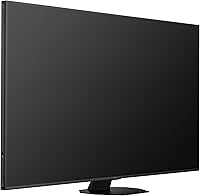
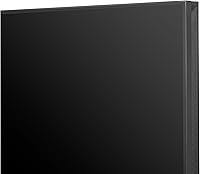
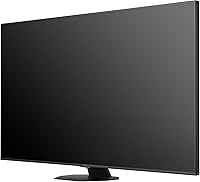
The panel itself is well-finished for the price tier, with a slim profile that looks appropriately premium mounted on a wall. Most owners are satisfied with the overall construction and find the industrial design understated and modern without the flashy trim that some competing brands favor.
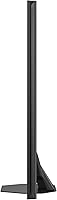
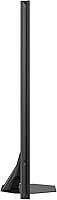
The included stand is the most common build-related complaint — at 85 inches and over 100 pounds, owners feel the stand legs lack the solidity the panel deserves. Several reviewers recommend budgeting for a third-party stand or wall mount from the outset rather than relying on the supplied hardware for long-term use.
Setup & Installation
69%
31%
Initial software setup through Google TV is straightforward and takes under ten minutes for most users, with streaming apps signing in quickly via phone-based account linking. Out-of-box calibration is good enough that many owners report not needing to touch the picture settings at all for the first few weeks.
Physical installation at this size is where frustration surfaces — the weight and dimensions make solo setup genuinely difficult, and several buyers mention that the included documentation does not adequately address wall-mounting logistics for a panel this heavy. Cable management behind an 85-inch wall-mounted TV requires additional hardware that is not supplied.
Remote Control
71%
29%
The remote is logically laid out with dedicated streaming service buttons and a functioning microphone for voice search that most users find reliable. The overall button feel and range are adequate for typical living room distances.
A recurring complaint is that the remote feels lightweight and inexpensive relative to the TV's overall price point, with a plasticky construction that contrasts with competing brands' premium remotes. Some users also find the shortcut buttons for specific streaming services unnecessary and wish the space had been used for more practical controls.
Value for Money
83%
At 85 inches with this level of brightness, dimming precision, and gaming capability, the U8QG sits in a value position that comparable Samsung or Sony panels at similar specifications cannot easily match. Buyers who have shopped the 85-inch category extensively consistently flag it as the most performance-per-dollar option available in 2025.
Buyers considering the full cost of ownership — including a quality wall mount, professional installation for a panel this heavy, and potentially a soundbar — find the real-world total cost climbs meaningfully above the sticker price. The strong initial value proposition narrows somewhat once accessories are factored in.
Connectivity
81%
19%
The port selection covers the practical needs of most households — multiple HDMI inputs for consoles and streaming sticks, USB for media playback, and reliable dual-band Wi-Fi that connects quickly and maintains a stable connection during 4K streaming. Ethernet availability is appreciated by owners who prefer a wired connection for gaming.
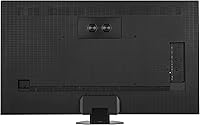
A subset of users with high-bandwidth PC gaming setups report needing to specifically identify which HDMI port supports full 4K at 165Hz, as not all ports are equal — and the labeling on the panel is not as clear as it could be. Bluetooth connectivity has occasionally been flagged as slightly delayed when pairing wireless headphones.
Longevity & Reliability
79%
21%
Early ownership feedback through the first several months is predominantly positive, with owners reporting no significant brightness degradation or software instability during daily use. Google TV's regular update cadence gives the U8QG a reasonable expectation of continued software support compared to proprietary platforms.
As a 2025 model, long-term reliability data is still accumulating, so multi-year durability assessments are not yet available from real-world owners. A small number of early buyers mention minor software glitches post-update, though these have generally resolved without factory resets.

Suitable for:

The Hisense 85-inch U8QG Mini-LED Smart TV is a strong match for anyone who wants a genuinely large, high-performance display without committing to the premium pricing of top-tier OLED panels. Home theater enthusiasts who watch a lot of HDR films or 4K sports content will get the most out of its extraordinary brightness range — especially in rooms that can't be fully darkened. Gamers running a PS5, Xbox Series X, or a high-refresh-rate PC will appreciate the native 165Hz panel, low-latency mode, and FreeSync support, which make fast-paced shooters and racing titles feel crisp and responsive at a screen size that most gaming monitors can't touch. It also suits households with varied viewing habits: the AI picture processing does a reasonable job of normalizing quality across cable, streaming apps, and gaming without constant manual adjustment. If you're upgrading from a 65-inch or smaller set and want a meaningful jump in both scale and image quality, this is a well-rounded choice.
Not suitable for:

Buyers who primarily watch dark, atmospheric content — think moody prestige dramas or horror films in a blacked-out room — should understand that the U8QG, like all Mini-LED TVs, is not immune to blooming, where bright objects cast a faint glow into surrounding dark areas. For that use case, an OLED panel will deliver more convincing black levels. This 85-inch Hisense is also not the right fit for small or medium-sized rooms, both for practical reasons — it weighs over 100 pounds and demands solid wall-mount hardware or a wide, stable surface — and because sitting too close to an 85-inch screen undermines the experience. Buyers hoping to skip a soundbar purchase entirely may find the built-in audio adequate for casual viewing but underwhelming for immersive film watching. Finally, if you're deeply averse to ad-supported smart TV home screens, Google TV's interface may frustrate you, as it prominently surfaces promoted content alongside your apps.

Specifications

  • Screen Size: The panel measures 85 inches diagonally, designed for large living rooms or dedicated home theater spaces where viewing distance is at least 10 feet.
  • Display Type: Uses a Mini-LED backlight behind an LCD-based QLED panel, combining quantum dot color with precise zone-level light control.
  • Resolution: Native 4K UHD resolution (3840 x 2160 pixels) renders fine detail across all content sources including streaming, Blu-ray, and gaming.
  • Peak Brightness: Capable of reaching up to 5,000 nits in peak HDR conditions, making it one of the brightest LCD-based panels available at this screen size.
  • Local Dimming: Up to 5,600 full-array local dimming zones allow the backlight to be controlled in small, independent segments for tighter contrast management.
  • Refresh Rate: Features a native 165Hz panel with variable refresh rate support ranging from 48Hz to 165Hz, compatible with AMD FreeSync Premium Pro.
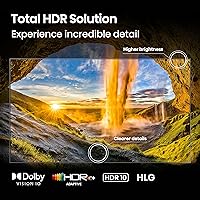
  • HDR Support: Compatible with Dolby Vision IQ, HDR10+, HDR10, and HLG, covering every major HDR format used by streaming platforms and physical media.
  • Audio System: Integrated 4.1.2-channel speaker configuration with a combined 82W output, including left and right surround channels, a built-in subwoofer, and two up-firing drivers.
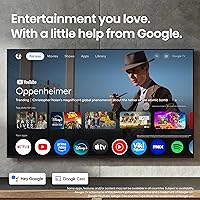
  • Smart Platform: Runs Google TV, giving access to a broad app ecosystem, Google Assistant voice control, and Chromecast built-in functionality.
  • Gaming Features: Supports Auto Low Latency Mode (ALLM), AMD FreeSync Premium Pro, and an on-screen Game Bar for real-time performance monitoring and settings adjustment.
  • Anti-Glare: Anti-Reflection Pro coating is integrated into the LCD layer itself to reduce ambient light interference rather than relying solely on a surface-level filter.
  • Connectivity: Includes HDMI, USB, Ethernet, Bluetooth, and dual-band Wi-Fi; specific HDMI port count and version details should be confirmed in the official product documentation.
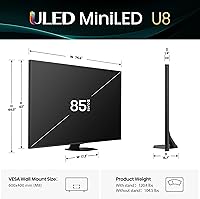
  • Dimensions: With stand attached, the TV measures 74.6″ wide, 43″ tall, and 1.9″ deep; wall-mount depth will be shallower.
  • Weight: The panel weighs 104.5 pounds, which requires a sturdy wall mount rated for the load or a wide, reinforced TV stand.
  • Power Draw: Typical power consumption varies by mode, with a rated maximum of 400W under peak brightness conditions and an output wattage of 82W for the audio system.
  • AI Processor: The Hi-View AI Engine Pro chipset continuously analyzes incoming content to adjust picture and sound parameters in real time based on scene type.
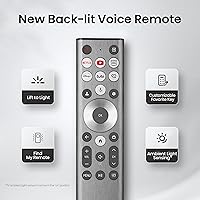
  • Remote & Input: Includes a standard remote requiring two AAA batteries (supplied); Google TV supports voice search and third-party universal remote compatibility.
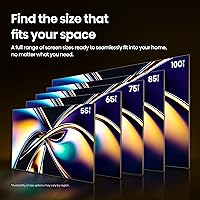
  • Availability: Released in March 2025, the U8QG is available in multiple screen sizes from 55 inches up to 100 inches, with the 85-inch being the most popular large-format option.

Related Reviews
Hisense 85-inch U7 Mini-LED 4K TV
83%
88%
Picture Quality
91%
Gaming Performance
93%
Brightness & HDR
82%
Contrast & Local Dimming
86%
Color Accuracy
More
TCL 85-Inch QM8 QLED Mini LED TV
76%
93%
Picture Brightness
76%
Contrast & Black Levels
84%
Color Accuracy
89%
Gaming Performance
78%
Motion Handling
More
Hisense 75U7K 75-inch Mini-LED QLED TV
79%
88%
Picture Quality
79%
Contrast & Local Dimming
83%
Brightness
91%
Gaming Performance
86%
Motion Handling
More
Samsung Frame Pro 85″ Neo QLED TV
79%
83%
Picture Quality
91%
Art Mode & Display
93%
Design & Aesthetics
78%
Wireless One Connect
82%
Gaming Performance
More
Hisense 85U65QF 85″ U6 Series Mini-LED 4K UHD Smart HDR Gaming Fire TV
84%
93%
Picture Quality
90%
Gaming Performance
85%
Sound Quality
80%
Ease of Use
77%
Smart Features (Alexa Integration)
More
TCL 85-Inch QM6K QD-Mini LED TV
86%
93%
Picture Quality
90%
Gaming Performance
75%
Sound Quality
87%
Build Quality
88%
Smart TV Features
More
Hisense U6 65-inch Mini-LED 4K Smart TV
78%
84%
Picture Quality
91%
Gaming Performance
82%
HDR Performance
79%
Motion Handling
76%
Local Dimming & Contrast
More
Hisense 50R7E 50-Inch 4K Roku Smart LED TV
84%
87%
Picture Quality
92%
Roku Streaming Performance
90%
Value for Money
65%
Sound Quality
70%
Brightness in Well-lit Rooms
More
Hisense 43R7E 43-inch 4K Roku Smart LED TV
81%
87%
Picture Quality
92%
Value for Money
91%
Ease of Setup
85%
Streaming Performance
61%
Sound Quality
More
Sony BRAVIA 5 98-inch Mini LED TV
79%
91%
Picture Quality
87%
AI Upscaling
89%
Gaming Performance
88%
Color Accuracy
58%
Built-in Audio
More

FAQ

Yes, this is actually one of its stronger real-world advantages. The Anti-Reflection Pro coating is built into the panel layer rather than just applied to the surface, so it handles glare better than most TVs in its class. Combined with very high peak brightness, the picture stays visible and punchy even in a bright room.

Blooming is present and worth knowing about before you buy. Like all Mini-LED TVs, the U8QG can show a faint halo of light around bright objects — a lamp, a subtitle, a muzzle flash — when the surrounding image is very dark. It performs better than many competitors in this regard, but if you primarily watch dark, moody content in a pitch-black room, an OLED panel will give you cleaner black levels without that glow.

Yes, provided your GPU can output at the TV's native refresh rate over HDMI. The U8QG supports AMD FreeSync Premium Pro and Auto Low Latency Mode, which helps with both screen tearing and input lag. For fast-paced games like shooters or racing titles, the difference between 60Hz and 165Hz at 85 inches is genuinely noticeable. Just confirm your HDMI cable and port are rated for the bandwidth required at 4K high refresh.

For everyday watching — news, sitcoms, casual streaming — the built-in 4.1.2-channel system holds its own and the up-firing speakers add some sense of height to the sound. That said, it's not a substitute for a proper soundbar or surround system if you care about immersive movie audio. Think of it as a solid temporary solution rather than a permanent one.

The weight alone — just over 100 pounds — means you should not attempt wall-mounting solo. You will need a mount rated for the TV's weight and size, and ideally two people for the installation. The VESA pattern should be confirmed against your mount before purchasing. If you're using the included stand, make sure your furniture surface is wide and sturdy enough to safely support it.

The U8QG generally offers more raw brightness headroom than Samsung's comparable models, which is a real advantage for HDR content and bright-room viewing. Samsung's Mini-LED TVs tend to have tighter blooming control, particularly in very dark scenes, so Samsung pulls ahead for dedicated home theater use. For overall value at this screen size, many reviewers give the edge to the U8QG.

Yes — Netflix, Disney+, Max, Apple TV+, Peacock, YouTube, and most other major platforms are available. Google TV is one of the more complete smart TV platforms precisely because it runs Android-based apps. The main complaint from users isn't app availability but rather the home screen, which surfaces promoted content and ads from Google alongside your personal app library.

Most universal remotes that support HDMI-CEC or IR control should be compatible, but you would need to program it with the correct device codes for Hisense. Google TV also has built-in Google Assistant, so voice control via the included remote or a connected smart speaker is another option. It's worth confirming compatibility with your specific remote model before assuming it will work out of the box.

With Auto Low Latency Mode engaged, the U8QG switches automatically into its lowest latency state when it detects a game signal from a PS5 or Xbox Series X. Measured input lag in game mode is competitive with other top-tier TVs. For console gaming — whether you're playing first-person shooters or open-world RPGs — this is unlikely to be a bottleneck; the panel's responsiveness will feel quick and natural.

At 85 inches with this level of brightness, dimming zone density, and refresh rate, the U8QG sits in a small group of high-performing options. It offers strong value relative to the premium brands at this screen size, with only a few meaningful trade-offs around blooming and the smart TV interface. If your priorities are big-screen HDR, sports, or gaming in a room that isn't always dark, it is a well-justified purchase for 2025.

Where to Buy