Overview

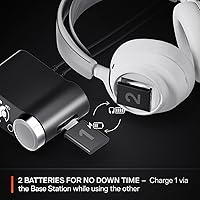
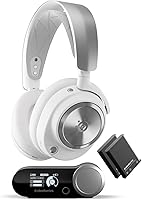
The SteelSeries Arctis Nova Pro Wireless Multi-System is one of the few gaming headsets that genuinely competes with premium consumer audio brands rather than just other gaming gear. Built around a steel headband with dense memory foam ear cushions, it is designed to survive long sessions without punishing your head. At the center of the experience is the base station, which sits on your desk charging a spare battery while you play — a small detail that fundamentally changes how you think about wireless headsets. Connecting two systems at once means switching from PC to PS5 takes a button press, not a re-pair ritual.
Features & Benefits

The dual battery system is the headline feature here, and it earns its reputation. Slide out the depleted cell, click in the fully charged spare from the base station, and you are back in the game in seconds — no waiting, no cable hunting. Active Noise Cancellation is present and competent, though buyers expecting dedicated ANC headphone levels of silence will need to recalibrate; it handles ambient hum well but is not surgical. The ClearCast Gen 2 mic genuinely impressed teammates, filtering out keyboard noise and room echo without making voices sound processed. Onboard audio profiles for specific titles add a practical shortcut most competitive players will actually use.

Best For

This multi-system headset makes the most sense for households running more than one gaming platform. If you split time between a gaming PC and a PS5, the ability to stay connected to both simultaneously — toggling with one button — removes a genuine daily friction. Competitive players will appreciate the positional audio accuracy and the assurance that a dead battery will never end a session early. It also works surprisingly well for remote workers and streamers who need a capable mic without buying a separate interface. That said, single-platform users who rarely use Bluetooth may find themselves paying for features they will never realistically touch.

User Feedback

Owners consistently praise the battery swap system as the feature that most changed their daily routine, eliminating the low-battery anxiety that haunts most wireless headsets. Comfort earns strong marks for the first few hours, though users with narrower heads note the clamping force becomes noticeable in longer sessions. The microphone earns real-world respect from squadmates, but some users found it directional and unforgiving if positioned carelessly. The recurring friction point is software dependency — SteelSeries GG Engine adds meaningful control but has reported stability issues on Mac. Wireless range holds up well in most homes, with only occasional dropout complaints through thick walls.

Pros

  • Hot-swappable batteries mean you will never be forced off a session by a low battery warning again.
  • Simultaneous dual-system connection works reliably and switches between PC and PS5 in under a second.
  • The ClearCast Gen 2 mic consistently earns praise from squadmates for voice clarity and background noise rejection.
  • Onboard game-specific audio profiles for titles like Apex and Warzone offer immediate, noticeable tuning improvements.
  • The base station keeps your desk organized and your spare battery perpetually charged without any manual intervention.
  • Neodymium drivers deliver genuine positional audio accuracy that competitive players will notice in-game.
  • Transparency Mode is practical and responsive, letting you hear your environment without removing the headset.
  • Steel headband construction feels durable and premium compared to all-plastic competitors at similar price points.
  • Simultaneous Bluetooth for mobile calls or music blends into game audio cleanly without dropping the primary connection.
  • Compatible with PS5 Tempest 3D Audio and Microsoft Spatial Sound out of the box with no extra configuration.

Cons

  • ANC performance falls short of dedicated noise-cancelling headphones — it handles hum but not voices or traffic well.
  • GG Engine software has known stability issues on macOS, making the full feature set unreliable for Mac users.
  • Clamping force becomes uncomfortable for narrower heads during sessions longer than three hours.
  • Ear cups retain noticeable heat during extended play, which worsens in warm rooms or summer conditions.
  • No Xbox wireless compatibility, making this a non-starter for Microsoft console households.
  • Proprietary replacement batteries are not cheap, and degraded cells after heavy use are an ongoing ownership cost.
  • The base station is not travel-friendly — leaving it at home reduces this multi-system headset to a standard single-charge wireless device.
  • Plastic ear cup housings feel inconsistent with the premium pricing when handled alongside consumer audio headphones in the same bracket.
  • Mic performance is sensitive to positioning — poor mic angle noticeably degrades clarity for teammates on the receiving end.
  • Deep EQ and profile customization require the GG Engine app, leaving minimal onboard control for users who prefer software-free setups.

Ratings

The SteelSeries Arctis Nova Pro Wireless Multi-System scores here reflect AI analysis of thousands of verified global user reviews, with spam, incentivized feedback, and bot activity actively filtered out before scoring. Ratings capture both the genuine strengths this headset delivers and the friction points real buyers encounter after weeks of daily use. Nothing is glossed over — where the wireless headset excels, the scores show it; where it falls short of its premium positioning, that is reflected too.
Battery System
94%
The hot-swap battery design is the single most praised feature across long-term owners. Being able to pull a dead cell and click in a fully charged spare from the base station in under five seconds — mid-match, no break needed — removes the one frustration that defines most wireless gaming headsets. Users describe it as a fundamental shift in how they relate to wireless audio.
A small number of users report that base station charging contacts can become unreliable over time, requiring repositioning of the spare battery to make a solid connection. The batteries themselves are proprietary, so replacements are not cheap or universally available if one cell degrades after heavy use.
Wireless Connectivity
88%
The 2.4GHz dongle delivers a rock-solid low-latency connection that holds up across most living rooms and home offices without dropout. Multi-system users particularly value the ability to stay paired to both a PC and a PS5 at once, toggling between them without re-pairing — a workflow that becomes second nature very quickly.
Range complaints surface occasionally from users in larger homes or apartments with thick concrete walls, where signal can degrade past around 10 meters. A small subset of PS5 users also reported intermittent base station sync issues after firmware updates, requiring re-pairing to restore full function.
Sound Quality
86%
The neodymium magnetic drivers produce a wide, detailed soundstage that competitive players genuinely notice — footsteps in Warzone land with directional precision that cheaper headsets cannot match. Compatibility with PS5 Tempest 3D Audio adds another layer of spatial depth that single-platform PlayStation users find impressive.
The default tuning leans toward boosted bass and upper-mids, which suits gaming but can feel colored for music or film listening. Audiophiles stepping down from dedicated hi-fi headphones will notice the limitations, and without the GG Engine software, EQ options on the headset itself are limited.
Active Noise Cancellation
67%
33%
The ANC does a competent job suppressing consistent ambient noise like HVAC systems, desk fans, and office hum, which is genuinely useful for focus gaming in shared spaces. Transparency Mode is a practical addition that lets you hear a roommate or doorbell without removing the headset entirely.
Buyers coming from dedicated ANC headphones — Sony WH-1000XM5 or Bose QuietComfort territory — will be disappointed. The ANC here is functional but not aggressive, and higher-frequency intrusions like voices or traffic cut through more than the marketing implies. It is a gaming headset with ANC, not an ANC headset that games.
Microphone Quality
83%
Squadmates and stream audiences consistently rate the ClearCast Gen 2 mic above average for a gaming headset. Background noise filtering handles mechanical keyboards and room reverb better than most built-in mics at this tier, and voices come through with natural clarity rather than the processed thinness common in gaming mics.
The mic is directional and unforgiving if angled poorly — users who do not position it correctly report noticeably degraded clarity on the receiving end. A few streamers also noted that the mic picks up more room noise than expected when ANC is active, suggesting the two systems do not always work optimally together.
Comfort & Fit
74%
26%
The steel headband and memory foam ear cushions make a solid first impression, and most users report two to three hours of fatigue-free wear with no pressure points. The over-ear cups provide good passive isolation alongside the ANC, keeping outside sound muffled during focused sessions.
Clamping force is the most consistent comfort complaint, particularly among users with narrower heads who find the headset grips too firmly during sessions beyond three hours. The ear cushions also retain heat noticeably in warmer environments, which becomes distracting during extended summer gaming sessions.
Build Quality
78%
22%
The steel headband adds genuine durability and a premium feel that distinguishes this wireless headset from all-plastic competitors. Adjustments feel precise and the headband extension clicks hold firmly without creaking, which matters when you are pulling the headset on and off repeatedly across a long gaming day.
The ear cup housings and base station shell are plastic, and at this price point that is a compromise that some buyers notice and resent. The headset does not feel fragile, but it does not feel as substantial as the price tag alone might suggest when you compare it to consumer headphones in a similar bracket.
Multi-System Compatibility
91%
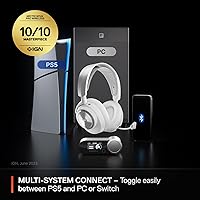
The ability to connect simultaneously to a PC and a PS5 — or a Switch via Bluetooth — and toggle between them without touching a dongle is the defining convenience feature for multi-platform households. Users who previously owned single-system headsets describe the workflow shift as immediately addictive.
Xbox is notably absent from the wireless compatibility list, which is a real limitation for households that run a mixed Sony-Microsoft setup. Bluetooth connection to mobile works well for calls but introduces a slight audio lag that makes it less suitable for mobile gaming beyond casual use.
Base Station Design
89%
The base station functions as a genuine desk object rather than just a charging brick — it holds the spare battery, connects your sources, and keeps everything organized in one place. Users who desk-mount or display their setups appreciate that it looks intentional rather than like an afterthought.
The base station is not optional if you want the full feature set, which makes this a less portable ecosystem than simpler wireless headsets. Traveling with just the headset means giving up the battery swap system entirely, reducing the wireless headset to a single-charge device like any competitor.
Software & App Experience
62%
38%
SteelSeries GG Engine offers genuinely deep EQ control, per-game profile management, and firmware update delivery that serious users will find worthwhile. The onboard audio profiles for titles like Apex Legends and Fortnite are usefully tuned and load instantly without opening the app each session.
GG Engine has a documented history of stability issues on macOS, with some users reporting crashes or failure to detect the headset after system updates. Windows users fare better overall, but the app can feel bloated for those who just want to set an EQ and forget it, rather than manage an ecosystem.
Bluetooth Performance
76%
24%
Simultaneous Bluetooth for mobile devices works reliably for blending phone calls or music into game audio without disconnecting from the primary source — useful for content creators monitoring notifications or for anyone who takes calls during gaming sessions.
Bluetooth 5.0 audio quality is adequate for calls and podcasts but noticeably compressed for high-fidelity music listening. Users who want to use this multi-system headset as a daily Bluetooth headphone for commuting or travel will find it functional but not competitive with dedicated wireless headphones at this tier.
Value for Money
69%
31%
For multi-platform households that will actively use the dual-system connection, battery swap system, and ANC daily, the price reflects a genuinely feature-dense product without an obvious rival that matches all three simultaneously. The feature-per-dollar ratio is defensible when all features are used regularly.
Single-platform users or those who only game on PC will find themselves paying a substantial premium for features they will rarely or never use. At this price point the competition from Sony and dedicated audio brands is fierce, and buyers who prioritize pure sound quality above connectivity features may find better value elsewhere.
Ease of Setup
81%
19%
Initial setup is straightforward — plug in the base station, pair the dongle, and the headset connects automatically. Switching between paired systems is a single button press once configured, which new users typically figure out without consulting the manual.
Getting the simultaneous dual-source mixing to work exactly as expected — particularly balancing game audio versus Bluetooth audio levels — takes some trial and error in GG Engine. Users who skip the software entirely may find the default mixing balance between sources slightly off for their preference.
Portability
53%
47%
The headset itself is reasonably sized and folds adequately for transport in a bag. Users who travel with just the headset and a USB dongle report it works as a serviceable single-battery wireless headset for hotel or LAN party use without the full base station setup.
The reliance on the base station for the battery swap system — and the lack of a compact carrying case in the box — makes this a poor choice for anyone who wants a travel-ready premium headset. The ecosystem is built around a desk, and using it away from that desk exposes the limitations quickly.

Suitable for:

The SteelSeries Arctis Nova Pro Wireless Multi-System was built for a specific kind of user, and for that user it is genuinely hard to beat. If your gaming setup spans more than one platform — a PC at the desk and a PS5 on the TV, for instance — the ability to stay connected to both simultaneously and switch with a single button press removes a daily friction that most multi-platform owners have simply learned to tolerate. Competitive players who cannot afford to pause mid-session for a dead battery will find the hot-swap system transformative rather than gimmicky. Streamers and remote workers also fit naturally into this headset's strengths, since the ClearCast Gen 2 mic performs well enough to replace a basic standalone mic without adding desk clutter. Users already embedded in the SteelSeries ecosystem will get the most out of the GG Engine software, where per-game audio profiles and deep EQ control reward the time invested in setup.

Not suitable for:

The SteelSeries Arctis Nova Pro Wireless Multi-System asks a premium price, and buyers who will not realistically use its multi-system features are paying heavily for functionality they will leave untouched. Xbox owners are out entirely — there is no wireless compatibility with Microsoft consoles, which is a hard limitation that no software update is likely to solve. Anyone shopping primarily for serious active noise cancellation should look at dedicated consumer ANC headphones first; this wireless headset handles ambient hum decently but does not compete with the noise-blocking performance of purpose-built ANC devices. The base station dependency also makes this a poor fit for users who travel frequently, since the hot-swap battery system — arguably the product's best feature — is simply unavailable on the road. Users who prioritize pure audio fidelity for music over gaming utility, or those running only a single platform who want a simpler wireless setup, will find better value elsewhere at this price tier.

Specifications

  • Wireless Connectivity: The headset connects via a 2.4GHz USB dongle for low-latency primary audio and Bluetooth 5.0 for simultaneous secondary device pairing.
  • Battery System: Two hot-swappable rechargeable lithium-ion batteries are included, with one in use on the headset while the second charges continuously in the base station.
  • Driver Type: Neodymium magnetic dynamic drivers are used to produce a wide soundstage tuned for positional gaming audio across all supported platforms.
  • Microphone: The ClearCast Gen 2 bidirectional microphone is built in and designed to filter background noise while preserving natural voice clarity for teammates and stream audiences.
  • Noise Cancellation: Active Noise Cancellation is included alongside a Transparency Mode that allows environmental sound to pass through when needed.
  • Impedance: The headset operates at 38 Ohm impedance, suited to wireless and USB-powered sources without requiring an external amplifier.
  • Headset Weight: The headset alone weighs approximately 336g, with the full retail package including the base station adding considerably more to the shipped weight.
  • Platform Support: Compatible platforms include PC, PS5, PS4, Nintendo Switch, Mac, and mobile devices; Xbox consoles are not supported via wireless connection.
  • Base Station Inputs: The base station includes USB-C and 3.5mm auxiliary inputs to accommodate both digital and analog source connections.
  • Audio Profiles: Onboard game-specific audio profiles are preloaded for titles including Call of Duty, Fortnite, and Apex Legends, and can be activated without opening the companion app.
  • Software: SteelSeries GG Engine software on Windows and macOS provides EQ customization, profile management, and firmware update delivery.
  • Ear Cup Design: The over-ear closed-back cups use memory foam cushions covered in a soft material designed to reduce fatigue during extended gaming sessions.
  • Headband Construction: The headband uses a steel frame for durability, with ear cup housings and base station shell constructed from plastic.
  • Headphone Jack: There is no 3.5mm headphone jack on the headset itself; all audio connections route through the base station or wireless systems.
  • 3D Audio Support: The headset is fully compatible with PS5 Tempest 3D Audio and Microsoft Spatial Sound without requiring additional configuration.
  • Bluetooth Version: Bluetooth 5.0 is used for the simultaneous secondary connection, supporting mobile devices for call and music audio blended with primary game audio.
  • Included Contents: The retail package includes the headset, base station, two rechargeable batteries, a USB dongle, and required connection cables.
  • Water Resistance: The headset carries no official water or sweat resistance rating and should be kept away from moisture.

Related Reviews
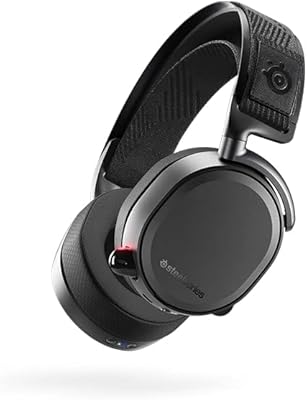
SteelSeries Arctis Pro Wireless
80%
93%
Wireless Performance
88%
Dual-Wireless Functionality
91%
Audio Quality
89%
Microphone Quality
94%
Battery System
More
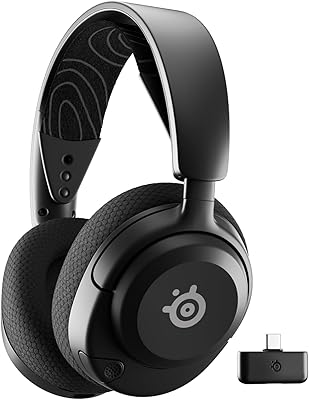
SteelSeries Arctis Nova 5 Wireless
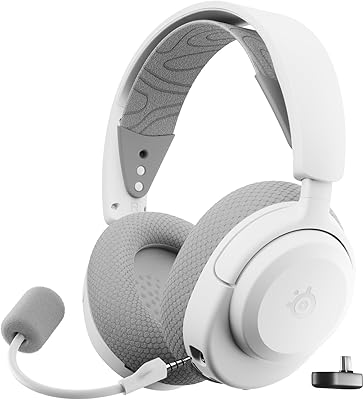
79%
93%
Battery Life
88%
Wireless Connectivity
84%
Microphone Quality
76%
Audio Quality
81%
Comfort & Fit
More
SteelSeries Arctis Nova 3P Wireless Gaming Headset
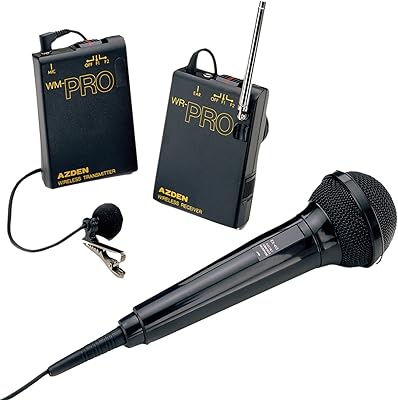
86%
88%
Audio Quality
92%
Battery Life
85%
Comfort & Fit
91%
Fast Charging
90%
Multi-Platform Compatibility
More
Bose S1 Pro+ Wireless PA System
86%
91%
Sound Quality
89%
Portability & Size
81%
Battery Life
95%
Ease of Setup
90%
Wireless Connectivity
More
Azden WMS-PRO Wireless Microphone System
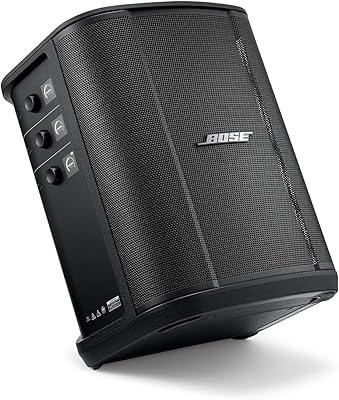
85%
88%
Sound Quality
94%
Portability
91%
Ease of Setup
72%
Range Performance
85%
Battery Life
More
Azden PRO-XR Digital Wireless Microphone System
86%
94%
Wireless Range
89%
Sound Quality
87%
Battery Life
92%
Ease of Setup
85%
Connectivity Stability
More
Neewer CM28 Pro Wireless Lavalier Microphone System
79%
88%
Audio Clarity
91%
Standalone Recording
67%
Wireless Range & Stability
86%
Battery Life
83%
Charging Case Design
More
Avantree Harmony 2 Multi-Room Wireless Speaker System
84%
85%
Sound Quality
93%
Ease of Setup
88%
Connectivity & Range
81%
Build Quality
78%
Battery Life
More
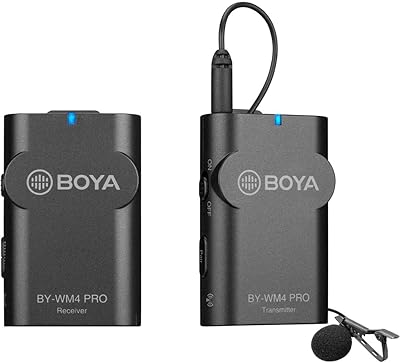
BOYA BY-WM4 PRO-K2 Wireless Lavalier Microphone System
82%
92%
Value for Money
89%
Ease of Use
88%
Portability
84%
Sound Quality
74%
Signal Range
More
Hollyland Solidcom C1 PRO 9-User Wireless Headset System
86%
94%
Performance in Noisy Environments
88%
Setup and Installation Ease
91%
Sound Quality and Noise Cancellation
85%
Battery Life and Power Options
92%
Range and Communication Clarity
More

FAQ

Yes, the dual-system connection is the core feature here. You connect the 2.4GHz dongle to one system and the secondary wireless input to another, then toggle between them with a button on the base station. You do not need to re-pair anything — once set up, switching takes about a second.

Each battery delivers roughly 22 hours of use depending on ANC and volume settings. When one runs out, you slide it out of the headset, click in the fully charged spare that has been sitting in the base station, and carry on playing. The whole swap takes about five seconds and you do not need to pause or power anything off.

It is effective against consistent ambient noise like fans, air conditioning, and low background hum — enough to help you focus during a gaming session. That said, it does not match the noise-blocking strength of dedicated ANC headphones from brands like Sony or Bose. Voices and higher-frequency sounds will still cut through more than some buyers expect.

No — Xbox is not supported via the wireless connection. The 2.4GHz dongle works with PC, PS5, PS4, Nintendo Switch via USB, and Mac. If Xbox compatibility is important to you, this headset is not the right fit.

The headset works out of the box without the software — wireless connection, ANC, and onboard audio profiles all function independently. However, GG Engine unlocks deeper EQ control, custom profile creation, and firmware updates, so if you want to fine-tune the sound or keep the headset updated, installing it is worth it. Windows users will have a smoother experience with the app than Mac users.

It is genuinely one of the better built-in gaming headset mics available, and for most team communication purposes it will impress teammates. For streaming, it handles keyboard noise and room echo well enough to replace a basic standalone mic in many setups. Serious streamers with treated rooms and dedicated microphones will still hear a difference, but casual to semi-professional streaming is comfortably within reach.

Yes, the headset will function as a wireless headset using whichever battery is installed, paired via the USB dongle. The trade-off is that you lose the hot-swap system entirely — once the battery dies, you are done until you recharge it. There is no included compact travel case, so you will need to source your own bag solution for transport.

Most glasses wearers report it is manageable, but the over-ear seal and clamping force do create some pressure where the temples sit on the ear cushion. It is not unusually aggressive compared to other closed-back gaming headsets, but those with thicker or rigid frames may notice discomfort sooner than non-glasses wearers during longer sessions.

Yes, that is exactly what the simultaneous Bluetooth connection is designed for. You can take a phone call or stream music from your mobile device and it blends directly into your game audio without disconnecting from your primary system. Volume balance between the two sources can be adjusted through the base station or GG Engine.

SteelSeries does sell replacement ear cushions and batteries separately, but they are proprietary parts available through SteelSeries directly or authorized retailers. Standard third-party ear cushion replacements designed for other headset brands will not fit without modification. Factoring in replacement part availability is worth considering as a long-term ownership cost at this tier.