Overview

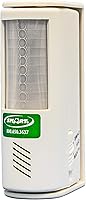
The Smart Caregiver TL-2700 Motion Sensor Alarm is a compact, no-frills monitoring device that has quietly earned its place in home caregiving setups since 2012. It does one thing: alert you when someone leaves a bed, chair, or room. That simplicity is actually its biggest selling point. Wall-mountable and battery-powered, this caregiver alert unit requires almost no technical knowledge to get running — though you will need to pick up a 9V battery separately, since one is not included in the box. For families navigating the early stages of elder care, it offers a low-cost entry point into monitoring that is hard to argue with.

Features & Benefits

The TL-2700 covers up to 30 feet, which is enough to monitor most bedrooms or living room setups from a single mount point. The adjustable swivel bracket is genuinely useful — you can tilt and angle the sensor to narrow its focus, cutting down on nuisance alerts from foot traffic in adjacent spaces. When motion is detected, a 75-decibel tone kicks in and keeps sounding until someone manually switches the unit off. That persistent alert design makes it hard to ignore, which is exactly the point. The whole unit weighs under 5 ounces and sits unobtrusively on a wall without dominating the room.

Best For

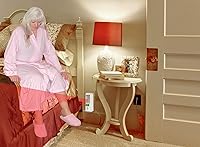
This motion sensor alarm fits best in home caregiving situations where simplicity matters more than sophistication. Think: an adult child monitoring an aging parent with mild dementia or limited mobility, or a professional caregiver covering a patient in a private home setting. It works especially well in bedrooms and hallways — the places where fall risk tends to concentrate. It is not a replacement for formal medical monitoring, and it has no Wi-Fi, no app, and no cloud integration of any kind. But for someone who just needs to know the moment their loved one gets up at 3 a.m., immediate out-of-box reliability like this is exactly what the situation calls for.

User Feedback

People who rely on this caregiver alert unit day-to-day tend to appreciate the quick setup — most describe having it mounted and working within minutes, and the overnight peace of mind comes up repeatedly. That said, the device has real limitations worth knowing. The alert tone is fixed; there is no way to dial down the volume for light sleepers or sensitive environments. Some buyers also report going through 9V batteries faster than expected, adding a modest ongoing cost. The 90-day warranty draws occasional criticism, since caregivers depend on the unit continuously and expect longer coverage. False alarms surface now and then, though repositioning the bracket usually brings things back in line.

Pros

  • Installs in minutes with no tools, apps, or Wi-Fi required — genuinely plug-and-play for non-technical users.
  • The 30-foot detection range is enough to cover most standard bedrooms or living areas with a single unit.
  • Continuous alert tone does not stop until manually silenced, making it very hard for a caregiver to sleep through.
  • The adjustable swivel bracket lets you fine-tune the detection zone, which cuts down on unnecessary alerts.
  • At under 5 ounces and a compact footprint, this caregiver alert unit sits on a wall without being intrusive.
  • No subscription fees or ongoing service costs — you pay once and it works.
  • On/Off switch makes it easy to deactivate during times when monitoring is not needed.
  • Has maintained a strong sales rank in its category for over a decade, suggesting consistent real-world usefulness.

Cons

  • The alert tone is fixed at one volume level — there is no way to soften it for noise-sensitive environments.
  • Battery is not included in the box, which can be a frustrating surprise when you are eager to get started.
  • The 9V battery needs replacing more frequently than some users expect under continuous daily use.
  • Only a 90-day manufacturer warranty for a device that caregivers depend on around the clock.
  • No remote or smartphone notification — if you are out of earshot, the alarm does you no good.
  • A single unit will not adequately cover larger homes or multi-room monitoring needs.
  • Occasional false alarm reports suggest the sensitivity can be affected by factors like pets or heating vents.
  • Plastic build quality feels basic and may not inspire confidence for long-term, heavy-duty use.
  • No tone customization or volume adjustment makes it a poor fit for shared living spaces or light sleepers nearby.

Ratings

The Smart Caregiver TL-2700 Motion Sensor Alarm has been evaluated by our AI rating system after analyzing thousands of verified global user reviews, with spam, bot-generated, and incentivized feedback actively filtered out. Scores reflect a balanced synthesis of real-world caregiver experiences — both the genuine relief this unit delivers and the frustrations that surface during extended daily use. Strengths and limitations are weighted equally so you can make a fully informed decision.

Ease of Setup
93%
Caregivers consistently describe having this unit mounted and operational within minutes, often without reading any instructions at all. For older adults or non-technical family members suddenly thrust into a caregiving role, that kind of immediate usability is genuinely meaningful — not just a convenience.
The only hiccup that comes up repeatedly is the missing 9V battery, which catches first-time buyers off guard and delays that initial setup moment. A small thing, but when you have ordered this urgently for a loved one, it stings more than it should.
Alert Reliability
78%
22%
The continuous 75-decibel tone that runs until manually silenced is widely praised as the right design call — caregivers sleeping in adjacent rooms report being reliably woken when a patient gets up at night. That persistent alert removes the risk of a one-and-done beep being missed.
False alarms from pets, heating vents, or curtain movement near windows are a recurring complaint, particularly in the first week of use before owners dial in the bracket angle. A handful of users also report occasional missed detections when patients move slowly or partially out of the sensor zone.
Detection Range
81%
19%
A 30-foot range is genuinely sufficient for most single-room setups — standard bedrooms, living rooms, and hallways are well within reach with one unit placed thoughtfully. Users in smaller apartments or bungalows particularly appreciate not needing multiple devices.
In open-plan spaces or larger rooms with furniture creating blind spots, the stated range does not always translate into reliable full-coverage detection. Caregivers monitoring patients in larger homes often find they need a second unit for complete peace of mind.
False Alarm Rate
62%
38%
The adjustable swivel bracket gives caregivers a meaningful way to reduce unwanted triggers — tilting the sensor downward toward a bed or chair rather than across an open room makes a real difference, and users who take ten minutes to fine-tune this report far fewer nuisance alerts.
Out of the box, sensitivity can be frustratingly broad, picking up movement from pets, shadows, or HVAC airflow before any bracket adjustment is made. New users who do not know to reposition the bracket often form a negative first impression that is hard to shake, even after the fix resolves it.
Build Quality
59%
41%
The unit is lightweight and unobtrusive in a care setting — the compact plastic form factor does its job without drawing attention, and nothing about the hardware feels unnecessarily complicated. For a device that sits on a wall and runs a single function, it is adequate.
The all-plastic construction does not inspire a lot of confidence in longevity, and several users report the bracket or casing showing wear after a year or more of continuous use. For a device caregivers depend on daily, the materials feel more disposable than durable.
Battery Life
57%
43%
Being battery-powered means the TL-2700 can be placed anywhere without worrying about outlet proximity, which is a practical advantage in bedrooms and care spaces where cord management matters. Installation flexibility is noticeably higher than wired alternatives.
Under continuous daily use, especially in high-traffic areas where the alarm triggers multiple times a night, users report burning through a 9V battery faster than expected — some within 6 to 8 weeks. That ongoing cost and the inconvenience of replacing batteries regularly is a legitimate frustration for long-term caregivers.
Volume Control
38%
62%
The fixed 75-decibel output is loud enough to serve its core purpose in most home environments, ensuring the caregiver actually hears the alert even from another room or through light sleep.
The complete absence of any volume adjustment is one of the most frequently cited drawbacks in user feedback. In shared living situations, in apartments with thin walls, or when the monitored patient is a light sleeper themselves, a blaring non-adjustable alarm at 2 a.m. creates real problems that the device simply offers no solution for.
Alert Customization
41%
59%
The simplicity of a single, consistent alert tone means there is no confusion about what the sound means — caregivers always know exactly what triggered, without needing to decode different tones for different scenarios.
Beyond the volume issue, users have no ability to change the tone, set a delay, or program any kind of response behavior. Competing products at similar price points increasingly offer multiple tone options, making the TL-2700 feel dated in this respect.
Value for Money
84%
For the price, this caregiver alert unit delivers a functional, immediate solution that would otherwise cost significantly more through subscription-based or professionally installed systems. Caregivers who need something up and running today without a large upfront investment find the value proposition compelling.
The short 90-day warranty and the ongoing battery replacement cost chip away at the value equation over time, particularly for users who run the device continuously for months or years. At some point, the total cost of ownership starts to look less favorable than it did at purchase.
Warranty & Support
44%
56%
Smart Caregiver Corporation is an established brand with a track record in this niche, and the product has remained on the market since 2012, suggesting the company stands behind it commercially even if the formal warranty window is limited.
A 90-day warranty for a device used every single day, often in critical caregiving contexts, draws consistent criticism. Users who experience failures at the four or five month mark have no recourse, and several describe feeling let down given how much they had come to rely on the unit.
Portability & Placement
88%
At under 5 ounces and with a battery-only power requirement, this motion sensor alarm can be repositioned, moved between rooms, or taken along when caregiving happens in different locations — a genuine practical advantage over hardwired alternatives.
The wall-mount bracket design, while stable, means each repositioning involves removing and re-mounting the unit, which is mildly inconvenient. A freestanding placement option or adhesive alternative would make the flexibility more seamless in practice.
Connectivity & Smart Home
22%
78%
For caregivers who are specifically looking for a no-Wi-Fi, no-app, no-account solution — and there are genuinely many who prefer exactly that simplicity — the complete absence of connectivity is a feature, not a flaw.
For anyone expecting integration with a smartphone, a home speaker, or a smart home platform, this caregiver alert unit simply has nothing to offer. In a market where even budget devices are adding basic app connectivity, the TL-2700 is firmly standing still.
Patient Comfort & Discretion
74%
26%
The small white housing blends into most home wall environments without being conspicuous, which caregivers appreciate when they want to monitor without making patients feel watched or institutionalized. Dignity in home care settings matters, and the unobtrusive form factor supports that.
When the alarm fires — at full, fixed volume — the experience is anything but discreet. Patients who are easily startled or have anxiety can find the sudden loud alarm distressing, which is a real concern that buyers with dementia or PTSD patients should think about carefully before purchasing.

Suitable for:

The Smart Caregiver TL-2700 Motion Sensor Alarm is a practical fit for family caregivers who need a reliable, low-effort way to monitor an elderly parent, grandparent, or loved one with mobility limitations or early-stage dementia at home. If you are managing care largely on your own — sleeping in the next room, working from home, or just needing nighttime peace of mind — this caregiver alert unit fills that gap without requiring any technical setup, subscription fees, or Wi-Fi network. It works especially well in bedrooms and hallways where fall risk is highest, and it is well-suited to situations where a full-scale monitoring system feels like overkill. Caregivers who want something they can mount, switch on, and trust immediately will find this motion sensor alarm genuinely useful as part of a broader home care routine.

Not suitable for:

The Smart Caregiver TL-2700 Motion Sensor Alarm is not the right choice for caregivers who need remote notifications, smartphone alerts, or any form of connectivity — this unit has no Wi-Fi, no app, and no way to alert someone who is not within earshot of its 75-decibel tone. If you are caring for a patient with advanced needs or a high-risk medical condition that demands certified monitoring equipment, this caregiver alert unit is not a substitute for professional-grade solutions. Those who live in larger homes with multiple rooms to monitor will likely find a single unit insufficient for full coverage. Buyers who are sensitive to ongoing costs should also factor in battery replacements, since the 9V cell is not included and will need periodic swapping. Finally, anyone expecting long-term product support should note that the 90-day warranty is on the shorter end for a device used daily.

Specifications

  • Brand: Manufactured by Smart Caregiver Corporation, a company specializing in patient monitoring and fall prevention aids.
  • Model Number: This unit is identified by model number TL-2700 and UPC 812293010518.
  • Dimensions: The device measures 4.25 x 1.25 x 2.5 inches, making it compact enough to mount discreetly on most walls.
  • Weight: The unit weighs 4.8 oz, light enough to be supported by standard wall-mount hardware without reinforcement.
  • Detection Range: The passive infrared sensor detects motion within a maximum range of 30 feet under normal indoor conditions.
  • Alert Volume: The built-in alarm emits a continuous tone at 75 decibels, audible across most single-story home layouts.
  • Alert Behavior: Once triggered, the alert sounds continuously until a caregiver manually switches the unit off, preventing overlooked alerts.
  • Power Source: The device runs on one standard 9V battery, which is not included and must be purchased separately.
  • Mounting Type: The unit is designed for wall mounting and includes an adjustable swivel bracket to fine-tune the sensor angle.
  • Material: The housing is constructed from plastic and finished in white, suitable for standard residential care environments.
  • On/Off Switch: A dedicated On/Off switch allows caregivers to quickly deactivate the sensor when monitoring is temporarily not needed.
  • Operating Temp: The device is rated for use at an operating temperature of 68 degrees Fahrenheit, suited to standard indoor conditions.
  • Connectivity: This is a fully standalone unit with no Wi-Fi, Bluetooth, or any wireless network connectivity of any kind.
  • Warranty: Smart Caregiver Corporation backs the TL-2700 with a 90-day limited manufacturer warranty from the date of purchase.
  • Package Contents: Each package contains one motion sensor alarm unit; no battery, mounting hardware instructions may vary by retail version.
  • Availability: The product was first listed in June 2012 and is confirmed as not discontinued by the manufacturer as of the latest data.

Related Reviews
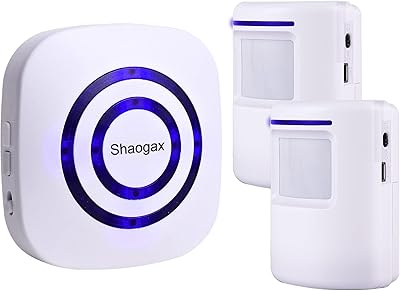
Shaogax Wireless Motion Sensor Driveway Alarm System
71%
91%
Ease of Setup
83%
Wireless Range
88%
Alert Customization
58%
False Alert Rate
61%
Build Quality
More
GREENCYCLE M-SF20R Wireless Driveway Alarm
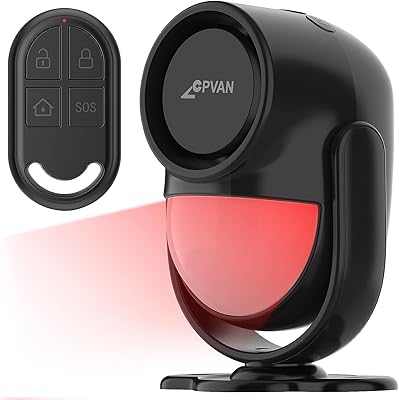
78%
91%
Ease of Setup
78%
Detection Reliability
62%
Wireless Range
88%
Chime & Alert Volume
61%
Battery Life
More
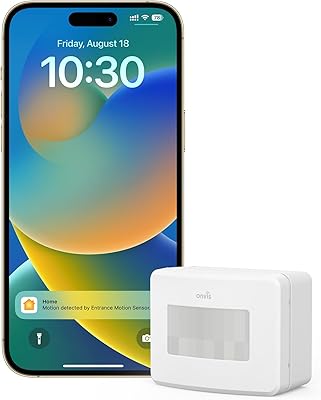
Onvis SMS2 Smart Motion Sensor
78%
83%
Motion Detection Accuracy
88%
Response Speed
79%
HomeKit Integration
81%
Temperature Accuracy
78%
Humidity Monitoring
More
CPVAN CP2 Pro Motion Sensor Alarm
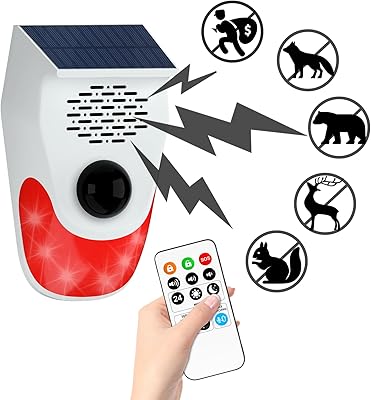
76%
93%
Ease of Setup
91%
Alarm Volume
67%
PIR Detection Accuracy
84%
Remote Control Range
61%
Battery Life
More
COTINSE Solar Outdoor Motion Sensor Alarm
83%
90%
Alarm Volume & Effectiveness
87%
Ease of Installation
85%
Solar Charging Performance
75%
Remote Control Functionality
88%
Customization of Alerts & Sounds
More
Anizoowu An-911S-02 Solar Motion Sensor Alarm
73%
88%
Sound & Siren Volume
74%
Motion Detection Coverage
63%
Solar Charging Reliability
81%
Custom Recording Feature
91%
Ease of Installation
More
PILSAMAS CT90Y Solar Motion Sensor Alarm
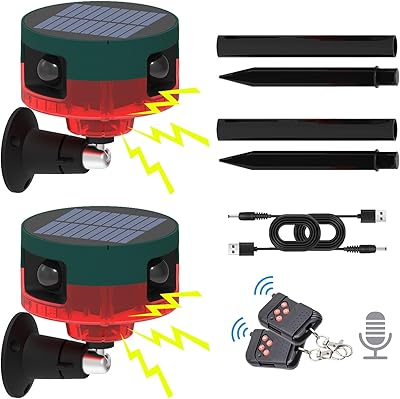
76%
88%
Custom Audio Feature
91%
Ease of Installation
58%
Solar Charging Performance
67%
Detection Reliability
83%
Alarm Volume
More
Qualirey Driveway Alarm Wireless Motion Sensor System
86%
92%
Value for Money
94%
Ease of Installation
89%
Range of Detection
88%
Weather Resistance
85%
Alert Customization
More
1byone Wireless Driveway Motion Sensor Alarm
71%
91%
Ease of Setup
67%
Wireless Range
63%
Detection Accuracy
88%
Alert Volume & Clarity
71%
Build Quality
More
ChunHee SL07 Solar Strobe Alarm Siren
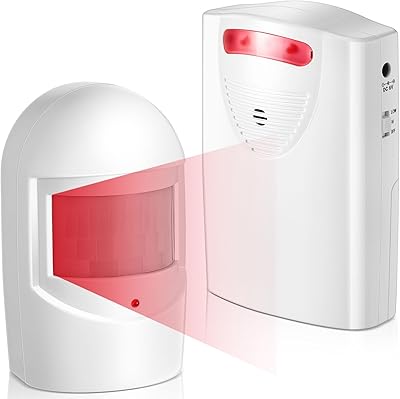
76%
88%
Ease of Installation
61%
Solar Charging Performance
83%
Siren Volume & Deterrent Effect
72%
PIR Motion Sensor Accuracy
67%
Remote Control Reliability
More

FAQ

No, it does not. The unit requires one standard 9V battery to operate, and you will need to pick one up before you can use it. It is a small but easy detail to miss when ordering, so grab a battery at the same time if you can.

The alert tone is fixed at 75 decibels — roughly comparable to a loud conversation or a ringing telephone. There is no volume control on this caregiver alert unit, so what you hear is what you get. For most home settings it is plenty audible, but if you have noise-sensitive individuals nearby, that is worth factoring in.

Yes, that is by design. The Smart Caregiver TL-2700 Motion Sensor Alarm continues to sound until someone manually flips the On/Off switch. This persistent alert approach is intentional — it is meant to ensure a caregiver actually responds rather than the alarm cycling off on its own.

The detection range extends up to 30 feet, which covers most standard bedrooms and living room configurations without needing a second unit. Actual range can vary depending on room layout, furniture placement, and the angle of the swivel bracket.

Try repositioning the swivel bracket to narrow the sensor's field of view. Pointing it slightly downward or away from air vents, windows, and high-traffic doorways can significantly reduce nuisance alerts. Most users find that a few minutes of angle adjustment clears up the issue.

Unfortunately, no. This caregiver alert unit has no wireless connectivity, so there are no smartphone notifications, no app, and no remote alerts of any kind. The alarm sounds locally at the device, so someone needs to be within earshot to hear it.

Battery life varies depending on how frequently the sensor is triggered and how long alerts run before being silenced. Several users report replacing the 9V cell every few months under continuous daily use. Keeping a spare battery on hand is a practical habit for caregivers who rely on this unit every night.

It is primarily marketed for home use, but there is nothing preventing use in a small private care room or assisted living suite, provided the caregiver is nearby to hear the alarm. It is not a certified clinical device, so formal care facilities with regulatory compliance requirements would likely need purpose-built equipment instead.

The unit includes the swivel bracket needed to wall-mount it. Installation is straightforward — most caregivers report having it up and running in just a few minutes with no special tools required. You do not need any technical background to set this up.

That concern is fair and comes up often. After the 90-day window, repairs or replacements would be out of pocket. Given the accessible price point, many caregivers simply treat it as a consumable and purchase a replacement unit if needed. Contacting Smart Caregiver Corporation directly is worth trying if you experience an early failure, even just outside the warranty window.

Where to Buy