Overview

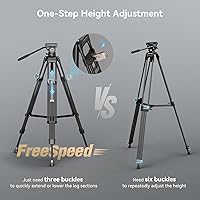
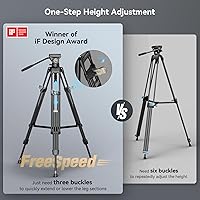
The SmallRig AD-80 Video Tripod sits firmly in the mid-to-upper range of the market, built for serious content creators who need dependable support on set or in a studio. The headline feature is its one-step height adjustment — a single lock per leg replaces the six-step unlocking process found on most competitors, shaving real time off your setup. The aluminum alloy frame and double-row tube construction give it a planted, confidence-inspiring feel. Practical extras like the detachable pan handle and included carrying bag round out the package nicely. Just know going in: at nearly 10 pounds, this fluid head tripod system is a workhorse, not a travel companion.

Features & Benefits

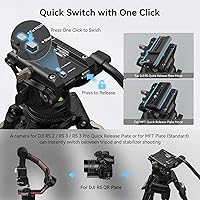
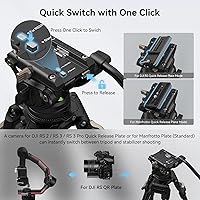
The leg lock system alone is worth discussing in detail — instead of loosening and tightening multiple clamps per leg, a single lever release handles everything, letting you move from storage height to full extension in seconds. The fluid head manages panning and tilting through a damping system that resists jerky movement, so your camera glides rather than snaps between positions. Counterbalance neutralizes the weight of heavier rigs, meaning less fighting the head to hold a frame. The height range runs from a low 34″ to a generous 75″, and the dual-mode quick-release plate lets you swap between a DJI gimbal plate and an MFT plate without digging through a bag.

Best For

This video tripod is a natural fit for run-and-gun videographers who move through multiple setups in a single shoot and cannot afford to waste time fiddling with leg clamps. It also suits hybrid shooters who split time between a gimbal and a fixed support — the compatible quick-release plate makes that transition genuinely quick rather than a chore. Interview setups, event coverage, and studio vlogs all sit squarely in its wheelhouse. That said, if you are hiking to a location or backpacking with camera gear, the AD-80 will feel heavy fast. Think of it as a long-term investment for a dedicated shooting space.

User Feedback

Buyers consistently praise the leg lock mechanism and the fluid head smoothness — two things that are genuinely hard to fake in reviews. Build quality earns positive marks, with most users feeling the price is justified when compared against Manfrotto or Benro options in a similar bracket. The recurring complaint is weight: solo operators who carry their own gear report the load becomes tiring on longer shoots away from a vehicle. A handful of buyers mention a learning curve around counterbalance settings, and the QR plate compatibility, while appreciated by gimbal users, is less relevant if you shoot exclusively on a tripod. On balance, the rating reflects a product that delivers where it counts.

Pros

  • The one-step leg lock is a genuine time-saver — height adjustments that take seconds instead of minutes add up fast on busy shoots.
  • Fluid head damping produces smooth, controlled pans and tilts without requiring broadcast-level equipment or budget.
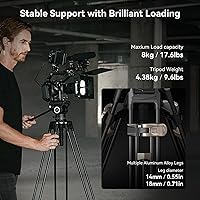
  • A 17.6 lb payload ceiling gives you real room to add accessories like monitors or microphones without stressing the head.
  • Dual-mode quick-release plate compatibility with DJI RS 2, RS 3, and RS 3 Pro makes gimbal-to-tripod transitions genuinely quick.
  • Build quality feels solid and premium relative to the price point — aluminum alloy construction holds up under regular professional use.
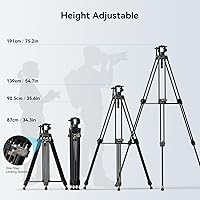
  • The 34″ to 75″ height range covers most shooting scenarios without needing a center column extension.
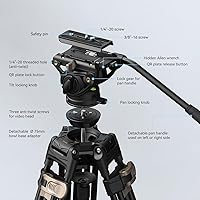
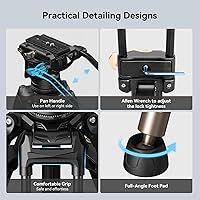
  • A detachable pan handle accommodates both left- and right-handed operators, which is a small but appreciated practical detail.
  • The 1/4″-20 accessory port on the head means you can mount a magic arm or small monitor directly without an extra adapter.
  • Included carrying bag adds real value for transport and storage, especially for solo shooters managing their own gear.
  • At its price tier, it compares favorably against established competitors while offering a more modern leg lock design.

Cons

  • At nearly 10 pounds, this video tripod is tiring to carry solo over any meaningful distance without a cart or vehicle support.
  • The counterbalance system has a learning curve — new users may need time to dial it in correctly for their specific camera weight.
  • Folded length of 35.6 inches is longer than many travel-friendly alternatives, making it awkward on public transit or in overhead bins.
  • The dual QR plate feature adds little value if you do not already own a DJI RS-series gimbal, making it irrelevant for a chunk of buyers.
  • No center column means maximum height is fixed at 75 inches — operators who need overhead angles will hit a hard ceiling.
  • The pan control is fixed rather than adjustable, which limits fine-tuning options for shooters who want variable drag on horizontal movement.
  • Heavier camera operators used to more compact tripod systems may need time to adapt to the overall size and bulk of this rig.
  • The spreader is fixed, meaning you cannot adjust leg spread angle freely, which can be limiting on uneven terrain.

Ratings

The SmallRig AD-80 Video Tripod scores below are generated by AI after analyzing verified buyer reviews from global markets, with spam, bot-submitted, and incentivized feedback actively filtered out. The result is an honest, balanced snapshot of where this fluid head tripod system genuinely excels and where real users have run into friction. Both strengths and consistent pain points are reflected transparently in every category score.
Leg Lock System
93%
The one-step leg lock mechanism is the feature buyers praise most consistently — many describe it as the single reason they chose this system over competitors. On a working shoot with multiple height changes, the time saved compared to traditional six-step locks adds up noticeably across a full day.
A small number of users report that the locks require a firm, deliberate motion to engage fully, and that loosely locking them by habit can introduce subtle instability under heavier payloads. It is a minor learning adjustment, but worth noting for operators coming from twist-lock systems.
Fluid Head Smoothness
89%
Panning and tilting feel controlled and deliberate rather than sticky or jerky, which is exactly what video work demands. Users shooting interviews and slow tracking shots specifically mention how the damping system helps them produce usable footage without relying heavily on post-stabilization.
At lower damping settings, a handful of users find the resistance too light for heavier rigs, resulting in drift during slow pans. The damping range, while adequate for most setups, leaves some operators wishing for finer incremental adjustment.
Build Quality
88%
The aluminum alloy frame and double-row tube construction give this video tripod a noticeably solid feel that buyers frequently compare favorably against competitors at similar price points. There are very few complaints about flex, wobble, or loose joints even after extended use in studio environments.
At nearly 10 pounds, that solidity comes with a real weight penalty. Some buyers also note that while the overall construction feels robust, certain plastic components on the head feel slightly less premium than the legs themselves.
Counterbalance System
74%
26%
Once dialed in correctly, the counterbalance neutralizes camera weight effectively, letting the head hold any tilt angle without the operator fighting gravity during a shot. Users with mid-weight mirrorless setups find the sweet spot relatively quickly and report much smoother tilt moves as a result.
Getting there takes trial and error, especially for buyers new to fluid head systems. Multiple reviewers mention spending significant time on initial setup, and the lack of clearly marked counterbalance steps makes calibration feel more like guesswork than a guided process.
Payload Capacity
91%
A 17.6 lb ceiling is genuinely generous for a tripod in this category, comfortably accommodating a mirrorless or DSLR body with a cage, monitor, and microphone attached without pushing the head anywhere near its limit. Small production teams building out heavier rigs will appreciate the headroom.
The payload rating applies to the fluid head, while the legs themselves support a higher ceiling — buyers occasionally conflate the two figures, which can create confusion when planning larger builds. The distinction is important and not always clearly communicated in product materials.
Quick-Release Plate
78%
22%
For shooters who alternate between a DJI RS 2 or RS 3 gimbal and a tripod in the same session, the dual-mode plate is a practical workflow feature that removes the need to carry separate adapters. The snap-on mounting mechanism is faster than traditional slide-on designs and feels secure once locked.
The compatibility is narrowly focused on DJI RS-series and MFT plates, which means photographers using Arca-Swiss or other common plate standards will need an additional adapter. Buyers who do not own a compatible gimbal get limited benefit from this feature entirely.
Portability
52%
48%
The included carrying bag is a thoughtful addition that keeps the system organized and protected during car transport or short walks between indoor locations. For studio-based operators who rarely move the tripod far, the bag makes storage and relocation manageable.
At 9.66 pounds and a folded length of 35.6 inches, this fluid head tripod system is genuinely cumbersome for solo shooters covering events on foot or traveling to outdoor locations. Several buyers explicitly note they underestimated the weight before purchasing, calling it a significant trade-off.
Height Range
86%
The 34″ to 75″ working range covers the vast majority of shooting scenarios from seated interviews to standing eye-level shots without needing an extension column, which keeps the center of gravity low and the system more stable at full height.
The fixed maximum of 75 inches is a genuine ceiling — operators who shoot overhead angles or need to clear obstacles will hit it quickly. Without a center column option, there is no way to extend height beyond what the legs provide.
Setup Speed
87%
From bag to shooting-ready, experienced users report getting set up in well under two minutes once they are familiar with the system. The combination of one-step leg locks and snap-on plate mounting removes most of the fiddly steps that slow down competing systems.
First-time users, particularly those configuring the counterbalance and spirit level simultaneously, report a longer initial setup time. The learning investment is front-loaded, meaning the speed advantage is not fully realized until you have used the system several times.
Value for Money
82%
18%
Buyers who have priced out comparable fluid head systems from established European brands frequently comment that the AD-80 delivers equivalent or better performance per dollar. The inclusion of a carrying bag, dual-mode QR plate, and detachable handle adds tangible value without inflating the cost.
A subset of buyers feel the price is harder to justify if they do not need the DJI plate compatibility or the heavy payload capacity, since lighter and cheaper systems would meet their actual requirements. The value equation is strong only when you genuinely use what the system offers.
Pan Handle Ergonomics
79%
21%
The detachable handle is comfortable to grip during extended shooting sessions and its ambidextrous design means left-handed operators are not treated as an afterthought. Being able to remove it completely for compact storage is a practical bonus that users in tight spaces appreciate.
The handle attachment point, while secure, lacks rotational adjustment, meaning operators who prefer a non-standard grip angle cannot reposition it. A few buyers also note the handle feels slightly short for operators with larger hands during wide panning movements.
Stability on Uneven Surfaces
71%
29%
On flat indoor surfaces like studio floors, wood flooring, or level pavement, the fixed spreader keeps the legs planted and consistent, requiring almost no adjustment once the initial position is set. The rubber feet grip most indoor surfaces without slipping.
The fixed spreader angle becomes a real limitation on uneven outdoor terrain, where the inability to widen or narrow the leg spread independently makes it harder to compensate for slopes or soft ground. Several event shooters mention this as a frustration when working outdoors.
Head Accessory Mount
83%
The 1/4″-20 threaded port on the fluid head is a small addition that makes a meaningful difference in practice — being able to attach a monitor arm or magic arm directly to the head keeps the overall rig compact and reduces strain on the camera body's own accessory ports.
There is only one accessory port, which limits operators who want to run both a monitor arm and a separate microphone mount from the head simultaneously. A second port or a cold shoe addition would significantly increase the head's versatility for more complex rigs.
Spirit Level Accuracy
81%
19%
The built-in bubble level is well-positioned and visible during normal shooting operation, making horizontal alignment quick to check without bending down or repositioning. Users shooting architecture and product video particularly appreciate having it integrated rather than relying on a hotshoe-mounted add-on.
The bubble is relatively small, which can make precise leveling in low-light environments harder to confirm at a glance. A few users note that the level reads slightly differently depending on viewing angle, requiring direct overhead sightlines for accurate readings.
Long-Term Durability
84%
Based on feedback from buyers who have used the system regularly over several months, the leg locks, fluid head, and frame show minimal wear under normal professional use. The aluminum alloy construction resists the minor knocks and bumps typical of a working production environment.
Longer-term durability data is still limited given the product launched in mid-2023, so assessments beyond the one-year mark are sparse. A small number of buyers report that the head panning tension loosened slightly after extended use, though this appears to be an edge case rather than a common complaint.

Suitable for:

The SmallRig AD-80 Video Tripod is a strong match for content creators and videographers who shoot regularly in controlled or semi-controlled environments — think studio interviews, event coverage, corporate video, or dedicated home studio setups. If you are constantly adjusting height between shots, the one-step leg lock system will save you genuine time and frustration over a long shooting day. Hybrid shooters who use both a gimbal stabilizer and a traditional tripod will also get real mileage from the dual-mode quick-release plate, which lets them swap between rigs without carrying extra adapters. Small production teams working with mid-weight mirrorless or DSLR setups will appreciate the 17.6 lb payload headroom, which leaves plenty of capacity for a monitor, follow focus, or microphone on the camera. Anyone looking for a long-term workhorse that punches above its price bracket without requiring a broadcast-level budget will find this fluid head tripod system a sensible, durable investment.
Not suitable for:

The SmallRig AD-80 Video Tripod is not the right call for photographers or videographers who prioritize portability above all else. At just under 10 pounds, this fluid head tripod system demands a vehicle, a cart, or a serious commitment to carrying heavy gear — solo operators hiking to outdoor locations will feel that weight quickly. Photographers who shoot stills exclusively will also find little value here, since the fluid head damping and counterbalance system are optimized specifically for video movement, not static composition. If your camera and lens combination weighs well under 5 pounds, the AD-80 is genuinely overkill — you would be hauling extra mass for payload capacity you will never use. Budget-conscious beginners who shoot casually on weekends are also likely better served by a lighter, simpler system until their needs grow into what this tripod is built to handle.
Specifications

  • Brand: Manufactured by SMALLRIG, a brand focused on professional camera support and accessories.
  • Model: The AD-80 carries the model number 4163, also referenced as 4163-AU in some markets.
  • Material: The legs and frame are constructed from high-strength aluminum alloy using a double-row tube design for added rigidity.
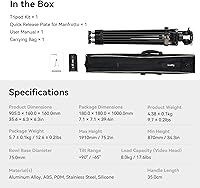
  • System Weight: The complete tripod system weighs 9.66 lb (4.38 kg) without any camera or payload attached.
  • Max Payload: The fluid head supports a maximum load of 17.6 lb (8 kg), suitable for mid-weight to heavier camera rigs.
  • Height Range: Working height adjusts from a minimum of 34″ (87 cm) to a maximum of 75″ (191 cm) without a center column.
  • Folded Length: When collapsed for transport or storage, the tripod measures 35.6″ (90.5 cm) in length.
  • Leg Lock Type: Each leg uses a one-step locking mechanism, replacing the multi-clamp systems common on traditional tripods.
  • Head Type: The system includes a fluid video head with a built-in damping system for controlled, smooth camera movement.
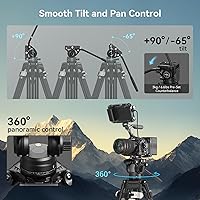
  • Pan Range: The fluid head rotates a full 360° horizontally, allowing unrestricted panning in any direction.
  • Tilt Range: Vertical tilt range spans from +90° upward to -65° downward, covering most shooting angles.
  • QR Compatibility: The dual-mode quick-release plate is compatible with DJI RS 2, RS 3, and RS 3 Pro plates as well as MFT quick-release plates.
  • Accessory Port: A 1/4″-20 threaded hole is built into the fluid head to support magic arms, monitors, or other accessories.
  • Pan Handle: The pan handle is detachable and designed to accommodate both left-handed and right-handed operators.
  • Spirit Level: A built-in bubble level is integrated into the head to help operators quickly confirm horizontal alignment.
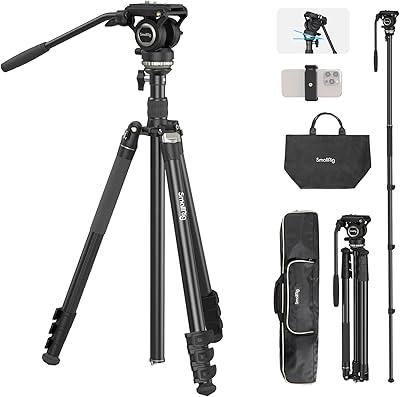
  • Included Items: The system ships with a custom carrying bag sized to fit the tripod for protection during transport and storage.
  • Dimensions (Packed): Packed dimensions measure approximately 7.65 x 35.63 x 75.2 inches as listed by the manufacturer.
  • BSR Ranking: The AD-80 holds a Best Sellers Rank of #277 in the Complete Tripod Units category on Amazon.
  • User Rating: The product carries an average rating of 4.4 out of 5 stars based on 162 verified ratings on Amazon.
  • Release Date: This tripod system was first made available for purchase on July 31, 2023.

Related Reviews
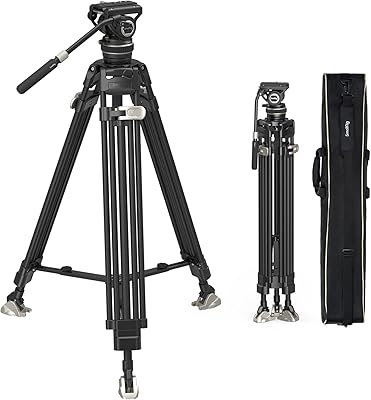
SmallRig AD-100 FreeBlazer Carbon Fiber Video Tripod
84%
94%
Build Quality & Durability
91%
Stability & Support
89%
Fluid Head Performance
72%
Portability & Weight
88%
Ease of Setup & Adjustment
More
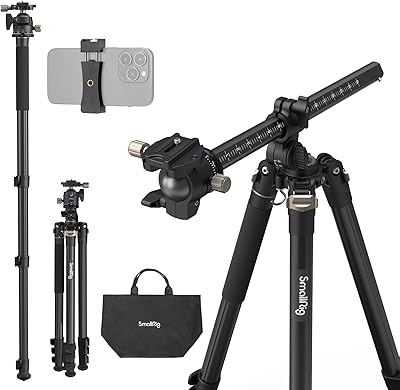
SmallRig CT210 75″ Video Tripod
79%
78%
Build Quality
72%
Fluid Head Performance
91%
Leveling Base Convenience
86%
Monopod Conversion
83%
Height Range & Versatility
More
SmallRig RM120 RGB Video Light
89%
96%
Build Durability
94%
Battery Endurance
92%
Color Accuracy
88%
User Interface
85%
Mounting Stability
More
SmallRig CT200 Overhead Camera Tripod
75%
83%
Build Quality
74%
Stability
89%
Overhead Functionality
86%
Value for Money
71%
Ease of Setup
More
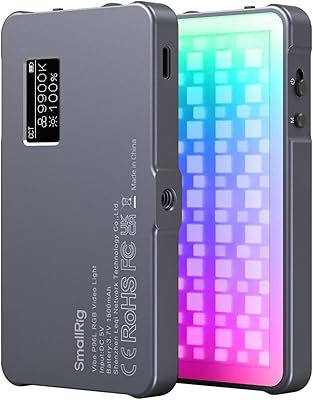
SmallRig P96L RGB Video Light
81%
91%
Build Quality
88%
Color Accuracy
61%
Brightness Output
79%
Battery Life
84%
RGB & Scene Modes
More
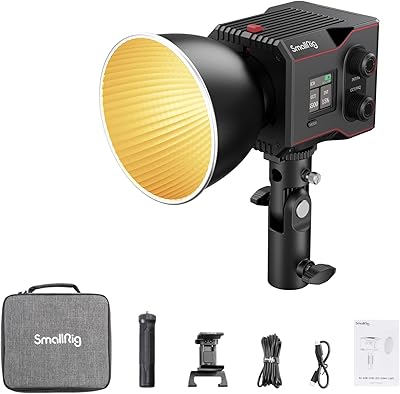
SmallRig RM75 RGB LED Video Light
80%
91%
Build Quality
88%
Color Accuracy
86%
RGB Color Range
67%
App Experience
63%
Brightness Output
More
SmallRig RC 60B
SmallRig RC 60B
82%
93%
Brightness Output
91%
Color Accuracy
58%
Battery Life
94%
Portability & Form Factor
79%
Build Quality
More
SmallRig AP-20 Carbon Fiber Tripod
78%
86%
Build Quality
92%
Weight & Portability
79%
Stability & Rigidity
74%
Ball Head Performance
88%
Ease of Setup & Height Adjustment
More
SmallRig Pix M160 (3157)
83%
94%
Build Durability
92%
Color Rendering Accuracy
89%
Light Intensity
86%
Battery Endurance
91%
Magnetic Versatility
More
SmallRig RM01 Mini LED Video Light
80%
91%
Color Accuracy
84%
Build Quality
58%
Battery Life
89%
Accessory Value
72%
Brightness Output
More

FAQ

Yes, comfortably. The fluid head handles up to 17.6 lb, so a Sony FX3 with a lens, cage, and small monitor attached will sit well within that limit. You will also have room to add a microphone or follow focus without stressing the head.

Essentially, yes. Instead of loosening multiple clamps at different points along each leg section, a single release mechanism lets you extend or retract the leg in one motion. Once you set the height, you lock it again with the same lever. It feels noticeably faster than traditional flip-lock or twist-lock systems, especially when you are adjusting height frequently on a busy shoot.

The head uses a dual-mode quick-release system designed specifically for DJI RS-series plates and MFT plates, not the standard Arca-Swiss format. If you rely on Arca-Swiss compatible equipment, you would need an adapter, which adds a step to your workflow and partially offsets the quick-release convenience.

You can mount a camera for stills, but the head is genuinely engineered around video needs — the damping, counterbalance, and pan handle are all optimized for moving shots. If you primarily shoot stills and rarely shoot video, the added weight and video-specific features may not justify the investment over a lighter ball head system.

It takes a little patience the first time. Counterbalance is meant to neutralize the forward weight of your camera so the head holds its position without you gripping it. Getting it right requires some trial and adjustment based on your specific camera and lens weight. A few buyers mention a learning curve here, but once dialed in, it holds reliably and makes fluid movement much easier to control.

The included bag is purpose-built for the tripod dimensions and offers decent padding for everyday transport between locations. For air travel or particularly rough handling, you may want to place the bag inside a larger padded case for extra protection, but for car travel or studio-to-location use, it does the job well.

Yes, the handle is designed to work on either side, which is a practical detail that often gets overlooked on lower-end tripods. You can also remove it entirely if you prefer operating the head directly or if storage space is tight.

Users familiar with both brands generally note that the AD-80 holds its own in terms of head smoothness and build feel, while the one-step leg locks give it a practical edge over some Manfrotto models that use traditional locking systems. Manfrotto carries more brand legacy and wider accessory ecosystems, but for raw value at this price point, the AD-80 is a serious alternative worth considering.

The legs include rubber feet for standard surfaces, and the fixed spreader helps maintain consistent leg spread. On mildly uneven ground like a slightly sloped pavement, you can compensate by adjusting individual leg heights independently. On truly rough or soft terrain like grass or gravel, it will require more care to get a stable, level base since the spreader angle is fixed.

Yes — the fluid head includes a 1/4″-20 threaded port specifically for this purpose. You can attach a magic arm, a small articulating monitor arm, or a cold shoe adapter to that port, which keeps your rig compact and reduces the number of accessories hanging off your camera body directly.

Where to Buy

B&H Photo-Video-Audio
In stock $199.99
Newegg.com
In stock $287.99
Roberts Camera
In stock $249.00
B&C Camera
In stock $249.00
Midwest Photo
In stock $249.00
Dodd Camera
In stock $249.00
AVLgear.com
In stock $249.00