

Overview

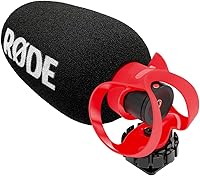
The RØDE VideoMicro II is a compact on-camera shotgun microphone built for creators who want a real audio upgrade without adding bulk to their kit. It currently sits at number two in its Amazon category — not because of marketing, but because a lot of working creators have actually used it and kept it. Priced in an accessible mid-range sweet spot, it appeals to serious hobbyists and semi-professionals alike. Compared to its predecessor, the biggest practical improvements are the Helix isolation mount and a genuinely useful cable bundle included in the box. Just be clear going in: this is a run-and-gun field mic, not a studio tool.

Features & Benefits

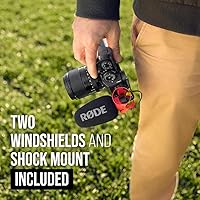
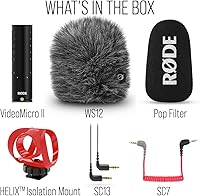
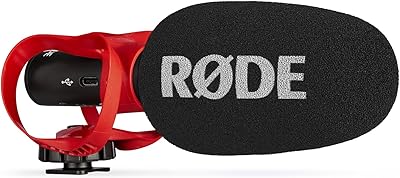
The supercardioid shotgun pattern is what makes this on-camera microphone actually worth attaching to your camera — it narrows the pickup field so audio stays focused on your subject rather than pulling in everything around you. The Helix isolation mount physically decouples the mic from the shoe, so footsteps, focus motor buzz, and accidental taps stay out of your recording. At just 80mm long and under 40g, it sits comfortably on a mirrorless body without throwing off the balance. A 78 dB signal-to-noise ratio keeps hiss minimal, and there are no batteries to manage — power comes straight from the camera jack. The box also includes foam and furry windshields plus both TRS and TRRS cables, which is a genuinely complete kit.

Best For

This compact shotgun mic is a natural fit for solo vloggers and YouTubers shooting on a mirrorless or DSLR — the kind of setup where you need good audio fast without fussing with an audio interface or dedicated recorder. Travel and documentary-style filmmakers will appreciate that it adds almost no weight or profile to their bag. Smartphone users are not left out either; the included TRRS cable makes it compatible with most mobile devices right out of the box. That said, it is not the right tool if you need XLR connectivity, onboard gain control, or if your subjects regularly stand more than a couple of meters away. For first-time mic upgrades, it is a strong entry point.

User Feedback

Across thousands of reviews, the most consistent takeaway is that the audio improvement is immediate and obvious compared to any built-in camera microphone — buyers notice the difference on their very first recording. The compact, lightweight build comes up constantly as a practical win, especially from creators shooting with smaller camera systems. On the critical side, several users note that pickup quality fades noticeably beyond a meter or two, so it is not ideal if your subject moves around a lot. Wind noise outdoors remains a real issue even with the furry windshield attached, worth factoring in if you shoot primarily outside. A handful of buyers also wish there were onboard gain adjustment for noisier environments.

Pros

  • Immediate, noticeable audio upgrade over any built-in camera microphone — no technical setup required.
  • The Helix isolation mount genuinely reduces handling noise and vibration during handheld shooting.
  • At 80mm and under 40g, this on-camera microphone adds almost no bulk or weight to a compact camera.
  • No batteries needed — plug-in power keeps the workflow clean and simple in the field.
  • Ships with both TRS and TRRS cables, covering cameras and smartphones without any extra purchase.
  • The supercardioid pattern meaningfully reduces side and rear noise in moderately busy environments.
  • A 78 dB signal-to-noise ratio keeps recordings clean and low-hiss in indoor or controlled settings.
  • Foam and furry windshields are both included, offering at least baseline outdoor protection from the start.
  • The VideoMicro II consistently ranks among the top-selling options in its category, reflecting broad real-world trust.
  • All-metal construction feels solid and durable well beyond what the price point typically delivers.

Cons

  • Pickup quality drops off noticeably when subjects are more than 1.5 to 2 meters from the camera.
  • Wind noise remains a real problem outdoors even with the furry windshield attached in moderate breeze conditions.
  • No onboard gain control makes it difficult to adapt in environments where camera preamp performance is inconsistent.
  • The included cables are short, which limits mounting flexibility on cage rigs or unconventional setups.
  • Incompatible with XLR-only devices, cutting out users with field recorders or professional camera bodies.
  • Some older or third-party hot shoes develop a slight fit looseness with the mount over extended use.
  • Android and USB-C smartphone users may need a separate adapter not included in the box.
  • Reverberant rooms expose its limitations as a field mic — it does not compensate for poor acoustic environments.
  • Buyers shooting primarily outdoors often end up spending more on a better windshield shortly after purchase.

Ratings

The RØDE VideoMicro II has been analyzed across thousands of verified global purchases, with our AI scoring system actively filtering out incentivized reviews and bot activity to surface what real creators actually experience day-to-day. Scores reflect both the genuine strengths and the honest frustrations buyers encounter — no padding, no promotional bias. Every category below is weighted against real-world usage patterns, not spec sheets alone.

Audio Clarity
88%
Creators consistently report a dramatic and immediate improvement over built-in camera microphones, especially for voice-forward content like vlogs and talking-head videos. The focused pickup pattern keeps speech intelligible even in moderately busy environments like cafes or street-side interviews.
At greater distances — roughly beyond 1.5 meters — audio intelligibility starts to soften noticeably, which frustrates users who shoot with the camera further away from their subject. It is not a replacement for a lav mic when physical distance is a factor.
Build Quality
83%
The all-metal housing feels solid and well-machined for a compact mic at this price point, and most buyers report no rattles or flex even after months of regular use. It inspires genuine confidence when tossed into a camera bag repeatedly.
A few users mention the shoe mount connection feels slightly less snug on older or third-party hot shoes, introducing minor wobble. Nothing that affects audio in most cases, but it can feel less premium than the body itself suggests.
Handling Noise Rejection
86%
The Helix isolation mount is the star feature here — buyers who shoot handheld or walk while filming notice a real reduction in thud, vibration, and focus motor interference compared to mics without a proper decoupling system. It works as advertised across the board.
Very aggressive camera handling — quick pans, sudden stops — can still introduce low-frequency thumps that the mount does not fully absorb. Users who shoot action-heavy content may still need supplementary stabilization or post-processing.
Portability & Size
94%
At 80mm and under 40g, this on-camera microphone is genuinely small enough to forget it is even mounted. Travel filmmakers and everyday vloggers specifically call out how it does not shift the camera balance the way bulkier mics do on compact mirrorless bodies.
There is almost nothing to criticize here for the target audience, though users migrating from larger broadcast-style mics occasionally mention the small form factor makes cable routing feel fiddly with certain camera rigs or cages.
Wind Noise Resistance
61%
39%
The included furry windshield (WS12) does meaningfully reduce light wind interference and is appreciated as a genuine inclusion rather than an afterthought. For indoor shooting and calm outdoor days, it performs adequately without any additional investment.
In real outdoor conditions with moderate wind — think open parks, rooftop shoots, or beachside filming — wind noise bleeds through noticeably even with the furry attached. Buyers who shoot frequently outdoors often end up purchasing a more substantial deadcat windshield separately.
Ease of Setup
92%
Plug-in power means zero battery management — attach the mic, connect the cable, and start recording. Creators who move fast between locations specifically appreciate not having to check or swap batteries mid-shoot.
The cable routing through the built-in management channel works well on standard camera bodies but can be awkward on cameras with unconventionally placed 3.5mm ports. A handful of users note the cables, while included, are short and limit some mounting flexibility.
Included Accessories
89%
Shipping with both a TRS and a TRRS cable covers camera and smartphone users out of the box — a practical detail that buyers genuinely appreciate, since most competitors require a separate cable purchase. Both windshields are also functional, not just token inclusions.
The cables included are on the shorter side, which limits how far the mic can be routed on larger rig setups. Some buyers also wish a carrying pouch or protective case had been included given the overall kit value.
Compatibility
87%
The 3.5mm connection and dual-cable bundle make this compact shotgun mic compatible with a remarkably wide range of devices — from full-frame DSLRs to recent smartphones — without needing an adapter or additional hardware in most common setups.
Cameras or recorders that rely exclusively on XLR inputs are simply incompatible, and there is no workaround within the kit itself. Users with professional audio interfaces or field recorders will need to look at a different product category entirely.
Value for Money
82%
18%
Positioned in a practical mid-range slot, the VideoMicro II delivers audio quality that would have cost considerably more just a few years ago. For first-time upgraders coming from built-in mics, the perceived value is especially high.
Buyers comparing it to budget options from lesser-known brands sometimes feel the premium for the RØDE name is real. Those who only need basic audio improvement and shoot exclusively indoors may find the price harder to fully justify.
Directional Performance
84%
The supercardioid pattern does a solid job of narrowing audio pickup to what is directly in front of the lens, which helps when shooting in environments with side noise like traffic or crowd chatter. It is a meaningful real-world advantage over omnidirectional built-in mics.
The pickup angle is not as aggressively narrow as some professional shotgun mics at higher price tiers, meaning sound bleed from the sides is reduced but not eliminated. Users recording in genuinely noisy environments will still hear background ambience.
Gain Control & Flexibility
53%
47%
For users recording in consistent, well-controlled environments, the fixed input level works fine — there is nothing to misconfigure, and audio levels tend to be predictable across standard camera bodies with decent preamps.
The absence of any onboard gain adjustment is a genuine limitation for creators who move between quiet and noisy environments frequently. When a camera preamp is underpowered or too aggressive, there is no way to compensate at the mic level, which frustrates more experienced users.
Low-Light or Indoor Audio Performance
88%
Indoors, where wind and extreme ambient noise are not factors, this on-camera microphone genuinely excels — the 78 dB signal-to-noise ratio keeps recordings clean and quiet even in softly lit, acoustically average rooms like home offices or small studios.
Rooms with strong reverb or echo — tiled bathrooms, large empty halls — expose the mic as an on-camera tool rather than a controlled-environment recording device. Some users note they expected more acoustic rejection and were surprised by room ambience in untreated spaces.
Mounting Stability
79%
21%
The integrated shoe mount clicks onto standard hot shoes securely and stays put during normal handheld shooting. The Helix system adds a layer of mechanical isolation that prevents the mic from vibrating in sync with the camera body during operation.
On non-standard or well-worn shoe mounts, the connection can develop slight play over time. A small number of users report needing to tighten or re-seat the mic periodically, which is a minor but recurring frustration for those using older camera bodies.
Smartphone Usability
74%
26%
The included SC7 TRRS cable makes pairing with recent smartphones genuinely plug-and-play for most users, opening up a solid upgrade path for mobile content creators without any extra accessories required at purchase.
Compatibility is inconsistent across Android devices, and some newer smartphones with USB-C only ports require a separate adapter not included in the box. iPhone users post Lightning transition also face the same additional step, which undercuts the otherwise convenient setup.

Suitable for:

The RØDE VideoMicro II is built for creators who need genuinely better audio without adding complexity or weight to their setup. Solo vloggers and YouTube creators shooting on mirrorless or DSLR cameras will find it hits a practical sweet spot — small enough to ignore physically, impactful enough to notice immediately in the final footage. Travel and documentary-style filmmakers who move fast between locations will appreciate that it fits in any bag and mounts in seconds with no battery to manage. It also works well for smartphone shooters, since the included TRRS cable means most mobile users are covered right out of the box. For anyone stepping up from built-in camera audio for the first time, the improvement is real and audible without requiring any additional gear or technical knowledge.

Not suitable for:

Creators with more demanding or specialized audio requirements will likely find this compact shotgun mic falls short in key areas. If your workflow depends on XLR connectivity — for a field recorder, mixer, or professional camera body — this mic simply does not fit without additional adapters that compromise the clean setup it is designed for. Shooters who regularly record subjects at a distance greater than 1.5 to 2 meters will notice pickup softening in a way that becomes editorially problematic, not just a minor annoyance. Those who move frequently between very quiet and very loud environments will miss having onboard gain control — there is no way to compensate at the mic level when a camera preamp clips or underperforms. And if the majority of your work is outdoors in open or windy conditions, the included windshields provide only partial protection; serious outdoor shooters typically end up buying a heavier-duty deadcat separately, which adds cost and partially defeats the value proposition.

Specifications

  • Length: The mic body measures 80mm from end to end, making it one of the most compact shotgun microphones in its class.
  • Weight: The mic body weighs 39g, light enough to mount on a small mirrorless camera without affecting balance or handling.
  • Polar Pattern: Unidirectional supercardioid shotgun pattern focuses pickup on audio directly in front of the mic while rejecting sound from the sides and rear.
  • Connector: Uses a 3.5mm TRS jack to connect to cameras and other devices with a standard headphone-style audio input.
  • Signal-to-Noise Ratio: Rated at 78 dB, delivering clean, low-noise recordings in quiet to moderately ambient environments.
  • Audio Sensitivity: Sensitivity is rated at -30 dB, suited for capturing close-range voice and ambient sound at typical shooting distances.
  • Power Source: Operates entirely on plug-in power drawn from the connected camera or device jack — no batteries required or included.
  • Isolation Mount: Ships with the Helix isolation mount, a mechanical decoupling system that absorbs vibration and handling noise between camera and mic body.
  • Windshields: Includes both a foam windshield for light indoor protection and a furry WS12 windshield designed to reduce wind interference outdoors.
  • Included Cables: Box contains an SC7 TRS-to-TRRS patch cable for smartphone use and an SC13 TRS-to-TRS patch cable for camera use.
  • Form Factor: On-camera shotgun microphone designed to mount directly to a standard camera hot shoe without additional brackets or adapters.
  • Dimensions: Overall dimensions are 3.14″ x 0.85″ x 0.85″, compact enough to fit alongside other gear in any camera bag or backpack.
  • Compatible Devices: Compatible with cameras featuring a 3.5mm TRS input and smartphones with a 3.5mm TRRS input using the respective included cables.
  • Channels: Single-channel mono microphone — audio is captured and output as a single track, standard for on-camera shotgun applications.
  • Frequency Response: Frequency response is tailored toward voice clarity and natural ambient capture, optimized for video content rather than musical instrument recording.
  • Mount Type: Integrated cold/hot shoe mount with built-in cable management channel to keep cables routed cleanly along the camera body.
  • Manufacturer: Made by RØDE Microphones, an Australian audio manufacturer known for professional and prosumer microphone products.
  • Model Number: Official model designation is VideoMicro II, the second generation of the VideoMicro on-camera microphone line.
  • UPC: Universal Product Code is 698813009879, used for product identification across retail and distribution channels.
  • First Available: This model was first made available for purchase on November 29, 2022, representing a generational update to the original VideoMicro.

Related Reviews
RØDE VideoMic GO II Helix
86%
91%
Audio Quality
94%
Ease of Use
93%
Versatility & Compatibility
63%
Build Quality & Materials
88%
HELIX Isolation Mount
More
RØDE Wireless GO II
RØDE Wireless GO II
84%
92%
Audio Clarity
86%
Signal Reliability
97%
Internal Backup Recording
94%
Portability & Weight
91%
Setup Speed & Ease of Use
More
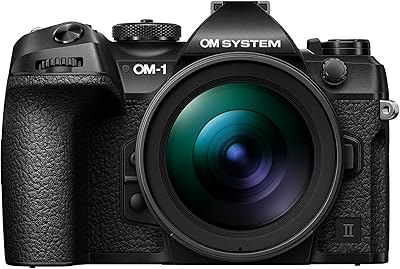
OM System OM-1 Mark II with M.Zuiko 12-40mm f/2.8 PRO II
81%
93%
Autofocus Performance
91%
Weather Sealing & Durability
84%
Image Quality
71%
Autofocus in Low Light
92%
Lens Quality (M.Zuiko 12-40mm f/2.8 PRO II)
More
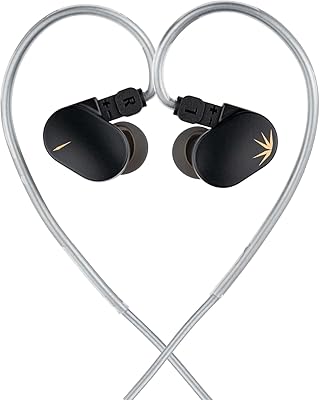
Moondrop CHU II
Moondrop CHU II
78%
91%
Sound Clarity
74%
Bass Response
88%
Build Quality
67%
Comfort & Fit
53%
Stock Cable Quality
More
RØDE Lavalier GO
RØDE Lavalier GO
86%
92%
Audio Clarity
88%
Cable Durability
94%
Ease of Placement
89%
Broad Compatibility
76%
Wind & Pop Mitigation
More
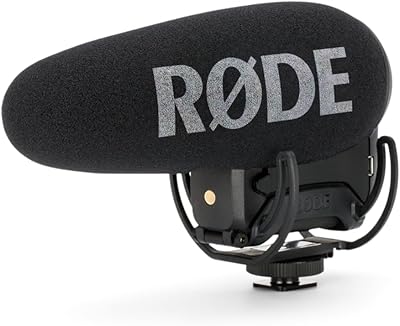
RØDE VideoMic Pro+
RØDE VideoMic Pro+
85%
93%
Audio Clarity
88%
Build Quality
91%
Shock Mount & Isolation
89%
Safety Channel
86%
Power Flexibility
More
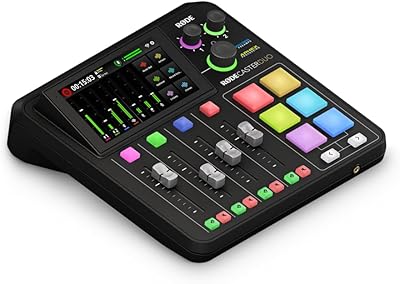
RØDE RØDECaster Duo
RØDE RØDECaster Duo
85%
94%
Audio Quality
88%
Ease of Use
91%
Build Quality
92%
Features and Effects
85%
Connectivity
More
RØDE X Streamer X
RØDE X Streamer X
83%
94%
Audio Quality
90%
Video Capture Performance
88%
Build Quality
91%
Portability
86%
Connectivity Options
More
RØDE Wireless ME Dual
88%
96%
Ease of Use
94%
Audio Level Management
92%
Versatility & Connectivity
97%
Portability
84%
Wireless Range
More
NEEWER Teleprompter X17 II 17″
82%
91%
Build Quality
93%
Ease of Setup
88%
Beamsplitter Clarity
74%
App & Remote Performance
86%
Camera Compatibility & Mounting
More

FAQ

Yes, it is compatible with virtually any camera that has a 3.5mm TRS audio input, which includes most Sony Alpha, Canon EOS R, Fujifilm X, and Nikon Z series bodies. Just connect it using the included SC13 TRS-to-TRS cable and enable the external mic input in your camera settings.

No batteries at all. This on-camera microphone runs entirely on plug-in power drawn through the 3.5mm jack from your camera or device — one less thing to remember or replace before a shoot.

It can work with smartphones, but there are some caveats. The included SC7 TRRS cable covers devices with a standard 3.5mm headphone jack. If your phone uses USB-C or Lightning only, you will need a separate adapter, which is not included in the box.

For best results, keep your subject within roughly 1 to 2 meters of the camera. Beyond that distance, the pickup level and clarity start to drop off noticeably. It is a compact on-camera mic, not a long-distance boom replacement.

The RØDE VideoMicro II adds two meaningful upgrades over the original: the Helix isolation mount, which substantially reduces handling noise and vibration, and a more complete cable bundle that includes both TRS and TRRS options. The core audio quality is also refined, though the biggest practical win for most users is the isolation mount.

You can, and the included furry windshield helps in light breeze conditions, but be realistic about its limits. In moderate to strong wind — think open fields, rooftop shoots, or anything near moving traffic — wind noise will still bleed through. Many outdoor creators end up buying a heavier deadcat windshield as an upgrade.

Most action cameras do not have a standard 3.5mm external mic input, so this compact shotgun mic is generally not compatible with GoPros or similar action cams without a specific media mod accessory. Check whether your action camera supports external audio input before purchasing.

It can work in a pinch, but it is genuinely designed for on-camera video use rather than stationary recording. For desk-based podcasting or voiceover, a dedicated USB condenser or XLR microphone will give you better control over levels and room sound.

The Helix mount is a mechanical isolation system that sits between the mic body and the camera shoe, absorbing bumps, footstep vibration, and focus motor noise before they reach the mic capsule. In practice, users who shoot handheld or while walking report a genuinely noticeable reduction in low-frequency handling thumps compared to rigidly mounted mics.

No — there are no onboard controls of any kind. Gain, sensitivity, and input levels are managed entirely through your camera or recording device settings. This keeps the design minimal and lightweight, but it does mean you are dependent on your camera preamp quality and settings for level management.