Overview

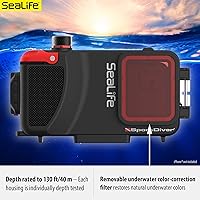
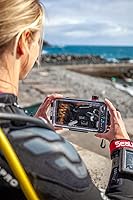
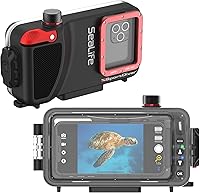
The SeaLife SportDiver Underwater Smartphone Housing occupies a smart middle ground for divers who want serious underwater photography without committing to a full dedicated camera system. Built around a polycarbonate body with stainless steel and aluminum hardware, this underwater housing feels rugged enough to trust at depth — not like the flimsy dry bags that pass as waterproof cases. It's rated to 130 feet, which comfortably covers recreational scuba limits. What really separates it from passive waterproof sleeves is Bluetooth app control, letting you adjust camera settings from inside a sealed case. For the diver who already carries a capable smartphone, this is a compelling way to shoot seriously underwater.
Features & Benefits

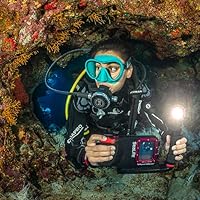
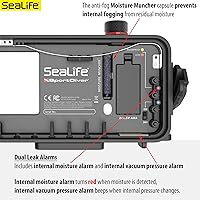
The standout feature for any diver with real anxiety about their phone flooding is the dual leak alarm system. Before you enter the water, a vacuum pressure check confirms the seal is solid; once submerged, an internal moisture sensor watches for any breach and triggers both an audio alert and an LED warning. That kind of redundancy matters when you're 80 feet down on a reef. The included color correction filter does genuine work in the 15-to-60-foot range where ambient light still exists, pulling warmer tones back into your shots. Three tripod-thread mount points mean the SportDiver case can grow into a full rig with lights or arms as your photography ambitions expand.

Best For

This dive housing makes the most sense for recreational scuba divers who already carry a recent iPhone or Android phone and don't want to invest in a separate dedicated camera. It's also a solid pick for snorkelers and freedivers who want genuine depth protection, not just splash resistance. If you travel frequently and want a photography kit that fits in a carry-on without drama, the compact form factor works well here. Coral reef shooters in particular will appreciate the color filter, since accurate color rendering makes a real visual difference in those environments. Where it fits less well: technical divers pushing extreme depths, or anyone with a very new or unusually large handset.

User Feedback

Buyers consistently praise how straightforward the pre-dive setup is — the vacuum check gives a clear go signal before you jump in, and most report the alarm system performing exactly as intended. Image quality with the color filter draws frequent compliments, especially from tropical reef divers. On the flip side, phone compatibility is a recurring sticking point: owners of newer Pro Max models or bulkier Android handsets sometimes find the fit tighter than expected, or incompatible altogether. Bluetooth pairing works reliably for most, but occasional hiccups on specific Android devices are worth knowing about. Buoyancy runs slightly positive, which some find awkward during one-handed shooting. Overall value sentiment is strong among regular divers.

Pros

  • The dual leak alarm system — combining a vacuum pressure check and moisture sensor — offers a genuine safety net before and during every dive.
  • Setup is straightforward enough that you can run through the pre-dive seal check in minutes, even on a busy dive boat.
  • The color correction filter makes a real difference in the 15-to-60-foot depth range, recovering warmer tones that would otherwise look washed out.
  • Three standard tripod-thread mount points let you expand into a full rig with lights or arms as your shooting style grows.
  • Battery life running up to 50 hours on common AAA cells means you rarely have to think about power management on a dive trip.
  • The polycarbonate and aluminum hardware construction feels appropriately solid — not like something you need to baby between dives.
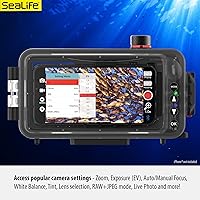
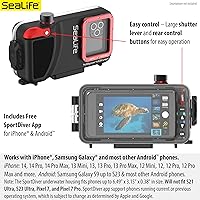
  • Full camera controls including zoom, white balance, and lens selection are accessible through the SportDiver app without opening the case.
  • The kit includes practical extras — spare O-rings, lubricant, Moisture Muncher capsule, and a travel case — reducing out-of-pocket follow-up purchases.
  • Positive buoyancy in seawater means the SportDiver case will float if dropped, which is a genuine comfort at depth.
  • For divers who travel frequently, the compact form factor fits carry-on luggage without the bulk of a mirrorless housing system.

Cons

  • Phone compatibility is not universal — buyers with newer large-format or foldable handsets should confirm fit before purchasing.
  • Android users have access to fewer lens options through the app compared to iPhone users, limiting creative flexibility.
  • Slight positive buoyancy can make one-handed shooting feel awkward, particularly when trying to stabilize a shot in current.
  • Bluetooth connectivity works well for most users but occasional pairing hiccups on specific Android devices have been reported.
  • The color filter is most effective in shallower, well-lit water; deep or low-visibility dives reduce its practical impact noticeably.
  • At its price point, the investment is harder to justify for casual divers who only get in the water a handful of times per year.
  • The housing adds meaningful bulk and weight to your kit compared to traveling with just a phone, which matters on minimalist trips.
  • Replacement O-rings and accessories are a recurring maintenance cost that should be factored into the total ownership picture.

Ratings

Our AI-generated scores for the SeaLife SportDiver Underwater Smartphone Housing are derived from analyzing thousands of verified global user reviews, with spam, incentivized feedback, and bot activity actively filtered out before scoring. Each category reflects the honest consensus of real divers and underwater photographers — strengths and frustrations included. Nothing has been softened to protect the brand.
Waterproof Reliability
91%
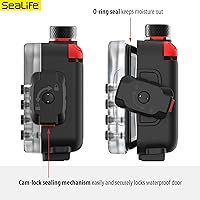
Divers consistently report that the cam-lock seal holds firmly across multiple dives, and the vacuum pressure check before entry gives users a tangible, trustworthy go or no-go signal. The dual alarm system — rare at this price point — has caught genuine seal issues for several users before they entered the water, which earned it significant loyalty.
A small number of users reported moisture intrusion after heavy repetitive use, typically linked to O-ring wear that was not caught during pre-dive inspection. The system rewards attentive maintenance; users who skip O-ring checks or lubricating cycles are more likely to encounter problems.
Leak Alarm System
88%
The combination of a moisture sensor and a vacuum pressure monitor is the kind of redundancy that genuinely changes how confident divers feel underwater. Users who triggered the alarm — even in false-positive situations — praised how quickly and clearly the audio and LED alerts communicated the warning without needing to look at the phone screen.
A handful of users reported occasional false positives from the vacuum alarm, particularly in warm, humid environments where ambient pressure fluctuates slightly. While these incidents did not result in leaks, they created anxiety mid-dive and required surfacing to investigate, which disrupted the dive.
Image Quality
83%
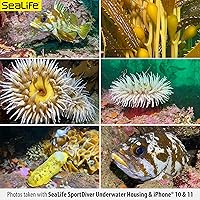
In well-lit tropical reef conditions between 15 and 50 feet, users reported noticeably better color accuracy with the red filter in place compared to other smartphone housings they had tried. Coral shots in particular received positive feedback, with warm tones holding up in a way that typically requires post-processing without the filter.
Below 60 feet or in lower-visibility water, the color filter has diminishing returns and some users felt misled by marketing expectations. Android users also noted that restricted lens access through the app limits compositional flexibility compared to what iPhone users can achieve with the same housing.
App Performance
71%
29%
For most iPhone users, the SportDiver app connects reliably via Bluetooth and delivers genuinely useful camera controls — white balance, zoom, and lens selection — that passive housings simply cannot offer. Being able to see a full-size live preview and thumbnail strip without opening the case mid-dive is a practical advantage that users appreciated on longer dives.
Android users report a less consistent experience, with Bluetooth pairing occasionally requiring multiple attempts or dropping mid-session on certain device models. Lens selection is also restricted on Android compared to iOS, which frustrates users who specifically purchased the housing for multi-lens shooting capability.
Phone Compatibility
66%
34%
The housing accommodates a solid range of phones from iPhone 8 through recent standard models and Samsung Galaxy S9 onward, covering the majority of divers who bought it with mid-cycle devices. Users with standard-sized flagship phones reported a snug, secure fit with the tension spring and grip tab system working as described.
Compatibility becomes a real problem for users with newer large-format phones — particularly Pro Max iPhones and equivalent large Android flagships — where fit is tight or not achievable without modification. Foldable phones are effectively incompatible, and SeaLife's compatibility documentation has not always kept pace with new releases, leaving buyers to discover issues after purchase.
Build Quality
89%
The polycarbonate shell combined with stainless steel and anodized aluminum hardware gives the housing a noticeably more premium feel than competing products at lower price points. Divers who have owned this case for multiple years report no meaningful degradation in structural integrity even with regular saltwater exposure and travel handling.
The housing is bulkier and heavier than some users expected, particularly when fully rigged with accessories. A few users noted that the optical window picks up fine scratches over time when stored loosely in a bag, and a screen protector accessory — sold separately — probably should be bundled in from the factory.
Ease of Setup
86%
Most users get comfortable with the full pre-dive routine — inserting the phone, running the vacuum check, confirming the LED seal status — within the first two or three dives. Divers who described themselves as non-technical found the process manageable, and the physical shutter lever is large enough to operate confidently with dive gloves on.
The first-time setup experience can feel fiddly, particularly threading the phone into the grip tabs while ensuring proper alignment with the optical window. Users who rush this step sometimes end up with a misaligned display or a failed vacuum check, requiring them to start over — stressful on a dive boat with a departing group.
Camera Controls
78%
22%
Access to zoom, white balance, tint, and lens selection from within a sealed housing is a genuine step above passive cases where you are committed to whatever settings your phone was last on. Experienced underwater photographers praised the level of in-dive control as comparable to much more expensive dedicated housings in day-to-day reef shooting scenarios.
Some settings are blocked out by the app depending on the phone model and other conflicting settings — a limitation that is not always apparent until you are already underwater. Telephoto lens access is unavailable for Android users, and even on iPhone, not every lens available on the phone is accessible through the app.
Value for Money
74%
26%
For divers who dive regularly and want genuine waterproofing with active alarm safety — rather than a passive pouch — most buyers conclude the investment is justified after their first serious reef dive. The included accessories (spare O-rings, lubricant, travel case, Moisture Muncher, wrist strap) reduce the immediate out-of-pocket follow-up costs that other housings often require.
Casual or once-a-year divers consistently flag the price as difficult to justify compared to simpler waterproof cases that cover snorkeling or pool use adequately. Ongoing maintenance costs — replacement O-rings, Moisture Muncher capsules, and potential screen protectors — add up over time in a way buyers do not always anticipate upfront.
Buoyancy & Handling
68%
32%
Positive buoyancy is a practical safety feature that divers with previous housing experience actively sought out — a dropped housing that floats is far better than one that sinks to the reef. Users shooting with both hands free, using a tray or arm setup, found the buoyancy neutral enough to manage comfortably.
One-handed shooters and divers without a stabilizing rig found the slight positive buoyancy made it harder to hold a steady shot in any current. A few users noted the housing wants to drift upward and rotate, which creates visible motion blur in video clips taken without a mount or stabilizer.
Battery Life
92%
Up to 50 hours on a pair of standard AAA batteries is genuinely impressive for a Bluetooth-connected housing, and most dive travelers report going multiple full dive days without needing to swap cells. The use of standard AAA batteries — rather than proprietary rechargeable packs — means replacements are available anywhere in the world, including remote dive destinations.
Battery life claims assume moderate Bluetooth usage; users who keep the app continuously active for long dive sessions report shorter real-world performance than the rated maximum. There is no low-battery indicator visible without checking the app, so users can occasionally be caught off-guard mid-dive if they forget to check before entry.
Anti-Fog Performance
82%
18%
The Moisture Muncher capsule does a solid job preventing the internal fogging that plagues many enclosed phone housings, particularly in the warm, humid conditions common on tropical liveaboard trips. Divers switching from competitor cases specifically praised the absence of foggy shots that ruined entire dive sessions with their previous housing.
The capsule has a finite absorption capacity and needs replacing periodically — users who dive frequently in high-humidity conditions may find they go through capsules faster than expected. Forgetting to replace a saturated capsule before a dive trip is a real risk, and the consequences (fogged shots for the entire trip) are hard to recover from in the field.
Expandability
81%
19%
Three standard 1/4-20 tripod threads give this dive housing genuine modularity — users can attach video lights, tray systems, or float arm setups that turn a smartphone rig into something approaching a professional underwater photography configuration. Divers who started with the bare housing and gradually added accessories over successive trips praised this upgrade path.
The mounting points are positioned for general use rather than optimized for any specific rig configuration, so finding the right accessory balance requires some trial and error. Fully rigged with lights and arms, the overall system loses the compact travel advantage that made many buyers choose it over dedicated camera systems in the first place.
Durability Over Time
79%
21%
Users who have owned this dive housing for two or more years and maintained it properly report continued reliable performance, with the housing showing minimal wear beyond cosmetic scratches on the exterior. The stainless steel and aluminum hardware holds up well against saltwater corrosion when rinsed consistently after dives.
The rubber grip tabs that hold the phone in place can stretch or degrade over time, particularly with repeated insertion and removal of phones across multiple dive trips. Some long-term users reported that the optical window develops micro-scratches that do not affect image quality dramatically but do reduce the premium feel of the product.

Suitable for:

The SeaLife SportDiver Underwater Smartphone Housing is built for recreational scuba divers who already own a modern smartphone and want to shoot meaningful underwater photos without purchasing a separate dedicated camera. If you're diving reefs in the 30-to-100-foot range and care about accurate color in your shots, this dive housing addresses those needs directly with a pre-dive seal verification system and a removable color correction filter. Travel divers will appreciate that the whole kit packs down compactly, avoids airline hassle, and runs on widely available AAA batteries rather than proprietary cells. Snorkelers and freedivers also benefit from the generous 130-foot depth rating — far beyond anything a casual waterproof sleeve can reliably claim. Underwater photography enthusiasts who want real camera control, like adjusting white balance or switching lenses mid-dive, will find the Bluetooth app a practical tool that passive cases simply cannot offer.
Not suitable for:

The SeaLife SportDiver Underwater Smartphone Housing is not the right choice for every diver or photographer, and being clear-eyed about that saves frustration. If you own one of the most recent large-format flagship phones — particularly newer Pro Max models or any foldable Android — you should verify compatibility carefully before purchasing, as the internal dimensions may not accommodate them. Android users in general should expect fewer accessible lens options than iPhone users, which limits creative flexibility if multi-lens shooting matters to you. Technical divers pushing depths beyond recreational limits will find the 130-foot rating too conservative for their needs. Budget-conscious buyers who dive only a few times a year may struggle to justify the cost when simpler, cheaper waterproof pouches cover casual snorkeling adequately. And if you prefer a fully self-contained underwater camera experience without depending on a companion app, this housing's smartphone-centric design may feel like an extra layer of dependency rather than a convenience.
Specifications

  • Depth Rating: The housing is rated waterproof to 130 ft (40 m), covering the full range of recreational scuba diving limits.
  • Compatible Phones: Fits iPhone 8 and newer, Samsung Galaxy S9 and newer, and most standard-sized Android smartphones — foldable and very large Pro Max models may not fit.
  • Sealing Mechanism: Uses a cam-lock closure with an interior tension spring and rubber grip tabs, verified before each dive via a built-in vacuum pressure check.
  • Leak Alarms: Dual alarm system includes an internal moisture sensor and a vacuum pressure monitor that trigger audio, LED, and on-screen warnings if the seal is compromised.
  • Wireless: Connects to the free SportDiver app on iOS and Android via Bluetooth Low Energy (BLE) for full in-housing camera control.
  • Battery: Powered by 2 AAA alkaline or NiMH batteries (included), providing up to 50 hours of continuous use.
  • Dimensions: External dimensions measure 8.4″ x 4.9″ x 2.2″ (213 mm x 126 mm x 55 mm); internal clearance is 6.49″ x 3.15″ x 0.38″.
  • Weight: Weighs 24.0 oz (680 g) fully loaded with batteries, color filter, and Moisture Muncher capsule, but without a phone installed.
  • Buoyancy: Provides slight positive buoyancy of approximately 2.8 oz (80 g) in seawater when fully outfitted, before subtracting phone weight.
  • Tripod Mounts: Features three standard 1/4-20 tripod threads for attaching underwater lights, tray arms, or other accessories.
  • Housing Material: Shell is constructed from polycarbonate with hardware made from 304-316 stainless steel and hard-anodized T6061-grade aluminum.
  • LCD Window: Full-screen optical-grade polycarbonate display window allows unobstructed viewing of your phone screen underwater.
  • Color Filter: Includes a removable red color correction filter designed to restore warm tones lost to water absorption, most effective between 15 and 60 feet.
  • Anti-Fog System: Comes with a Moisture Muncher anti-fog capsule that absorbs residual interior moisture before and during a dive.
  • Operating Temp: Safe for underwater use between 33°F and 110°F, and for surface storage between 0°F and 120°F.
  • In-Box Contents: Includes color correction filter, Moisture Muncher capsule, spare O-rings, O-ring lubricant and removal tool, wrist strap, travel case, and extra rubber grip tabs.
  • LED Indicators: Two LED indicators display vacuum seal status (green) and Bluetooth connection status (blue), with red flashing as a leak warning signal.
  • File Storage: Photos and videos captured through the app are saved directly to the phone's native Photos app for editing and sharing after the dive.

Related Reviews
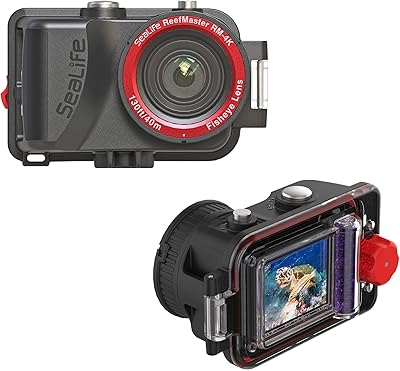
SeaLife ReefMaster RM-4K Underwater Camera
84%
91%
Video Quality
88%
Image Quality
65%
Battery Life
92%
Build Quality
89%
Ease of Use
More
SeaLife Micro 3.0 64GB Underwater Camera
72%
94%
Waterproofing & Sealing
73%
Image Quality
71%
Video Quality
88%
Ease of Use
91%
Build Quality
More
SeaLife Sea Dragon 2500F Underwater Video Light
83%
93%
Brightness Consistency
88%
Build Quality
67%
Battery Life
91%
Beam Angle & Coverage
94%
Ease of Use
More
Underwater Fishing Camera 5-Inch LCD 100ft
70%
93%
Ease of Setup
68%
Image Quality
71%
Night Vision Performance
74%
Battery Life
66%
Cable Quality
More
KiiPix Smartphone Portable Photo Printer
75%
88%
Ease of Use
61%
Print Quality
93%
Portability
58%
Build Quality & Durability
84%
Film Compatibility & Availability
More
Abvatop 15x50 Monocular Telescope for Smartphone
84%
88%
Image Clarity
93%
Portability
85%
Smartphone Compatibility
78%
Magnification Performance
80%
Build Quality
More
Tonfarb D70 4K Waterproof Underwater Camera
71%
83%
Value for Money
71%
Waterproofing Reliability
58%
Image Quality
91%
Ease of Use
87%
Dual-Screen Design
More
Chasing Dory Underwater Drone ROV
73%
93%
Portability & Form Factor
88%
Ease of Setup & First Use
71%
Camera Image Quality
52%
Battery Life & Runtime
78%
Depth Performance
More
ORCATORCH D530V Underwater Video Light
82%
91%
Beam Quality & Coverage
86%
Build Quality & Materials
58%
Battery Life & Runtime
88%
Waterproof Reliability
83%
Battery Indicator Usefulness
More
SPUNALP CM026 Waterproof Digital Camera
68%
83%
Waterproof Performance
61%
Image Quality
58%
Video Quality
79%
Build & Durability
84%
Dual-Screen Usability
More

FAQ

This is one of the most common questions, and the honest answer is: check carefully before buying. The internal clearance is 6.49″ x 3.15″ x 0.38″, and larger Pro Max models are right at the edge of what fits. SeaLife does update compatibility lists, so it is worth checking their official site or contacting their support with your exact model before purchasing.

The housing does have a large physical shutter lever you can use with or without gloves, so basic shooting is possible without the app. That said, you lose access to zoom, white balance adjustments, and lens switching if you skip the app — so for anything beyond simple point-and-shoot, pairing via Bluetooth is worth the extra step.

The vacuum pressure check is a genuine confidence builder, not just a gimmick. Before you enter the water, you apply a vacuum via the check port and watch the LED indicator — solid green means the seal is holding correctly. If it flashes, you do not dive until you investigate. Combined with the moisture sensor that monitors during the dive, this is a meaningfully more robust safety system than most cases in this category offer.

It works best in the 15-to-60-foot range where there is still enough ambient light for the filter to restore warm tones effectively. At deeper depths, ambient light drops significantly and the filter has less to work with — your results will vary. For very deep dives, pairing this housing with an underwater video light will give you far better color than the filter alone can deliver.

A pouch keeps your phone dry in a splash or a pool — that is about it. This dive housing is a fundamentally different product: it is rigid, pressure-tested to 130 feet, actively alarmed, and gives you real camera controls. If you are doing actual scuba diving and care about your shots, there is no practical comparison between the two categories.

No — you will need to remove your phone case before placing it in the housing. The internal dimensions are designed around the phone itself, and adding even a slim case can prevent the tension spring and grip tabs from holding the phone securely, or prevent the housing from closing properly.

You can still use the physical shutter lever to take photos, so you will not be stuck empty-handed. Most users report that the BLE connection is stable once paired, but certain Android devices have shown occasional drops — reconnecting typically just requires backing out of the app and re-pairing once you surface. It is worth doing a test pair in a pool before a serious dive trip.

After every dive, rinse the housing thoroughly in fresh water, dry it, and inspect the O-rings for any grit, hair, or debris before your next use. Apply a thin, even coat of the included O-ring lubricant regularly — over-lubricating is as problematic as under-lubricating. SeaLife recommends replacing O-rings periodically; since spares are included in the box, start the habit early.

Yes, unfortunately. Telephoto lens selection through the SportDiver app is currently available for iPhones but not for most Android devices, due to how Android camera APIs expose lens control to third-party apps. Wide and standard lenses typically work fine, but if multi-lens shooting is a priority for you, an iPhone will give you more flexibility with this case.

The Moisture Muncher capsule is not indefinitely reusable — it absorbs moisture over time and will eventually saturate. SeaLife includes a spare in the box, and replacement capsules are available separately. A simple indicator to watch for is any visible fogging on the inside of the housing window; if that happens, it is time to replace the capsule before your next dive.

Where to Buy