Overview

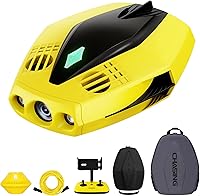
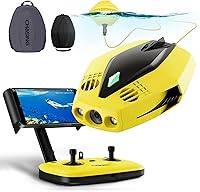
The Chasing Dory Underwater Drone ROV is exactly what it looks like — a compact, approachable underwater explorer built for curious families, snorkelers, and recreational divers who want to see what lies beneath the surface without lugging heavy gear. At just 1.1kg, it fits comfortably in one hand and ships with its own backpack, so tossing it in your luggage for a beach trip requires almost no thought. Dual control options — a smartphone app and a Bluetooth remote — keep the learning curve low and make it genuinely accessible. This isn't aimed at professional underwater cinematographers; honest expectations matter, and this is a recreational exploration tool first.
Features & Benefits

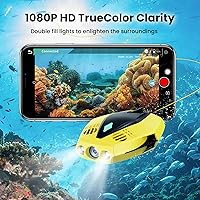
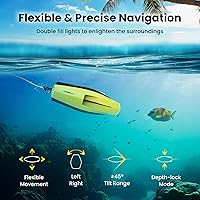
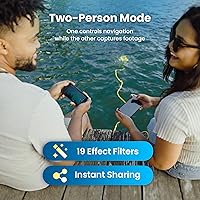
The camera holds up reasonably well for its intended audience — a 1080p sensor with an f/1.6 lens handles underwater light better than many expect, and the ability to tilt the body 45 degrees up or down means you're not stuck shooting in one fixed direction. The two built-in 250-lumen floodlights genuinely help in darker patches down to the 49.2ft depth limit, though murky water will still challenge them. Depth-hold mode is a practical touch that keeps this compact ROV steady at a chosen depth, making framing far easier. The 2-Player Mode — one person pilots, another shoots — turns an underwater session into a shared, social experience.

Best For

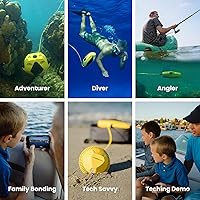
This underwater drone finds its strongest audience among people who simply want to explore and have fun — not professionals chasing cinematic footage. Families at the beach, snorkelers curious about reef life, and anglers scouting a fishing spot before casting will all get genuine use out of it. Travelers appreciate the backpack carry system, which makes packing realistic without rethinking luggage strategy. Social media creators wanting quick, filtered clips for instant sharing will find the app's 19 built-in filters and one-click posting useful. Where it falls short is for anyone expecting it to replace dedicated underwater camera equipment or handle demanding, high-current environments.

User Feedback

Buyers consistently praise how quickly this compact ROV goes from box to water — setup is fast, and most people are piloting confidently within minutes. The portability earns repeated mentions, especially from travelers. Where feedback turns critical, two issues appear regularly: the one-hour battery life feels genuinely short once you're having fun underwater, and the 15-meter tether can tangle in stronger currents. Video quality is mixed — calm, clear water produces solid results, but murky conditions expose real sensor limits. App connectivity is mostly reliable at close range, though some users report drop-outs farther from shore. For casual outings, most buyers consider the value fair; frequent users often wish the battery lasted longer.

Pros

  • Weighs just 1.1kg and ships with a backpack — genuinely one of the easiest underwater drones to travel with.
  • Dual controls via smartphone app and Bluetooth remote mean beginners can start in whatever way feels natural.
  • Setup from unboxing to water takes most users under fifteen minutes, with no steep learning curve.
  • Depth-hold mode removes constant manual adjustment, producing noticeably steadier footage in calm conditions.
  • The 2-Player Mode turns underwater exploration into a shared activity — one person pilots, one shoots.
  • Built-in floodlights add useful visibility in shaded reef pockets and dimmer shallow environments.
  • 16GB onboard storage handles multiple sessions before you need to offload footage.
  • One-click app sharing with 19 filters makes posting clips to social platforms fast and friction-free.
  • The 45-degree body tilt gives creative flexibility that fixed-angle underwater cameras simply cannot match.
  • A complete package out of the box — ROV, buoy, tether, remote, and backpack included with no extra purchases required to start.

Cons

  • One-hour battery runtime is a hard ceiling that active users consistently find frustrating mid-session.
  • The 15-meter tether tangles easily in any water with noticeable current, requiring time-consuming management between dives.
  • Camera quality drops significantly in murky or low-visibility water, limiting real-world usefulness beyond ideal conditions.
  • App connectivity drops are a recurring issue, particularly at the outer edge of Bluetooth range in open water.
  • Transferring footage requires physically removing the TF card from the buoy — there is no wireless file transfer option.
  • Android users report noticeably more app instability than iOS users, and some updates have introduced new bugs.
  • The Bluetooth remote feels budget-grade in hand and does not match the overall price expectation of the kit.
  • Replacement batteries are not widely available at retail, making extended-session planning genuinely difficult.
  • The depth-hold feature drifts in choppy or current-affected water and works reliably only in calm, enclosed environments.
  • Frequent users find the value proposition weakens over time as the hardware limitations become harder to overlook.

Ratings

The Chasing Dory Underwater Drone ROV has been evaluated by our AI system after analyzing thousands of verified buyer reviews from global markets, with spam, bot submissions, and incentivized feedback actively filtered out. Scores reflect the full spectrum of real-world experience — from first-time users exploring shallow reefs to anglers and travel creators pushing this compact ROV through varied conditions. Both what works well and what genuinely frustrates buyers are represented here, without softening the rough edges.
Portability & Form Factor
93%
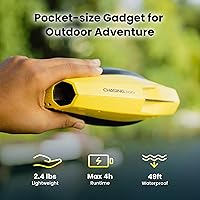
At just 1.1kg with its own dedicated backpack included, this underwater drone is genuinely easy to bring anywhere — beach vacations, fishing trips, or snorkeling excursions abroad. Buyers repeatedly note how it fits into carry-on luggage without rethinking their packing strategy, which is rare for underwater equipment.
A small number of users found the tether and buoy add meaningful bulk once fully packed, and the backpack itself offers limited organizational compartments. Those carrying additional dive accessories sometimes resort to a second bag.
Ease of Setup & First Use
88%
Most buyers report going from unboxing to operating in under fifteen minutes, with the app pairing process being straightforward enough for non-technical users. The inclusion of both a Bluetooth remote and app control gives beginners flexibility to start in whatever way feels more intuitive.
A recurring complaint involves initial app registration steps that some users find unnecessary or region-restricted. Occasional firmware update prompts on first launch have also frustrated buyers eager to get straight to the water.
Camera Image Quality
71%
29%
In calm, clear water — shallow reefs, swimming pools, or pristine lake environments — the 1080p footage holds up well for a recreational drone at this price tier. The f/1.6 lens pulls in decent light, and the 45-degree body tilt gives users meaningful creative control over what they capture.
Murky or sediment-heavy water exposes the sensor's real limits quickly, with footage turning noticeably soft and washed out. Buyers expecting DSLR-style underwater clarity are consistently disappointed; this camera performs adequately in ideal conditions but struggles anywhere visibility is reduced.
Battery Life & Runtime
52%
48%
The battery is sufficient for a short, focused session — scouting a fishing spot, capturing a quick reef sequence, or letting kids take turns piloting for a while. For those who plan short outings with clear goals, the runtime does the job.
One hour is a hard ceiling, and most active users hit it faster than expected once they factor in descent, exploration, and ascent time. Buyers who travel specifically for underwater exploration are vocal about wanting at least double the runtime, and replacement batteries are not always easy to source locally.
Depth Performance
78%
22%
A 49.2ft depth rating covers the majority of recreational snorkeling and shallow diving scenarios comfortably. For reef exploration, pier scouting, or checking out a submerged structure, that range handles real-world use cases well.
Technical or advanced divers will find the depth ceiling immediately limiting. Even some enthusiastic recreational users who explore deeper drop-offs or wreck sites report bumping against this limit sooner than they anticipated.
Floodlight Effectiveness
67%
33%
The dual 250-lumen floodlights make a noticeable difference in dim underwater environments and add meaningful detail to footage captured in shaded reef pockets or during late-afternoon dives when ambient light drops.
In anything approaching genuinely dark water — night dives, deep overhangs, or cloudy conditions — the lights feel underpowered. Several users note that the floodlights illuminate a fairly narrow cone, leaving peripheral areas dark in footage.
Tether Management
58%
42%
The 15-meter tether gives reasonable operating range for a tethered ROV, and keeping the drone physically connected to the buoy provides reassurance that beginners genuinely appreciate — particularly parents letting younger family members pilot.
Tether tangling is a frequently cited frustration, especially in any water with noticeable current. Without a proper reel or management system included, users in open-water environments spend meaningful time unraveling the cable between sessions.
App Stability & Interface
63%
37%
The app interface is generally well-laid-out for beginners, with the gamified control display making it feel approachable rather than technical. The 19 built-in filters and one-click sharing to social platforms are features that casual content creators genuinely use and appreciate.
Connectivity drops mid-session are a recurring complaint, particularly when operating at the far edge of Bluetooth range in open water. Several Android users report more instability than iOS users, and app updates have occasionally introduced new bugs alongside fixes.
Bluetooth Remote Control
74%
26%
Having a physical Bluetooth controller as an alternative to the smartphone app is a smart inclusion — it provides tactile feedback and frees up your phone screen for monitoring the live feed rather than managing controls. Most users find the remote intuitive within a few minutes.
The Bluetooth range in open-air environments is limited, and some buyers note that direct sunlight on the water surface makes judging distance to the drone difficult when approaching the controller's range boundary. Build quality of the remote itself feels budget-grade to some users.
Depth-Hold Stability
81%
19%
The depth-hold mode is one of the more practically useful features for casual photographers — holding the ROV at a fixed depth removes one variable from underwater shooting and lets users focus on framing rather than constant manual adjustment. Buyers who use it consistently report noticeably steadier footage.
In water with any current or chop at the surface, depth-hold can drift or require manual correction more often than the feature name implies. It works best in calm, enclosed environments like pools or protected coves.
2-Player Mode Experience
83%
The ability for one person to pilot while another controls the camera transforms this into a genuinely social activity — families, couples, and small groups find it a natural way to involve more people in one outing. It also produces better footage since neither task competes for attention.
Coordinating between two users requires both devices to be connected and synced, which adds a setup step that can be fiddly outdoors. Not all users discover this mode easily within the app, and documentation could make it more prominent.
Onboard Storage & Data Management
76%
24%
16GB of built-in TF card storage in the buoy is enough for multiple sessions before needing to offload footage, and the MP4 format means files are immediately compatible with most editing software and social platforms without conversion.
Transferring footage from the buoy to a computer is not as frictionless as users expect — it requires removing the TF card rather than a simple wireless transfer. In the field without a card reader, accessing footage immediately after a session can be inconvenient.
Build Quality & Durability
69%
31%
The ROV's streamlined body holds up well to normal recreational use, and the waterproofing performs reliably within its rated depth range. Most buyers have no issues after multiple seasons of casual use in salt and fresh water alike.
The overall finish and materials feel consistent with the price point rather than premium. A handful of buyers report connector or seal wear after extended use, and those pushing the drone closer to its depth limits regularly express some concern about long-term waterproofing reliability.
Value for Money
66%
34%
For buyers who plan casual beach or snorkeling trips a few times a year, the complete package — drone, remote, buoy, tether, and backpack — delivers solid value for recreational exploration without requiring additional purchases to get started.
Frequent users and those with higher creative expectations start to feel the limitations quickly relative to what they paid. The one-hour battery and camera constraints are the two most cited reasons buyers feel the value proposition weakens with heavier use or higher ambitions.

Suitable for:

The Chasing Dory Underwater Drone ROV is a strong fit for anyone who wants to explore what's under the surface without committing to heavy, expensive dive equipment. Families with curious kids will find the low setup barrier and 2-Player Mode genuinely engaging — one adult pilots while a child manages the camera, turning a beach afternoon into something memorable. Snorkelers who frequent clear coastal reefs, lake swimmers, or calm inland waterways will get the most out of the camera's capabilities, since the 1080p footage performs well when visibility cooperates. Anglers scouting unfamiliar spots before dropping a line will also appreciate being able to send this compact ROV ahead to check the underwater terrain. Casual travel content creators who want quick, filtered clips ready to post without a lengthy editing workflow are well-served by the app's built-in sharing tools. If you're dipping your toes into underwater exploration for the first time and want something genuinely portable that doesn't require reading a technical manual, this fits that brief well.
Not suitable for:

The Chasing Dory Underwater Drone ROV is the wrong tool if your expectations lean toward professional-grade underwater videography — the 1080p sensor in anything less than clear, well-lit water will leave you disappointed. Divers who routinely go beyond 49 feet, explore deep wrecks, or operate in strong currents will hit the hardware's limits quickly, and the 15-meter tether becomes a genuine liability in moving water rather than a safety net. The approximately one-hour battery runtime is a real constraint that frequent users cannot simply work around, and sourcing a spare battery is not always straightforward. Those who want a wireless, tether-free ROV experience will find the physical cable setup fundamentally at odds with how they want to operate. If you're an experienced underwater photographer already using a dedicated housing rig, this compact ROV won't offer an upgrade — it's built for accessibility, not image quality or operational depth. Anyone planning to use it regularly rather than occasionally should factor in the runtime ceiling honestly before committing.
Specifications

  • Weight: The ROV body weighs 1.1kg (2.4 lbs), making it light enough to carry in one hand and practical for travel without excess baggage concerns.
  • Dimensions: The unit measures 7.4 × 9.7 inches, a compact footprint that fits comfortably in the included backpack alongside its accessories.
  • Max Depth: Rated for a maximum operating depth of 49.2ft (15m), suitable for recreational snorkeling, shallow reef exploration, and lake diving.
  • Camera Resolution: Records video at 1080p Full HD using a CMOS sensor with an f/1.6 aperture lens designed to perform in lower-light underwater conditions.
  • Camera Tilt: The ROV body tilts up to 45 degrees both upward and downward, allowing the operator to adjust the shooting angle without repositioning the entire drone.
  • Floodlights: Two built-in LED floodlights each output 250 lumens, providing a combined 500 lumens of forward illumination for darker underwater environments.
  • Battery Runtime: A single charge delivers approximately one hour of active operation, after which the unit must be retrieved and recharged before further use.
  • Tether Length: The drone connects to the surface buoy via a 15-meter (approximately 590 inches) physical tether, which also serves as the data and power link.
  • Onboard Storage: A 16GB Micro SD (TF) card is housed within the buoy unit, storing footage in MP4 format that is compatible with standard video editing software.
  • Control Options: The drone is operated via a dedicated smartphone app (iOS and Android) or a paired Bluetooth physical remote controller, both included in the package.
  • Video Format: All recorded footage is saved in MP4 format with AAC audio encoding, ensuring broad compatibility with editing platforms and social media upload tools.
  • In-App Filters: The companion app includes 19 built-in image and video filters alongside a one-click sharing function for direct posting to social media platforms.
  • GPS Integration: A GPS chip is embedded within the surface buoy, providing location tracking data during operation in open-water environments.
  • Depth-Hold Mode: An electronic depth-hold function keeps the ROV stable at a user-selected depth, reducing the need for constant manual throttle adjustment during filming.
  • 2-Player Mode: A dedicated dual-user mode allows one person to pilot the ROV while a second user independently controls the camera angle and capture functions via a separate device.
  • Package Contents: The full kit includes the ROV unit, surface buoy, 15-meter tether, Bluetooth remote controller, and a purpose-built portable backpack for transportation and storage.
  • Power Requirement: The system requires a 12V battery, which is integrated into the unit and recharged via the supplied charging cable rather than user-replaceable cells.
  • Connectivity: The ROV connects to the operator's smartphone via Bluetooth for remote control, with the app also supporting live video feed monitoring during dives.

Related Reviews

CHASING Fishing CamX Underwater Fishing Camera
77%
83%
Video Clarity
91%
Waterproof Performance
78%
Night Fishing Performance
74%
Battery Life
61%
App Experience
More
Underwater Fishing Camera 5-Inch LCD 100ft
70%
93%
Ease of Setup
68%
Image Quality
71%
Night Vision Performance
74%
Battery Life
66%
Cable Quality
More
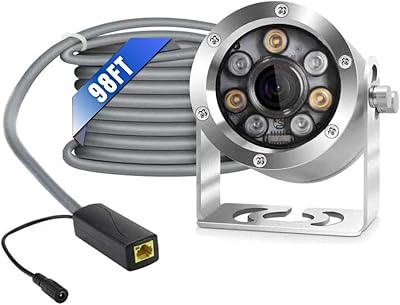
Barlus UW-S5-3PBX30 Underwater POE IP Camera
74%
83%
Image Quality
79%
Low-Light Performance
88%
Build Quality
86%
Cable Durability
91%
Waterproofing & Depth Rating
More
Lumitec SeaBlazeX2 Underwater LED Light
85%
94%
Light Output & Visibility
91%
Build Quality & Materials
88%
Ease of Installation
93%
Durability in Saltwater
67%
Value for Money
More
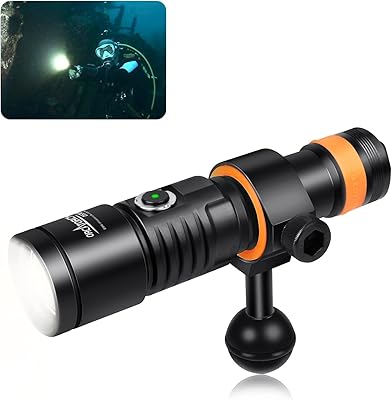
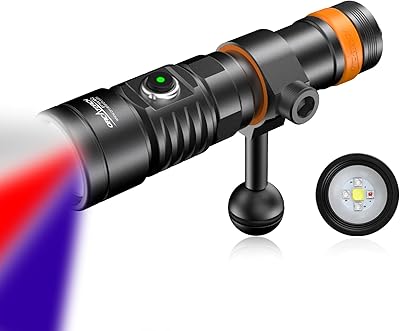
ORCATORCH D530V Underwater Video Light
82%
91%
Beam Quality & Coverage
86%
Build Quality & Materials
58%
Battery Life & Runtime
88%
Waterproof Reliability
83%
Battery Indicator Usefulness
More
SPUNALP CM026 Waterproof Digital Camera
68%
83%
Waterproof Performance
61%
Image Quality
58%
Video Quality
79%
Build & Durability
84%
Dual-Screen Usability
More
Tonfarb D70 4K Waterproof Underwater Camera
71%
83%
Value for Money
71%
Waterproofing Reliability
58%
Image Quality
91%
Ease of Use
87%
Dual-Screen Design
More
Kodak Weekend Underwater Disposable Camera
85%
91%
Ease of Use
88%
Waterproof Performance
92%
Portability
78%
Image Quality
85%
Durability in Water
More
Polaroid Waterproof 18MP 4K Underwater Camera
68%
81%
Value for Money
58%
Image Quality
61%
Video Performance
74%
Waterproofing
88%
Ease of Use
More
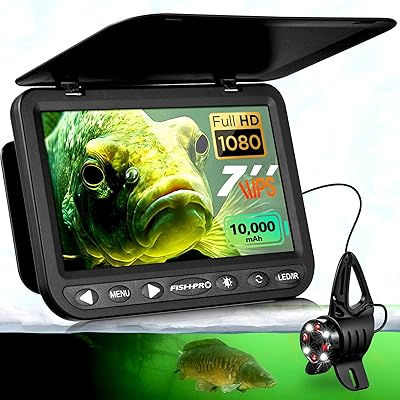
FishPro HD1080P 7-Inch Underwater Fishing Camera
83%
91%
Image Clarity
93%
Battery Life
88%
Screen Quality
94%
Ease of Use
86%
Lighting System
More

FAQ

Most users are up and running within ten to fifteen minutes on their first outing. The app pairing is straightforward, and the physical components connect without any tools. After the first session, repeat setup typically takes under five minutes.

The Chasing Dory Underwater Drone ROV is designed primarily for calm, clear water environments — protected coves, snorkeling reefs, lakes, and pools are where it performs best. Open ocean with noticeable current or chop introduces tether tangling issues and makes depth-hold less reliable, so genuinely rough water is not ideal for this drone.
Honestly, one hour goes faster than you expect once you account for descending, exploring, and bringing the ROV back up. If you are planning a full beach day or a dedicated underwater filming session, a spare battery is worth considering — though availability can vary by region. For a casual family outing or a short scouting session, the runtime is workable.

The footage is stored on a 16GB TF card inside the buoy unit, not in the ROV body itself. You need to remove the card and use a card reader to transfer files to a computer, or connect it directly if your device has a Micro SD slot. There is no wireless file transfer, so bring a card reader if you want to access clips on the go.

Yes, this compact ROV is used regularly in saltwater environments and handles it within the rated depth range. That said, rinsing the unit thoroughly with fresh water after each saltwater session is strongly recommended to protect the seals and connectors from corrosion over time.

The tether is physically attached to the buoy, so the drone cannot go fully missing even if the line tangles. Recovering it usually means slowing down, reversing the ROV gently, and carefully un-looping the cable from the surface. In calm water this is manageable, but in any current it can be genuinely frustrating and is the most commonly cited operational headache among users.

Older children — roughly ten and up — can pilot this underwater drone comfortably once an adult has handled the initial setup and pairing. The 2-Player Mode is especially good for families because it lets an adult manage piloting while a child handles the camera, or vice versa. Younger children will need hands-on assistance.

In clear, well-lit, shallow water the 1080p footage is genuinely solid for a recreational drone. The built-in floodlights help in shaded spots and dim conditions. However, murky or sediment-heavy water exposes the sensor's limits quickly — footage becomes soft and washed out in low-visibility environments, and this is one of the more consistent criticisms from buyers who dive in anything less than pristine conditions.

The app is available for both iOS and Android. iOS users generally report a more stable experience, while Android users have noted occasional connectivity drops and more sensitivity to specific software updates. Both platforms support the core features, but if stable app performance is a priority for you, iOS tends to be the safer bet currently.

The Bluetooth remote works reliably at close to mid-range distances under normal conditions, but open water introduces interference and the range is shorter than many users expect. Most buyers find the connection stable within roughly 10 to 15 meters of the controller, but operating at the far edge of that range — especially with glare and distance judgment challenges — is where drop-outs occur most often.

Where to Buy