Overview

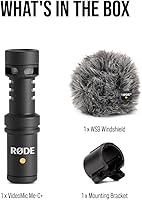
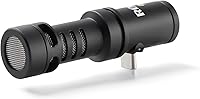
The RØDE VideoMic Me-C+ USB-C Shotgun Microphone arrived in mid-2024 as RØDE's answer to the growing wave of USB-C smartphones that needed better audio without the complexity of traditional recording gear. It's a compact, no-fuss upgrade — just plug it in and start recording. No app to configure, no battery to charge, no driver to install. The aluminum body weighs barely 21 grams, so it sits comfortably on a phone without throwing off your grip or stressing a gimbal mount. For creators who've been relying on their phone's built-in mic, this USB-C shotgun mic represents a meaningful step up without demanding a steep learning curve.
Features & Benefits

The RØDE Me-C+ uses a supercardioid polar pattern, meaning it focuses tightly on what's directly in front of it and rejects ambient noise from the sides — far more effectively than any built-in smartphone mic. Its 74.5 dB signal-to-noise ratio translates to audio that sounds clean and present, free of that hollow, distant quality phone mics often produce. The integrated headphone jack is a genuine standout: real-time monitoring while recording on a phone is a feature many competing options skip entirely. The included furry windshield handles light outdoor conditions straight out of the box, and MFi certification means it works across USB-C iPhones and Android devices without fuss.

Best For

This mobile microphone suits smartphone vloggers, YouTubers, and short-form content creators who want noticeably better audio without carrying extra gear. Field journalists using apps like RØDE Reporter will appreciate the clean directional pickup and real-time monitoring. It's also a solid pick for streamers who need a low-profile mic that won't look oversized on camera. Travelers and run-and-gun creators will value the minimal footprint — at under 21 grams, the RØDE Me-C+ barely registers in a bag. Anyone moving from an older Lightning-based VideoMic Me to a USB-C phone will find the transition painless and the audio quality a clear step forward.

User Feedback

Holding a 4.1 out of 5 across more than a hundred ratings, the RØDE Me-C+ draws consistent praise for plug-and-play ease and the immediate, audible improvement over a phone's built-in mic. Most buyers describe setup as refreshingly straightforward. On the flip side, some users report occasional compatibility hiccups with certain Android devices, and a few find the connector angle slightly awkward depending on their phone case design. There are also mild complaints about limited mounting flexibility. It isn't flawless, but the recurring theme in reviews is that for the price tier it occupies, most buyers feel satisfied with what they're getting in both build and audio performance.

Pros

  • Plug-and-play setup works instantly — no drivers, no apps, no configuration required.
  • The integrated 3.5mm headphone jack lets you monitor audio in real time, a rare feature at this tier.
  • Supercardioid polar pattern cuts ambient side noise noticeably in busy shooting environments.
  • At under 21 grams, the RØDE Me-C+ adds no meaningful weight to a phone or gimbal rig.
  • Bus-powered via USB-C means no batteries to charge or forget before a shoot.
  • MFi-certified for broad compatibility across USB-C iPhones and most Android flagships.
  • Furry windshield is included in the box, ready for light outdoor use from day one.
  • Solid aluminum build feels premium and inspires more confidence than plastic competitors at the same price.
  • Audio clarity is a genuine step up from phone mics — voices sound warmer, fuller, and cleaner.
  • Ranked among the top sellers in its category, reflecting a strong and consistent track record with buyers.

Cons

  • No physical gain control or mute switch on the mic body — everything routes through the phone or app.
  • Recessed phone cases often need to be removed before the USB-C connector fits properly.
  • Long-term connector durability under repeated daily plug-and-unplug cycles remains a valid concern.
  • Windshield performance falls short in moderate-to-strong wind, likely requiring an aftermarket upgrade.
  • Some Android devices — particularly budget-tier handsets — report intermittent recognition failures.
  • Occupying the USB-C port means losing wired headphone access unless you use Bluetooth or a splitter.
  • No physical mounting point on the mic body; it relies entirely on the port connection for stability.
  • Monitoring output volume is fixed, which frustrates users who prefer to adjust their cue mix independently.
  • Third-party recording apps sometimes require manual input source selection to detect this mobile microphone.
  • Not suited for stereo recording or multi-source capture — mono-only output limits creative flexibility.

Ratings

The RØDE VideoMic Me-C+ USB-C Shotgun Microphone earns a strong overall reputation among mobile creators, and the scores below reflect an AI-driven analysis of verified buyer reviews sourced globally, with spam, bot activity, and incentivized feedback actively filtered out. Across more than a hundred real-world ratings, this mobile microphone shows clear strengths in ease of use and audio clarity — but also a handful of friction points that keep it from a perfect score. Both sides are represented here honestly, so you can make an informed call before buying.

Audio Quality
88%
Buyers consistently describe a dramatic shift from the tinny, distant sound of a phone's built-in mic to something noticeably warmer and more present. The high signal-to-noise ratio means voices come through cleanly even in moderately noisy environments, which matters a lot for outdoor vlogging or street interviews.
A handful of users note the audio can sound slightly processed or compressed when compared to entry-level dedicated recorders, and a few Android users report minor gain staging issues depending on the phone model. It is strong for its class, but not studio-grade.
Ease of Setup
93%
Nearly every buyer mentions how refreshingly fast the setup is — plug it into a USB-C port and the phone recognizes it instantly, no drivers, no pairing screens, no app required. For creators who just want to hit record without a technical detour, this is a real advantage.
A small number of users with protective phone cases find the USB-C connector sits at an awkward angle, requiring case removal before use. Not a dealbreaker, but worth noting if your case has a recessed port.
Build Quality
81%
19%
The machined aluminum body feels noticeably more solid than plastic-bodied competitors at this tier. At under 21 grams it is featherlight, yet the chassis does not flex or rattle, which gives a good first impression and inspires confidence during handheld shoots.
Some buyers raise questions about long-term connector durability after repeated plug-and-unplug cycles, a concern common to any bus-powered mic. The windshield attachment also feels slightly loose on a few units according to user reports.
Directional Performance
86%
The supercardioid pickup pattern earns real praise from creators shooting in coffee shops, outdoor markets, or busy streets. Buyers report that the mic does a solid job focusing on the speaker directly in front while pushing ambient chatter noticeably into the background.
Users expecting complete side rejection will find some bleed-through in very loud environments. It handles typical background noise well, but it is not a replacement for a boom mic in a genuinely loud or reverberant space.
Headphone Monitoring
84%
The integrated 3.5mm headphone jack is called out repeatedly as a standout feature — being able to hear exactly what is being recorded, in real time, directly from the mic is something many competing options skip. Field journalists and vloggers especially appreciate this for catching problems before they ruin a take.
The monitoring output volume is fixed and cannot be adjusted independently, which bothers some users who prefer louder or quieter cue mixes. A few buyers also note that not all headphones pair equally well with the output impedance.
Compatibility
79%
21%
MFi certification gives this USB-C shotgun mic broad reach across both Android phones and USB-C iPhones, covering the vast majority of current flagship devices. Most buyers find it works without any manual configuration across different brands.
It only works with USB-C iOS devices, meaning older Lightning iPhones are entirely excluded. Some Android users also report intermittent recognition issues on certain budget handsets, which suggests compatibility is not completely universal.
Wind Noise Reduction
76%
24%
The included furry windshield handles light breezes well enough for casual outdoor use, and buyers filming walk-and-talk content in mild wind conditions find it sufficient without needing to purchase additional accessories.
In moderate to strong wind, the bundled windshield reaches its limit and low-frequency rumble starts to creep in. Users shooting in coastal or high-elevation environments often report needing to invest in a more robust aftermarket dead cat.
Portability
94%
At roughly the size of a lip balm tube and light enough to forget it is in a pocket, this mobile microphone is among the most portable options available at its tier. Travelers and minimalist creators consistently highlight how easy it is to carry without adding bulk to a kit.
The compact size, while mostly a virtue, means there is no physical gain control or mute switch on the body. Creators who want hands-on hardware controls during a live recording will need to manage levels entirely through their phone or recording app.
Value for Money
82%
18%
Buyers who come from free built-in phone audio almost universally feel the investment pays off quickly, particularly given the included windshield, the monitoring jack, and the RØDE brand pedigree behind the hardware. For the price tier it occupies, the feature set is genuinely competitive.
A minority of reviewers feel the asking price is slightly high relative to third-party alternatives that offer similar directional pickup, and a few note that losing the headphone jack on their phone to power the mic creates a scenario where a splitter or Bluetooth headphones become a secondary cost.
App Integration
71%
29%
The RØDE Me-C+ works natively with RØDE Capture and RØDE Reporter, which are well-regarded apps that add useful recording controls and monitoring features. Buyers already in the RØDE ecosystem find the pairing intuitive and practical.
Outside the RØDE app ecosystem, some third-party recording apps require manual input source selection to recognize the mic properly. Users who prefer the native camera app on certain Android skins occasionally report inconsistent behavior.
Low-Light and Gimbal Compatibility
83%
The negligible weight means it has virtually no effect on gimbal balance, and creators using popular three-axis stabilizers report zero counterweighting adjustments needed. It slots cleanly into mobile filmmaking rigs without disrupting a carefully calibrated setup.
There is no cold shoe mount or physical attachment point on the mic body itself, so it sits directly on the phone port with no additional stabilization. In aggressive handheld movements, some micro-vibration can transfer through the connector into the audio.
Upgrade from Lightning Version
78%
22%
Users migrating from the older VideoMic Me (Lightning) to this USB-C variant find the audio quality comparable or marginally improved, and appreciate finally having a version that works across both their iPhone 15 and their Android backup phone.
A segment of legacy Lightning users feel the transition should have come with a bundled adapter option, and a few compare the two versions closely enough to note that the older model felt slightly more snug in its port connection.
Frequency Response and Voice Capture
85%
The wide frequency range captures the natural body of a speaking voice without the narrow, telephone-like quality that plagues many mobile-first microphones. Podcasters and interviewers who have tested it off-label note that voice intelligibility is genuinely strong.
At the upper frequency end, some listeners find a slight airiness that works well for speech but can make certain sound effects or high-pitched audio sources sound a touch thin. This is a minor gripe and largely irrelevant for typical creator use cases.

Suitable for:

The RØDE VideoMic Me-C+ USB-C Shotgun Microphone is the right call for smartphone-first creators who are tired of hollow, echoey audio but do not want to invest in a full recording rig. Mobile vloggers, YouTubers, and short-form content creators who shoot on the go will notice an immediate and meaningful improvement over their phone's built-in mic, with none of the setup friction that usually comes with external audio gear. Field journalists and reporters will find the directional pickup and real-time headphone monitoring especially practical — catching a bad recording before the interview ends is the kind of thing that earns its keep fast. Travelers and minimalist creators who need a mic that slips into a jacket pocket and adds virtually nothing to their carry weight will appreciate how this USB-C shotgun mic disappears into a kit. It also suits anyone currently on a Lightning VideoMic Me who has upgraded to a USB-C device and wants a like-for-like replacement that actually performs a touch better.

Not suitable for:

The RØDE VideoMic Me-C+ USB-C Shotgun Microphone is not the right tool for every situation, and being honest about that matters. If you are still on a Lightning iPhone, stop here — this mic does not work with Lightning ports, full stop. Buyers expecting broadcast-grade audio for podcast production or voiceover work will find the mono, smartphone-tethered format too limiting; a dedicated USB desktop mic or audio interface setup will serve those needs far better. Creators who shoot in consistently loud or windy environments will likely outgrow the included windshield faster than expected and may need to factor in the cost of a better dead cat. Anyone who wants independent gain control, a mute button, or multi-channel recording on the mic body itself will also come away frustrated, since the RØDE Me-C+ keeps hardware controls deliberately minimal. Finally, buyers expecting universal Android compatibility should know that occasional recognition issues on certain handsets are a documented reality, not an edge case.

Specifications

  • Connector: Connects via USB Type-C, drawing power directly from the device with no battery or external power supply required.
  • Polar Pattern: Unidirectional supercardioid shotgun pattern focuses audio capture in front of the mic while rejecting ambient noise from the sides and rear.
  • Form Factor: Compact shotgun microphone body designed to mount directly onto a smartphone's USB-C port without any additional bracket or adapter.
  • Weight: Weighs 20.63 g (0.728 oz), making it light enough to use on a gimbal or handheld phone without noticeable balance disruption.
  • Dimensions: Measures 2.89 × 0.79 × 1.09 inches, keeping the overall footprint small enough to fit in a jacket pocket alongside the phone.
  • Material: Chassis is machined from Aluminium 2011 T3, providing a rigid and lightweight enclosure that resists flex under regular use.
  • Signal-to-Noise Ratio: Rated at 74.5 dB SNR, delivering noticeably cleaner audio capture compared to the sub-60 dB performance typical of built-in smartphone microphones.
  • Frequency Response: Captures audio across a range starting from 20 Hz, preserving natural voice warmth and low-end body in recordings.
  • Impedance: Output impedance is rated at 2200 Ohm, optimized for direct digital input into smartphone audio processing pipelines.
  • Channels: Records in mono (single channel), which is standard for directional shotgun microphones used in speech and vlogging applications.
  • Headphone Output: Features an integrated 3.5mm headphone jack on the mic body for real-time audio monitoring without any perceptible latency.
  • Power Source: Bus-powered entirely through the USB-C connection, eliminating the need for batteries or a separate charging cable during use.
  • Compatibility: MFi-certified and officially compatible with USB-C Android smartphones and USB-C iOS devices; Lightning port iPhones are not supported.
  • Included Accessories: Ships with a furry windshield (dead cat) designed to reduce low-frequency wind rumble during outdoor recording sessions.
  • App Support: Works natively with RØDE Capture and RØDE Reporter apps, and functions as a standard USB audio input device in most third-party recording apps.
  • Best Sellers Rank: Ranked #19 in Professional Video Microphones on Amazon as of the product's listing data, reflecting sustained buyer adoption since its mid-2024 launch.

Related Reviews

Rode VideoMic with Rycote Lyre
83%
92%
Vocal Clarity
94%
Vibration Isolation
89%
Build Durability
91%
Ease of Use
58%
Power Management
More
RØDE NT-USB Microphone
87%
94%
Sound Quality
92%
Ease of Setup
89%
Build Quality
85%
Noise Isolation
87%
Mic Sensitivity
More
Rode VideoMic NTG
Rode VideoMic NTG
84%
91%
Audio Clarity
89%
Versatility
88%
Build Quality
86%
Ease of Use
79%
Value for Money
More
RØDE NTG4+ Supercardioid Condenser Shotgun Microphone
87%
91%
Sound Quality
96%
Battery Life
88%
Build Quality
84%
Ease of Use
90%
Noise Isolation
More
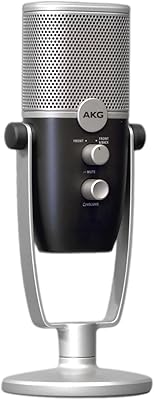
AKG Ara Professional USB-C Condenser Microphone
86%
91%
Sound Quality
94%
Ease of Setup
88%
Build Quality
89%
Versatility for Streaming and Podcasting
93%
Connectivity and Compatibility
More
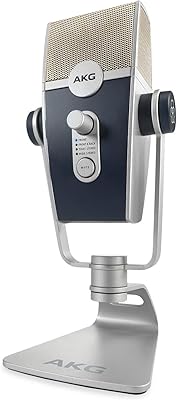
AKG Lyra USB Microphone
84%
88%
Audio Quality & Clarity
93%
Build Quality & Design
89%
Ease of Setup (Plug-and-Play)
64%
Background Noise Rejection
91%
Software & Ecosystem Value
More
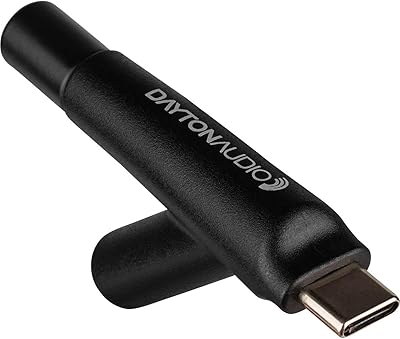
Dayton Audio iMM-6C Calibrated USB-C Measurement Microphone
85%
91%
Measurement Accuracy
89%
Portability
86%
Build Quality
90%
Ease of Use
93%
Compatibility with USB-C Devices
More
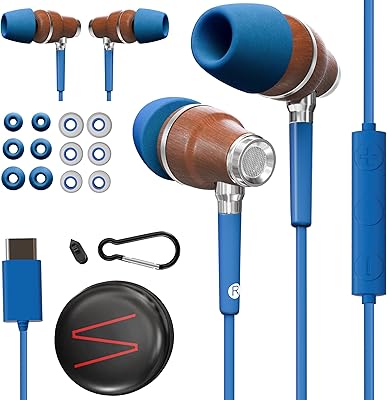
Symphonized NRG C USB-C Earphones
81%
90%
Sound Quality
85%
Build Quality
75%
Comfort & Fit
80%
Noise Isolation
92%
USB-C Connectivity
More
Neat Microphones Skyline USB Desktop Condenser Microphone
89%
94%
Audio Quality
91%
Ease of Use
89%
Build Quality
90%
Mute Button Functionality
92%
Value for Money
More
Teslong MS100-C USB-C Digital Microscope
76%
93%
Device Compatibility
91%
Ease of Setup
84%
Build Quality
78%
Image Quality (Mid-Range Zoom)
54%
Image Quality (Max 200X Zoom)
More

FAQ

Yes, as long as your iPhone has a USB-C port it will work — that covers iPhone 15 and later models. If you are on an older iPhone with a Lightning connector, this mic will not be compatible and you would need the original VideoMic Me instead.

No setup is required at all. Just plug the RØDE VideoMic Me-C+ USB-C Shotgun Microphone into your phone's USB-C port and your device recognizes it as an audio input automatically. You can record with your native camera app or any third-party recording app right away.
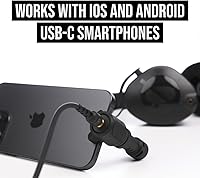
It draws a small amount of power through the USB-C connection since it has no battery of its own, so there is a minor impact on battery life during extended recording sessions. In practice, most users filming typical vlog or interview lengths do not notice it as a meaningful issue.

Yes, and this is one of the strongest features of this mobile microphone. The 3.5mm headphone jack built into the mic body lets you plug in wired headphones and hear exactly what is being captured in real time, which is genuinely useful for catching audio problems before they ruin a take.

It handles light breezes well enough for casual outdoor content — walking shots, street interviews, mild weather. In stronger or sustained wind, you will likely hear low-frequency rumble creeping in, and an aftermarket dead cat with more fur density would serve you better in those conditions.

The mic connects directly through the USB-C port, so it relies entirely on that connection for physical support. It holds firmly on most phones, but if your phone case has a recessed or narrow port opening you may need to remove the case first to get a solid fit.

Generally yes — the RØDE Me-C+ works with most Samsung Galaxy models that have a USB-C port, and most users report immediate recognition without any manual configuration. That said, a small number of users on certain older or budget Samsung models have reported intermittent detection issues, so it is worth knowing compatibility is not guaranteed across every single Android device.

It is primarily designed for video and mobile content creation, but a number of buyers do use it for spoken-word recording and mobile podcast capture. The mono output and smartphone-tethered format mean it is not ideal for professional podcast production, but for a quick, portable interview recording setup it performs well.

No — there are no physical controls on the mic body. All gain adjustments, input level settings, and muting have to be handled through your phone's settings or your recording app. If hands-on hardware control during a live recording is important to you, that is a genuine limitation to factor in.

The difference is noticeable from the very first recording. The directional pickup means less ambient background noise bleeds in, and the cleaner signal path removes the hollow, slightly reverberant quality that most phone mics produce. Voices in particular come through with more presence and warmth, which matters a lot for any content where the speaker is the focus.

Where to Buy