Overview

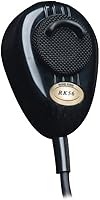
The RoadKing RK56B Dynamic Noise Canceling CB Microphone has been a fixture on the CB radio market since 2012 — a quiet indicator that it does the job well enough to stick around. Purpose-built for truckers and mobile radio operators, this CB mic isn't trying to be a studio recording tool; it's designed to cut through diesel engine noise, highway wind, and cab vibration so the person on the other end can actually hear you. At its mid-range price, buyers expect a meaningful step up from a stock OEM mic. That's a reasonable bar, and this noise-canceling truckers mic mostly clears it.
Features & Benefits

The standard 4-pin connector means this CB mic drops right into most Cobra, Uniden, and compatible radio setups with no adapter required — a real convenience most buyers notice immediately. The dynamic noise-canceling element does genuine work filtering road rumble and ambient cab noise, though it won't perform miracles in an extremely loud environment. Its unidirectional pickup keeps the focus squarely on your voice. The momentary slide switch is intuitive to operate even with work gloves on. Covering 100Hz to 8kHz, the frequency response is tuned for voice, not music, which is exactly what you want on a CB channel.

Best For

This noise-canceling truckers mic is a natural fit for long-haul drivers who spend hours on the highway and need consistently clear transmissions regardless of what's happening around them in the cab. It's also a smart choice for CB enthusiasts who are tired of their stock microphone and want a reliable drop-in upgrade without overhauling their entire setup. Fleet operators and owner-operators will appreciate the straightforward compatibility and low maintenance profile. If you're running a 4-pin CB radio — particularly a Cobra or Uniden — this CB mic slots in cleanly. Less suited for operators using non-standard connectors or 5-pin radio configurations.

User Feedback

Owners consistently praise the noticeably cleaner audio compared to what their radio shipped with — that improvement alone justifies the purchase for many. Long-term durability feedback is generally positive, with high-mileage drivers reporting the housing holds up well to daily cab use. On the downside, some users mention the cord can feel stiff initially, and a handful report minor connector fit issues with certain older radio models. The slide switch earns good marks for accessibility, especially with gloves. The main recurring criticism is that compatibility isn't guaranteed across every 4-pin radio variant, so checking your specific model before buying is worth the extra minute.

Pros

  • Noticeably cleaner audio than most stock OEM microphones included with CB radios.
  • The standard 4-pin connector fits a wide range of Cobra, Uniden, and compatible CB radios without adapters.
  • Dynamic noise-canceling element effectively reduces engine rumble and road noise during transmissions.
  • Unidirectional pickup keeps your voice front and center, reducing bleed from surrounding cab noise.
  • The slide switch is easy to operate even when wearing work gloves, a practical detail truckers appreciate.
  • Durable Cycolac housing holds up well to daily use in cab environments based on long-term owner feedback.
  • Lightweight at under 9 ounces, so it never feels cumbersome during extended use.
  • Has remained available and supported since 2012, which speaks to consistent demand and parts availability.
  • Frequency response tuned specifically for voice makes transmissions sound natural and clear on CB channels.

Cons

  • Cord can feel noticeably stiff out of the box and may take time to loosen up in cold weather.
  • Connector fit has been reported as slightly loose or inconsistent on certain older CB radio models.
  • Noise canceling has real limits — extremely loud cab conditions can still bleed through during transmission.
  • No coiled cord option, which some truckers strongly prefer for cable management in tight cab spaces.
  • A small number of users report the slide switch feeling less tactile feedback compared to push-to-talk buttons.
  • Compatibility is not guaranteed across all 4-pin radio variants, so verifying your specific model is essential before purchasing.
  • The Cycolac housing, while functional, can feel plasticky compared to metal-bodied alternatives at higher price points.
  • No inline volume control or gain adjustment, which limits fine-tuning for drivers with sensitive radio setups.

Ratings

The scores below for the RoadKing RK56B Dynamic Noise Canceling CB Microphone were generated by AI after analyzing verified buyer reviews from multiple global sources, with spam, bot-generated, and incentivized feedback actively filtered out. Every category reflects what real drivers and radio operators actually experienced — the genuine highlights and the honest frustrations alike. Nothing is glossed over.

Noise Canceling Performance
78%
22%
Drivers consistently report that road rumble, engine drone, and HVAC fan noise are noticeably reduced compared to stock microphones, making transmissions clearer on busy CB channels. For everyday highway driving with windows up, the dynamic element does its job reliably without any extra configuration.
In extremely loud conditions — open windows at speed, turbocharged diesels at full throttle, or construction environments — background noise can still bleed through. Users expecting near-complete noise elimination are sometimes surprised by the limitations inherent to dynamic mic technology at this price tier.
Compatibility
83%
The standard 4-pin connector means this CB mic drops directly into most Cobra and Uniden radios without any fuss, which is exactly what replacement-mic buyers want. A large portion of owners report a clean, first-try installation with zero adapter requirements.
A recurring minority of buyers run into fit or pinout issues with specific older radio models, and compatibility is not universally guaranteed across every 4-pin variant. Drivers with less common or off-brand CB rigs should verify connector pinouts before committing to the purchase.
Audio Clarity
81%
19%
Voice transmission quality is a clear step above the bundled microphones that ship with most entry-level CB radios, with other operators on the channel frequently commenting on the improved readability. The voice-focused frequency response keeps things natural without muddiness on the low end.
Audio clarity does drop off in high-noise environments where the noise canceling reaches its ceiling. Some users also note that output level can feel slightly low on certain radio setups, occasionally requiring adjustments to the radio's gain to compensate.
Build Quality
74%
26%
The Cycolac housing holds up solidly to daily cab life — drops, vibration, temperature swings — and high-mileage drivers frequently report using the same unit for years without structural failures. The overall assembly feels purposeful rather than cheap for the price point.
The plastic housing does feel noticeably less premium than metal-bodied alternatives, and a few users mention that the cord attachment point near the mic body can feel like the most vulnerable spot over extended use. It's functional durability, not showcase-quality construction.
Ease of Installation
88%
Most buyers describe installation as genuinely plug-and-play — unbox, plug in, key up, and go. No tools, no wiring, no configuration required for compatible radios, which experienced truckers and first-time upgraders both appreciate equally.
The handful of users who encounter connector fit issues report that troubleshooting compatibility is frustrating without clear guidance in the included manual. Installation simplicity is entirely dependent on having the right radio, so the experience is not universal.
Switch Usability
84%
The 2-position momentary slide switch earns consistent praise for being accessible and intuitive, particularly from drivers who operate in gloves during colder months. Its positioning on the mic body feels natural for one-handed push-to-talk use while keeping eyes on the road.
A segment of users finds the tactile feedback on the slide switch less satisfying than a traditional clicky PTT button, which can create minor uncertainty about whether the mic is actively transmitting. This is a preference issue more than a functional flaw, but it matters to experienced CB operators.
Cord Quality
63%
37%
The flexible straight cord is reasonably manageable in most cab layouts and doesn't tangle the way some stiffer coiled alternatives can. For drivers who route their mic cord along the dash or door panel, the straight design works cleanly.
Cord stiffness straight out of the box is one of the most frequently mentioned complaints, particularly in cold weather where it can feel rigid and awkward until it warms up. The lack of a coiled cord option is also a genuine inconvenience for drivers who prefer that style for space management.
Value for Money
79%
21%
At its mid-range price, the RK56B delivers a tangible real-world upgrade over stock microphones, which is the core promise for this category. Buyers who need a dependable, compatible replacement without overspending generally come away feeling the purchase was justified.
A small number of buyers who encounter compatibility issues or cord stiffness feel the price should come with a more polished out-of-box experience. When measured against a few competing options at similar price points, the value proposition is solid but not dominant.
Long-Term Durability
77%
23%
Feedback from high-mileage, long-haul drivers paints a reasonably durable picture, with many reporting the mic functioning reliably after two or more years of regular daily use across varied road conditions and temperature environments.
Some users report that the connector can develop a slightly loose feel in the radio socket after extended use, which occasionally leads to intermittent audio dropout. The cord-to-body junction is also cited as a point of potential wear over time if the cord is frequently bent at sharp angles.
Glove-Friendly Operation
82%
18%
The physical size and switch placement make this one of the more glove-compatible CB mics at this price level, a practical detail that working truckers in colder climates genuinely notice and appreciate during winter months on the road.
Drivers using thick insulated gloves rather than standard work gloves occasionally find the slide switch slightly less responsive to the touch, though this is a marginal issue rather than a consistent complaint across the user base.
Weight and Ergonomics
85%
At under 9 ounces, the mic sits comfortably in hand during extended transmissions without causing fatigue, and its proportions feel well-balanced rather than front-heavy or awkward. Most drivers adapt to the grip immediately without any adjustment period.
The dimensions — while practical — don't stand out as particularly ergonomic compared to purpose-shaped alternatives with contoured grips. Users with larger hands occasionally mention the body feels slightly boxy rather than shaped to natural hand curvature.
Packaging and Accessories
58%
42%
The included manual covers basic setup clearly enough for buyers who are new to CB mic replacements, and the packaging protects the unit adequately during shipping. First-time upgraders generally find what they need to get started.
No mounting clip, adapter, or cable management accessory is included, which feels like an omission at the mid-range price point. Users who need to route or secure their cord are left entirely to their own devices, and the manual offers very little in terms of troubleshooting guidance for compatibility edge cases.
Transmission Range Impact
71%
29%
Users report that voice intelligibility from the receiving end improves meaningfully over stock mics, which in practical terms can feel like extended effective range even without any change to transmit power — simply because the signal is cleaner and easier to read.
The mic does not independently extend actual radio range, and buyers occasionally conflate audio clarity with RF performance. In weak signal zones, cleaner audio from this CB mic does not compensate for underlying radio limitations, which leads to occasional unmet expectations.

Suitable for:

The RoadKing RK56B Dynamic Noise Canceling CB Microphone is built squarely for working truckers and mobile radio operators who deal with constant background noise — engine rumble, highway wind, HVAC fans — and need their transmissions to come through cleanly on the other end. Long-haul drivers who spend full days behind the wheel will get the most out of its noise-canceling dynamic element, which actively reduces the ambient cab noise that makes stock microphones so frustrating on busy channels. It's an equally smart pick for CB radio enthusiasts who want a genuine, plug-and-play upgrade over the microphone their radio shipped with, without having to rewire or modify their setup. Fleet managers sourcing reliable replacement microphones for company vehicles will find the 4-pin compatibility and durable housing practical and cost-effective. If you're running a Cobra, Uniden, or another mainstream 4-pin CB radio, this CB mic is a well-matched, low-hassle solution.

Not suitable for:

The RoadKing RK56B Dynamic Noise Canceling CB Microphone is not the right choice for operators running CB radios with non-standard or 5-pin connector configurations — compatibility simply isn't there without aftermarket adapters, which adds cost and potential signal issues. Buyers expecting studio-level noise elimination will be disappointed; dynamic noise canceling on a CB mic reduces common road noise meaningfully, but it won't fully scrub out extremely loud environments like open-window driving at highway speeds or a roaring diesel at full throttle. This noise-canceling truckers mic is also not designed for podcasting, recording, or any application where audio fidelity beyond basic voice clarity matters. Users who prefer a coiled cord over a straight flexible one may find the cord design less convenient for certain cab layouts. Anyone needing wireless operation should look elsewhere entirely, as this is a fully corded device with no wireless capability.

Specifications

  • Connector Type: Uses a standard 4-pin connector, compatible with most Cobra, Uniden, and similarly pinned CB radios.
  • Impedance: Output impedance is 2000 Ohms, designed to match CB radio inputs in the 600–5000 Ohm range.
  • Polar Pattern: Unidirectional pickup focuses on sound directly in front of the microphone, minimizing noise from other directions.
  • Mic Type: Dynamic noise-canceling element reduces ambient background noise such as engine rumble and road wind during transmission.
  • Frequency Response: Covers 100Hz to 8kHz, a range tuned specifically for voice intelligibility on CB radio channels.
  • Signal-to-Noise: Signal-to-noise ratio is rated at 72dB, supporting clear voice transmission over background interference.
  • Output Level: Open circuit output level at 1kHz is -72dB, referenced at 0dB equals 1V per Ohm Bar.
  • Power Level: Power level is rated at -55dB, referenced at 0dB equals 1mW per 10 Ohm Bar.
  • Switch: Equipped with a 2-position momentary slide switch featuring normally open contacts for push-to-talk operation.
  • Form Factor: Handheld design measuring 6.3 x 4.1 x 2.6 inches, sized for comfortable one-handed cab use.
  • Weight: Weighs 8.8 ounces, keeping it light enough for extended handheld use without fatigue.
  • Housing Material: Outer casing is constructed from Cycolac, a durable ABS-type plastic suited for cab and mobile environments.
  • Cord: Comes with a flexible straight black cord designed to reduce tangling in tight cab spaces.
  • Power Source: Fully corded and passive — requires no batteries or external power supply to operate.
  • Compatible Devices: Primarily designed for CB radios; also noted as compatible with select smartphones depending on connector adapter use.
  • Included Items: Package includes the microphone unit and a user manual; no mounting hardware or adapter is included.
  • Manufacturer: Made by RoadKing, a brand focused on CB radio accessories and communication equipment for the trucking market.
  • Model Number: Official model designation is RK56B, and the product has been available continuously since January 2012.

Related Reviews
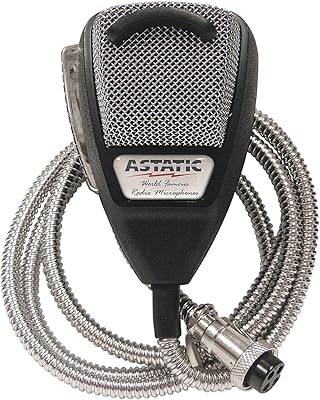
Astatic 636LSE Noise Canceling CB Microphone
80%
83%
Noise Cancellation Performance
88%
Build Quality
81%
Audio Clarity & Transmission Quality
71%
Connector & Compatibility
84%
Push-to-Talk Button
More
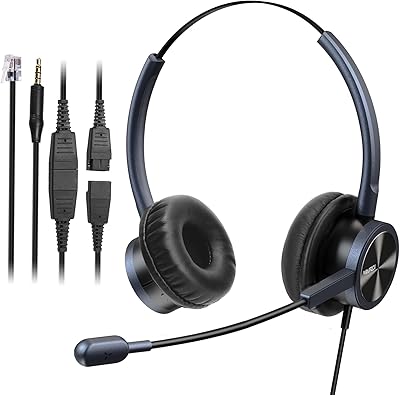
MAIRDI M809DBQD002C Telephone Headset with Noise Canceling Microphone
85%
89%
Comfort
91%
Noise Cancellation
83%
Build Quality
72%
Durability
77%
Microphone Performance
More
Dobuhont D90-2K Webcam
75%
83%
Image Clarity
61%
Low-Light Performance
68%
Microphone Quality
59%
Build Quality
78%
Privacy Cover
More
IPD IPH-160 Monaural Phone Headset
81%
88%
Call Audio Clarity
83%
Microphone Quality
84%
Wearing Comfort
79%
Build Quality & Durability
91%
Acoustic Shock Protection
More
awatrue EH05-U USB Headset
78%
83%
Microphone Clarity
74%
Comfort & Wearability
78%
Build Quality
66%
Audio Playback Quality
94%
Ease of Setup
More
Callez C800E1 Headset
78%
82%
Microphone Clarity
88%
Wearing Comfort
63%
Build Quality
91%
Value for Money
67%
Noise Cancellation
More
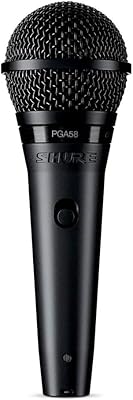
Shure PGA58
Shure PGA58
86%
93%
Build Quality
86%
Vocal Clarity
89%
Feedback Rejection
96%
Value for Money
84%
Switch Design
More
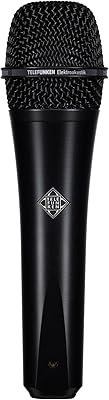
TELEFUNKEN M80 Dynamic Microphone
89%
94%
High-Frequency Clarity
96%
Build Quality & Durability
92%
Off-Axis Noise Rejection
91%
Vocal Cut & Presence
89%
Feedback Resistance
More
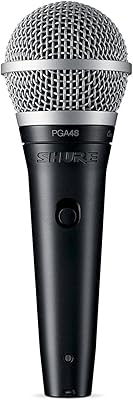
Shure PGA48-XLR
Shure PGA48-XLR
83%
93%
Build Quality
86%
Vocal Clarity
91%
Value for Money
82%
Feedback Rejection
74%
Handling Noise
More
Audix OM5 Dynamic Vocal Microphone
84%
92%
Sound Clarity
88%
Build Quality
90%
Durability
80%
Ease of Use
85%
Noise Isolation
More

FAQ

Most Cobra radios use a standard 4-pin connector, so the RK56B should plug right in without any adapter. That said, connector pinouts can vary between older and newer Cobra models, so it's worth double-checking your specific radio's pin configuration before ordering.

It makes a real, noticeable difference for typical cab noise like engine rumble, road hiss, and HVAC fan noise. That said, dynamic noise canceling has limits — if you're driving with the windows down at highway speed or your exhaust is extremely loud, some bleed-through is still possible. It's a meaningful upgrade over a stock mic, but it's not a total silence filter.

Yes, most Uniden CB radios also use the standard 4-pin connector format that this mic is built around. As always, confirm your radio's connector type matches before purchasing, since a small number of Uniden models have used different configurations over the years.

It's a straight flexible cord, not a coiled one. Some drivers prefer coiled cords for easier cable management in the cab, so if that's a priority for you, it's worth knowing upfront.

Yes, the 2-position slide switch is large enough and positioned well enough that most drivers report using it comfortably with standard work gloves on. It's one of the more practical design details on this mic.

No, it's completely passive — no batteries required. It draws no power from your radio either, so you don't need to worry about it affecting your radio's power draw or requiring any special setup.

Most users report a clear improvement in transmitted audio clarity compared to bundled OEM microphones. The stock mics that ship with entry-level CB radios are generally pretty basic, so the step up in voice intelligibility is something other drivers on the channel tend to notice right away.

The Cycolac ABS housing is solid for a mobile mic — it handles drops, vibration, and the general wear of cab life reasonably well. Long-haul drivers have reported the build holding up over years of regular use. It won't feel as premium as a metal-bodied mic, but it's built for function, not show.

For most radios it fits securely, but a small number of users have reported a slightly loose fit on certain older radio models. If you notice any signal dropout after installation, reseating the connector or checking the radio's socket for wear is usually the first troubleshooting step.

It's technically listed as compatible with select smartphones, though in practice you'd need an appropriate adapter and the audio quality is optimized for voice radio, not general audio use. For CB radio communication, it's purpose-built and works well; for other uses, there are better-suited options.

Where to Buy