Overview

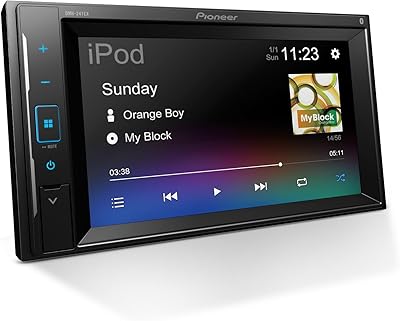
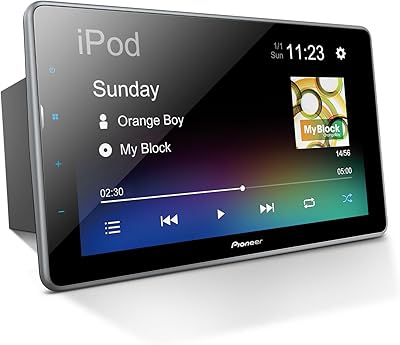
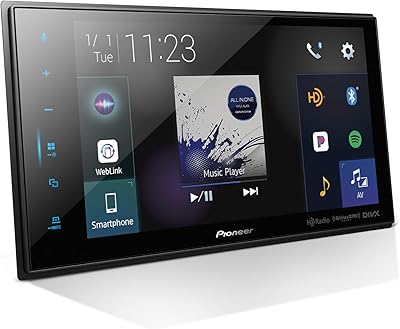
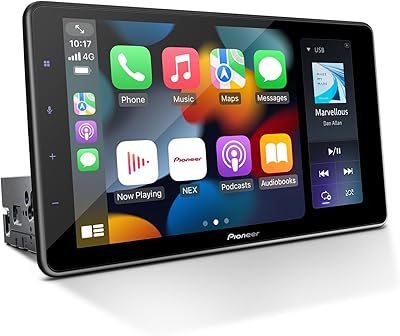
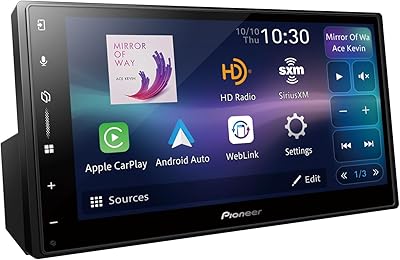
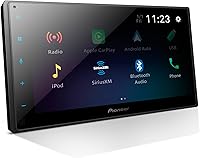
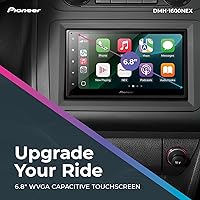
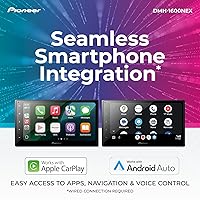
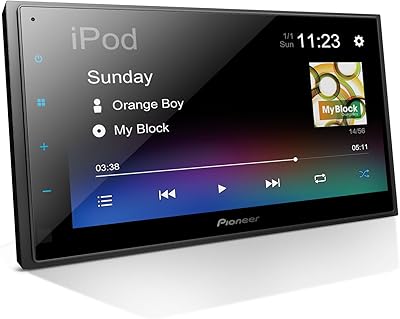
The Pioneer DMH-1600NEX is Pioneer's answer to the growing demand for smartphone-friendly head units that don't require spending flagship money. At the heart of the experience is a 6.8-inch capacitive touchscreen — noticeably larger and more responsive than the displays found on most factory or budget aftermarket units. Wired Apple CarPlay and Android Auto are the real draw here, giving phone-dependent drivers a familiar, reliable interface for navigation and audio without fumbling with mounts or separate apps. This is not a wireless CarPlay unit, and it isn't aimed at audiophiles. Think of it as a capable daily driver — one that covers the essentials well and sits comfortably in the mid-range tier.

Features & Benefits

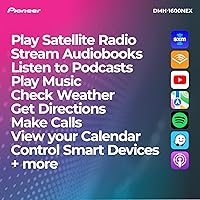
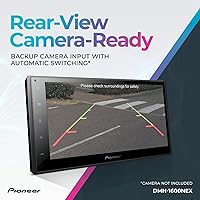
The wired CarPlay and Android Auto connection stays rock-solid — no dropouts, no pairing delays, just plug in and go. Hands-free calling works independently through built-in Bluetooth and a dedicated external microphone, so call quality doesn't suffer even when your phone is busy projecting maps. The 13-band equalizer lets you tune sound to your specific cabin rather than relying on a one-size-fits-all preset, which makes a genuine difference in vehicles with awkward acoustics. Back up, and the receiver switches automatically to a full-screen rear camera view with adjustable parking guidelines. SiriusXM compatibility and 5.1-channel output round out a feature set that sits well above entry-level territory without overcomplicating daily use.

Best For

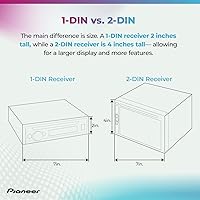
This head unit makes the most sense for daily commuters who live inside Apple Maps, Google Maps, or Waze — the large screen and reliable wired connection make phone navigation far more usable than a dashboard mount ever could. It's also a natural fit for anyone replacing a tired factory radio who wants modern smartphone integration without paying for a flagship unit. If you're planning to add a backup camera later, the rear-camera input means you won't need to upgrade again. The standard 2-DIN form factor makes it a straightforward swap in most vehicles, though anyone who hasn't tackled a head unit install before should honestly consider having it professionally fitted.

User Feedback

Across a large pool of owner reviews, the most consistent praise centers on screen clarity and the smoothness of the CarPlay connection — buyers upgrading from aging factory radios are frequently surprised by how significant the improvement feels day to day. Sound quality earns positive marks as well, especially from drivers who invest time in the equalizer settings. The most cited limitation is the wired-only phone connection, which buyers coming from vehicles with wireless support tend to feel immediately. Installation feedback skews positive among experienced DIYers, but some first-timers found the wiring more involved than anticipated. A small number of users noted occasional Bluetooth pairing hiccups — worth acknowledging, though they appear isolated rather than a consistent flaw.

Pros

  • Wired CarPlay and Android Auto connection is consistently reliable with no lag or random dropouts.
  • The 6.8-inch touchscreen is a major visible upgrade over most factory and entry-level aftermarket displays.
  • Built-in Bluetooth with an external microphone keeps hands-free call quality clear and natural.
  • The 13-band equalizer gives meaningful control over sound tuning for different cabin sizes and speaker setups.
  • Rear camera input with adjustable parking guides makes adding a backup camera straightforward.
  • Standard 2-DIN form factor fits a wide range of vehicles with minimal dash modification.
  • RCA preouts and multiple connectivity inputs give flexibility for future audio system upgrades.
  • SiriusXM-ready design means satellite radio integration requires no adapters if you add a tuner later.
  • H.264 and H.265 video codec support handles a broad range of media files from USB drives without compatibility issues.
  • Strong long-term reliability track record among owners who have used the unit daily for extended periods.

Cons

  • Wired-only CarPlay means plugging in a cable every single drive — no wireless option exists on this unit.
  • Only one rear camera input supported; simultaneous front and rear camera monitoring is not possible.
  • No USB-C port, which increasingly creates friction for users with newer smartphones.
  • SiriusXM tuner is sold separately, adding unexpected cost for buyers who assumed it was included.
  • Firmware updates are not user-friendly and have caused Bluetooth pairing issues for a portion of owners.
  • Built-in amplification reaches its limits quickly when paired with higher-grade aftermarket speakers.
  • No DAB or HD Radio support, leaving digital over-the-air radio unavailable without extra hardware.
  • Single USB port cannot simultaneously charge a phone and play audio from an external drive.
  • Screen glare in direct sunlight draws complaints from buyers in consistently sunny climates.
  • First-time installers frequently underestimate the wiring complexity, particularly for microphone and steering wheel control integration.

Ratings

The Pioneer DMH-1600NEX has been put through its paces by thousands of real buyers — commuters, DIY installers, and everyday drivers upgrading tired factory radios — and our AI-generated scores reflect that breadth of verified global feedback, with spam, bot activity, and incentivized reviews actively filtered out. What emerges is an honest picture: a genuinely strong mid-range head unit with a few real-world trade-offs that matter depending on your priorities. Both the standout strengths and the friction points are represented transparently in every score below.

Smartphone Integration
88%
For drivers who spend their commute inside Apple Maps or Google Maps, the wired CarPlay and Android Auto connection is rock-solid — no random disconnects, no lag on map redraws. Buyers consistently note that plugging in feels immediate and the interface mirrors their phone experience without any learning curve.
The wired-only requirement is the one point of friction that comes up repeatedly, especially from users who previously owned vehicles or head units with wireless CarPlay. Running a cable across the cabin is a minor but daily annoyance that some buyers underestimated before purchasing.
Display Quality
84%
The 6.8-inch capacitive screen reads well in most lighting conditions, and touch responsiveness is noticeably snappier than the resistive panels found on older or cheaper units. Drivers upgrading from a small factory display frequently call out the size jump as an immediate, tangible improvement.
Glare in direct sunlight remains a complaint in warmer climates, and a handful of users feel the resolution, while acceptable, falls short of the crispness found on higher-end competitors in the same broad price bracket. It is a solid display, but not a standout one.
Audio Performance
79%
21%
The 13-band equalizer gives genuinely useful control over cabin acoustics — users who spend time dialing in settings for their specific speaker setup report a clear improvement over any factory radio they replaced. EQ presets also work reasonably well for those who prefer a quicker setup.
This is not a head unit for serious audio enthusiasts. The built-in amplification is average, and buyers with higher-end component speakers tend to note that a separate external amp is needed to get the most from it. Expect a solid upgrade over stock, not a high-fidelity reference experience.
Bluetooth & Hands-Free Calling
73%
27%
The included external microphone makes a real difference during phone calls — passengers rarely complain about voice clarity, and the caller-side audio comes through the speakers cleanly. Bluetooth pairing is straightforward on initial setup and works independently from CarPlay, which is a practical advantage.
A consistent minority of users report intermittent Bluetooth pairing issues after software updates or when switching between multiple paired devices. It is not a widespread flaw, but it surfaces just often enough across reviews to flag as a known quirk rather than a one-off.
Rear Camera Compatibility
82%
18%
The automatic camera switch on reverse is responsive, and the adjustable parking guide lines work well in tight parking scenarios. Drivers who added an aftermarket backup camera alongside this head unit consistently praise how intuitive the setup is, even when wiring it in themselves.
Only one camera input is supported, which limits buyers who want both a front and rear camera running simultaneously. The camera itself is not included, so the total cost of a complete backup camera solution is higher than the head unit price alone suggests.
Ease of Installation
71%
29%
The standard 2-DIN form factor fits a wide range of vehicles without adapters, and experienced DIY installers generally describe the wiring harness and menus as straightforward. Plenty of online resources and community walkthroughs exist specifically for this unit, which lowers the learning curve meaningfully.
First-time installers run into trouble more often than the product listing implies. Microphone routing, camera wiring, and steering wheel control integration all add complexity, and a few buyers reported spending significantly longer than anticipated. Professional installation is a genuine recommendation here, not just a formality.
Interface & Menu Navigation
81%
19%
The home screen layout is clean and logical, and switching between sources — Bluetooth audio, USB, CarPlay — takes only a tap or two. Most users pick up the menu structure within a day of driving, which matters when you are adjusting settings at a red light rather than in a parked car.
The settings menus for equalizer and camera calibration are buried a few layers deep, which becomes tedious if you revisit them often. A small number of users also found the default icon sizing on the home screen less customizable than they expected for a unit at this tier.
Build Quality & Fit
76%
24%
The unit seats firmly in a standard DIN bay without rattles, and the bezel finish holds up well against daily vibration and temperature swings. At 2.4 pounds, it installs without stressing the dash cavity, and the physical buttons along the lower edge provide a tactile backup when the screen is harder to reach.
The plastic trim around the screen looks and feels adequate rather than premium up close. Buyers comparing it directly to higher-end units from Kenwood or Sony in person sometimes note the material quality gap, even if it poses no functional problem in normal use.
Value for Money
86%
Relative to what this head unit delivers — large touchscreen, reliable CarPlay and Android Auto, Bluetooth calling, backup camera support, and a capable equalizer — the price lands in a genuinely competitive position for the mid-range segment. Most buyers feel the feature-to-dollar ratio holds up well after living with it for a few months.
The absence of wireless CarPlay and the single camera input are the two features buyers most frequently cite when questioning whether the price is fully justified, particularly as wireless-capable rivals inch closer to the same price point. It still represents fair value, but the gap is narrowing.
SiriusXM Readiness
67%
33%
For drivers who subscribe to SiriusXM, having native support built in means no third-party adapters and a cleaner integration with the head unit interface. The tuner compatibility is broad, and setup is described as uncomplicated once the external tuner is connected.
The SiriusXM tuner is sold separately, adding meaningful cost to what buyers might assume is a turnkey feature. Users who discovered this only after purchase felt the listing undersells the additional investment required, making this more of a readiness feature than a ready-out-of-box one.
Wiring & Connectivity Options
78%
22%
The RCA preouts, USB Type-A port, and 3.5mm input give real flexibility for connecting amplifiers, external drives, and auxiliary sources without adapters. Buyers running a more complex audio setup appreciate that the outputs are laid out accessibly rather than buried in awkward positions.
The single USB port can feel limiting when buyers want to charge a phone and play audio from a drive simultaneously. There is no USB-C port, which is increasingly expected as phones move away from USB-A cables, and a few users have already flagged this as a friction point for daily use.
Reliability Over Time
77%
23%
The majority of long-term owners — those who have used the unit daily for six months or more — report no hardware failures or significant software degradation. Pioneer's track record in the car audio segment gives buyers reasonable confidence in the unit holding up through seasonal temperature extremes.
Isolated firmware-related issues, particularly around Bluetooth behavior after updates, create some unease among buyers who are not comfortable navigating manual firmware reinstalls. Pioneer's firmware update process is not the most user-friendly, and a small number of units have needed a reset to restore normal function.
Audio Source Flexibility
80%
20%
Switching between USB playback, Bluetooth streaming, CarPlay audio, and AM/FM happens quickly without awkward mode lag. H.264 and H.265 video codec support means the unit handles a broad range of media file types from a connected drive without compatibility surprises on less common formats.
There is no built-in DAB or HD Radio support, which matters to listeners in markets where digital radio is standard. Buyers in those regions need to factor in an additional tuner module or accept that over-the-air digital stations are not natively accessible.

Suitable for:

The Pioneer DMH-1600NEX is a strong match for daily commuters whose driving life revolves around smartphone navigation — people who spend their mornings in Apple Maps or Waze and want that experience displayed on a proper 6.8-inch screen rather than a phone wedged in a vent mount. It makes particular sense for drivers replacing a tired factory radio in an older vehicle that never came with built-in smartphone integration, since the standard 2-DIN form factor drops into most common dash configurations without major modification. If you're planning to add a backup camera down the road, this head unit handles that upgrade cleanly with a dedicated rear camera input and adjustable parking guides already built in. Confident DIY installers with some prior wiring experience will find the install manageable, and the broad connectivity options — RCA preouts, USB, 3.5mm — make it a workable foundation for a more complete audio system over time. Buyers who are comfortable with a wired CarPlay connection and don't need wireless convenience will find this head unit punches well above what most factory or budget aftermarket units offer at this price point.

Not suitable for:

The Pioneer DMH-1600NEX is not the right call for drivers who have grown accustomed to wireless CarPlay and don't want to deal with a cable every time they get in the car — that convenience gap is real, and rival units at a similar price are beginning to close it. Serious audio enthusiasts running high-end component speakers and external amplifiers may also find the built-in amplification underwhelming; this head unit is a meaningful step up from factory radios, but it is not a high-fidelity audio hub, and it will expose the ceiling of its output when paired with demanding speaker setups. Buyers who want simultaneous front and rear camera monitoring will hit a wall quickly, since only one camera input is supported. Those looking for DAB or HD Radio out of the box — particularly buyers in European markets — will need to factor in additional hardware, as neither is included. And if you have never installed a head unit before and aren't prepared to pay for professional fitting, the wiring complexity around the microphone, camera, and steering wheel controls can turn what looks like a simple Saturday job into a frustrating multi-hour project.

Specifications

  • Screen Size: Features a 6.8″ WVGA capacitive touchscreen display with full-screen rear camera viewing support.
  • Form Factor: Standard double-DIN (2-DIN) chassis, compatible with a wide range of vehicle dash configurations.
  • Dimensions: The unit measures 4.88″ deep by 7″ wide by 3.88″ tall, fitting standard 2-DIN dash openings.
  • Weight: The head unit weighs 2.4 pounds, making it easy to handle during installation without stressing the dash bay.
  • Apple CarPlay: Supports wired Apple CarPlay only; wireless CarPlay is not available on this model.
  • Android Auto: Supports wired Android Auto only; a physical USB connection to the phone is required at all times.
  • Bluetooth: Built-in Bluetooth is included with a dedicated external microphone for hands-free calling independent of phone projection.
  • Equalizer: A 13-band parametric equalizer with multiple preset modes allows precise audio tuning to match cabin acoustics.
  • Audio Output: Supports 5.1-channel surround sound output via RCA preouts for integration with external amplifiers and processors.
  • Camera Input: Includes one rear-view camera input with customizable parking line overlay and automatic display switching on reverse.
  • Connectivity: Offers USB Type-A, 3.5mm auxiliary jack, and RCA connections for flexible source and amplifier integration.
  • SiriusXM: SiriusXM-ready design supports a compatible external SiriusXM tuner, which is sold separately.
  • Video Codecs: Supports H.264 and H.265/HEVC video encoding for broad compatibility with media files played from USB storage.
  • Brand & Model: Manufactured by Pioneer under model number DMH-1600NEX, first available in March 2025.
  • Amazon Ranking: Holds a Best Sellers Rank of number 21 in Car Audio Receivers and number 4,060 in Electronics on Amazon.
  • User Rating: Carries an average rating of 4.2 out of 5 stars based on over 1,000 verified Amazon ratings at time of listing.

Related Reviews
Pioneer DMH-342EX Digital Multimedia Receiver
84%
85%
Audio Quality
91%
Bluetooth Performance
88%
Ease of Use
84%
Display Clarity
89%
Voice Control (Alexa)
More
Pioneer DMH-WT3800NEX 9″ Floating Touchscreen Receiver
86%
88%
Connectivity
92%
User Interface
87%
Installation Ease
90%
Wireless Apple CarPlay
70%
Display Visibility
More
Pioneer DMH-T450EX 9″ Capacitive Touchscreen Receiver
85%
88%
Touchscreen Responsiveness
91%
Audio Quality
85%
Bluetooth Connectivity
78%
Alexa Integration
82%
Camera Compatibility
More
Pioneer DMH-241EX
Pioneer DMH-241EX
75%
88%
Sound Quality
91%
FLAC & Audio Format Support
61%
Touchscreen Responsiveness
83%
Bluetooth Performance
86%
Ease of Installation
More
Pioneer DMH-C5500NEX 8″ Capacitive Touchscreen Receiver
83%
92%
Smartphone Integration
88%
Audio Quality
75%
Ease of Installation
85%
Build Quality
90%
Alexa Integration
More
Pioneer DMH-130BT 6.8″ Double Din Receiver
86%
83%
Bluetooth Connectivity
89%
Ease of Installation
88%
Voice Control via Alexa
87%
Display Clarity
91%
Rear Camera Compatibility
More
Pioneer DMH-W3050NEX 6.8″ Touchscreen Car Receiver
84%
91%
Ease of Smartphone Integration
88%
Touchscreen Quality
87%
Bluetooth Connectivity
85%
Audio Quality (HD Radio & Streaming)
90%
Rear View Camera Compatibility
More
Pioneer MVH-S320BT
Pioneer MVH-S320BT
86%
88%
Ease of Installation
91%
Bluetooth Connectivity
89%
Smartphone Integration
80%
Sound Quality
85%
Touchscreen Usability
More
Pioneer DEH-S1200UB
Pioneer DEH-S1200UB
89%
94%
Sound Clarity
87%
Ease of Installation
90%
Build Quality
88%
Connectivity Options
92%
USB & AUX Compatibility
More
Pioneer TS-MR1640 Marine Speakers
87%
87%
Sound Quality
94%
Durability
90%
Ease of Installation
73%
Bass Performance
88%
Value for Money
More

FAQ

The Pioneer DMH-1600NEX supports wired CarPlay and Android Auto only — your phone needs to be connected via USB cable every time you want to use phone projection. There is no wireless option on this model, so if wireless CarPlay is a priority for you, you will need to look at a different unit.

This head unit uses a standard 2-DIN form factor, which fits a very wide range of vehicles. That said, many cars require a vehicle-specific dash kit and wiring harness adapter to mount it cleanly and connect it to the factory wiring. A quick search of your vehicle year, make, and model on any car audio retailer's site will tell you exactly which adapter you need before you buy.

If you have installed a head unit before and are comfortable routing wiring and reading a wiring diagram, this is a manageable DIY project. If you have never done it, though, the combination of microphone placement, camera wiring, and steering wheel control integration adds up faster than expected. Professional installation is genuinely worth considering for first-timers — it avoids the risk of wiring mistakes that can affect audio or electrical systems.

This head unit accepts input from most standard aftermarket backup cameras that output a composite video signal — the same standard connector that the vast majority of parking cameras use. The camera is not included in the box, so you will need to purchase one separately. Once connected, the receiver switches to the camera view automatically when you shift into reverse and displays your customizable parking guidelines.

No, this unit only has a single camera input, which is designed for a rear-view camera. If you need simultaneous front and rear camera monitoring, you would need to look at a head unit with multiple camera inputs or use a camera switcher module.

The included external microphone makes a noticeable difference compared to head units that rely on a microphone built into the unit itself. Call quality is generally rated positively by owners, with callers on the other end rarely complaining. A small number of users have reported intermittent pairing hiccups after firmware updates, but these appear to be isolated incidents rather than a consistent hardware issue.

Neither is included. The head unit is SiriusXM-ready, meaning it has the software support to work with satellite radio, but you need to purchase a compatible SiriusXM tuner module separately and also subscribe to a SiriusXM plan. Think of the SiriusXM-ready label as compatibility, not a bundle.

The 13-band parametric equalizer is one of the more practically useful features on this head unit, especially if your car has an unconventional speaker placement or you are running aftermarket speakers in factory locations. Owners who take the time to dial in the settings report a genuinely noticeable improvement in clarity and bass balance. The presets are a decent starting point if you want results quickly without getting into manual tuning.

Visibility is reasonable in most conditions, but direct overhead sunlight — particularly in warmer, sunny climates — does produce glare that some users find frustrating. It is a common limitation at this display tier and is worth knowing going in, especially if your parking situation means the screen faces direct sun frequently.

The unit has a single USB Type-A port that supports flash drives and smartphones for both media playback and CarPlay or Android Auto. There is no USB-C port, which means users with newer Android phones or recent iPhone models will need a USB-C to USB-A cable or adapter to connect. You also cannot charge your phone and play audio from a USB drive at the same time through this single port.