Overview

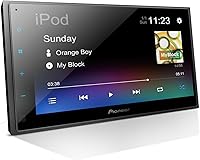
The Pioneer DMH-130BT 6.8″ Double Din Car Receiver sits squarely in the practical middle of the car audio market — not an entry-level throwaway, but not a luxury unit chasing audiophiles either. Pioneer has been a trusted name in car audio for decades, and this head unit carries that credibility into everyday driver territory. The 6.8-inch resistive touchscreen dominates the dash presence, offering a large viewing area at a reasonable price. One underrated detail: the short chassis design makes it compatible with vehicles that have shallower-than-average dash cavities, saving installers a real headache. Expect a solid daily driver upgrade, not a showpiece.
Features & Benefits

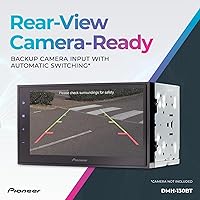
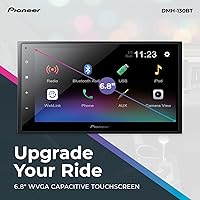
Built-in Bluetooth handles both hands-free calling and wireless audio without requiring any extra hardware — the baseline expectation for a unit in this class. What stands out more is the backup camera input: pair it with any compatible third-party camera and you get a genuinely useful safety upgrade without jumping to a pricier model. The DMH-130BT also supports FLAC files over USB, so lossless audio plays back without quality degradation. The Alexa feature deserves a candid note — it works through two separate apps, Vozsis and Weblink, and requires your phone to stay connected, making it a bonus rather than a core function. Steering wheel control compatibility and a four-channel amplifier round out a well-stocked feature list.

Best For

This double din receiver makes the most sense for drivers ditching a worn-out or barebones factory stereo. Commuters who spend real time on the road will appreciate the reliable Bluetooth connection for calls and music without fumbling with a phone. If your vehicle has a shallow dash cavity, the compact chassis is more than a spec footnote — it can be the difference between a clean install and a frustrating one. Anyone prioritizing backup camera capability at this price point will find it a practical fit. It is also a reasonable pick for drivers who want a recognized brand with a broad install community behind it, making troubleshooting and guidance far easier to find.

User Feedback

Owners broadly agree that Bluetooth performance is reliable and the display reads well even in bright daylight — two wins that matter on a daily commute. Installation gets consistent high marks, particularly among buyers who have done a head unit swap before. On the critical side, the resistive touchscreen requires a deliberate press rather than the light tap you get on a capacitive display, which takes some adjustment. Alexa setup frustrates a portion of buyers who find the two-app process cumbersome. A few owners have flagged wiring harness compatibility questions depending on their specific vehicle, so checking fit before purchasing is worth the extra time. Long-term reliability reports are generally positive, though some note occasional app connectivity hiccups.

Pros

  • Bluetooth stays reliably connected on long daily commutes without constant re-pairing.
  • The large 6.8-inch screen is easy to read at a glance in bright daylight.
  • Backup camera input adds genuine parking safety without requiring a premium-tier unit.
  • FLAC and USB playback delivers noticeably cleaner audio than compressed streaming.
  • Short chassis fits vehicles where standard-length head units simply do not clear the dash cavity.
  • Steering wheel control compatibility keeps hands on the wheel without reprogramming hassle.
  • Installation is straightforward enough for first-timers with a basic wiring harness adapter.
  • Over a hundred display illumination options let you match the unit to your vehicle interior.
  • Pioneer's brand support means parts, adapters, and community install guides are easy to find.
  • Audio quality is a clear, noticeable improvement over most factory stereos straight out of the box.

Cons

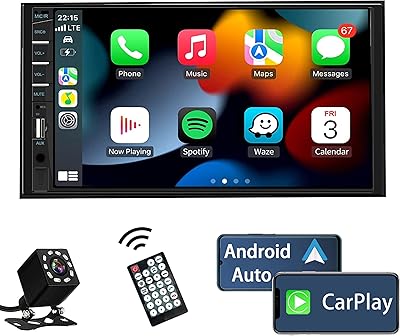
  • No Apple CarPlay or Android Auto support — a hard dealbreaker for phone-mirroring users.
  • The resistive touchscreen requires firm presses, which feels sluggish compared to capacitive displays.
  • Amazon Alexa requires two separate apps and an active phone connection — setup frustrates many buyers.
  • Wiring harness adapters for steering wheel controls are sold separately and vary by vehicle.
  • Built-in EQ and tuning options are too limited for anyone running aftermarket speakers.
  • App-dependent features like Weblink can freeze or drop, requiring phone restarts to recover.
  • No backup camera is included, meaning additional cost on top of the unit purchase.
  • The plastic housing feels less premium than the price point might suggest up close.
  • Media file browsing via USB lacks polish and can feel slow with large music libraries.
  • Harness compatibility questions come up frequently for less common vehicle makes and models.

Ratings

The Pioneer DMH-130BT 6.8″ Double Din Car Receiver earns its place as one of the more talked-about mid-range head units on the market, and these scores reflect what our AI found after combing through thousands of verified global buyer reviews — filtering out incentivized submissions and bot activity to surface what real drivers actually experience. Strengths like Bluetooth dependability and installation ease score high, while friction points around the touchscreen feel and Alexa setup are represented just as honestly.
Bluetooth Performance
88%
Buyers consistently report that the Bluetooth connection holds steady during long commutes without frequent drops or re-pairing headaches. Hands-free call quality gets strong marks, with voice coming through clearly even on highway drives where cabin noise is a real factor.
A small but recurring group of owners note that initial pairing can be finicky on certain Android devices, requiring a full reset before it sticks. Audio streaming latency is occasionally mentioned when switching between apps on older phones.
Touchscreen Responsiveness
67%
33%
The 6.8-inch display is large enough to read at a glance without squinting, and the screen itself is bright enough to stay legible on sunny days. Buyers who previously used resistive screens on older units feel right at home with the input style.
Drivers upgrading from a modern smartphone or a capacitive head unit find the resistive panel noticeably less responsive — it needs a deliberate, firm press rather than a light touch. Gloved use in winter months draws particular complaints about missed inputs.
Installation Experience
91%
The short chassis is a genuine advantage for vehicles with compact dash cavities, and buyers in those situations frequently call it out as a deciding factor. Even first-time installers report finishing the job in under two hours with a basic wiring harness adapter.
A portion of buyers flag that harness compatibility varies by vehicle make, and some need additional adapters not included in the box. The wiring documentation, while present, gets occasional criticism for being harder to follow than expected for a beginner.
Audio Quality
78%
22%
Compared to factory stereos, the DMH-130BT delivers a noticeable step up in clarity and volume headroom, particularly at mid and high frequencies. FLAC and USB playback stands out for owners who keep local music libraries, with noticeably cleaner output than compressed streaming.
Buyers with aftermarket speakers or subwoofers find the built-in tuning options limited compared to higher-end units with full parametric EQ. The four-channel output is adequate for daily listening but not enough to satisfy anyone pushing upgraded components seriously.
Backup Camera Integration
82%
18%
The camera input works reliably with most third-party backup cameras, and buyers who added an affordable camera separately report a genuinely useful safety upgrade. The automatic display switch when reversing works consistently without manual toggling.
No camera is included, which catches some buyers off guard despite the listing being clear about it. Image quality depends entirely on the camera purchased separately, and a few owners report minor lag on budget camera options.
Amazon Alexa Integration
54%
46%
When configured correctly, Alexa voice commands work for basic tasks like navigation requests and music playback, which some commuters find useful for keeping their hands on the wheel. Buyers who already use Alexa-heavy ecosystems tend to rate the feature more favorably.
The setup requires downloading two separate apps — Vozsis and Weblink — and keeping your phone actively connected, which frustrates many buyers expecting a native experience. Multiple reviewers abandoned the feature entirely after struggling through the configuration process.
Display Customization
83%
The ability to match the display illumination to a vehicle's interior lighting is a detail enthusiasts genuinely appreciate, especially in trucks and SUVs with distinctive ambient lighting. Over a hundred illumination combinations give enough range that most drivers find a setting they like.
The five background color themes feel limited compared to competitors offering full wallpaper uploads or animated themes. A few buyers note that the customization menus are not the most intuitive to navigate on the first pass.
Value for Money
84%
For drivers who need a reliable daily-use upgrade without spending on flagship features they will never use, the price-to-feature ratio holds up well. Pioneer's brand backing adds a layer of confidence that buyers weigh against cheaper no-name alternatives.
At the upper edge of the mid-range bracket, some buyers feel competitors offer capacitive screens or Apple CarPlay at a comparable price point, making the DMH-130BT feel slightly behind on interface technology for the money.
Build Quality & Durability
76%
24%
The unit feels solid in the dash once installed, and long-term owners — some using it well past a year — report no significant hardware failures. The face plate and buttons hold up to regular daily use without noticeable wear.
The plastic housing does not feel particularly premium up close, and a handful of buyers note that the button feedback feels softer than expected for a Pioneer product at this price tier. Reports of software or firmware quirks developing after several months are scattered but present.
Steering Wheel Control Compatibility
79%
21%
The steering wheel control input is a feature commuters rely on heavily, and buyers report it working correctly once paired with the right adapter for their vehicle. Keeping volume and track controls on the wheel without reprogramming is a quality-of-life improvement many owners highlight.
The required adapter is not included and must be sourced separately, adding to the total install cost. Compatibility varies by vehicle, and buyers with older or less common makes occasionally report partial functionality even with a purchased adapter.
USB & Media Playback
86%
FLAC support is a genuine differentiator for buyers with curated local libraries, and USB playback is described as fast and stable across a wide range of drives and file sizes. AM/FM reception also draws positive mentions from drivers in areas with reliable broadcast coverage.
There is no support for Apple CarPlay or Android Auto, which is a hard stop for buyers who rely on phone mirroring for navigation. Media organization and search via USB is functional but lacks the polish of units with more advanced file browsing interfaces.
Screen Visibility & Brightness
81%
19%
Daytime visibility is one of the more praised aspects, with buyers noting the display stays readable in direct sunlight without needing to manually crank brightness. The large screen size makes glanceable use safer while driving.
Night brightness at lower settings can feel inconsistent, and a few buyers note a slight color shift depending on viewing angle. Anti-glare performance in low sun conditions, particularly at dawn or dusk, gets mixed responses.
App & Software Stability
63%
37%
For buyers who stick to core functions — Bluetooth audio, USB playback, and AM/FM — the software runs without issue and the interface is stable day to day. Pioneer's established firmware base means basic operations rarely cause problems.
App-dependent features like Alexa and Weblink are where stability complaints concentrate, with users reporting freezes and dropped connections that require phone restarts to resolve. Firmware update options for addressing these issues are limited compared to connected smart devices.
Physical Footprint & Fit
85%
The short chassis legitimately solves a problem for specific vehicles where longer units simply do not fit, and buyers in that situation are notably satisfied with the physical compatibility. The unit slots cleanly into standard double DIN openings across a wide range of popular vehicle models.
For vehicles without depth constraints, the short chassis offers no advantage, so buyers should not treat it as a universal benefit. A small number of owners report minor panel gap issues depending on the specific trim kit used for their dash.

Suitable for:

The Pioneer DMH-130BT 6.8″ Double Din Car Receiver is a strong match for everyday drivers who are tired of a stock stereo that barely handles Bluetooth or lacks a camera input. If your commute involves a lot of hands-free calls, wireless music, and the occasional reverse into a tight parking spot, this head unit covers all of that without asking you to spend on features you will never use. It is particularly well-suited for vehicles with shallower dash bays where longer units physically will not fit — that short chassis is a real practical win in those cases, not just a marketing point. Buyers who want a recognizable, well-supported brand with a large online install community will also feel comfortable here, since troubleshooting help and compatible accessories are easy to find. If you keep a local music library in lossless formats and want it to actually play back properly in the car, the FLAC and USB support makes this a sensible pick at the price.

Not suitable for:

The Pioneer DMH-130BT 6.8″ Double Din Car Receiver is not the right call if Apple CarPlay or Android Auto is a must-have — neither is supported, and no firmware update is going to change that. Drivers who rely on phone mirroring for navigation or app integration should look one tier up where that feature becomes standard. Anyone expecting the touchscreen to feel like a modern smartphone will be disappointed; the resistive panel requires deliberate presses, and that friction is a genuine daily annoyance for some users. If you are building a serious audio system with aftermarket speakers and a subwoofer, the tuning options here will feel limiting fairly quickly. And if the Amazon Alexa pitch is a key reason you are considering this unit, know going in that the setup involves two separate apps, requires your phone to stay connected, and is genuinely cumbersome to configure — it is not a built-in smart assistant experience by any stretch.
Specifications

  • Screen Size: Features a 6.8″ resistive touchscreen display that requires a deliberate press to register input, unlike capacitive panels used in smartphones.
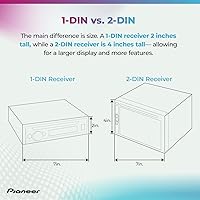
  • Form Factor: Double DIN short chassis design measures 4.38 x 7 x 3.88 inches, making it compatible with vehicles that have shallower-than-average dash cavities.
  • Item Weight: The unit weighs 2.4 pounds, which is typical for a double DIN receiver of this size and component set.
  • Amplifier Output: Delivers 50 watts across four channels, providing adequate volume headroom for factory speaker replacements and moderate aftermarket setups.
  • Bluetooth: Built-in Bluetooth supports both hands-free calling and wireless audio streaming from iOS and Android smartphones without additional hardware.
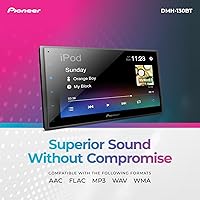
  • Audio Formats: Supports FLAC lossless audio, standard stereo, and AM/FM radio tuning, covering both local media playback and broadcast reception.
  • Camera Input: Includes a dedicated RCA rear-view camera input that automatically activates the display when the vehicle is shifted into reverse; camera is sold separately.
  • Voice Assistant: Amazon Alexa functionality is available via the Vozsis and Weblink smartphone apps, requiring an active phone connection to operate.
  • Steering Wheel Control: Compatible with factory steering wheel audio controls via a dedicated input, though a separate vehicle-specific adapter is required and not included.
  • Display Colors: Offers five selectable display color themes and over 100 unit illumination options for matching the head unit to a vehicle's interior lighting.
  • Connectivity: Connectivity options include USB, RCA, and Bluetooth, covering wired media playback, external device integration, and wireless smartphone pairing.
  • Video Encoding: Supports H.264 and H.265/HEVC video encoding formats for compatible video playback through connected sources.
  • Channel Config: Supports 5.1 surround sound channel configuration for compatible audio sources and speaker setups.
  • Compatible Devices: Works with both Apple iOS and Android smartphones for Bluetooth pairing, app-based features, and media control.
  • Brand & Model: Manufactured by Pioneer under model number DMH-130BT, a brand with a long-standing presence in the consumer car audio market.

Related Reviews
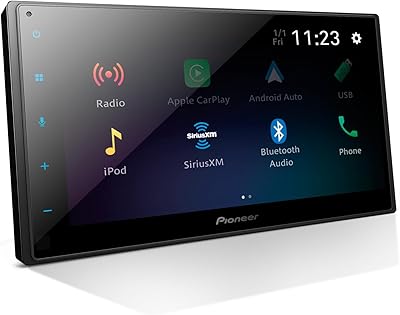
Pioneer DMH-1600NEX
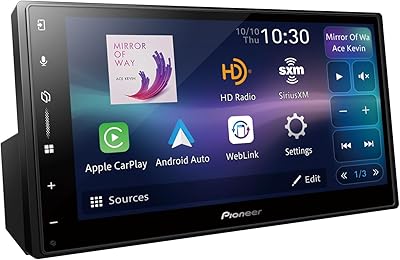
Pioneer DMH-1600NEX
79%
88%
Smartphone Integration
84%
Display Quality
79%
Audio Performance
73%
Bluetooth & Hands-Free Calling
82%
Rear Camera Compatibility
More
Pioneer DMH-W3050NEX Double Din Multimedia Receiver
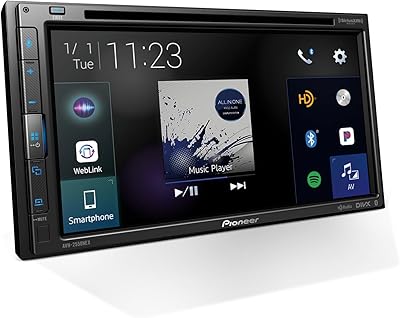
78%
88%
Wireless CarPlay Performance
71%
Android Auto Compatibility
91%
Touchscreen Responsiveness
86%
Audio Output Quality
82%
HD Radio Reception
More
Pioneer AVH-2550NEX Double-Din Car AV Receiver
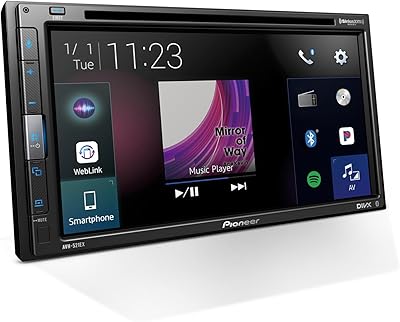
75%
91%
Touchscreen Responsiveness
84%
CarPlay & Android Auto
88%
Audio Output Quality
86%
Build & Hardware Quality
72%
Bluetooth Reliability
More
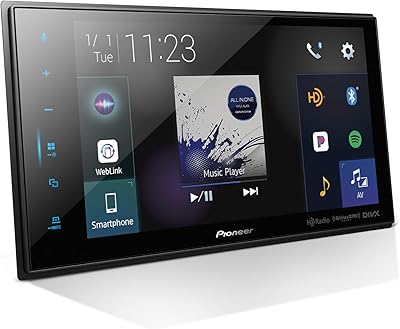
Pioneer AVH-521EX Double-Din DVD Receiver
74%
88%
Sound Quality
61%
Touchscreen Responsiveness
84%
Bluetooth Performance
86%
Media Format Support
79%
Backup Camera Integration
More
Pioneer DMH-C5500NEX Digital Media Receiver
78%
93%
Modular Installation Design
89%
Wireless Apple CarPlay
67%
Android Auto Connectivity
86%
Touchscreen Quality
91%
Sound Customization
More
Pioneer FH-S722BS Double-DIN CD Receiver
74%
76%
Bluetooth Performance
78%
Sound Quality
81%
Ease of Installation
83%
Value for Money
69%
User Interface & Controls
More
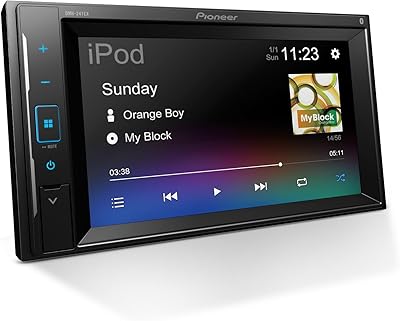
Pioneer DMH-241EX
Pioneer DMH-241EX
75%
88%
Sound Quality
91%
FLAC & Audio Format Support
61%
Touchscreen Responsiveness
83%
Bluetooth Performance
86%
Ease of Installation
More
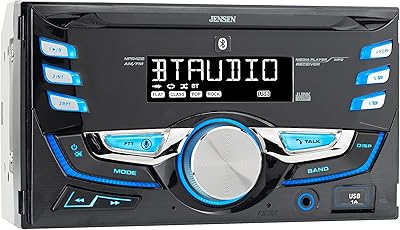
Jensen MPR420 7 Character LCD Double DIN Car Stereo Receiver
85%
92%
Value for Money
87%
Bluetooth Performance
91%
Ease of Use
85%
Sound Quality
88%
Display Clarity
More
SJOYBRING JOY-W021 7″ Double Din Car Stereo
74%
83%
Wireless Connectivity
74%
Touchscreen Responsiveness
81%
Audio Output & Subwoofer Support
86%
Display Quality
58%
Installation Experience
More
ABSOSO Single Din Car Radio Receiver
84%
88%
Bluetooth Performance
84%
Sound Quality
90%
Ease of Installation
86%
Connectivity Options
82%
Display Clarity
More

FAQ

No, neither Apple CarPlay nor Android Auto is supported on the Pioneer DMH-130BT 6.8″ Double Din Car Receiver. If phone mirroring or app integration via those platforms is important to you, you will need to look at a higher-tier unit. This receiver handles Bluetooth audio and hands-free calling well, but it does not mirror your phone screen natively.

No, the unit includes the camera input but does not come with a camera. You need to purchase a compatible rear-view camera separately and connect it via the RCA input on the back of the unit. The good news is that most affordable third-party backup cameras are compatible, and the display switches to the camera view automatically when you shift into reverse.

It is not truly built in. To use Alexa, you need to download two separate apps on your phone — Vozsis and Weblink — and keep your phone connected while driving. It routes Alexa through your smartphone rather than operating independently. It works for basic commands once set up, but the process is more involved than most buyers expect, and some find it not worth the hassle.

A capacitive screen, like on a modern smartphone, responds to the lightest fingertip touch. A resistive screen, which this unit uses, requires a more deliberate, firm press to register input. It works fine, but if you are used to casually tapping a phone screen, the difference is noticeable. Gloved use in colder months can also be less reliable on resistive displays.

The short chassis refers to the depth of the unit behind the dash panel, which measures just under 4.4 inches. Most standard double DIN bays accommodate it fine, but it is specifically useful in vehicles where the dash cavity is shallower than average — certain trucks, older Japanese imports, and some European vehicles are common examples. Before purchasing, it is worth measuring your dash depth or checking a vehicle compatibility tool using your make and model.

Yes. The DMH-130BT has a steering wheel control input, but you will need a vehicle-specific interface adapter to bridge your car's steering wheel controls to the unit. These adapters are sold separately, typically run between 15 and 40 dollars depending on the brand, and are widely available. Make sure to check compatibility with your specific vehicle before ordering one.

Yes, USB playback is fully supported. The unit handles FLAC files for lossless audio, which is a genuine advantage if you keep a high-quality local library. Standard formats like MP3 are also supported. Just plug in a USB drive and browse through your files directly from the screen.

For most people with basic mechanical confidence, yes. The unit slots into a standard double DIN opening, and wiring is straightforward with a vehicle-specific harness adapter — available for most popular makes online for under 20 dollars. Plenty of buyers report completing the install in under two hours. If your vehicle has more complex wiring or a factory amplified system, professional installation is worth considering.

Most buyers notice a clear improvement over a stock head unit, particularly in clarity, detail, and overall volume range. The four-channel amplifier output gives you enough headroom to drive a decent set of replacement speakers effectively. It is not going to satisfy a serious audio enthusiast running a dedicated amplifier and subwoofer, but for a well-rounded daily listening upgrade, the improvement over factory is real and noticeable.

Hardware reliability is generally solid based on owner reports, with most users running it without issues well past a year of daily use. The more common complaints center on app-based features like Weblink freezing or requiring phone restarts after extended sessions — rather than the unit itself failing. Sticking to core functions like Bluetooth, USB, and AM/FM tends to produce the most stable long-term experience.

Where to Buy