Overview

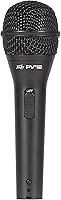
The Peavey PVi 2 Dynamic Vocal Microphone is a budget-conscious entry point from one of America's most enduring live sound brands — a company building stage gear since the 1960s. This Peavey dynamic mic competes in a crowded segment alongside options like the Behringer XM8500, but carries genuine brand heritage behind it. It ships with a 20-foot XLR cable included, so you can plug in and get going without a separate purchase. The alloy steel body feels more solid than you might expect at this price point, and the cardioid polar pattern is a practical choice for anyone performing in noisy or less-than-ideal acoustic environments.

Features & Benefits

The PVi 2 uses a cardioid unidirectional pattern that focuses on what is directly in front of it and pushes stage bleed and background noise to the sides — genuinely useful if you are performing without acoustic treatment. The on/off switch built into the handle is a small but welcome touch; no more waving at a sound engineer across a crowded stage when you need a quick mute. A 78 dB signal-to-noise ratio is respectable for a dynamic mic in this class, and because it is a dynamic design, it requires no phantom power, making it compatible with virtually any mixer or audio interface right out of the box.

Best For

This entry-level vocal mic makes the most sense for people just stepping into live audio. If you are buying your first XLR microphone for karaoke nights, an open mic, or casual small-venue performances, the PVi 2 checks the right boxes without overcomplicating things. School music programs looking to equip multiple students on a limited budget will appreciate the all-in-one packaging. Podcasters and streamers who already own an XLR interface can get solid utility here too. It is not the right pick for anyone chasing studio-quality vocal clarity, but for a functional starter setup — speeches, live vocals, quick demos — it covers the essentials without fuss.

User Feedback

Buyers consistently highlight value for money as the standout quality, with many appreciating that the included cable means they are ready to go immediately. Where opinions diverge is on long-term durability — some users report the cable connector feeling loose after extended use, and the handle switch has attracted a few complaints about reliability over time. Sound quality feedback is broadly positive for live gigging and public speaking, though those who tried it for home recording noted it lacks the crispness of a mid-range dynamic like the Shure SM58. No notable phantom power compatibility issues surfaced, which aligns with its passive dynamic design.

Pros

  • Comes bundled with a 20-foot XLR cable, so beginners can plug in and start performing immediately.
  • The cardioid polar pattern does a decent job rejecting background noise in untreated rooms.
  • Built-in on/off switch lets performers mute quickly without touching the mixer.
  • Alloy steel construction feels more solid than typical plastic-bodied mics at this price.
  • Requires no phantom power, making it compatible with virtually any mixer or interface out of the box.
  • A 78 dB signal-to-noise ratio is genuinely respectable for a dynamic mic in this category.
  • Peavey brand backing offers more credibility than many no-name budget alternatives.
  • Lightweight enough at under 14 ounces to hold comfortably during longer performances.
  • Works well for speech, vocals, and basic voiceover without any special setup required.

Cons

  • The bundled XLR cable is serviceable but often the first thing buyers replace after extended use.
  • The handle switch has drawn complaints about feeling flimsy and losing reliability over time.
  • Sound clarity noticeably trails mid-range competitors like the Shure SM58 in back-to-back comparisons.
  • Handling noise can be distracting during energetic performances if you grip or tap the body.
  • The PVi 2 lacks the sensitivity needed to capture quieter or more nuanced vocal performances.
  • Not ideal for recording environments where fine detail and warmth in the vocal tone matter.
  • No mic clip adapter or stand included, adding an overlooked extra cost for first-time buyers.
  • Frequency response can sound slightly thin or mid-heavy compared to pricier dynamic options.
  • Long-term durability of the connector joint has been flagged by some users after regular gigging.

Ratings

Our AI rating system analyzed thousands of verified global purchases of the Peavey PVi 2 Dynamic Vocal Microphone, actively filtering out incentivized, bot-generated, and outlier reviews to surface what real buyers actually experienced. The scores below reflect a transparent cross-section of genuine sentiment — including the aspects users loved and the frustrations they ran into. Both the strengths and the limitations of this entry-level vocal mic are represented honestly in every category.

Value for Money
88%
Buyers consistently describe this Peavey dynamic mic as one of the better-value options at its price point, especially given that a 20-foot XLR cable is bundled in. For first-time performers or students who need a functional starter kit without a significant outlay, the overall package feels like a fair deal.
Those who later upgraded to a mid-range mic often reflected that the performance gap was larger than they expected, making the initial purchase feel like a stepping stone rather than a lasting investment. The bundled cable in particular is seen by some as a cost-cutting inclusion rather than a genuine value-add.
Sound Clarity
61%
39%
For live speech, karaoke, and casual vocal performances in small venues, the PVi 2 delivers an intelligible, usable signal that holds up well in forgiving acoustic environments. Users doing basic voiceovers or demo recordings at home found it adequate when positioned correctly and used with a decent interface.
Side-by-side comparisons with the Shure SM58 or similar mid-range dynamics reveal a noticeably thinner, less detailed sound — particularly in the upper-mid frequencies where vocal presence lives. Studio-minded buyers found the output lacking warmth and definition, which limits its usefulness for anything beyond casual or live applications.
Build Quality
69%
31%
The alloy steel body gives the PVi 2 a reassuringly solid feel in hand — noticeably more substantial than comparably priced plastic-shell competitors. For school programs or community groups where mics get passed around and occasionally dropped, the chassis holds up better than most budget alternatives.
The overall construction confidence drops when you look closely at the connectors and the handle switch, which feel less refined than the body itself. Several buyers noted that the XLR connector end showed wear relatively early, and the mute switch developed a loose or intermittent feel after months of regular use.
Ease of Setup
93%
Plug-and-play simplicity is one of this entry-level vocal mic's clearest strengths — connect the included XLR cable to any mixer or interface and it works instantly, with no drivers, apps, or power supply needed. First-time users consistently praised how little friction there was in getting from unboxing to actually performing.
The setup experience does assume you already own or understand the need for an XLR-capable mixer or interface, which can catch true beginners off guard. A clearer beginner guide in the packaging would help, as a small number of buyers initially tried to connect it directly to a computer without an interface.
Handling Noise
54%
46%
In controlled stage conditions where the mic is held steadily, handling noise is manageable and unlikely to become a real distraction. For presenters or public speakers who hold the mic relatively still at a podium or during Q&A sessions, it is rarely an issue.
Energetic vocalists who move around, tap the body, or grip the mic tightly during a performance will notice that the handling noise is picked up more readily than on higher-quality alternatives. This is a common complaint among singers who like to work the mic dynamically rather than holding it at arm's length.
Noise Rejection
74%
26%
The cardioid polar pattern performs well for a mic at this level, keeping off-axis noise — crowd chatter, monitor bleed, room reflections — from overwhelming the primary vocal signal in typical small-venue settings. Home recording users in untreated rooms also appreciated that background ambient noise was reasonably well controlled.
In noisier live environments like busy bars or rehearsal rooms with multiple sound sources, the rejection is adequate but not impressive, and some off-axis bleed does creep into the signal. Users with particularly reverberant rooms found it less forgiving than they had hoped without additional acoustic treatment.
Bundled Cable Quality
52%
48%
Having any XLR cable included is a genuine convenience for first-time buyers who may not yet own one, and for light or occasional use the cable functions as intended without any signal interference complaints in the short term.
The cable is widely seen as the weakest link in the package — connector ends feel thin, the shielding is basic, and buyers who gig regularly often replaced it within months. It is more of an introductory accessory than something you would rely on for regular professional or semi-professional use.
On/Off Switch
63%
37%
Having a mute switch directly on the handle is a practical feature that performers genuinely appreciate during live shows — being able to cut the signal between songs without reaching for the mixer is a small but meaningful convenience that most budget mics do not offer.
The switch mechanism itself drew consistent criticism for feeling plasticky and imprecise, and a notable portion of long-term users reported that it became unreliable or developed crackle over time with regular use. For a feature that is a real selling point, the execution does not quite match the promise.
Compatibility
91%
Because the PVi 2 is a passive dynamic mic with a standard XLR output, it works universally across virtually every mixer, audio interface, PA system, and powered speaker with an XLR input — no compatibility headaches, no firmware updates, no proprietary connectors to worry about.
The XLR requirement is itself a minor barrier for users who only have a USB port available, as a separate interface is always needed. This is an inherent constraint of the XLR format rather than a product flaw, but it does add a step and a cost for some buyers.
Live Performance Suitability
71%
29%
For small venues — open mic nights, karaoke bars, school events, community theatre — the PVi 2 delivers a stable and usable vocal signal that does not embarrass itself on stage. The robust body and cable-included setup make it a low-friction option for performers just getting started in live settings.
Scaling up to medium or larger venues quickly exposes the mic's limitations in projection, clarity at distance, and switch reliability under pressure. Experienced performers used to a professional-grade dynamic will notice the difference almost immediately in how the mic handles louder environments and demanding vocal styles.
Home Recording Suitability
57%
43%
Casual demo recording, voiceover scratch tracks, and spoken-word content are within comfortable reach for the PVi 2, especially when the recording environment is reasonably quiet and the vocalist works close to the capsule to maximize signal quality.
Anyone pursuing even semi-serious home recording will hit the ceiling of what this mic can do fairly quickly — the frequency response lacks the detail and warmth needed to capture a vocal performance with nuance, and the handling noise makes multiple takes more likely in editing-heavy workflows.
Durability Over Time
64%
36%
The steel body itself has proven resilient to casual bumps and drops, and buyers who use it infrequently — for occasional presentations, rehearsals, or weekend gigs — report it holding up without issue over extended periods.
For daily or heavy-use scenarios, the weaker points — cable connectors, the mute switch, and the grille — show wear sooner than the body suggests they should. The mic gives the impression of being built to handle light duty, not sustained heavy touring or institutional use.
Beginner Friendliness
86%
Few mics at this price make the first-time experience as straightforward as the PVi 2 — one cable included, no power required, no setup complexity, and a well-known brand name that provides some peace of mind when buying. For a beginner, that simplicity has real value.
The product does not include any guidance on what else a beginner might need — a mic stand, a clip, or an audio interface — which can leave first-time buyers surprised by the additional purchases required to actually use it. A more informative setup card in the box would meaningfully improve the new-user experience.

Suitable for:

The Peavey PVi 2 Dynamic Vocal Microphone is a practical choice for anyone taking their first steps into live audio without wanting to overspend before they know how committed they will be. First-time performers heading to an open mic night, karaoke regulars, or hobbyists who just want a real XLR mic rather than a USB toy will find it more than capable for their needs. School music programs and community theater groups stand to benefit particularly well — it is rugged enough to handle student use, and the included 20-foot XLR cable means fewer loose accessories to track down. Budget-conscious podcasters and streamers who already own an audio interface can also get solid utility from the PVi 2 without investing in something they may outgrow before they have even found their audience. For public speakers or presenters plugging into a basic PA system, it simply works.

Not suitable for:

The Peavey PVi 2 Dynamic Vocal Microphone is not the right fit for anyone with serious recording ambitions or professional live sound expectations. If you are tracking vocals in a home studio and care about capturing nuance, breathiness, or the fine texture of a voice, you will quickly notice what this mic cannot do — and start eyeing alternatives like the Shure SM58 or Audio-Technica AT2005USB. Gigging musicians playing mid-to-large venues should also look elsewhere; the mic performs adequately in small rooms but can feel underpowered in demanding live setups where clarity and projection really matter. The included cable is functional but not something most experienced audio professionals would rely on long-term, so factor in a potential replacement cost. Anyone expecting studio-grade signal quality, near-zero handling noise, or a robust switching mechanism that holds up through years of heavy use will likely feel the limitations of this entry-level option sooner rather than later.

Specifications

  • Brand: Manufactured by Peavey, an American audio company with over five decades of experience in live sound and instrument amplification.
  • Model: The PVi 2 is part of Peavey's PVi entry-level microphone series, designed for vocal and speech applications.
  • Mic Type: Dynamic moving-coil microphone, which means it handles high sound pressure levels well and requires no external power to operate.
  • Polar Pattern: Cardioid unidirectional, capturing sound primarily from the front and rejecting noise from the sides and rear.
  • Connector: Standard XLR output, compatible with mixers, PA systems, audio interfaces, and most professional or semi-professional audio equipment.
  • Signal-to-Noise: Rated at 78 dB, which delivers a reasonably clean signal relative to background noise for a dynamic mic in this price class.
  • Sensitivity: Audio sensitivity is rated at 40 dB, suited to close-miked vocal use and loud stage sources rather than quiet or distant sound capture.
  • Body Material: Constructed from alloy steel, providing a more robust feel and resistance to casual drops compared to plastic-shell alternatives.
  • Weight: The microphone body weighs 13.76 oz (approximately 390g), making it comfortable to hold for extended vocal performances.
  • Dimensions: Overall packaged dimensions measure 10.5″ x 3.8″ x 8.5″, reflecting a standard full-size handheld vocal mic form factor.
  • Power Source: Fully passive design powered by the corded connection only — no phantom power, batteries, or external power supply required.
  • On/Off Switch: A mute switch is built directly into the handle, allowing performers to cut the signal quickly without adjusting the mixer.
  • Included Cable: Ships with one 20-foot (approximately 6-meter) XLR cable, providing enough reach for most small-to-medium stage and presentation setups.
  • Channels: Single-channel mono microphone — outputs one audio channel via XLR, as is standard for handheld dynamic vocal mics.
  • Compatibility: Works with laptops and PCs when paired with an XLR audio interface, as well as mixers, PA systems, and powered speakers with XLR inputs.
  • Availability: The PVi 2 has not been discontinued by the manufacturer and has been available on the market since December 2009.

Related Reviews
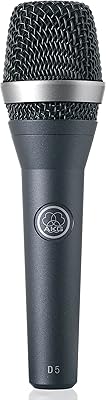
AKG D5
AKG D5
89%
94%
Feedback Rejection
91%
Vocal Clarity
96%
Build Durability
87%
Handling Noise
93%
Value for Money
More
Audix OM2
Audix OM2
91%
94%
Feedback Rejection
96%
Build Durability
89%
Midrange Clarity
92%
Off-Axis Isolation
84%
Handling Noise
More
AUDIX OM5 Hypercardioid Dynamic Microphone
80%
91%
Vocal Clarity
93%
Feedback Rejection
88%
Build Quality
83%
Value for Money
57%
Mic Technique Demand
More
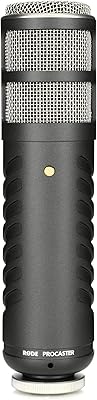
RØDE Procaster
RØDE Procaster
81%
92%
Vocal Sound Quality
94%
Build Quality
88%
Noise Rejection
63%
Gain Requirements & Preamp Compatibility
86%
Internal Pop Filter
More
Shure SM48 Handheld Dynamic Microphone
83%
91%
Build Quality
88%
Value for Money
74%
Sound Quality
89%
Feedback Rejection
83%
Handling Noise
More
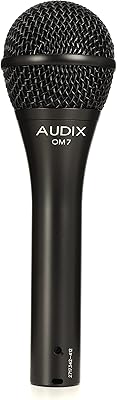
Audix OM7
Audix OM7
83%
96%
Feedback Rejection
93%
Build Quality
84%
Vocal Clarity
61%
Sensitivity & Gain Requirements
91%
Off-Axis Rejection
More
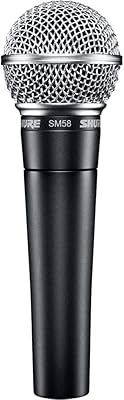
Shure SM58-LC
Shure SM58-LC
90%
98%
Build Durability
86%
Vocal Clarity
92%
Feedback Rejection
89%
Handling Noise Suppression
94%
Room Noise Isolation
More
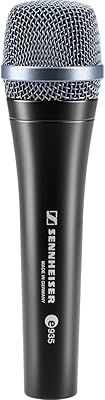
Sennheiser e 935
Sennheiser e 935
86%
94%
Build Quality
92%
Vocal Presence
89%
Feedback Resistance
87%
Handling Noise Suppression
83%
Value for Money
More
Electro-Voice ND96
Electro-Voice ND96
87%
96%
Feedback Rejection
93%
Build Durability
88%
Vocal Clarity
84%
Presence Boost Utility
87%
Handling Noise Suppression
More
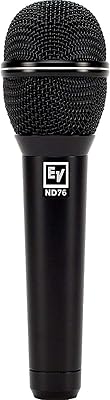
Electro-Voice ND76
Electro-Voice ND76
86%
93%
Vocal Clarity
96%
Build Durability
88%
Feedback Rejection
84%
Handling Noise Suppression
92%
EMF Interference Protection
More

FAQ

No, the PVi 2 is a passive dynamic microphone and does not require phantom power at all. You can plug it straight into any mixer, interface, or PA system with an XLR input and it will work immediately. If your interface has phantom power enabled, that is fine too — dynamic mics are not harmed by it.

Not directly — the mic uses an XLR connection, which your computer does not have natively. You will need an XLR-to-USB audio interface, like a Focusrite Scarlett Solo or a Behringer UM2, to connect it to a laptop or desktop. Once you have that in the chain, it works without any issues.

It is functional and perfectly adequate for getting started, but it is not something most audio enthusiasts would call premium. Some buyers report that the connector ends feel a bit loose after extended use. For casual home use or occasional performances it is fine, but if you are gigging regularly, picking up a quality replacement cable from a brand like Mogami or Amazon Basics is a worthwhile upgrade.

The SM58 is a professional-grade benchmark that has been used on major stages for decades, and the comparison is not really an equal one. The Peavey PVi 2 Dynamic Vocal Microphone sits well below the SM58 in both price and performance — the SM58 has noticeably better clarity, a more refined frequency response, and significantly better build quality on its switch and connector. If you are serious about live gigging, save up for the SM58. The PVi 2 is for those just starting out or working within a tight budget.

Yes, with some caveats. Pair it with an XLR interface and you can get a decent enough signal for voice recording, especially in a quiet room. It will not sound as polished as a mid-range condenser or a dedicated podcast dynamic like the Rode PodMic, but for a first setup or low-stakes content, it gets the job done without a significant investment.

It works well when the mic is new, but the switch is a common point of concern in long-term user feedback. With regular heavy use — especially in live gigging scenarios — some users report that it starts feeling loose or develops contact issues over time. If you use it occasionally for presentations or rehearsals, it should hold up fine for a good while.

Technically yes — dynamic mics handle high sound pressure well, so it can handle guitar amps, drums, or brass instruments at close range. That said, this mic is voiced and designed for vocals, so the results on instruments may not be what you are hoping for. For dedicated instrument recording, a mic designed for that purpose will serve you far better.

It does a solid job in typical environments. The cardioid pattern significantly reduces pickup from the sides and rear, which is helpful if you are in a reverberant room or near ambient noise sources. It is not studio-quiet rejection, but for live use or home recording where you are speaking or singing close to the mic, background intrusion is minimal.

The mic uses a standard 5/8-inch thread fitting, which is the universal size used by the vast majority of mic stands and clips. However, a mic clip or stand is not included in the box — you get the mic and the XLR cable only. A basic mic clip is inexpensive and easy to find at any music or electronics retailer.

It is one of the more sensible options for that use case, honestly. The alloy steel body handles student-level wear better than cheaper plastic alternatives, the no-phantom-power design keeps setup simple, and the cable-included packaging reduces the accessory burden when buying in bulk. For choir rehearsals, drama productions, or speech classes, the PVi 2 covers the basics without a significant per-unit cost.