Overview

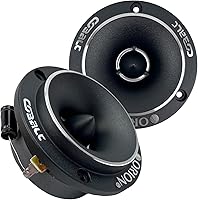
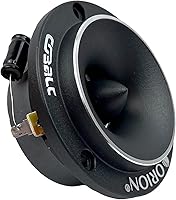
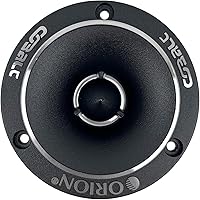
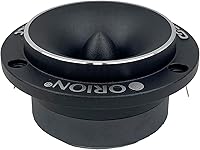
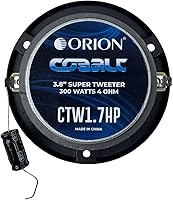
The Orion CTW1.7HP 3.8″ Car Bullet Tweeter Pair has been a steady fixture in the entry-level car audio market since 2014, consistently ranking in the top 25 car tweeters on Amazon — a run that reflects genuine staying power. Built around an aluminum die-cast body with a recognizable super bullet profile, these tweeters project a sense of build quality that sits above their price tier. The included built-in crossover removes a real installation hurdle, especially for first-timers. Expectations should stay calibrated, though: this is an honest entry-level pick designed for practical upgrades, not a challenger to high-end component separates from established audiophile brands.

Features & Benefits

The aluminum diaphragm is the standout spec — it keeps high-frequency output clean and largely free of the muddiness common in cheaper plastic-cone alternatives. These bullet tweeters handle a solid continuous power load, staying composed even when an amplifier is pushing hard on a demanding track. The crossover does genuine protective work, filtering out bass frequencies that would otherwise stress the driver over time. A 1-inch voice coil gives the treble a tighter, more controlled character than you might expect at this price point. The super bullet profile also opens up flexible mounting options — dash corners, door pods, and A-pillar brackets all work without major modification.

Best For

The Orion Cobalt tweeters are a natural match for drivers swapping out dull factory units without committing to a full system overhaul. If you're pairing them with an aftermarket head unit or a modest amplifier, the onboard crossover means you skip extra wiring entirely — connect and go. They also suit multi-speaker builds where you need reliable high-frequency fill across several channels without blowing the budget on each one. Their 12V compatibility extends usefulness to boats and utility rigs too. Advanced builders chasing tight soundstaging will likely outgrow them, but for straightforward, budget-conscious upgrades, this tweeter pair delivers where it counts.

User Feedback

With over 300 ratings averaging 4.6 stars across a decade on sale, the reception for this tweeter pair has been notably consistent. Easy installation and a clear improvement over factory highs are the most common reasons buyers recommend them, with the solid physical construction drawing frequent praise as well. On the critical side, some users report fit issues in tighter OEM mounting locations, and a portion of more experienced installers feel the peak power ratings are generous on paper. The built-in crossover earns mostly positive mentions from beginners, though a few advanced users would prefer handling crossover duties externally for better tuning flexibility.

Pros

  • Aluminum diaphragm produces noticeably cleaner highs compared to plastic-cone alternatives at this price level.
  • Built-in crossover removes the need for extra wiring or external components, making installation straightforward.
  • Solid aluminum die-cast body gives a premium feel that belies the entry-level price point.
  • Flexible bullet profile fits dash, door, and A-pillar mounts without major cutting or fabrication.
  • Handles continuous power generously, staying composed when an amplifier is pushing moderately hard.
  • Strong 4.6-star average across hundreds of real buyers signals consistent, reliable performance over time.
  • Works well beyond cars — compatible with boats and 12V utility rigs for versatile placement.
  • Sold as a pair with a matched crossover, making it easy to budget and plan a stereo build.
  • Low background noise at high volumes keeps the listening experience clean, even in louder setups.

Cons

  • Peak power ratings are optimistic on paper and should not be taken at face value for amplifier matching.
  • Fitment can be awkward in tighter factory mounting locations without custom brackets or adapters.
  • High-frequency extension does not reach the airy top-end detail that premium component tweeters offer.
  • The passive onboard crossover cannot be tuned or bypassed, limiting flexibility for experienced installers.
  • Frequency response starts at 120 Hz, so pairing choices with midrange drivers require some care.
  • Long-term durability under sustained high-volume use in hot climates has not been widely reported by buyers.
  • Warranty coverage is listed as limited, with minimal detail on what is actually included or for how long.

Ratings

The scores below reflect our AI-driven analysis of verified buyer reviews for the Orion CTW1.7HP 3.8″ Car Bullet Tweeter Pair, drawn from a global pool of real-world feedback with spam, bot-generated, and incentivized submissions actively filtered out. Every category is scored on the basis of what actual users experienced day-to-day, not manufacturer claims. Both the genuine strengths and the recurring frustrations are reflected transparently so you can make a fully informed decision.

Value for Money
91%
Buyers consistently flag value as the single biggest reason they recommend these bullet tweeters to friends. For the price tier, the aluminum construction and included crossover represent a hardware package that would cost meaningfully more from competing brands, and that gap is not lost on real installers working with a fixed budget.
A small number of experienced users feel the advertised peak power figures inflate perceived value, since real-world sustained output sits well below those headline numbers. If you compare strictly on measured performance rather than spec-sheet figures, the value calculation becomes slightly less clear-cut at the upper end of the entry-level market.
Sound Clarity
83%
The aluminum diaphragm earns consistent praise for delivering noticeably crisper highs than the plastic-cone tweeters these units typically replace. Vocal presence and cymbal detail on daily commute listening improve in a way that most buyers describe as immediately obvious, even without fine-tuned equalization.
At the top of the frequency range, the Orion Cobalt tweeters do not extend with the airiness that silk dome or premium beryllium units offer. Listeners who are accustomed to higher-end component sets will notice the ceiling, particularly on recordings with a lot of upper-harmonic content like acoustic guitar or orchestral strings.
Build Quality
86%
The aluminum die-cast housing gives this tweeter pair a noticeably solid feel in hand, which buyers frequently mention as a pleasant surprise at this price point. The phase plug and diaphragm are also aluminum, meaning there are no soft or plasticky elements that rattle or flex when the unit is pushed at moderate volumes.
While the external construction impresses, a few buyers have reported minor inconsistencies in finish quality between the two units in the same pair. Nothing structural, but small cosmetic variations suggest production tolerances are not held to the same standard as premium-tier products from specialist audio manufacturers.
Ease of Installation
89%
The built-in passive crossover is the standout convenience feature for DIY installers — there is no external network to source, wire, or tune, which removes a genuine barrier for first-time builders. Most buyers report a straightforward wiring process and describe the overall install as something they completed in an afternoon without professional help.
Fitment in factory tweeter locations is the most commonly cited frustration, as the 3.8-inch bullet body simply does not drop into OEM pockets designed for smaller dome tweeters. Buyers without fabrication experience may find themselves needing to improvise a surface mount solution, which adds time and occasionally requires additional hardware not included in the box.
Power Handling
68%
32%
Under moderate amplifier power, the Orion Cobalt tweeters handle daily listening levels without stress, and the built-in crossover does a reliable job of keeping low-frequency energy away from the driver. Buyers running 50W to 80W RMS per channel consistently report clean output without thermal issues or distortion at sensible listening volumes.
The 300W peak rating is a theoretical ceiling that creates unrealistic expectations in practice. Several technically experienced reviewers note that pushing these tweeters hard through a powerful amplifier produces audible strain well before you approach the advertised maximum, and sustained high-volume sessions are where the entry-level driver construction shows its limits most clearly.
Treble Accuracy
78%
22%
For a tweeter in this class, the 1-inch voice coil delivers tighter, more controlled treble than smaller-coil alternatives that tend to smear detail across the upper midrange. Buyers using these in conjunction with quality midrange drivers report that the crossover handoff is reasonably smooth, without an obvious gap or tonal imbalance at the transition point.
Imaging precision and stereo separation are areas where these bullet tweeters show their entry-level character most honestly. Listeners who have spent time with component separates from established brands will find the soundstage flatter and less defined, which is an inherent constraint of the passive crossover and driver design rather than a manufacturing defect.
Mounting Flexibility
74%
26%
The compact bullet form factor opens up installation options that a standard surface-mount dome tweeter cannot match, particularly for A-pillar pods and custom dash builds where the directional bullet shape allows angling toward the listening position. Buyers building multi-speaker setups appreciate having that positional control without investing in specialized hardware.
The larger-than-typical footprint of the bullet body rules out many factory locations entirely, and the cutout dimensions do not align with the standardized sizing used by most OEM tweeter grilles. Buyers who want a truly invisible, factory-integrated look will likely need to fabricate custom mounts or purchase third-party adapter rings.
Crossover Performance
73%
27%
The onboard crossover does its primary job reliably — protecting the tweeter diaphragm from low-frequency damage and reducing the risk of driver failure caused by bass-heavy content. For users who want a set-and-forget solution without worrying about crossover points, this integrated approach removes a layer of complexity that trips up a lot of beginner installs.
Advanced users who want to tailor the crossover frequency, slope, or phase have no real option here since the passive network is fixed and embedded in the housing. This is a design trade-off that suits beginners well but frustrates experienced installers who prefer the flexibility of an active processor or external passive network they can configure independently.
Frequency Extension
63%
37%
The lower frequency boundary of around 120 Hz means these bullet tweeters can cover a broader range than a pure high-frequency driver, giving them some flexibility in systems where a full midrange driver is not part of the build. This makes them a workable option for simpler two-way setups running off a basic aftermarket head unit.
The upper extension plateaus in a way that leaves the very top of the audible range feeling somewhat rolled off compared to tweeters with wider frequency response specifications. Buyers who regularly listen to high-resolution audio files or classical recordings with extended harmonic content are most likely to notice this limitation.
Signal Cleanliness
82%
18%
The high signal-to-noise performance keeps background hiss effectively inaudible across a wide volume range, which matters most in quieter car cabins or during low-volume late-night listening. Buyers using these with a clean amplifier chain report that the noise floor is genuinely not a concern during normal use.
In electrically noisy environments — older vehicles with unshielded wiring or poorly grounded amplifiers — some buyers have noted that the tweeters can pick up and amplify system interference more readily than expected. Proper grounding and cable routing largely resolve this, but it requires some electrical awareness that not all DIY installers have.
Durability
71%
29%
The all-aluminum construction holds up well to temperature swings in a parked car, and buyers who have run these bullet tweeters for a year or more generally report no physical degradation or tonal change over time. The die-cast housing in particular shows no signs of warping or joint failure under sustained use in typical climates.
Long-term performance in very hot climates or high-humidity marine environments is not well documented in buyer feedback, which creates some uncertainty for buyers in those conditions. The non-waterproof rating is a firm constraint, and a few marine users report that moisture ingress at the voice coil gap became an issue after extended exposure to humid air.
Compatibility
84%
The standard 4-ohm impedance and 12V input spec mean these tweeters connect cleanly to the overwhelming majority of aftermarket head units, amplifiers, and component systems on the market today. Buyers rarely report compatibility problems, and the wiring process is described as uncomplicated even by first-time installers without a background in car audio.
Compatibility with factory amplified systems — particularly those in newer vehicles with DSP-controlled speaker outputs — can be inconsistent. Buyers with Bose, Harman, or other OEM premium audio systems have reported integration challenges that require an additional line output converter or signal processor to resolve before these tweeters will perform correctly.
Packaging and Included Accessories
67%
33%
Both tweeters and their crossover components arrive in standard protective packaging that prevents transit damage in most cases, and buyers generally report receiving units intact with all hardware accounted for. The matched pair format means you have everything needed for a basic stereo install without sourcing additional parts.
The included mounting hardware is described as minimal by a portion of buyers, particularly those hoping to surface-mount the tweeters without fabricating their own brackets. Some users also note that the documentation provided is sparse, which can leave true beginners without a clear wiring reference for connecting the crossover correctly.

Suitable for:

The Orion CTW1.7HP 3.8″ Car Bullet Tweeter Pair is a strong match for everyday drivers who are tired of flat, lifeless factory highs and want a meaningful improvement without tearing apart their entire audio setup. If your current system consists of stock speakers paired with an aftermarket head unit or a modest amplifier, this tweeter pair will slot in cleanly and deliver a noticeable step up in treble clarity. The built-in crossover is a real advantage for DIY installers who want to avoid sourcing and wiring external components — you simply connect, mount, and listen. These bullet tweeters also work well for multi-speaker builds on a tight budget, where you need consistent high-frequency coverage across several channels without overspending on each unit. Beyond cars, anyone running a 12V setup in a boat, van, or utility vehicle will find them durable and easy to place given the compact bullet profile.

Not suitable for:

The Orion CTW1.7HP 3.8″ Car Bullet Tweeter Pair is not the right tool for listeners who demand precise soundstaging, extended air in the upper frequencies, or the kind of detail retrieval that high-end component separates provide. If you are building a competition-level or audiophile-grade system and already own an external active crossover, the onboard passive crossover here actually limits your tuning flexibility rather than helping it. Buyers planning to run seriously high-powered amplifiers should also temper expectations around the peak power ratings, which reflect marketing ceilings rather than sustained real-world performance. Those with tight OEM tweeter pockets may run into fitment frustrations, as the 3.8-inch bullet body does not always drop into factory locations without modification. If your budget allows moving up to a branded component set from a specialist manufacturer, the difference in treble refinement and imaging will likely be worth the extra spend.

Specifications

  • Driver Diameter: Each tweeter measures 3.8 inches (96mm) across the driver, giving it the oversized bullet profile that sets it apart from standard 1-inch dome tweeters.
  • Cutout Size: A mounting cutout of 84mm (approximately 3.3 inches) is required for flush or surface installations in dash, door, or pillar locations.
  • Power Handling: The pair is rated at 75W RMS continuous and 300W peak per tweeter at 4 ohms, providing headroom for moderately powered amplifier setups.
  • Impedance: Each tweeter operates at a standard 4-ohm impedance, making it broadly compatible with most aftermarket head units and amplifiers.
  • Diaphragm: The diaphragm is constructed from aluminum, which supports clean, low-distortion reproduction of high-frequency content compared to softer plastic alternatives.
  • Voice Coil: A 1-inch voice coil handles excursion and heat dissipation, contributing to tighter treble control under sustained output.
  • Body Material: The housing and phase plug are both machined from aluminum die-cast, providing structural rigidity and improved heat management during use.
  • Frequency Response: These bullet tweeters cover a range of 120 Hz to 10 kHz, so they are best paired with a midrange driver that handles the upper-mid frequencies cleanly.
  • Signal-to-Noise: A signal-to-noise ratio of 104.9 dB means background hiss remains well below audible thresholds even at higher playback volumes.
  • Built-in Crossover: An integrated passive crossover is included with each tweeter, filtering low frequencies at the driver level without requiring an external crossover network.
  • Input Voltage: Designed for standard 12V DC automotive electrical systems, compatible with most cars, trucks, boats, and utility vehicles.
  • Audio Output: The pair is configured for stereo output, with one tweeter intended for the left channel and one for the right.
  • Dimensions: The overall package dimensions are 10.04 x 10.04 x 4.33 inches, reflecting the combined boxing of both tweeters and included hardware.
  • Weight: The combined weight of the pair is approximately 1 pound, making them easy to handle and mount without stressing door panels or dash surfaces.
  • Waterproofing: These tweeters are not waterproof and are rated for indoor use only, meaning exposed exterior mounting in wet environments is not recommended.
  • Warranty: Orion provides a limited warranty on this product; buyers should verify the exact terms and duration directly with the retailer or manufacturer at time of purchase.
  • Compatibility: The tweeters are compatible with standard 12V wired audio systems including smartphones, MP3 players, laptops, and home theater units used in automotive or mobile contexts.
  • Sold As: The listing includes a matched pair of tweeters with built-in crossovers, so no additional units need to be purchased for a standard stereo front-stage setup.

Related Reviews
ORION Cobalt CTW2.0NEO 3.8″ Neodymium Tweeter Pair
78%
88%
Sound Clarity
91%
Value for Money
89%
Ease of Installation
72%
Build Quality
86%
High-Frequency Performance
More
DS18 PRO-TW1L RGB Bullet Car Tweeters
80%
83%
Sound Clarity
91%
RGB Lighting Quality
86%
Installation Ease
78%
Build Quality
84%
Value for Money
More
Pyle PL683BL 6x8 Car Coaxial Speakers
76%
88%
Value for Money
74%
Sound Clarity
61%
Bass Response
67%
Treble & Highs
77%
Midrange Performance
More
Rockville RT5 Tweeter Pair 2.8″
86%
89%
Sound Quality
93%
Installation Ease
91%
Clarity & High Frequencies
84%
Durability
87%
Size & Compatibility
More
Orion Cobalt CM854 8″ Mid-Range Bullet Speakers
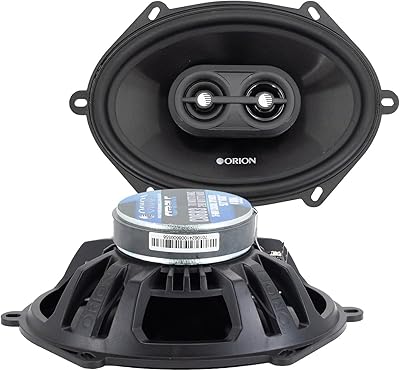
87%
91%
Sound Clarity
94%
Power Handling
87%
Ease of Installation
88%
Durability
82%
Bass Response
More
Orion CB683 6x8″ 3-Way Coaxial Car Speakers
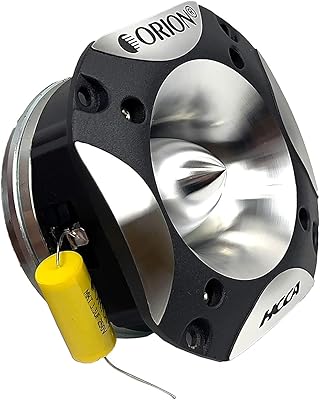
85%
89%
Sound Quality
92%
Bass Performance
95%
Ease of Installation
80%
Build Quality
75%
Durability
More
Orion HCCA TN1 4.5″ Car Tweeter
76%
91%
Sound Clarity
93%
Power Handling
88%
Build Quality
67%
Installation Experience
63%
Value for Money
More
Orion CB653 6.5″ 3-Way Coaxial Car Speakers
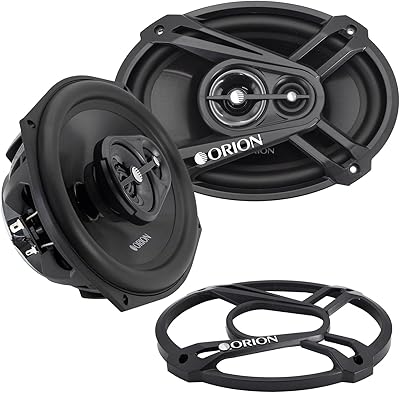
83%
86%
Sound Quality
88%
Bass Performance
90%
Ease of Installation
84%
Build Quality
82%
Durability
More
ORION CB693 6x9″ Coaxial Car Speakers
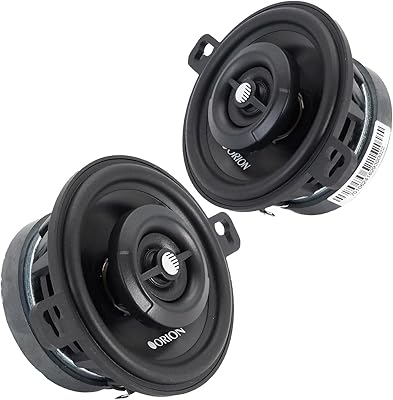
76%
78%
Bass Response
66%
Treble Clarity
63%
Mid-Range Performance
74%
Overall Sound Quality
88%
Installation Ease
More
Orion CB35 3.5-Inch Coaxial Car Speakers
72%
78%
Sound Clarity
43%
Bass Performance
88%
Value for Money
81%
Build Quality
91%
Ease of Installation
More

FAQ

Each tweeter in the pair has a passive crossover built right into it, so there is nothing extra to buy or wire in. You connect the tweeter to your speaker output and the crossover handles the filtering automatically. For most everyday installs, this is perfectly adequate.

Yes, you can. The impedance and sensitivity of the Orion Cobalt tweeters are well within the output range of most aftermarket head units. That said, adding even a modest amplifier will give you noticeably cleaner output at higher volumes.

That depends on your specific vehicle. The bullet profile is 3.8 inches in diameter, which is larger than a standard dome tweeter, so many OEM tweeter pockets will not accommodate it without modification. Surface mounting on an A-pillar or dash corner is often the easier path.

You will need an 84mm cutout, which works out to just over 3.3 inches in diameter. If you are surface mounting rather than flush mounting, you can skip the cutout entirely and use the included hardware to secure the bracket.

They can work in a boat as long as the tweeters are mounted in a protected, dry location — inside a cabin or under a deck cover, for example. They are not waterproof or weatherproof, so direct exposure to rain or spray would likely damage them over time.

Most users report a clear and immediate improvement in treble clarity over factory units. Vocals and cymbals in particular tend to come through with more definition. Do not expect the kind of airy, extended top-end you get from premium component tweeters, but for the price tier, the difference over stock is very real.

Not in a straightforward way. The crossover is integrated into the tweeter housing, so bypassing it would require modifying the internal wiring, which most installers would not attempt. If external crossover control matters to you, this tweeter pair is probably not the right fit.

Anywhere from 50W to 100W RMS per channel at 4 ohms is a comfortable match for the Orion CTW1.7HP 3.8″ Car Bullet Tweeter Pair. The peak ratings on the spec sheet are ceiling figures rather than targets, so do not try to push them to their listed maximum on a sustained basis.

Aluminum can have a brighter character than silk dome tweeters, but at this driver size and price point most users describe the output as crisp rather than harsh. If your system is already treble-heavy, a little EQ adjustment at the head unit will keep things balanced.

Yes, both units come with the hardware needed for installation. The exact contents can vary slightly by production batch, but surface mount brackets are typically included. It is worth dry-fitting everything before committing to a permanent mount location.