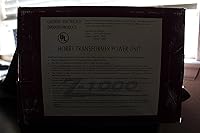
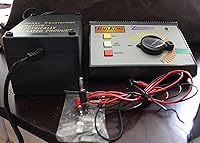
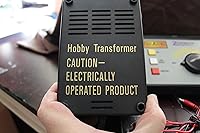
Overview

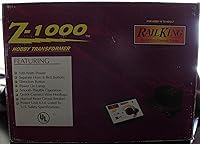
The MTH Z-1000 Transformer has been a fixture in the model railroad hobby since 2001, and the fact that it's still in production says something real about its staying power. Built by M.T.H. Electric Trains — a brand serious hobbyists know well — it's designed to power O-gauge layouts with up to 100 watts of output. That's not a toy-grade number. This is a proper transformer for people who have outgrown their starter pack power supply and need something that can actually handle a growing layout without flinching. Expect a learning curve if you're new to transformer-based systems.

Features & Benefits

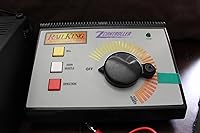
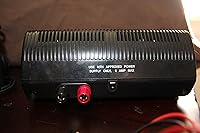
The Z-1000's 100-watt ceiling is its headline spec, and it earns its keep. Running multiple locomotives at once, or powering a larger layout with plenty of accessories, is well within its comfort zone. The built-in circuit breaker is one of those features you don't appreciate until you need it — a short on the track doesn't turn into a damaged locomotive or a burnt-out unit. There's also a dedicated 14V accessory port, which lets you run signals, switch machines, and station lighting independently from the main track voltage. The throttle knob turns smoothly with no sudden jumps, which matters more than people realize when you're trying to ease a heavy consist into motion.

Best For

This MTH power unit is squarely aimed at dedicated O-gauge hobbyists who are past the beginner stage. If you're running MTH ProtoSound or DCS locomotives, this transformer is designed with those systems in mind — you'll get cleaner, more stable current than a generic alternative would provide. It's also a natural step up for anyone who's been wrestling with an underpowered starter transformer and keeps tripping breakers. Worth noting: this is not a DCC command station, and it's not a universal fit for every brand's ecosystem. Collectors who run multiple engines on a single layout, or anyone building out a mid-to-large layout, will find it holds up well over long operating sessions.

User Feedback

Long-term owners consistently point to the throttle feel as one of the standout qualities — smooth and predictable, especially compared to older units. The circuit breaker gets quiet praise too; several hobbyists report it tripped cleanly during accidental shorts and saved equipment. On the other side, some newer users found the initial setup less intuitive than expected, particularly if they were coming from DCC systems. A handful of reviews mention the unit running warm during extended sessions, though no one reports reliability issues from it. Overall, the consensus among serious MTH hobbyists is that this train transformer is a dependable, well-built piece of equipment that holds its value over years of regular use.

Pros

  • 100 watts of output handles large, multi-locomotive layouts without strain or breaker trips during normal operation.
  • The built-in circuit breaker trips cleanly during accidental shorts, protecting locomotives and preventing equipment damage.
  • A dedicated 14V accessory port lets you run trackside accessories without pulling power from the main track.
  • The throttle knob offers smooth, predictable control — no sudden lurches when easing a heavy consist into motion.
  • Build quality is immediately noticeable; at 7 pounds, this train transformer feels solid and stable on a layout table.
  • Has been in continuous production since 2001, a reliable indicator of proven performance and ongoing manufacturer support.
  • Works with both MTH DCS and conventional locomotive operation modes, giving it flexibility within the MTH ecosystem.
  • Long-term owners consistently report years of reliable use without performance degradation.

Cons

  • Not beginner-friendly — users unfamiliar with transformer-based systems face a real learning curve out of the box.
  • This is not a DCC command station; buyers coming from DCC setups may find integration limited or incompatible.
  • Optimized primarily for MTH systems, so compatibility with other O-gauge brands is not guaranteed.
  • The unit runs noticeably warm during extended operating sessions, which some users find concerning even if reliability holds.
  • At 7 pounds and over 12 inches long, it takes up meaningful space on a layout table or workbench.
  • Overkill for small or simple layouts — buyers with modest setups may not need anywhere near 100 watts of capacity.
  • No digital interface or programmable controls; operation is purely analog, which may feel limiting to tech-forward hobbyists.

Ratings

Our AI-generated scores for the MTH Z-1000 Transformer were produced by analyzing verified purchaser reviews from hobbyist communities and major retail platforms worldwide, with spam, incentivized, and bot-generated feedback actively filtered out. The result is a transparent, balanced picture of where this train transformer genuinely excels and where real buyers have run into friction. Both the strengths that keep long-time owners loyal and the pain points that frustrate newcomers are reflected honestly in each category below.

Power Output
93%
Hobbyists running mid-to-large O-gauge layouts consistently describe the 100-watt ceiling as more than adequate for real-world operation. Users who previously wrestled with underpowered starter transformers report a noticeable difference when running multiple MTH ProtoSound locomotives simultaneously without any sag in performance.
A small number of advanced users building very large club-scale layouts note that a single Z-1000 can approach its limits when multiple high-draw DCS locomotives are running at full speed. For those extreme configurations, a second unit or a higher-capacity transformer becomes a practical necessity.
Throttle Control
91%
The smooth rotary throttle knob is one of the most consistently praised elements across owner feedback. Hobbyists describe it as responsive and predictable — easing a heavy consist into motion without the sudden lurches that plague cheaper alternatives, which matters enormously when operating scale-speed sequences.
A few users note that the throttle range feels compressed at the lower end, making very slow crawl speeds harder to dial in precisely. This is a minor complaint in the overall picture, but operators who focus on ultra-realistic low-speed switching maneuvers may notice the limitation.
Circuit Breaker Reliability
89%
The built-in overload protection gets quiet but consistent praise from owners who've experienced derailments or accidental track shorts. Multiple reviewers specifically credit the circuit breaker with saving locomotive electronics that would have been damaged by a cheaper unit without automatic cutoff.
Some users report that the breaker trips at what feels like a conservative threshold, occasionally cutting power during legitimate high-draw moments rather than only during genuine fault conditions. Resetting it mid-session can be disruptive, especially during longer operating runs.
Build Quality
88%
At 7 pounds, this MTH power unit communicates its build quality the moment you pick it up. Long-term owners frequently mention that units purchased years ago are still performing reliably, which stands in clear contrast to lighter, cheaper transformers that develop rattles or output instability over time.
A small number of buyers have noted that the external casing shows cosmetic wear — scuffs and marks — more readily than expected for a unit at this price point. The internal electronics hold up well, but the exterior finish is not especially hardwearing under regular workshop use.
Accessory Port Utility
84%
Having a dedicated 14V accessory output that operates independently from the main track circuit is genuinely useful for hobbyists running signals, switch machines, and structure lighting alongside active locomotives. Users who previously ran everything off a single output report cleaner locomotive performance after separating the loads.
The accessory port voltage is fixed at 14V, which doesn't suit every accessory on the market. Hobbyists with accessories requiring different voltage levels need additional regulation hardware, and the port lacks any independent control knob, limiting flexibility in complex accessory configurations.
DCS Compatibility
86%
Within the MTH ecosystem, the Z-1000 pairs naturally with DCS and ProtoSound systems, delivering the stable, clean AC current those systems expect. Dedicated MTH collectors describe the pairing as reliable and consistent, with none of the signal interference issues sometimes reported when using off-brand power supplies.
Compatibility drops sharply outside the MTH world. Hobbyists running mixed-brand layouts, or those considering a future move to Lionel TMCC or other proprietary digital systems, will find this train transformer offers little flexibility. It is built for MTH first and everything else is secondary.
Ease of Setup
61%
39%
For experienced hobbyists who already understand transformer-based power systems, initial setup is straightforward. The layout of outputs and controls is logical, and those coming from an older MTH transformer will find the transition intuitive without needing to consult documentation extensively.
Buyers new to transformer-powered layouts — particularly those migrating from DCC systems — frequently describe a steep learning curve. Several reviews mention confusion about how to wire the accessory port correctly, and at least a few users initially misunderstood this unit as a DCC-compatible command station.
Heat Management
67%
33%
Under normal operating conditions with moderate layout loads, the unit maintains a stable temperature that most experienced users consider unremarkable. Hobbyists running the transformer in open, ventilated spaces report no concerns during typical two-to-three hour operating sessions.
Extended high-load sessions — particularly when running multiple DCS locomotives for several hours — generate noticeable warmth that some users find concerning. A handful of reviews specifically mention the transformer becoming uncomfortably warm to the touch, though no widespread reports of heat-related failures have emerged.
Throttle Ergonomics
79%
21%
The physical feel of the throttle knob is generally well-received, with most users describing it as solid and well-damped. Operating a session over an hour or two doesn't produce the hand fatigue that smaller, cheaper knobs tend to cause, which matters for hobbyists who run long operating sequences.
A few left-handed users and hobbyists with larger hands note that the knob placement and unit footprint aren't ideally configured for all operating positions. The overall ergonomic design is functional but clearly designed around a standard use case rather than a range of operator preferences.
Value for Money
72%
28%
Owners who have compared the Z-1000 against cheaper alternatives over a multi-year horizon consistently argue the durability justifies the investment. Units that have been in service for a decade without issues represent real savings compared to replacing a budget transformer every few years.
The upfront cost is a genuine barrier for hobbyists who are still exploring the hobby or don't yet need 100 watts of capacity. Buyers with smaller layouts or conventional-only operation may find they're paying for headroom they'll never use, making the value proposition harder to defend for casual collectors.
Physical Footprint
71%
29%
The unit's dimensions are practical for a dedicated layout table setup, and its weight keeps it planted without needing to be secured. Hobbyists who have a permanent layout space describe it as occupying a reasonable and predictable amount of surface area.
For hobbyists working with space-constrained layout rooms or portable setups, 12.2 x 8.9 inches of tabletop footprint is a real consideration. The Z-1000 is not designed for portability, and users who occasionally transport their setup to train shows or club events find it bulky.
Long-Term Durability
88%
The ownership longevity data embedded in user reviews is one of the more compelling aspects of this MTH power unit. Multiple reviewers specifically note units that have been running without issues for seven to ten years, which is a meaningful data point for a piece of electrical equipment under regular load.
A small subset of older units has developed output instability over many years of heavy use, typically manifesting as inconsistent voltage delivery. These cases appear to be a minority, but they suggest the unit is not completely immune to wear — particularly in high-frequency, high-load environments.
Noise Level
76%
24%
The low-frequency hum produced during operation is within the expected range for a transformer of this class and is rarely mentioned as a significant issue by experienced hobbyists. In a normally active layout room with locomotive sound systems running, the transformer's background hum is essentially inaudible.
In quiet rooms or dedicated hobby spaces without ambient noise, the electrical hum is noticeable enough that a handful of reviewers specifically flagged it. It's not loud by any objective measure, but hobbyists who operate in shared living spaces — particularly late at night — mention it as a minor irritant.

Suitable for:

The MTH Z-1000 Transformer is built for one type of buyer: the serious O-gauge hobbyist who has outgrown whatever power supply came with their starter set. If you're running MTH ProtoSound or DCS locomotives, this unit is engineered with those systems in mind, delivering the clean, stable current they need to perform properly. It's equally well-suited to collectors who operate multiple engines on a single layout and can't afford the inconsistency of an underpowered transformer tripping breakers mid-session. Anyone building out a mid-to-large layout — with trackside accessories like signals, switch machines, and lighting running alongside moving trains — will appreciate having a dedicated 14V accessory port that keeps those loads off the main track circuit. Long-term hobbyists who prioritize equipment that holds up over years of regular use will find the Z-1000 a sound, durable investment.

Not suitable for:

The MTH Z-1000 Transformer is not the right choice for beginners, and the manufacturer's age recommendation of 8 and up significantly undersells how much prior knowledge this unit assumes. If you're new to model railroading and expecting something plug-and-play, the learning curve around transformer-based systems can be frustrating. It's also not a DCC command station — a distinction that trips up buyers migrating from DCC setups who assume any quality power unit will integrate cleanly into their existing control system. Hobbyists running non-MTH brands should approach with caution, as this MTH power unit is optimized for MTH's own ecosystem and may not pair as reliably with other manufacturers' locomotives. Budget-focused buyers or those with smaller, simpler layouts may find the power capacity more than they need and the price harder to justify.

Specifications

  • Brand: Manufactured by M.T.H. Electric Trains, a well-established name in O-gauge model railroading.
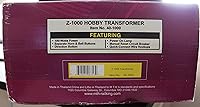
  • Model Number: The unit carries the official model designation 40-1000.
  • Max Power Output: Delivers up to 100 watts of continuous power output for driving locomotives and layout accessories.
  • Accessory Port: Includes a dedicated 14V accessory output port for powering trackside accessories independently from the main track circuit.
  • Circuit Breaker: A built-in overload circuit breaker automatically cuts power in the event of a short or current spike to protect connected equipment.
  • Throttle Control: Features a smooth-operating rotary throttle knob engineered for gradual, precise speed adjustments without sudden current jumps.
  • Dimensions: The unit measures 12.2 x 8.9 x 4.8 inches, making it a substantial but manageable presence on a layout table.
  • Weight: Weighs 7 pounds, reflecting the solid internal construction typical of transformer-grade power supplies.
  • Primary Compatibility: Optimized for use with MTH DCS (Digital Command System) and conventional O-gauge locomotive operation modes.
  • Recommended Age: Rated for users aged 8 and up, though in practice the system is best suited to experienced adult hobbyists.
  • Safety Rating: Equipped with overload circuit breaker protection as its primary active safety mechanism.
  • Market Availability: Has been continuously available since its initial release in October 2001 and is not discontinued by the manufacturer.
  • Primary Use: Designed specifically for powering O-gauge model train layouts, including multi-locomotive and accessory-heavy configurations.
  • Power Type: Functions as an AC transformer and power brick unit, not a DCC command station or digital decoder.

Related Reviews
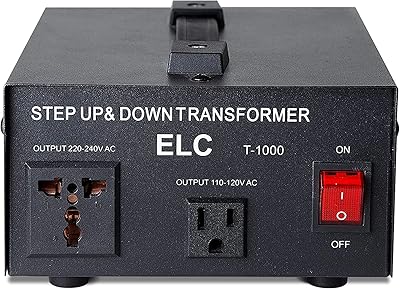
ELC T-1000 1000W Voltage Converter Transformer
81%
93%
Noise Level
88%
Voltage Conversion Accuracy
84%
Build Quality
86%
Overload Protection
91%
Ease of Use
More
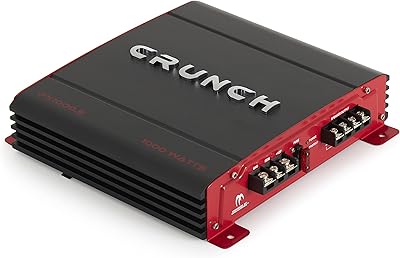
Crunch PX-1000.2 2-Channel Car Amplifier
72%
88%
Value for Money
76%
Sound Quality
83%
Ease of Installation
67%
Power Output
72%
Thermal Management
More
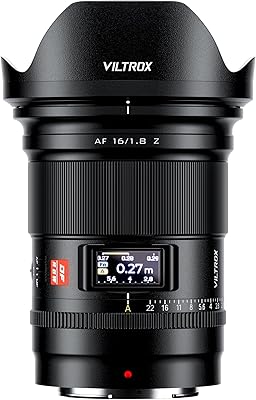
Viltrox AF 16mm F1.8 Wide Angle Lens
82%
91%
Optical Sharpness
84%
Chromatic Aberration Control
78%
Autofocus Performance
83%
Video Usability
88%
LCD Display Utility
More
Z Z-Edge Z3Pro Dash Cam Front and Inside 2K+1080P
83%
91%
Video Quality
88%
Night Vision Performance
70%
Ease of Setup
75%
Wi-Fi Connectivity
85%
Durability
More
Nikon Z5 Full-Frame Mirrorless Camera
81%
92%
Image Quality
88%
Low-Light Performance
83%
Autofocus Performance
91%
In-Body Image Stabilization
86%
Build Quality & Ergonomics
More
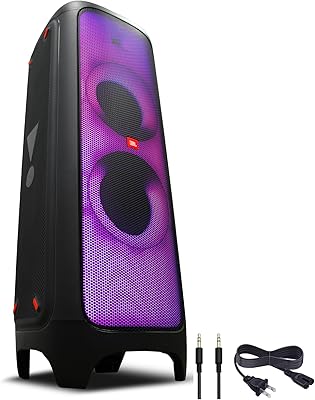
JBL PartyBox 1000 Bluetooth Party Speaker
78%
93%
Sound Output Power
78%
Audio Clarity & Balance
91%
LED Lighting System
84%
Build Quality & Durability
47%
Portability & Mobility
More
ZHENGXI 1000W Step Up Transformer
84%
88%
Performance for Small Appliances
96%
Noise Level
85%
Ease of Use
83%
Build Quality
90%
Safety Features (Over-voltage Protection)
More
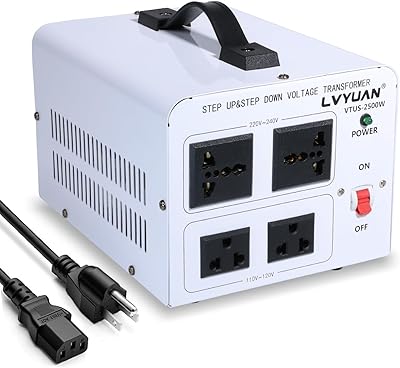
LVYUAN VTUS-2500 2500W Voltage Transformer
76%
88%
Voltage Conversion Accuracy
83%
Build Quality
91%
Noise & Vibration
86%
Overload Protection
41%
Portability & Weight
More
YaeCCC 2000W Voltage Transformer
83%
88%
Build Quality
85%
Performance
82%
Usability
90%
Safety Features
87%
Value for Money
More
Glide Gear TMP 1000 Teleprompter
78%
91%
Build Quality
88%
Optical Clarity
67%
Ease of Setup
86%
Glass Size & Reading Range
84%
Tablet & Device Compatibility
More

FAQ

It can technically supply power to conventional O-gauge locomotives from other brands, but it is specifically engineered and optimized for MTH's ecosystem. If you're running Lionel or Atlas locomotives in conventional mode, it may work, but you won't get the full compatibility or performance you would with MTH equipment. Always verify voltage requirements before connecting any non-MTH locomotive.

No, and this is one of the most common points of confusion. The MTH Z-1000 Transformer is a traditional AC transformer — it supplies and regulates power to the track. A DCC command station is a digital control system that encodes instructions to locomotive decoders. These are fundamentally different things, and this unit will not function as a DCC controller.

That depends on the draw of each locomotive, but at 100 watts, this train transformer has enough headroom to run several engines simultaneously on a mid-to-large layout. MTH DCS locomotives with ProtoSound systems draw more current than basic conventional locos, so factor that in when estimating how many you can run comfortably without approaching the breaker threshold.

Typically yes — once the short is cleared, the breaker can be reset and operation resumes. However, it's worth identifying and fixing the cause of the short before resetting, since repeatedly tripping the breaker without resolving the underlying issue can stress the unit over time.

Like most transformers of this type, a slight electrical hum during operation is normal and expected. It's not disruptive at normal listening distances from a layout, but in a very quiet room it may be audible. If the hum becomes significantly louder than usual, that can be a sign of an electrical issue worth investigating.

It does run warm, which is normal for a 100-watt transformer under load. Some users report it getting noticeably warm after extended sessions, but this has not been a widespread cause of reliability problems. Make sure it's placed in an area with adequate airflow and not boxed in against other equipment.

The accessory port is intended for trackside accessories — things like switch machines, signals, and building or station lighting. The key advantage is that it's a separate output from your main track voltage, so powering accessories doesn't rob current from your locomotives. Running everything off a single output is a common beginner mistake that this design helps you avoid.

Honestly, probably not as a first transformer. The Z-1000 assumes some familiarity with how transformer-based power systems work, and new hobbyists may find it less intuitive than a simpler starter unit. It's a much better fit for someone who has already spent time with a basic setup and is ready to scale up.

As of the time of this writing, the unit is listed as not discontinued by the manufacturer. M.T.H. Electric Trains has been in business for decades and has generally maintained support for their product lines. That said, it is always worth confirming current warranty and service policies directly with MTH before purchasing, especially for a unit that has been on the market since 2001.

That depends on the wiring configuration and the total current draw of both loops. Some hobbyists do use a single high-wattage transformer to feed multiple track districts, but this requires proper wiring with circuit protection on each district. For larger or more complex layouts, many experienced hobbyists prefer using separate transformers per loop for cleaner control and easier troubleshooting.

Where to Buy

Walmart
In stock $156.84
Nicholas Smith Trains & Toys
In stock $149.99
Hiawatha Hobbies
In stock $159.95
Jr Junction Train and Hobby
In stock $159.95
Grzyboski's Trains
In stock $169.95
Brady's Train Outlet
In stock $175.00
East Main Trains
In stock $180.00
Mario's Trains
In stock $195.00
MTHTrains
In stock $199.95