


Overview

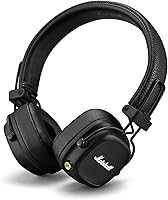
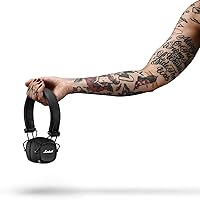
The Marshall Major IV enters a crowded mid-range Bluetooth headphone market carrying something most competitors simply can't manufacture: genuine heritage. The textured black vinyl, the bold script logo, the satisfying click of the multi-directional control knob — it all feels deliberate, not decorative. This fourth generation brings real upgrades over its predecessor, including wireless charging, a USB-C port, and revised ear cushions that sit more naturally against the head. The headline promises are battery life and sound quality, and for the most part, these Marshall headphones deliver on both. Just keep in mind that the on-ear design means long sessions may eventually remind you it's there.

Features & Benefits

The battery life on this on-ear headphone is the kind of number that sounds like marketing until you actually live with it. You can go days — sometimes a full week of commuting — without reaching for a cable. And when you do need a quick top-up, fifteen minutes of charging buys you another long stretch of listening time. Wireless Qi charging adds a welcome layer of daily convenience. Sound-wise, the dynamic drivers lean warm and bass-forward — rich and immersive for rock, soul, and hip-hop, though not hyper-analytical. Bluetooth 5.0 keeps the connection solid, and the foldable build makes throwing them in a bag a genuine afterthought.

Best For

These Marshall headphones hit a sweet spot for a specific kind of listener. If you commute regularly and refuse to babysit a battery indicator, the stamina on offer here is hard to argue with. Style-conscious music fans will appreciate that these look as good sitting on a café table as they sound in your ears — the retro aesthetic is genuinely distinctive. They also work well as a first serious upgrade from wired or budget Bluetooth gear. Where they're less ideal: anyone needing all-day wear comfort or serious noise isolation should look at over-ear alternatives. The on-ear fit is fine for two or three hours; beyond that, your ears may want a break.

User Feedback

With over 18,000 ratings and a score sitting comfortably above 4.5 stars, this on-ear headphone has clearly earned its audience. Most buyers land on the same highlights: the battery outlasts expectations, the sound suits bass-heavy genres well, and wireless charging feels like a genuinely useful upgrade from the previous version. That said, the criticism worth paying attention to is comfort. Several long-session listeners report that ear pressure builds up after two or three hours — a real consideration if you plan to wear them on long flights or at a desk all day. The noise-cancellation, despite being listed as a feature, gets little fanfare from real-world users; don't factor it heavily into your decision.

Pros

  • Battery life is genuinely class-leading — most users go days between charges with normal daily use.
  • A short 15-minute charge delivers several hours of playback, which is a practical lifesaver on rushed mornings.
  • Wireless Qi charging works with any standard pad, making nightly top-ups completely cable-free.
  • The warm, bass-rich sound tuning is a strong match for hip-hop, rock, R&B, and electronic music.
  • Few headphones at this price point carry a visual identity as distinctive as the Major IV.
  • The tactile multi-directional control knob beats flat touch panels for reliable, eyes-free operation.
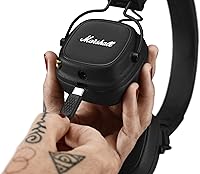
  • USB-C charging replaces the outdated micro-USB port found on the previous generation.
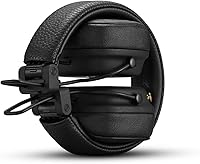
  • The foldable design compresses into a genuinely compact footprint that fits easily into a backpack.
  • A 3.5mm input lets a second person plug in and share audio — a small but thoughtful touch.
  • Over 18,000 verified buyer ratings paint a consistently positive picture across a wide range of use cases.

Cons

  • On-ear pressure builds up noticeably after two to three hours, making all-day wear uncomfortable for many users.
  • Active noise cancellation is listed as a feature but performs weakly compared to dedicated ANC headphones.
  • No companion app means there is no EQ customization, firmware updates, or control remapping available.
  • Automatic multipoint Bluetooth — simultaneous pairing to two devices — is not supported.
  • No hard-shell carrying case is included, leaving the headphones vulnerable in a packed bag.
  • The wireless charging pad is sold separately, which feels like a missed opportunity at this price point.
  • Wireless charging is notably slower than plugging in via USB-C when a quick top-up is needed.
  • The plastic headband and adjustment sliders feel slightly budget-grade compared to the premium vinyl exterior.
  • Call quality degrades in windy or high-noise environments where the microphone struggles to isolate voice.
  • Battery level feedback is vague, making it difficult to judge remaining charge before heading out.

Ratings

The Marshall Major IV has accumulated tens of thousands of verified buyer reviews across global markets, and the picture that emerges is largely positive — but not without nuance. Our AI rating engine analyzed that feedback, actively filtering out incentivized, bot-generated, and duplicate submissions, to produce the scores below. Strengths like battery endurance and sonic character are reflected honestly, and so are the real pain points around comfort and noise cancellation.

Battery Life
96%
This is the category where these Marshall headphones genuinely pull ahead of the competition. Buyers regularly report going four to six days of daily commuting without a charge, and the fast-charge capability — a short plug-in delivering hours of playback — has saved more than a few morning routines.
A very small number of users report battery degradation after 18 or more months of heavy use, which is worth noting for long-term ownership. There are also occasional complaints that the battery indicator lacks granularity, making it hard to judge exactly how much juice remains.
Sound Quality
88%
The warm, bass-forward tuning is a genuine strength for listeners who enjoy rock, hip-hop, R&B, and electronic music. Mids come through with enough body to keep vocals grounded, and the high end is present without turning harsh at moderate volumes.
Audiophiles or listeners who prefer a flat, reference-style sound will find the tuning too colored. Classical and acoustic music can feel slightly muddy in the low-mids, and the sound stage is relatively narrow compared to open-back alternatives in this price range.
Comfort & Fit
63%
37%
For sessions up to two hours, most users find the revised ear cushions noticeably softer than the previous generation, and the lightweight build means the headphones sit without feeling heavy on the head during a standard commute or work block.
On-ear headphones press against the ear rather than surrounding it, and beyond two to three hours this becomes a real issue for a meaningful slice of buyers. Users with larger ears or those sensitive to pressure report fatigue and soreness, making these a poor choice for extended listening sessions or long-haul travel.
Build Quality
84%
The textured vinyl housing feels solid and purposeful — not premium in a cold, metallic way, but durable in the way a road-worn instrument case feels dependable. The fold mechanism is smooth and the hinges inspire more confidence than the prior version.
The plastic components in the headband and adjustment sliders feel slightly at odds with the price point. A handful of reviewers have flagged creaking sounds developing over time, particularly around the ear cup joints after months of regular folding and unfolding.
Design & Aesthetics
91%
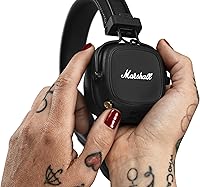
Few headphones at this price point carry a visual identity this strong. The script logo, the knurled control knob, and the matte vinyl texture combine into something that reads as distinctly Marshall whether it is around your neck on the subway or on a café table.
The classic look is polarizing — buyers who prefer a modern, minimalist aesthetic may find it too retro or loud. The all-black colorway hides scuffs well, but the vinyl surface shows fingerprints and skin oils fairly readily without a quick wipe-down.
Wireless Charging
82%
18%
The jump to Qi wireless charging is one of the most appreciated upgrades from the previous generation. Owners who already use a charging pad for their phone report that adding these Marshall headphones to the same pad creates a genuinely frictionless daily routine.
The wireless charging pad is not included in the box, which stings a little at this price point. Charging speed via the wireless method is also slower than USB-C, so users who need a quick top-up before heading out are better served by plugging in.
Noise Cancellation
44%
56%
The passive isolation provided by the physical ear cups does a reasonable job of taking the edge off ambient noise in moderately loud environments, like a bus or a quiet office with background chatter.
Despite being listed as a feature, active noise cancellation on this on-ear headphone is far weaker than what dedicated ANC models deliver. Users expecting meaningful noise blocking on a noisy train or a plane will be disappointed — the ANC presence here is subtle at best and barely noticeable in practice.
Connectivity & Range
79%
21%
Bluetooth 5.0 delivers a stable, low-dropout connection within typical use distances. Moving between rooms in a home or stepping away from a desk-based device works reliably without the intermittent cutting that plagued older Bluetooth headphones.
The stated wireless range is optimistic in real-world conditions. Walls, crowded wireless environments, and pocketed phones can reduce effective range noticeably. Multipoint connection — pairing to two devices simultaneously — is also not fully supported, which is a gap some competing headphones at this level have already addressed.
Controls & Usability
86%
The multi-directional knob is a standout physical interface — it handles volume, playback, and calls through a single intuitive input that takes about ten minutes to internalize. Users consistently mention preferring it to flat touch panels that offer no tactile feedback.
Some users find the knob's functions slightly ambiguous until they memorize the click patterns, and there is no companion app to customize controls or adjust EQ settings. For a headphone competing with app-enabled rivals, that omission is a recurring frustration in longer reviews.
Call Quality
71%
29%
For everyday phone calls — walking outdoors, sitting in a quiet room, or catching up during a commute — the integrated microphone handles voice transmission clearly enough that callers rarely ask for repeats.
In windy or high-ambient-noise environments, call quality drops off noticeably and the microphone struggles to isolate the speaker's voice. Users who take frequent work calls in busy environments report that a dedicated headset or earbuds with beamforming mics outperform it in those conditions.
Portability
83%
The updated fold mechanism makes the ear cups collapse into a compact, bag-friendly footprint. At just over six ounces, these Marshall headphones are light enough to hang around the neck without fatigue and easy to slip into a backpack side pocket.
No hard-shell carrying case is included — only a soft pouch in some bundles — which means the headphones are more vulnerable to scratches and pressure damage in a packed bag. Competing models at a similar price often include more protective storage solutions.
Value for Money
81%
19%
The combination of class-leading battery life, a distinctive design heritage, wireless charging capability, and genuinely enjoyable sound puts the Major IV in a strong position relative to other headphones in its price bracket. Buyers who prioritize stamina and style over clinical audio performance feel well-served.
Those who primarily want superior noise cancellation or a more neutral sound signature can find alternatives at a similar price that outperform it in those specific areas. The lack of an app, multipoint Bluetooth, and a proper carry case do nudge the value calculation slightly depending on the buyer's priorities.
Ease of Pairing
77%
23%
Initial pairing is straightforward — power on and the headphones enter discovery mode automatically. Reconnecting to a previously paired device is fast and reliable in most everyday scenarios.
Switching between two different paired devices requires manually disconnecting from one before connecting to another, which is clunkier than the automatic device-switching some rival headphones handle in the background. For users who move between a laptop and a phone frequently, this is a minor but repeated annoyance.

Suitable for:

The Marshall Major IV is built for a specific kind of listener, and for that person it really does deliver. If you commute daily by public transit, the battery stamina alone makes a compelling case — you can realistically go a full work week without hunting for a charger. Wireless Qi charging makes nightly top-ups as low-effort as setting the headphones on a pad alongside your phone. Music fans who gravitate toward rock, hip-hop, soul, or any genre with a strong low-end will find the warm, punchy sound tuning genuinely satisfying rather than fatiguing. Style matters to a lot of buyers, and these Marshall headphones carry a visual identity that stands apart from the sea of generic matte-black ovals dominating the market. They also work particularly well as a meaningful upgrade for someone stepping up from basic wired or budget Bluetooth gear, where the improvement in both sound and daily convenience will feel substantial.

Not suitable for:

There are real scenarios where the Marshall Major IV is simply not the right tool. If you need to wear headphones for four, five, or six consecutive hours — at a standing desk, on a long-haul flight, or during a full workday — the on-ear design will likely become uncomfortable before you want it to. Over-ear headphones distribute pressure differently and are a better fit for marathon listening. Buyers who specifically need strong active noise cancellation should also look elsewhere; the ANC here is a listed spec that real-world users consistently describe as underwhelming, and purpose-built ANC headphones at a similar price handle it far more effectively. Audiophiles or critical listeners who prefer a neutral, flat sound profile will find the bass-forward tuning too colored for mixing, podcasting, or analytical listening. Finally, anyone who frequently switches audio between a laptop and a phone throughout the day may find the lack of automatic multipoint switching a genuine daily friction point.

Specifications

  • Bluetooth Version: The headphones use Bluetooth 5.0 for stable wireless connectivity with a practical range of up to 33 feet in open conditions.
  • Battery Life: Full charge delivers over 80 hours of wireless playback, with a fast-charge feature providing approximately 15 hours of use from just 15 minutes of charging.
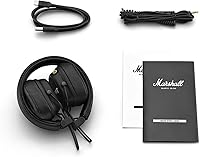
  • Charging Methods: Supports both USB-C wired charging and Qi wireless charging; a USB-C cable is included in the box, but a wireless charging pad is sold separately.
  • Driver Type: Custom-tuned dynamic audio drivers cover a full frequency range of 20 Hz to 20,000 Hz, tuned for a warm, bass-forward sound signature.
  • Impedance: Driver impedance is rated at 32 Ohms, making the headphones easy to drive from a smartphone or tablet without an external amplifier.
  • Ear Form Factor: On-ear design positions the cushioned ear cups directly against the outer ear rather than enclosing it, prioritizing portability over passive isolation.
  • Weight: The headphones weigh approximately 6.28 oz (178 g), keeping them light enough for comfortable short-to-medium-length sessions.
  • Dimensions: Folded dimensions measure approximately 6.3″ x 6.3″ x 3.4″, compact enough to fit in most backpack pockets or bag compartments.
  • Wired Input: A 3.5 mm audio jack allows passive wired listening or sharing audio with a second listener using a standard aux cable.
  • Controls: A single multi-directional control knob manages playback, volume adjustment, power, and phone call handling without requiring a touchpad or companion app.
  • Microphone: A built-in microphone supports hands-free phone calls and is positioned to handle voice capture in moderate ambient noise environments.
  • Foldability: The ear cups fold inward via an updated fold-clip mechanism, reducing the overall footprint for storage and travel.
  • Exterior Material: Housing surfaces are finished in textured black vinyl with the Marshall script logo, giving the headphones their signature retro aesthetic.
  • Compatibility: Compatible with any Bluetooth-enabled device including smartphones, tablets, and laptops; also works passively with any device featuring a 3.5 mm output.
  • Charging Time: A full charge from flat takes approximately 3 hours via USB-C; wireless charging is supported but operates at a slower rate than wired charging.
  • Noise Cancellation: Active noise cancellation is listed as a feature, though real-world performance is modest and best understood as light ambient reduction rather than true noise blocking.
  • In-Box Contents: The package includes the headphones, a 3.5 mm audio cable, a USB-C charging cable, and a user manual with safety information.
  • Battery Type: Powered by two built-in lithium polymer batteries, which are non-removable and included pre-installed.
  • Model Generation: This is the fourth generation of the Major line, succeeding the Major III with additions including wireless charging, USB-C, and revised ear cushion ergonomics.
  • Manufacturer: Designed and branded by Marshall, the headphones are manufactured by Zound Industries, which holds the license for Marshall-branded consumer audio products.

Related Reviews
Marshall Major V
Marshall Major V
80%
96%
Battery Life
83%
Sound Quality
79%
Build Quality
68%
Comfort & Fit
88%
Wireless Charging
More
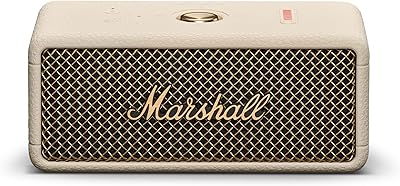
Marshall Emberton III
89%
94%
Sound Quality
96%
Battery Life
91%
Portability
90%
Durability
93%
Water Resistance
More
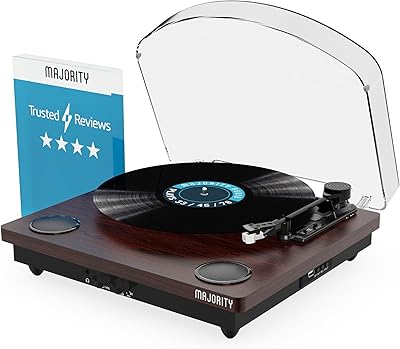
Majority Moto Bluetooth Turntable
82%
71%
Sound Quality
88%
Ease of Use
82%
Build Quality
89%
Design/Style
91%
USB Recording Feature
More
Majority D100 Bookshelf Speakers
74%
76%
Sound Quality
71%
Bass Performance
83%
Build Quality
89%
Connectivity Range
68%
Phono Stage
More
Marshall Stanmore III Bluetooth Speaker
81%
94%
Sound Quality
89%
Build Quality
91%
Ease of Setup
93%
Bass Performance
90%
Bluetooth Connectivity
More
Majority D40 Active Bookshelf Speakers
85%
88%
Sound Quality
91%
Value for Money
85%
Connectivity Options
89%
Ease of Setup
84%
Build Quality
More
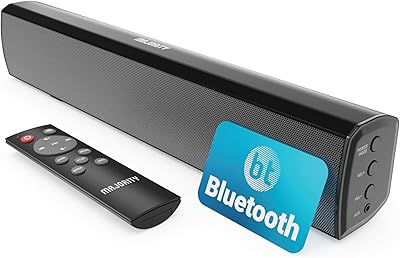
Majority Bowfell 50W Bluetooth Soundbar
83%
88%
Sound Quality
90%
Ease of Use
92%
Value for Money
85%
Connectivity Options
87%
Design & Size
More
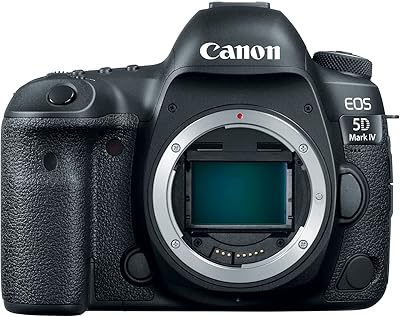
Canon EOS 5D Mark IV
82%
93%
Image Quality
89%
Autofocus Performance
94%
Build Quality & Durability
61%
Video Capabilities
88%
Low-Light Performance
More
Marshall Acton III Bluetooth Speaker
84%
92%
Sound Quality
89%
Bass Response
90%
Design & Build Quality
85%
Ease of Use
70%
Portability
More
Bose Wave Music System IV
87%
95%
Sound Quality
91%
Ease of Use
89%
Design & Build Quality
82%
Value for Money
88%
Connectivity
More

FAQ

In real-world conditions — daily commutes, work-from-home listening, gym sessions — most users report going four to six days before needing to charge. The rated figure is a ceiling achieved under controlled conditions, but even with Bluetooth active and moderate volume levels, the stamina is genuinely impressive for this type of headphone.

Any standard Qi-compatible charging pad will work fine. If you already charge your phone wirelessly, you can use the same pad for these Marshall headphones — just set them down and they will begin charging. Keep in mind the wireless charging pad is not included in the box.

Honest answer: it is closer to the latter. The Marshall Major IV does list ANC as a feature, but the practical noise reduction is subtle. It takes the edge off light background hum but does not meaningfully block out noisy commutes, open offices, or plane cabins the way a dedicated ANC headphone would. Do not make it a primary buying reason.

Not simultaneously in the way some newer headphones support dual-device multipoint. You can pair the Major IV to multiple devices, but it will only actively connect to one at a time. Switching between your laptop and phone requires manually disconnecting from one device first, which some users find mildly inconvenient.

For two to three hours, most people find them perfectly comfortable, especially given the updated softer ear cushions. Beyond that, the on-ear design starts to apply noticeable pressure for many wearers. If your use case involves six or more consecutive hours of listening, an over-ear headphone would serve you better for long-term comfort.

Yes. There is a 3.5 mm audio input on the ear cup, and a matching cable is included in the box. Plugging in bypasses the battery entirely, so you can keep listening even when the headphones are completely drained — a useful backup that not all Bluetooth headphones offer.

The multi-directional knob handles everything: push to play or pause, rotate to adjust volume, hold to power on or off, and click patterns manage calls. It takes a few days to build the muscle memory, but once it clicks it feels far more natural than swiping a touch-sensitive panel in the dark.

Call quality is solid in everyday environments — quiet rooms, streets with moderate traffic, indoor spaces. In genuinely loud or windy conditions the microphone struggles to isolate your voice clearly. For occasional calls it works well; for back-to-back work calls in a busy environment, a dedicated headset would be more reliable.

The jump is meaningful rather than cosmetic. Wireless Qi charging and the switch to USB-C are both practical quality-of-life upgrades, the ear cushions are noticeably softer, and the fold mechanism is tighter. Battery life also improved. If you already own a Major III in good condition the upgrade is optional, but for new buyers the fourth generation is clearly the better product.

A hard-shell protective case is not included. Some bundle listings include a soft pouch, but the standard retail box does not provide dedicated carrying protection. Given the foldable design, the headphones are reasonably compact for packing, but if you want to protect them in a crowded bag you will likely need to source a case separately.