Overview

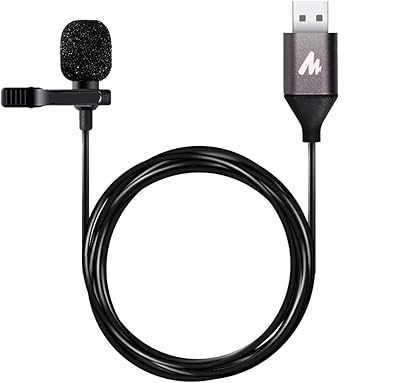
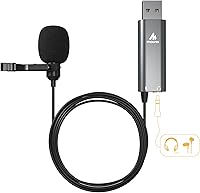
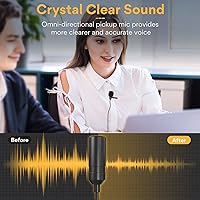
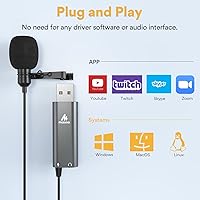
The MAONO UL20 USB Lavalier Microphone is a compact, clip-on mic built for content creators, remote workers, and casual streamers who want better audio without spending a lot. Plug it into a USB port and it just works — no driver installation, no configuration headaches. That kind of plug-and-play simplicity is genuinely rare at this price point. The omnidirectional pickup pattern means it captures sound from all around, which works nicely for on-camera talking or desk recording. It also sports a 3.5mm headphone jack for real-time monitoring, something you don't typically find on budget lapel mics. The metal build keeps it feeling solid, and the clip-on form factor makes it easy to forget you're even wearing it.
Features & Benefits

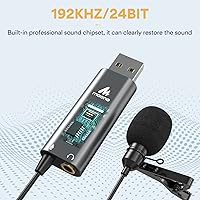
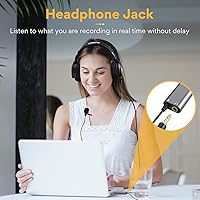
On paper, the specs look ambitious for a clip-on USB mic — 192kHz/24-bit sampling and an 80dB signal-to-noise ratio aren't numbers you commonly see at this tier. In practice, the USB connection and the mic capsule itself set a natural ceiling on audio quality, so treat those figures as a sign of thoughtful engineering rather than studio-grade performance. What actually matters day to day is the zero-latency monitoring through the headphone jack: plug in your earbuds and hear yourself in real time, making it easy to catch level problems before they end up in your recording. The included foam windscreen handles light plosives and desk fan noise reasonably well, and the whole setup runs off USB bus power with no external adapters needed.

Best For

This clip-on USB mic makes the most sense for people upgrading from a built-in laptop microphone who want noticeably better results without a complicated setup. YouTubers and vloggers clipping it to a collar for talking-head videos will appreciate how discreet it looks on camera. It's a solid pick for remote workers who spend hours on video calls, and students recording lectures will find it far less intrusive than a desktop mic. Early-stage podcasters and streamers on lean budgets get a meaningful audio boost here, and that real-time monitoring jack is a genuine perk during live sessions. That said, it's not the right tool for musicians, professional voice actors, or anyone who needs tight directional noise rejection — the omnidirectional pattern simply isn't designed for those demands.

User Feedback

Buyers consistently highlight ease of setup and the clear improvement over built-in laptop mics as the biggest wins — most people use the MAONO lavalier for Zoom calls, YouTube narration, or classroom recordings, and for those tasks it holds up well. The portability and included carrying bag earn positive mentions too. On the critical side, the omnidirectional pickup draws fair complaints: anyone recording in a lively room or near an air conditioner will notice ambient noise creeping in. The nearly six-and-a-half-foot cable is generous but has caused tangling frustrations at the desk. A handful of buyers have also flagged concerns about long-term durability at the clip and cable junction, so that connection point deserves careful handling.

Pros

  • Plug-and-play USB setup works instantly on both Windows and macOS with no drivers to install.
  • The built-in 3.5mm headphone jack enables real-time audio monitoring, a feature rarely found at this price.
  • Omnidirectional pickup handles interviews, meetings, and narration without needing to aim the mic carefully.
  • Lightweight metal construction feels more durable than the plastic-heavy competition in this category.
  • At under three ounces, this lapel microphone is easy to carry in a bag or pocket for on-the-go recording.
  • The included foam windscreen reduces breath noise and light plosives without any extra purchase.
  • An 80dB signal-to-noise ratio delivers noticeably cleaner vocals compared to integrated laptop microphones.
  • The carrying bag makes storage and transport tidier than most budget accessories in this space.
  • USB bus power means no batteries and no external power adapters to keep track of.

Cons

  • The omnidirectional polar pattern picks up room echo and background noise in untreated or lively spaces.
  • Real-world audio quality is capped by the USB signal chain, so the 192kHz/24-bit spec rarely translates to studio-level results.
  • The 78-inch cable is awkward to manage at a fixed desk and tends to coil and tangle with regular use.
  • Long-term durability at the clip and cable junction is a recurring concern among buyers after extended daily use.
  • Mono-only output limits flexibility for productions that require stereo or multi-channel recording.
  • No hardware volume control on the mic body means you have to adjust levels through your operating system or recording software.
  • The clip mechanism, while functional, has been reported to loosen over time with frequent attach-and-remove use.
  • Not compatible with smartphones or tablets unless the device supports USB 2.0 input, which many do not natively.

Ratings

The scores below for the MAONO UL20 USB Lavalier Microphone were generated by our AI system after analyzing thousands of verified buyer reviews from global markets, with spam, bot submissions, and incentivized feedback actively filtered out. Each category reflects the honest distribution of real user experiences — strengths are credited where earned, and recurring pain points are not softened. The result is a transparent, balanced picture of exactly what buyers are getting.
Audio Clarity
76%
24%
For a clip-on mic at this price, buyers consistently describe a noticeable improvement over built-in laptop microphones on Zoom calls and YouTube narrations. Voices come through with reasonable warmth and intelligibility, and background hiss is minimal in treated or quiet rooms.
In reverberant spaces like hard-floored home offices or untreated rooms, the omnidirectional capsule picks up echo and ambient noise that muddies vocal recordings. Reviewers with more demanding audio needs find the clarity ceiling hit fairly quickly compared to even entry-level cardioid condensers.
Ease of Setup
94%
Plug-and-play performance is genuinely one of this mic's strongest suits — buyers across all skill levels report being up and recording within under a minute of unboxing. No driver downloads, no configuration menus, no compatibility troubleshooting on either Windows or macOS.
A small number of users on older Windows machines noted needing to manually select the mic as the default input device in system settings, which caused brief confusion. There are also occasional reports of the device not being recognized immediately on certain USB hubs, requiring a direct port connection instead.
Background Noise Rejection
53%
47%
The 80dB signal-to-noise ratio does a decent job of keeping the mic's self-noise low, so recordings in truly quiet environments come out clean. The included foam windscreen provides a useful first line of defense against desk fan air currents and light breath plosives.
Because the polar pattern is omnidirectional by design, it cannot reject noise from specific directions the way a cardioid mic would. Buyers recording in shared apartments, open-plan offices, or near HVAC systems report that ambient noise is a persistent issue that post-processing only partially resolves.
Real-Time Monitoring
88%
The built-in 3.5mm headphone jack draws consistent praise because zero-latency monitoring is genuinely rare on clip-on USB microphones at this price tier. Streamers and podcasters say it noticeably improves their workflow by letting them catch clipping or unexpected noise live, rather than discovering problems after a recording.
There is no hardware volume knob for the headphone output, so adjusting monitoring levels requires going into software or OS settings mid-session. A few users also note that the 3.5mm jack feels slightly loose after repeated use, which can cause intermittent audio dropouts in the headphone feed.
Build Quality
67%
33%
The metal clip and mic housing feel noticeably more solid than the all-plastic competitors that populate this price range, and buyers who use it primarily as a desk or on-camera mic report no issues over many months of use. The compact, purposeful build inspires reasonable confidence for casual daily use.
The weakest point — flagged repeatedly by long-term users — is the junction where the cable meets the mic body, which shows signs of wear with daily attach-and-detach cycles. The clip tension also loosens over time for users who clip and unclip frequently, making it less reliable on thinner fabrics.
Portability
91%
At under three ounces with a compact footprint, this lapel microphone slips into any laptop bag or coat pocket without adding meaningful weight. The included carrying bag keeps the cable and windscreen organized, which buyers who travel between classrooms or meeting rooms find genuinely practical.
The 78-inch fixed cable is the main portability complaint — it does not retract or detach, so coiling and storing it tidily takes a bit of effort each time. Users who pack it regularly into tight bags note that the cable tends to develop kinks at the stress points over time.
Cable Length & Management
61%
39%
The 78-inch cable gives users plenty of reach from a laptop USB port to a shirt collar without pulling or straining, which is appreciated by presenters and teachers who sit at a distance from their machines. For mobile or on-location recordings, the extra length offers useful flexibility.
On a typical compact desk setup, the excess cable becomes a tangling nuisance that buyers frequently mention needing to tape down or bundle with velcro ties. Because the cable is fixed and non-detachable, there is no way to swap it out for a shorter cord if your setup does not need the length.
Value for Money
83%
Buyers who compare this clip-on USB mic against similarly priced competitors consistently rate it as one of the better investments at this tier, particularly given the headphone monitoring jack and the metal build — features that typically cost more elsewhere. For first-time content creators, the perceived value is high.
Users who later upgrade to mid-range XLR setups look back and feel the audio quality gap was larger than they initially appreciated, suggesting the value proposition depends heavily on setting realistic expectations. Those who need directional noise control will find the money better spent elsewhere from the start.
Compatibility
86%
The MAONO lavalier works reliably across Windows 10, Windows 11, and macOS without any additional software, and buyers confirm it integrates cleanly with common recording and streaming applications including OBS, Audacity, Zoom, and Microsoft Teams right out of the box.
Smartphone and tablet users are largely locked out without a specific USB adapter, and even then compatibility is not guaranteed. A handful of Chromebook users have reported inconsistent recognition, and the mic does not work with gaming consoles that lack USB audio input support.
Included Accessories
78%
22%
Getting a foam windscreen and a carrying bag alongside the mic is a genuinely thoughtful inclusion that budget competitors often skip. The windscreen slots on snugly and does reduce light wind and breath noise during desktop or outdoor recording sessions.
The accessory kit stops short of anything beyond the bare essentials — there is no spare clip, no cable tie, and no mount adapter for attaching the mic to a stand or boom arm. Buyers who want more mounting flexibility need to source third-party accessories separately.
Microphone Placement Flexibility
81%
19%
The clip-on design works on collars, ties, shirt pockets, and even laptop edges, giving users multiple placement options depending on their recording scenario. The omnidirectional pattern means precise positioning is less critical than it would be with a directional mic, which reduces setup fuss.
On very thin or lightweight fabrics, the clip does not always grip securely, and a few buyers report the mic slipping mid-recording during active movement. Without a magnetic or stronger locking clip option, placement on non-standard surfaces like desk edges or monitor stands is also limited.
Vocal Performance for Streaming
74%
26%
Streamers on a tight budget consistently praise the step-up in voice intelligibility compared to webcam or headset mics, and the real-time monitoring jack makes it easier to stay aware of audio levels during live sessions without interrupting the stream to check playback.
In lively streaming setups with mechanical keyboards, fans, or open-back headphones, the omnidirectional pickup will carry those sounds directly into the broadcast. Streamers in acoustically challenging spaces often find themselves applying heavy noise suppression filters in OBS just to keep the signal clean.
Long-Term Durability
58%
42%
Users who treat the mic gently — leaving it clipped to a fixed location and not stressing the cable daily — report it holding up well over six to twelve months of regular use. The metal housing genuinely resists the cosmetic wear that plagues all-plastic alternatives at this price.
The cable-to-body junction is the product's most consistent durability weak point, with multiple reviewers noting fraying or intermittent signal loss after several months of daily handling. For buyers who need a mic that travels constantly or gets clipped and unclipped multiple times a day, longevity is a real concern.

Suitable for:

The MAONO UL20 USB Lavalier Microphone is a practical choice for anyone taking their first real step up from a built-in laptop or webcam microphone. Remote workers who spend long stretches on video calls will notice an immediate improvement in how they sound to colleagues, and students recording lectures or submitting audio assignments will appreciate how little setup is involved. YouTubers and vloggers who shoot talking-head content benefit from the clip-on form factor — it stays discreet on camera while keeping the mic close to the source. First-time podcasters and streamers on a lean budget also land squarely in the sweet spot here, especially those who want to monitor their own audio live without buying a separate audio interface. Teachers recording screen-capture lessons or online course content will find this lapel microphone easy to integrate into an existing laptop workflow with zero configuration fuss.
Not suitable for:

The MAONO UL20 USB Lavalier Microphone is not the right call for anyone who needs controlled, directional audio capture. Because the pickup pattern is omnidirectional, it draws in sound from all sides — which means a noisy room, a running fan, or a hard-surfaced office will show up clearly in your recordings, and no amount of post-processing fully fixes that. Musicians recording acoustic instruments or vocalists tracking serious takes will quickly hit the ceiling of what this clip-on USB mic can deliver; the capsule and USB signal chain simply are not built for that level of precision. Professional voice actors or anyone producing broadcast-quality audio should look at dedicated cardioid or condenser microphones with XLR connectivity instead. If cable management is a concern at your desk setup, the 78-inch cord — while generous for mobility — can become a real nuisance in a compact workspace.
Specifications

  • Form Factor: Lavalier (clip-on) design that attaches to a collar, tie, or pocket for hands-free, on-body placement during recordings.
  • Connectivity: USB plug-and-play connection requires no driver installation and works immediately on compatible computers and laptops.
  • Sampling Rate: Supports up to 192kHz/24-bit audio resolution, placing it above the typical entry-level spec for USB lavalier microphones.
  • Polar Pattern: Omnidirectional pickup captures sound equally from all directions around the mic capsule, making positioning less critical.
  • Signal-to-Noise Ratio: Rated at 80dB, which helps minimize self-noise and keeps vocal recordings cleaner than many competing budget clip-on mics.
  • Headphone Output: A 3.5mm headphone jack on the mic body enables zero-latency real-time monitoring without needing a separate audio interface.
  • Frequency Response: Captures audio across a range up to 20kHz, covering the full spectrum of typical human speech and vocal recordings.
  • Cable Length: The attached USB cable measures 78 inches (approximately 6.5 feet), providing flexible reach from a laptop to a clip position.
  • Weight: The unit weighs 2.89 ounces, making it light enough to wear for extended recording sessions without noticeable discomfort.
  • Dimensions: The packaged unit measures 5.12 x 2.95 x 1.18 inches, compact enough to fit easily into a bag or laptop case.
  • Build Material: The clip and mic housing are constructed from metal, giving the unit a more durable feel than budget plastic alternatives.
  • Power Source: Draws power directly from the USB port (bus-powered), eliminating the need for batteries or external power adapters.
  • Channels: Records in mono (single channel), which is standard for lavalier microphones used in voice-focused applications.
  • Compatibility: Works with Windows PCs, macOS laptops and desktops, and any device with a USB 2.0 port without additional software setup.
  • Connector Type: Standard USB-A connector plugs directly into a computer or USB hub without any adapter required for most desktop and laptop setups.
  • Included Accessories: Package includes a foam windscreen, a carrying bag for storage and transport, and a printed user manual.

Related Reviews

MAONO AU-UL10 USB Lavalier Microphone
73%
83%
Voice Clarity
93%
Ease of Setup
58%
Noise Handling
71%
Build Quality
88%
Value for Money
More
Neat Microphones Skyline USB Desktop Condenser Microphone
89%
94%
Audio Quality
91%
Ease of Use
89%
Build Quality
90%
Mute Button Functionality
92%
Value for Money
More
ROCCAT Torch USB Microphone
86%
92%
Audio Quality
88%
Ease of Use
85%
Microphone Sensitivity
89%
Versatility (Pickup Patterns)
91%
RGB Lighting & Visual Feedback
More
Samson Meteor USB Microphone
86%
89%
Audio Quality
95%
Ease of Use
83%
Build Quality
91%
Portability
94%
Setup Process
More
Shure MVL Lavalier Microphone
80%
83%
Audio Clarity
88%
Build Quality
91%
Plug-and-Play Simplicity
79%
RF & Interference Rejection
71%
Omnidirectional Performance
More
Shure SM11 Dynamic Lavalier Microphone
77%
84%
Audio Clarity
89%
Build Quality
76%
Clothing Noise Rejection
49%
Compatibility
71%
Value for Money
More
AIRHUG 21 USB Microphone
82%
83%
Audio Clarity
74%
Noise Reduction
96%
Ease of Setup
67%
Build Quality
91%
Mute Button & LED Indicator
More
CMTECK XM600 USB Microphone
81%
91%
Value for Money
94%
Ease of Setup
72%
Audio Clarity
83%
Build Quality
89%
Mute Button & LED
More
Logitech USB Desktop Gooseneck Microphone
73%
93%
Ease of Setup
79%
Voice Clarity
71%
Noise Isolation
68%
Build Quality
82%
Gooseneck Flexibility
More
Fifine K054
Fifine K054
79%
93%
Value for Money
78%
Audio Clarity for Voice
96%
Ease of Setup
81%
Build Quality
88%
Mute Button & LED Indicator
More

FAQ

No, none at all. The MAONO UL20 USB Lavalier Microphone is fully plug-and-play on both Windows and macOS. Plug it into a USB port and your computer recognizes it as an audio input device within seconds. Just set it as your default microphone in your system sound settings and you are ready to go.
Not directly in most cases. This lapel microphone uses a standard USB-A connector, so it does not plug natively into a smartphone headphone jack or Lightning/USB-C port without an adapter. Even with a USB-C adapter, compatibility depends on whether your phone supports USB audio input, which many do not. It is primarily designed for laptops and desktop computers.

There is a 3.5mm headphone jack built into the mic body itself. Plug in any standard wired earbuds or headphones and you will hear your own voice live as you record, with no noticeable delay. It is a useful feature for catching clipping or background noise before it ruins a take, and it saves you from needing a separate audio interface just for monitoring.

That is the honest trade-off with this clip-on USB mic. Because it picks up sound from all directions, it does not reject noise coming from behind or beside you the way a cardioid mic would. In a quiet room it performs well, but if you have a loud fan, an open window, or a reverberant space, that ambient noise will show up in your recordings. Treating the room — even with something as simple as a curtain or a closet full of clothes — makes a noticeable difference.

It is a promising sign that the engineering team took the hardware seriously, but in practice, the USB signal chain and the physical mic capsule set the real ceiling on audio quality. You will not achieve studio-grade results purely because the sampling rate is high. That said, it does mean the mic is less likely to introduce digital artifacts, and it gives your recording software more headroom to work with during editing.

The cable runs about 78 inches, which is roughly six and a half feet. For most laptop users sitting at a desk, that is more than enough to clip the mic to your shirt and still reach the USB port comfortably. The flip side is that the extra length can get tangled or cluttered on a tidy desk, so a small velcro cable tie can help manage the slack.

It can technically pick up instrument sound, but the MAONO lavalier is really optimized for voice. The omnidirectional pattern and USB capsule are not well-suited for capturing the nuance and dynamics of acoustic instruments. If music recording is your main goal, a dedicated condenser microphone with an XLR connection and an audio interface will serve you much better.

The metal clip feels sturdy out of the box, and it is sturdier than the plastic clips found on cheaper competitors. That said, a handful of buyers have noted wear at the point where the cable meets the mic body after prolonged daily use, so treating that junction gently — rather than yanking on the cable — will help extend its lifespan. It is not fragile, but it is also not built to take rough handling every day.

Yes, it works well for that purpose. The step up from a built-in laptop mic is immediately noticeable to people on the other end of the call, and the plug-and-play setup means there is nothing complicated to configure before a meeting. Just set it as your input device in Zoom or Teams and you are set. The only caveat is to record in a reasonably quiet space, since the omnidirectional pattern will carry background noise into the call.

You get the lapel microphone with its attached USB cable, a metal clip for attaching it to clothing, a foam windscreen that slides over the mic head, a small carrying bag for storage, and a printed manual. It is a solid starter kit — the foam windscreen in particular is a nice inclusion since many budget mics skip that accessory entirely.