Overview

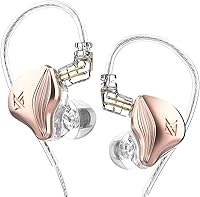
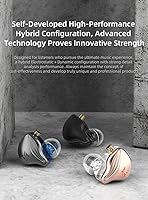
The KZ ZEX Hybrid In-Ear Monitors represent KZ's push into electrostatic-hybrid territory at a price that won't stress your wallet. The brand has built a reputation for squeezing audiophile-adjacent hardware into budget shells, and the ZEX continues that tradition by pairing a low-voltage electrostatic unit with a 10mm dynamic driver inside a zinc alloy and resin housing. That combination is genuinely rare at this tier. These hybrid earphones are aimed squarely at curious newcomers and entry-level hobbyists who want a taste of multi-driver technology without committing to something pricier. Treat them as a gateway, not a destination.

Features & Benefits

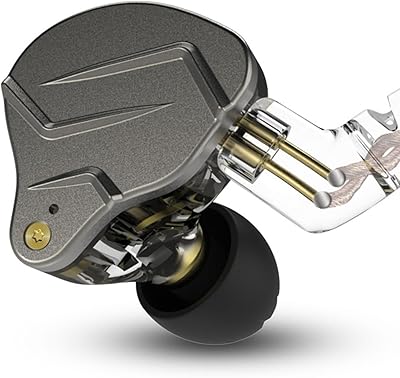
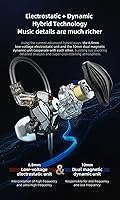
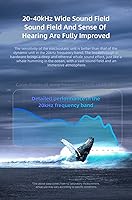
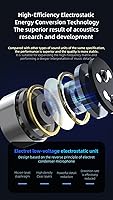
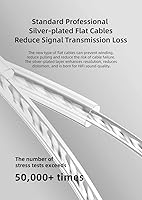
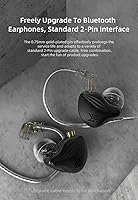
The hybrid driver setup is where things get interesting. The 6.8mm electrostatic unit takes responsibility for upper-frequency detail — cymbals, breath in vocals, the shimmer on acoustic guitars — while the 10mm dual magnetic dynamic driver handles the low and mid range. At 25 ohms and 103dB sensitivity, the ZEX is easy to drive straight from a phone. No amp required. The detachable silver-plated cable is a practical bonus: it resists tangling and opens the door to aftermarket upgrades down the road. The zinc alloy faceplate also gives these hybrid earphones a solid, premium-feeling build that punches above its weight class.

Best For

The ZEX makes the most sense for first-time IEM buyers who are curious about what a multi-driver earphone actually sounds like without spending significantly more. Commuters and everyday listeners who have outgrown bundled earbuds will find a clear step up in treble resolution and overall detail. Bedroom producers and hobbyist musicians can use this KZ IEM as a secondary monitoring tool, especially for catching upper-frequency harshness in mixes. One practical note: this listing is the no-microphone variant, so anyone who needs hands-free calling should check the mic-equipped version instead. A 3.5mm source or compatible adapter is also required.

User Feedback

With a 4.5-star average across over 170 ratings, these hybrid earphones land well with most buyers. Treble clarity and soundstage come up repeatedly as highlights, particularly from listeners stepping up from single-dynamic competition. That said, fit can be inconsistent — ear shape matters here, and some users report the stock tips don't seal well for every ear. Tip rolling with third-party foam or wider silicone tips is the standard fix and makes a noticeable difference. The flat cable draws divided opinions: tangle-free in practice, but it feels thin to some. Worth noting that this KZ IEM lacks a microphone, which occasionally catches buyers off guard.

Pros

  • Hybrid electrostatic and dynamic driver configuration delivers noticeably sharper treble detail than single-dynamic competitors at this price.
  • Easy to drive at 25 ohms — no amplifier needed, just plug into your phone and go.
  • The detachable cable is a genuine long-term value add, making future upgrades simple and affordable.
  • Zinc alloy and resin construction feels substantially more solid than what most budget IEMs offer.
  • Flat silver-plated cable resists tangling far better than the round cables found on cheaper earphones.
  • Broad soundstage makes these hybrid earphones feel more open and spacious than the price would suggest.
  • Ergonomic shell shape works well for extended listening sessions without causing fatigue.
  • Consistently strong user ratings across a meaningful number of reviews point to reliable build and sound quality.
  • Favorable comparison against single-dynamic rivals in the same price range noted by multiple real-world buyers.

Cons

  • Fit is inconsistent across ear shapes; the stock tips may not seal properly without swapping to third-party options.
  • The flat cable feels thin and fragile to some users, raising questions about long-term durability.
  • No microphone is included in this variant, making it unsuitable for calls without a separate solution.
  • The electrostatic unit's contribution can be subtle and may not be immediately obvious to listeners new to the technology.
  • Not water resistant, which limits safe use during workouts or in wet conditions despite being recommended for exercise.
  • Rose gold is the only available color option, which won't appeal to everyone.
  • No carrying case is reliably included, leaving storage and cable protection as the buyer's responsibility.
  • Bass-heavy listeners may find the tuning too balanced or lean compared to consumer-oriented earphones.

Ratings

The scores below for the KZ ZEX Hybrid In-Ear Monitors were generated by our AI after analyzing verified global buyer reviews, actively filtering out incentivized, bot-generated, and outlier feedback to surface what real everyday users actually experienced. We weighted both consistent praise and recurring frustrations equally, so the numbers reflect the full picture — not just the highlights.

Sound Quality
83%
The treble clarity these hybrid earphones produce is the most frequently praised aspect across verified reviews — listeners on daily commutes repeatedly noted how cymbals, string harmonics, and vocal sibilance come through with a crispness that single-dynamic earphones at this price simply don't match. The soundstage feels wider and more open than the form factor suggests.
The midrange can feel slightly recessed during complex passages, and bass-heavy listeners find the low end less satisfying than earphones tuned for a warmer, more consumer-friendly signature. The electrostatic unit's contribution is real but subtle enough that casual listeners may struggle to identify it without a direct comparison.
Build Quality
79%
21%
The zinc alloy faceplate gives the ZEX a noticeably solid, weighty feel in hand that buyers consistently contrast favorably against the hollow plastic shells common among competitors at this price. The resin body holds up well to daily handling without showing scratches or stress marks in the short-to-medium term.
A few longer-term owners note that the resin section near the nozzle shows wear faster than expected after several months of regular use. The overall construction feels competent rather than robust — it is clear the shell is built to a price point even if it hides that fact better than most rivals.
Cable Quality
61%
39%
The flat silver-plated cable design genuinely delivers on its tangle-resistance promise — users who carry the ZEX loosely in a bag or pocket report far fewer knots compared to traditional round cables. The detachable 2-pin connection also means a worn cable is a cheap fix rather than a product-ending problem.
The cable feels noticeably thin and lightweight, and a vocal subset of buyers question how long it will hold up under daily flexing stress near the connector ends. Several reviewers replaced the stock cable within the first few months, suggesting the included cable is more of a starter accessory than a long-term solution.
Comfort & Fit
67%
33%
The contoured ergonomic shell sits comfortably for most users during extended listening sessions of an hour or more, and the over-ear cable routing reduces driver flex and microphonics noticeably. Listeners with average ear canal sizes report a secure, fatigue-free fit right out of the box.
Fit is the single most divisive aspect in user feedback — buyers with smaller or unusually shaped ear canals frequently report the stock tips failing to create a proper acoustic seal, which directly degrades bass response and overall sound quality. Tip rolling is practically mandatory for a significant portion of users, adding both cost and trial-and-error time.
Treble Performance
86%
The electrostatic unit's most audible contribution is in the air and extension of the upper frequencies, and this is where the ZEX genuinely outperforms single-dynamic competition at its tier. Acoustic guitar recordings, orchestral pieces, and jazz tracks feel noticeably more resolved and spacious than what buyers were previously used to.
On poorly mastered or compressed audio sources — streaming at lower bitrates, for instance — the elevated treble presence can tip into brightness or occasional sharpness on sibilant consonants. Listeners who are treble-sensitive may find extended high-frequency listening sessions mildly fatiguing.
Bass Performance
68%
32%
The 10mm dual magnetic dynamic driver produces bass that is clean, reasonably well-defined, and tracks quickly enough to handle fast electronic music and percussion without obvious smearing. For genre-neutral or acoustically focused listening, the bass feels appropriately balanced and controlled.
Bass quantity is on the leaner side for listeners who prefer a strong low-end emphasis — EDM, hip-hop, and bass-heavy pop fans consistently flag this as a disappointment. The ZEX was clearly tuned for detail retrieval over impact, which is a deliberate trade-off but one that will alienate a portion of potential buyers.
Midrange Clarity
73%
27%
Vocals and lead instruments sit at an audible, intelligible level in the mix, which makes these hybrid earphones a decent choice for podcast listening and vocal-forward music genres. The midrange is clean and free of the muddiness that often plagues budget earphones with over-emphasized bass.
The mids sound slightly pulled back compared to the treble, which can make dense instrumental arrangements feel less three-dimensional than the soundstage width might otherwise suggest. String quartets and dense rock mixes occasionally lose some layering that a more forward midrange tuning would preserve.
Soundstage & Imaging
81%
19%
Buyers who listen to live recordings and classical music are consistently surprised by how much spatial width the ZEX manages within a sealed in-ear form factor. Instrument placement is distinct enough that listeners can identify left-right and front-back positioning on well-recorded material.
The soundstage performance is directly tied to how well the tips seal in your ear — a poor seal collapses the imaging noticeably, which partly explains why some users report underwhelming results while others rave about it. Depth layering is good but not exceptional; the front-to-back axis is less developed than the lateral spread.
Value for Money
88%
The price-to-performance ratio is genuinely hard to argue with for a hybrid electrostatic IEM, and the majority of buyers arrive at this conclusion within the first listening session. The combination of hybrid driver technology, metal construction, and a detachable cable at this price tier gives the ZEX a tangible edge over non-hybrid competitors.
Value perception drops for buyers who end up needing to purchase aftermarket ear tips, a replacement cable, or a 3.5mm adapter separately — the effective out-of-pocket cost climbs quickly if the included accessories don't work for your setup. Buyers who primarily need a microphone for calls also find the no-mic variant a poor value match for their use case.
Ease of Use
91%
Plug-and-play simplicity is a genuine strength here — the 25-ohm impedance and high sensitivity mean the ZEX works immediately from any 3.5mm source without needing apps, pairing, charging, or configuration. Commuters and casual users consistently appreciate how little friction is involved in the daily experience.
The over-ear cable routing, while beneficial for sound quality, takes a few sessions to get used to if you are coming from a straight-down cable design. First-time IEM users occasionally report initial confusion about correct insertion technique, which affects both comfort and sound quality until the habit is established.
Accessories & Packaging
58%
42%
The included flat cable is a functional accessory that serves daily use adequately, and the compact packaging protects the earphones well during shipping. The user manual, while basic, covers the essential setup steps clearly enough for first-time IEM owners.
The stock ear tip selection is limited to a narrow range of sizes, which is a direct contributor to the fit complaints that appear repeatedly in user feedback. The absence of a consistent carrying case across all shipped units is a notable omission for a product positioned around quality, leaving buyers to source their own storage solution.
Microphonics
76%
24%
The over-ear cable routing does most of the heavy lifting here — when worn correctly, cable noise transmitted through to the driver is minimal during walking or commuting. The flat cable design also reduces the slapping sensation against clothing compared to rounded cables.
When the earphones are worn cable-down rather than over the ear, microphonics become noticeably intrusive, especially during movement. A shirt clip is not included, which would have been an inexpensive addition that meaningfully improved the cable-down wearing experience for those who prefer it.
Driver Coherence
72%
28%
For a hybrid design at this price, the crossover between the electrostatic and dynamic drivers is reasonably well-integrated — there is no glaring tonal gap or jarring transition between frequency bands during normal listening. Fans of acoustic and jazz music note that instruments sound whole rather than split across drivers.
On very complex, layered recordings, a subtle disconnect between the crisp treble presentation and the warmer dynamic bass can occasionally make the sound feel slightly disjointed. This is an inherent challenge of multi-driver hybrid tuning and is more noticeable with high-quality source files than with compressed streaming audio.
Durability
65%
35%
The metal faceplate meaningfully extends the shell's resistance to cosmetic damage from drops and daily pocket carry. The 2-pin detachable cable system is the single most durability-positive design choice, turning the most failure-prone component into a simple, low-cost replacement part.
The lack of any water resistance rating is a real-world limitation — users who sweat heavily during exercise or encounter rain report accelerated cable wear and, in some cases, driver degradation over months of repeated moisture exposure. Long-term durability beyond a year of heavy daily use remains a mixed result across the user base.

Suitable for:

The KZ ZEX Hybrid In-Ear Monitors are a strong match for anyone taking their first real step into the IEM hobby without wanting to spend heavily upfront. If you've been living with bundled earbuds and have started noticing their limitations — flat soundstage, rolled-off treble, no sense of instrument separation — these hybrid earphones offer a meaningful and affordable upgrade. Commuters who want wired reliability and better audio detail during daily travel will find a lot to like here. Bedroom producers and hobbyist musicians can also put the ZEX to practical use as a secondary monitoring tool, particularly for catching upper-frequency harshness that cheaper earphones tend to mask. Anyone already invested in the KZ ecosystem who wants to explore what the brand's electrostatic experiments sound like in a real-world package will find this KZ IEM a logical and low-risk entry point.

Not suitable for:

The KZ ZEX Hybrid In-Ear Monitors are not the right call for buyers who need a hands-free microphone for calls or voice assistants, since this specific listing ships without one — check the mic variant if that matters to you. Serious audio engineers or working musicians who rely on in-ear monitors for critical stage or studio reference work should look further up the price ladder; these hybrid earphones are built for enthusiast listening, not professional accuracy. If you have a history of trouble getting a secure fit from generic IEM shells, the ZEX may frustrate you without tip rolling, which adds cost and experimentation time. Wireless listeners who have moved away from cables entirely won't find any Bluetooth option here. Buyers who expect deep, authoritative bass as the centerpiece of their listening experience may also find the tuning leaner than expected.

Specifications

  • Driver Type: Hybrid configuration combining one 6.8mm low-voltage electrostatic unit and one 10mm dual magnetic dynamic driver per earpiece.
  • Impedance: Rated at 25 ohms, making these hybrid earphones compatible with smartphones, laptops, and portable DAPs without requiring an external amplifier.
  • Sensitivity: 103 dB sensitivity ensures adequate volume output from low-power sources such as mobile phones and standard audio players.
  • Frequency Response: Specified frequency response extends up to 40kHz, covering the full audible range and reaching into the ultrasonic band.
  • Connector: Terminated with a standard 3.5mm stereo jack, compatible with most wired audio sources or devices using a 3.5mm adapter.
  • Cable Type: Detachable flat silver-plated cable using a 2-pin connection standard common across the KZ product lineup.
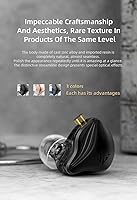
  • Shell Material: Earphone body is constructed from a cast zinc alloy faceplate paired with an imported resin housing for structural rigidity and a polished finish.
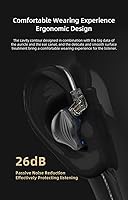
  • Fit Style: Ergonomic over-ear in-canal fit with a contoured shell designed to follow the natural shape of the outer ear and canal entrance.
  • Microphone: This variant does not include an inline microphone; a separate mic-equipped version is available from the manufacturer.
  • Color: Available in rose gold as the sole color option for this listing.
  • Package Weight: Total packaged weight is approximately 2.89 oz, reflecting the compact form factor of the earphones and included accessories.
  • Package Dimensions: Retail packaging measures approximately 4.06 x 2.87 x 1.34 inches.
  • In the Box: Package includes the earphones, one detachable silver-plated flat cable, and a user manual; no carrying case is guaranteed in all shipments.
  • Water Resistance: The ZEX carries no official water resistance rating and is not recommended for use in rain, heavy sweat conditions, or near water.
  • Manufacturer: Designed and produced by Shenzhen Yuanze Electronic Co., Ltd, the company behind the KZ brand of audio products.
  • Model Number: Official model designation is ZEX, with ASIN B09HQRGJRQ identifying this specific rose gold, no-microphone variant on Amazon.

Related Reviews
KZ ZAR Hybrid In-Ear Monitors
86%
92%
Sound Quality
89%
Comfort & Fit
90%
Noise Isolation
84%
Build Quality & Durability
72%
Cable Durability
More
KZ ZS10 Pro Hybrid IEM Earphones
76%
88%
Sound Clarity
63%
Bass Performance
82%
Soundstage & Imaging
86%
Build Quality
54%
Cable Quality
More
Linsoul Kiwi Ears Quartet 2DD+2BA Hybrid In-Ear Monitor
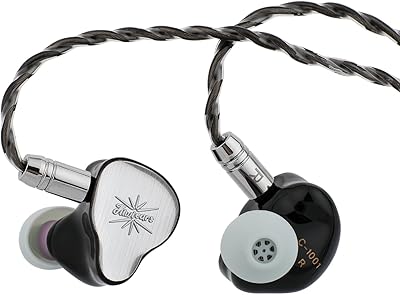
88%
94%
Sound Quality
91%
Bass Performance
83%
Treble Clarity
88%
Comfort & Fit
89%
Build Quality
More
Kiwi Ears KE4 Hybrid In-Ear Monitor
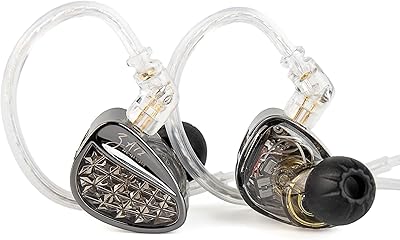
80%
88%
Sound Quality
86%
Bass Performance
91%
Midrange Clarity
83%
Treble Extension
78%
Soundstage & Imaging
More
KZ ZA12 In-Ear Monitor
87%
92%
Sound Quality
88%
Comfort for Long Listening
85%
Build Quality
89%
Customization (Tuning Switch)
83%
Noise Isolation
More
KZ Castor Dual-Driver In-Ear Monitor Earphones
74%
86%
Sound Quality
83%
Bass Performance
91%
Build Quality
72%
Comfort & Fit
78%
Tuning Filter System
More
KZ ZST X Hybrid Driver In-Ear Monitors
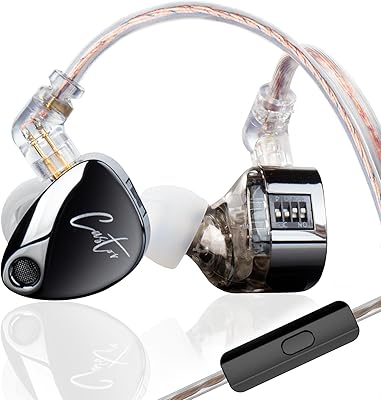
70%
93%
Value for Money
78%
Sound Quality
82%
Bass Performance
74%
Treble Clarity
61%
Midrange Presence
More
KZ AS24 In-Ear Monitor
72%
88%
Sound Detail & Clarity
61%
Bass Performance
84%
Midrange Quality
79%
Treble & Soundstage
72%
Tuning Switch Utility
More
KZ ZSN Pro in Ear Monitors
85%
91%
Sound Quality
85%
Comfort & Fit
88%
Build Quality
89%
Noise Isolation
82%
Durability
More
CCA KZ AS16 PRO IEM Earphones
78%
91%
Sound Detail & Clarity
54%
Bass Performance
86%
Midrange Reproduction
83%
Treble Extension
79%
Soundstage & Imaging
More

FAQ

No, you do not. At 25 ohms and 103 dB sensitivity, the ZEX is designed to run directly from a smartphone, laptop, or portable music player. Most listeners find the volume more than sufficient without any additional hardware.

It does not. This specific listing is the no-mic variant, so you won't be able to take calls or use voice assistants hands-free. If that matters to you, look for the mic-equipped version of the same model sold separately.

Yes. The ZEX uses a standard 2-pin detachable connector that is widely supported across the KZ lineup and many third-party cable manufacturers. Replacement and upgrade cables are easy to find and generally affordable.

Probably not a defect. Fit is the biggest variable with in-ear monitors, and the stock ear tips may not create a proper seal in every ear shape. Try swapping to a different tip size first, or experiment with foam tips for a deeper, more secure fit. A better seal almost always improves bass response and overall sound quality noticeably.

The small 6.8mm electrostatic unit is responsible for the uppermost frequency range — think cymbal shimmer, breath in vocals, and fine textural detail in acoustic instruments. The 10mm dynamic driver handles bass and midrange. At this price tier, the electrostatic contribution is real but subtle; don't expect it to sound dramatically different from a well-tuned single-driver IEM, but the added air and extension in the treble is genuinely there.

They can work for light exercise, but keep in mind they carry no water or sweat resistance rating. Heavy workouts that produce a lot of perspiration could shorten the lifespan of the drivers or cable over time. They're also a wired design, so cable management during movement is something to consider.

The ZEX sits in a similar price bracket but introduces the electrostatic unit, which the ZSN and ZST do not have. The practical difference is mainly in the upper frequencies — the ZEX tends to sound airier and slightly more detailed in the treble region. Whether that's worth it comes down to personal preference, but most KZ fans consider the ZEX a meaningful step forward in that specific regard.

Yes, but you will need a Lightning to 3.5mm adapter, since the ZEX terminates in a standard 3.5mm plug. Apple's official adapter works well and does not introduce noticeable audio quality loss. USB-C adapters work the same way for Android devices that have dropped the headphone jack.

User feedback is mixed on this. The flat design genuinely does resist tangling compared to round cables, which reduces one common stress point. However, some owners feel the cable itself is on the thin side and lacks durability over months of daily use. Since the cable is detachable, replacing it is straightforward and inexpensive if it does wear out.

Not as a primary tool for professional studio work. These hybrid earphones are tuned for enjoyable listening rather than flat, accurate reference monitoring. They can serve as a useful secondary check — particularly for catching harshness or sibilance in mixes — but a dedicated studio IEM or monitor headphone would be more reliable for critical mixing decisions.