Overview

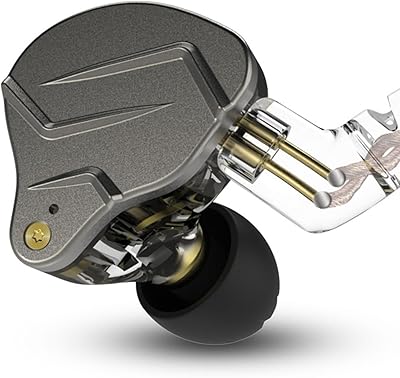
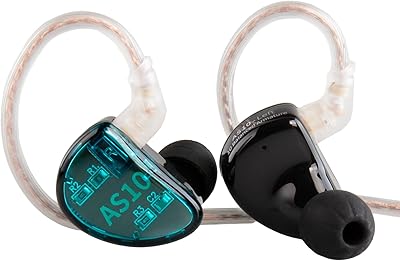
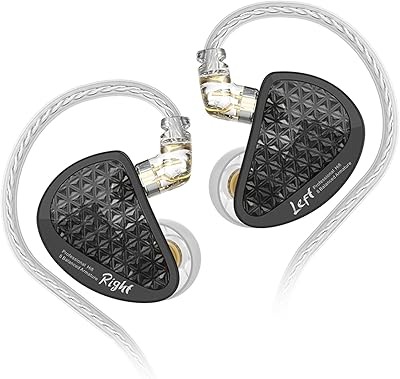
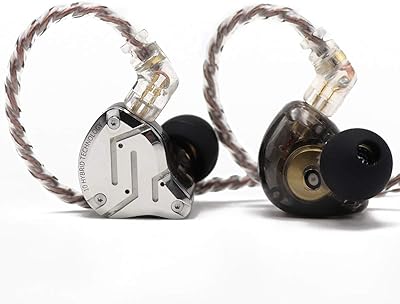
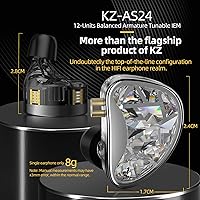
The KZ AS24 In-Ear Monitor represents KZ's most driver-dense push into the mid-fi wired IEM space — twelve balanced armature units per side, totaling 24 drivers, organized through a dedicated crossover to handle highs, mids, and lows as separate tasks. KZ has carved out a real following by offering high driver counts at prices that undercut most Western competitors, and this 24-driver IEM sits near the ceiling of that approach. The headline spec is striking, but the real question is whether all those armatures produce cohesive, musical sound rather than just an impressive number on a box. The eight-position tuning switch system adds genuine flexibility that most rivals at this price simply don't offer — though listeners chasing deep, warm bass should know upfront that all-BA designs tend to deliver speed and clarity, not sub-bass weight.

Features & Benefits

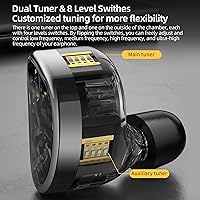
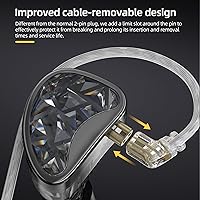
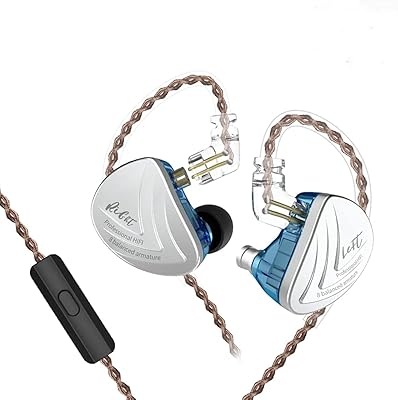
Each frequency range here gets its own dedicated balanced armature units, with a crossover managing the handoff between drivers — that purposeful division of labor typically yields fast, articulate treble and a clean midrange that resolves fine detail well. The eight-position tuning switches let you nudge individual frequency bands, which is practically useful for adapting between studio monitoring and casual listening, though expect incremental shifts rather than dramatic sound overhauls. The 3D-printed ABS shell is designed for precise internal acoustic geometry, keeping the sound path consistent from unit to unit. At 16 ohms, this multi-BA earphone runs cleanly off a phone or compact dongle DAC without any dedicated amplifier. The detachable 2-pin cable is a smart long-term investment — swap in a balanced, Bluetooth, or mic cable as your setup evolves.

Best For

Stage musicians and studio performers who need passive noise isolation and an analytical window into a live mix will find this 24-driver IEM a natural fit — it's built around accuracy, not flattery. Audiophile hobbyists who enjoy experimenting with frequency response without touching EQ software will appreciate the tuning switch system as a hands-on alternative. Commuters running a portable DAP or USB dongle will have no trouble powering this earphone and will benefit from its resolution on a clean signal chain. That said, if your priority is deep sub-bass rumble or a lush, organic sound signature, a hybrid or dynamic driver design will serve you better. The detachable cable system also makes it appealing to anyone who wants future cable upgrades without buying a new IEM.

User Feedback

Buyers consistently point to strong instrument separation as a real-world strength — the layered driver architecture does produce a noticeably open presentation for a sealed IEM. Comfort gets more mixed reactions: the shell runs on the larger side, and fit depth is critical; many users report that switching to aftermarket ear tips resolves most seal and fatigue issues quickly. The tuning switches earn generally positive but measured responses — reviewers agree the adjustments are audible and useful, but nobody is calling them transformative. Recurring criticisms include the stock cable quality and occasional worries about channel matching consistency straight out of the box. Against competitors like Moondrop or Tin HiFi at comparable prices, this multi-BA earphone tends to win on raw driver count while trailing slightly on tonal refinement. Overall buyer satisfaction is solid among listeners who researched the all-BA sound signature before purchasing.

Pros

  • 24 balanced armature drivers per side deliver fast, highly detailed sound that resolves layered mixes with uncommon clarity.
  • The eight-position tuning switch system offers real hardware frequency customization without needing any EQ app or software.
  • At 16 ohms, this multi-BA earphone runs easily off a phone or portable dongle — no amplifier required.
  • The detachable 2-pin cable opens up practical upgrade paths: balanced, Bluetooth, or mic cables all swap in cleanly.
  • Passive noise isolation is strong enough for stage monitoring and focused studio listening.
  • The 3D-printed ABS shell provides consistent internal acoustic geometry, which helps with channel-to-channel sound matching.
  • Instrument separation and soundstage width stand out as genuine strengths noted repeatedly by real-world buyers.
  • Over-ear cable routing reduces microphonics during movement, which matters for performers and active commuters.
  • The 3.5mm connector is universally compatible with DAPs, dongles, laptops, and most audio interfaces without adapters.
  • Tuning switch adjustments, while incremental, are audible enough to make the KZ AS24 adaptable across different music genres.

Cons

  • Sub-bass extension and low-frequency weight are noticeably limited compared to hybrid or single dynamic driver alternatives.
  • The shell size is on the larger end and may cause fit or seal issues for listeners with smaller ear canals.
  • Getting the best sound requires aftermarket ear tips — the stock tips are average at best.
  • The stock cable feels underwhelming relative to the overall driver investment and may prompt an early upgrade.
  • Tuning switch differences are subtle enough that casual listeners may not find them worth the added complexity.
  • Channel matching consistency has been flagged by some buyers as a concern straight out of the box.
  • The overall tonal character is dry and analytical, which suits monitoring but can feel fatiguing during long recreational listening sessions.
  • Compared to similarly priced offerings from more refined tuners like Moondrop, the tonal coherence across 24 drivers can feel uneven on certain tracks.
  • The larger housing and over-ear fit style may not suit users who want a low-profile, discreet everyday earphone.

Ratings

The KZ AS24 In-Ear Monitor scores below reflect AI-powered analysis of verified global buyer reviews, with spam, bot activity, and incentivized feedback actively filtered out to protect accuracy. This 24-driver IEM attracts a passionate and technically literate audience, which means the feedback is unusually detailed — covering everything from crossover coherence to ear tip compatibility. Both the genuine strengths and the recurring frustrations are represented transparently in every category score.

Sound Detail & Clarity
88%
Buyers consistently report that instrument separation is a standout strength — in complex orchestral tracks or dense studio mixes, individual elements hold their own space rather than blending together. The balanced armature configuration delivers fast transients that make acoustic guitar plucks, cymbal decay, and vocal sibilance feel crisp and resolved.
A handful of listeners find the overall presentation overly clinical, particularly on pop and electronic music where a more forgiving tuning would feel more enjoyable. The hyper-detailed character can expose poor-quality recordings or lossy streaming files in an unflattering way.
Bass Performance
61%
39%
Mid-bass punch is present enough for rock and jazz listeners, and the crossover keeps low-frequency drivers from bleeding into the mids, which helps with tightness and definition. In studio monitoring scenarios, this controlled bass response is actually a practical advantage for mixing decisions.
Sub-bass extension is where this multi-BA earphone falls noticeably short — the visceral rumble that EDM and hip-hop listeners expect is largely absent, a structural limitation of all-balanced-armature designs rather than a tuning choice. Buyers who migrated from hybrid or dynamic driver IEMs often flag this as an adjustment they did not fully anticipate.
Midrange Quality
84%
Vocals and mid-forward instruments like piano, guitar, and strings come through with a natural presence that many buyers find particularly rewarding during acoustic listening sessions. The dedicated mid-frequency drivers keep the midrange from feeling recessed or overshadowed by treble energy.
A small segment of reviewers describes the mids as slightly dry or analytical rather than warm and organic, which can make extended vocal-heavy listening sessions feel tiring. Compared to smoother-tuned competitors like certain Moondrop models, the midrange here leans reference rather than musical.
Treble & Soundstage
79%
21%
Treble extension is genuinely impressive for the price tier — high-frequency detail like brush strokes on a snare or air around a soprano voice comes through with commendable resolution. The multi-driver crossover design also contributes to a wider perceived soundstage than most single or dual-driver IEMs can achieve.
Treble can tip into brightness on certain switch configurations, with some users reporting fatigue during longer listening sessions at higher volumes. The soundstage, while wide for an in-ear design, lacks the depth and layering of open-back headphones and may feel constrained to listeners coming from full-size audiophile gear.
Tuning Switch Utility
72%
28%
Having eight positions of hardware-level frequency adjustment without opening any app is a genuine differentiator, especially for musicians who need to adapt quickly between rehearsal and casual listening. Users who invest the time to experiment with switch combinations consistently report finding a configuration that suits their preferred genre better than the default.
The differences between switch positions are incremental — reviewers expecting dramatic sound signature changes are regularly disappointed. A few buyers also note that the switch toggles are small and fiddly, making adjustments in poor lighting or on the move more inconvenient than it should be.
Fit & Comfort
66%
34%
The over-ear cable routing reduces microphonics during movement, which stage performers and active commuters appreciate during longer wear sessions. When the fit is dialed in with the right ear tip, the rounded-tip shell sits stably and the isolation holds up well in moderately loud environments.
The shell size is a recurring complaint — buyers with smaller ears or narrower canals frequently report difficulty achieving a consistent seal with the stock tips. Ear fatigue after two or more hours is a common theme, partly due to shell weight and partly due to fit inconsistency that forces the listener to consciously maintain insertion depth.
Noise Isolation
77%
23%
Passive isolation from the in-canal design is strong enough for stage monitoring and busy commutes, blocking out moderate ambient noise without any power draw or electronic processing. Musicians using these in-ear monitors during live rehearsal report that bleed from floor monitors and room noise is meaningfully reduced.
Passive isolation has a ceiling — it will not compete with active noise-cancelling earphones in extremely loud transit environments like subway platforms during rush hour. Isolation consistency is also tied directly to ear tip fit, so users who cannot achieve a deep seal will notice a significant drop in perceived noise attenuation.
Build Quality
74%
26%
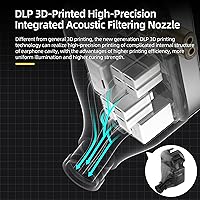
The DLP 3D-printed ABS shell feels solid and smooth in hand, with no obvious seams or fragile joints that might suggest early failure. The one-piece molded housing design is a practical advantage over multi-part shells, which are more vulnerable to gaps and resonance at high volumes.
The overall build does not feel premium relative to the driver count investment — the plastic housing lacks the weight and tactile confidence of aluminum-bodied competitors in the same price range. Some buyers also note that the 2-pin connector interface shows cosmetic wear faster than expected after several cable swaps.
Cable Quality
54%
46%
The silver-plated OFC cable does its core job without introducing audible noise or handling microphonics that would distract during seated listening. The detachable 2-pin system at least gives buyers a clear upgrade path rather than forcing them to live with the stock cable permanently.
The included cable is widely regarded as the weakest component in the package — it feels thin and tangles easily, which is frustrating for a product at this price point. Multiple buyers report upgrading the cable within the first month, adding to the total ownership cost in a way that was not anticipated at purchase.
Driveability
91%
At 16 ohms, this multi-BA earphone performs well straight out of a modern smartphone or a budget USB dongle, which removes a real barrier for buyers who do not own a dedicated DAC or amplifier. Even listeners using basic portable players report getting full volume and good dynamic range without any hiss or underpowered sound.
While easy to drive in terms of volume, more experienced listeners note that the KZ AS24 does scale noticeably with a cleaner source — cheap dongles can introduce a slight hardness in the treble that a better DAC resolves. This is a minor concern for most buyers but worth knowing if you are listening critically.
Cable Upgradeability
86%
The standard 2-pin detachable connector is one of the most widely supported IEM interfaces in the aftermarket, meaning buyers have access to hundreds of cable options at every price level. Users who have swapped in a balanced 2.5mm or 4.4mm cable consistently report a tighter low end and slightly blacker background noise.
Not every aftermarket 2-pin cable is guaranteed to fit flush with the KZ housing geometry — some buyers report minor protrusion or loose connections with third-party cables due to slight recessing differences between manufacturers. It is worth checking compatibility reviews before committing to a specific cable upgrade.
Value for Money
69%
31%
On paper, 24 balanced armature drivers with hardware tuning switches at this price is an objectively ambitious specification, and buyers who prioritize raw technical capability over polished tuning tend to feel they received strong value. For musicians needing a capable stage monitor without spending on branded professional IEMs, the price-to-performance ratio is genuinely competitive.
When judged against the complete ownership experience — accounting for the need to upgrade ear tips and likely the cable — the effective value proposition is somewhat less compelling than the list price implies. Competitors offering fewer drivers but more refined tuning from brands like Moondrop or Etymotic can feel like better all-in buys for listeners who prioritize tonal balance over driver count.
Versatility Across Genres
63%
37%
Classical, jazz, acoustic, and progressive rock listeners find this multi-BA earphone particularly well-matched to their preferred music, since those genres reward exactly the kind of detail retrieval and instrument separation that the driver array delivers. The tuning switches add a layer of genre adaptability that a fixed-tuning IEM cannot offer.
Genre versatility is genuinely limited by the all-BA design — listeners who rotate between electronic, hip-hop, and acoustic genres will find themselves constantly wishing for more bass body on one end and cleaner mids on the other. The tuning switches help at the margins but cannot compensate for the fundamental tonal character of the driver technology.
Packaging & Accessories
47%
53%
The compact retail box protects the earphones adequately during shipping, and what is included — earphones and a cable — is at least functional out of the box without requiring an immediate purchase for basic use.
For a product at this price tier, the accessory situation is genuinely sparse — no carrying case, no ear tip variety pack, and no cable management solution. First-time IEM buyers expecting a premium unboxing experience comparable to similarly priced Western brands will likely be caught off guard by how minimal the included extras are.

Suitable for:

The KZ AS24 In-Ear Monitor is genuinely well-suited to musicians and performers who need a reliable, analytically tuned monitoring tool on stage or in the studio — the passive noise isolation and multi-driver clarity make it practical for tracking individual instruments in a loud environment. Audiophile hobbyists who enjoy hands-on sound customization will appreciate the eight-position tuning switches, which offer a level of hardware-level frequency control that few competitors at this price tier bother to include. If you already own a portable DAP, a USB dongle DAC, or even just a recent smartphone with a 3.5mm output, this 24-driver IEM is easy to power without any extra gear. Commuters who want a high-resolution wired listening experience and don't want to be locked into a single cable configuration will find the detachable 2-pin connector system genuinely useful over time. Listeners who already know they prefer the fast, articulate character of balanced armature drivers — the kind of sound that prioritizes detail retrieval and transient speed over warmth — will feel right at home here.

Not suitable for:

If your music listening is heavily bass-forward — think hip-hop, EDM, or anything where sub-bass rumble and physical impact matter to you — the KZ AS24 In-Ear Monitor is probably not your best option, because all-balanced-armature designs inherently trade deep bass extension and warmth for speed and precision. Buyers who prioritize out-of-the-box comfort without any fiddling should also be cautious: the shell runs larger than average, and getting a proper seal often requires experimenting with aftermarket ear tips, which adds cost and effort. Anyone sensitive to the drier, more clinical tonal character that multi-BA setups tend to produce will likely find this earphone fatiguing over long sessions, especially compared to a warm hybrid design from a brand like Moondrop or Fiio. If you are a casual listener who just wants to plug in and enjoy music without thinking about tuning switches or cable upgrades, this level of configurability may feel more like complexity than a benefit. Budget-conscious buyers expecting the stock cable and accessories to match the driver count should also temper expectations — the included cable is functional but not a highlight.

Specifications

  • Driver Type: Each earpiece houses 24 balanced armature units, divided across dedicated high-frequency, mid-frequency, and low-frequency drivers managed by a multi-way crossover.
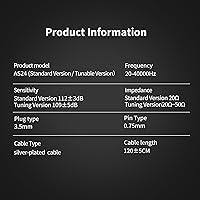
  • Impedance: At 16 ohms, this earphone is easy to drive from a smartphone, portable DAP, or USB dongle without any external amplifier.
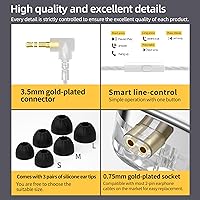
  • Connector: The cable terminates in a standard 3.5mm stereo jack, compatible with the vast majority of audio sources including DAPs, laptops, and audio interfaces.
  • Cable: The included cable uses high-purity silver-plated OFC conductors in a dual parallel configuration and attaches via a detachable 2-pin connector.
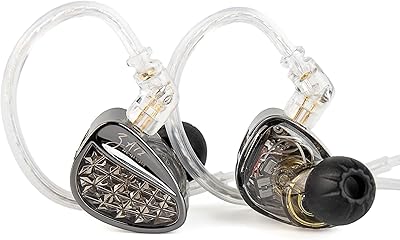
  • Shell Material: The earpiece housings are formed from ABS plastic using DLP 3D printing technology, which produces a one-piece shell with precise internal acoustic channel geometry.
  • Tuning System: Two tuning boards per ear each carry four independent switches, creating an eight-position adjustment system that allows per-band frequency response changes without software.
  • Noise Control: Isolation is achieved passively through the in-canal seal rather than active noise-cancelling circuitry, making it effective in moderately loud environments.
  • Fit Style: The cable routes over the ear and the earpiece inserts directly into the ear canal, with a rounded-tip earpiece shape designed to sit securely for extended sessions.
  • Weight: The complete unit including cable weighs 2.89 ounces, which is typical for a wired IEM of this driver count and build complexity.
  • Package Size: The retail package measures 4.41 x 3.27 x 1.34 inches, compact enough to indicate minimal included accessories beyond cable and basic ear tips.
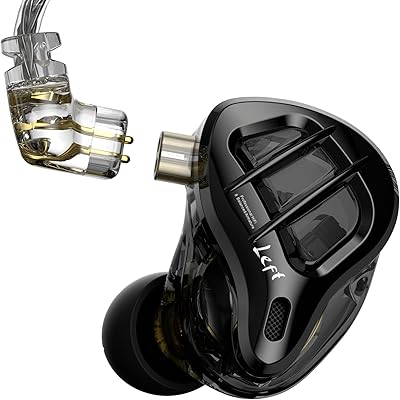
  • Cable Feature: The 2-pin detachable cable system allows the stock cable to be swapped for a balanced, Bluetooth, or microphone-equipped cable without replacing the earphones.
  • Compatibility: The earphone works with any device featuring a 3.5mm audio output and is also cable-compatible with Bluetooth adapters for wireless use.
  • Frequency Bands: Dedicated balanced armature drivers are allocated separately to ultra-high, high, mid, and low frequency ranges, each managed through the crossover network.
  • Stabilizer Design: KZ uses a trident-style stabilizer with a reed mechanism on the driver assembly, intended to improve positional stability and magnetic field consistency inside the housing.
  • Audio Driver Tech: All drivers are balanced armature units — a driver technology known for fast transient response and high detail retrieval, with no dynamic driver element in this configuration.
  • Ear Placement: These are in-ear monitors designed for direct canal insertion, not earbuds that rest at the outer ear, which affects both isolation and sound delivery.
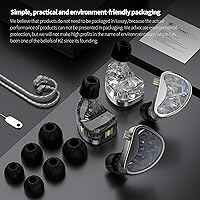
  • Included Components: The package includes the earphones and a stock silver-plated OFC cable; no carrying case, extra ear tip sets, or balanced adapter is included in the base configuration.
  • Brand Origin: KZ, short for Knowledge Zenith, is a Chinese audio manufacturer known for producing high-driver-count IEMs at accessible price points within the hobbyist audio market.

Related Reviews
KZ ZA12 In-Ear Monitor
87%
92%
Sound Quality
88%
Comfort for Long Listening
85%
Build Quality
89%
Customization (Tuning Switch)
83%
Noise Isolation
More
KZ ZSN Pro in Ear Monitors
85%
91%
Sound Quality
85%
Comfort & Fit
88%
Build Quality
89%
Noise Isolation
82%
Durability
More
KZ ZST X In-Ear Monitors
85%
91%
Sound Clarity
76%
Bass Performance
88%
Comfort & Fit
84%
Build Quality & Durability
70%
Cable Quality & Handling
More
KZ ZAR Hybrid In-Ear Monitors
86%
92%
Sound Quality
89%
Comfort & Fit
90%
Noise Isolation
84%
Build Quality & Durability
72%
Cable Durability
More
KZ Castor Dual-Driver In-Ear Monitor Earphones
74%
86%
Sound Quality
83%
Bass Performance
91%
Build Quality
72%
Comfort & Fit
78%
Tuning Filter System
More
Kinboofi KZ AS16 In-Ear Monitor Earphones
84%
94%
Sound Quality
89%
Build Quality
78%
Comfort & Fit
85%
Cable Durability
91%
Frequency Range
More
KZ x HBB DQ6S In-Ear Monitors
86%
92%
Sound Quality
89%
Bass Performance
84%
Comfort and Fit
91%
Build Quality
88%
Noise Isolation
More
CCA KZ AS16 PRO In-Ear Monitors
87%
92%
Sound Quality
88%
Comfort for Long Use
90%
Noise Isolation
85%
Build Quality
80%
Cable Durability
More
KZ AS10 5-Driver In-Ear Monitors
85%
91%
Sound Quality
88%
Comfort for Long Sessions
67%
Durability of Cable
89%
Bass Performance
85%
High-Frequency Clarity
More
KZ ZS10 Pro Hybrid IEM Earphones
76%
88%
Sound Clarity
63%
Bass Performance
82%
Soundstage & Imaging
86%
Build Quality
54%
Cable Quality
More

FAQ

No, you do not. At 16 ohms impedance, this 24-driver IEM is easy to drive from a smartphone, a laptop headphone output, or an inexpensive USB dongle DAC. A dedicated amplifier can improve control and dynamics slightly, but it is not a requirement to get good sound out of them.

Each ear has two boards with four switches each, letting you adjust the contribution of specific frequency bands — think of it as a basic physical equalizer built into the earphone shell. The changes are real and audible, but they are incremental rather than dramatic. You are not switching between completely different sound signatures; you are nudging the balance between highs, mids, and lows in relatively modest steps.

Not out of the box, since the KZ AS24 In-Ear Monitor ships with a standard 3.5mm wired cable. However, the 2-pin detachable connector means you can swap in an aftermarket Bluetooth cable adapter and use the earphones wirelessly. Many users in the IEM hobbyist community do exactly this for casual listening.

Fit is genuinely variable with this earphone. The shell is on the larger side, so people with smaller ear canals sometimes struggle to get a deep, stable seal with the stock ear tips. Switching to a different ear tip — narrower bore, softer silicone, or foam tips — makes a meaningful difference for many users and is worth budgeting for if fit becomes an issue.

The stock cable is functional and does its job, but it is one of the more common complaints from buyers. The silver-plated OFC construction is decent, but the cable feels basic relative to the earphone itself. If you care about cable ergonomics or want a balanced output, an aftermarket cable is a reasonable early investment — and the 2-pin connector makes swapping straightforward.

The main difference is in tuning philosophy. Moondrop tends to target smoother, more consumer-friendly tonal curves, while this multi-BA earphone leans more analytical and reference-leaning. Tin HiFi occupies a similar technical space but generally offers fewer drivers and no tuning switches. If tonal refinement matters more to you than configurability, Moondrop may have an edge; if you want hardware flexibility and raw driver architecture, the KZ AS24 makes a strong case.

Yes, they are well suited for this use case. The passive isolation from the in-canal design helps block out stage noise, and the balanced armature driver configuration prioritizes clarity and instrument separation — exactly what you need when monitoring a live mix. Just make sure your in-ear monitor system or stage pack outputs through a standard 3.5mm connection, or plan to use an appropriate adapter.

Each earpiece has its own two tuning boards with four switches each, and you adjust them independently. In practice, most users keep both sides matched to avoid tonal imbalance between ears, but the configuration allows individual adjustment if you ever need it.

Honestly, they are not the strongest choice for that. Balanced armature drivers are known for their speed and detail but typically roll off in the sub-bass region, so the visceral thump that EDM and hip-hop listeners often expect is not really there. The tuning switches can add some low-frequency emphasis, but if deep, physical bass is a priority, a hybrid design with a dynamic driver in the low end will serve you better.

The DLP-printed ABS shell feels solid and smooth, and the one-piece molding means there are no obvious seams or weak joints to worry about. It does not feel as heavy or metallic as some competitors using aluminum shells, but the build quality is appropriate for regular use. The detachable cable connector is the component most likely to show wear over time, so handle it with reasonable care when swapping cables.