Overview

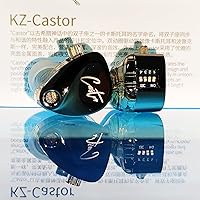
The KZ Castor Dual-Driver In-Ear Monitor Earphones represent KZ's push to bring audiophile-adjacent tuning to a genuinely accessible price point — a goal the brand has been refining across many releases. KZ has cultivated a devoted following in the IEM hobbyist community, and these earphones, distributed by Keephifi, arrived in late 2023 with a meaningful distinction: two separate variants. The silver version chases a neutral, Harman-curve-inspired sound, while the black version leans into boosted bass. That choice isn't cosmetic — it's a fundamentally different listening experience. For those unfamiliar with KZ, think of them as a prolific Chinese audio brand that consistently produces earphones that outperform what the price tag suggests.

Features & Benefits

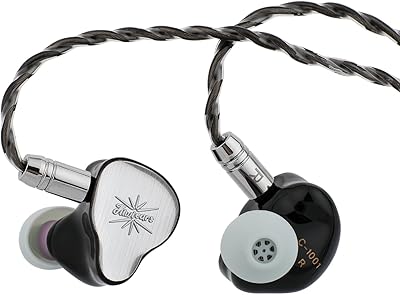
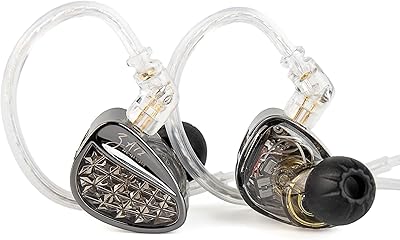
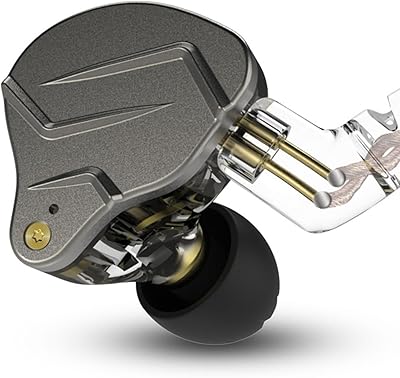
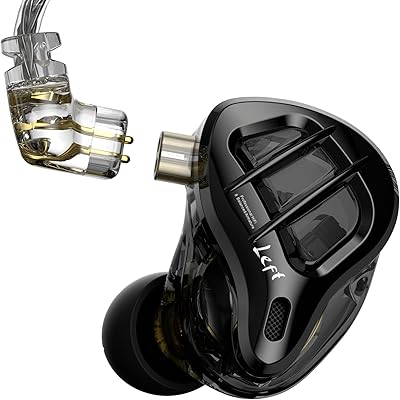
The Castor IEMs pack two dynamic drivers per side — a configuration more commonly found in costlier earphones. The stacked cavity structure gives each driver more physical space to operate, producing a more layered, spacious sound than a single-driver design typically manages. The tuning filter system is genuinely practical: two swappable acoustic filters adjust high-frequency response, opening up to 16 distinct sound profiles. It sounds complicated, but swapping filters takes seconds and the difference is audible. The resin shell paired with a metal alloy faceplate feels solid and looks polished. The detachable 2-pin cable is a smart inclusion — if the stock cable underdelivers, upgrading it later is straightforward and inexpensive.

Best For

These KZ earphones make the most sense for listeners just beginning to explore the IEM hobby who don't want to commit a large sum upfront. Singers and musicians can press them into service as affordable stage monitors during rehearsal or low-stakes live settings — not a replacement for professional monitoring rigs, but capable and isolating enough to be useful. If you already own a DAC or a source with balanced output, the 2.5mm jack and lower impedance of the black variant reward thoughtful pairing. Casual upgraders stepping up from standard earbuds will also notice a clear improvement in both build solidity and passive noise isolation from the first listen.

User Feedback

Across more than 1,700 ratings averaging 4.4 stars, buyer sentiment is strong for this price tier. Praise consistently clusters around build quality and clarity, with owners frequently noting surprise at how polished the earphones feel and sound relative to cost. The tuning filters earn particular appreciation for extending the product's replay value. On the flip side, vocals and mids can land slightly recessed — a real drawback for listeners who favor voice-forward genres. The stock cable draws steady criticism for feeling underbuilt. Users with smaller ears occasionally struggle with fit using the included eartips. Both variants largely deliver their stated character, though the black version's bass hits harder than some buyers anticipate.

Pros

  • Dual dynamic drivers at this price tier deliver a soundstage and layering that genuinely surprises first-time listeners.
  • The tuning filter system lets you shift between 16 sound profiles — useful versatility without needing to buy multiple pairs.
  • Build quality is noticeably above average for the category, with a solid resin shell and a metal alloy faceplate that feels premium.
  • The detachable 2-pin cable means you can swap in an aftermarket cable later and meaningfully improve the weakest link.
  • Passive noise isolation is effective enough for commuting, studying, or low-volume stage monitoring.
  • The silver variant tracks the Harman curve closely, making it a good neutral reference for casual critical listening.
  • The black variant's bass boost is satisfying for hip-hop, EDM, and bass-heavy genres without completely muddying the rest of the spectrum.
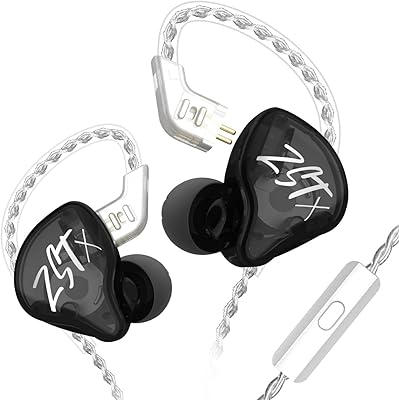
  • A microphone is included on the cable, adding everyday usability beyond pure music listening.
  • At well under thirty dollars, the Castor IEMs sit in a rare spot where the sound-per-dollar ratio is hard to argue with.

Cons

  • Mids and vocals sit noticeably recessed, which frustrates listeners whose favorite genres center on voice or acoustic instruments.
  • The stock cable feels flimsy relative to the shells and is frequently the first thing buyers recommend replacing.
  • Only two spare pairs of eartips are included — most competitors in this range ship with more variety in sizes and materials.
  • The 2.5mm balanced jack limits plug-and-play compatibility; many common devices require an adapter not included in the box.
  • Buyers with narrow ear canals may struggle to find a comfortable, secure fit using only the supplied eartips.
  • No water or sweat resistance makes these a poor choice for gym use or outdoor exercise.
  • The variant naming — silver versus black — causes real purchasing confusion, and the sound difference between them is rarely explained clearly at point of sale.
  • The warranty documentation contains errors, and support relies on contacting the distributor directly, which adds friction if something goes wrong.
  • These KZ earphones offer no wireless option, which is a hard stop for buyers who have moved away from wired listening entirely.

Ratings

The scores below for the KZ Castor Dual-Driver In-Ear Monitor Earphones were generated by our AI rating engine after analyzing thousands of verified global purchases, actively filtering out incentivized reviews, duplicate submissions, and bot-pattern feedback. Every category reflects the full spectrum of real buyer experience — the genuine strengths and the frustrations that kept some users from rating higher.
Sound Quality
86%
Buyers consistently describe the sound as punchy, detailed, and surprisingly layered for the price tier. The dual dynamic driver setup produces a soundstage wide enough that listeners report hearing instrument separation they had never noticed in familiar tracks. Treble extension is a particular highlight — crisp without becoming fatiguing on long sessions.
Vocals and midrange frequencies sit slightly behind the mix, which bothers listeners who favor acoustic music, podcasts, or anything voice-forward. The black variant's bass can feel overdone on certain tracks, and a small segment of users feel the tuning favors quantity over precision in the low end.
Bass Performance
83%
The black variant in particular delivers bass that feels physical and satisfying — EDM and hip-hop listeners frequently call it out as a strong point at this price. Even the silver version carries enough low-end presence to feel full-bodied rather than thin, which is not a given at budget IEM pricing.
The bass enhancement on the black version crosses into muddiness on complex, fast-paced tracks for some listeners. Users who prefer tight, textured sub-bass over warmer mid-bass bloom may find neither variant fully satisfying without EQ adjustments.
Build Quality
91%
The metal alloy faceplate paired with precision-molded resin shells gives these KZ earphones a density and solidity that immediately reads as premium the moment you hold them. Buyers who previously owned plastic-bodied budget IEMs consistently remark on the noticeable quality jump. The connector area around the 2-pin socket also feels well-reinforced rather than fragile.
A small number of users have reported hairline stress marks appearing on the resin body after several months of daily carry without a case. The faceplate finish, while attractive, does show micro-scratches over time if stored loosely in a pocket or bag.
Comfort & Fit
72%
28%
For average and larger ear canals, the rounded tip design fits naturally and stays stable during casual movement. Most buyers report being able to wear these for one to two hours without any meaningful discomfort, aided by the lightweight shell that avoids the ear fatigue heavier IEMs can cause.
Users with smaller ear canals run into real problems — the included eartip sizes are limited, and the default fit can feel loose or unsealed, which directly undermines both isolation and bass response. Several reviewers specifically recommend budgeting for third-party foam or wide-flange tips as an immediate upgrade.
Tuning Filter System
78%
22%
The ability to meaningfully adjust treble response through filter swaps gives these Castor IEMs a longevity that most fixed-tuning rivals at the same price cannot offer. Enthusiast buyers appreciate being able to dial back brightness on the silver version or add presence on the black version without buying a new pair.
The practical difference between filter settings is subtle enough that casual listeners occasionally report hearing no change at all, especially on low-resolution audio sources. The filter swap process, while simple for hobbyists, is fiddly enough that some users try it once and never revisit it.
Cable Quality
54%
46%
The detachable design means the stock cable is not a permanent liability — replacing it is straightforward and inexpensive, and the 2-pin standard is widely supported by aftermarket options. Some users find the cable perfectly functional for everyday seated listening where it is not being stressed.
The stock cable is the single most criticized component across buyer reviews. It tangles easily, feels thin and plasticky relative to the premium shell it attaches to, and a subset of users have reported intermittent channel dropouts after a few months of regular use. Most experienced IEM buyers treat immediate cable replacement as part of the purchase.
Noise Isolation
74%
26%
Passive isolation from a well-seated pair is genuinely effective for commuting or working in moderately noisy environments. On buses and trains, the Castor IEMs reduce ambient rumble enough that moderate listening volumes are sufficient — a real benefit for ear health over time.
Isolation is entirely dependent on achieving a proper seal, which circles back to the eartip sizing issue. Users who cannot find a snug fit with the included tips report very poor isolation, effectively making the earphones open-sounding in noisy environments until better tips are sourced.
Treble & Detail Retrieval
82%
18%
Treble on the silver variant is a genuine strength — extended, revealing, and well-controlled for a dynamic driver design. Listeners who enjoy hi-res or lossless audio sources report picking out micro-details like room reverb and instrument decay that budget earphones typically obscure.
At higher volumes or with the brighter filter setting, treble can tip into harshness on poorly recorded tracks or compressed streaming audio. Listeners sensitive to upper frequency peaks may find the silver variant fatiguing during long sessions without some EQ softening.
Midrange Clarity
63%
37%
The midrange holds together reasonably well on instrumental tracks, and guitar textures and piano tonality come through with decent body and presence. For casual pop or rock listening, most buyers find the mids acceptable rather than actively problematic.
Vocals consistently land slightly recessed in the mix, which is a known characteristic of both variants and a regular complaint in reviews. Singers monitoring their own voice, or listeners whose library skews toward vocal-centric genres, are likely to find this a persistent irritant rather than something they adjust to.
Value for Money
93%
The price-to-performance ratio is where this wired in-ear monitor earns its strongest praise across all feedback. Dual dynamic drivers, a tunable filter system, a detachable cable, and above-average build materials at this price point represent a combination buyers at higher budgets would expect to pay considerably more for.
The value equation is slightly undercut by the sparse accessory pack — two spare eartip pairs and a manual feel thin compared to competitors who include more size variety, a carrying pouch, or additional filter sets. For buyers who need to immediately invest in third-party eartips and a replacement cable, the effective out-of-pocket cost edges higher.
Microphone Performance
61%
39%
The inline mic handles quiet indoor calls competently and voice messages come through with sufficient clarity for everyday communication. For buyers who need basic hands-free functionality without carrying a separate device, it covers the essentials without fuss.
Wind noise and crowded outdoor environments expose the mic's limitations quickly — voices become muddy and distant in anything above a quiet room. Users who take frequent calls while commuting or walking report needing to hold the mic close to their mouth for acceptable intelligibility.
Variant Clarity & Purchase Experience
58%
42%
Buyers who research the difference before purchasing — particularly those in the IEM hobbyist community — tend to arrive at the correct variant for their preferences and report high satisfaction. The two-variant system itself is a genuinely thoughtful product decision that allows one model to serve different listener profiles.
A consistent thread in negative reviews is buyer confusion between the silver and black versions at the point of purchase. Many users received or selected the wrong variant based on appearance alone, not understanding the sonic difference, leading to preventable disappointment that has nothing to do with the earphones themselves.
Soundstage & Imaging
79%
21%
The stacked dual-driver cavity design produces a wider, more three-dimensional soundstage than most single-driver budget IEMs, and listeners who play games or watch films comment on noticeably better spatial placement of effects and dialogue. For the price tier, imaging is a genuine differentiator.
Compared to more expensive multi-balanced-armature IEMs, the soundstage still feels somewhat intimate on dense orchestral recordings. Buyers stepping down from higher-end earphones may find the spatial presentation adequate rather than impressive, even if it exceeds the competition at this price level.
Source Compatibility
67%
33%
The black variant's lower impedance makes it genuinely easy to drive from any smartphone or laptop without additional hardware. Both variants are accessible enough that buyers without dedicated audio equipment can plug in and hear what the earphones are capable of.
The 2.5mm balanced jack is a friction point for the majority of buyers whose devices use standard 3.5mm outputs — an adapter is needed and is not included. This requirement catches new buyers off guard and adds a small but avoidable barrier to first use.

Suitable for:

The KZ Castor Dual-Driver In-Ear Monitor Earphones are a strong pick for anyone curious about the audiophile IEM hobby but unwilling to spend heavily before knowing if it sticks. Entry-level listeners who want to hear a real step up from standard earbuds — in both build quality and sound layering — will find a lot to appreciate here without any buyer's remorse risk. Musicians and singers looking for a practical, portable monitoring option during band practice or low-key live sets will get genuinely useful passive isolation and a reasonably detailed sound. The tuning filter system also suits tinkerers who enjoy dialing in a sound signature rather than accepting a fixed factory tune. If you already own a DAC, portable amp, or any source device with a 2.5mm balanced output, the Castor IEMs can be paired and upgraded incrementally over time, which adds longevity to the purchase.

Not suitable for:

Buyers who prioritize vocals and midrange presence should approach with caution — the KZ Castor Dual-Driver In-Ear Monitor Earphones have a slightly recessed midrange that can make voices sound pushed back in the mix, which is a real drawback for fans of acoustic, folk, or vocal jazz. Anyone needing waterproofing for workouts or outdoor use should look elsewhere entirely, as these carry no water resistance rating whatsoever. Listeners expecting a plug-and-play experience with a polished accessory kit may be disappointed — the included eartips are limited to two spare pairs, and the stock cable is widely considered the weakest part of the package. People with very small ear canals have reported difficulty achieving a secure, comfortable fit with the supplied tips, which directly affects both isolation and sound quality. Finally, those who need a single reliable set of earphones for professional studio or stage use should invest in a dedicated monitoring solution rather than treating these as a primary tool.

Specifications

  • Driver Type: Each earpiece uses two dynamic drivers (2DD) in a stacked cavity configuration to handle different frequency ranges simultaneously.
  • Impedance: The silver Harman-tuned variant measures 31–35Ω, while the black bass-enhanced variant runs lower at 16–20Ω.
  • Frequency Response: Both variants cover a stated range of 20–40,000 Hz, spanning standard audible frequencies through upper ultrasonic extension.
  • Cable Connector: The cable attaches via a 2-pin detachable connector (2PIN-C), a common standard that supports aftermarket cable upgrades.
  • Audio Jack: The supplied cable terminates in a 2.5mm balanced jack, which requires an adapter for use with standard 3.5mm headphone ports.
  • Tuning Filters: Two swappable acoustic filters adjust high-frequency response in two stages, enabling up to 16 distinct sound profile combinations.
  • Shell Material: The earpiece body is precision injection-molded resin, with a metal alloy faceplate providing additional rigidity and a polished finish.
  • Noise Control: Isolation is entirely passive, achieved through the physical in-ear seal rather than any active noise-cancellation circuitry.
  • Microphone: A microphone is integrated into the cable for hands-free call handling and basic voice input on compatible devices.
  • Cable Type: The cable is detachable and replaceable, allowing independent replacement without discarding the earphone shells.
  • Weight: The earphones weigh approximately 70g (0.07kg) total, making them light enough for extended wear without noticeable fatigue.
  • Fit Style: The earpieces use a rounded in-ear tip design intended for over-ear cable routing, which improves stability during use.
  • Variants: Two versions are available: silver targets a neutral Harman-curve-inspired tuning, while black applies a more prominent bass enhancement.
  • Included Accessories: Each unit ships with two pairs of replacement silicone eartips in different sizes and a printed user manual.
  • Water Resistance: These earphones carry no water or sweat resistance rating and should not be used during exercise or in wet conditions.
  • Compatible Sources: The earphones are compatible with any device featuring a 2.5mm balanced output, or a 3.5mm port when used with a suitable adapter.
  • Warranty: Keephifi, the official distributor, offers a replacement warranty for manufacturing defects; buyers should contact Keephifi support directly for claims.
  • Package Dimensions: The retail packaging measures approximately 3.7 × 2.95 × 1.34 inches, making it compact enough for gift or travel storage.
  • Item Weight: The full packaged unit weighs 2.46 ounces (approximately 70g), inclusive of cable, eartips, and manual.
  • Availability Date: The Castor series was first made available in September 2023 and has accumulated substantial buyer feedback since its release.

Related Reviews
Kinboofi KZ AS16 In-Ear Monitor Earphones
84%
94%
Sound Quality
89%
Build Quality
78%
Comfort & Fit
85%
Cable Durability
91%
Frequency Range
More
KZ AS10 5-Driver In-Ear Monitors
85%
91%
Sound Quality
88%
Comfort for Long Sessions
67%
Durability of Cable
89%
Bass Performance
85%
High-Frequency Clarity
More
Linsoul Kiwi Ears KE4 In-Ear Monitor 2DD+2BA Hybrid Earphone
86%
91%
Sound Quality
87%
Comfort & Fit
89%
Bass Performance
72%
Treble Sharpness
85%
Noise Isolation
More
KZ ZA12 In-Ear Monitor
87%
92%
Sound Quality
88%
Comfort for Long Listening
85%
Build Quality
89%
Customization (Tuning Switch)
83%
Noise Isolation
More
KZ ZSN Pro in Ear Monitors
85%
91%
Sound Quality
85%
Comfort & Fit
88%
Build Quality
89%
Noise Isolation
82%
Durability
More
1MORE Quad Driver (E1010)
80%
91%
Sound Quality
83%
Bass Performance
87%
Treble Clarity
89%
Soundstage & Imaging
88%
Build Quality
More
CCA CRA+ In-Ear Monitor Earphones
86%
88%
Sound Quality
85%
Comfort for Extended Use
86%
Bass Response
83%
Build Quality
90%
Ease of Use
More
KZ ZST X In-Ear Monitors
85%
91%
Sound Clarity
76%
Bass Performance
88%
Comfort & Fit
84%
Build Quality & Durability
70%
Cable Quality & Handling
More
KZ ZAR Hybrid In-Ear Monitors
86%
92%
Sound Quality
89%
Comfort & Fit
90%
Noise Isolation
84%
Build Quality & Durability
72%
Cable Durability
More
KZ AS24 In-Ear Monitor
72%
88%
Sound Detail & Clarity
61%
Bass Performance
84%
Midrange Quality
79%
Treble & Soundstage
72%
Tuning Switch Utility
More

FAQ

Yes, the difference is more than cosmetic. The silver version is tuned to approximate the Harman curve, which means a relatively balanced sound with accurate tonal weight across frequencies. The black version adds a deliberate bass boost on top of that foundation. If you listen to a lot of electronic music, hip-hop, or anything bass-forward, the black variant is the natural pick. For everything else — classical, jazz, acoustic, rock — the silver version is generally the more versatile choice.

The cable that ships with the Castor IEMs terminates in a 2.5mm balanced jack, which will not fit a standard 3.5mm port without an adapter. A 2.5mm-to-3.5mm adapter is inexpensive and widely available, but it is not included in the box. Keep that in mind before your first use.

The filters are small threaded nozzle inserts that screw into the tip of each earpiece. Swapping them takes under a minute once you know what you are doing. Each filter setting slightly adjusts how much high-frequency energy reaches your ear, so the difference is most noticeable in the presence of cymbals, string harmonics, and vocal air. With two filter positions per side, you get up to 16 possible combinations, though in practice most people settle on one or two favorites quickly.

Yes, and many owners do exactly that. The connectors follow the common 2-pin (0.78mm) IEM standard, which means a wide range of aftermarket cables are compatible. If you want a 3.5mm termination instead of 2.5mm, or prefer a higher-quality braided cable, options start at just a few dollars and go as high as you want to spend.

Most users find them comfortable for an hour or two without issue. The shells are lightweight and the rounded tip design sits naturally in the ear canal. That said, people with smaller ear canals have reported difficulty getting a secure fit with the two included eartip sizes. If the stock tips do not seat well for you, picking up a set of foam or wide-bore silicone tips from a third party usually solves the problem and can also improve the sound.

It is not recommended. These KZ earphones have no water or sweat resistance rating of any kind, so exposure to moisture risks damaging the drivers or cable over time. For exercise use, a purpose-built sport IEM with at least an IPX4 rating would be a safer investment.

The inline mic is adequate for everyday calls and voice messages. It handles quiet indoor environments well, but it can struggle with wind noise or busy outdoor settings. If you are primarily buying these for call quality, they will get the job done, but they are not optimized for that use case.

KZ is one of the most established names in the budget IEM segment and has a large, active community that follows their releases closely. For warranty support, Keephifi is the authorized distributor and handles replacements for manufacturing defects — contact them directly through the channel where you purchased. The warranty period is listed as 14 months, so keep your order confirmation accessible.

Not necessarily, but the answer depends on which variant you choose. The black version has a lower impedance of around 16–20Ω and is easy to drive from a phone or laptop. The silver version at 31–35Ω is still manageable from most sources, though a small DAC or portable amp will give it a bit more clarity and control. Neither version requires specialized equipment to perform well.

The Castor sits above the older ZSN Pro in terms of technical refinement and tuning precision, and it directly competes with or edges out the ZS10 Pro in overall resolution despite using only two drivers per side instead of five. The key distinction is that the Castor was purpose-built around a coherent dual-dynamic design rather than a hybrid multi-driver approach, which many listeners prefer for a more natural, cohesive sound. If you are already in the KZ ecosystem, the Castor represents a meaningful step forward.