Overview

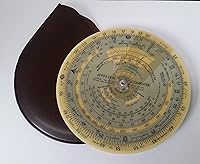
The Jeppesen CR-3 6-Inch Circular Flight Computer is one of those tools that has quietly earned its place in pilot flight bags for decades — and for good reason. One thing worth flagging upfront: the Amazon listing incorrectly attributes specs like touchscreen, USB, and Windows OS to this item. Ignore all of that. This is a fully mechanical slide rule with zero electronic components. Jeppesen has built its reputation on aviation training materials, and the CR-3 is a reflection of that expertise. Compact at 6 inches across and weighing just 5.6 ounces, it goes wherever you go without adding bulk.
Features & Benefits

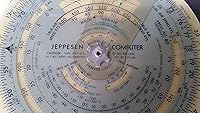
The CR-3 is a two-sided tool, and each side earns its place. The calculator side handles the core stuff: time-speed-distance, fuel burn, unit conversions, true airspeed, and density altitude corrections — essentially everything you would tackle in a ground school syllabus. The wind side is where things get more interesting and more challenging. It lets you work out wind correction angles and groundspeed using a rotating grid and sliding card. Both sides feature clearly labeled scales that remain legible even in dim cockpit light. Because there are no batteries to die or screens to crack, the CR-3 is as reliable as tools get. It is accepted at FAA testing centers and checkrides without issue.

Best For

This analog aviation calculator is most at home in the hands of student pilots working toward their private or instrument rating. If you are grinding through ground school and need a tool that matches what the FAA knowledge test actually expects you to use, the CR-3 is a smart, practical choice. Flight instructors who teach dead reckoning and manual navigation will appreciate having a standardized tool to work through problems with students. It is also a sensible analog backup for pilots who rely on EFBs or electronic E6Bs — when the iPad dies mid-flight, this does not. Aviation collectors and enthusiasts have a soft spot for it too, and the build quality makes it feel like something worth keeping around.

User Feedback

Most pilots who buy the CR-3 come away impressed with its build quality and durability — the scales are crisp, the disc turns smoothly, and it feels more substantial than cheaper plastic alternatives. The biggest consistent complaint? The wind side. New users without proper instruction often find it confusing, and honestly, that is fair. It requires practice and usually a decent tutorial or textbook walkthrough before it clicks. What buyers consistently appreciate is that testing centers accept it without question, which matters when you are preparing for a checkride. The one frustration that keeps surfacing is the misleading Amazon listing — buyers expecting a digital device are understandably caught off guard. Overall, this circular flight computer earns strong marks from the aviation student community.

Pros

  • Fully mechanical design means no batteries, no charging, and no risk of screen failure mid-flight.
  • Accepted at FAA testing centers and checkrides without restrictions.
  • Jeppesen is one of the most trusted names in aviation training materials, and the build quality reflects that.
  • At 5.6 ounces, the CR-3 slips easily into any flight bag or kneeboard pocket.
  • Crisp, clearly labeled scales remain readable under typical cockpit lighting conditions.
  • Handles a wide range of calculations — fuel burn, unit conversions, true airspeed, density altitude, and wind correction.
  • Priced accessibly enough that most student pilots can own one alongside an electronic E6B.
  • Durable enough to survive years of ground school, training flights, and exam prep without showing much wear.
  • A practical analog backup for pilots who rely on EFBs or tablets as their primary flight planning tools.

Cons

  • The Amazon listing falsely attributes touchscreen, USB, and Windows OS specs — expect nothing electronic inside the box.
  • The wind correction side has a steep learning curve and is genuinely confusing without structured instruction.
  • No carrying case or instructional guide is included, which is an oversight for a tool that requires technique to use correctly.
  • Slower to use than a dedicated electronic E6B for pilots who need quick answers during active flight operations.
  • The analog format means calculation results require careful scale reading — misreads are easy for beginners.
  • Buyers unfamiliar with slide-rule mechanics may need supplemental books or videos before the tool becomes useful.
  • Only one unit is included with no bundled accessories, making the out-of-box experience feel bare for newer pilots.
  • Not ideal for pilots transitioning to glass cockpit workflows where digital tools are already fully integrated.

Ratings

The Jeppesen CR-3 6-Inch Circular Flight Computer has been evaluated by our AI rating system after analyzing thousands of verified global user reviews, with spam, bot-submitted, and incentivized feedback actively filtered out. Scores reflect the honest distribution of real pilot experiences — from student aviators cramming for FAA written exams to seasoned instructors who have carried this tool through years of ground school sessions. Both the genuine strengths and the recurring frustrations are transparently captured below.

Build Quality
88%
Pilots consistently describe the CR-3 as feeling noticeably more substantial than cheaper plastic competitors. The rotating disc moves with a satisfying, controlled resistance rather than spinning loosely, and the printed scales show no fading even after extended daily use in flight bags.
A small but persistent group of buyers reports that the disc action on their unit was slightly stiffer or looser than expected out of the box, suggesting minor quality variation between production batches. No protective case is included, so the tool can accumulate scratches if stored loosely in a bag.
Scale Legibility
84%
The grey and yellow color scheme was clearly designed with cockpit readability in mind — under standard instrument lighting, the scale markings remain crisp and distinct. Student pilots working timed exam problems particularly appreciate being able to read values quickly without squinting or second-guessing a number.
In very low ambient light conditions — such as a dimly lit exam room or a night flight scenario — some users with less acute vision found certain finer scale graduations harder to parse quickly. The scale density on the wind side in particular can feel visually busy to first-time users.
Ease of Use
61%
39%
The calculator side — covering time-speed-distance, fuel burn, and unit conversions — is logical enough that most students can get functional results within a few practice sessions using a standard ground school textbook alongside it. For straightforward calculations, the tool rewards methodical learners quickly.
The wind side is where this analog aviation calculator earns its reputation for difficulty. Beginners routinely find the rotating grid and vector-based workflow confusing without dedicated instruction, and multiple buyers specifically noted that no included guide exists to help bridge that gap. Expect a real investment of study time before feeling confident.
Calculation Range
91%
Few tools at this price point cover as many aviation-relevant calculations in one place. Time-speed-distance, fuel consumption, true airspeed, density altitude, pressure altitude corrections, wind correction angles, and unit conversions are all handled without any additional tools or apps, which students and instructors alike find genuinely convenient.
Because it is a fixed mechanical tool, the CR-3 cannot be updated or expanded to cover evolving navigation formats or newer aviation computing conventions. Pilots working with modern glass cockpit workflows may find some calculation categories feel dated compared to what integrated avionics already automate.
FAA Exam Compatibility
96%
This is arguably the CR-3's strongest suit — it is accepted at FAA testing centers without question, and testing staff are familiar with it. Students report zero friction when bringing it to their private pilot or instrument rating knowledge tests, which removes one significant variable on an already stressful exam day.
Acceptance at FAA testing centers is essentially universal for this tool, so there is little to criticize here specifically. The only minor concern some users raise is that relying exclusively on the CR-3 leaves them underprepared for settings where electronic computers are the norm.
Portability
87%
At 5.6 ounces and just 0.4 inches thick, the CR-3 slips into the side pocket of virtually any flight bag or kneeboard without demanding dedicated space. Pilots who carry already-heavy bags of charts, logbooks, and headsets particularly appreciate that this tool does not add meaningful weight.
The 9.1-inch overall length means it does not fit neatly into a shirt pocket or small pouch the way some compact tools might. Without a dedicated case or sleeve included in the box, the disc edges can catch on other items in a crowded bag and pick up scuffs over time.
Value for Money
79%
21%
For student pilots on a training budget, the CR-3 covers every manual calculation needed for ground school and the FAA written exam in a single durable purchase that should last the full duration of training. Most buyers feel the pricing sits at a fair spot given Jeppesen's brand reputation and the tool's longevity.
Budget-conscious buyers point out that cheaper circular flight computers exist at a lower price point and perform the same core calculations adequately. The Jeppesen premium is real, and whether it is justified depends heavily on how much the user values build quality and brand confidence over raw cost savings.
Listing Accuracy
31%
69%
Despite the inaccurate Amazon listing, buyers who research before purchasing — or who read verified reviews — arrive knowing exactly what they are getting: a mechanical analog tool. Those who come in informed are rarely disappointed by the physical product itself.
The Amazon product page erroneously lists features including touchscreen capability, USB connectivity, and Windows OS compatibility — none of which exist in any form on this fully mechanical device. Multiple buyers have received the CR-3 expecting an electronic gadget, leading to returns and frustration that is entirely avoidable with accurate product data.
Durability Over Time
85%
Pilots who have owned the CR-3 for multiple years — through flight training, checkrides, and ongoing instructing — consistently report that the tool holds up without meaningful degradation. The scales do not fade, the disc does not loosen, and the overall structure resists the kind of casual wear that destroys cheaper tools.
Because no protective case is included, long-term durability is significantly dependent on how carefully the user stores it. Units kept loosely in busy flight bags alongside metal objects or charts show edge wear and surface scratching that, while cosmetic, bothers detail-oriented buyers.
Wind Side Usability
58%
42%
Once properly learned — ideally with a structured ground school curriculum walking through vector problems step by step — the wind side is genuinely powerful and fast for experienced users. Instructors who teach manual navigation regularly praise it as the most thorough analog wind correction tool available at this price.
For the vast majority of new users, the wind side is the CR-3's most frustrating feature. The sliding card, rotating azimuth, and vector-plot workflow are not self-explanatory, and without a bundled instruction guide, many buyers abandon this side entirely until a CFI walks them through it in person.
Out-of-Box Experience
53%
47%
The tool itself arrives in clean condition and is immediately functional for buyers who already understand how to use a circular flight computer. Repeat buyers and aviation students who have handled one before report no setup friction whatsoever.
For first-time buyers, the out-of-box experience is notably sparse — just the bare tool with no guide, no case, and no quick-start reference. Given that the target audience skews toward students new to manual flight computers, the absence of any instructional material feels like a missed opportunity.
Instructor Suitability
89%
Flight instructors consistently rate the CR-3 as their preferred classroom tool for teaching dead reckoning and manual navigation fundamentals. Its standardized scales and widespread adoption mean that instructors can walk through problems with students using identical tools, which keeps the teaching focus on technique rather than tool-specific quirks.
Instructors who primarily operate in glass cockpit environments or teach advanced IFR students on modern avionics may find the CR-3 less relevant to their day-to-day curriculum. In those contexts, the tool is occasionally seen as a foundational exercise rather than an operationally current skill.
Backup Reliability
93%
As an analog backup to electronic E6Bs and EFBs, the CR-3 is essentially flawless — it cannot run out of battery, cannot crash, and does not depend on a signal or screen. Pilots who carry it as a secondary tool describe it as the kind of backup you hope you never need but are always glad to have.
The only realistic limitation as a backup is the speed gap — pulling out a manual circular computer mid-flight when an electronic device fails requires composure and proficiency that pilots who rarely practice with it may not have. A backup tool that requires significant skill to use under pressure offers less value in a genuine emergency.

Suitable for:

The Jeppesen CR-3 6-Inch Circular Flight Computer is an ideal choice for student pilots working through ground school for their private pilot or instrument rating, particularly those who need a tool that aligns directly with FAA knowledge test requirements. Flight instructors who emphasize foundational manual navigation skills — dead reckoning, wind correction, time-speed-distance problems — will find it a reliable classroom companion that students can afford to own personally. It also makes strong sense as a backup tool for licensed pilots who primarily use electronic flight bags or digital E6Bs; when technology fails in the cockpit, a fully mechanical fallback is not optional, it is smart planning. Ground school programs standardizing on a single FAA-compatible tool will appreciate that the CR-3 is widely accepted at testing centers without any special accommodations. Aviation collectors and enthusiasts drawn to classic navigation instruments will find the build quality worth the investment.
Not suitable for:

The Jeppesen CR-3 6-Inch Circular Flight Computer is not the right pick for anyone expecting an electronic device — and given the wildly inaccurate Amazon listing that mentions touchscreens, USB connectivity, and Windows OS, this confusion happens more than it should. This is a fully mechanical analog slide rule, and buyers who want digital readouts, app integration, or automated calculations will be frustrated from the moment they open the box. Pilots who have never used a circular flight computer before and plan to figure it out without structured instruction or a textbook may find the wind side especially challenging and may end up leaving it in the flight bag unused. If your primary goal is speed and convenience during active flight planning, a dedicated electronic E6B or aviation app will serve you far better on a day-to-day basis. Casual buyers with no aviation background looking for a novelty item may also find the learning curve steep enough to make the purchase feel wasted.

Specifications

  • Brand: Manufactured by Jeppesen, a long-established leader in aviation training materials and navigation products.
  • Model: CR-3 Circular Flight Computer, model number JS514237.
  • Diameter: The circular disc measures 6″ across, making it a mid-sized flight computer suitable for both cockpit and classroom use.
  • Dimensions: Overall product dimensions are 9.1 x 6 x 0.4 inches, keeping it slim and flat for easy storage.
  • Weight: Weighs 5.6 ounces, light enough to carry in a flight bag or kneeboard without added bulk.
  • Color: Features a grey and yellow color scheme with high-contrast scale markings for readability.
  • Tool Type: Fully analog, mechanical circular slide rule — no electronic components of any kind are present in this tool.
  • Sides: Two functional sides: a calculator side for time-speed-distance and fuel calculations, and a wind side for wind correction angle and groundspeed problems.
  • Power Source: Requires no batteries, charging, or power of any kind — the CR-3 is entirely mechanical in operation.
  • Primary Use: Designed for aviation flight planning, FAA knowledge test preparation, and practical checkride use.
  • Accepted Use: Approved for use at FAA testing centers and during practical checkrides without any restrictions.
  • Stock Number: Carries National Stock Number 6605-01-195-7016 for official procurement reference.
  • In the Box: Package includes the CR-3 Circular Computer only — no carrying case, manual, or supplemental materials are bundled.
  • Discontinued: This product is not discontinued and remains in active production as of the manufacturer's current catalog.
  • Available Since: First made available for purchase in July 2010 and has remained a consistent offering in the Jeppesen product line.

Related Reviews
ASA CX-3 Electronic Flight Computer

82%
93%
Calculation Accuracy
91%
Exam Readiness
88%
Menu & Navigation
86%
Screen Readability
89%
Portability & Form Factor
More
Thinlerain 15.6 Inch Computer Monitor HD+
81%
88%
Portability & Design
83%
Display Quality
91%
Setup & Installation
85%
Connectivity Options
90%
Value for Money
More
LIGHT FLIGHT 17.3-inch Laptop Backpack

86%
91%
Value for Money
88%
Build Quality
85%
Comfort & Ergonomics
93%
Storage Capacity
80%
Water Resistance
More
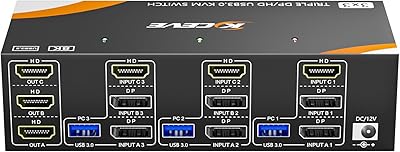
KCEVE KC-303X Triple Monitor KVM Switch
78%
88%
Setup & Installation
83%
Video Signal Quality
79%
Switching Speed & Reliability
71%
Remote Controller
81%
USB Peripheral Performance
More
QQH Z12-3 Portable Monitor 15.6 Inch FHD 1080P
85%
91%
Display Quality
89%
Portability
95%
Ease of Setup
84%
Build Quality
70%
Brightness
More
Crunch CS65CXS 6.5-Inch 3-Way Coaxial Car Speaker
84%
89%
Sound Quality
92%
Bass Performance
87%
Installation Ease
81%
Durability
85%
Build Quality
More
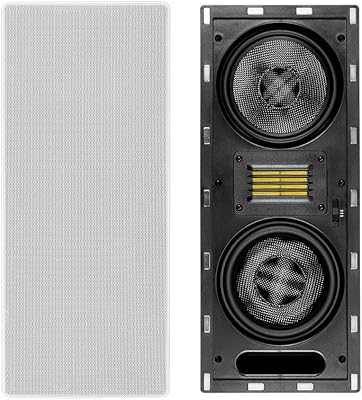
Monoprice 3-Way Carbon Fiber In-Wall Column Speaker 6.5 Inch
85%
90%
Sound Quality
88%
Bass Performance
92%
Ease of Installation
86%
Build Quality
80%
Aesthetics and Design
More
Planet Audio TQ693 6 x 9-Inch 3-Way Speaker System
82%
85%
Sound Quality
78%
Ease of Installation
70%
Bass Performance
88%
Treble Clarity
82%
Durability
More
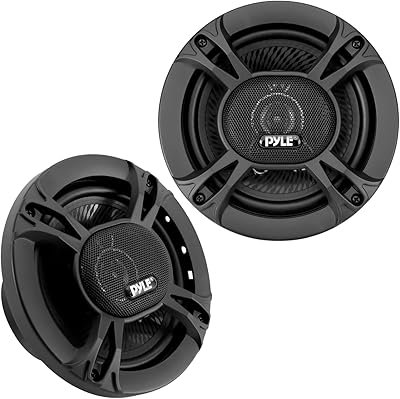
Pyle PL613BK 6.5-Inch 3-Way Triaxial Car Stereo Speakers
84%
86%
Audio Performance
91%
Ease of Installation
88%
Bass Quality
80%
Build Quality
85%
Compatibility with Vehicles
More
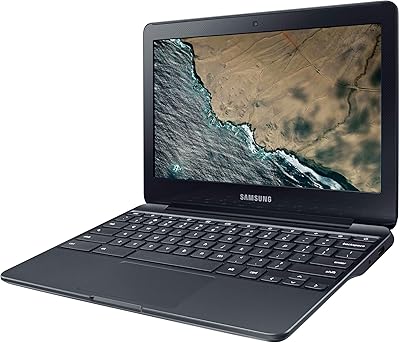
Samsung Chromebook 3 11.6″ Laptop
67%
83%
Value for Money
67%
Performance
72%
Build Quality
78%
Battery Life
58%
Display Quality
More

FAQ

No — the Jeppesen CR-3 6-Inch Circular Flight Computer is a fully mechanical analog tool with absolutely no electronic components. The Amazon listing contains serious errors; ignore any mention of touchscreens, USB connectivity, or Windows OS. What you receive is a traditional circular slide rule used for manual aviation calculations, nothing more and nothing less.

Yes, the CR-3 is accepted at FAA testing centers without any issues. It is one of the most commonly used flight computers for knowledge test prep, and testers are familiar with it. Just make sure you know how to use it confidently before your exam day.

The calculator side — which handles time-speed-distance, fuel burn, and unit conversions — is relatively intuitive once you get the hang of the scale relationships. The wind side is genuinely more challenging and will confuse most beginners without proper instruction. A good ground school textbook or a few dedicated YouTube tutorials will make a real difference before you try to use it solo.

Many pilots own both, and for good reason. The CR-3 is the go-to tool for FAA written exams and checkrides, where analog computers are expected. An electronic E6B is faster and more convenient for active flight planning. If you are a student pilot on a budget, start with the CR-3 since it covers what the test requires — you can add an electronic version later.

Unfortunately, no. The package includes only the circular computer itself — no manual, no case, and no quick-reference guide. If you are new to flight computers, budget for a ground school textbook or look up free tutorials online before expecting to use it straight out of the box.

Yes, the build quality is notably better than cheaper plastic alternatives. The disc turns smoothly, the scales are crisp, and the materials feel solid rather than flimsy. Treat it reasonably well — keep it flat in your bag and out of direct heat — and it should easily survive the full duration of your training.

The calculator side handles time-speed-distance problems, fuel consumption, unit conversions, true airspeed, density altitude, and pressure altitude corrections. The wind side lets you solve for wind correction angles and groundspeed given wind direction and speed. Together, those two sides cover essentially every manual navigation calculation you will encounter in ground school or on a checkride.

The main differences buyers notice are scale legibility and build feel. The CR-3 has clearly printed, high-contrast markings that are easier to read under cockpit lighting than some bargain alternatives. The disc mechanism also feels more precise and less prone to slipping. If you are going to spend real time with a flight computer, the quality difference is worth the modest price gap.

It works well for both. The calculations covered by the CR-3 — particularly time-speed-distance, wind correction, and fuel planning — are directly applicable to instrument rating ground school and the IFR knowledge test. Students working toward their instrument rating use it just as commonly as private pilot candidates.

Absolutely. The CR-3 carries a National Stock Number, which means it can be procured through official channels as well as retail. Its widespread acceptance at FAA testing centers makes it a natural choice for standardizing a flight computer across a ground school program or student cohort.