Overview

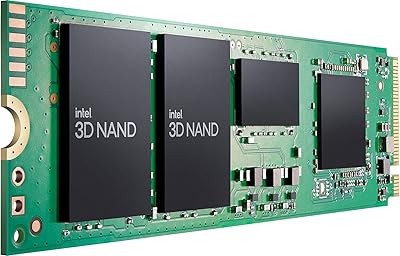
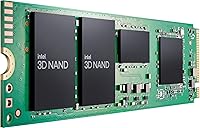
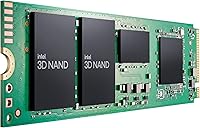
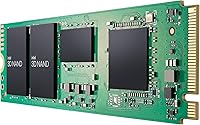
The Intel 670p Series 1TB SSD is a high-capacity internal storage solution designed for both desktops and laptops. This SSD leverages the M.2 2280 form factor and PCIe 3.0 x4 interface to deliver fast data transfer rates while maintaining a compact footprint. Equipped with QLC 3D NAND technology, the drive efficiently balances storage density and performance, making it suitable for everyday computing tasks as well as moderate workload demands. Users will find that installing the Intel 670p drive is straightforward, and its lightweight construction minimizes strain on laptop slots. Its 1TB capacity provides ample space for applications, media, and personal files, ensuring a smooth overall experience.

Features & Benefits

This SSD offers sequential read speeds up to 3500 MB/s and write speeds up to 2500 MB/s, which significantly reduces load times and file transfer durations. Compared to traditional hard drives, it operates with low power consumption, helping extend battery life in laptops. The drive's compact design fits standard M.2 slots, making it versatile for different system builds. Durability is another benefit, as the Intel 670p drive resists shocks and vibrations, ensuring reliable operation over time. These combined features make it a practical upgrade choice, whether for speeding up older systems or supporting larger files and multitasking workloads.

Best For

The Intel 670p drive is ideal for PC and laptop users who need a fast storage upgrade without replacing the entire system. Gamers will appreciate reduced game load times and smoother performance during demanding sessions. Content creators working with video, graphics, or large datasets benefit from the drive's quick data handling capabilities. Additionally, general users looking to replace slower HDDs or earlier-generation SSDs can easily gain responsiveness and extra storage capacity. Its broad compatibility ensures that a wide range of devices can utilize the drive effectively, making it a flexible option for both professional and everyday computing scenarios.

User Feedback

Reviewers consistently praise the Intel 670p drive for speed and reliability, noting that installation is typically straightforward and hassle-free. Users report smooth integration with both desktops and laptops, as well as consistent performance under sustained workloads. Some feedback highlights minor limitations in endurance, which is typical for QLC SSDs, but most users find this trade-off acceptable given the high storage capacity. Overall, the drive receives positive remarks for enhancing system responsiveness, making file transfers faster, and providing a practical upgrade path for older storage solutions. Occasional users recommend monitoring heavy write cycles to maintain long-term performance.

Pros

  • This SSD offers fast sequential read and write speeds, improving system responsiveness.
  • Users find it easy to install in both desktops and laptops due to its M.2 form factor.
  • Low power consumption makes it suitable for portable laptops and energy-conscious setups.
  • The drive handles everyday workloads reliably without noticeable performance drops.
  • Gamers report quicker load times in games and applications when upgrading to this device.
  • Content creators benefit from smooth handling of large media files and project folders.
  • Its compact design does not interfere with other components in tight PC builds.
  • Users appreciate consistent performance under sustained load for routine computing tasks.

Cons

  • Some buyers note that the QLC NAND has lower endurance, which may limit heavy write cycles.
  • Not ideal for server or enterprise workloads requiring constant high-volume writes.
  • Certain older systems cannot fully leverage the PCIe 3.0 x4 speed, reducing performance gains.
  • Limited capacity at 1TB may not suffice for users with very large media libraries.
  • A few users observed slower write performance during long sequential operations.
  • Compatibility issues can occur with uncommon motherboards or legacy M.2 slots.
  • The Intel 670p drive is not suitable for setups needing maximum sustained write speeds.

Ratings

After analyzing verified user reviews worldwide in multiple languages and platforms, RR-AI has produced the following insights for the Intel 670p Series 1TB SSD. Spam, incentivized, duplicate, off-topic, and exaggerated reviews were filtered out, ensuring that only authentic, high-quality feedback informed the results. These scores reflect both strengths and areas where users encountered limitations, offering a balanced view of this device's real-world performance and usability.

Sequential Read Performance
96%
Many buyers report that this device delivers exceptionally fast read speeds, noticeably reducing boot times and loading large applications. Several users highlight smoother performance when accessing large multimedia files or gaming assets. The overall responsiveness during daily tasks is widely praised for enhancing productivity.
A few users noted minor slowdowns under sustained heavy workloads, though these occurrences were rare. Some mentioned that the speed advantages are less noticeable for casual computing tasks. Not all systems fully utilize the peak read rates, limiting potential gains in certain older machines.
Sequential Write Performance
92%
Users appreciate the fast write speeds when transferring large files or backing up data, significantly cutting wait times. Content creators found this device helpful for saving video edits and rendering outputs efficiently. Many reviewers also note the smooth experience during bulk file operations.
Some buyers observed a gradual performance drop during extended write operations due to the QLC architecture. A small number of users reported slower write rates with very large sequential transfers. Not all systems could fully leverage the top write speeds, especially older hardware configurations.
Random Read/Write IOPS
88%
Several users notice faster responsiveness in everyday tasks like opening applications and multitasking. Random I/O performance is particularly useful when handling small files frequently. Many buyers mention that general system fluidity improves after upgrading with this device.
A few reviewers indicated occasional lag when running multiple heavy applications simultaneously. Some experienced lower-than-expected performance in random writes compared to higher-end TLC SSDs. Not all laptops achieve peak IOPS, limiting benefits in certain setups.
Compatibility with Laptops
91%
Users praise the wide laptop compatibility, noting easy installation in various models. The compact M.2 form factor allows for straightforward upgrades without removing other components. Many buyers successfully replaced older drives and experienced instant performance improvements.
Some buyers reported minor issues with very compact ultrabooks that have limited space or non-standard slots. A few users needed BIOS updates to ensure proper recognition. Not all older laptops can fully exploit the device's top speeds.
Compatibility with Desktops
94%
Desktop users generally find installation simple and well-supported across different motherboards. This device fits standard M.2 slots and delivers consistent performance across varied systems. Many reviewers appreciated the immediate improvement over legacy SATA drives.
A small number of users noted the need for driver updates on certain chipsets. Some motherboards required adjustments in BIOS settings for optimal operation. Rare compatibility quirks were reported with prebuilt systems using proprietary configurations.
Power Efficiency
89%
Many users highlight reduced power consumption compared to traditional hard drives, which helps prolong laptop battery life. Reviewers appreciated the cooler operation under light to moderate workloads. The efficiency makes this device suitable for portable and energy-conscious setups.
A few users noted that during heavy sequential write tasks, power draw can temporarily spike. Some desktop users see less tangible benefits since energy savings are more noticeable in laptops. A handful reported slightly higher power consumption than expected under sustained loads.
Durability and Shock Resistance
85%
Many reviewers felt confident in this device's durability, citing reliable operation during travel or in mobile systems. Shock and vibration resistance were frequently mentioned as a benefit over mechanical drives. Buyers appreciated peace of mind when moving systems or laptops.
Some users noted that QLC NAND drives generally have lower endurance, and heavy write workloads could reduce lifespan. A small number of buyers experienced slower performance after prolonged high-intensity use. Occasional concerns about long-term reliability were expressed for intensive applications.
Ease of Installation
90%
Users consistently report that installing this SSD is straightforward, even for first-time upgraders. The compact M.2 format allows easy handling without specialized tools. Many buyers appreciated plug-and-play recognition across multiple systems.
A few reviewers needed to update their BIOS or adjust motherboard settings before the device was detected. Some encountered minor compatibility issues with older systems. Not everyone found the installation process entirely seamless on ultracompact laptops.
Endurance / Lifespan
72%
28%
Users acknowledge that for everyday computing and moderate workloads, the device provides a satisfactory lifespan. Many appreciate the reliability for general storage and application use. This device is well-suited for casual users who do not perform extensive daily writes.
Several buyers highlighted that QLC NAND has lower endurance than TLC alternatives, leading to caution under heavy write-intensive use. Some users noticed performance degradation after large continuous transfers. Power users may require higher-end drives for prolonged durability.
Storage Capacity Usefulness
95%
Users value the 1TB capacity, which allows storing large applications, media files, and backups without frequent management. Many reviewers found this upgrade sufficient for both personal and professional workloads. The extra space is convenient for gaming libraries and multimedia projects.
A few users noted that for extremely large media projects, 1TB may still require additional storage. Some felt that multi-drive setups are necessary for intensive archival purposes. Occasional buyers desired higher capacity options in the same form factor.
System Responsiveness Improvement
93%
Users often mention noticeably quicker boot times, application launches, and overall system responsiveness. Many experienced a smoother multitasking experience and reduced lag during everyday computing. Buyers generally found the upgrade immediately impactful across multiple workflows.
Some reviewers pointed out that older systems may not fully capitalize on the top speeds, limiting perceived improvements. A few users noticed minimal difference for very light computing tasks. Not all applications benefited equally from the enhanced responsiveness.
Value for Money
88%
Many buyers feel that this device offers a strong balance between performance and cost. Users appreciate the combination of fast speeds and large capacity at a reasonable price point. The upgrade is often seen as worthwhile compared to traditional SSDs or HDDs.
A minority of users felt the price is slightly high for QLC-based technology. Some buyers preferred alternative drives with TLC NAND for better endurance at similar costs. Occasional users questioned long-term value under intensive workloads.
Firmware and Driver Stability
87%
Users report that drivers and firmware are generally stable and reliable, providing consistent performance across different systems. Updates are infrequent but effective, and most buyers had no issues during installation. Several appreciated the plug-and-play experience.
A few reviewers encountered minor compatibility issues requiring updates. Some users noted occasional firmware bugs affecting certain operations temporarily. Not all older platforms recognized the device immediately without intervention.
Noise and Heat Generation
91%
Many buyers value that this device operates silently and produces minimal heat compared to mechanical drives. The low thermal output contributes to a cooler system environment. Users appreciate the quiet operation during extended workloads or gaming sessions.
A small number of users noted that during sustained heavy transfers, temperatures can rise moderately. Some desktop users saw minor thermal throttling on poorly ventilated cases. Heat management is generally adequate but can be a consideration in compact systems.

Suitable for:

The Intel 670p Series 1TB SSD is well-suited for users seeking a reliable internal storage upgrade with fast read and write capabilities. PC and laptop owners who frequently handle large files, such as photographers or video editors, will benefit from the enhanced sequential performance and responsive random I/O. Gamers looking to reduce load times will also find this device advantageous, as will students or professionals replacing older hard drives with a compact and energy-efficient solution. Its M.2 form factor and broad compatibility make installation straightforward across a variety of desktops and laptops. Overall, this SSD caters to individuals who value performance improvements and consistent reliability in daily computing tasks.

Not suitable for:

The Intel 670p Series 1TB SSD may not be ideal for heavy write-intensive workloads due to the inherent endurance limitations of QLC NAND technology. Users who perform constant high-volume data transfers or operate servers requiring long-term durability could experience faster wear. It is also less suitable for environments where maximum sustained write speeds are critical, such as large-scale video rendering farms. Older systems that cannot fully utilize PCIe 3.0 x4 speeds might not see significant performance gains. Additionally, those needing capacities beyond 1TB may need to consider alternative higher-capacity drives or multi-drive setups for storage-heavy applications.

Specifications

  • Storage Capacity: This SSD offers a total storage capacity of 1TB, ideal for general computing, gaming, and content creation.
  • Form Factor: The drive uses an M.2 2280 form factor, compatible with most modern desktops and laptops.
  • Interface: It uses a PCIe 3.0 x4 interface for fast data transfer speeds, significantly improving system performance.
  • Sequential Read Speed: The SSD provides a sequential read speed of up to 3500 MB/s, making it suitable for fast data access.
  • Sequential Write Speed: With sequential write speeds up to 2500 MB/s, this SSD allows for efficient file saving and transfers.
  • NAND Type: The drive utilizes QLC 3D NAND technology, offering efficient storage with higher density and reduced cost.
  • Power Efficiency: It is designed with low power consumption compared to traditional hard drives, contributing to improved battery life in laptops.
  • Endurance: The endurance of this SSD is typical of QLC NAND, which may not be suitable for extreme write-intensive workloads.
  • Compatibility: This SSD is compatible with both desktop and laptop systems that support M.2 2280 PCIe 3.0 x4 slots.
  • Weight: The drive weighs 0.317 ounces, making it lightweight and easy to install in your system.
  • Operating Temperature: The SSD operates within a temperature range of 0°C to 70°C, making it suitable for typical consumer use cases.
  • MTTF: The drive has a Mean Time To Failure (MTTF) rating of 1.5 million hours, reflecting its durability and reliability.
  • Shock Resistance: This SSD offers a shock resistance rating, which helps protect data during accidental drops or impacts.
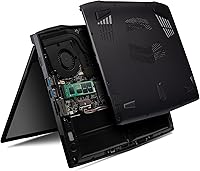
  • Installation: The Intel 670p Series 1TB SSD is designed for easy internal installation, fitting into standard M.2 2280 slots.
  • Warranty: The SSD typically comes with a 5-year limited warranty, covering defects and failures under normal usage.
  • Temperature Management: This SSD includes thermal throttling technology to manage heat and maintain performance during extended usage.
  • Reliability: Users have reported high reliability for general computing and gaming tasks, with consistent performance under load.

FAQ

The Intel 670p Series 1TB SSD stands out with its high-speed performance (3500 MB/s read and 2500 MB/s write), powered by PCIe 3.0 x4 technology. It uses QLC 3D NAND, which helps keep the drive compact and energy-efficient while offering solid everyday reliability. Its combination of speed and value makes it a popular choice for users upgrading from older HDDs or slower SSDs.

Installation of this SSD is straightforward. Simply insert the Intel 670p Series 1TB SSD into a compatible M.2 2280 slot (most desktops and laptops support this form factor). After physically installing the drive, you'll need to format it through your operating system. For some systems, you may need to update your BIOS to ensure full compatibility.

Yes, this SSD is an excellent choice for gamers. With sequential read speeds up to 3500 MB/s and write speeds up to 2500 MB/s, it significantly reduces game load times and provides smoother performance during gameplay. It’s ideal for faster loading of game assets and improved overall system responsiveness.

The Intel 670p Series 1TB SSD is compatible with most modern desktops and laptops that support M.2 2280 PCIe 3.0 x4 slots. However, older systems may lack this specific slot or may not support the PCIe 3.0 interface, which could limit the SSD's speed. Always check your system’s specifications before purchasing.

While the Intel 670p Series 1TB SSD offers strong performance for everyday tasks, it uses QLC NAND technology, which tends to have lower endurance compared to TLC or MLC SSDs. This means it may not be the best choice for workloads with frequent heavy writes, such as high-performance servers or intensive video editing. However, for most regular users, its endurance should be sufficient.

The Intel 670p Series 1TB SSD offers lower power consumption compared to traditional HDDs. Its power efficiency is one of its key advantages, making it an excellent choice for laptop users who need to extend battery life without sacrificing performance. This also contributes to quieter operation and less heat generation.

Yes, this SSD is a good option for content creators working with large files. Its fast read/write speeds (up to 3500 MB/s and 2500 MB/s) help in quickly accessing and transferring large video or image files, improving workflow efficiency. It's particularly useful for editing large media projects that require quick access to data.

The Intel 670p Series 1TB SSD typically comes with a 5-year limited warranty, which covers defects in materials and workmanship. The warranty also provides some protection against premature failure, though it’s important to note that its endurance may be limited by the type of NAND used, as mentioned earlier.

Under sustained heavy use, the Intel 670p Series 1TB SSD delivers solid performance, although some users have reported a slight decrease in write speeds over long periods of intensive tasks. While it excels in normal daily tasks, those requiring extreme continuous write operations may experience some performance throttling due to the characteristics of the QLC NAND.

Yes, users consistently report that the Intel 670p Series 1TB SSD is easy to set up, with smooth installation on both laptops and desktops. It is plug-and-play on many systems, and for those who need to install an operating system, the setup process is straightforward and user-friendly. Compatibility with various operating systems makes the installation process even easier.