Overview

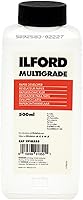
Ilford Multigrade Paper Developer 500ml is one of those darkroom staples that has quietly earned its place on the shelf of serious black-and-white printers for over two decades. Ilford's reputation in analog photography needs little introduction — the British manufacturer has been producing trusted photographic materials since the 19th century. This liquid concentrate is formulated specifically for multigrade resin-coated and fiber-based papers, making it a natural companion to Ilford's own paper range. The 500ml size strikes a practical balance for hobbyists and semi-professional setups, offering enough volume to run meaningful sessions without the storage burden of larger quantities.

Features & Benefits

What makes this paper developer stand out in day-to-day darkroom work is its consistency across sessions. Whether you're printing on RC paper for quick proofing or working through a stack of fiber-based sheets for a final exhibition run, development results stay predictable — same contrast, same tonal response, print after print. The dilution ratios are clearly defined, which matters more than it sounds; being able to dial in exactly the right concentration for a specific paper stock removes a lot of the variables that frustrate less experienced printers. Archival stability is another genuine strength, ensuring prints hold up well over time without unwanted shifts or fading.

Best For

This darkroom developer is a strong fit for a fairly specific but dedicated group of photographers. Home darkroom enthusiasts working with Ilford multigrade papers will see the most obvious benefit — using a matched developer from the same manufacturer tends to produce more harmonious results than mixing brands. Students and newer darkroom printers also benefit from the straightforward chemistry and clear instructions, which help build confidence early on. At the other end of the spectrum, experienced printers who run regular sessions appreciate the repeatable performance and predictable tonal rendering that lets them focus on creative decisions rather than troubleshooting chemical inconsistencies.

User Feedback

The reception from buyers has been notably strong, with most reviewers highlighting predictable, clean results as the primary reason they keep coming back. Several long-term users specifically mention sticking with Ilford's liquid developer after trying alternatives, which says something about the consistency it delivers over time. On the critical side, a handful of photographers note that 500ml goes quickly when printing in volume — worth factoring in if you plan extended sessions or batch printing runs. Beginners tend to appreciate the clear dilution guidance, which takes some of the anxiety out of the early learning curve. Overall, the rating reflects a product that reliably does what it promises.

Pros

  • Produces highly consistent tonal results across different multigrade paper stocks, session after session.
  • Archival processing properties give finished prints strong long-term stability against fading.
  • Flexible dilution ratios let experienced printers fine-tune development to match specific paper behavior.
  • Clear mixing instructions make this darkroom developer approachable for beginners without sacrificing quality.
  • Works especially well when paired with Ilford papers, producing harmonious contrast and tonal range.
  • Compact bottle is easy to store in tight darkroom spaces without taking up valuable shelf room.
  • Has maintained a loyal user base since 2003, which is a meaningful signal of long-term reliability.
  • Near-perfect community rating across dozens of verified buyers reflects genuine, sustained satisfaction.
  • Liquid concentrate format means quick preparation with minimal mess compared to powder alternatives.

Cons

  • The 500ml volume runs out quickly during extended or high-volume printing sessions.
  • Frequent restocking can become inconvenient and adds to ongoing chemical costs over time.
  • Opened concentrate has a limited shelf life, which can mean waste for infrequent printers.
  • Not suitable for film development — strictly a paper developer, limiting its versatility in the darkroom.
  • Liquid format may be less cost-efficient per liter compared to powder developers for heavy users.
  • Availability can fluctuate in some regions, making consistent sourcing occasionally unreliable.
  • No built-in indication of solution exhaustion, so users must track usage carefully to avoid underdevelopment.

Ratings

The scores below for Ilford Multigrade Paper Developer 500ml were generated by AI after systematically analyzing verified buyer reviews from darkroom photographers worldwide, with spam, bot-generated, and incentivized submissions actively filtered out. Each category reflects the genuine balance of praise and criticism found across real user experiences — strengths are credited where earned, and pain points are not glossed over.

Result Consistency
94%
Across dozens of verified sessions reported by buyers, this darkroom developer delivers tonal results that hold steady from one print to the next — no unexpected shifts in contrast or density between sessions. For printers chasing repeatable output on RC paper, this predictability is exactly what the chemistry promises and reliably delivers.
A small number of users noted minor variation when switching between significantly different paper batches, suggesting that while consistency is strong, it is not entirely immune to paper-stock differences. This is a marginal concern for most, but worth tracking if you regularly swap between brands.
Tonal Range & Contrast
91%
Buyers working on exhibition-grade fiber prints specifically praised the way this developer renders shadow detail and highlight separation, describing the output as full-bodied without looking artificially pushed. The tonal rendering feels matched to how multigrade papers are designed to behave, particularly at mid-contrast grades.
A handful of experienced printers felt that very high-contrast results required more deliberate filtration work under the enlarger rather than any boost from the chemistry itself. Those looking for a developer to do heavy lifting on contrast without careful exposure control may find the results more neutral than dramatic.
Archival Stability
88%
Photographers printing work intended for sale or long-term preservation consistently noted that prints processed with this developer showed no early signs of yellowing or image shift, even years after processing. For anyone printing with archival intent, the chemistry holds up its end of the bargain reliably.
Verifying archival performance over decades is not something a buyer review can truly confirm, so long-term claims rely partly on trust in Ilford's formulation history. There are no specific independent test results cited in user feedback to quantify exact longevity under varying storage conditions.
Ease of Use
89%
Beginner darkroom printers repeatedly highlighted how accessible the mixing process felt compared to powder-based alternatives — no dust, no clumping, and clear dilution guidance that removes most of the early guesswork. Students in particular appreciated being able to move straight into printing without a lengthy chemistry prep phase.
The liquid concentrate, while easy to mix, requires careful measurement to avoid over- or under-dilution, which can catch inattentive beginners off guard. A few first-time users mentioned making early errors with ratios before settling into a reliable routine.
Value for Volume
71%
29%
For hobbyists running occasional printing sessions, the 500ml size offers a reasonable yield at its price point, especially when mixed at standard dilution and used efficiently within a session. The cost-per-print can feel justified when the quality of results is factored in alongside the brand's reputation.
High-frequency printers flagged that the 500ml format simply runs out too quickly during extended sessions, making restocking a recurring cost. Compared to bulk alternatives or powder concentrates that yield more working solution per purchase, the liquid format is less economical for anyone printing more than a few dozen sheets per month.
Paper Compatibility
86%
The developer works reliably across both resin-coated and fiber-based multigrade papers, giving users flexibility depending on their session goals — quick proofing on RC or final output on FB. The chemistry does not require separate formulations for each paper type, which simplifies workflow.
Users who work primarily with variable-contrast papers from competing brands reported solid but occasionally less optimized results compared to the near-ideal response seen with Ilford's own papers. The developer is clearly tuned with Ilford papers as the primary target.
Shelf Life (Opened)
63%
37%
An unopened bottle stores well for approximately two years under proper conditions, making it reasonable to stock up without immediate urgency. For photographers who print regularly enough to cycle through a bottle within a few months, oxidation is a non-issue in practice.
Once opened, the concentrate begins to degrade, and users who print infrequently — say, once a month or less — risk losing a meaningful portion of the bottle to oxidation before it can be used. This is a real cost concern for casual darkroom practitioners who cannot justify the volume.
Mixing & Preparation
87%
The liquid format means preparation is fast — no powders to dissolve, no extended mixing time, and no heating required to get the concentrate into solution. Printers who have switched from powder developers consistently note the time saved during session setup.
The concentrate requires precise measurement, and not all buyers find the included guidance on ratios immediately intuitive, especially when converting to smaller working volumes for single-tray use. A brief adjustment period is common among those new to liquid-concentrate chemistry.
Bottle & Storage Design
77%
23%
The compact footprint of the bottle makes it genuinely easy to fit into crowded darkroom shelves or chemical storage cabinets where space is always at a premium. The slim profile also makes pouring and handling straightforward during session prep.
The bottle design does not include any accordion-style compression feature to reduce air exposure after partial use, which means oxidation of the remaining concentrate is not mitigated by packaging. Buyers who store opened bottles for extended periods would benefit from decanting into smaller airtight containers.
Brand Reliability
93%
Ilford's liquid developer has maintained a consistent formulation and market presence since 2003, and long-term users frequently cite this stability as a core reason for their loyalty. Knowing the product will behave the same way it did two years ago matters a great deal in a craft built around repeatability.
Brand trust, while well-earned, also means there is less incentive for Ilford to push formulation improvements for this product over time. A few technically minded users feel that competing developers have introduced more refined chemistry in recent years without the same level of brand recognition.
Odor & Handling
82%
18%
Compared to some legacy paper developers, this darkroom developer is notably lower in harsh chemical odor, making it more tolerable in home darkrooms with limited ventilation. Buyers working in basement setups or small bathrooms specifically mentioned this as a practical benefit.
It is still a chemical product that requires gloves and basic ventilation — it is not odorless, and occasional users reported mild irritation from prolonged exposure without proper protection. Safe handling habits cannot be skipped simply because the odor is less aggressive than older formulations.
Dilution Flexibility
84%
The ability to adjust the dilution ratio to influence development behavior gives experienced printers a useful variable to work with when fine-tuning contrast on specific paper batches. This flexibility is appreciated by photographers who print across a range of subject matter requiring different contrast treatment.
For beginners, the existence of multiple dilution options can initially feel confusing rather than empowering, and some users defaulted to a single ratio without fully exploring how adjustments could improve their results. The learning curve around dilution optimization takes a few sessions to flatten out.

Suitable for:

Ilford Multigrade Paper Developer 500ml is purpose-built for darkroom photographers who take their black-and-white printing seriously, whether they're just getting started or have been printing for years. Home darkroom enthusiasts working primarily with Ilford's multigrade paper range will find it a natural fit — the developer is formulated to work in close harmony with those papers, producing tonal results that feel dialed-in from the first session. Students learning darkroom fundamentals benefit from the clear dilution guidance and forgiving chemistry, which reduces the number of wasted prints during the learning curve. For photographers focused on archival quality — whether producing prints for exhibition, sale, or long-term preservation — the stable, fade-resistant processing this developer delivers is a genuine practical advantage. It also suits semi-professional setups where chemical consistency matters more than bulk volume.

Not suitable for:

Photographers running a high-output darkroom operation will likely find that the 500ml format creates a restocking rhythm that gets inconvenient fast — this is not a bulk solution, and frequent reordering adds up. Ilford Multigrade Paper Developer 500ml is also not the right call for photographers who work exclusively with color paper or alternative processes, since it is strictly formulated for black-and-white multigrade papers. Anyone hoping to use a single developer across both film and paper will need to look elsewhere, as this product is designed solely for paper development. Darkroom workers who prefer powder-based developers for longer shelf life or cost-per-liter efficiency may find liquid concentrates like this less economical over time. Finally, photographers who rarely print — say, a few sheets per month — may find that the opened concentrate degrades before they get full value from the bottle.

Specifications

  • Brand: Manufactured by Ilford, a British photographic materials company with a history spanning well over a century.
  • Volume: Each bottle contains 500ml of liquid concentrate developer.
  • Format: Liquid concentrate requiring dilution with water before use in the darkroom.
  • Paper Compatibility: Formulated for use with multigrade resin-coated (RC) and fiber-based (FB) black-and-white darkroom papers.
  • Primary Use: Designed exclusively for black-and-white photographic paper development; not intended for film processing.
  • Archival Properties: Produces prints with long-term stability, helping to resist fading and chemical degradation over time.
  • Skill Level: Suitable for darkroom practitioners ranging from complete beginners to advanced professional printers.
  • Dimensions: The bottle measures 6.6 x 2.5 x 2.2 inches, making it compact enough for small darkroom storage spaces.
  • Weight: The filled bottle weighs approximately 1 pound, making it lightweight and easy to handle.
  • Model Number: Official Ilford model number is 1918555.
  • ASIN: Amazon Standard Identification Number for this product is B00009R6D0.
  • Market Rank: Ranked in the top 10 within the Darkroom Chemicals category on Amazon at time of review.
  • Availability: This product has been commercially available since June 2003, indicating a long and stable product lifecycle.
  • Dilution: Designed to be mixed at clearly specified dilution ratios that can be adjusted depending on paper type and desired contrast.
  • Community Rating: Holds an average rating of 4.8 out of 5 stars based on 66 verified buyer ratings.

Related Reviews
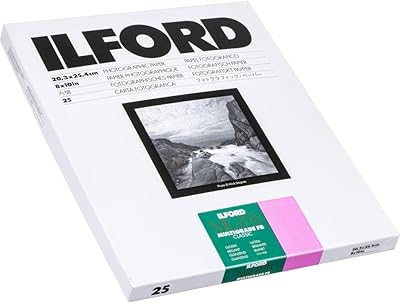
Ilford Multigrade FB Classic Gloss Variable Contrast Paper 8x10 in. (25 Sheets)
89%
94%
Print Quality
88%
Ease of Use
85%
Value for Money
92%
Exposure Time
91%
Wash Time Efficiency
More
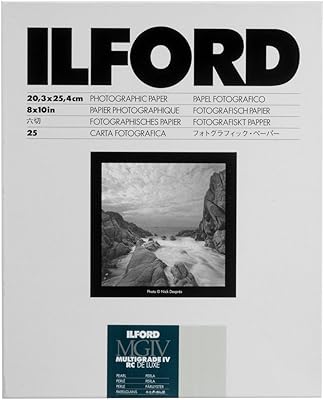
Ilford Multigrade IV RC Deluxe Resin Coated VC Variable Contrast Paper 8x10″ - 25 Sheets
87%
91%
Print Quality
86%
Ease of Use
89%
Durability
94%
Contrast Flexibility
88%
Finish Quality
More
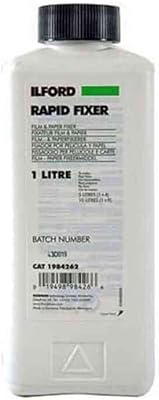
Ilford Rapid Fixer 1L Liquid Photo Fixer
80%
93%
Fixing Consistency
88%
Ease of Mixing
81%
Value for Money
84%
Fixing Speed
89%
Batch-to-Batch Reliability
More
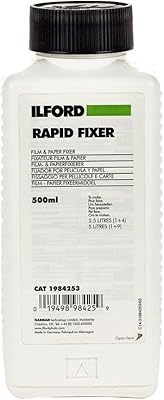
Ilford Rapid Fixer 0.5L Darkroom Chemical
79%
94%
Fixing Consistency
83%
Value for Money
81%
Ease of Use
67%
Packaging & Bottle Design
74%
Shelf Life (Concentrate)
More
WZPB Tattoo Skin with Transfer Paper Kit - 20Pcs Practice Skin + 20Pcs Transfer Paper
87%
91%
Realistic Feedback
88%
Ease of Use
92%
Material Quality
85%
Value for Money
89%
Transfer Paper Clarity
More
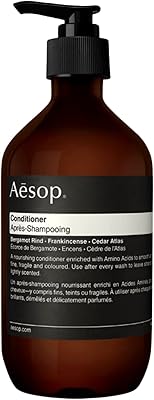
Aesop Conditioner 500mL
87%
92%
Hydration & Moisture Retention
90%
Softening Effect on Fine Hair
85%
Fragrance Longevity
88%
Suitability for Color-Treated Hair
91%
Ingredient Quality
More
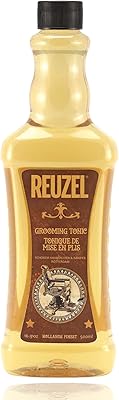
Reuzel Grooming Tonic 500mL
87%
89%
Volume Boost
92%
Lightweight Texture
85%
Fragrance
91%
Ease of Use
80%
Hold & Control
More
QV Bath Oil 500mL
QV Bath Oil 500mL
88%
91%
Effectiveness for Dry Skin Relief
87%
Soothing & Calming for Irritated Skin
92%
Absorption & Non-Greasy Formula
89%
Hydration Longevity
95%
Gentleness on Sensitive Skin
More
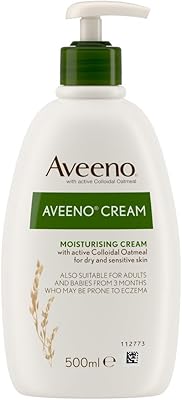
Aveeno Moisturising Cream 500mL
85%
92%
Hydration Effectiveness
87%
Skin Sensitivity & Compatibility
90%
Non-Greasy Texture
88%
Absorption Speed
91%
Long-Lasting Moisture
More
Aesop Volumizing Shampoo 500mL
87%
88%
Effectiveness for Volume
91%
Fragrance Quality
85%
Texture and Feel on Hair
87%
Hydration without Weight
90%
Suitability for Fine Hair
More

FAQ

Ilford recommends a standard dilution of 1+9 (one part developer to nine parts water) for most multigrade papers, though you can adjust this slightly depending on the paper stock and the contrast you are targeting. Always check the instruction sheet included with the bottle for the most accurate guidance.

Yes, this darkroom developer works with most multigrade black-and-white papers from other manufacturers, not just Ilford's own range. That said, users consistently report the best and most predictable results when it is paired with Ilford multigrade papers, since the chemistry is optimized for that combination.

Once diluted into a working solution, you should use it within the same session — ideally within a few hours. Mixed developer oxidizes and weakens relatively quickly, so it is not practical to store diluted solution for reuse the next day.

An unopened bottle of Ilford Multigrade Paper Developer 500ml typically has a shelf life of around two years when stored in a cool, dark location away from direct sunlight and temperature extremes. Once opened, plan to use it within six to twelve months for best results.

Yes, it is considered one of the more beginner-friendly paper developers available. The mixing ratios are clearly documented, the chemistry is relatively low-odor compared to some alternatives, and the development times are forgiving enough to give new printers room to learn. Standard darkroom safety practices — gloves, ventilation, avoiding skin contact — still apply.

No, this product is formulated specifically for photographic paper and should not be used for film development. If you need a combined solution, you will need a separate film developer designed for that purpose.

This depends heavily on how you dilute the concentrate and how many prints you run per session. At a standard 1+9 dilution, a 500ml bottle can produce a reasonable number of working-solution batches, but high-volume printers will find themselves restocking more often than they might expect. It is a practical size for hobbyists but less ideal for continuous production work.

Yes, it works well with variable contrast printing using VC or multigrade filters under the enlarger. The developer is specifically designed to respond predictably to the contrast grade being printed, whether you are using below-lens filters or a VC enlarger head.

The standard recommended development temperature is 20 degrees Celsius (68 degrees Fahrenheit), which is the industry norm for most paper developers. Maintaining consistent temperature across your developer, stop bath, and fixer trays helps produce repeatable results from print to print.

It is generally not recommended to replenish this developer mid-session as a standard practice. For consistent archival results, most experienced printers prefer to use a fresh working solution each session rather than topping up an exhausted tray, since replenishing introduces variables that can affect tonal consistency and long-term print stability.

Where to Buy