Overview

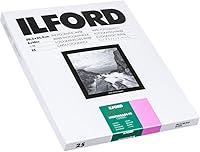
Ilford Multigrade FB Classic Gloss 8×10 Paper sits firmly in the tradition of serious black-and-white darkroom printing, coming from a brand that has supplied analog photographers for well over a century. Unlike resin-coated paper — which has a plastic layer that speeds up drying and washing — fiber-base paper is built on a pure cotton or baryta base, resulting in prints with greater archival stability and a quality that serious printers simply prefer for long-term work. This Ilford darkroom paper uses a variable contrast emulsion, meaning a single box handles every contrast grade when paired with multigrade filters. It holds steady at #5 in darkroom enlarging paper rankings, and its buyers tend to be hobbyists, fine art printers, and photography students who are ready to commit to the full FB process.
Features & Benefits

The variable contrast system is what makes this fiber-base paper genuinely versatile in the darkroom. Rather than stocking a separate box for each contrast grade, you dial in your desired grade using multigrade filters under the enlarger — a clean way to work when printing multiple negatives in a single session. The fiber-base construction delivers richer shadow depth and a tonal range that resin-coated papers struggle to match. The glossy surface brings out fine detail beautifully, making it strong for portraits and landscapes with clear tonal separation. Ilford has also cut wash time by 50% versus older FB formulas — meaningful because archival washing of fiber prints can otherwise run an hour or longer. The 25-sheet count suits a productive session.

Best For

This Ilford darkroom paper is a natural fit for photographers who are already comfortable in the darkroom and want prints that hold up over decades. Fine art black-and-white printing is where it particularly earns its place — if you're producing work for exhibition or archival storage, the fiber-base construction matters in ways that RC simply cannot replicate. Photographers already working with multigrade filter sets will slot right in without any learning curve. The reduced wash time also makes it more practical for home darkrooms where water usage and session length are real constraints. That said, if you're still working out exposure and development basics, the cost per sheet adds up quickly, and RC paper is a smarter starting point.

User Feedback

Experienced darkroom printers consistently praise the Multigrade FB Classic Gloss for its rich tonal depth and the quality of its glossy surface — many describe it as one of the more consistent emulsions they've used across different print runs. The wash time improvement gets genuine appreciation from buyers who remember wrestling with traditional fiber papers for upwards of an hour in the hypo-clearing bath. On the other side, some buyers flag the cost per sheet as a sticking point, particularly compared to Foma or older Kodak alternatives. A few note they'd like larger sheet counts per box. Repeat purchasing rates appear solid, suggesting that those who commit to it tend to stay with it.

Pros

  • Fiber-base construction produces prints with genuine archival stability — far beyond what RC paper can offer.
  • Variable contrast emulsion works across all multigrade filter grades from a single box.
  • The glossy surface renders shadow detail and highlight separation with noticeable depth.
  • Wash time is cut by roughly 50% compared to older FB formulas, easing one of the format's biggest time burdens.
  • Faster emulsion speed reduces enlarger exposure times, making print sessions more efficient.
  • Consistently ranked among the top darkroom enlarging papers, reflecting broad trust among experienced printers.
  • 8×10 sheet size is the practical standard for serious enlargement work and exhibition printing.
  • Repeat buyers report reliable batch-to-batch consistency in tone and surface quality.
  • Ilford's long-standing reputation in analog photography backs every box with decades of emulsion expertise.

Cons

  • The price per sheet is high — a 25-sheet box leaves little room for experimental or practice printing.
  • Fiber-base paper still requires a significantly longer archival wash than resin-coated alternatives, even with the improved formula.
  • Only available in a glossy finish; photographers who prefer matte or pearl surfaces must look elsewhere.
  • A 25-sheet count may feel insufficient for longer or more intensive darkroom sessions.
  • FB paper is more sensitive to drying conditions and can curl noticeably if not dried under pressure.
  • Beginners unfamiliar with multigrade filter systems will face a steeper learning curve before getting reliable results.
  • Fiber-base paper takes longer to dry flat compared to RC paper, adding time between printing and final presentation.
  • No built-in protection against moisture during storage — improper conditions can affect emulsion performance over time.

Ratings

Our AI rating system analyzed verified buyer reviews for the Ilford Multigrade FB Classic Gloss 8×10 Paper from darkroom communities and major retail platforms worldwide, actively filtering out incentivized, duplicate, and bot-generated submissions to surface what real photographers actually experience. Scores reflect the full spectrum of feedback — including the frustrations experienced printers don't hesitate to share alongside the qualities that keep them reordering. Both strengths and genuine pain points are weighted transparently in every category below.
Tonal Range & Image Quality
94%
Experienced darkroom printers consistently describe the tonal output as the primary reason they return to this fiber-base paper. Deep, rich blacks and smooth highlight gradation make it particularly rewarding for portrait and landscape work where the full tonal scale matters. Many note it outperforms RC alternatives in shadow detail under gallery lighting conditions.
A small number of users working with very flat or low-contrast negatives feel the emulsion requires careful filter calibration to avoid muddy midtones. Getting the best from the tonal range demands dialed-in chemistry and consistent enlarger technique — it is less forgiving than RC paper for casual printing.
Glossy Surface Quality
88%
The glossy finish consistently draws praise for its clarity and depth, particularly from photographers printing work intended for exhibition or framing. Shadow areas appear noticeably darker and more defined compared to pearl or semi-matte surfaces, which buyers printing architectural or portrait work find especially valuable.
The high-gloss surface shows fingerprints and handling marks easily during processing, requiring clean tongs and careful technique in the darkroom. A handful of buyers also note that the gloss can produce distracting reflections under certain display lighting, making it a less ideal choice for prints viewed under direct overhead light.
Archival Stability
96%
The fiber-base construction is the gold standard for long-term print preservation, and buyers who print for archival or museum-quality purposes consistently highlight this as the defining reason to choose this Ilford darkroom paper over RC alternatives. Properly processed and washed prints are expected to remain stable for well over a century.
Achieving full archival stability requires disciplined processing — a thorough fix in fresh fixer, a proper hypo-clearing stage, and a complete archival wash. Users who rush the washing step or use exhausted chemistry risk long-term yellowing regardless of the paper's inherent archival properties.
Wash Time Efficiency
76%
24%
Buyers who previously worked with older fiber-base formulations genuinely appreciate the reduced wash time, noting it meaningfully cuts the most tedious part of a darkroom session. For home darkroom setups with basic tray washers, the reduced water consumption and shorter wash cycle are practical wins that add up across multiple sessions.
It is worth setting expectations clearly: this paper still requires a substantially longer archival wash than resin-coated paper, and some buyers purchasing based on the wash-time claim find the reduction less dramatic than anticipated in practice. The improvement is real, but it is relative to older FB papers — not a comparison to RC processing speed.
Variable Contrast Performance
91%
Photographers using multigrade filter sets report reliable, predictable contrast shifts across the full grade range, with consistent response between filter steps. The ability to cover every contrast grade from a single box is a genuine workflow advantage during print sessions involving multiple negatives with varying contrast levels.
Without a set of multigrade filters or a variable contrast enlarger head, users are limited to a single mid-range contrast output — which reduces the paper's versatility considerably. Buyers who assumed filters were optional have expressed frustration, suggesting the filter dependency could be communicated more clearly at the point of purchase.
Emulsion Speed
83%
The improved emulsion speed allows shorter enlarger exposure times compared to older FB formulas, which reduces the chance of vibration artifacts during long exposures and gives the printer more comfortable working windows. Buyers using older enlargers with dimmer light sources particularly benefit from the faster response.
In very bright or high-powered enlarger setups, the faster speed can make dialing in fine exposure adjustments slightly trickier, particularly when printing at smaller apertures. A few experienced printers note they needed to recalibrate their usual exposure tests after switching from earlier Ilford FB emulsions.
Consistency Across Batches
81%
19%
The majority of repeat buyers report that the Multigrade FB Classic Gloss delivers predictable results from one box to the next, which matters significantly when printing editions or series where tonal matching is critical. Ilford's quality control record is regularly cited as a reason buyers choose it over less established brands.
A minority of users have flagged occasional variation in base tint between batches — usually slight, but enough to affect color balance when toning prints. While not a widespread complaint, it has appeared frequently enough in long-term buyer feedback to warrant mention for anyone printing matched editions.
Value for Money
63%
37%
Buyers who factor in the archival quality and professional-grade output relative to exhibition-print costs generally feel the price is defensible. For photographers who print selectively and value each sheet, the cost aligns reasonably with what the paper delivers in terms of longevity and surface quality.
At the price per sheet this paper commands, it is difficult to recommend for practice printing or high-volume experimental sessions. Several buyers note that the 25-sheet count feels limited for the price, and that competitors like Foma offer a lower entry cost — though often with trade-offs in consistency and surface quality.
Ease of Processing
58%
42%
For photographers already comfortable with fiber-base chemistry routines, processing this Ilford paper is straightforward and follows standard darkroom conventions without unusual requirements. The improved wash time formula does reduce one of the more laborious steps compared to older FB papers.
Fiber-base paper processing is simply more demanding than RC in every step — development, fixing, washing, and drying all require more time, precision, and equipment. First-time FB users frequently underestimate these demands, and the cost per sheet makes mistakes during the learning curve particularly stressful.
Drying & Flattening
54%
46%
Buyers who have a proper drying setup — mesh screens, a dry mounting press, or dedicated print flattening tools — manage the curling behavior effectively and find the final dried prints flat enough for presentation and mounting without major issues.
Curling during drying is one of the most frequently mentioned frustrations with this fiber-base paper, particularly among users who lack a dry mounting press or weighted flattening setup. Prints can warp significantly as they dry, requiring intervention that RC paper simply does not demand — an inconvenience that surprises newer FB users.
Packaging & Sheet Protection
67%
33%
The box arrives with inner light-tight packaging that keeps sheets adequately protected during shipping and storage. Most buyers report receiving undamaged, well-protected paper, and the packaging stores cleanly on a shelf or in a darkroom cabinet.
Some buyers have noted that the inner packaging seal can be fiddly to reseal securely after opening, raising minor concerns about moisture or light contamination during extended storage. A more robust resealable inner envelope — standard on some competing products — would address this cleanly.
Surface Handling in the Darkroom
72%
28%
The paper handles reasonably well under safelight conditions, with enough body and stiffness to be manipulated in trays without excessive flopping or tearing. The weight and thickness feel appropriate for the format and consistent with what experienced printers expect from a fiber-base sheet.
The glossy emulsion surface is susceptible to picking up marks, tong impressions, and minor abrasions if not handled carefully in the developer and stop bath. Buyers new to glossy fiber-base surfaces occasionally report surface artifacts caused by rough tray agitation or contact with unclean tongs.
Sheet Count per Box
61%
39%
A 25-sheet box is reasonable for focused fine art print sessions where each sheet is used with intention. Buyers who treat darkroom printing as a deliberate, selective process find the count adequate for a productive sitting without the pressure of a large paper commitment.
For photographers who print in longer sessions or who run multiple test strips per negative, 25 sheets can feel like it runs out quickly — particularly at this price point. Several buyers specifically mention wishing a 50-sheet option were more readily available as a cost-per-sheet improvement.
Brand Reputation & Trust
93%
Ilford's standing in the analog photography community is deep and longstanding, and buyers regularly cite brand trust as a factor in choosing this paper over less established alternatives. The consistent availability and decade-long presence of this specific product line reinforces confidence in ongoing supply.
Brand reputation can sometimes create slightly elevated price expectations that feel difficult to justify for buyers on tighter budgets who are comparing per-sheet costs against Foma or legacy Kodak stocks. A small segment of enthusiasts also feel Ilford leans on heritage without offering enough innovation in packaging or sheet count options.

Suitable for:

Ilford Multigrade FB Classic Gloss 8×10 Paper is built for photographers who are already serious about the darkroom craft and want their prints to last. If you're producing black-and-white work for exhibition, portfolios, or archival storage, fiber-base paper is the material standard — it holds up over decades in ways that resin-coated alternatives simply do not. Photographers who already own a multigrade filter set will find the variable contrast system intuitive and efficient, letting them move through a print session without swapping paper stocks. The glossy surface is a deliberate choice for those who want maximum shadow depth and highlight clarity, particularly in portrait or landscape work where tonal separation carries the image. The improved wash time formula also makes this Ilford paper more accessible for home darkroom setups where running a long archival wash cycle is a genuine inconvenience.

Not suitable for:

Ilford Multigrade FB Classic Gloss 8×10 Paper is not the right starting point if you are still building your darkroom fundamentals. Fiber-base paper demands more from the printer — longer development attention, a proper stop bath and fixer routine, and an archival wash that, even with the improved formula, still runs considerably longer than a resin-coated sheet. At the price per sheet this paper commands, burning through a pack while dialing in exposure or contrast grades gets expensive fast. If you mostly print for practice, contact sheets, or casual reference rather than final presentation, RC paper is more forgiving and far more economical. Photographers who prefer a matte or pearl surface for their work should also look elsewhere, as this is strictly a glossy-surface product with no matte option in this particular line.

Specifications

  • Brand: Manufactured by Ilford, a UK-based company with over a century of experience producing black-and-white photographic materials.
  • Paper Type: Fiber-base (FB) construction built on a traditional paper substrate without a resin coating, providing archival-grade stability.
  • Surface Finish: Glossy surface designed to maximize tonal depth, shadow detail, and highlight brilliance in black-and-white prints.
  • Sheet Size: Each sheet measures 8×10 inches, the standard format for serious darkroom enlargement and exhibition printing.
  • Sheet Count: Each box contains 25 sheets, suited for moderate print sessions or focused fine art printing work.
  • Contrast System: Variable contrast (multigrade) emulsion compatible with multigrade filters, allowing contrast grade adjustment without switching paper stocks.
  • Wash Time: Formulated for approximately 50% faster archival washing compared to traditional fiber-base papers, reducing water usage and session time.
  • Emulsion Speed: Higher emulsion speed than earlier FB formulations, resulting in shorter enlarger exposure times during printing.
  • Paper Weight: Rated at a paper weight of 26 per manufacturer specification, indicating a substantial, handling-friendly sheet thickness.
  • Item Weight: The packaged box weighs 1 pound, making it straightforward to store and ship without special handling requirements.
  • Box Dimensions: Packaged dimensions measure 12 × 9 × 3 inches, compact enough to store flat in a light-safe drawer or cabinet.
  • Part Number: Manufacturer part number 1171972, useful for reordering through darkroom suppliers or directly from Ilford distributors.
  • Intended Use: Designed specifically for darkroom enlarging using an optical enlarger, and for producing archival-quality fine art black-and-white prints.
  • Market Rank: Holds a #5 Best Sellers Rank in the Darkroom Enlarging Paper category on Amazon, reflecting consistent demand among experienced printers.
  • Availability Date: First made available on Amazon on December 7, 2013, indicating a well-established product with a long track record in the market.
  • Filter Compatibility: Compatible with standard multigrade filter sets, including Ilford's own multigrade filters as well as most third-party equivalents.
  • Chemistry Notes: Requires standard black-and-white paper developer, stop bath, and fixer; an archival wash aid is recommended to assist in final washing.
  • Storage Conditions: Should be stored in a cool, dry environment away from light and humidity to preserve emulsion integrity before use.

Related Reviews
Ilford Multigrade Paper Developer 500ml
84%
94%
Result Consistency
91%
Tonal Range & Contrast
88%
Archival Stability
89%
Ease of Use
71%
Value for Volume
More
Ilford Multigrade IV RC Deluxe Enlarging Paper
81%
93%
Contrast Performance
89%
Surface Finish Quality
91%
Processing Efficiency
82%
Batch Consistency
67%
Value for Money
More
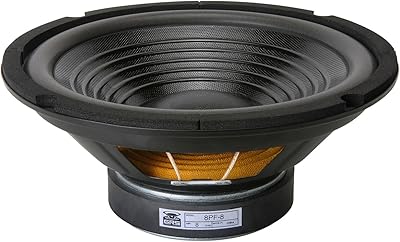
GRS 8PF-8 8-inch Woofer
85%
94%
Value for Money
91%
Ease of Installation
83%
Mid-Bass Response
87%
Performance in Sealed Enclosures
76%
Build Materials
More
Goldwood Sound GW-10PC-8 10″ Woofer 400 Watts 8 Ohm Replacement Speaker

87%
93%
Bass Performance
89%
Build Quality & Durability
88%
Ease of Installation
85%
Power Handling
90%
Sound Clarity
More
It's a 10 Miracle Hair Mask 8 oz
88%
91%
Effectiveness in Hair Hydration
88%
Frizz Control
87%
Ease of Use
93%
Suitability for Damaged Hair
79%
Fragrance
More
Osmo Effects Wonder No.10, 8.45 Ounce
85%
88%
Effectiveness in Repairing Dry Hair
83%
Frizz Control
91%
Thermal Protection Performance
85%
Smoothing Split Ends
87%
Softness & Manageability
More
Design.Me GLOSS.ME Hydrating Treatment Mask 10.23oz
87%
92%
Hydration Effectiveness
89%
Frizz Control
88%
Suitability for Dry Hair
85%
Suitability for Color-Treated Hair
91%
Non-Greasy Finish
More
Neutrogena SkinClearing Mineral Powder 0.38oz 2-Pack
72%
84%
Oil Control
67%
Coverage Level
72%
Acne Treatment Efficacy
38%
Shade Range
74%
Wear Duration
More
Redken Acidic Color Gloss Treatment 10.1oz

87%
91%
Effectiveness in Enhancing Shine
89%
Color Protection and Retention
88%
Smoothness and Texture Improvement
93%
Sulfate-Free Formula Performance
85%
Ease of Use and Application
More
reMarkable 2 10.3-inch Paper Tablet
85%
94%
Tactile Writing Feel
92%
Build Quality & Design
97%
Distraction-Free Experience
89%
Battery Longevity
76%
Software Organization
More

FAQ

You can print without filters — unfiltered white light from your enlarger will produce a mid-range contrast, roughly equivalent to a grade 2. But to unlock the full range of this fiber-base paper, a set of multigrade filters is strongly recommended. They let you push into high contrast for punchy prints or pull back for softer, more graduated tones, all from the same box of paper.

It is genuinely faster than traditional FB papers — Ilford has halved the recommended wash time compared to their older formulations. That said, it still requires a longer archival wash than resin-coated paper, so do not expect RC-level speed. Using a hypo-clearing agent after fixing will help you get the most out of the reduced wash window.

Honestly, probably not as a starting paper. Ilford Multigrade FB Classic Gloss 8×10 Paper is a premium product at a premium price point, and fiber-base paper in general demands more care in development, fixing, washing, and drying. If you are still working out your exposure and contrast basics, you will burn through expensive sheets quickly. Starting with a resin-coated multigrade paper makes more sense, then graduating to this one when you are printing with intention.

Yes — it is compatible with any standard condenser or diffuser enlarger that accepts 8×10 paper. The faster emulsion speed actually works in your favor with older enlargers that have dimmer light sources, since you will reach correct exposure without excessively long times.

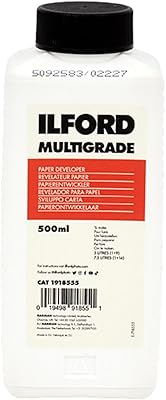
Ilford Multigrade developer is a natural pairing and gives predictable, consistent results. That said, this Ilford darkroom paper responds well to other standard paper developers too, including Kodak Dektol and similar formulations. Dilution and temperature affect contrast slightly, so keep your chemistry consistent between sessions if repeatability matters to you.

The difference is significant. Glossy delivers maximum tonal range and a crisp, reflective surface that really makes deep blacks sing. Pearl and matte surfaces scatter light more, reducing perceived contrast and giving a softer, less reflective look. If you want prints that look striking under gallery lighting, glossy is the natural choice. If you prefer a subtler, less reflective surface, this particular variant is not the right fit — Ilford offers other surface options in their range.

Keep the box sealed and store it flat in a cool, dry space away from any light sources. Humidity and heat are the main enemies of photographic paper emulsion. A light-safe drawer or cabinet at room temperature works well for most home setups. Avoid storing near chemicals, as off-gassing from developers or fixers can affect unexposed paper over time.

Yes, absolutely. A color head or dedicated variable contrast head achieves the same result as physical multigrade filters — both methods dial in the contrast grade by adjusting the light's spectral output. Many printers prefer a VC head for the convenience of not handling individual filters during a session.

Curling is a well-known characteristic of FB paper, and this Ilford darkroom paper is no exception. The wet paper will curl as it dries because the emulsion side shrinks at a different rate than the paper base. The standard approach is to dry prints face-down on a mesh screen, then flatten them under weight or in a dry mounting press. Some printers also use a print flattener solution with good results.

The RC Multigrade line is faster, cheaper per sheet, easier to wash, and dries flat with almost no effort — it is the practical choice for workhorse printing, proofing, or high-volume sessions. The Multigrade FB Classic Gloss is a step up in quality and a step up in effort and cost. The tonal richness and archival permanence of the fiber-base version are meaningful advantages, but they come with a workflow that demands more time and care. Most experienced darkroom printers keep both on hand for different purposes.

Where to Buy