Overview

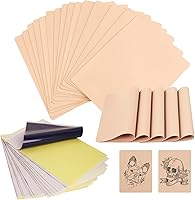
The WZPB 40-Piece Tattoo Skin Transfer Paper Kit is a dual-purpose practice solution aimed at tattoo students, hobbyists, and artists who want a safe, low-stakes way to build skills before touching real clients. It bundles silicone practice sheets with thermal-compatible stencil paper — two of the most common early-stage needs in a single affordable package. At its price point, it sits firmly in entry-level territory, and that context matters when setting expectations. The kit carries a 3.3-star average rating, which signals a genuinely mixed buyer experience. This review cuts past the listing claims and looks at what this tattoo starter set actually delivers.
Features & Benefits

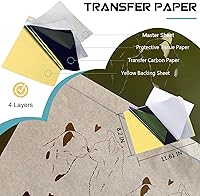
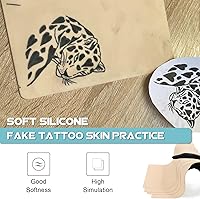
Each silicone sheet measures 1mm thick and is double-sided, so you get two usable surfaces per panel — a detail that stretches the value of the 20-sheet count noticeably. That 1mm thickness is intentional; many artists prefer it because it offers a reasonable approximation of needle resistance without being so dense it distorts technique feedback entirely. The 20 sheets of transfer paper are thermal printer compatible, which is genuinely useful if you already own a thermal copier and want to skip hand-drawing stencils onto skin. Clarity and smudge resistance are listed as key properties, and they mostly hold up for basic designs. The whole bundle packs into a compact box — easy to store in a practice station or carry to a class.

Best For

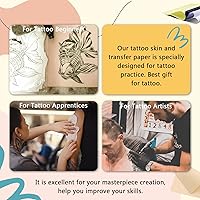
This tattoo starter set makes the most sense for absolute beginners — think first-month students, casual hobbyists, or someone who just bought their first machine and wants to practice linework without the pressure of working on a real person. It also works well for artists who want to test an unfamiliar needle configuration or a new ink brand in a low-stakes environment before committing to a client session. Tattoo school students who burn through practice material quickly will appreciate having a stack of 40 pieces on hand. It is not the right pick for intermediate or advanced artists expecting a close simulation of real skin behavior — the silicone falls short there.

User Feedback

A 3.3-star average does not lie, and this practice kit earns that polarized response honestly. Beginners tend to leave positive notes — they get usable line practice early on, the quantity feels generous for the price, and the transfer paper works well enough for straightforward stencil designs. But the feedback turns sharply negative once buyers have some experience under their belt. The most consistent criticism is that the silicone texture does not accurately replicate the resistance and give of real human skin, which limits its usefulness for refining more nuanced shading or technique work. Transfer paper smudging also surfaces occasionally. The bottom line: satisfaction tracks almost directly with expectation — buyers who treat this skin-and-stencil bundle as a starting point tend to walk away reasonably happy.

Pros

  • Forty pieces total gives beginners ample material to practice on without running out too quickly.
  • Each skin sheet is double-sided, effectively delivering 40 usable surfaces from just 20 panels.
  • The 1mm silicone thickness offers a workable approximation of needle resistance for basic line practice.
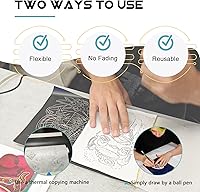
  • Transfer paper is thermal printer compatible, making stencil setup noticeably faster for artists with a copier.
  • Compact packaging stores easily on a practice station shelf or fits in a bag for class.
  • This tattoo starter set bundles two core practice needs — fake skin and stencil paper — in one purchase.
  • An accessible price point removes the financial hesitation that often holds back first-time buyers.
  • The silicone material is water resistant, so minor ink spills during practice sessions do not immediately ruin a sheet.

Cons

  • The silicone texture does not accurately mimic real skin elasticity, limiting its usefulness for shading or blending practice.
  • Several buyers report transfer paper smudging during application, which can blur fine design lines before tattooing begins.
  • The 3.3-star average rating reflects a genuine quality split that goes beyond simple beginner-versus-expert preference.
  • Reusability claims for the silicone panels are optimistic — heavy needle use tends to degrade the surface faster than expected.
  • Artists without a thermal copier lose much of the stencil paper's intended convenience and may find manual transfer tedious.
  • This practice kit offers little value for developing realistic multi-pass ink saturation or complex skin tone blending techniques.
  • Transfer paper adhesion can be inconsistent, occasionally lifting mid-application and disrupting stencil placement accuracy.
  • Intermediate artists are likely to outgrow this skin-and-stencil bundle quickly, making it a short-term investment at best.

Ratings

The WZPB 40-Piece Tattoo Skin Transfer Paper Kit has been evaluated using AI-driven analysis of verified global user reviews, with spam, bot-generated, and incentivized feedback actively filtered out to protect the integrity of every score. The ratings below reflect a balanced picture — both the genuine strengths that make this tattoo starter set a reasonable entry-level pick and the real shortcomings that have frustrated buyers with more experience. Whether you walk away satisfied or disappointed by this skin-and-stencil bundle tends to come down sharply to skill level and expectations, and these scores reflect that honesty without softening the edges.
Skin Texture Realism
54%
46%
Absolute beginners often find the 1mm silicone surface adequate for getting a feel for machine grip, speed control, and very basic line work during their first sessions. Having a physical medium that stretches slightly and accepts ink gives first-time practitioners a tangible starting point that is significantly better than practicing on foam or paper.
The silicone does not replicate the layered structure of real human skin, and artists who have progressed past basic linework will notice the absence of realistic elasticity and resistance almost immediately. Attempting to practice shading, blending, or skin-stretching technique on this surface produces feedback that simply does not carry over accurately to working on a real person.
Value for Money
67%
33%
For the price, getting 40 pieces — two usable surfaces per panel — gives budget-conscious beginners or tattoo school students a generous stack of practice material without a significant financial commitment. Most entry-level buyers find the cost-per-surface ratio acceptable enough that the kit feels like a reasonable starting investment.
Artists with some experience tend to feel the price is not justified once they recognize the silicone quality limitations and inconsistent transfer paper performance — the kit starts to look overpriced for what it actually delivers at that stage. Buyers who have tried higher-quality practice skin from competing brands often describe the value here as borderline disappointing.
Transfer Paper Quality
58%
42%
When it works cleanly, the thermal-compatible transfer paper is genuinely convenient — artists who already own a copier can transfer designs directly without hand-drawing stencils onto the skin sheet, saving real time and reducing pre-session setup friction. For simple designs with bold lines, most users report acceptable initial clarity.
A recurring complaint across user reviews is inconsistent smudging during application — fine lines in particular have a tendency to blur or shift, making stencil placement less reliable than it should be. Some buyers also report that the paper does not adhere consistently to the silicone surface, causing edges to lift mid-application and compromising design accuracy.
Reusability
61%
39%
The double-sided design means each panel technically offers two clean surfaces to work on, which does extend the life of the material meaningfully during early sessions where needle depth and pressure are still being calibrated. For light linework practice, some users manage to get several usable sessions out of a single sheet.
In practice, the reusability claim holds up only under gentle use — once needle passes are heavier or more frequent, the silicone develops tears and ink bleed-through that makes continued use unreliable for accurate technique assessment. Several reviewers noted they burned through sheets faster than expected, which reduces the real-world value of the 40-piece count.
Beginner Suitability
76%
24%
For someone picking up a tattoo machine for the first time, the quantity of 40 practice pieces means there is plenty of room to experiment, fail, and try again without burning through materials in a single session. Early skill-building habits like steady hand movement, consistent speed, and basic depth control are all practicable on this surface.
The moment a beginner starts developing a more refined eye for their own technique, the limitations of the silicone become apparent — feedback that felt adequate in week one starts to feel misleading by week three or four. This practice kit is a solid first step, but it has a short runway before a developing artist will need more realistic material.
Needle Feedback
56%
44%
The 1mm silicone does offer some degree of physical resistance that helps beginners get a basic sense of how a needle interacts with a surface, which is more informative than practicing on foam or paper. New artists learning to regulate machine speed and pressure will find the tactile response at least somewhat useful during the earliest stages.
Real skin has a give and resistance profile that silicone at this price tier cannot match — the needle feedback does not accurately represent how a machine behaves when tattooing over varied body areas like knuckles, wrists, or ribs. Artists hoping to calibrate voltage or stroke length using this surface will likely find the results misleading rather than informative.
Ink Acceptance
69%
31%
The silicone surface accepts standard tattoo ink adequately enough to let beginners see their linework clearly and judge basic consistency — which is really all that matters at the foundational stage. Color inks show up reasonably well, giving students a useful visual reference for their machine output without needing to adjust significantly.
The silicone does not absorb ink the way dermis layers do, so saturation and blending exercises produce results that look quite different from what would happen on a real client. Repeated ink passes on the same area tend to cause pooling on the surface rather than building depth, which limits the usefulness for shading technique development.
Thermal Printer Compatibility
73%
27%
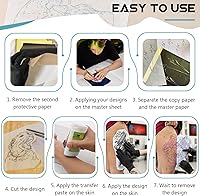
Artists who already own a standard thermal copier will find the stencil paper slots into their existing workflow without any fuss — design files transfer directly to the sheet, and for straightforward stencils the process is notably faster than hand-drawing onto the silicone. Most common thermal copier brands work without any special adjustments.
Buyers who do not own a thermal copier get significantly less value from the transfer paper sheets, since manual application is more cumbersome and less reliable. There are also occasional reports of paper performing inconsistently across different copier settings — running too hot produces over-transferred, blurry stencils that make clean practice sessions harder to execute.
Ease of Use
81%
19%
The setup process for this tattoo starter set is about as straightforward as it gets — unbox, position a sheet, and start practicing. There are no complicated assembly steps, no special pre-treatment required for the silicone, and the kit is intuitive enough that a true first-timer can be up and running within minutes.
Cleaning the silicone sheets between sessions adds a small but consistent maintenance step that some users find inconvenient during high-frequency practice routines. A number of buyers also noted that the transfer paper application requires trial and error to get right — particularly around adhesion pressure — before results become reliably usable.
Portability & Storage
83%
At just under an inch thick and weighing 2.49 lbs, the packaged kit slides easily into a bag or backpack — a practical advantage for tattoo students who carry practice materials between home, school, and studio. The flat, compact box also stores neatly on a shelf without occupying meaningful space in a shared workspace.
The packaging offers minimal structural protection for the silicone sheets during transport, and buyers who carry the kit in a busy bag have noted that sheets can develop minor creases or surface marks that affect practice quality. A sturdier carry case would meaningfully improve the kit as a genuinely travel-friendly option.
Build Quality & Durability
57%
43%
The silicone panels are sturdy enough out of the box to hold their flat shape during a standard practice session, and the material does not degrade simply from sitting on a shelf between uses. Beginners who practice gently and keep needle depth controlled tend to extend the life of individual sheets meaningfully.
Under anything more than light pressure, the silicone tears and degrades faster than the reusability claim suggests — a consistent frustration reported by buyers who practice daily. The transfer paper sheets also show signs of wear quickly, and once creased or handled repeatedly, they stop laying flat enough for accurate stencil application.
Stencil Clarity
62%
38%
For simple, bold designs — basic outlines, large geometric shapes, or thick lettering — the transfer paper delivers a clear enough impression that a beginner can orient their linework practice effectively. Users working with straightforward stencils during early sessions generally report that the transfer result is legible and workable.
Fine-detail designs expose the paper limitations quickly — intricate linework, tight crosshatching, or small text often transfers with visible smearing or line softness that makes precision practice difficult. Buyers attempting to replicate detailed designs for placement testing frequently report that the stencil does not hold up well enough to serve as a reliable guide.
Packaging Quality
71%
29%
The kit arrives neatly organized, with skin sheets and transfer paper separated in a way that makes the contents immediately clear and easy to access. First-time buyers in particular appreciate that there is no guesswork about which component is which — everything is straightforward to identify and start using right away.
The box provides limited structural protection, and a handful of buyers report receiving slightly bent or curled silicone sheets due to compression during shipping. There is also no instruction sheet included, which leaves true beginners without any guidance on setup, recommended needle depth, or how to apply the transfer paper correctly.
Quantity & Coverage
78%
22%
Getting 40 practice surfaces — effectively 80 if you count both sides of each skin sheet — gives beginners meaningful practice runway without needing to reorder in the middle of a learning streak. Tattoo school students who run through material fast during high-volume practice weeks find the generous piece count a practical advantage.
The 40-piece total split equally between skin and paper means buyers who do not own a thermal copier end up with half the kit being effectively useless to them, since there is no option to purchase just the skin sheets separately. For those focused purely on machine practice, the fixed ratio feels misaligned with real-world needs.

Suitable for:

The WZPB 40-Piece Tattoo Skin Transfer Paper Kit is a practical starting point for anyone in the earliest stages of learning to tattoo. Beginners who want to build basic muscle memory — learning how to hold a machine steadily, manage line weight, or control needle depth — will find the 40-piece count gives them plenty of surface area to make mistakes on without burning through materials too quickly. Tattoo school students who need affordable, repeatable practice material will particularly benefit, since the double-sided sheets effectively double the usable surface per panel. Artists testing a new machine, a set of unfamiliar needles, or a different ink brand before using them on a real person will also get genuine value from this practice kit — it removes the stakes of real skin while still offering a physical medium to work on. Hobbyists who are curious about tattooing as a craft but not ready to invest in professional-grade supplies will find this skin-and-stencil bundle a reasonable, low-commitment entry point. Anyone who already owns a thermal copier will also appreciate the transfer paper component, which streamlines stencil placement during practice sessions.
Not suitable for:

The WZPB 40-Piece Tattoo Skin Transfer Paper Kit is a harder sell once you move past the absolute beginner stage. Intermediate and experienced artists who rely on realistic tactile feedback to refine shading, blending, or detailed line work will quickly find the silicone texture insufficient — it does not replicate the resistance, elasticity, or give of real human skin well enough for nuanced technique development. If your goal is to tackle complex designs or push your technical range forward, the limitations of this practice kit become genuine obstacles rather than minor trade-offs. Artists who do not own a thermal copier will also get less out of the transfer paper sheets, since manual stencil application defeats much of the convenience the paper is designed to provide. Those with high standards for stencil clarity and smudge resistance should approach with caution, as buyer feedback points to inconsistent results that can blur fine design lines. If you are shopping for a durable, long-term practice solution that will grow with your skills, this skin-and-stencil bundle is likely to leave you searching for an upgrade sooner than expected.
Specifications

  • Total Pieces: The kit contains 40 items in total: 20 double-sided silicone practice skin sheets and 20 sheets of thermal-compatible transfer paper.
  • Skin Material: Practice skin sheets are constructed from premium silicone, formulated to approximate the stretch and needle feedback of human skin.
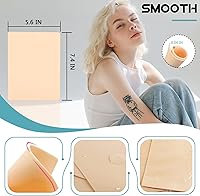
  • Skin Thickness: Each silicone sheet measures 1mm thick, a common preference among artists for its balance of surface resistance and workability during needle practice.
  • Skin Design: Every silicone panel is double-sided, providing two separate usable surfaces per sheet and effectively doubling the available practice area.
  • Transfer Paper Type: The included stencil sheets are designed for use with standard thermal copier machines, enabling direct design-to-skin transfer without hand-drawing.
  • Transfer Paper Properties: Transfer paper is formulated to be clear and smudge-resistant, intended to preserve fine design line integrity during the stencil application process.
  • Dimensions: The packaged kit measures 12.05 x 8.54 x 0.94 inches, compact enough to store on a practice station or fit inside a carry bag.
  • Weight: The complete packaged kit weighs 2.49 lbs, keeping it lightweight enough for transport between home, class, or studio practice sessions.
  • Water Resistance: The silicone skin material carries a water-resistant rating, providing basic tolerance for ink spills and surface moisture during practice.
  • Reusability: Both the silicone skin panels and the transfer paper sheets are marketed as reusable, though real-world durability depends on needle depth and frequency of use.
  • Brand: This practice kit is manufactured by WZPB, a brand positioned primarily toward beginner and student tattoo practice supply needs.
  • Model Number: The official item model number for this kit is WTA-451-20-101C, which can be used to identify the exact variant when reordering.
  • Customer Rating: This kit holds an average customer rating of 3.3 out of 5 stars, reflecting a notably mixed reception across different buyer experience levels.
  • Market Rank: The kit ranks at #1,020 in Tattoo Aftercare Products, indicating moderate but not dominant market visibility within its category.
  • Surface Pattern: The silicone skin sheets feature a solid, uniform surface with no pre-printed texture, guide lines, or anatomical contours.

Related Reviews
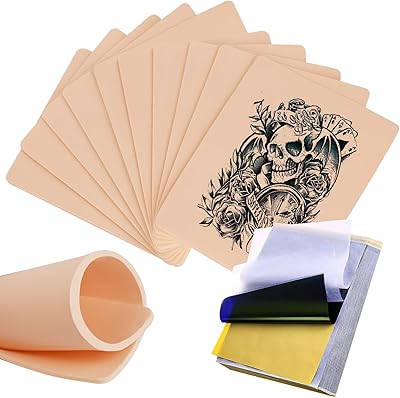
Jconly 3MM Fake Skin and Transfer Paper Kit
86%
91%
Realistic Silicone Feel
89%
Transfer Paper Precision
85%
Ease of Use for Beginners
88%
Durability of Silicone Skins
74%
Flexibility for Intricate Designs
More
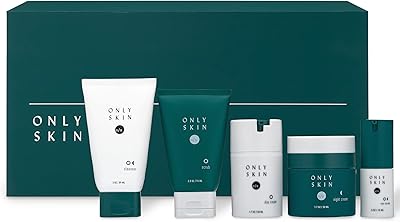
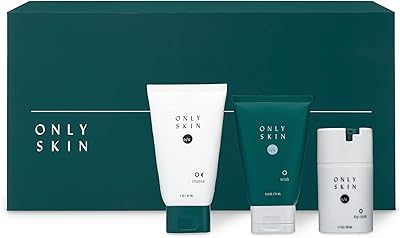
Only Skin Essential Skin Care Kit 3-Piece
89%
94%
Cleansing Effectiveness
88%
Exfoliation Quality
92%
Moisturizing Performance
91%
Skin Compatibility
87%
Gentleness on Sensitive Skin
More
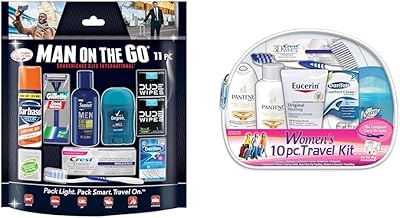
Convenience Kits International Men's 11 Piece Travel Kit & Women's 10 Piece Deluxe Travel Kit
86%
89%
Convenience of Travel Size
91%
Ease of Use
96%
TSA Compliance
87%
Quality of Included Brands
93%
Compactness & Portability
More
Only Skin Premium 5-Piece Skincare Kit

86%
88%
Effectiveness for Hydration
85%
Ease of Use
72%
Skin Sensitivity Compatibility
91%
Texture and Feel
84%
Anti-Aging Benefits
More
LuxeGlow 6-Piece Facial Skin Care Kit
67%
78%
Value for Money
82%
Texture & Absorption
79%
Hydration Performance
43%
Anti-Aging Efficacy
86%
Ease of Use
More
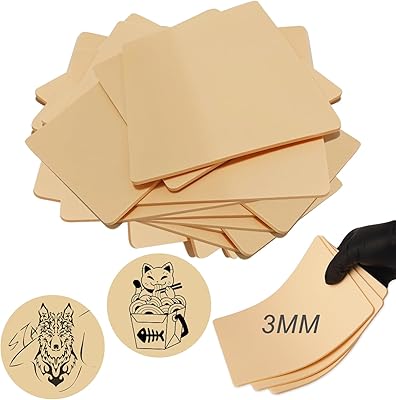
Emalla 3mm Fake Tattoo Skin 20-Pack
80%
74%
Skin-Feel Realism
83%
Ink Retention
81%
Sheet Durability
86%
Value for Money
91%
Portability
More
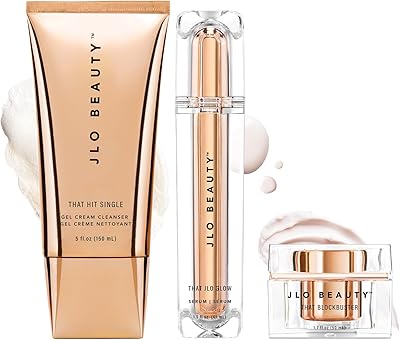
JLO BEAUTY Starter Skin Care Kit, 3 Piece Set
86%
88%
Effectiveness
91%
Hydration Performance
86%
Skin Sensitivity Compatibility
85%
Texture and Feel
92%
Ease of Use
More
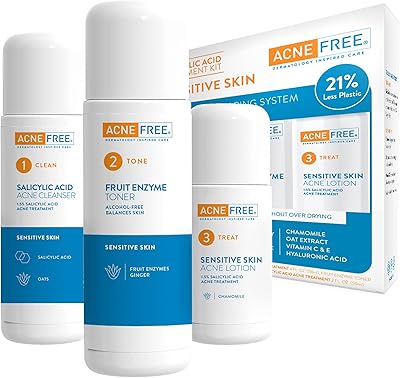
AcneFree 3 Step Acne Treatment Kit - Sensitive Skin, 3 Piece Set
84%
89%
Effectiveness in Clearing Acne
92%
Gentle Formula for Sensitive Skin
83%
Hydration and Moisturization
68%
Dryness After Use
90%
Ease of Use
More
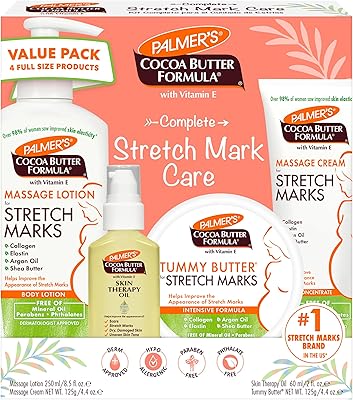
Palmer's Cocoa Butter Formula Pregnancy Skin Care Kit, 4 Piece Set
87%
89%
Effectiveness in Reducing Stretch Marks
91%
Skin Compatibility for Sensitive Skin
93%
Non-Greasy Formula for Daily Use
85%
Absorption Speed and Finish
78%
Fragrance Quality and Longevity
More
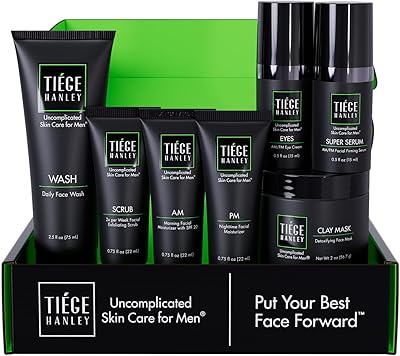
Tiege Hanley Level 4 Men's Skincare Set
80%
74%
Value for Money
83%
Product Effectiveness
86%
Skin Texture & Hydration
88%
Ease of Use
61%
Product Quantity & Sizing
More

FAQ

Yes, the silicone sheets are compatible with both rotary and coil tattoo machines. The 1mm thickness provides enough resistance to give your machine a realistic workout without destroying the surface immediately. Just be mindful of needle depth — going too deep too consistently will tear through the material faster and shorten its useful life.

It is a reasonable approximation for early-stage basics, but it will not fool anyone with hands-on experience. Real skin has layered structure, natural moisture, and elasticity that silicone cannot fully replicate. For building machine handling habits and practicing clean line work, it does the job — just do not expect it to prepare you for the nuanced feel of a live client.

The stencil sheets are specifically engineered for thermal copier machines, so that is where they perform best. Some artists apply them manually using stencil solution, but results tend to be less consistent and smudging becomes more likely. If you do not already own a thermal copier, you may find yourself getting significantly less value out of this component of the kit.

It depends on how aggressively you work. With careful needle depth and light linework, a single double-sided sheet can hold up for several sessions. Push harder or go deeper repeatedly, and the surface will begin to tear and bleed ink in ways that make it difficult to accurately judge your technique. The reusability is real, but it has practical limits that vary by usage style.

Standard tattoo ink is the right choice — it flows and behaves on the silicone in a way that gives you useful feedback about your technique. Watered-down ink is also common for simulating a lighter touch during practice. Avoid substituting acrylic or craft paints, since they behave very differently in terms of flow and penetration and will not give you an accurate sense of how your needles are performing.

It is actually one of the more sensible entry points for true beginners precisely because of the quantity — 40 pieces gives you room to make mistakes without feeling like every sheet is precious. Keep expectations realistic: this is a foundational learning tool, not a professional simulator. If you go in knowing that, you are likely to get solid value from it at this stage of your practice.

Warm water and a small amount of mild soap are all you need to lift surface ink residue. Avoid harsh solvents or rough scrubbing pads, as these accelerate silicone breakdown and reduce the sheet lifespan. Let the panels air dry completely before storing them flat — stacking them while damp can cause sticking or warping over time.

It is designed to work with standard thermal copier machines, and most common tattoo studio models should be compatible without any special adjustments. That said, copiers that run hotter than average or use non-standard settings can occasionally cause over-transfer or smearing, so running a test sheet before committing a final design is always a smart habit regardless of the paper brand.

You can absolutely run colored inks through the silicone and the color will show up clearly enough for basic reference. However, the surface does not replicate how skin accepts and layers color the way real tissue does, so practicing complex blending or saturation work on it has limited carry-over value. The kit is most reliable as a tool for building hand control and line consistency, regardless of what ink color you load.

For quick, low-stakes equipment testing — trying a new needle configuration or breaking in a different machine — it can be useful in a pinch. But if you need honest tactile feedback to make meaningful technical judgments, the silicone texture is likely to leave you frustrated. Most artists with more than a few months of real experience find that the surface does not provide the kind of accurate response needed to refine anything beyond the most fundamental technique.