Overview

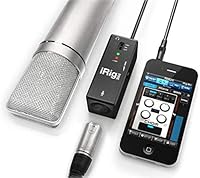
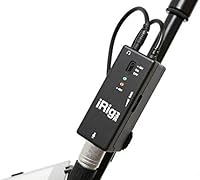
The IK Multimedia iRig Pre Microphone Preamp solves a problem that anyone who has tried plugging a professional mic into a smartphone quickly runs into — there is simply no standard way to do it. This mobile preamp bridges that gap with an XLR input, phantom power support, and a wired analog connection that keeps latency essentially nonexistent. It is compact enough to toss in a bag without a second thought, and light enough at just over three ounces that you barely notice it. For a product that has been around since the early days of mobile recording, it has held up surprisingly well against newer alternatives.
Features & Benefits

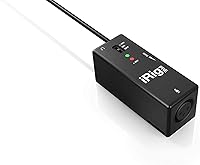
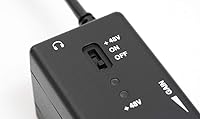
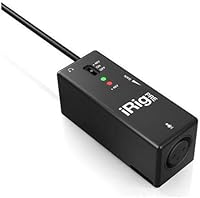
The iRig Pre comes with an XLR input and an adjustable sensitivity dial, which means you can set the gain appropriately whether you are using a dynamic mic in a loud outdoor setting or a sensitive condenser in a quiet room. The +48V phantom power is a genuine standout — it works reliably and lets you run a proper condenser microphone from your phone. A 3.5mm headphone jack allows real-time monitoring with no audible delay. The 15.75-inch cable gives decent flexibility when positioning the unit between your mic and device. Battery life runs up to 30 hours, dropping to around 10 when phantom power is active, which is worth keeping in mind.

Best For

This smartphone mic interface is a natural fit for mobile journalists and podcasters who want real XLR mic quality without lugging around a laptop and full audio interface. If you regularly conduct field interviews, do location-based voiceovers for video, or just want to capture decent audio while traveling, this mobile preamp covers those bases well. Musicians capturing quick ideas on the road will also appreciate the plug-and-play simplicity — no drivers, no setup headaches. It is primarily aimed at iOS users, though tablets are supported too. Anyone making the jump from a basic lav clip to a proper condenser mic will find this a practical, approachable way to do it.

User Feedback

With nearly 12,000 ratings and a 4.3-out-of-5-star average, the iRig Pre has clearly earned a solid reputation among mobile creators. Most buyers single out how painless the setup is — you plug in, open your app, and you are recording. Condenser mic users in particular tend to be satisfied with how reliably the phantom power performs. That said, a recurring criticism is worth noting: final audio quality is ultimately constrained by the analog-to-digital converter inside your phone, not the preamp itself. A few reviewers also wish the cable were a bit longer. At high gain settings, some users report picking up unwanted background noise, which is less a flaw than a reminder to work in reasonably quiet environments.

Pros

  • Plug-and-play setup requires no drivers or complicated software configuration.
  • Supports +48V phantom power, letting you run a professional condenser mic from your smartphone.
  • Real-time headphone monitoring through the 3.5mm output means no guesswork during recording.
  • Incredibly lightweight at just over three ounces — easy to carry anywhere without adding bulk.
  • Up to 30 hours of battery life makes it reliable for full days of field work.
  • The adjustable gain dial gives meaningful control over input sensitivity for different mic types.
  • Compatible with a wide range of popular iOS audio and video apps right out of the box.
  • Nearly 12,000 ratings with a 4.3-star average reflects years of consistent user satisfaction.
  • Analog wired connection keeps latency essentially nonexistent during live monitoring.

Cons

  • Final audio quality is capped by your phone's built-in ADC, which limits the ceiling regardless of mic quality.
  • Battery life drops significantly to around 10 hours when phantom power is running.
  • The 15.75-inch cable is adequate but leaves little slack in certain recording setups.
  • Primarily optimized for iOS — Android users may encounter inconsistent compatibility.
  • Background noise can creep in noticeably when the gain dial is pushed toward its upper range.
  • No high-resolution digital output means it cannot satisfy anyone needing 24-bit recording precision.
  • Single-channel only — no option to record two sources simultaneously.
  • The product has aged and some newer compact interfaces now offer better technical specs at comparable prices.

Ratings

The scores below for the IK Multimedia iRig Pre Microphone Preamp were generated by our AI system after analyzing thousands of verified global user reviews, with spam, bot activity, and incentivized feedback actively filtered out. Both the genuine strengths and the real frustrations buyers have reported are reflected transparently in each category score — no cherry-picking, no spin.
Ease of Setup
93%
Nearly every reviewer mentions how fast this mobile preamp is to get running — plug in the XLR mic, connect the 3.5mm jack to the phone, open an app, and you are recording. There are no drivers to install and no menus to navigate, which is exactly what field journalists and solo podcasters need when time is short.
A small number of Android users report that the setup is not quite as frictionless, with some handsets failing to detect the device at all. This is less a setup flaw and more a compatibility gap, but it does mean the plug-and-play experience is not universal across all devices.
Phantom Power Performance
88%
Condenser mic users consistently praise how reliably the +48V phantom power performs in the field — it is a feature that genuinely separates this smartphone mic interface from cheaper passive adapters. Being able to run a studio-grade condenser mic from a smartphone without any workarounds is a meaningful capability for mobile creators.
The trade-off is real: phantom power cuts battery life from around 30 hours down to roughly 10, which matters on long shooting days without access to a spare battery. A few users feel this limitation is not prominently communicated before purchase and were caught short in the field.
Audio Quality
67%
33%
Compared to a phone's built-in microphone or a basic lav clip, the iRig Pre delivers a clearly cleaner, more controlled signal — particularly when paired with a quality XLR microphone. For mobile podcasting and interview capture, most users find the improvement over their previous setup immediately noticeable.
The ceiling on audio quality is ultimately set by the host device's analog-to-digital converter, not the preamp itself, and this is a limitation that surfaces quickly when users compare recordings to those from a dedicated USB interface on a computer. Critical listeners and musicians tracking vocals for real demos tend to be the most frustrated by this constraint.
Build Quality
72%
28%
The unit feels reasonably solid for its size and price tier, and the compact plastic housing holds up well to the kind of bag-tossing that mobile journalists put their gear through. The integrated cable is a practical design choice that eliminates one potential failure point.
The housing is plastic throughout, which does not inspire confidence for heavy daily use over multiple years, and some users note that the cable connection point near the body feels like the most vulnerable area over time. It is built for portability, not durability under demanding conditions.
Battery Life
79%
21%
Thirty hours of standard battery life is genuinely impressive for a device of this type and gives most users several full days of recording before needing to swap a battery. For journalists doing day-long field work or podcasters recording multiple episodes in a session, this is a meaningful advantage.
The sharp drop to around 10 hours with phantom power active catches some users off guard, particularly condenser mic users who may not realize they are burning through battery at three times the normal rate. There is also no rechargeable or USB-C option, so carrying spare batteries is necessary for heavy users.
Gain Control
81%
19%
The adjustable sensitivity dial gives users practical, real-time control over input levels without needing to dig into app settings — a feature that experienced recordists especially appreciate when quickly switching between a loud dynamic mic and a sensitive condenser in the same session.
At higher gain settings, the device becomes noticeably more susceptible to picking up ambient room noise and handling vibration, which limits its usefulness in anything but reasonably quiet environments. There is no visual metering on the unit itself, so dialing in the right level requires some trial and error.
Monitoring Experience
84%
The built-in 3.5mm headphone output for real-time monitoring is one of the more practically useful features here — hearing yourself in your headphones as you record, with no perceptible delay, removes a lot of uncertainty from mobile recording sessions.
The headphone output volume is tied to the host device, and some users find the maximum monitoring level a touch low when using standard headphones in louder environments. There is no independent headphone volume control on the unit itself, which would have been a useful addition.
Portability
91%
At just over three ounces and with a built-in cable, the iRig Pre is genuinely pocketable and adds almost no burden to a mobile kit. Travel journalists and location-based content creators consistently cite how easy it is to include in a bag without any dedicated case or padding.
The 8.75-inch length means it is not quite small enough to forget about — it does need some deliberate placement when clipped to a mic stand or resting beside a phone. A slightly more compact form factor would make it even more practical for truly minimalist setups.
Cable Length
61%
39%
The 15.75-inch integrated cable is adequate for most standard recording configurations where the phone sits on a nearby surface or in a mount close to the microphone stand. For casual desk recording or seated interviews, most users find it workable without much adjustment.
A notable portion of reviewers flag the cable length as one of the most frustrating practical limitations — particularly in scenarios where the phone needs to be a bit farther away from the mic position. Since the cable is integrated rather than detachable, there is no easy fix beyond using a phone extension cable.
App Compatibility
86%
The analog connection method means the iRig Pre works with virtually any iOS app that supports external microphone input, including GarageBand, Voice Memos, and a wide range of third-party recording tools. Users appreciate not having to worry about whether a particular app will detect the device.
There is no companion app or dedicated software from IK Multimedia that adds value specifically to this device, unlike some competitors in the mobile audio space. Users who want deeper control over EQ, compression, or metering will need to rely entirely on whatever their recording app provides.
Value for Money
74%
26%
For iOS users who already own an XLR microphone and want a quick, affordable way to put it to work on a smartphone, this mobile preamp represents a practical investment — especially given its broad app compatibility and phantom power support at its price tier.
The market has evolved since this product launched, and there are now compact alternatives that offer better technical performance, digital output, and wider device compatibility at comparable prices. Buyers who do a thorough comparison before purchasing may find the value proposition thinner than it first appears.
Noise Floor
58%
42%
Under controlled conditions with moderate gain settings, the noise floor is acceptable for spoken word recording — podcasters and journalists capturing interviews in quiet rooms generally do not report noise as a significant issue in everyday use.
Push the gain dial higher, or record in any environment with noticeable ambient sound, and unwanted hiss and background noise become apparent in recordings. This limits the device's usefulness for music recording or any application where a clean, quiet signal path is critical to the final result.
Android Compatibility
41%
59%
A subset of Android users with TRRS-compatible headphone jacks do report successful use of the iRig Pre, and for those users the experience mirrors what iOS users describe in terms of simplicity.
Android compatibility is fundamentally unreliable — phone-by-phone variation in how manufacturers implement the TRRS standard means that many Android users experience no recognition or degraded performance with no clear troubleshooting path. The product is genuinely designed around iOS and this shows.

Suitable for:

The IK Multimedia iRig Pre Microphone Preamp is genuinely well-suited for mobile creators who need to step up from built-in phone mics or basic clip-on lavs without committing to a full studio setup. Mobile journalists conducting field interviews, solo podcasters recording on location, and video content creators doing voiceovers away from a desk will all find this mobile preamp hits a practical sweet spot. It is especially useful for iOS users who want plug-and-play simplicity — no drivers, no complicated configuration, just a mic plugged into XLR and a 3.5mm jack into the phone. Musicians who want to capture quick song ideas or vocal demos while traveling will also appreciate having a real gain control and condenser mic support in something small enough to slip into a jacket pocket. If your primary recording device is a smartphone or tablet and you already own a decent XLR microphone, this smartphone mic interface makes that gear actually usable on the go.
Not suitable for:

Buyers expecting studio-grade audio output should understand upfront that the IK Multimedia iRig Pre Microphone Preamp is an analog bridge, not a high-resolution audio interface — and the ceiling on sound quality is ultimately set by your phone's own analog-to-digital converter, not the preamp itself. If you need 24-bit high-resolution recordings, low-noise floors for critical vocal tracking, or multi-channel input support, this mobile preamp will leave you underwhelmed. Android users may also run into compatibility friction, since the device is primarily designed and tested around iOS. Anyone working in consistently noisy environments should be aware that the iRig Pre can pick up unwanted background noise when the gain dial is pushed high. And if you are already set up at a desk with a computer, there are purpose-built USB audio interfaces at similar price points that will deliver noticeably better technical performance for stationary recording work.
Specifications

  • Input Type: Features a single XLR input designed to accept standard professional microphones, including both dynamic and condenser types.
  • Phantom Power: Provides +48V phantom power, enabling the use of professional condenser microphones that require external power to operate.
  • Headphone Output: Includes a 3.5mm (1/8-inch) headphone jack for real-time monitoring during recording with no audible latency.
  • Gain Control: An adjustable sensitivity dial on the unit allows users to set input gain appropriate for different microphone types and recording environments.
  • Cable Length: The integrated cable measures 15.75 inches, providing enough reach to comfortably position the unit between a microphone stand and a handheld device.
  • Battery Life: Operates for up to 30 hours on a single battery charge under standard use, or approximately 10 hours when phantom power is active.
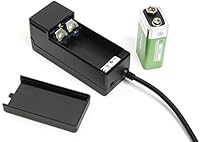
  • Power Source: Runs on a single product-specific battery (included), which must be replaced when depleted — there is no USB charging option.
  • Weight: The unit weighs 3.53 ounces, making it light enough to carry in a coat pocket or small bag without adding meaningful bulk.
  • Dimensions: Physical dimensions measure 8.75 x 5.75 x 1.75 inches, keeping the overall footprint compact for a device with a built-in cable.
  • Connectivity: Uses a wired analog connection to the host device via a 3.5mm TRRS plug, compatible with standard headphone/microphone combo jacks on smartphones and tablets.
  • Channels: Single-channel device — it records one microphone input at a time and does not support simultaneous dual-source recording.
  • OS Compatibility: Primarily designed and optimized for iOS devices; compatibility with Android devices varies depending on the handset's audio jack configuration and software.
  • App Support: Works with a wide range of popular iOS audio and video recording applications without requiring dedicated drivers or additional software installation.
  • Compatible Devices: Designed for use with smartphones and tablets that feature a 3.5mm combo audio jack, including iPhones and iPads.
  • Color: Available in a black and silver finish with a compact plastic housing built for portability rather than ruggedized field conditions.
  • In Box: The package includes the iRig Pre unit with its integrated cable; no microphone, headphones, or additional accessories are included.
  • Manufacturer: Designed and sold by IK Multimedia, an Italian audio technology company with a long history of mobile and studio audio products.
  • Model Number: The official model number is IPIRIGPREINN, used for warranty registration and manufacturer support inquiries.

Related Reviews
IK Multimedia iRig Acoustic Guitar Microphone Interface
76%
93%
Ease of Setup
96%
Portability
67%
Sound Quality
71%
Build Quality
63%
Clip Fit & Stability
More
IK Multimedia iRig Stream
85%
93%
Stereo Input Quality
96%
Portability & Form Factor
91%
Ease of Setup
88%
Loopback Functionality
84%
Monitoring & Latency
More
IK Multimedia iRig Pro I/O
81%
93%
Audio Resolution
96%
Portability & Size
91%
Input Versatility
88%
Compatibility
84%
Phantom Power Performance
More
IK Multimedia iRig HD 2 Guitar Audio Interface
87%
92%
Audio Performance
89%
Portability
85%
Usability
88%
Build Quality
91%
Software Compatibility
More
IK Multimedia iRig 2
87%
93%
Ease of Setup
88%
Input Gain Control
96%
Portability
67%
Signal Purity
82%
Live Rig Integration
More
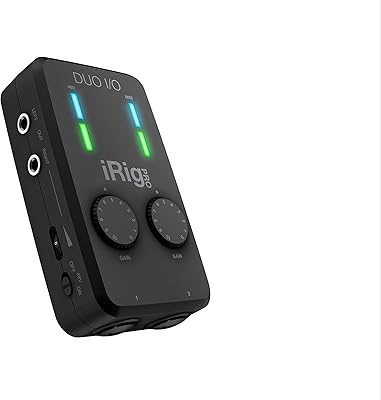
IK Multimedia iRig Pro Duo I/O
85%
94%
Portability
88%
Build Quality
86%
Preamp Performance
92%
Mobile Compatibility
83%
Power Versatility
More
IK Multimedia AXE I/O Solo Audio Interface
78%
93%
Guitar Tone Shaping
87%
Sound Quality
81%
Value for Money
63%
Ease of Setup
88%
Re-amping Capability
More
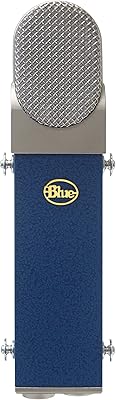
Blue Blueberry Cardioid Condenser Microphone
79%
93%
Tonal Character
91%
Vocal Performance
89%
Build Quality
94%
Capsule Quality
71%
Preamp Compatibility
More
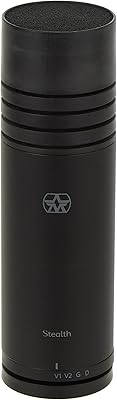
Aston Microphones Stealth Condenser Microphone
79%
88%
Sound Quality
84%
Voice Mode Versatility
86%
Built-in Preamp
91%
Build Quality
83%
Value for Money
More
Neat Microphones Skyline USB Desktop Condenser Microphone
89%
94%
Audio Quality
91%
Ease of Use
89%
Build Quality
90%
Mute Button Functionality
92%
Value for Money
More

FAQ

It is primarily designed for iOS, and that is where you will have the most reliable experience. Android compatibility is inconsistent — some handsets work fine, while others do not recognize the device at all due to differences in how Android phones handle the TRRS audio jack. If you are on Android, it is worth checking user reports for your specific phone model before buying.

You can use most standard XLR microphones, including dynamic mics and condenser mics. The +48V phantom power handles condenser mics that need external power. The adjustable gain dial also helps you match the sensitivity to different mic types, so there is a reasonable amount of flexibility here.

In most cases, yes — especially if you pair it with a decent XLR microphone. That said, the final recording quality is ultimately shaped by your phone's own analog-to-digital converter, which is a ceiling the iRig Pre cannot raise on its own. You will get cleaner, more controlled audio than a built-in mic, but do not expect it to match a dedicated USB audio interface connected to a computer.

No, there is a built-in 3.5mm headphone jack on the unit itself. You plug your headphones directly into the mobile preamp, and you get real-time monitoring with no audible delay. It is one of the more practical features for solo recording setups.

Under normal use without phantom power, battery life runs around 30 hours, which is solid for extended field sessions. If you turn phantom power on for a condenser mic, expect that to drop to closer to 10 hours. The device uses a specific battery type that needs replacing when it runs out, so it is worth keeping a spare if you record frequently on location.

Yes, it works with GarageBand and a broad range of other iOS audio and video apps without any special configuration. Since it connects via the headphone jack as an analog device, most apps that support external microphone input will recognize it automatically.

At just under 16 inches, it gives you a moderate amount of reach. For most setups where your phone sits on a desk or in a stand nearby, it is sufficient. Some users feel it is a little short if they want more distance between the mic stand and the phone, so keep that in mind if your workflow involves positioning things farther apart.

At moderate gain settings it performs reasonably well, but if you push the sensitivity dial toward the higher end, it does become more prone to picking up ambient noise. Recording in a reasonably quiet space will give you the best results — this is not really built for noisy environments without some careful gain management.

No, that is one of the more convenient aspects of this smartphone mic interface. Because it uses an analog wired connection, your iOS device recognizes it automatically. Just plug it in, open your recording app, and you are ready to go.

It is a genuinely practical starting point for mobile podcasting, especially if you already own or plan to buy an XLR microphone. The setup is straightforward, the learning curve is minimal, and it removes the biggest barrier between a quality mic and a smartphone. Just go in knowing that upgrading your microphone will matter more than this unit itself in terms of how your final recordings sound.